EXPEDITION CRUISE

Wild Scotland

All departures of this trip

CRUISE ID # AURORASCO022D

Edinburgh TO Aberdeen
Wild Scotland
Wild Scotland
Wild Scotland
Wild Scotland
Wild Scotland
No Single Supplement
TRIP STARTS ON
July 04, 2027
SHIP SAILS ON
July 04, 2027
HOTEL NIGHTS
Pre-Cruise: 0, Post-Cruise: 0
SHIP
Douglas Mawson
TRIP ENDS ON
July 15, 2027
STOPS
12 Stops, 1 Country
CRUISE NIGHTS
11
OPERATOR
Aurora Expeditions
FROM: 

$11,321

WITH SPECIAL SAVINGS APPLIED

FARES SHOWN ARE PER GUEST

Suites & Fares

No Single Supplement

CHOOSE START DATE 

: July 04, 2027

 
STEP 1: CHOOSE YOUR PREFERRED DEAL
Cruise Fare
View Suites
25% Off
View Suites

Itinerary

12 Ports
1 Country

Edinburgh is to London as poetry is to prose, as Charlotte Brontë once wrote. One of the world's stateliest cities and proudest capitals, it's built—like Rome—on seven hills, making it a striking backdrop for the ancient pageant of history. In a skyline of sheer drama, Edinburgh Castle watches over the capital city, frowning down on Princes Street’s glamour and glitz. But despite its rich past, the city’s famous festivals, excellent museums and galleries, as well as the modern Scottish Parliament, are reminders that Edinburgh has its feet firmly in the 21st century.Nearly everywhere in Edinburgh (the burgh is always pronounced burra in Scotland) there are spectacular buildings, whose Doric, Ionic, and Corinthian pillars add touches of neoclassical grandeur to the largely Presbyterian backdrop. Large gardens are a strong feature of central Edinburgh, where the city council is one of the most stridently conservationist in Europe. Arthur's Seat, a mountain of bright green and yellow furze, rears up behind the spires of the Old Town. This child-size mountain jutting 822 feet above its surroundings has steep slopes and little crags, like a miniature Highlands set down in the middle of the busy city. Appropriately, these theatrical elements match Edinburgh's character—after all, the city has been a stage that has seen its fair share of romance, violence, tragedy, and triumph.Modern Edinburgh has become a cultural capital, staging the Edinburgh International Festival and the Fringe Festival in every possible venue each August. The stunning Museum of Scotland complements the city’s wealth of galleries and artsy hangouts. Add Edinburgh’s growing reputation for food and nightlife and you have one of the world’s most beguiling cities.Today the city is the second most important financial center in the United Kingdom, and the fifth most important in Europe. The city regularly is ranked near the top in quality-of-life surveys. Accordingly, New Town apartments on fashionable streets sell for considerable sums. In some senses the city is showy and materialistic, but Edinburgh still supports learned societies, some of which have their roots in the Scottish Enlightenment. The Royal Society of Edinburgh, for example, established in 1783 "for the advancement of learning and useful knowledge," remains an important forum for interdisciplinary activities.Even as Edinburgh moves through the 21st century, its tall guardian castle remains the focal point of the city and its venerable history. Take time to explore the streets—peopled by the spirits of Mary, Queen of Scots; Sir Walter Scott; and Robert Louis Stevenson—and pay your respects to the world's best-loved terrier, Greyfriars Bobby. In the evenings you can enjoy candlelit restaurants or a folk ceilidh (pronounced kay-lee, a traditional Scottish dance with music), though you should remember that you haven't earned your porridge until you've climbed Arthur's Seat. Should you wander around a corner, say, on George Street, you might see not an endless cityscape, but blue sea and a patchwork of fields. This is the county of Fife, beyond the inlet of the North Sea called the Firth of Forth—a reminder, like the mountains to the northwest that can be glimpsed from Edinburgh's highest points, that the rest of Scotland lies within easy reach.

Troon is a town and sea port in South Ayrshire, situated on the west coast of Ayrshire in Scotland, about eight miles north of Ayr and three miles northwest of Glasgow Prestwick Airport. Troon has a port with ferry and freight services, and a yacht marina

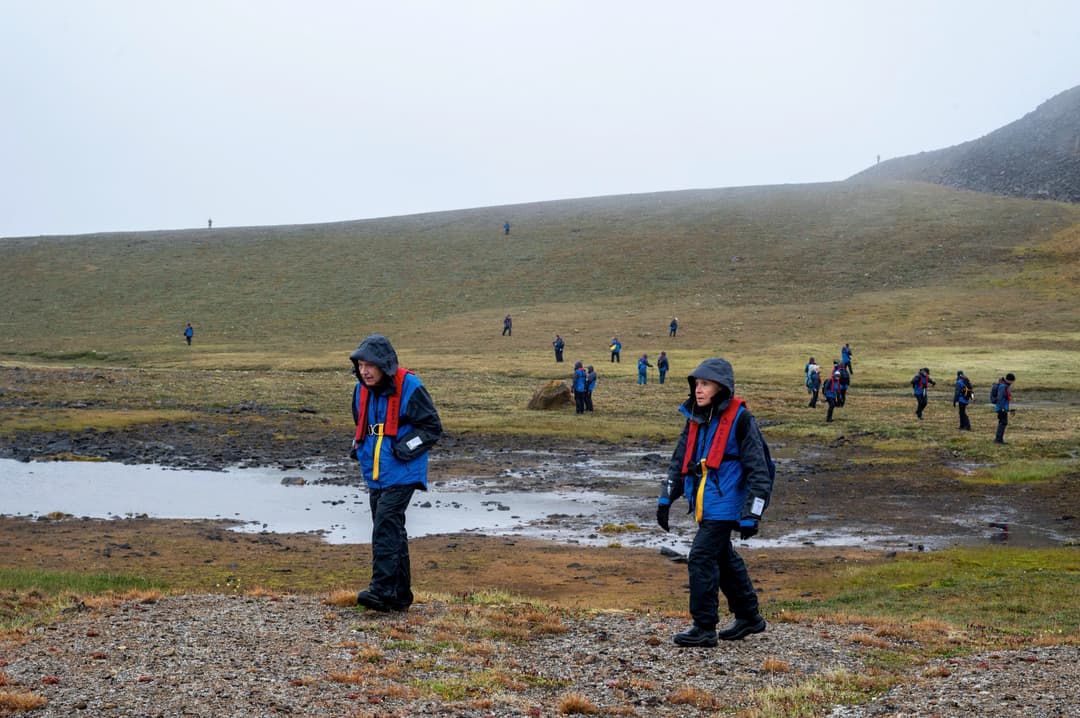
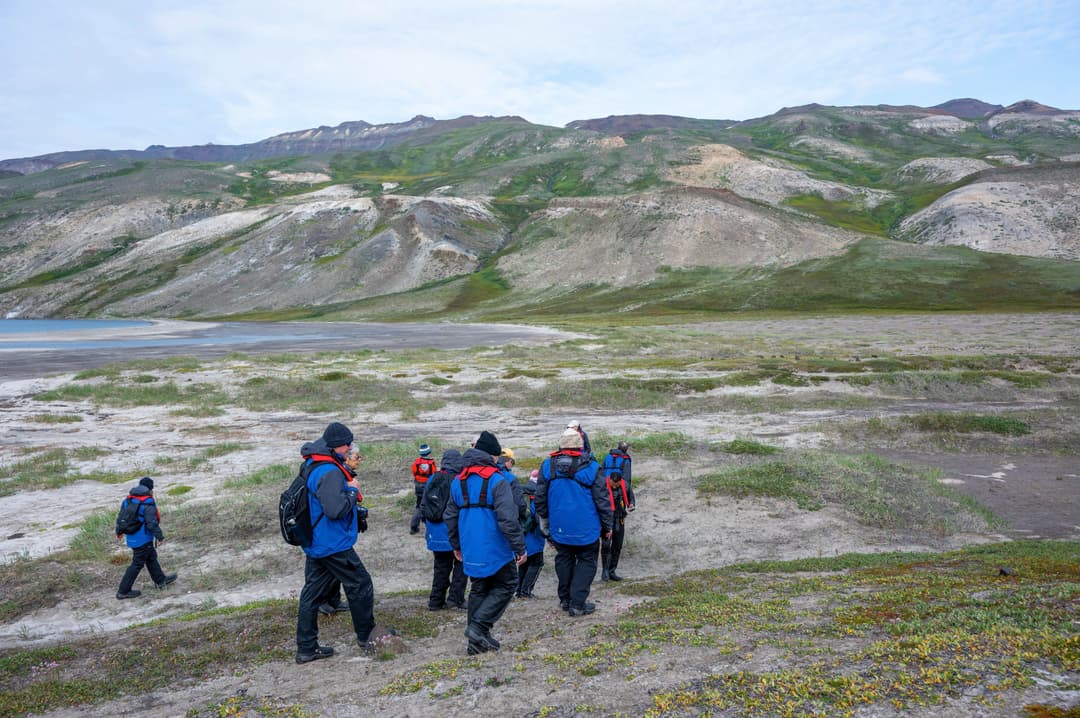
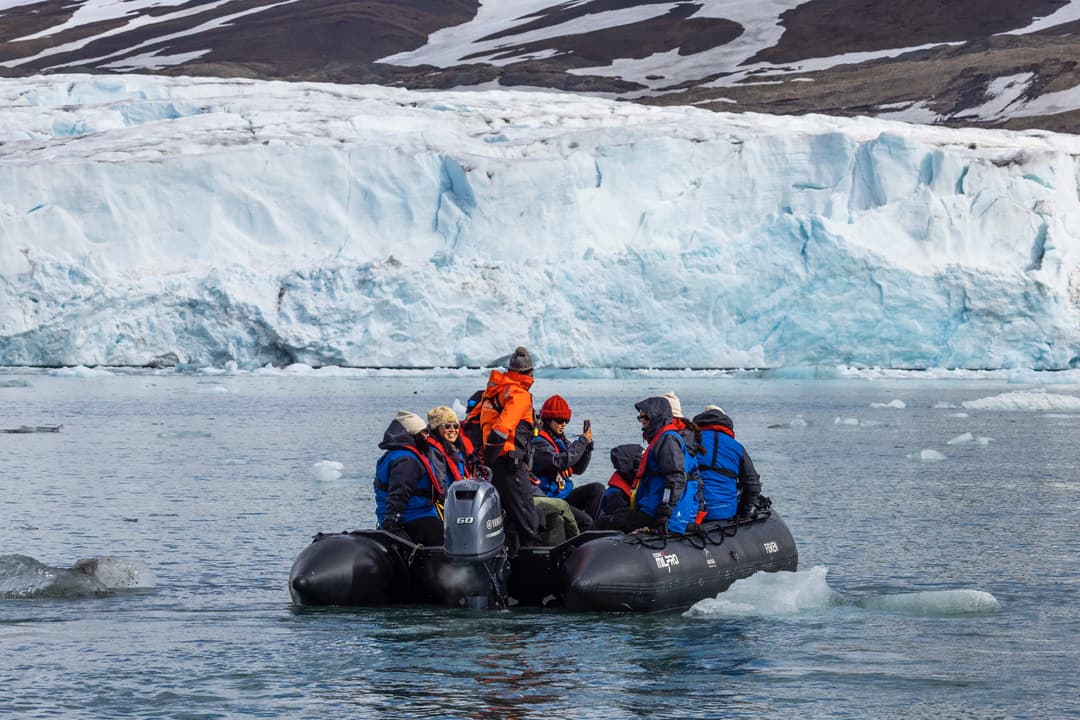
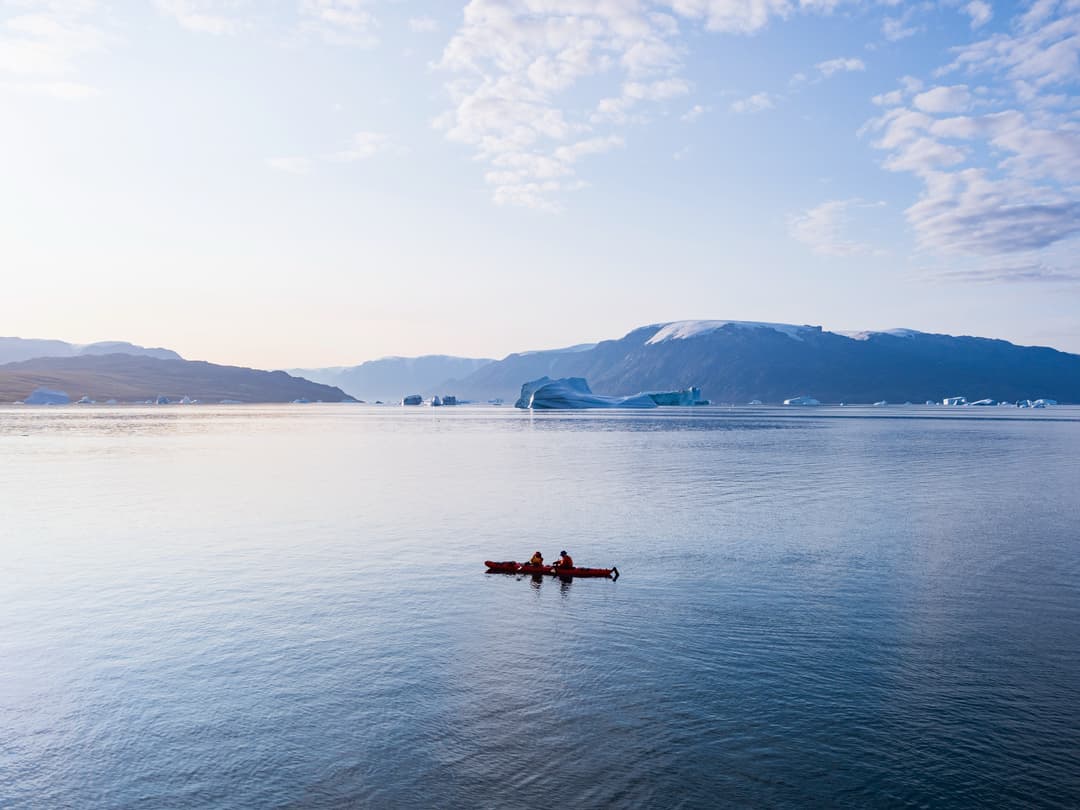
From golden beaches to jagged peaks, bleak moors and heather clad hills; from abandoned settlements to picturesque villages, our days in the Hebrides archipelago will be packed with variety. We may explore remote lochs beneath some of Britain’s most untamed mountains and wander between unusual rock formations. We may watch for whales, dolphins, otters, seals, and the increasingly rare basking sharks. Possibly we will land at an island reserve that is home to red deer and white-tailed sea eagles. Kayakers will be introduced to their craft and will be briefed for their adventures, before picking up paddles to circumnavigate tiny islets or glide into narrow waterways that intertwine the islands. Hikers may opt for panoramic views from summits and ridges. Early the next morning we will aim for the tiny island of Iona. Barely 5 kilometres (3 miles) long, Iona is renowned as the birthplace of Christianity in Britain. It is also a burial ground of early Scottish Kings. The Irish monk, St Columba and twelve disciples, landed here and founded a monastery in 563 CE. From this base, St Columba set about converting Scotland and much of Northern England to Christianity. On Staffa, we hope to have the chance to explore Fingals Cave, where the melodious sound of waves crashing against towering basalt pillars inspired Mendelssohnns Hebridean Overture. We may enter the cave in Zodiacs, or clamber ashore to walk into the mouth of the cave. On shore we will also find Puffins in abundance. We plan to land on remote Isle of Eigg just south of the rugged Isle of Skye for wonderful hikes among stunning wildflowers. The wildlife, history, geology and beautiful scenery make it one of our favourite islands to explore. We hope to make the following landings: The Cuillin Hills have earned a reputation as Britain’s most untamed and challenging mountains. The rocky jagged Black Cuillins attract rock climbers. The smoother conical granite peaks of the Red Cuillins are crowned with heather. We may land at Loch Scavaig in the heart of the Cuillins and take a short hike, perhaps to Loch Coruisk, for spectacular views and get a glimpse of the range’s grandeur. Keener hikers may be able to venture further afield, weather permitting. Meanwhile kayakers may paddle around Loch Scavaig, into Loch Coruisk. They may explore the island of Soay and an abandoned shark fishing station – all against the backdrop of classic views of the Cuillins.

From golden beaches to jagged peaks, bleak moors and heather clad hills; from abandoned settlements to picturesque villages, our days in the Hebrides archipelago will be packed with variety. We may explore remote lochs beneath some of Britain’s most untamed mountains and wander between unusual rock formations. We may watch for whales, dolphins, otters, seals, and the increasingly rare basking sharks. Possibly we will land at an island reserve that is home to red deer and white-tailed sea eagles. Kayakers will be introduced to their craft and will be briefed for their adventures, before picking up paddles to circumnavigate tiny islets or glide into narrow waterways that intertwine the islands. Hikers may opt for panoramic views from summits and ridges. Early the next morning we will aim for the tiny island of Iona. Barely 5 kilometres (3 miles) long, Iona is renowned as the birthplace of Christianity in Britain. It is also a burial ground of early Scottish Kings. The Irish monk, St Columba and twelve disciples, landed here and founded a monastery in 563 CE. From this base, St Columba set about converting Scotland and much of Northern England to Christianity. On Staffa, we hope to have the chance to explore Fingals Cave, where the melodious sound of waves crashing against towering basalt pillars inspired Mendelssohnns Hebridean Overture. We may enter the cave in Zodiacs, or clamber ashore to walk into the mouth of the cave. On shore we will also find Puffins in abundance. We plan to land on remote Isle of Eigg just south of the rugged Isle of Skye for wonderful hikes among stunning wildflowers. The wildlife, history, geology and beautiful scenery make it one of our favourite islands to explore. We hope to make the following landings: The Cuillin Hills have earned a reputation as Britain’s most untamed and challenging mountains. The rocky jagged Black Cuillins attract rock climbers. The smoother conical granite peaks of the Red Cuillins are crowned with heather. We may land at Loch Scavaig in the heart of the Cuillins and take a short hike, perhaps to Loch Coruisk, for spectacular views and get a glimpse of the range’s grandeur. Keener hikers may be able to venture further afield, weather permitting. Meanwhile kayakers may paddle around Loch Scavaig, into Loch Coruisk. They may explore the island of Soay and an abandoned shark fishing station – all against the backdrop of classic views of the Cuillins.

From the Inner Hebrides we make our way to the Outer Hebrides – also known as the Western Isles – that stretch for 209 kilometres (128 miles) and look out on their western side to the Atlantic Ocean. Our first stop is at the Isle of Lewis, the largest and northern-most island in the Outer Hebrides. We plan to make a stop at Callanais, where archaeology buffs will be keen to see the fascinating group of Standing Stones, dating from around 3,000 BCE. Weather permitting, we plan to land at the isolated archipelago (and World Heritage site) of St Kilda, where derelict crofts bear testament to the fortitude of islanders who once tended the unique Soay sheep and harvested seabirds for food—and to pay their rent in the form of wool, meat and feathers. The isles hold Europe’s most important seabird colony and is home to Britain’s highest sea stacks. Orkney’s archipelago of 70 windswept islands, 10 kilometres / 6 miles north of the Scottish mainland, a rich tapestry of archaeology, history and wildlife awaits. We follow the passage of time—from 5,000-year-old World Heritage Neolithic sites, past relics from Vikings and reminders of World War II occupation—to present day crofting communities. Imposing sea cliffs teem with seabirds and cliff top paths beckon the keen hikers among us. Our kayakers use paddle-power to explore sections of Orkney’s fascinating coastline. At the Knap of Howar on Papa Westray lies the earliest known house in Northern Europe, occupied by Neolithic farmers over 5,000 years ago. Here we are welcomed by the friendly locals. Enjoy the lively Scottish dance and folk ensemble, "Poor Man's Corner," hailing from Papa Westray, set to grace the local pub with their spirited tunes. Mingle and enjoy a few drinks, while listening to the captivating melodies and infectious rhythms.  

From the Inner Hebrides we make our way to the Outer Hebrides – also known as the Western Isles – that stretch for 209 kilometres (128 miles) and look out on their western side to the Atlantic Ocean. Our first stop is at the Isle of Lewis, the largest and northern-most island in the Outer Hebrides. We plan to make a stop at Callanais, where archaeology buffs will be keen to see the fascinating group of Standing Stones, dating from around 3,000 BCE. Weather permitting, we plan to land at the isolated archipelago (and World Heritage site) of St Kilda, where derelict crofts bear testament to the fortitude of islanders who once tended the unique Soay sheep and harvested seabirds for food—and to pay their rent in the form of wool, meat and feathers. The isles hold Europe’s most important seabird colony and is home to Britain’s highest sea stacks. Orkney’s archipelago of 70 windswept islands, 10 kilometres / 6 miles north of the Scottish mainland, a rich tapestry of archaeology, history and wildlife awaits. We follow the passage of time—from 5,000-year-old World Heritage Neolithic sites, past relics from Vikings and reminders of World War II occupation—to present day crofting communities. Imposing sea cliffs teem with seabirds and cliff top paths beckon the keen hikers among us. Our kayakers use paddle-power to explore sections of Orkney’s fascinating coastline. At the Knap of Howar on Papa Westray lies the earliest known house in Northern Europe, occupied by Neolithic farmers over 5,000 years ago. Here we are welcomed by the friendly locals. Enjoy the lively Scottish dance and folk ensemble, "Poor Man's Corner," hailing from Papa Westray, set to grace the local pub with their spirited tunes. Mingle and enjoy a few drinks, while listening to the captivating melodies and infectious rhythms.  

From the Inner Hebrides we make our way to the Outer Hebrides – also known as the Western Isles – that stretch for 209 kilometres (128 miles) and look out on their western side to the Atlantic Ocean. Our first stop is at the Isle of Lewis, the largest and northern-most island in the Outer Hebrides. We plan to make a stop at Callanais, where archaeology buffs will be keen to see the fascinating group of Standing Stones, dating from around 3,000 BCE. Weather permitting, we plan to land at the isolated archipelago (and World Heritage site) of St Kilda, where derelict crofts bear testament to the fortitude of islanders who once tended the unique Soay sheep and harvested seabirds for food—and to pay their rent in the form of wool, meat and feathers. The isles hold Europe’s most important seabird colony and is home to Britain’s highest sea stacks. Orkney’s archipelago of 70 windswept islands, 10 kilometres / 6 miles north of the Scottish mainland, a rich tapestry of archaeology, history and wildlife awaits. We follow the passage of time—from 5,000-year-old World Heritage Neolithic sites, past relics from Vikings and reminders of World War II occupation—to present day crofting communities. Imposing sea cliffs teem with seabirds and cliff top paths beckon the keen hikers among us. Our kayakers use paddle-power to explore sections of Orkney’s fascinating coastline. At the Knap of Howar on Papa Westray lies the earliest known house in Northern Europe, occupied by Neolithic farmers over 5,000 years ago. Here we are welcomed by the friendly locals. Enjoy the lively Scottish dance and folk ensemble, "Poor Man's Corner," hailing from Papa Westray, set to grace the local pub with their spirited tunes. Mingle and enjoy a few drinks, while listening to the captivating melodies and infectious rhythms.  

Britain’s most northerly islands lie almost 160 kilometres (99 miles) north of the Scottish mainland, at a similar latitude to the southern tip of Greenland, or Bergen in Norway. Kept relatively warm by the Gulf Stream, Shetland’s 100 islands experience almost 24 hours of daylight in summer. They abound with nature reserves and archaeological sites and offer a taste of traditional island life. We plan to explore some of the following sites: Midway between Orkney and Shetland, Fair Isle houses a major European ornithological research station and is also famous for knitwear and historic shipwrecks. About five kilometres by three kilometres / three miles by two miles in area, it is surrounded by impressive cliffs. The 70 or so islanders mainly live in traditional crofts on the more fertile low-lying southern part of the island. A bird watchers’ paradise, Fair Isle lies on the intersection of major flight paths from Scandinavia, Iceland and Faroe. In summer, the cliffs teem with breeding fulmars, kittiwakes, guillemots, gannets, shags and puffins. The Isle is an excellent place to view seabirds, especially puffins at close range. Fair Isle also has over 250 species of flowering plants, including wetland flowers, rare orchids, alpine species and common wildflowers. We’ll be welcomed by the hospitable villagers and may take a hike or visit the museum. Grey and common seals inhabit these waters around Fair Isle, while sharp eyes may spot harbour porpoises, white-beaked dolphins, Atlantic white-sided dolphins, killer whales (orcas) and minke whales. From Lerwick, explore Jarlshof, one of Shetland's best preserved and most complex archaeological sites. It was exposed by storms in the late 19th century. The Old House of Sumburgh, built here in the 17th century, was named 'Jarlshof' by Sir Walter Scott in his novel 'The Pirate'. The record of human occupation dates from around 3,200 BCE. Jarlshof’s main Bronze Age site is the house of a bronzesmith working around 800 BC. Clay moulds into which molten bronze was poured revealed that he was casting axe heads and short swords. It seems that Shetland suited early Norse settlers, for they quickly settled here and left their mark on Shetland's history for ages to come. With its mile-long seabird cliffs, the Island of Noss is a National Nature Reserve. In breeding season, the sound of around 150,000 birds and chicks fills the air. Millions of years of wind and ice have honeycombed thousands of nesting ledges in sandstone cliffs almost 200-metres / 656-feet high. Resident seals and visiting otters feed in dense kelp around the shores.  Mousa Broch, on the small uninhabited island of Mousa, is the best preserved of Scotland’s 570 brochs (fortified Iron Age towers). Storm petrels nest among its stones, which can be seen when visiting the broch at night. In daylight, a large colony of common and grey seals basks on its shores, and you may spot otter (Dratsi, in Shetland dialect).

Britain’s most northerly islands lie almost 160 kilometres (99 miles) north of the Scottish mainland, at a similar latitude to the southern tip of Greenland, or Bergen in Norway. Kept relatively warm by the Gulf Stream, Shetland’s 100 islands experience almost 24 hours of daylight in summer. They abound with nature reserves and archaeological sites and offer a taste of traditional island life. We plan to explore some of the following sites: Midway between Orkney and Shetland, Fair Isle houses a major European ornithological research station and is also famous for knitwear and historic shipwrecks. About five kilometres by three kilometres / three miles by two miles in area, it is surrounded by impressive cliffs. The 70 or so islanders mainly live in traditional crofts on the more fertile low-lying southern part of the island. A bird watchers’ paradise, Fair Isle lies on the intersection of major flight paths from Scandinavia, Iceland and Faroe. In summer, the cliffs teem with breeding fulmars, kittiwakes, guillemots, gannets, shags and puffins. The Isle is an excellent place to view seabirds, especially puffins at close range. Fair Isle also has over 250 species of flowering plants, including wetland flowers, rare orchids, alpine species and common wildflowers. We’ll be welcomed by the hospitable villagers and may take a hike or visit the museum. Grey and common seals inhabit these waters around Fair Isle, while sharp eyes may spot harbour porpoises, white-beaked dolphins, Atlantic white-sided dolphins, killer whales (orcas) and minke whales. From Lerwick, explore Jarlshof, one of Shetland's best preserved and most complex archaeological sites. It was exposed by storms in the late 19th century. The Old House of Sumburgh, built here in the 17th century, was named 'Jarlshof' by Sir Walter Scott in his novel 'The Pirate'. The record of human occupation dates from around 3,200 BCE. Jarlshof’s main Bronze Age site is the house of a bronzesmith working around 800 BC. Clay moulds into which molten bronze was poured revealed that he was casting axe heads and short swords. It seems that Shetland suited early Norse settlers, for they quickly settled here and left their mark on Shetland's history for ages to come. With its mile-long seabird cliffs, the Island of Noss is a National Nature Reserve. In breeding season, the sound of around 150,000 birds and chicks fills the air. Millions of years of wind and ice have honeycombed thousands of nesting ledges in sandstone cliffs almost 200-metres / 656-feet high. Resident seals and visiting otters feed in dense kelp around the shores.  Mousa Broch, on the small uninhabited island of Mousa, is the best preserved of Scotland’s 570 brochs (fortified Iron Age towers). Storm petrels nest among its stones, which can be seen when visiting the broch at night. In daylight, a large colony of common and grey seals basks on its shores, and you may spot otter (Dratsi, in Shetland dialect).

Britain’s most northerly islands lie almost 160 kilometres (99 miles) north of the Scottish mainland, at a similar latitude to the southern tip of Greenland, or Bergen in Norway. Kept relatively warm by the Gulf Stream, Shetland’s 100 islands experience almost 24 hours of daylight in summer. They abound with nature reserves and archaeological sites and offer a taste of traditional island life. We plan to explore some of the following sites: Midway between Orkney and Shetland, Fair Isle houses a major European ornithological research station and is also famous for knitwear and historic shipwrecks. About five kilometres by three kilometres / three miles by two miles in area, it is surrounded by impressive cliffs. The 70 or so islanders mainly live in traditional crofts on the more fertile low-lying southern part of the island. A bird watchers’ paradise, Fair Isle lies on the intersection of major flight paths from Scandinavia, Iceland and Faroe. In summer, the cliffs teem with breeding fulmars, kittiwakes, guillemots, gannets, shags and puffins. The Isle is an excellent place to view seabirds, especially puffins at close range. Fair Isle also has over 250 species of flowering plants, including wetland flowers, rare orchids, alpine species and common wildflowers. We’ll be welcomed by the hospitable villagers and may take a hike or visit the museum. Grey and common seals inhabit these waters around Fair Isle, while sharp eyes may spot harbour porpoises, white-beaked dolphins, Atlantic white-sided dolphins, killer whales (orcas) and minke whales. From Lerwick, explore Jarlshof, one of Shetland's best preserved and most complex archaeological sites. It was exposed by storms in the late 19th century. The Old House of Sumburgh, built here in the 17th century, was named 'Jarlshof' by Sir Walter Scott in his novel 'The Pirate'. The record of human occupation dates from around 3,200 BCE. Jarlshof’s main Bronze Age site is the house of a bronzesmith working around 800 BC. Clay moulds into which molten bronze was poured revealed that he was casting axe heads and short swords. It seems that Shetland suited early Norse settlers, for they quickly settled here and left their mark on Shetland's history for ages to come. With its mile-long seabird cliffs, the Island of Noss is a National Nature Reserve. In breeding season, the sound of around 150,000 birds and chicks fills the air. Millions of years of wind and ice have honeycombed thousands of nesting ledges in sandstone cliffs almost 200-metres / 656-feet high. Resident seals and visiting otters feed in dense kelp around the shores.  Mousa Broch, on the small uninhabited island of Mousa, is the best preserved of Scotland’s 570 brochs (fortified Iron Age towers). Storm petrels nest among its stones, which can be seen when visiting the broch at night. In daylight, a large colony of common and grey seals basks on its shores, and you may spot otter (Dratsi, in Shetland dialect).

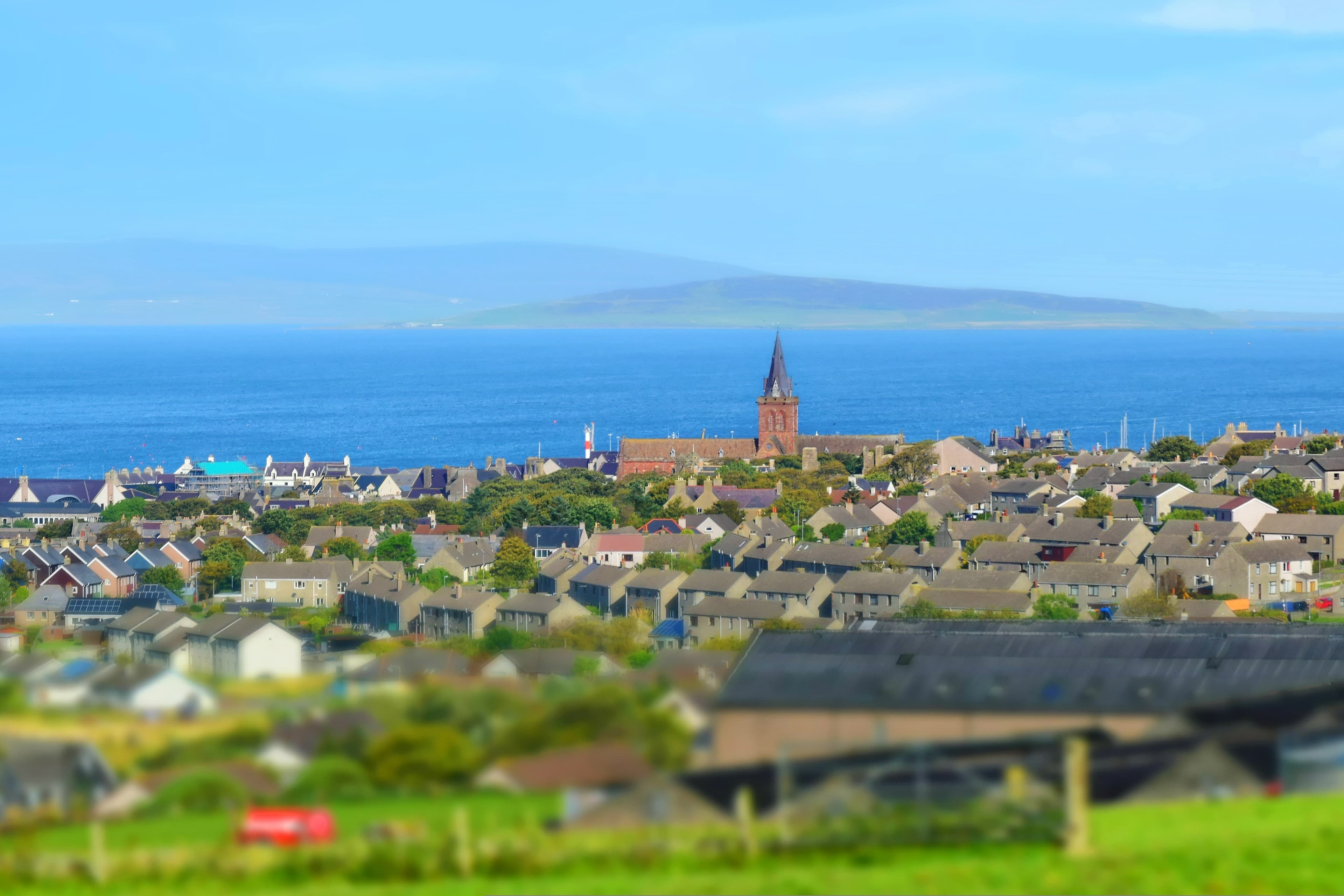
In bustling Kirkwall, the main town on Orkney, there's plenty to see in the narrow, winding streets extending from the harbor. The cathedral and some museums are highlights.

With close to 220,000 inhabitants, Aberdeen is Scotland's third most populous city. Locally quarried grey granite was used during the mid-18th to mid-20th centuries for many of Aberdeen's buildings, and hence the nicknames it has earned as the Granite City, or the Grey City. Aberdeen granite was also used to build the terraces of the Houses of Parliament and Waterloo Bridge in London. Since the discovery of North Sea oil in the 1970s, Aberdeen has also been called the Oil Capital of Europe or the Energy Capital of Europe. It is no wonder that because of the oil fields in the North Sea, Aberdeen's seaport is very important. The Heliport with its flights to the oil fields is one of the busiest commercial heliports in the world.

Show more

About the Ship

Name

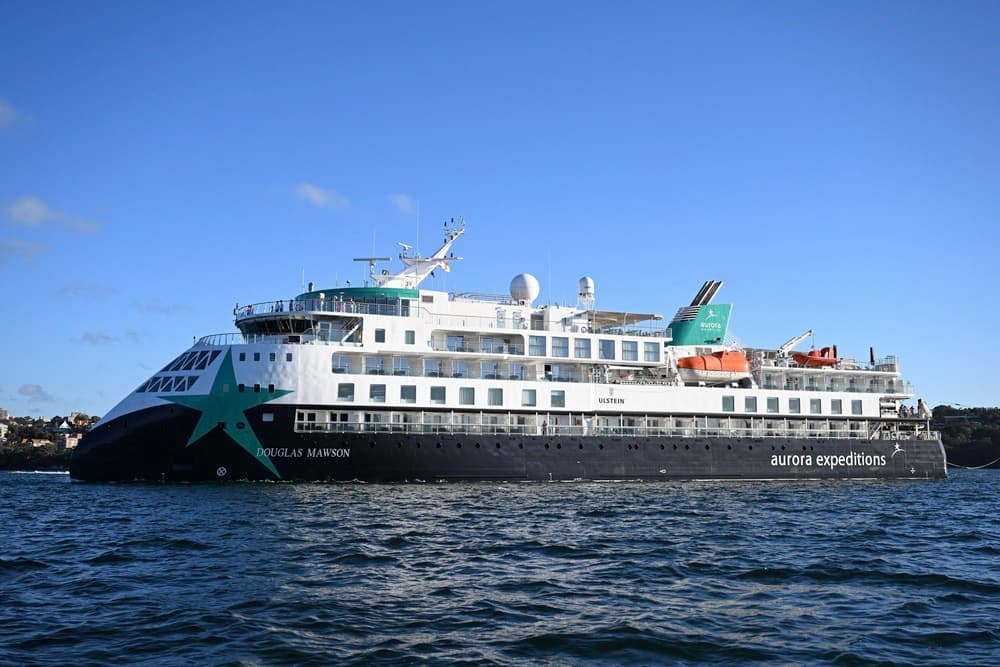
Douglas Mawson

Operator

Aurora Expeditions

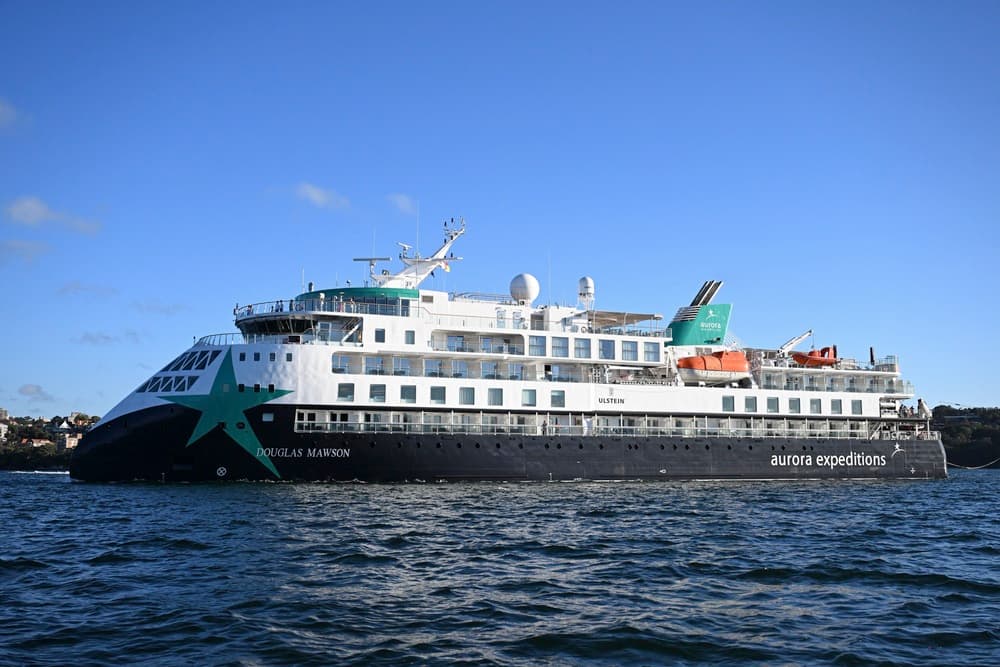
Adventure has a new name. Setting sail in 2025, our new state-of-the-art ship, the Douglas Mawson, is the last in a line of purpose-built vessels that have redefined small ship expedition cruising.

Ship Facts
cabin count
86
capacity
154
crew count
24
deck count
8
currency
USD onboard
gross tonnage
8500
language
en
launch year
2025
length
104m
speed
12kts
wheelchair count
2
width
18m

Loading...

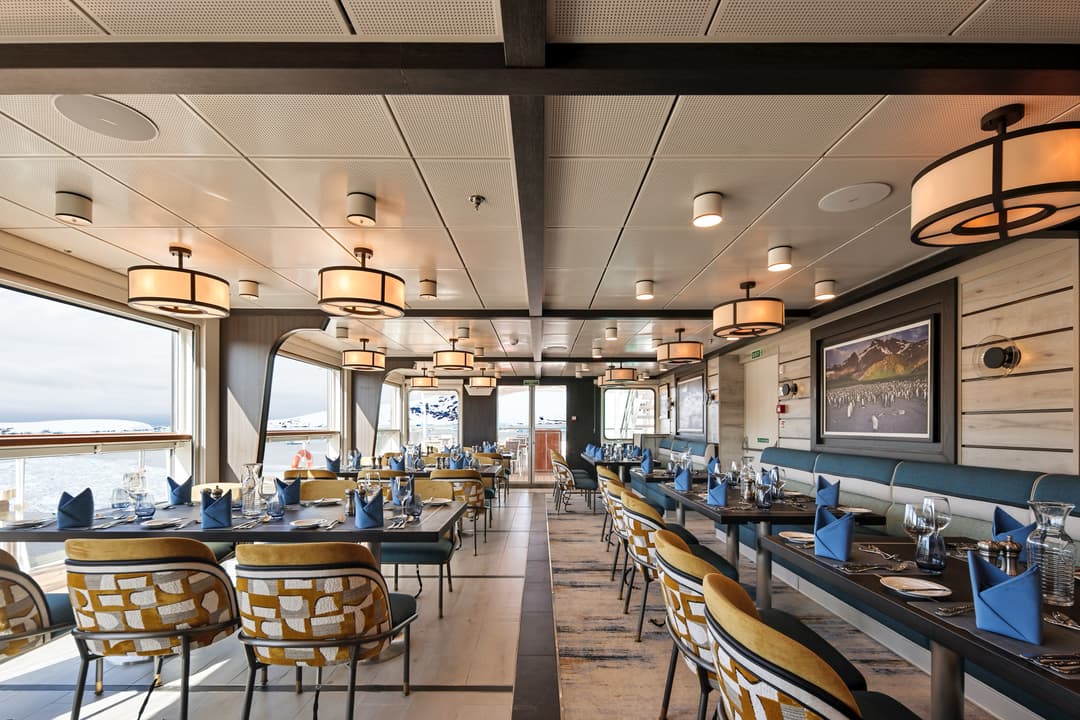
DINING

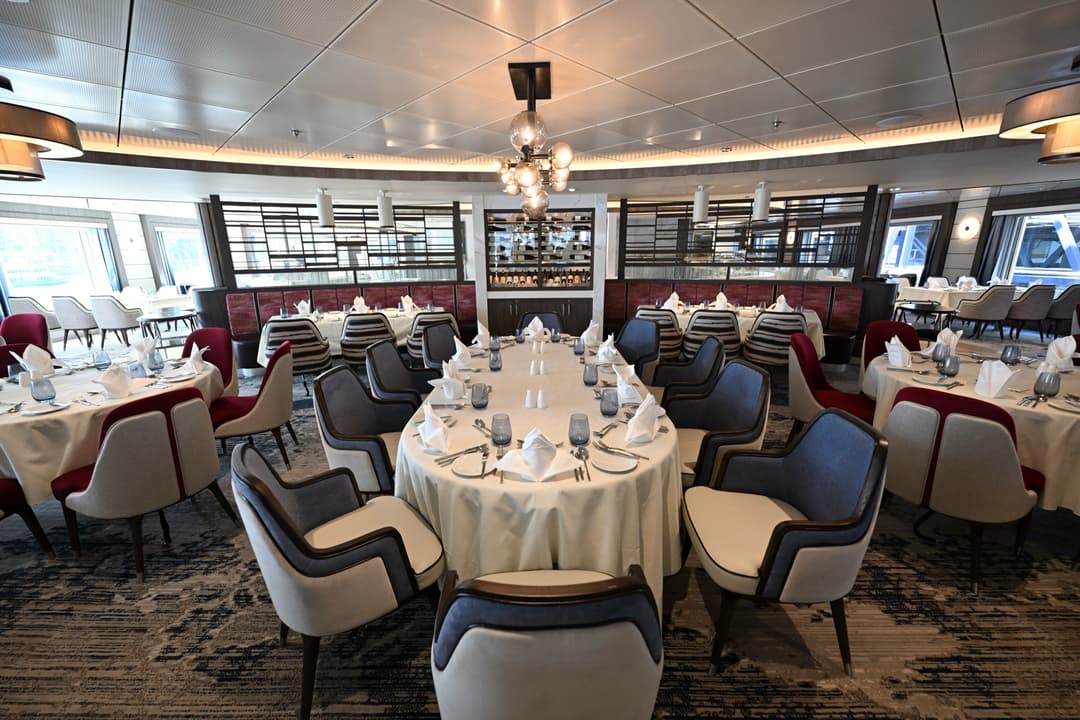
One of the most important parts of any expedition is the food! Whatever adventures the day holds, you will be fuelled-up with hearty meals and delicious morning/afternoon teas cooked by our onboard chefs.

Dining room

One of the most important parts of any expedition is the food! Start each adventure with hearty meals and delicious morning and afternoon teas prepared by our onboard chefs.

Meals are a great time to connect with fellow travellers in our open-seating dining area, sharing stories and insights from the day. Tea, coffee, and snacks are available 24/7, and our chefs offer a variety of menu options for each meal. Enjoy house wines, beers, and....
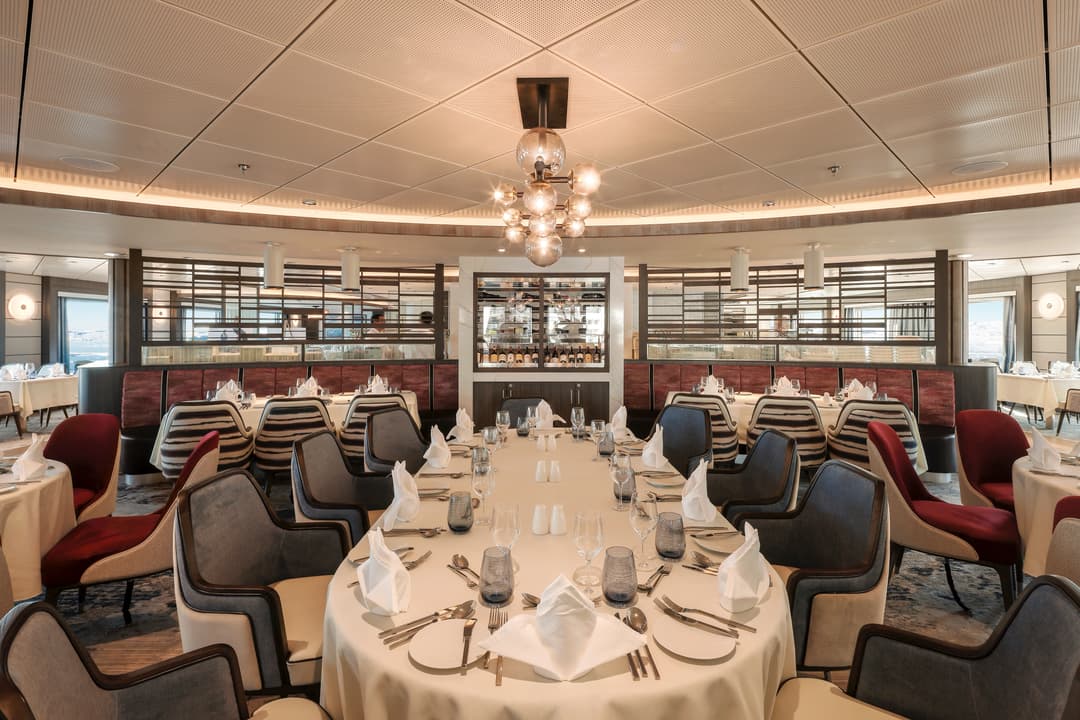
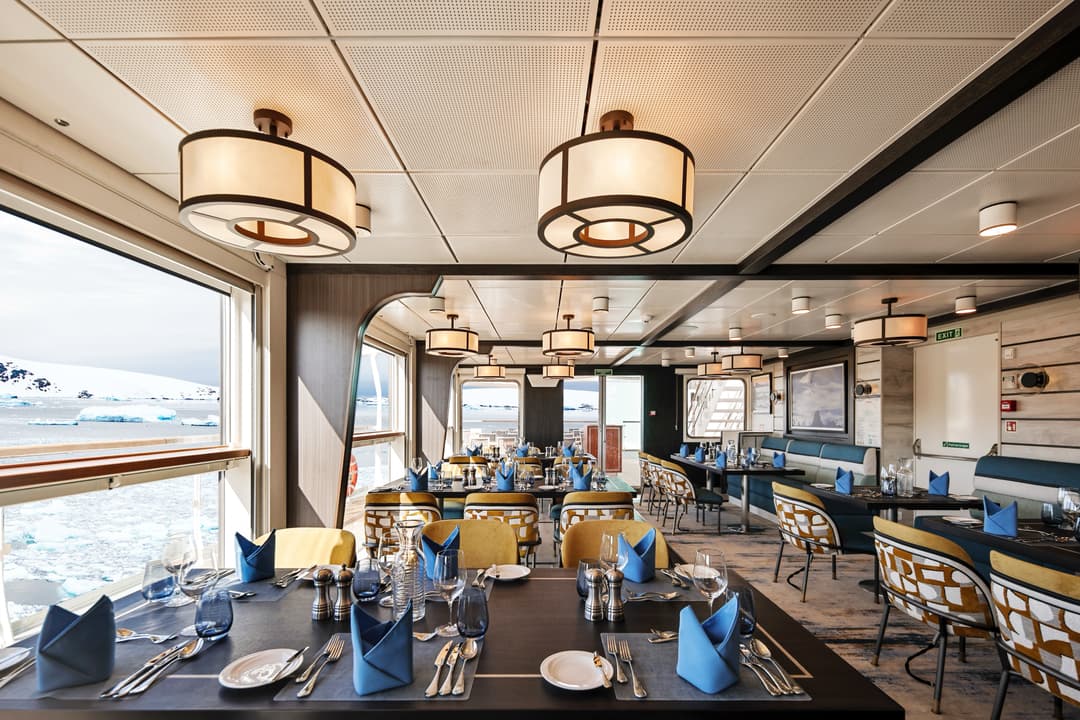
Top Deck Restaurant

The Top Deck Restaurant is located on deck 8.

Entertainment

When you’re relaxing during a sea day or you have a little downtime on the ship between excursions, what is there to do onboard the Douglas Mawson? Plenty!
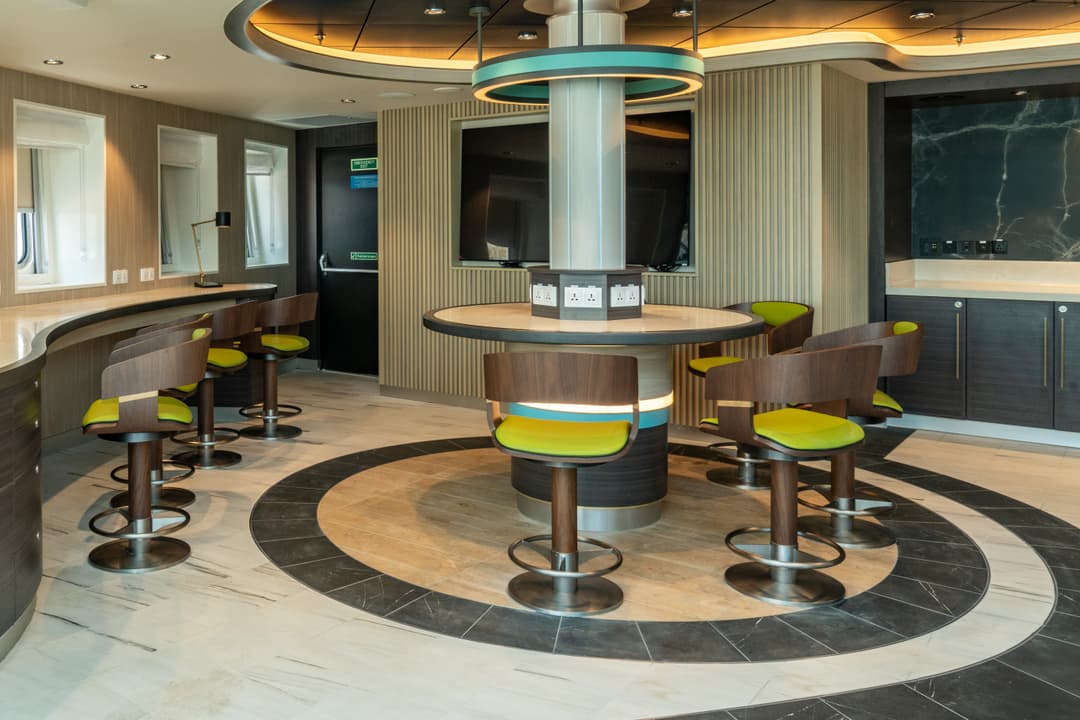
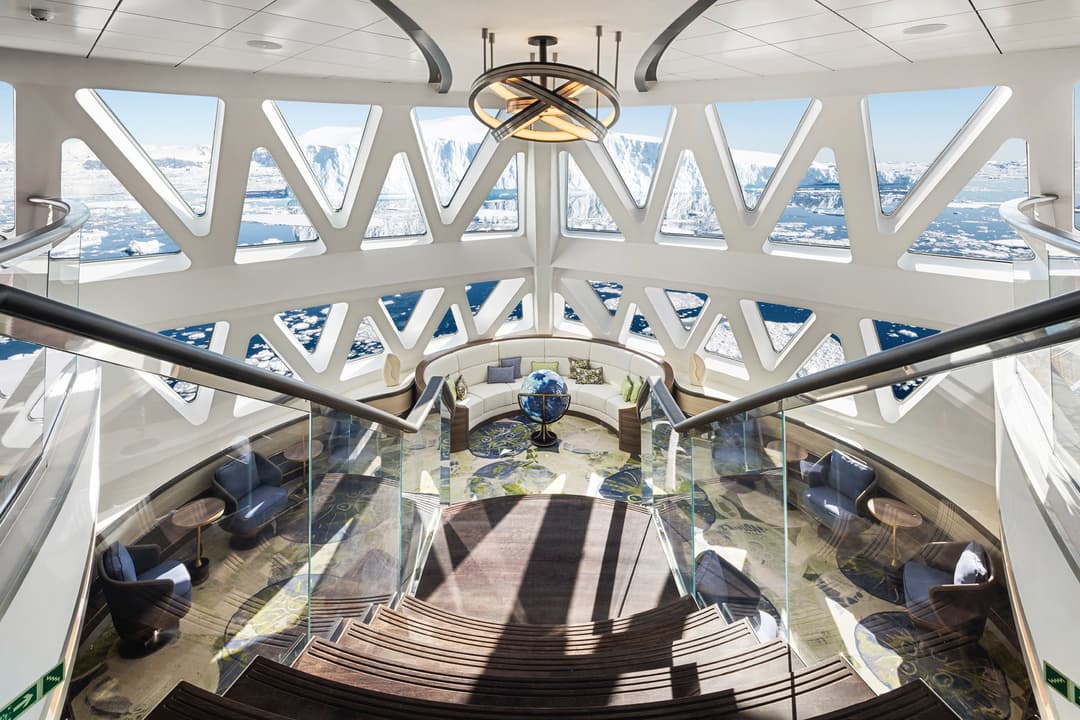
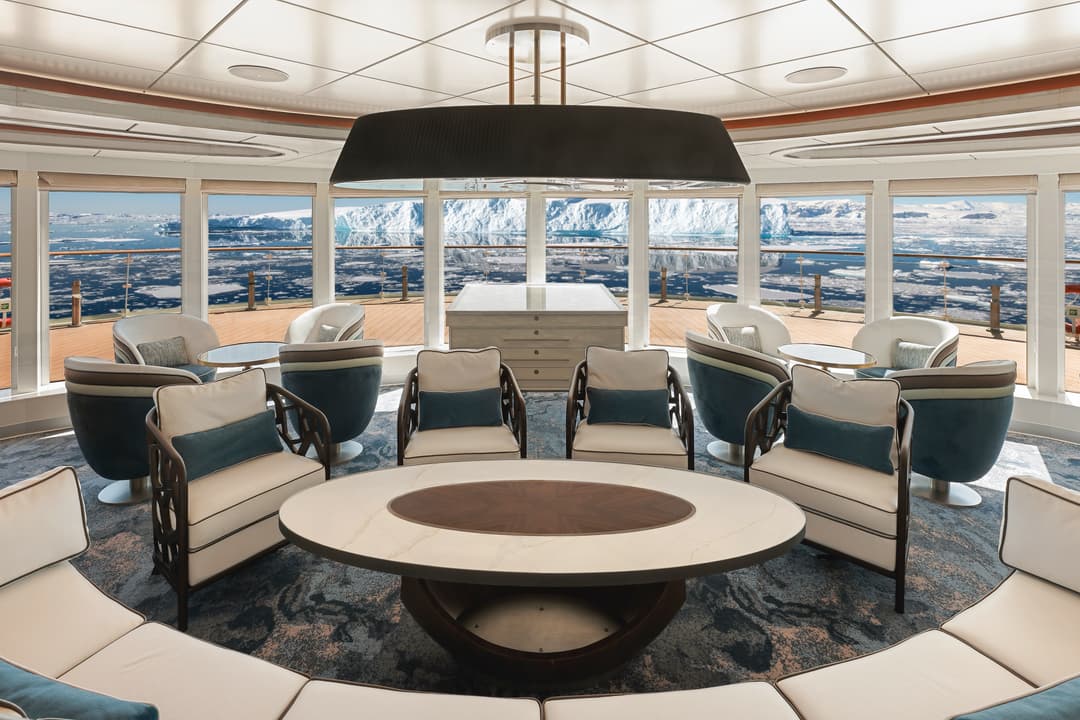
Citizen Science Centre and Lounge

Learn more about the world and the unique destinations Aurora visits by visiting the onboard naturalist and Expedition Team in the world-class Citizen Science Center. You will be rewarded for your thirst for knowledge with one of the best views on the ship.

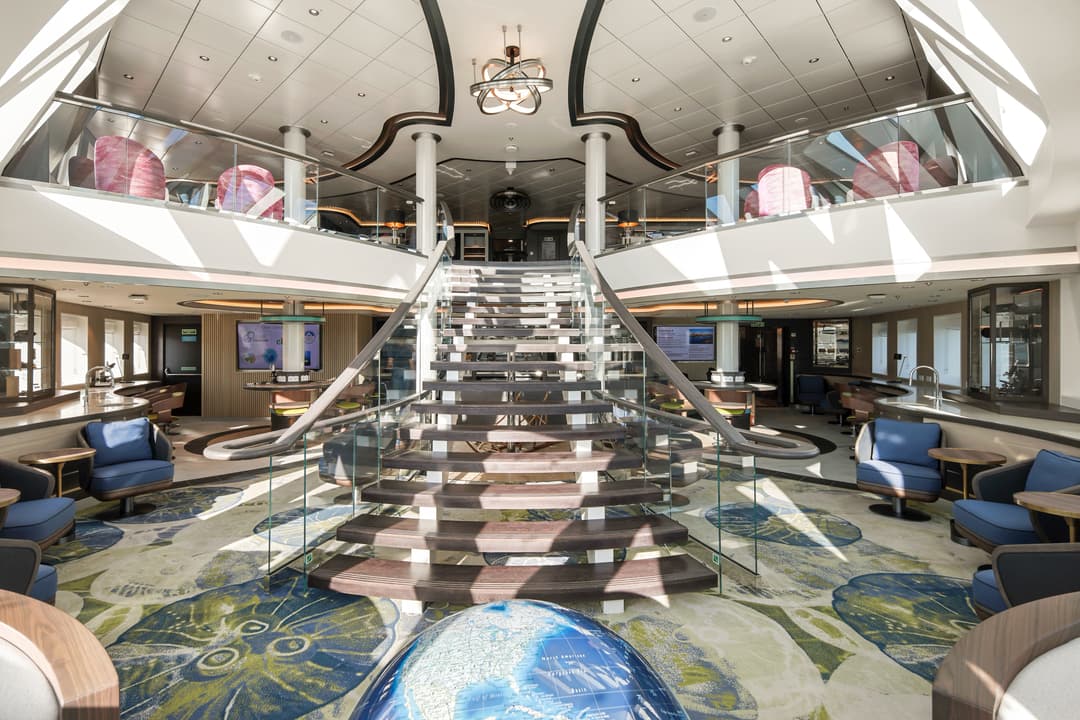
Atrium

More information coming soon.

Sun Deck & Pool

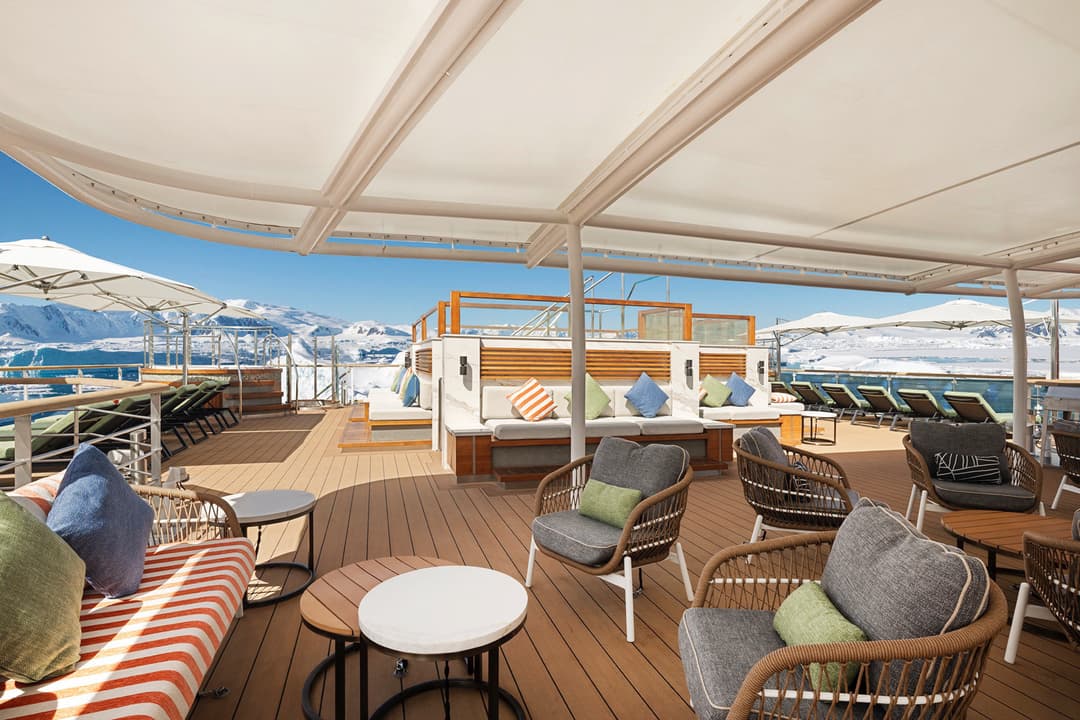
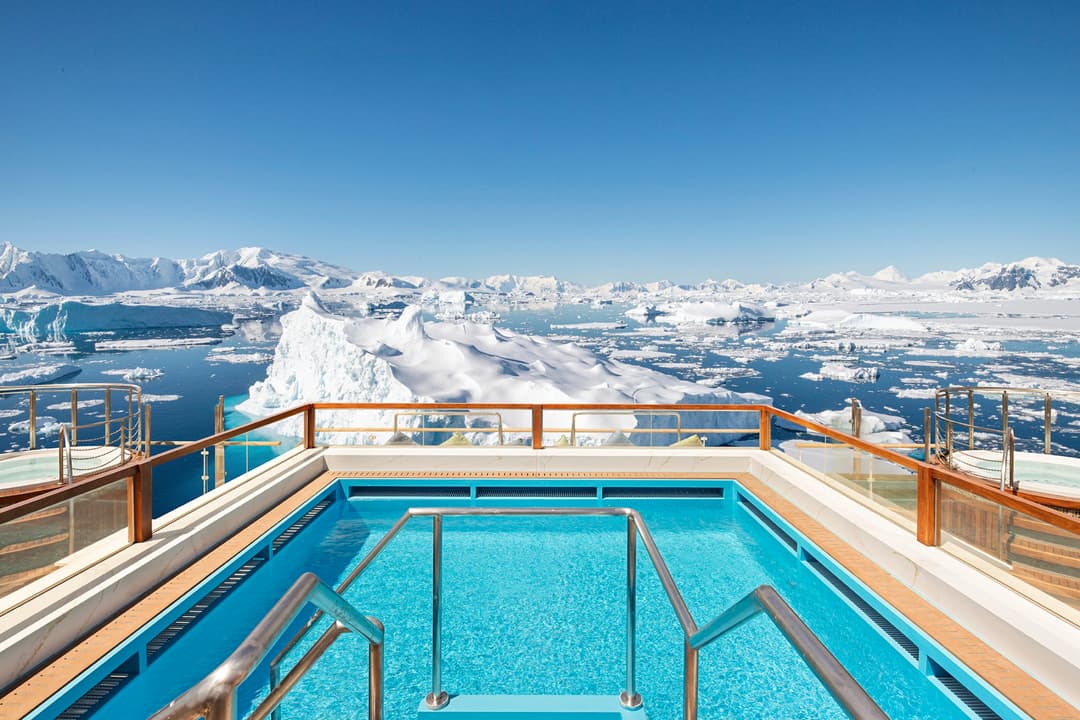
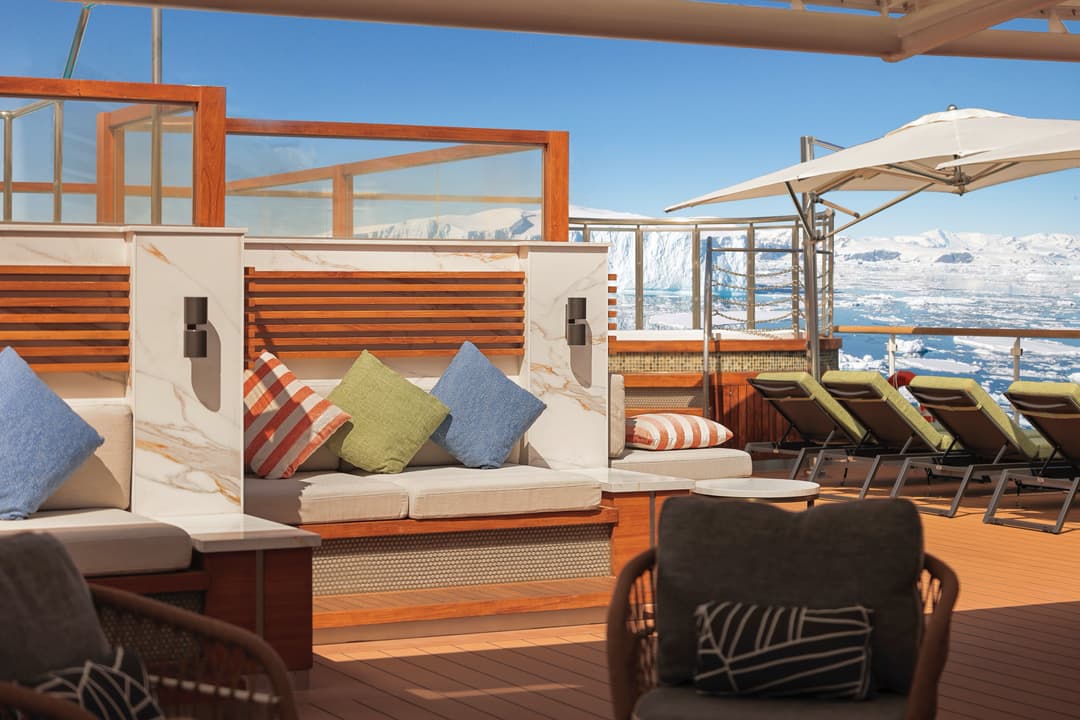
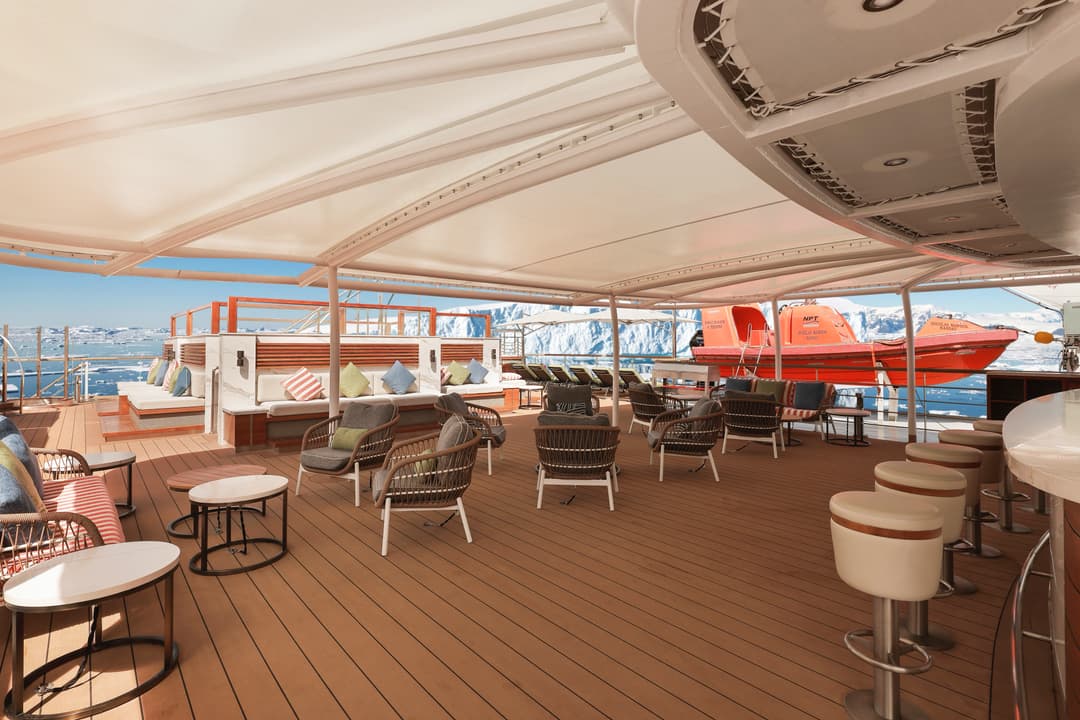
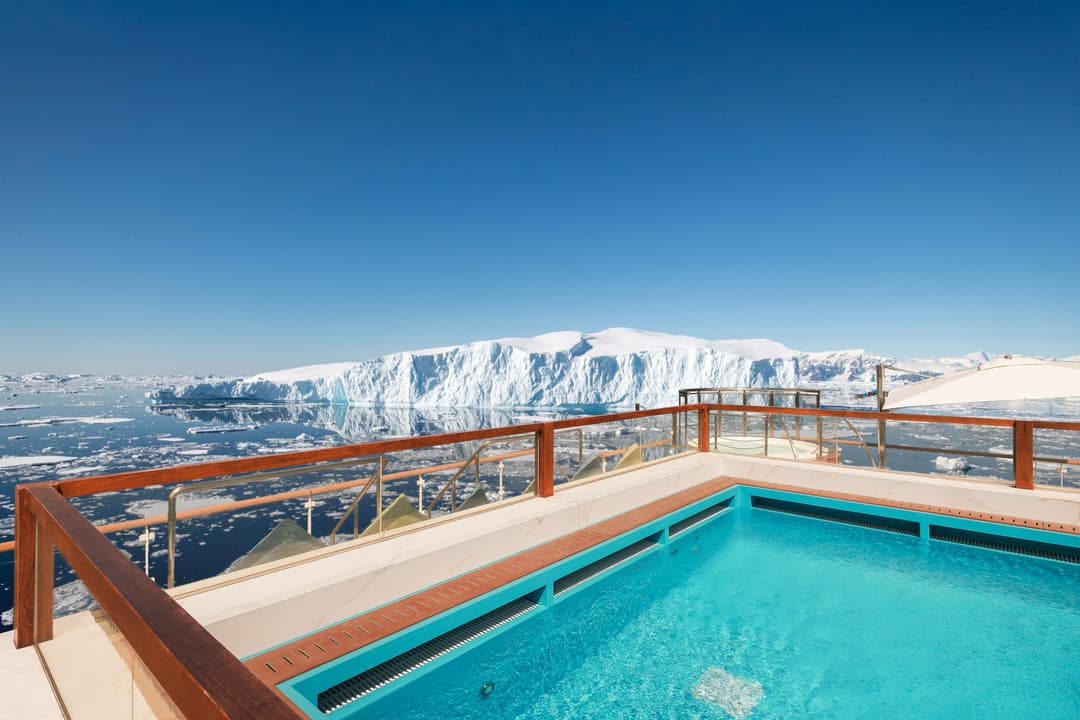
In between landings, enjoy access to the onboard gym or unwind in the sauna. Or head to the back deck to swim in the heated outdoor pool, enjoy a drink at the pool bar, or soak in one of two Jacuzzis, watching the world go by.

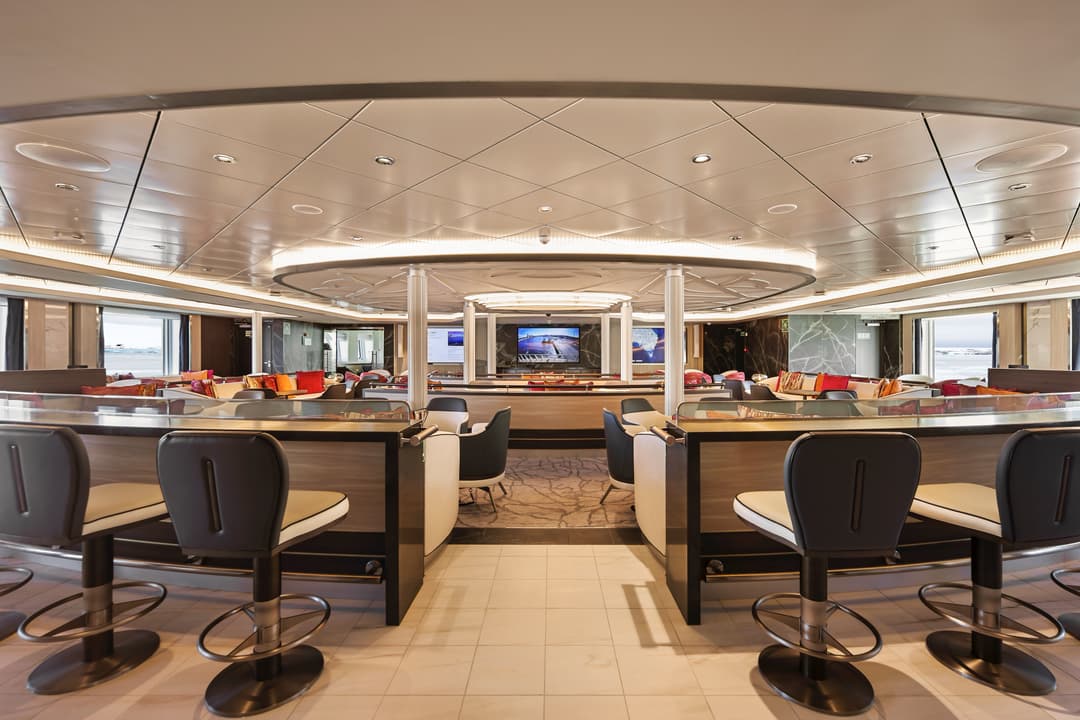
Bars & Lounges

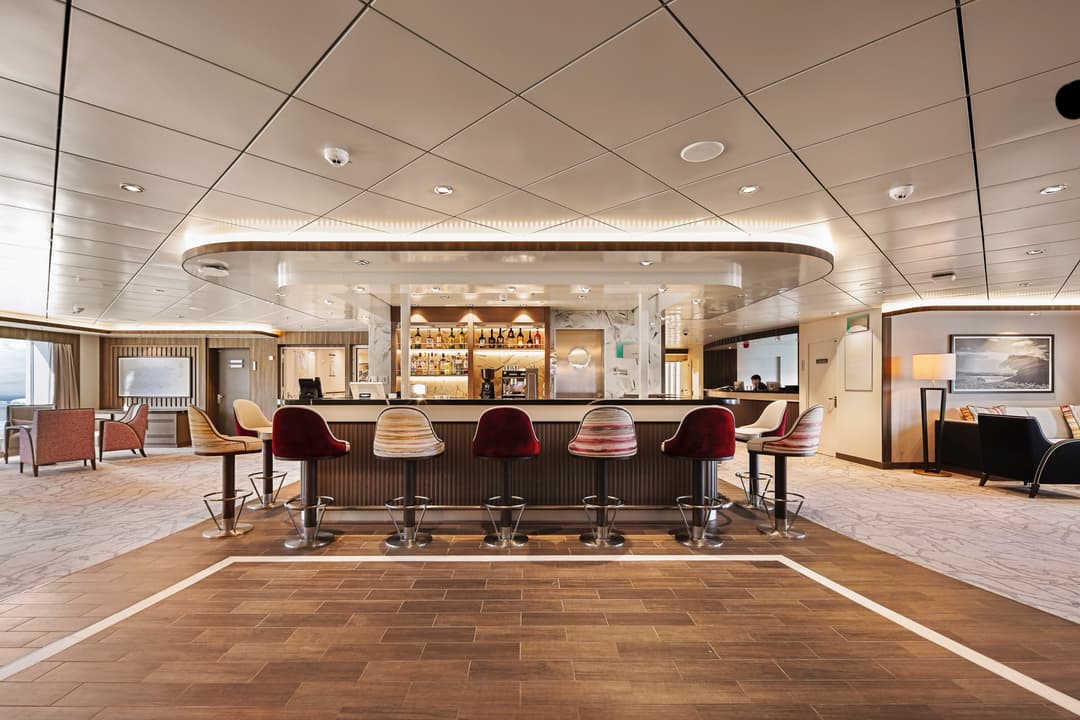
Communal meeting areas have always played a major role in fostering the warm camaraderie on board our ships. They are the heart of the expedition, where people meet to share tales from the day, swap photos, keep an eye out for wildlife and watch the sun go down.

The bars and lounges on board are refined yet inviting places to gather, with floor-to-ceiling windows offering stunning views, and of course friendly bartenders to shoot the bre....
Library

With floor-to-ceiling windows, the library is a peaceful sanctuary where you can find non-fiction books to read up on the day’s destinations, use a public laptop to organise your photos or play board games with newfound friends. Choose from our range of informative non-fiction titles, wildlife guidebooks, travel journals, novels and a selection of children’s books and board games.

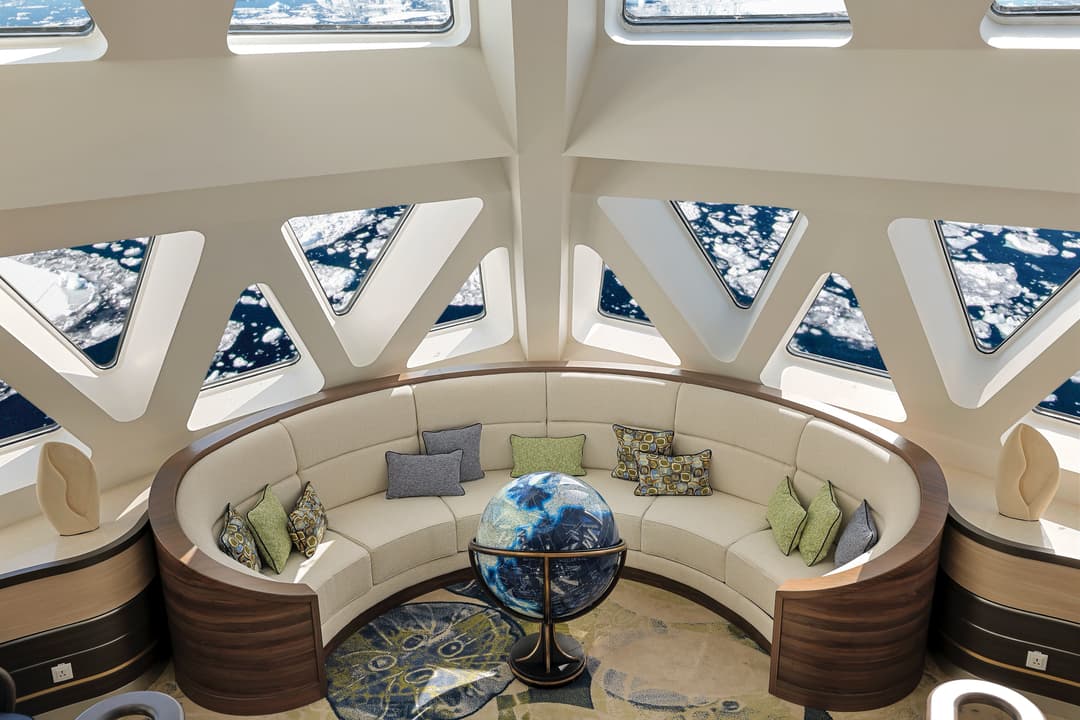
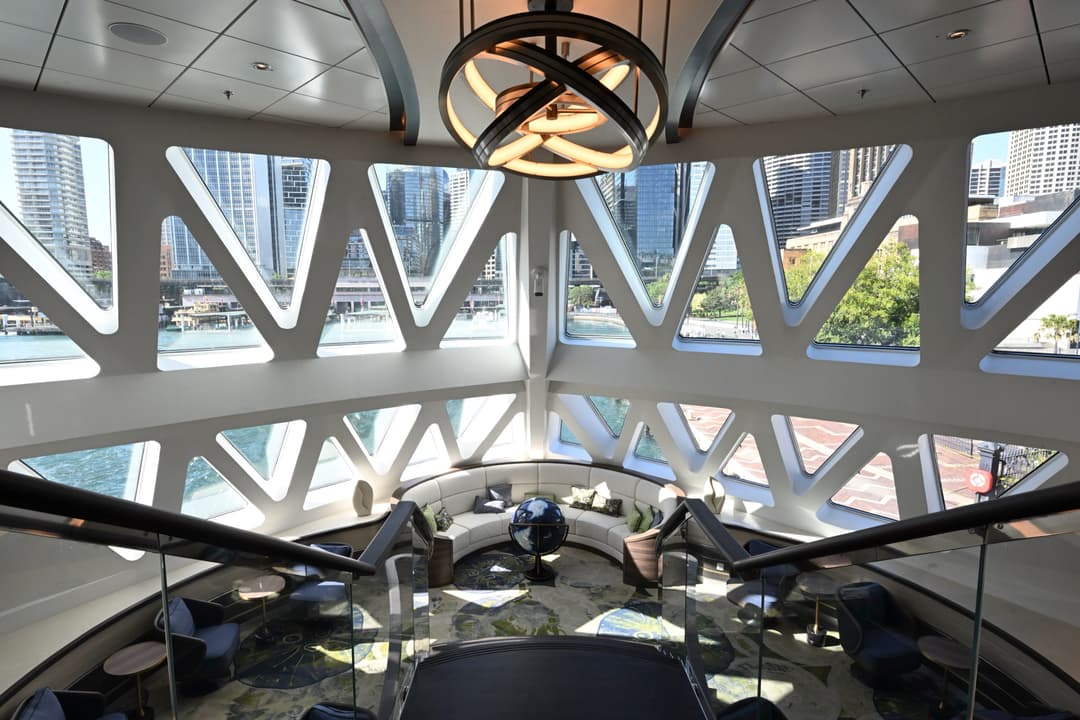
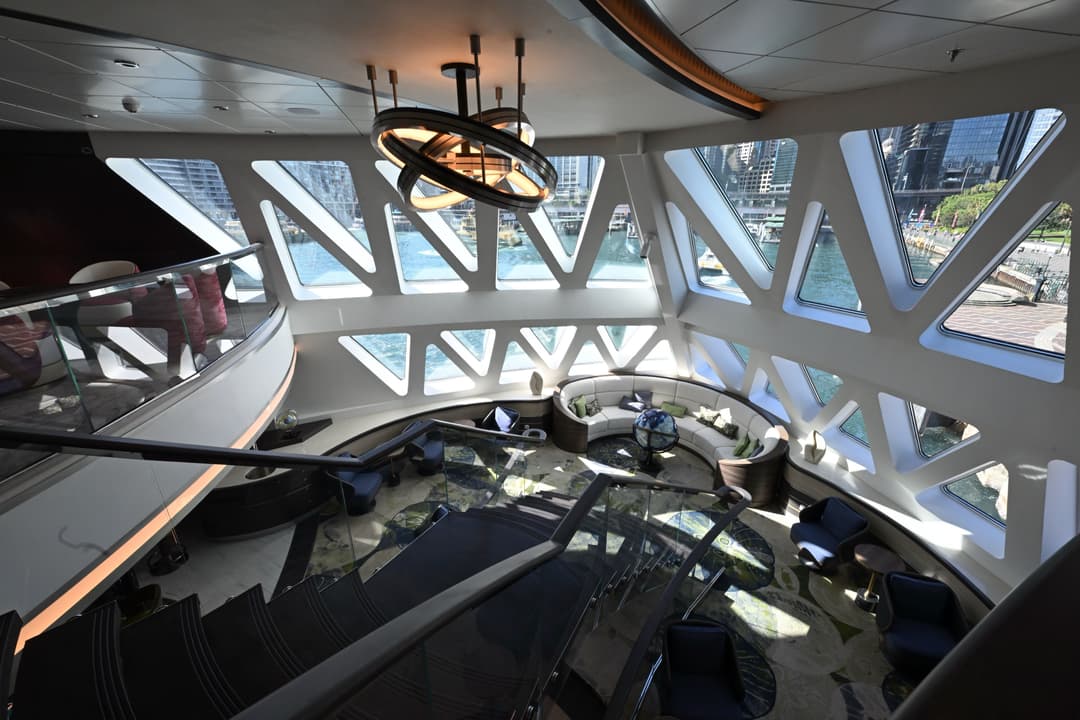
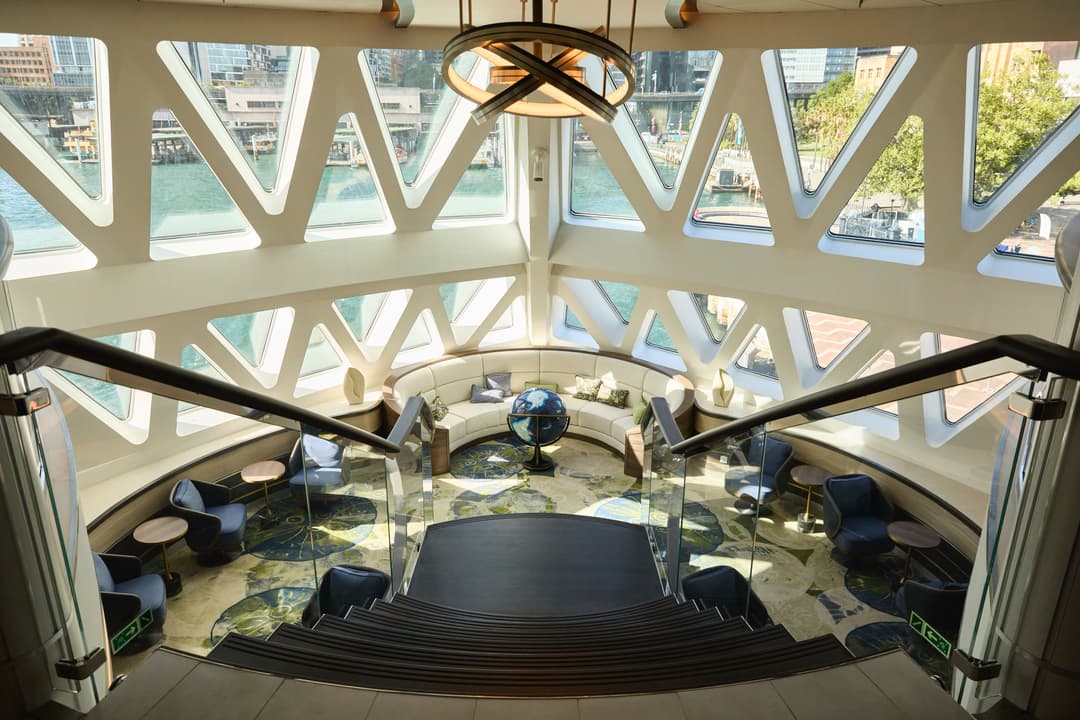
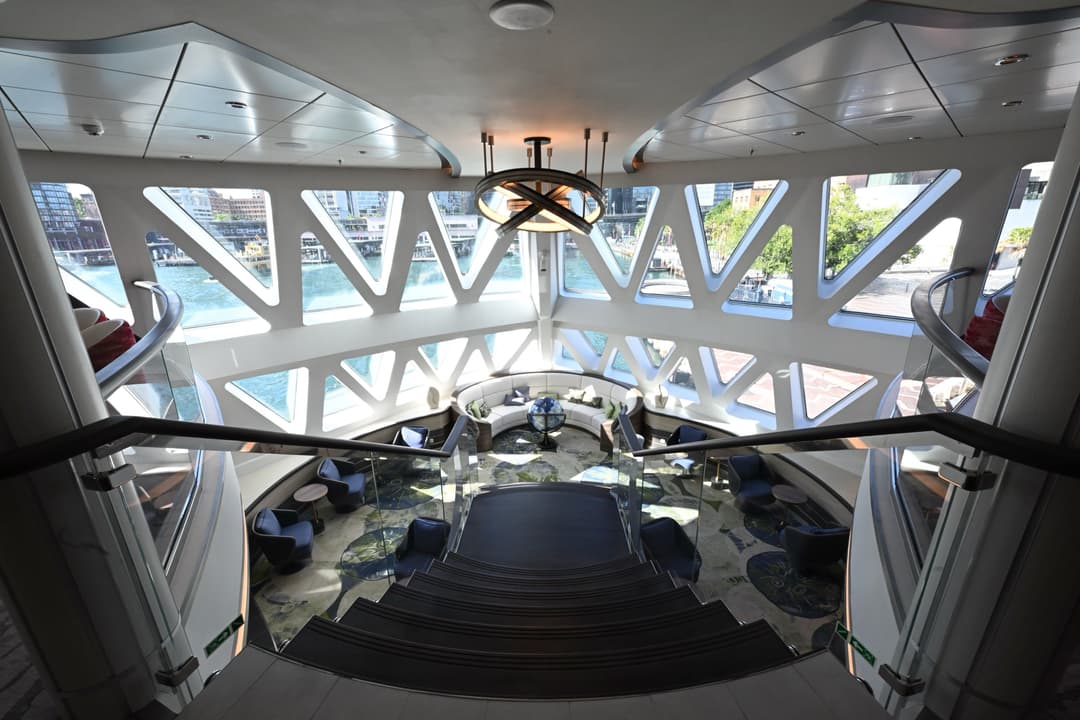
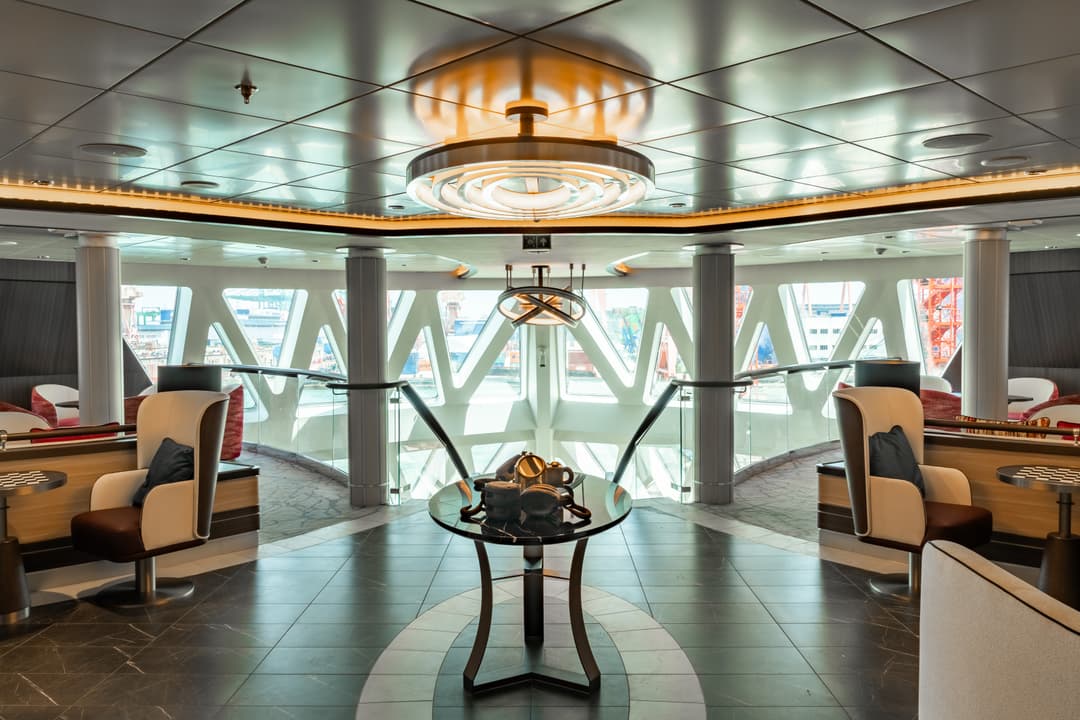
The Glass Atrium Lounge

As you explore the ship you will find indoor lounge areas with floor-to ceiling windows, and multiple open decks with expansive 270-360 degree views. The Glass Atrium Lounge inside the bow is a fantastic place to sit and watch for wildlife – with a drink in hand. There is no shortage of spaces to take in the majesty of the incredible world outside!

Health And Fitness

The Douglas Mawson features a host of amenities to help you connect with like-minded travellers and elevate your time onboard our floating base camp for adventure. After a long day of exploring, head to the back deck to swim in the heated outdoor swimming pool, find a sun bed to read on, or soak in one of two Jacuzzis. Work up a sweat in the gym before unwinding in the sauna, resolve to learn something new in the Citizen Science Centre, then enjoy a delicious meal with new and old friends in one of two restaurants. Or, with multiple observation areas throughout the ship, simply relax in comfort while you keep watch for wildlife or incredible landscapes unfold before you.
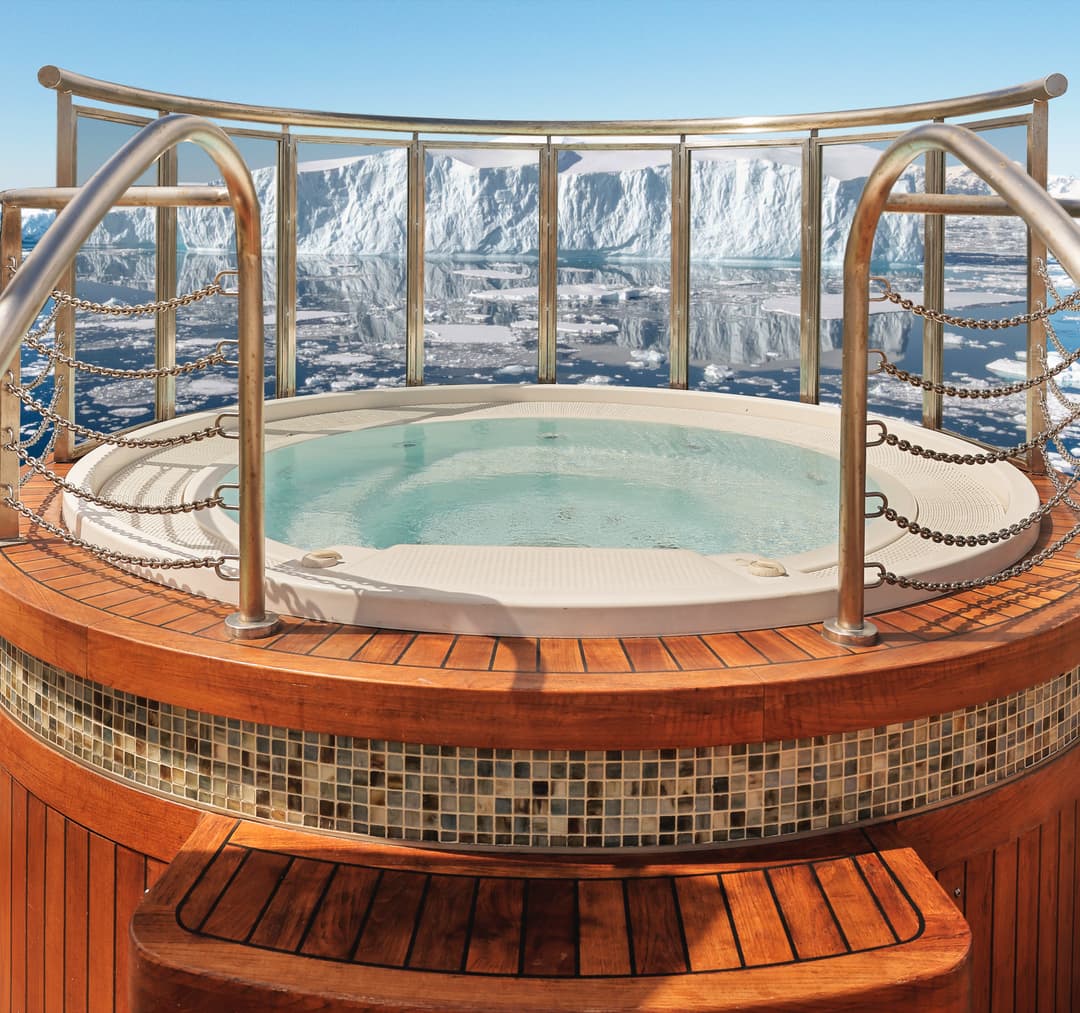
Jacuzzis

There are two Jacuzzis on the top outside deck which offer amazing views of the world outside.

Gym & Sauna

During your voyage, enjoy complimentary access to the gym or visit our sauna, which we highly recommend after the Polar Plunge!

Enrichment

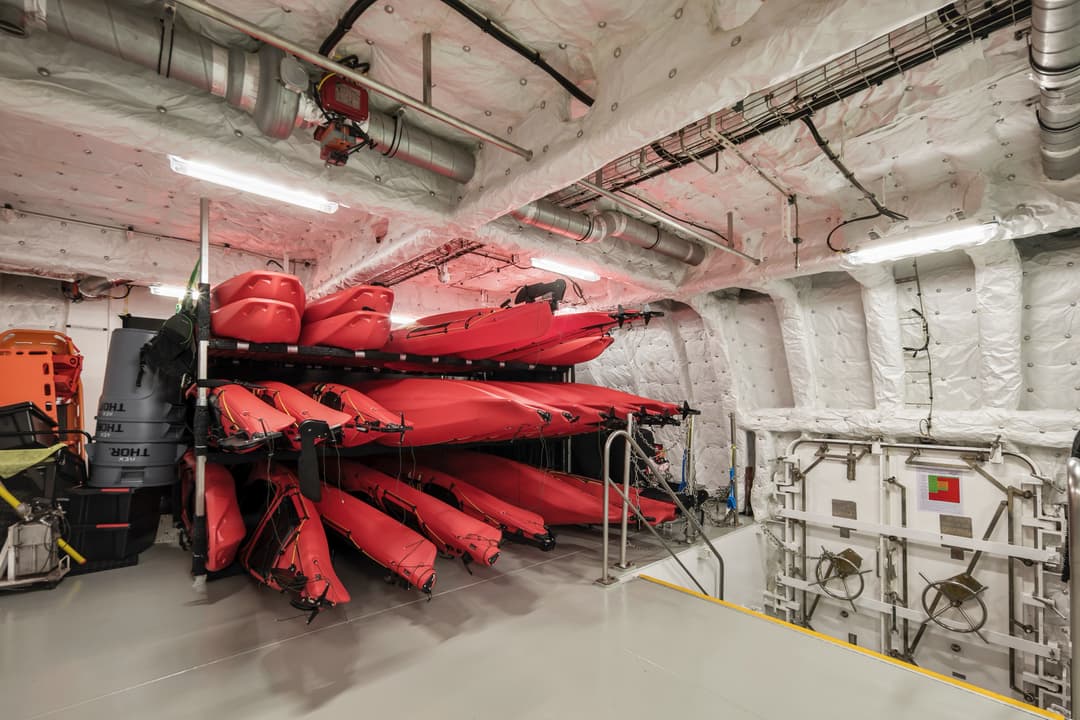
One of the great benefits of travelling with AE Expeditions is the number of optional activities that you can participate in. From kayaking and skiing to diving and climbing, these are one-in-a-lifetime opportunities that you need to take advantage of.

Loading...

Citizen Science

Travel is always the best educator and we offer the chance to enrich your curiosity and expand your knowledge and understanding of the places we travel to. There is no better learning opportunity than being in the field with subject matter experts.

Our Citizen Science Program is designed to be an interactive forum of like-minded travellers to share new discoveries and deepen their connection to the natural world in a relaxed, informal an....

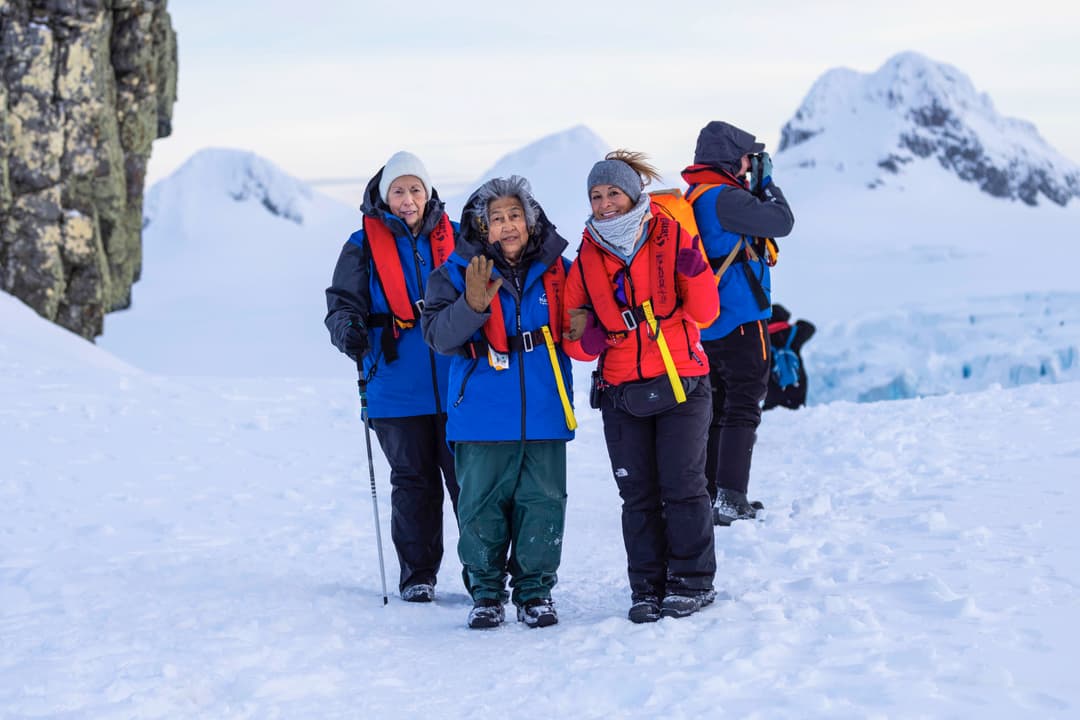
Activities

Whether it’s adventure at sea or on land that makes you tick, we have a huge range of optional activities to help you make the most of your time in some of the most beautiful places on earth.

We encourage you to make the most of every opportunity to nurture your inner adventurer. You can choose from a range of add-on adventures to make the most of your time in these beautiful places. We have pioneered more adventure activities than any p....

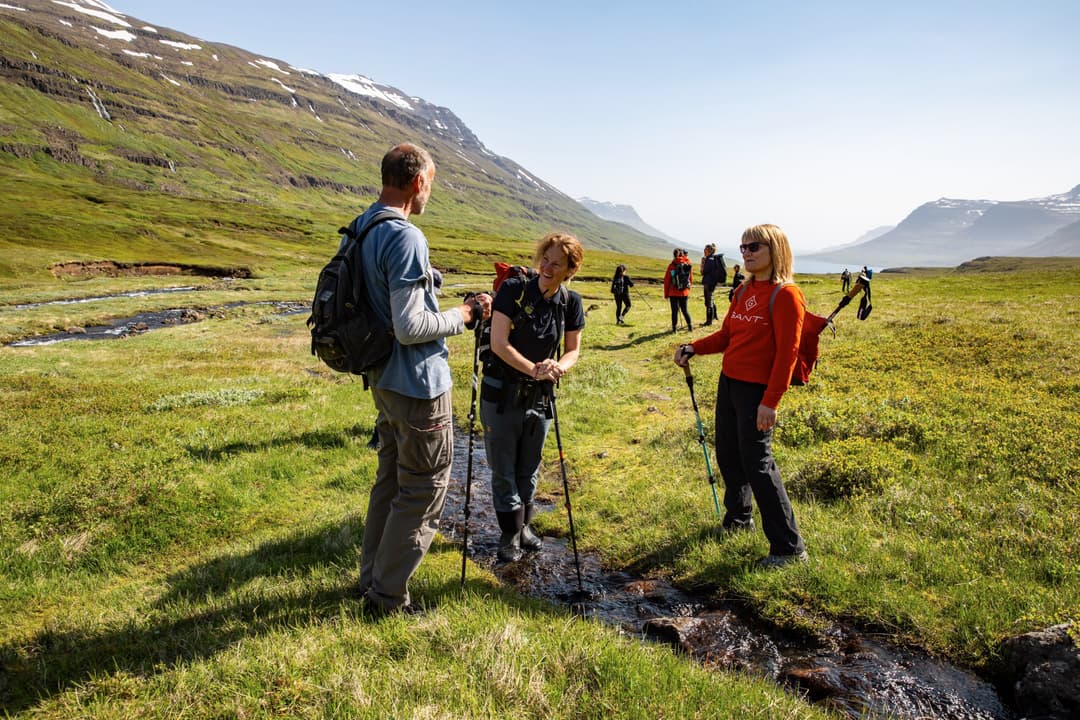
Lecture Theatre

On all expeditions you will meet naturalists and local specialists, who offer presentations on their area of expertise to enhance your appreciation of the destination you are exploring.

Join the team in the lecture theatre for presentations covering a broad range of topics to suit every interest, from history and culture to biology and climate change. Regardless of the topic, they all have one thing in common: they all aim to engage, edu....

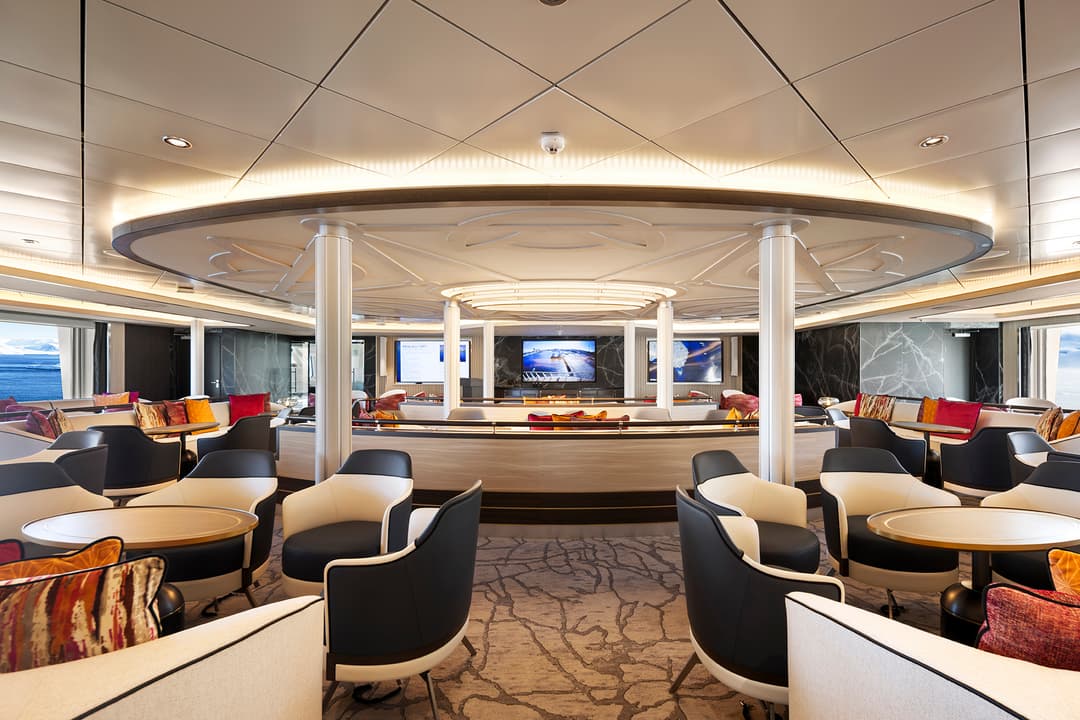
Activities Platform

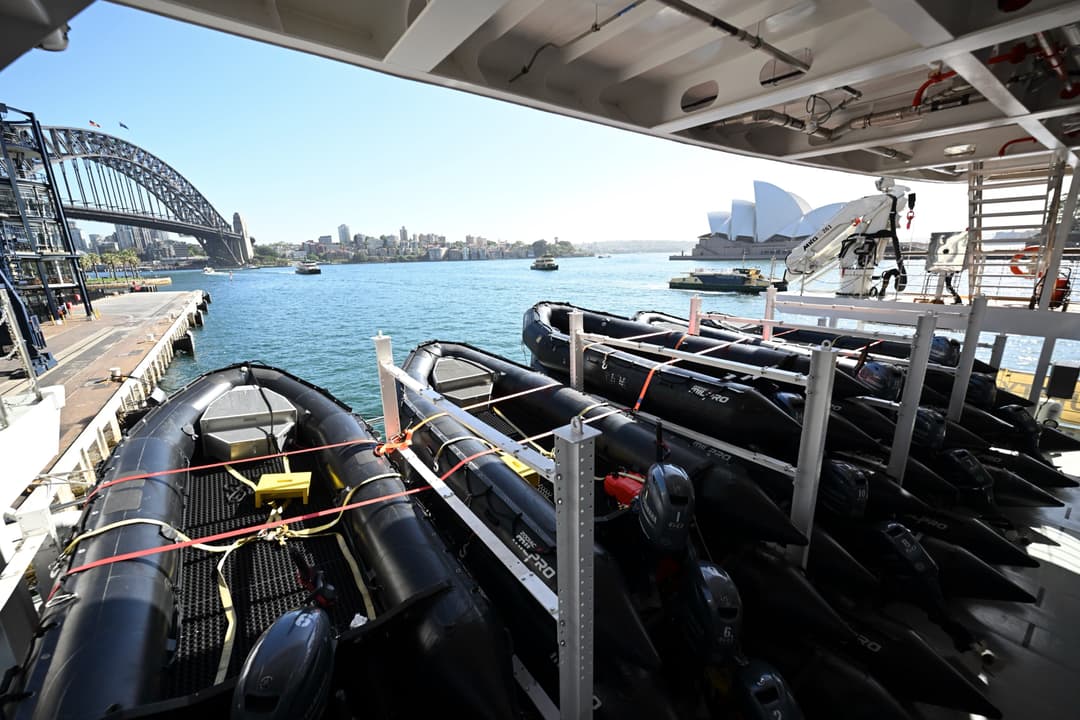
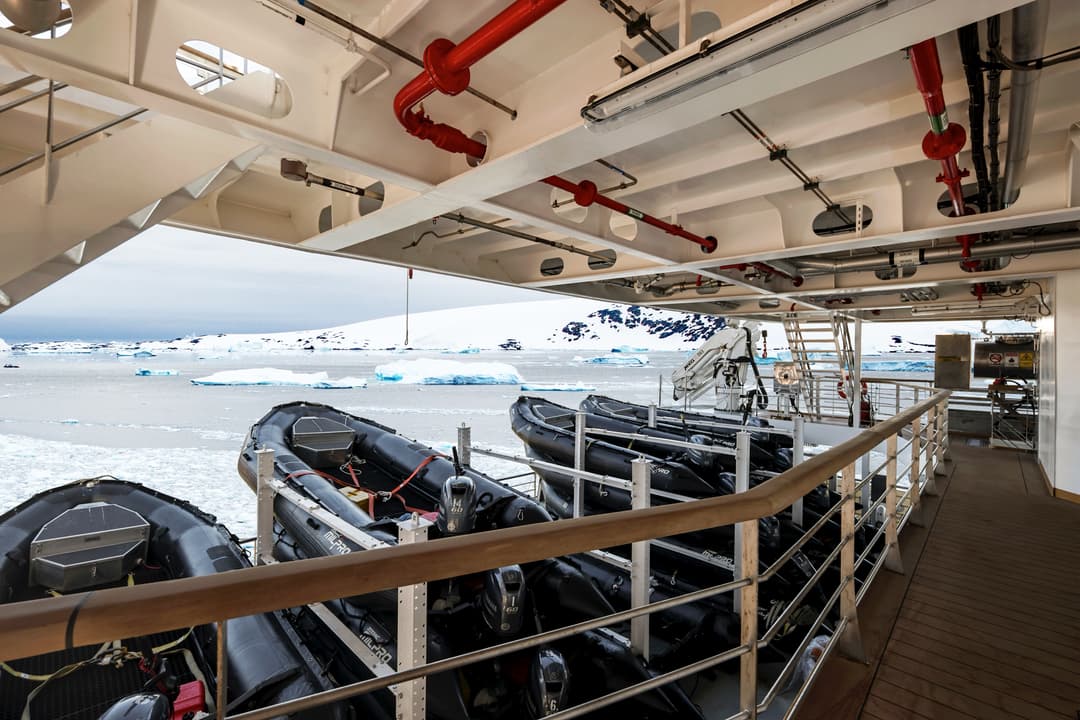
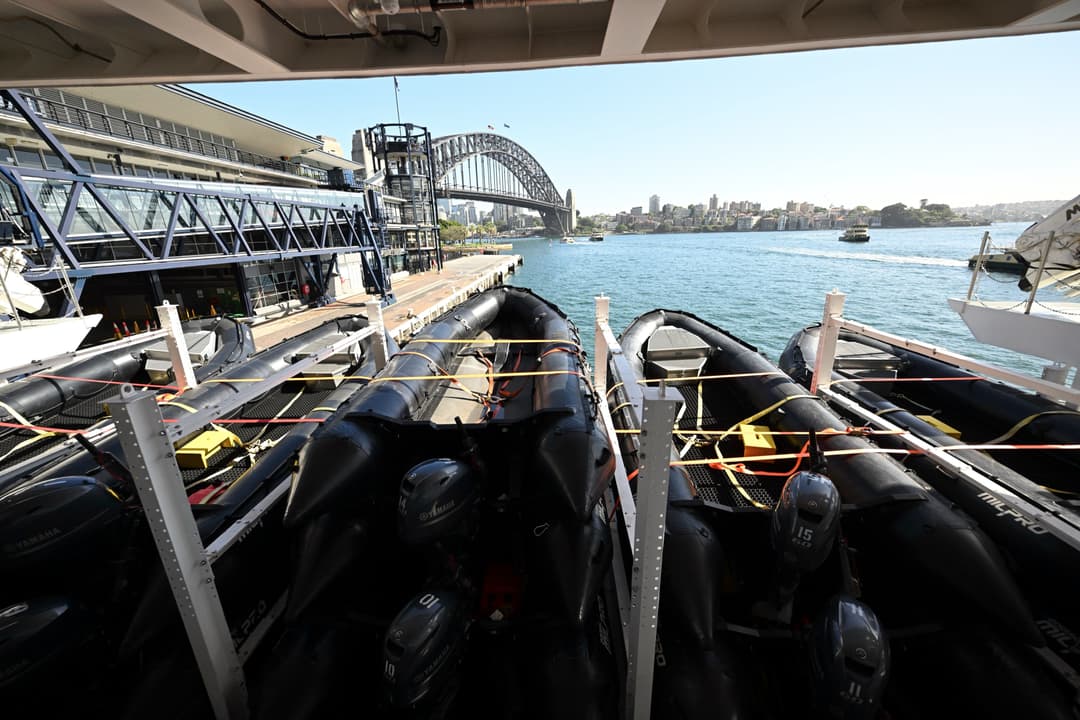
The Douglas Mawson features Zodiac access points and an activities platform, making boarding the Zodiacs as quick, efficient and safe as possible, minimising wait times and getting you closer to the action for longer. 

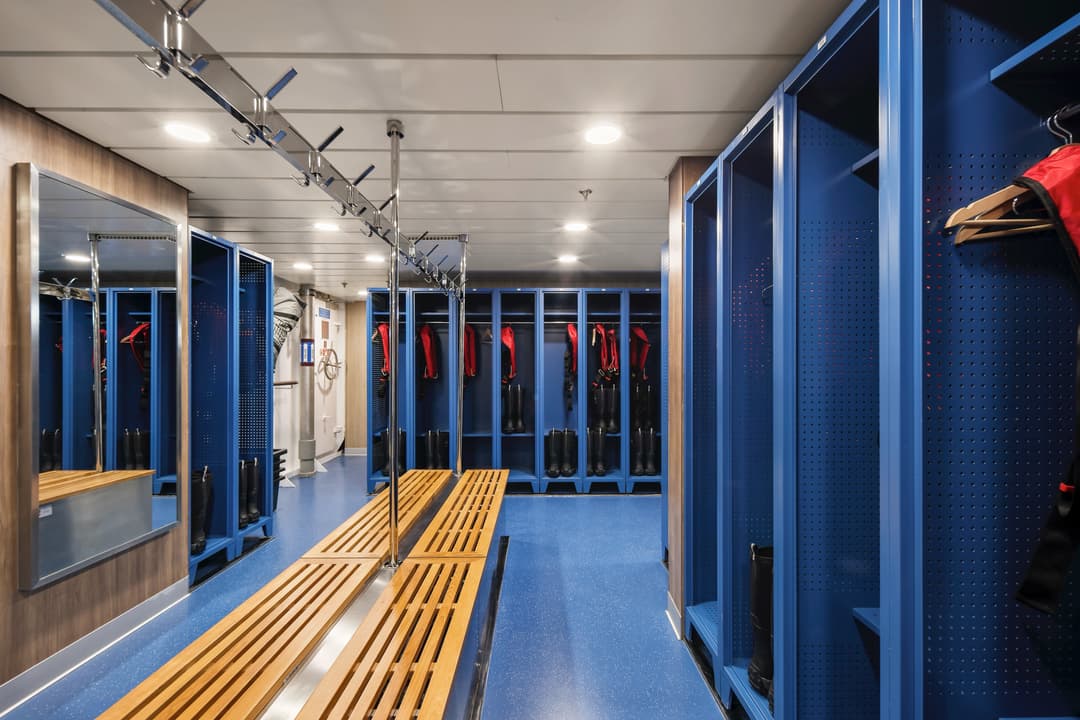
Mudroom

Mudroom

No need to take your wet expedition gear back to your cabin to dry. Keep your cabin warm and cosy by leaving your outer jackets and pants in the mudroom.

The mudroom is your launchpad for all shore excursions and activities. Here, you will have access to a locker when you can hang your gear up to dry, and store your boots between excursions.

Kids And Teens

There are no dedicated children's facilities onboard the Douglas Mawson

UNIQUE FEATURES

The Douglas Mawson features the newest streamlined Ulstein X-BOW®, designed for global discovery. The revolutionary design cuts through the swell, offering unrivalled stability on ocean crossings and helping to reduce fuel consumption.

USEFUL TO KNOW
Medical Facilities

When travelling to extreme environments, ensuring our expeditioners are healthy and happy is our number one priority. That's why we have a doctor on board at all times, as well as a well-equipped clinic to provide basic medical care.

Dress Code

Shipboard clothing is informal and casual Jeans, jumpers and long-sleeved shirts are ideal for indoors in the polar regions; however be sure to keep your jacket close for unexpected wildlife sightings! Some people like to take a nicer outfit for the captain's welcome and farewell drinks but formal clothing is not necessary. For health and safety reasons, we do request you wear enclosed shoes in public areas while on board the ship. AE Expediti....

Temperatures

Our expeditions to the polar regions operate during the summer months in the Antarctic and Arctic. During the summer months in Antarctica∘ the temperature can range from -2°C (28°F) to 8°C (46°F). Big storms are rare, but if one comes through the temperature could drop to -8°C (17°F).

In the Arctic the temperature can range from -3°C (26.6°F) to 7°C (44.6°F).

Wi-Fi and Connectivity

Onboard wi-fi internet packages are available for purchase during the voyage. Telephone access for personal use is not available on board. In case of an emergency, our expedition team can facilitate communication with your family members if necessary. 

Smoking Policy

There is a ‘No Smoking’ policy throughout the interior of our ships.

Age Restrictions

Our travellers have ranged from 8 to 92, so as long as you have a thirst for adventure, you’re welcome to join us in Antarctica. Any person under 18 years of age must travel with their legal guardian.

Health & Safety

Medical Form

It is compulsory for each passenger to return a signed medical from their general practitioner. Your Medical Form is required to be signed by your general practitioner and returned to AE Expeditions no later than three months and no earlier than six months before your voyage departure date.

If you become aware of any change in your health and fitness that may be likely to affect your participation on the trip (e....

What To Pack

When packing for your holiday, do you have trouble deciding between what to take versus leave at home? If so, you’re certainly not alone – it can be tricky deciding what makes the cut into your luggage.

Of course, what often helps is knowing the environment that you’re entering into. With Antarctica and the Arctic – known as the coldest, most isolated and remote landscapes in the world – there might be a tendency to pack your suitcase wi....

Special Dietary Requirements

We can accommodate most special meal requests if given advance notice. Our talented chefs will take your requirements into their meal planning and ensure you receive tasty, healthy meals. Ensure you list any dietary requirements on your personal details form. Although we aim to accommodate most dietary requirements, we are unable to cater to all requirements, nor can we guarantee that our onboard meals do not contain traces of peanuts or other....

What's Included

Standard Inclusions

We offer a number of standard inclusions on our voyages. Please see full list below:

  • Fully-serviced accommodation in your chosen stateroom or suite
  • Daily shore excursions, guided walks, Zodiac cruises and some activities^
  • Entry fees to historic or tourist sites
  • An experienced team of destination specialists, activity leaders, and local guides*
  • An informative and entert....