EXPEDITION CRUISE

Wild Scottish Isles & Norwegian Fjords

All departures of this trip

CRUISE ID # AURORASNO001S

Aberdeen TO Tromsø
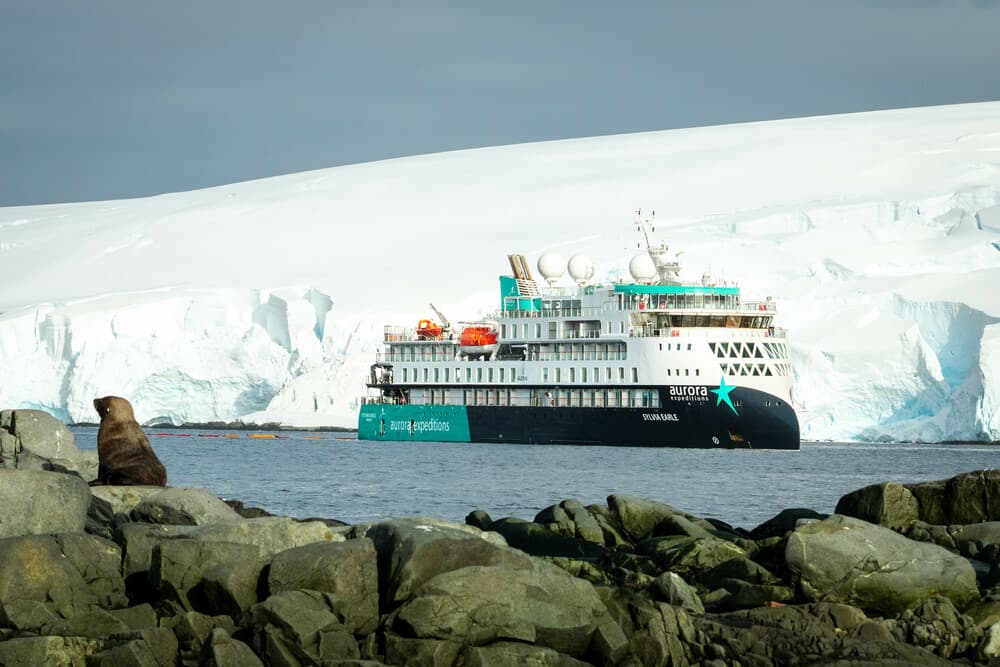
Wild Scottish Isles & Norwegian Fjords
No Single Supplement
Welcome to Aurora’s Wild Scottish Isles & Norwegian Fjords expedition. On this expedition, combine two unique worlds on one unforgettable journey. From Stone Age villages to Iron Age forts, the Orkney and Shetland Islands reveal a proud Scottish heritage, while Vikings, fjords, and fishing folk feature along the sublime Norwegian coastline, which includes a visit to the famous Lofoten Islands.

Crossing the Arctic Circle towards Tromsø, discover a landscape of towering cliffs alive with breeding birds and a wonderland of gleaming glaciers where nature reigns supreme. Immerse yourself in the region’s rich maritime history, explore remote fishing villages and experience the midnight sun casting an ethereal glow over breathtaking seascapes
TRIP STARTS ON
June 10, 2027
SHIP SAILS ON
June 10, 2027
HOTEL NIGHTS
Pre-Cruise: 0, Post-Cruise: 0
SHIP
Sylvia Earle
TRIP ENDS ON
June 23, 2027
STOPS
14 Stops, 2 Countries
CRUISE NIGHTS
13
OPERATOR
Aurora Expeditions
FROM: 

$15,721

WITH SPECIAL SAVINGS APPLIED

FARES SHOWN ARE PER GUEST

Suites & Fares

No Single Supplement

CHOOSE START DATE 

: June 10, 2027

 
STEP 1: CHOOSE YOUR PREFERRED DEAL
Cruise Fare
View Suites
15% Off
View Suites

Itinerary

14 Ports
2 Countries

With close to 220,000 inhabitants, Aberdeen is Scotland's third most populous city. Locally quarried grey granite was used during the mid-18th to mid-20th centuries for many of Aberdeen's buildings, and hence the nicknames it has earned as the Granite City, or the Grey City. Aberdeen granite was also used to build the terraces of the Houses of Parliament and Waterloo Bridge in London. Since the discovery of North Sea oil in the 1970s, Aberdeen has also been called the Oil Capital of Europe or the Energy Capital of Europe. It is no wonder that because of the oil fields in the North Sea, Aberdeen's seaport is very important. The Heliport with its flights to the oil fields is one of the busiest commercial heliports in the world.

With close to 220,000 inhabitants, Aberdeen is Scotland's third most populous city. Locally quarried grey granite was used during the mid-18th to mid-20th centuries for many of Aberdeen's buildings, and hence the nicknames it has earned as the Granite City, or the Grey City. Aberdeen granite was also used to build the terraces of the Houses of Parliament and Waterloo Bridge in London. Since the discovery of North Sea oil in the 1970s, Aberdeen has also been called the Oil Capital of Europe or the Energy Capital of Europe. It is no wonder that because of the oil fields in the North Sea, Aberdeen's seaport is very important. The Heliport with its flights to the oil fields is one of the busiest commercial heliports in the world.

At the Knap of Howar on Papa Westray lies the earliest known house in Northern Europe, occupied by Neolithic farmers over 5,000 years ago. Here we are welcomed by the friendly locals. Enjoy the lively Scottish dance and folk ensemble, "Poor Man's Corner," hailing from Papa Westray, set to grace the local pub with their spirited tunes. Mingle and enjoy a few drinks, while listening to the captivating melodies and infectious rhythms.   Midway between Orkney and Shetland, Fair Isle houses a major European ornithological research station and is also famous for knitwear and historic shipwrecks. About five kilometres by three kilometres / three miles by two miles in area, it is surrounded by impressive cliffs. The 70 or so islanders mainly live in traditional crofts on the more fertile low-lying southern part of the island.  A bird watchers’ paradise, Fair Isle lies on the intersection of major flight paths from Scandinavia, Iceland and Faroe. In summer, the cliffs teem with breeding fulmars, kittiwakes, guillemots, gannets, shags and puffins. The Isle is an excellent place to view seabirds, especially puffins at close range. Fair Isle also has over 250 species of flowering plants, including wetland flowers, rare orchids, alpine species and common wildflowers. We’ll be welcomed by the hospitable villagers and may take a hike or visit the museum. Grey and common seals inhabit these waters around Fair Isle, while sharp eyes may spot harbour porpoises, white-beaked dolphins, Atlantic white-sided dolphins, killer whales (orcas) and minke whales.
Day
Four
Arrival
June 13, 2027
Port
Papa Westray, Orkney Islands, Scotland

Britain’s most northerly islands lie almost 160 kilometres (100 miles) north of the Scottish mainland, at a similar latitude to the southern tip of Greenland, or Bergen in Norway. Kept relatively warm by the Gulf Stream, Shetland’s 100 islands experience almost 24 hours of daylight in summer. They abound with nature reserves and archaeological sites and offer a taste of traditional island life.   Mousa Broch, on the small uninhabited island of Mousa, is the best preserved of Scotland’s 570 brochs (fortified Iron Age towers). Storm petrels nest among its stones, which can be seen when visiting the broch at night. In daylight, a large colony of common and grey seals basks on its shores, and you may spot otter (Dratsi, in Shetland dialect).   Jarlshof is one of Shetland's best preserved and most complex archaeological sites. It was exposed by storms in the late 19th century. The Old House of Sumburgh, built here in the 17th century, was named 'Jarlshof' by Sir Walter Scott in his novel 'The Pirate'. The record of human occupation dates from around 3,200 BCE. Jarlshof’s main Bronze Age site is the house of a bronzesmith working around 800 BC. Clay moulds into which molten bronze was poured revealed that he was casting axe heads and short swords. It seems that Shetland suited early Norse settlers, for they quickly settled here and left their mark on Shetland's history for ages to come.  Hermaness National Nature Reserve, is close to Britain’s most northerly point. The cliffs rise 170 metres (558 feet) above the Atlantic. During summer they are alive with the cacophony, and raw guano smell of over 100,000 breeding seabirds: kittiwakes, shags, snipe, dunlin, golden plover and Arctic skua, making this one of Europe’s most diverse colonies. The grasslands, moors and cliff tops are a tapestry of colourful wildflowers – gentians, heather, orchids and thrift are a few of the species here. 
Day
Six
Arrival
June 15, 2027
Port
Mousa Island, Scotland

Nordfjordeid is a small town nestled at the end of the Eidsfjord, a branch of the larger Nordfjord in western Norway. Surrounded by dramatic mountains and rich farmland, the area has a strong Viking heritage—it’s home to one of the largest Viking longship burial sites ever discovered in Norway, with the remains of the Myklebust ship unearthed nearby. Today, the town offers a blend of striking natural scenery and deep-rooted history, giving you a chance to connect with Norway’s past while enjoying the quiet charm of a fjord-side community. Depending on the day’s conditions, a range of activities will be offered during our visit.

Runde is a rugged gem off Norway’s west coast, famous for its dramatic cliffs and thriving seabird colonies. With just 150 year-round residents, the island becomes a bustling bird haven in summer, when over 100,000 seabirds arrive to nest. Atlantic puffins, razorbills, kittiwakes and great skuas are among the highlights, with around 80 species breeding here regularly. We’ll reach Runde by ferry and coach, offering sweeping views of the fjords and coastline enroute. At the Runde Environmental Centre, gain insight into the island’s fragile ecosystem and see artefacts from the Dutch ship Akerendam, wrecked nearby in 1725 and rediscovered centuries later with its treasure still aboard. Keen walkers can hike up to the sea cliffs for close-up encounters with nesting birds and unforgettable photo opportunities. For those preferring a gentler experience, the centre and shoreline paths offer excellent vantage points and a rich sense of place.

Located off the coast of central Norway, the islands of Hitra and Frøya are two of Trøndelag’s best-kept secrets, where dramatic coastlines, rich wildlife, and deep cultural roots come together to offer unforgettable experiences. Hitra, Norway’s seventh-largest island, is known for its rugged landscapes, abundant wildlife, and strong fishing traditions. Sea eagles soar above rocky outcrops, red deer roam the forests, and the surrounding waters teem with marine life. Its long history as a centre for trade and industry is still visible in preserved buildings and traditional maritime culture. Neighbouring Frøya offers a contrasting beauty, low-lying and windswept, with a network of small islets and sheltered coves. Here, life revolves around the sea. Frøya has embraced modern aquaculture while preserving the traditions and stories of a proud fishing community. It’s also home to a vibrant food scene, including local breweries and seafood producers.

Sailing north of the Arctic Circle, we explore the Vega Archipelago, a UNESCO World Heritage Site since 2014. Renowned for its birdlife, Vega Island is especially famous for its eider ducks, which have long been raised here for their valuable down, once contributing up to a third of the islanders’ income. The local community continues the centuries-old tradition of building nesting shelters for the ducks, who, in return, leave behind soft down after they and their chicks head back to sea. This remarkable symbiosis reflects a way of life that has remained largely unchanged for over 1,500 years. A visit to Vega offers a unique glimpse into this enduring heritage and the art of eider tending. To help protect the island’s fragile environment, we will explore its natural beauty through a choice of small group guided walks.

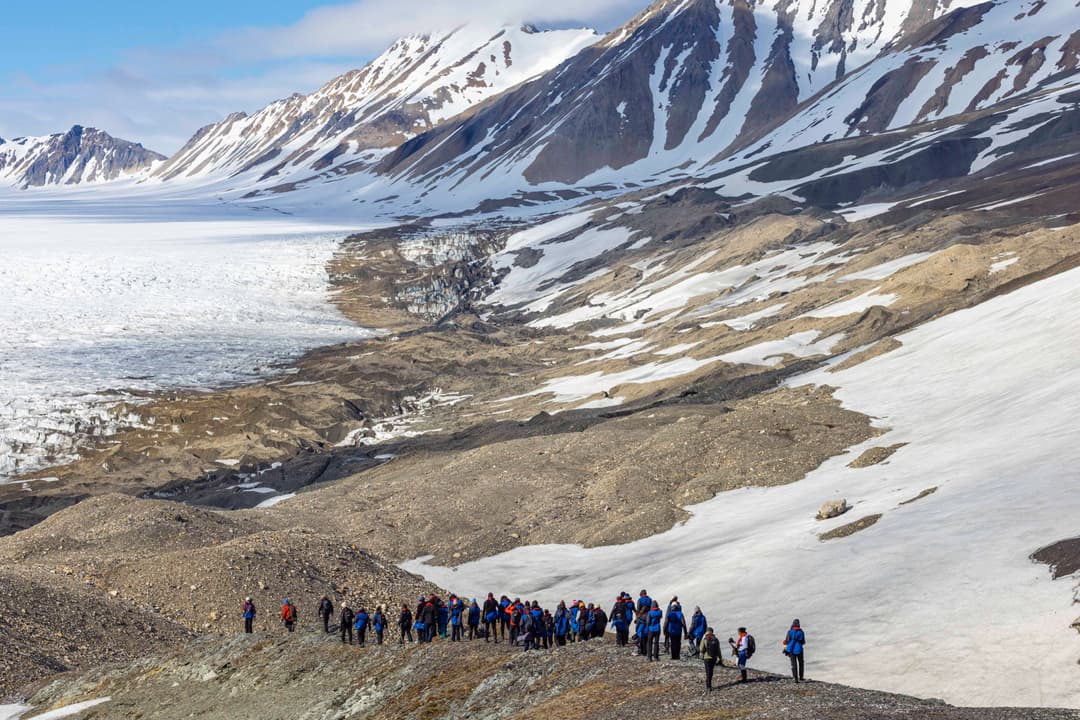
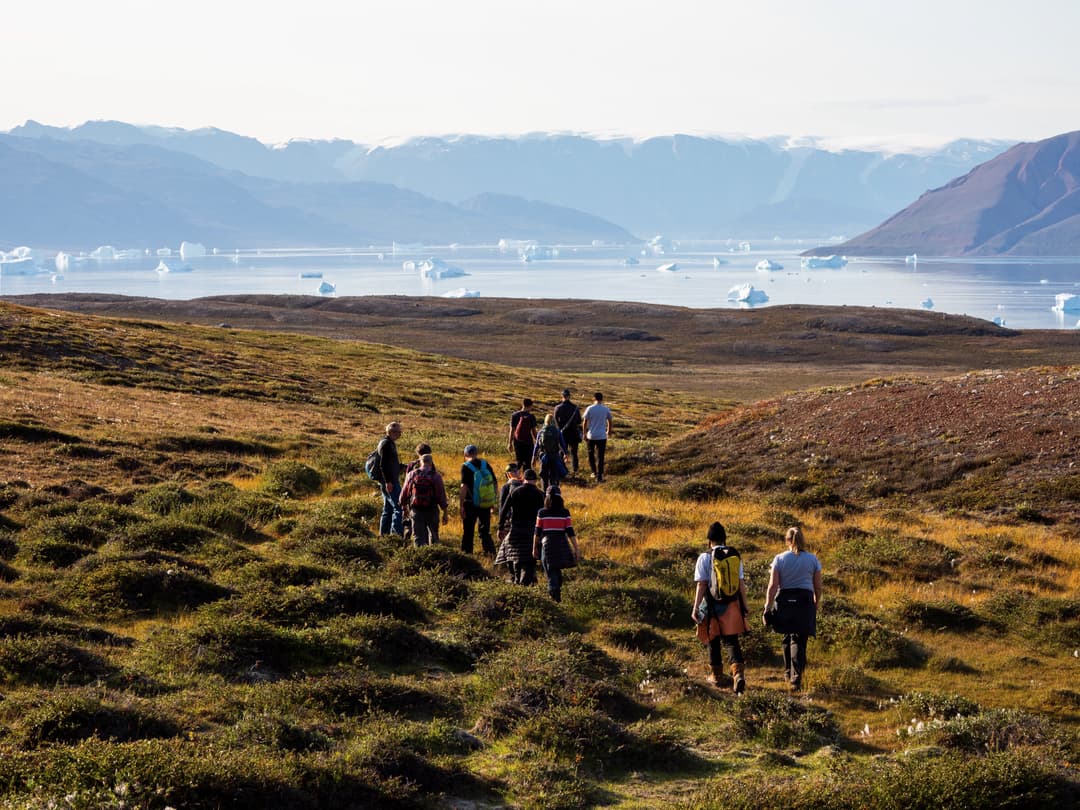
Today we explore Svartisen, Norway’s second-largest glacier, accessed via a scenic Zodiac landing at Brestua. Towering above Holandsfjord, Svartisen spans over 370 square kilometres, with the Engabreen tongue descending dramatically to just 20 metres above sea level – one of the lowest terminating glaciers in mainland Europe. This makes it both visually striking and relatively accessible. From Brestua, active guests may join a guided hike towards the Engabreen front, passing through rugged terrain with stunning views of icefalls and moraine fields. For those preferring a gentler pace, the lakeside café offers a relaxing setting to enjoy the glacier’s beauty or simply soak in the serene atmosphere.

We make our way to the stunning Lofoten – meaning puma’s foot – Islands. This is a land scoured by ice and legend, the towering crags with their sharp edges, standing in silent protection of the villages below.   

Embark on a leisurely amble through the quaint village of Torsken, where breathtaking natural beauty provides a captivating backdrop. As you meander along Torsken’s narrow lanes, immerse yourself in the village’s fascinating history, a rich tapestry woven from centuries of fishing traditions and the enduring spirit of its community. Admire the scenic splendour that surrounds you, with the majestic Senja mountains creating a stunning panorama and the tranquil streets lined with colourful houses, each possessing its own unique character. En route, you will have the opportunity to visit Torsken Church, a cherished local landmark dating back to the 18th century. Before your exploration concludes, indulge your palate with a selection of local delicacies, not only distinctive to this region but also emblematic of Norwegian culinary heritage.

With its centre located on the island of Tromsø, the municipality of Tromsø is more than five times the size of Norway’s capital, Oslo, and is the world’s northernmost university city. Lying 200 miles inside the Arctic Circle, it is known as the 'Gateway to the Arctic' because it was used as a starting point for hunters looking for Arctic foxes, polar bears and seals. In the 19th century it was a base for explorers on Arctic expeditions – a history that is remembered in the city’s Polar Museum, which you can visit on an excursion. Also commemorated in the area is the history of Norway’s indigenous people, the Sami. Visitors can learn about the traditions, heritage and modern preservation of the Sami culture at the Tromsø Museum. Nowadays, Tromsø is a charming mix of old and new, with wooden buildings sitting alongside contemporary architecture such as the impressive glacier-like Arctic Cathedral, which features one of the largest stained glass windows in Europe. Looking down on the city is Mount Storsteinen, and a cable car runs to the top, giving wonderful views over the surrounding countryside of forested peaks and reindeer pastures.

Show more

About the Ship

Name

Sylvia Earle

Operator

Aurora Expeditions

A floating ambassador for the planet.

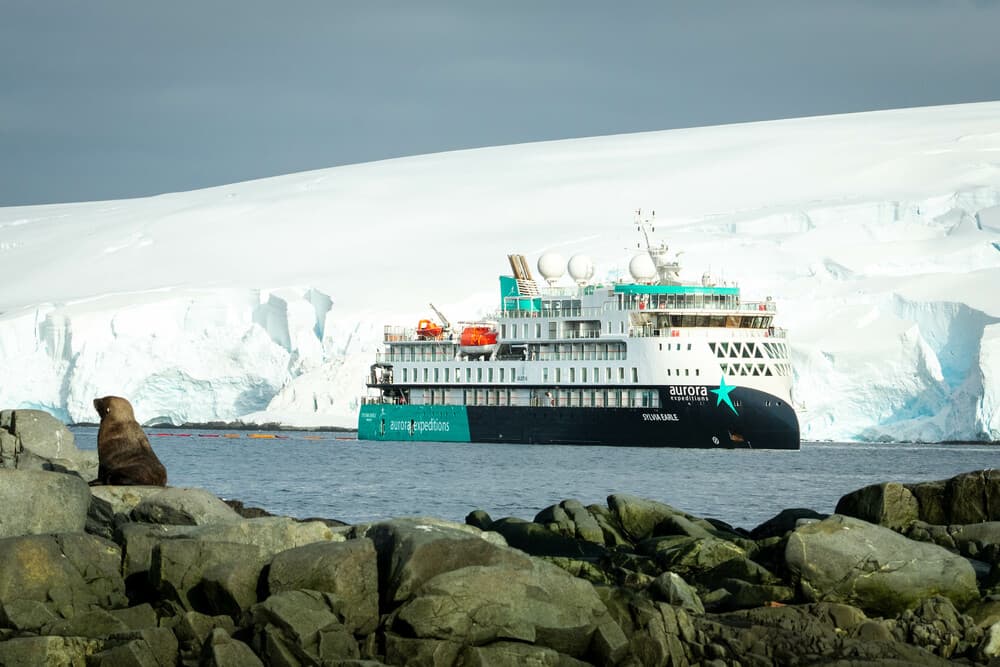
On our small purpose-built ship, the Sylvia Earle, connect with like-minded travellers in a meaningful way on perspective-altering voyages to some of the most remote, unique and spectacular places on the planet. Featuring the Ulstein X-BOW® design, it cuts through the swell for a smoother transit through waves while minimising its environmental impact.

Ship Facts
cabin count
71
capacity
130
crew count
74
deck count
8
currency
USD onboard
gross tonnage
7400
language
en
launch year
2022
length
104.4m
speed
12kts
wheelchair count
2
width
18.2m

Loading...

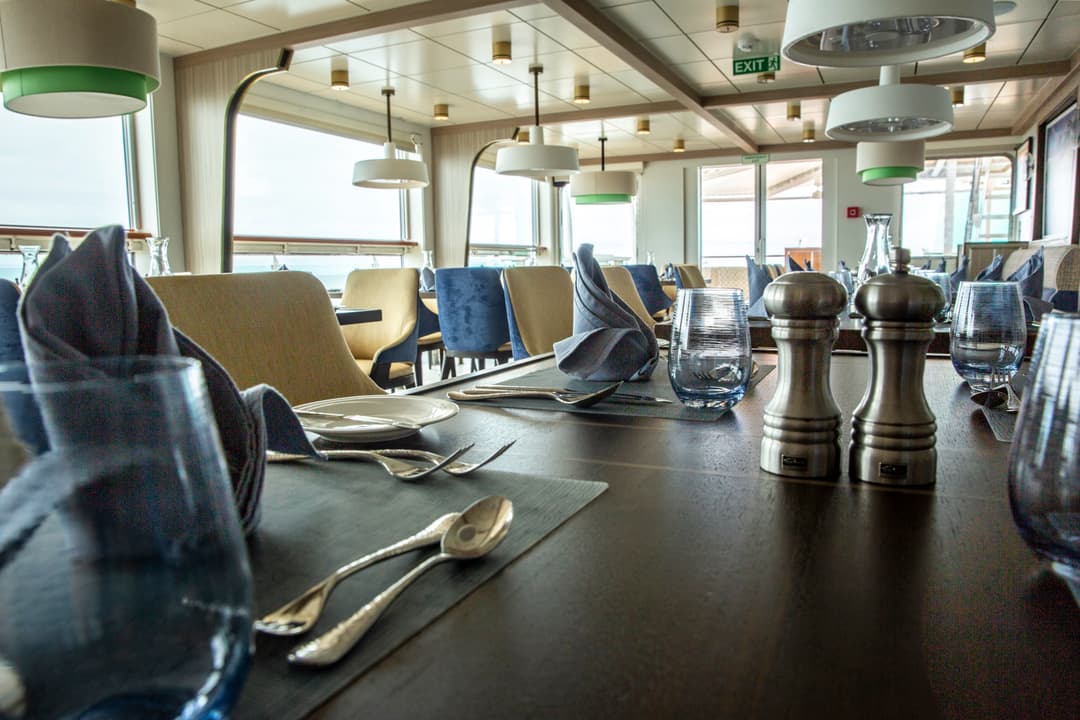
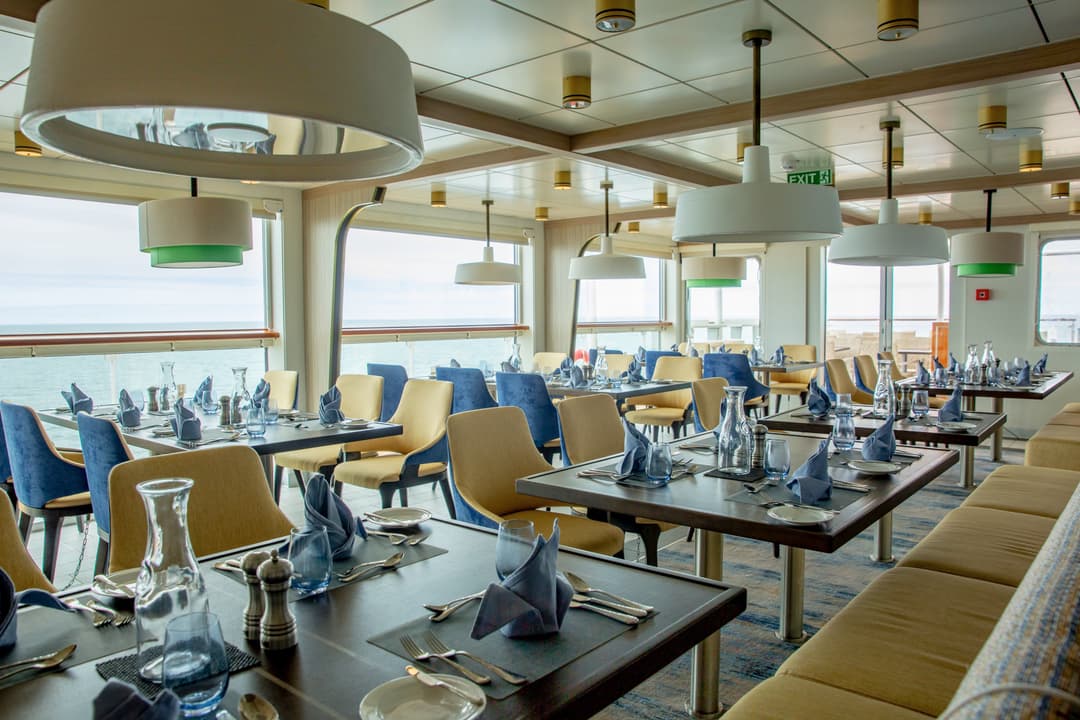
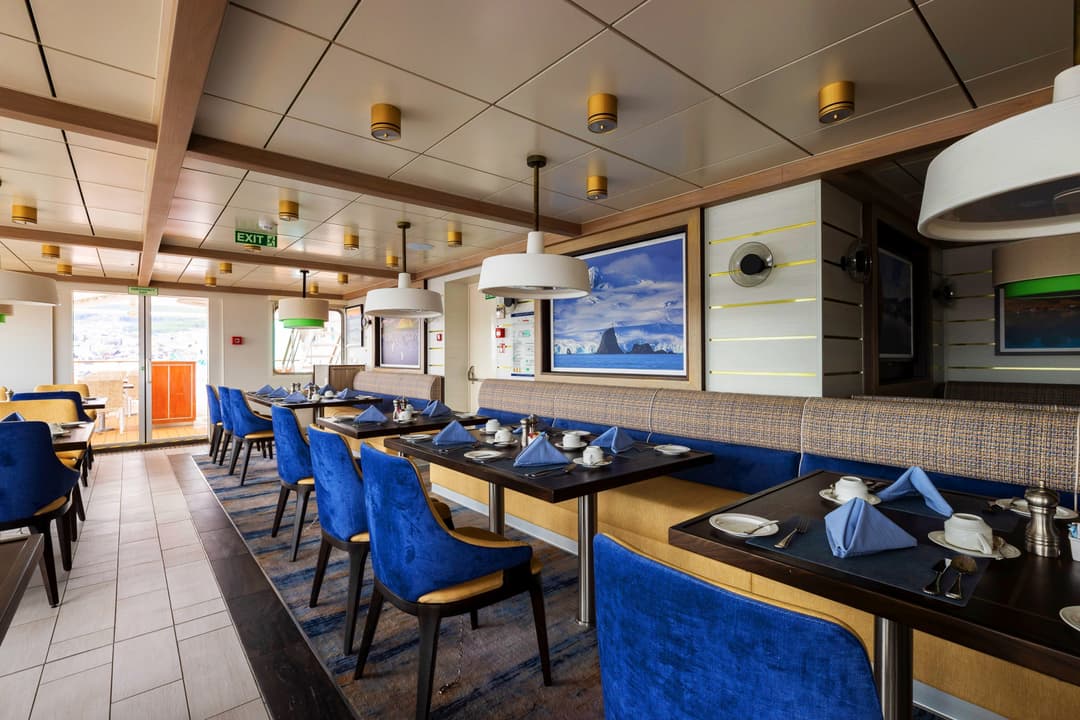
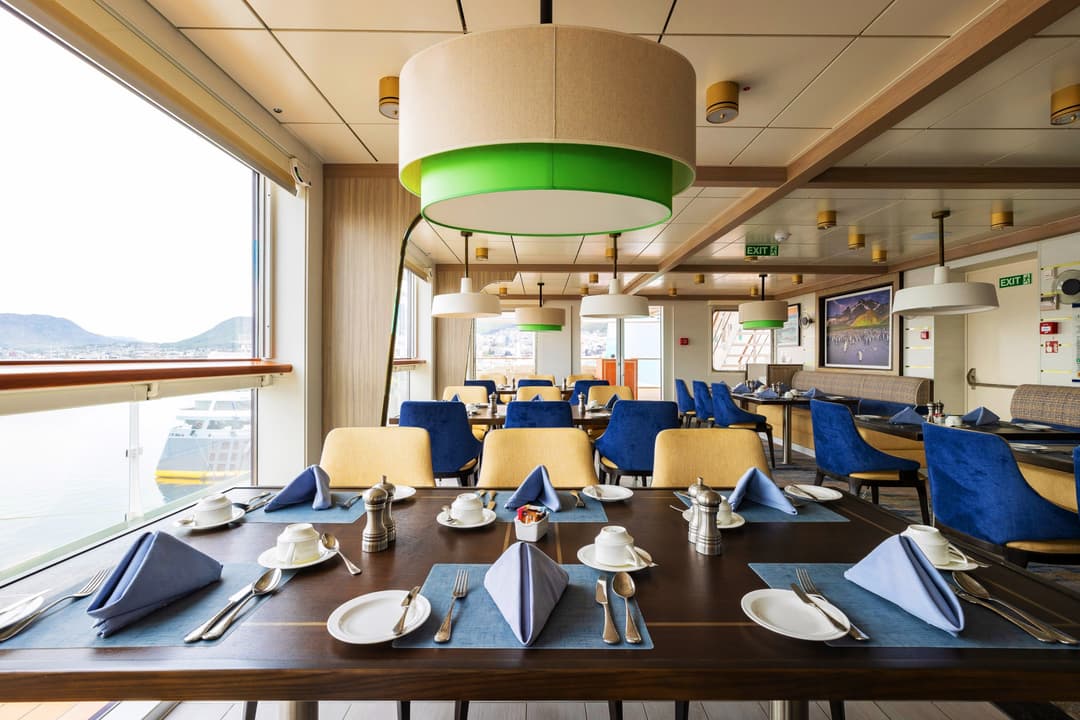
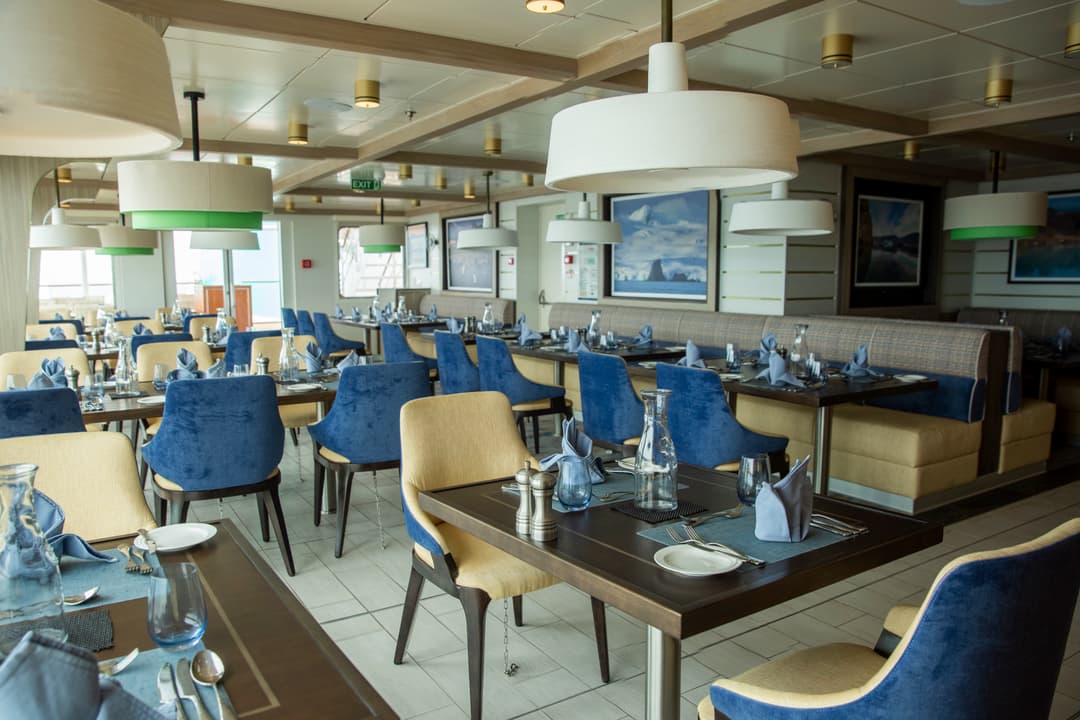
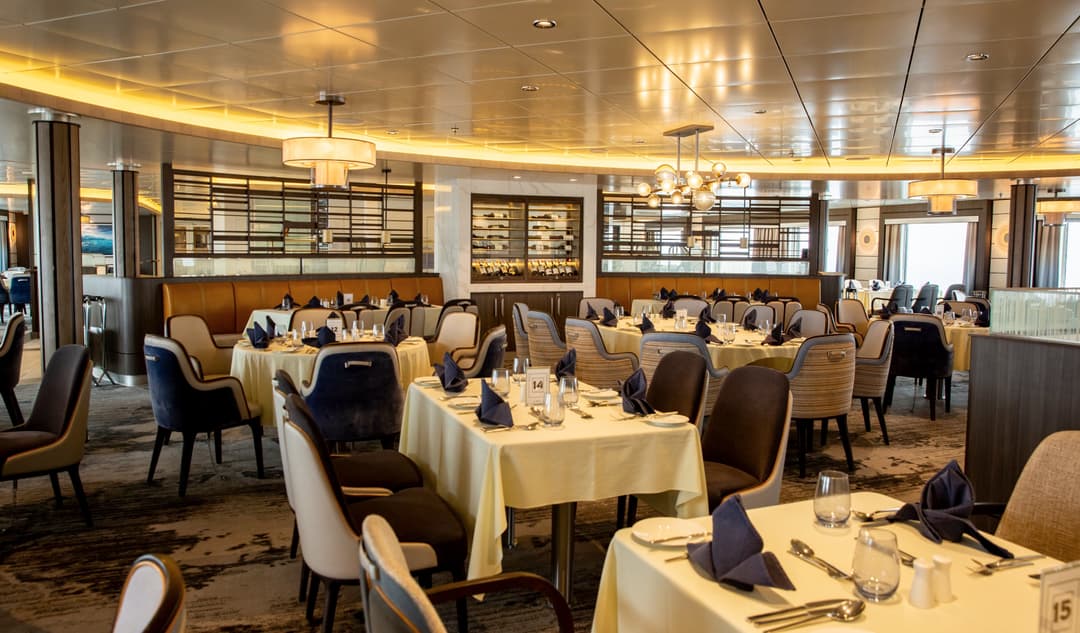
DINING
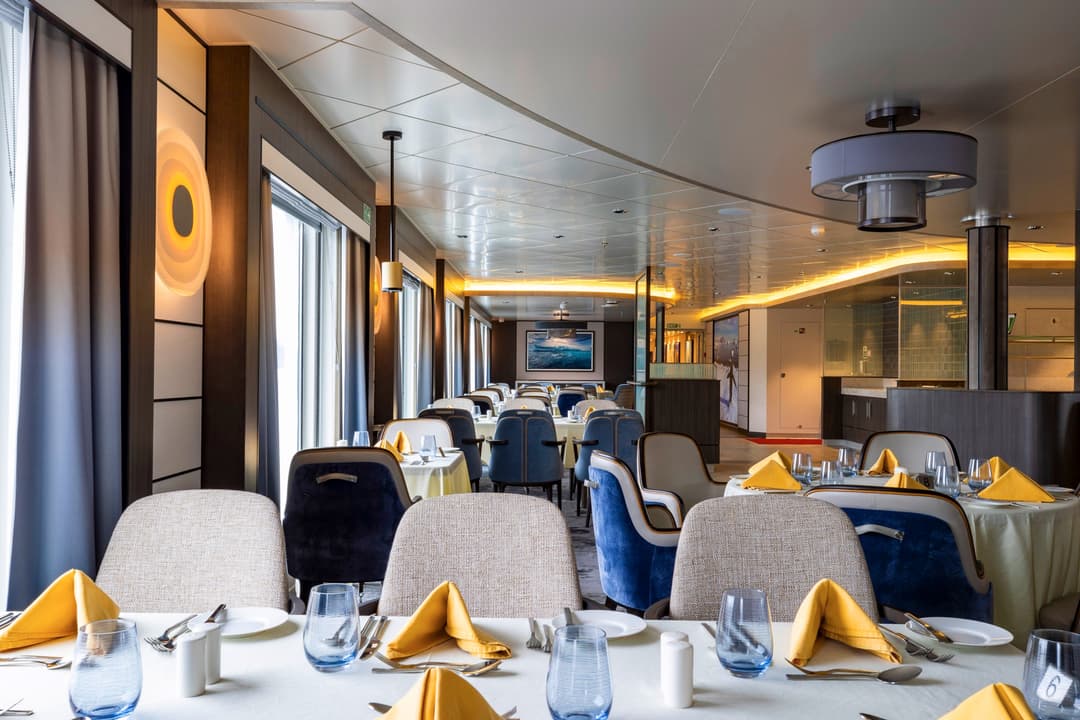
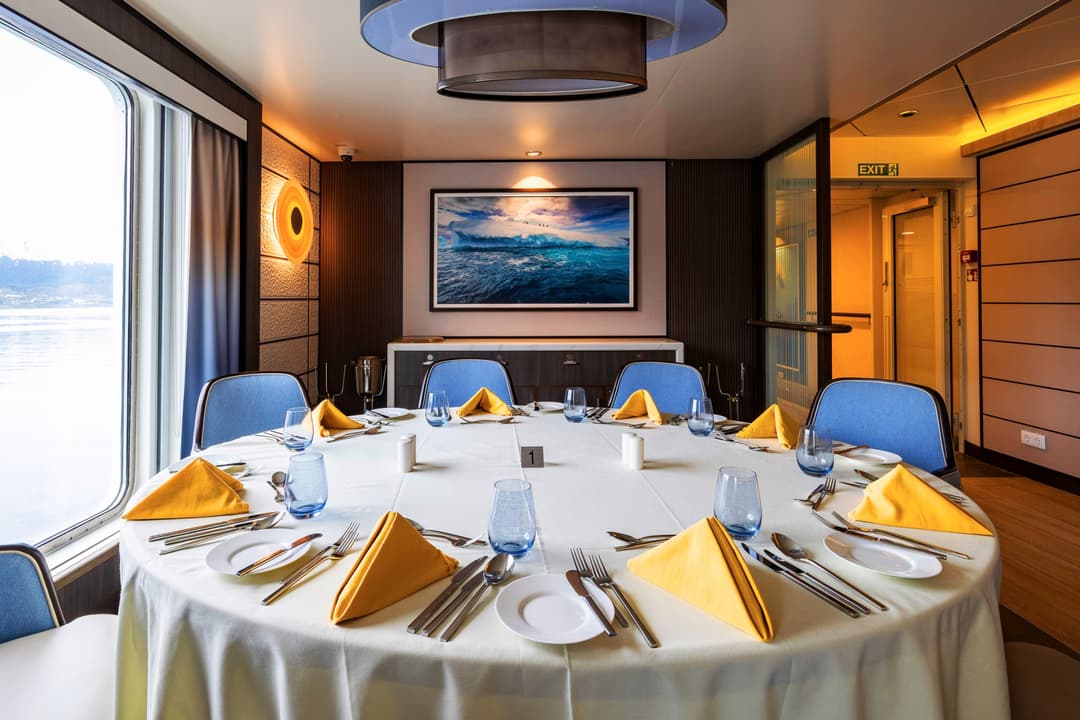
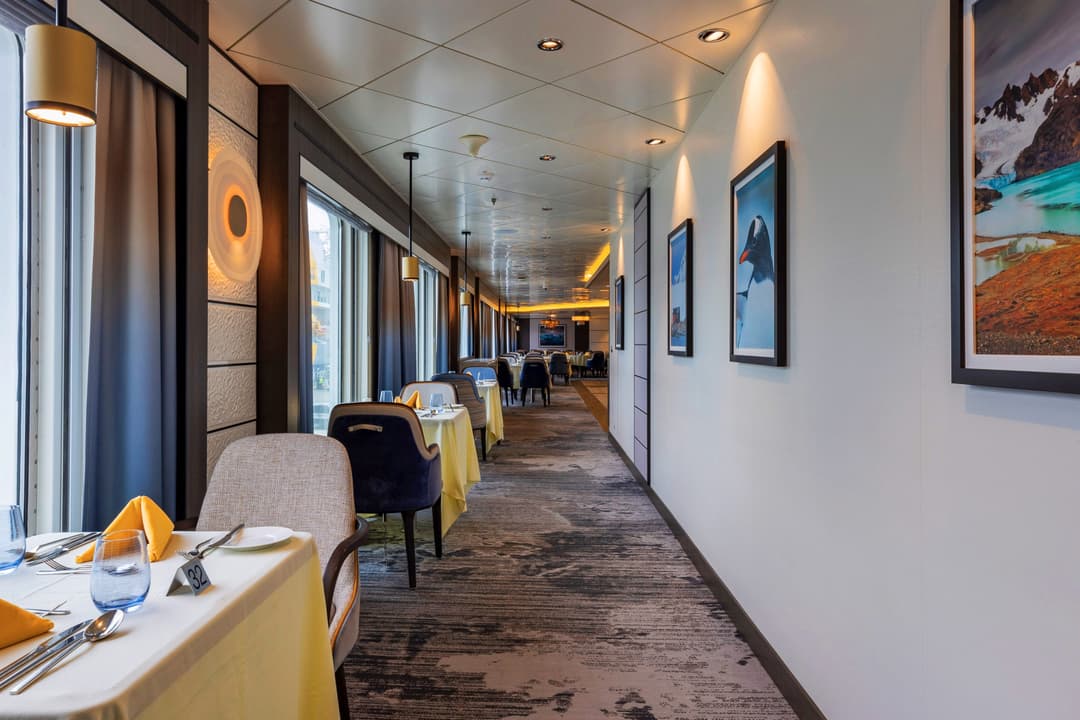
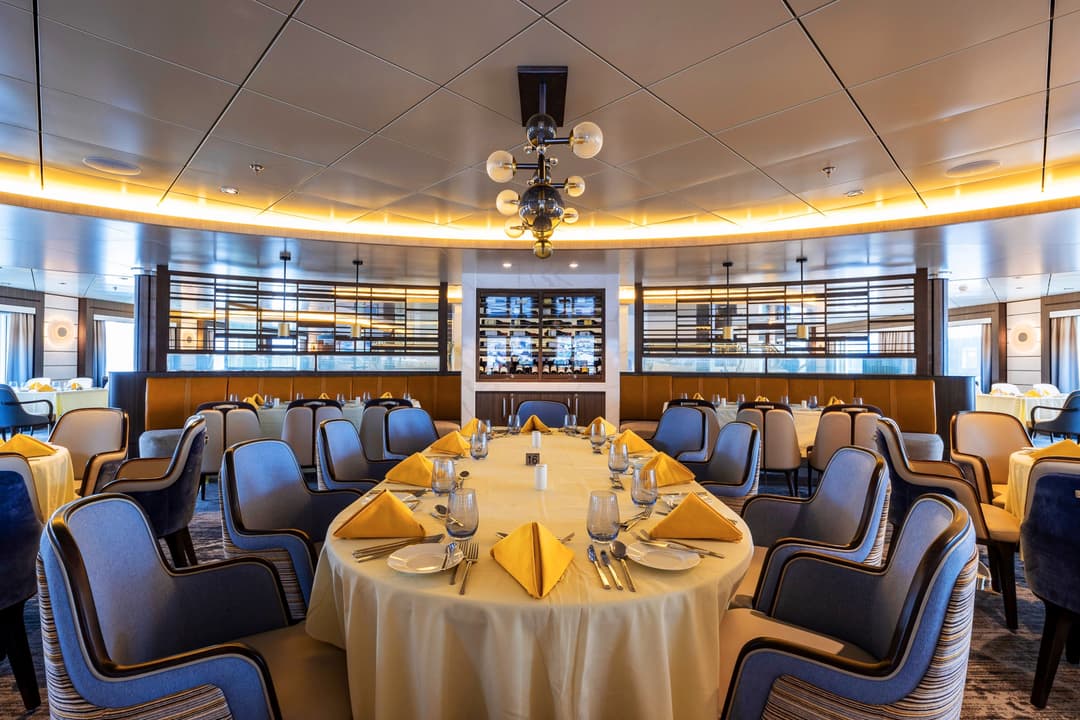
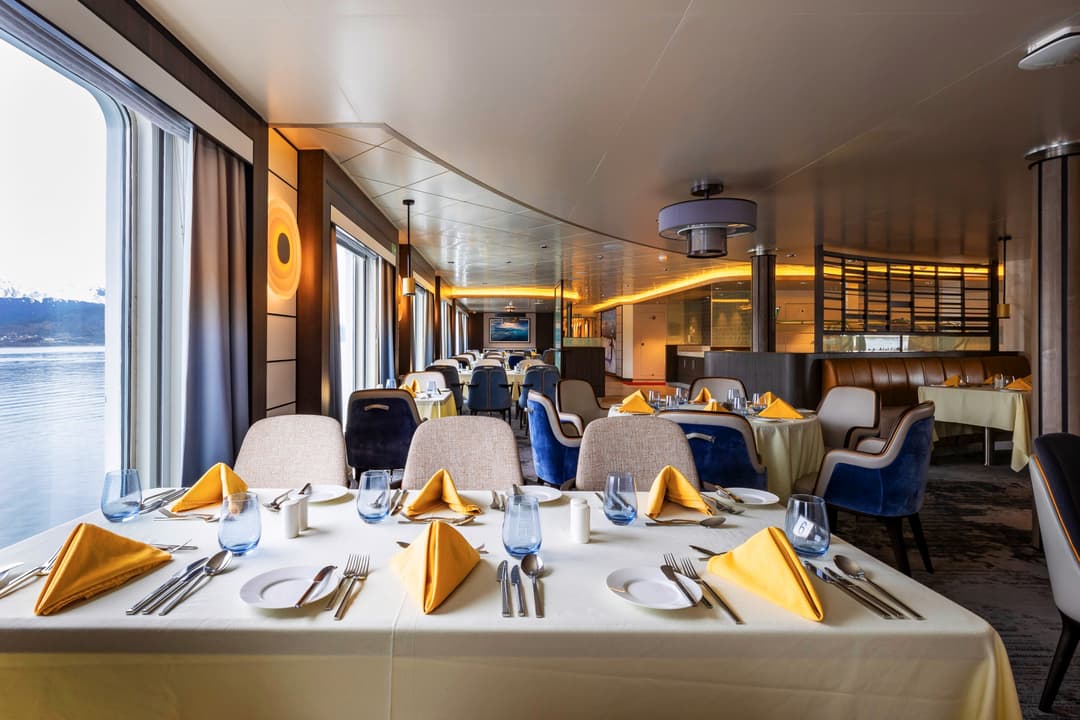
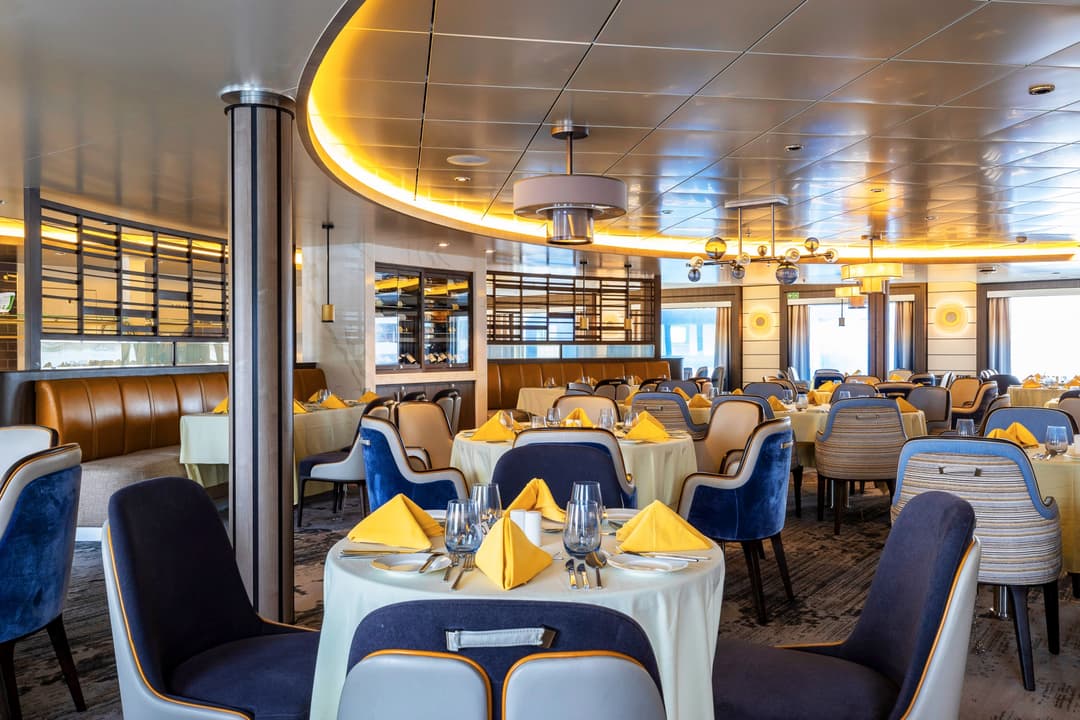
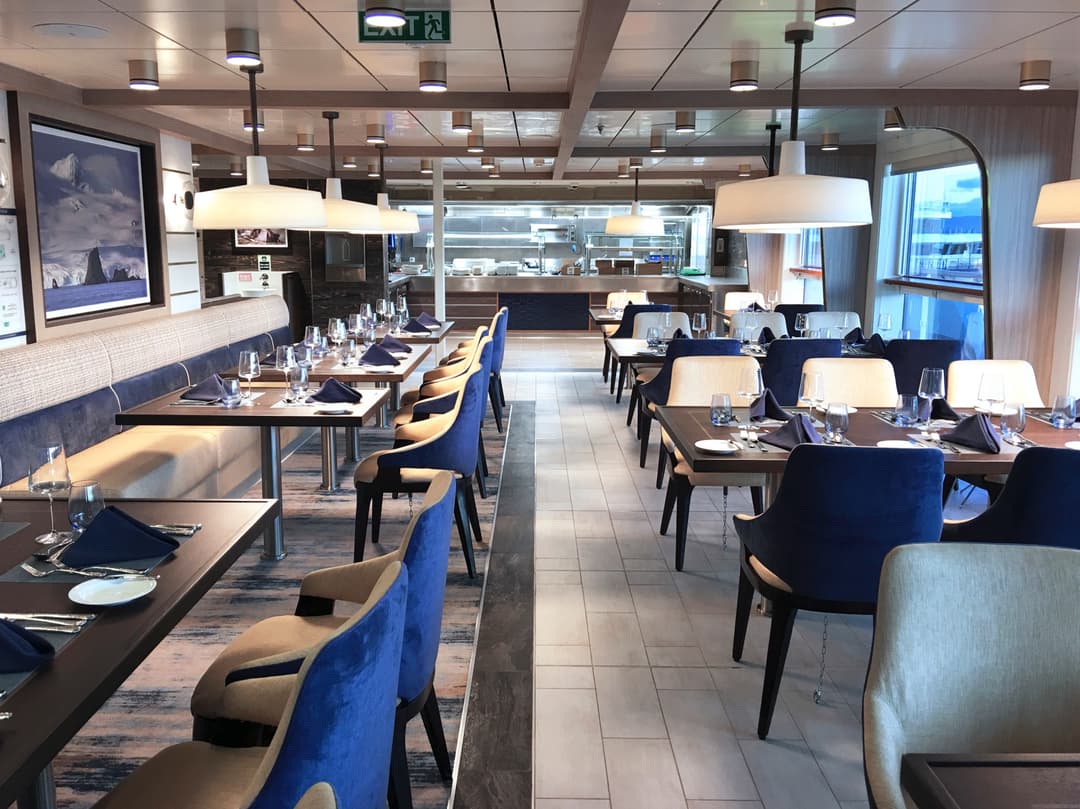
From the moment you step onto the Sylvia Earle, we aim to give you the best hospitality service possible. Starting with the official Captain's Welcome, as our guests, you're welcome to 24 hours complimentary coffee, tea and snack facilities in addition to a range of different menu options and courses for each meal. 
Dining

Whatever adventures the day holds, you will be fuelled-up with hearty meals and delicious morning and afternoon teas cooked by our onboard chefs.

Meals are a great time to soak up the expedition camaraderie in our open seating dining area. Share stories with your fellow travellers and ask our expedition team questions that may have come up during the day.

Tea, coffee, and snacks are available 24 hours a day, and our chefs offer dif....
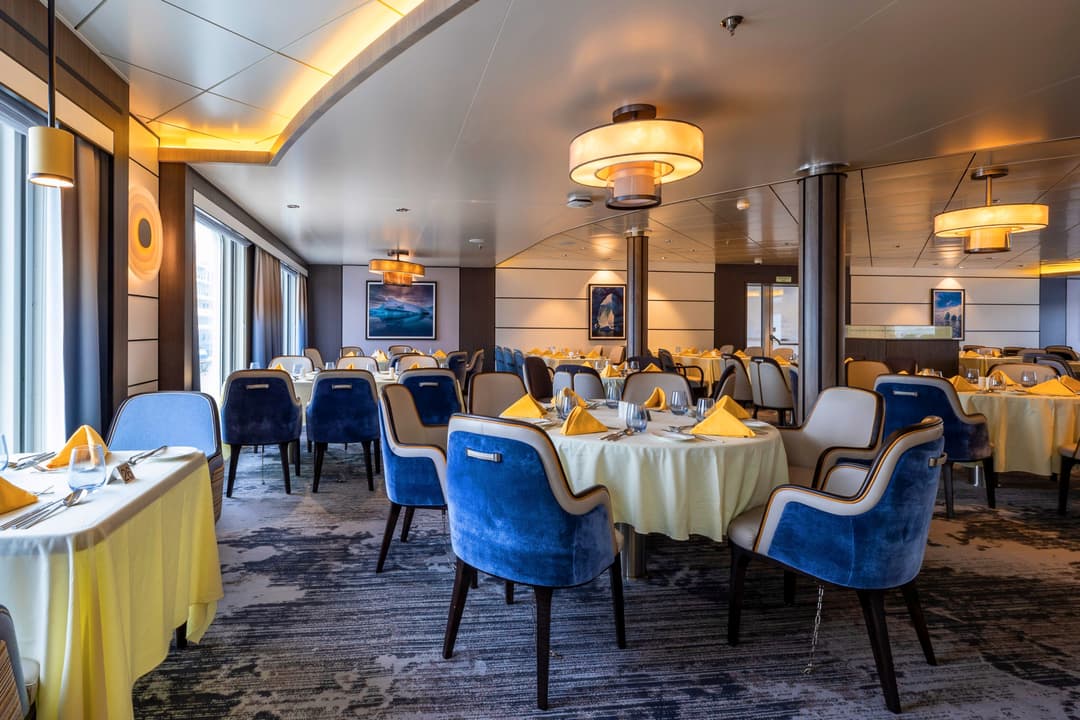
The Rockhopper Restaurant

More information coming soon.

Gentoo

More information coming soon.

Entertainment

When you’re relaxing during a sea day or you have a little downtime on the ship between excursions, what is there to do onboard the Sylvia Earle? Plenty!

The Sylvia Earle is also decked out with other facilities for your enjoyment. There is a library on Deck 5 with books and maps and a Wellness Centre complete with gym equipment, sauna and spa. Feeling a little sore after walking around all day? Treat yourself to a massage at the Wellness Centre and feels the aches disappear!

Observation Points

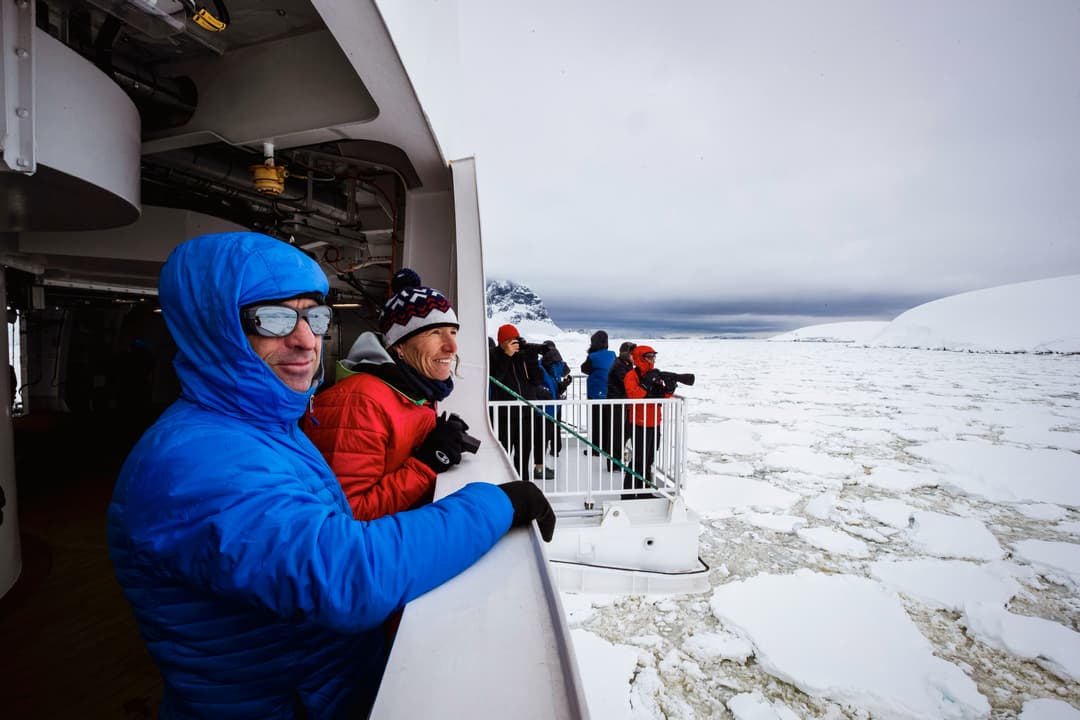
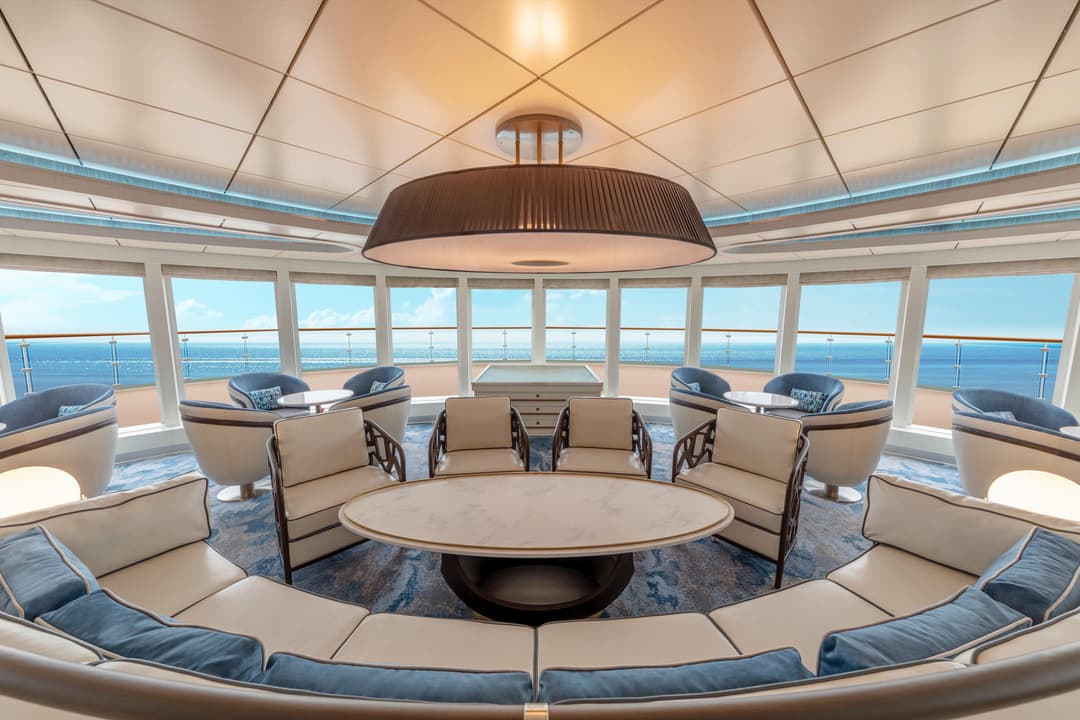
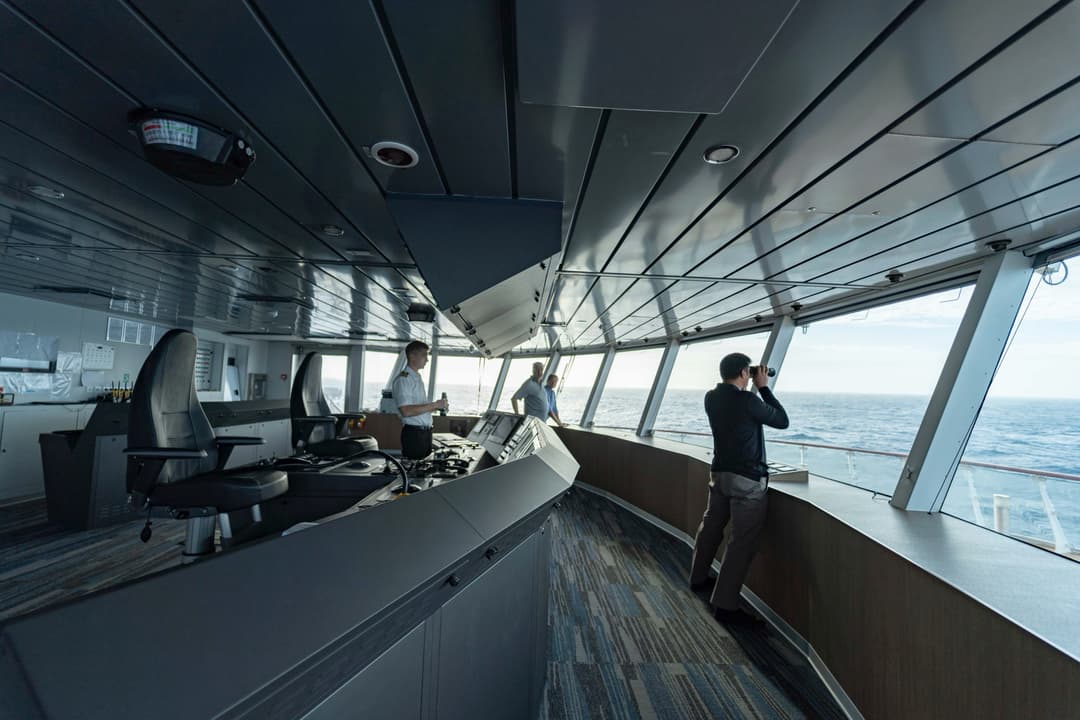
Let's face it – you don't want windowless rooms when travelling around some of the most beautiful locations around the world. This is why the Sylvia Earle is designed with plenty of dedicated observation spaces – ideal for keen bird spotters, wildlife watchers and those wanting to watch the scenery go past.

From the indoor 180-degree lounge and outdoor 360-degree open deck, both on deck 8, to the 270-degree open sundeck on level 7, there....
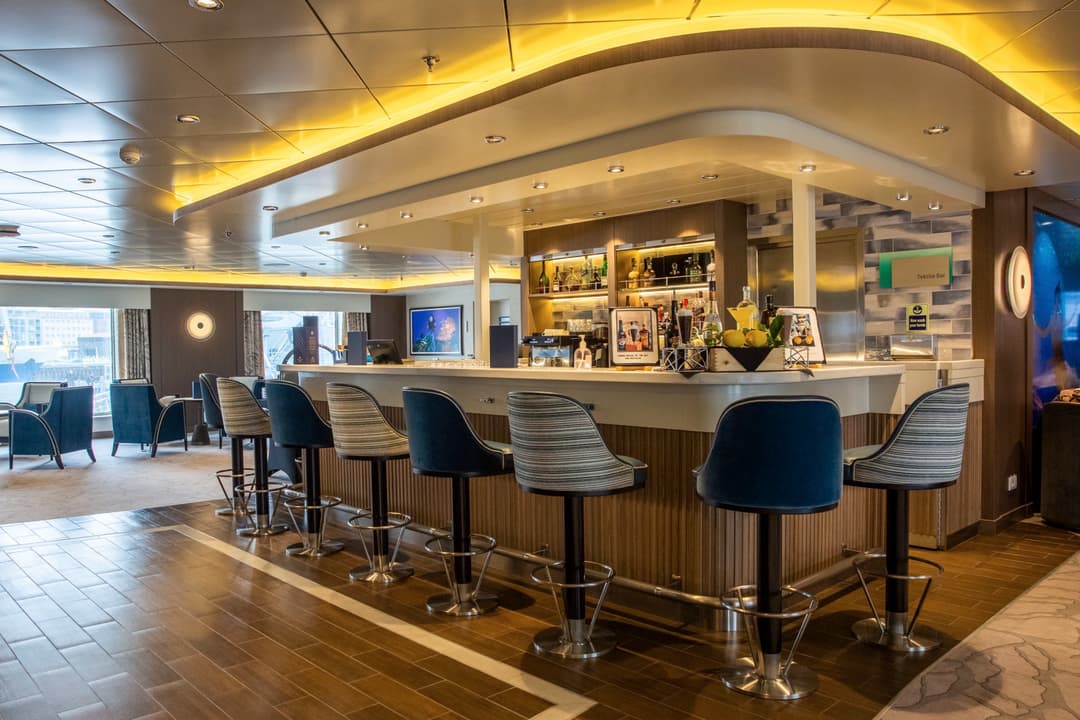
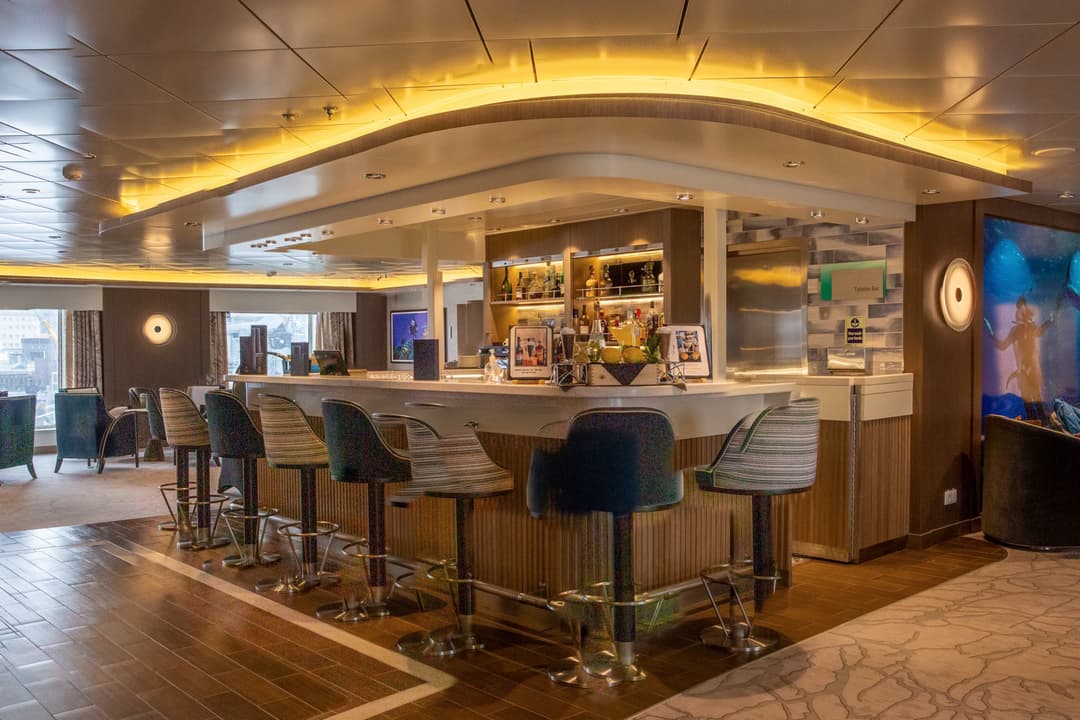
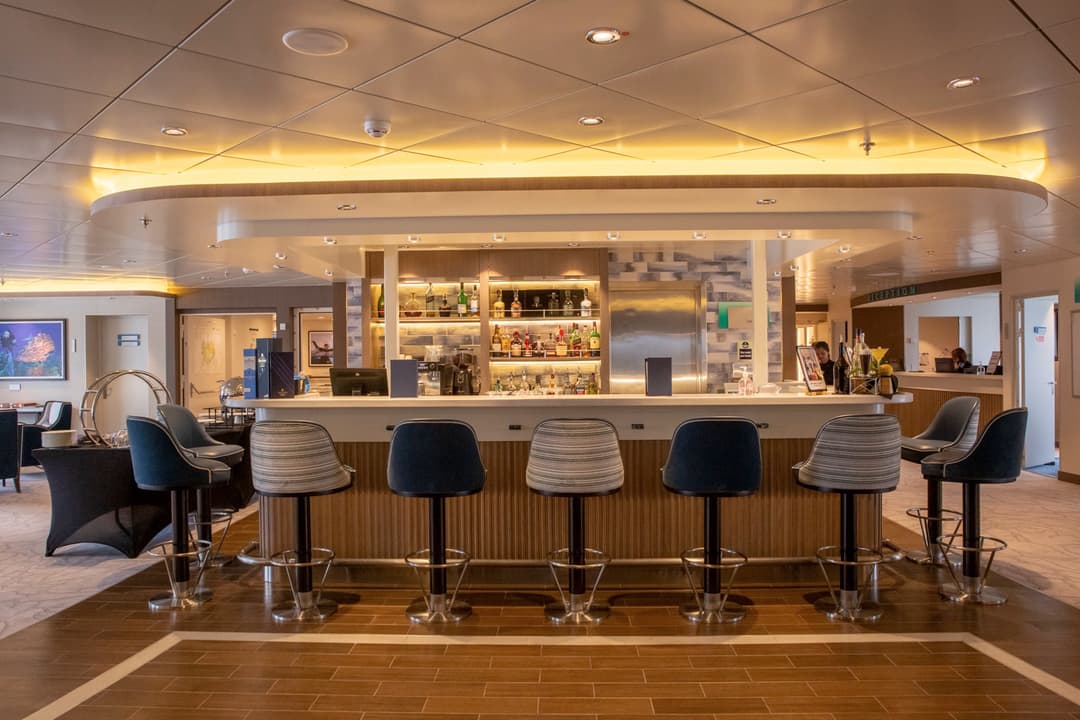
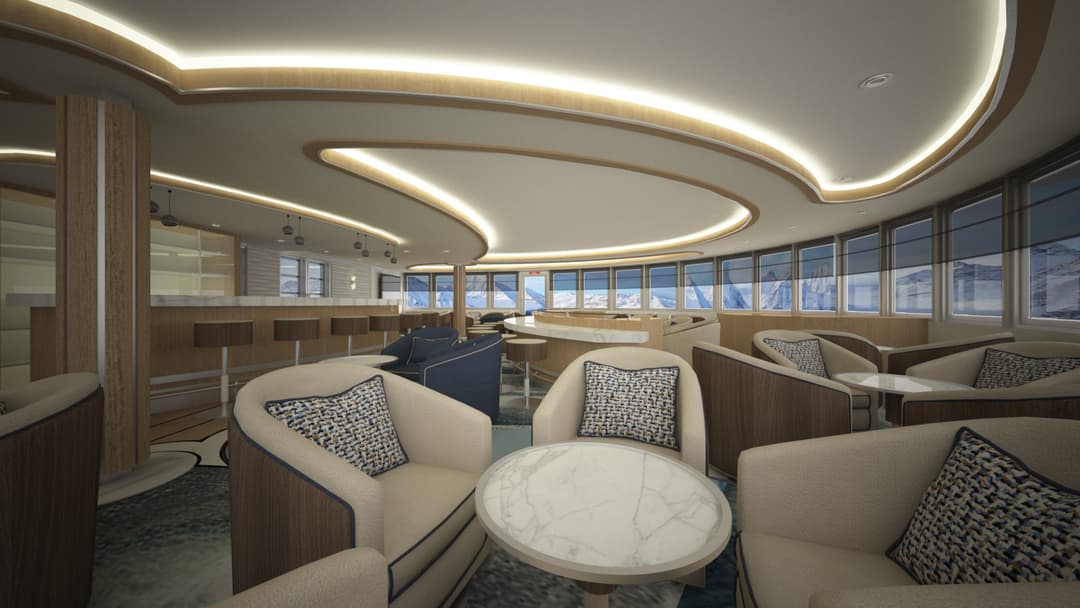
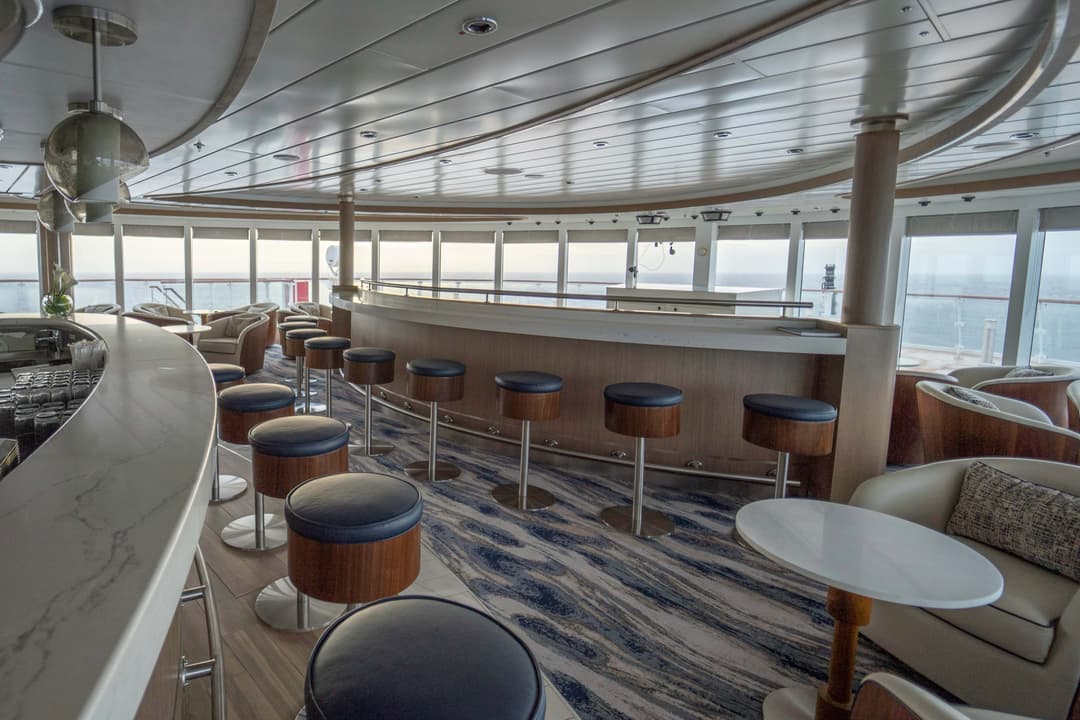
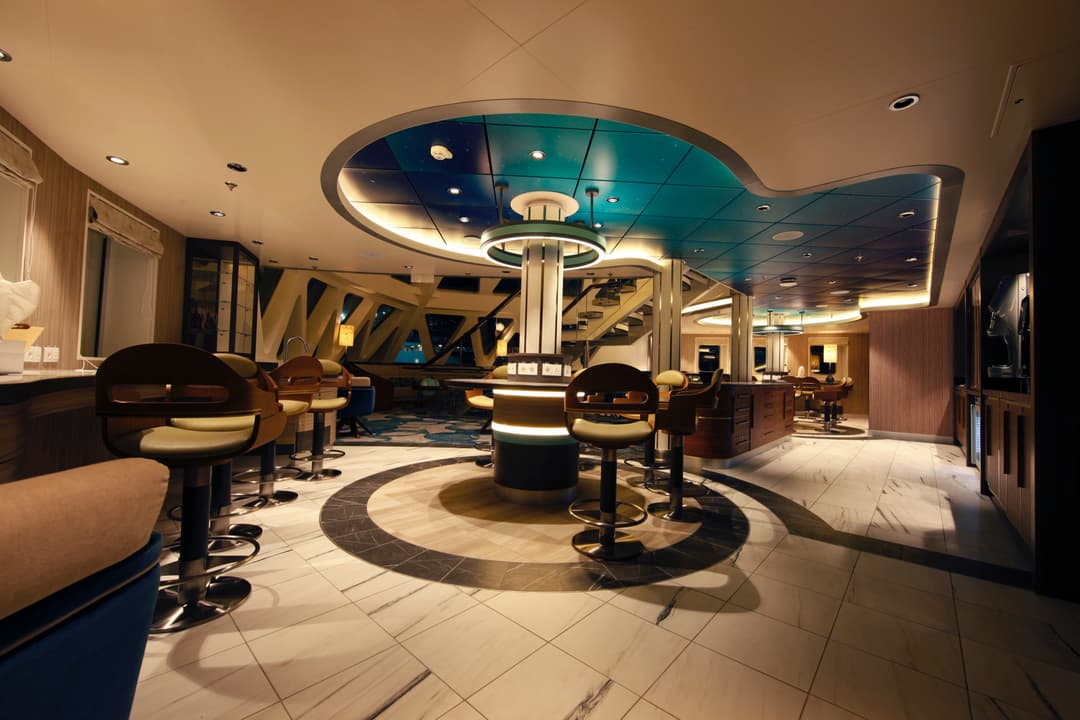
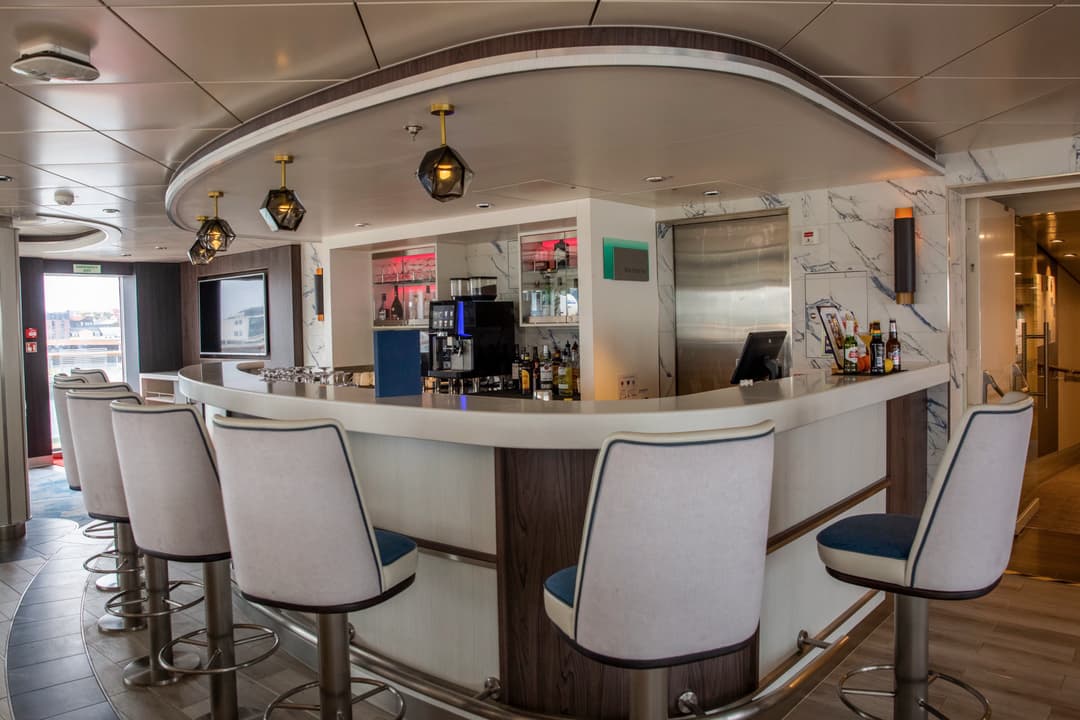
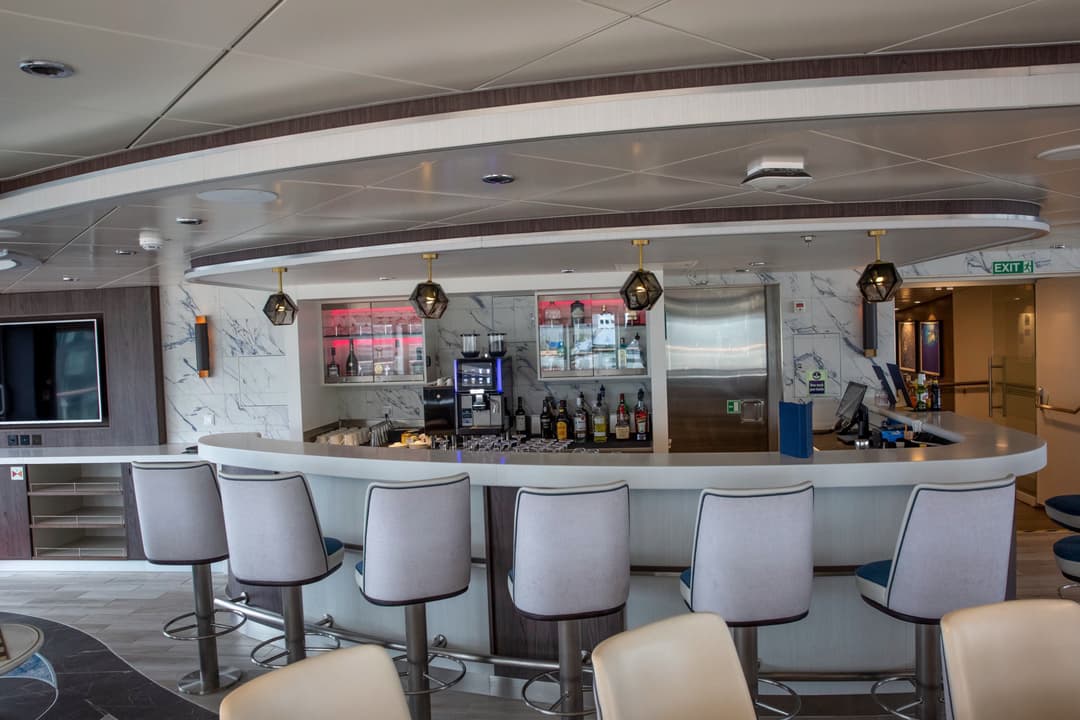
Bars & Lounges

Communal meeting areas have always played a major role in fostering the warm camaraderie on board our ships. They are the heart of the expedition, where people meet to share tales from the day, swap photos, keep an eye out for wildlife and watch the sun go down.

The bars and lounges on board are refined yet inviting places to gather, with floor-to-ceiling windows offering stunning views, and of course friendly bartenders to shoot the bre....
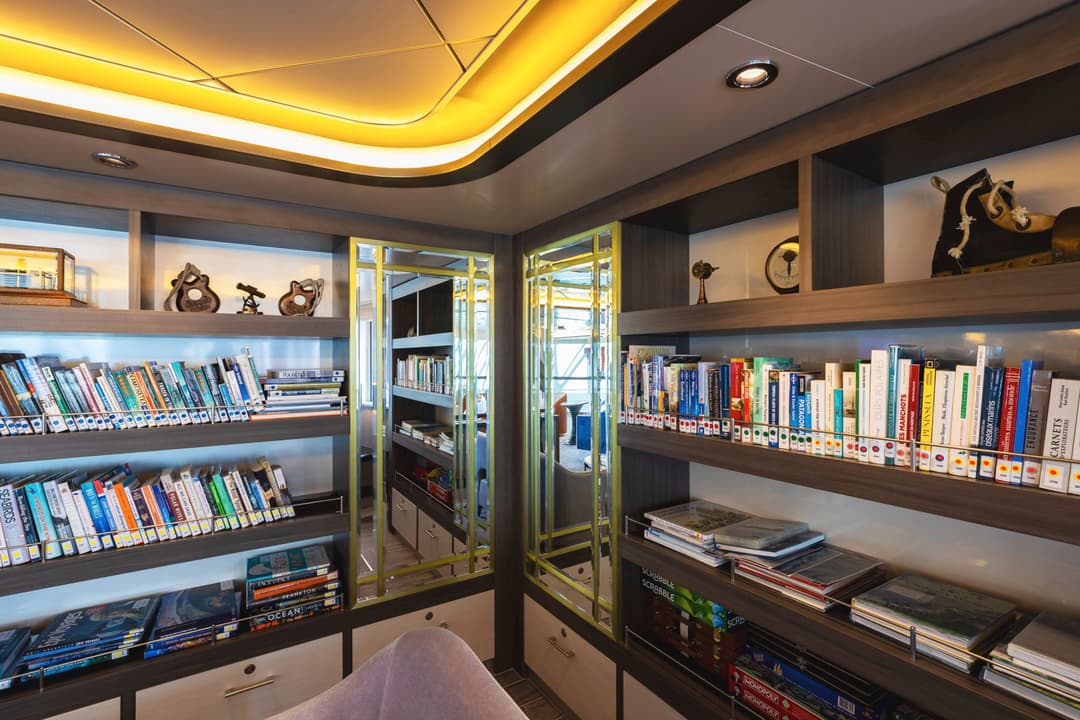
Library & Multimedia Centre

With floor-to-ceiling windows, the library is a peaceful sanctuary where you can find non-fiction books to read up on the day’s destinations, plug in and organise your photos or play board games with newfound friends.

Choose from our range of informative non-fiction titles, wildlife guidebooks, travel journals, novels and a selection of children’s books and board games.

Wildlife guides, books and binoculars can also be found on the....

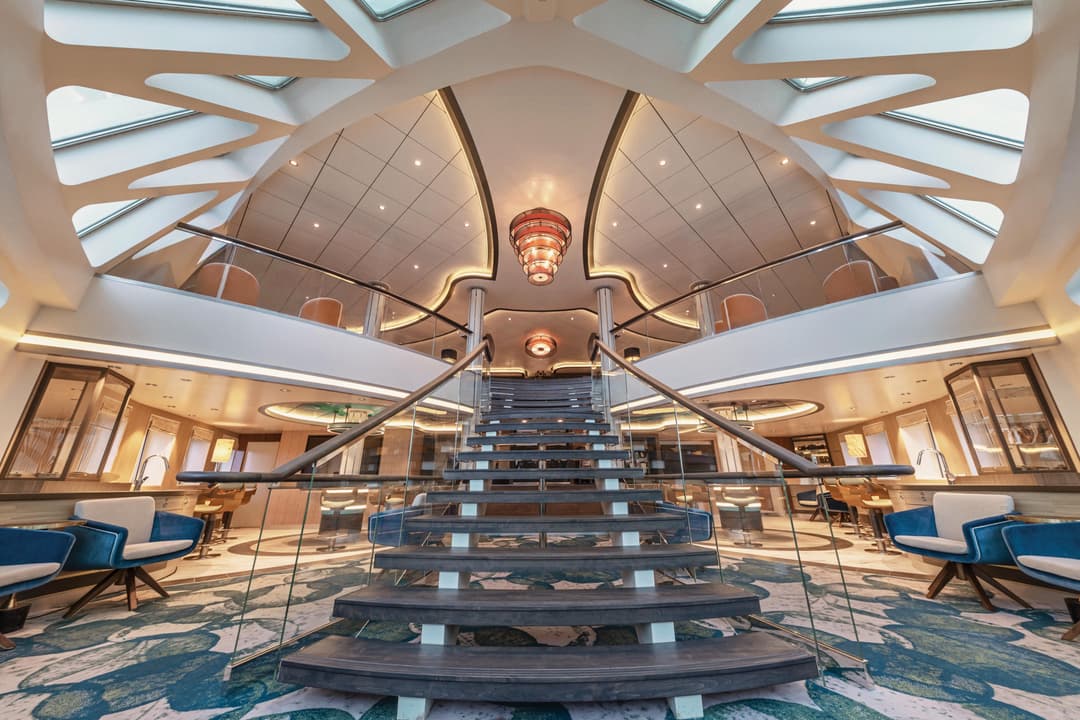
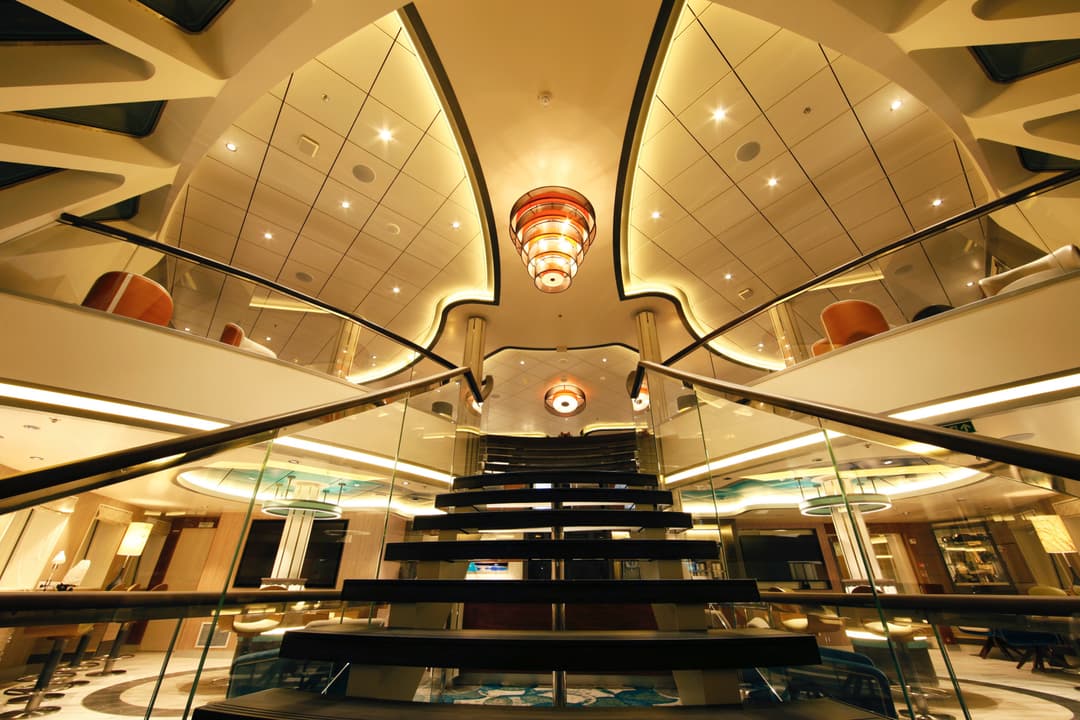
Glass Atrium Lounge
Experience the Glass Atrium Lounge inside the bow, featuring huge windows and superb views to the front of the ship.
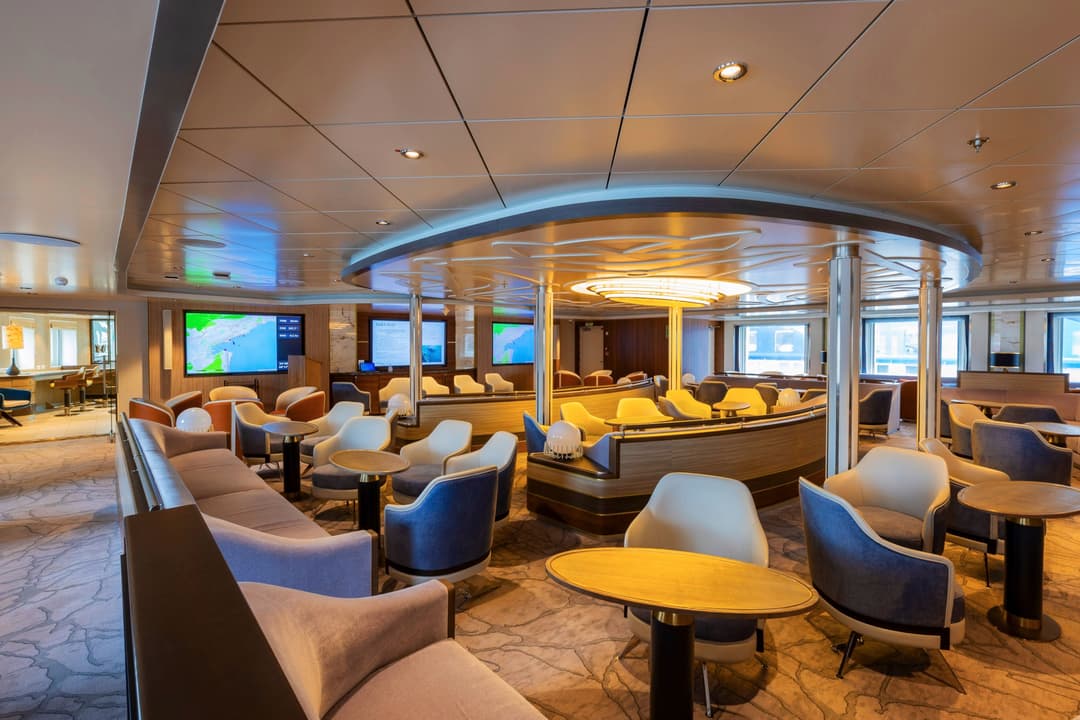
Observation Lounge

Wildlife guides, books and binoculars can also be found on the observation lounge on deck 8, the perfect place to relax and watch the incredible landscapes pass by, or spot unique polar wildlife. 

Health And Fitness

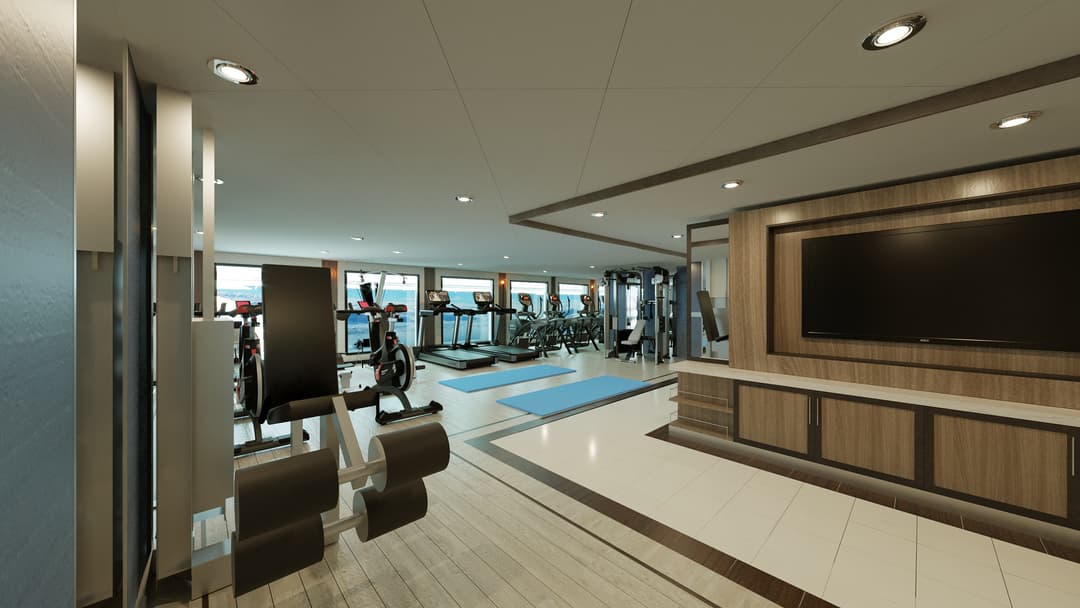
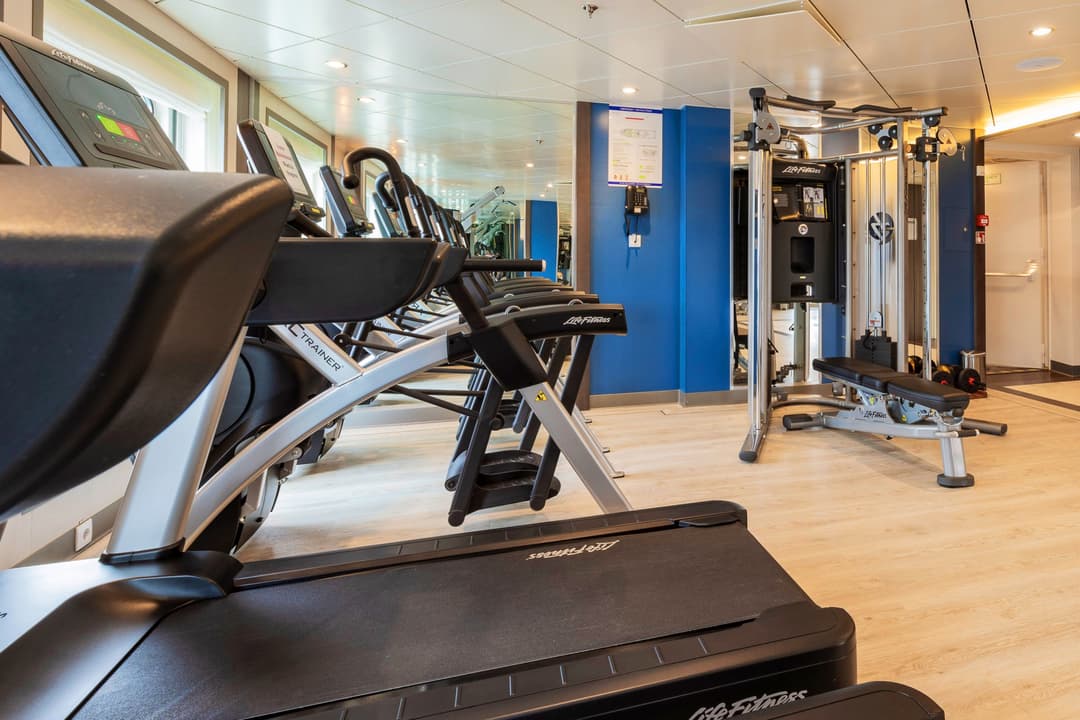
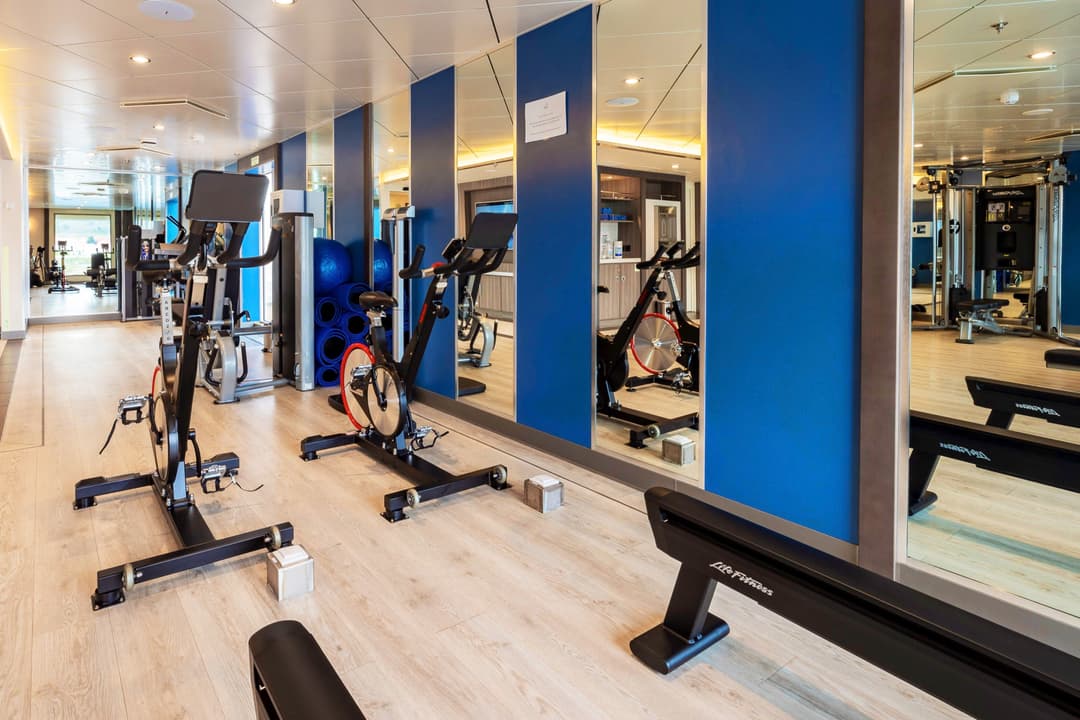
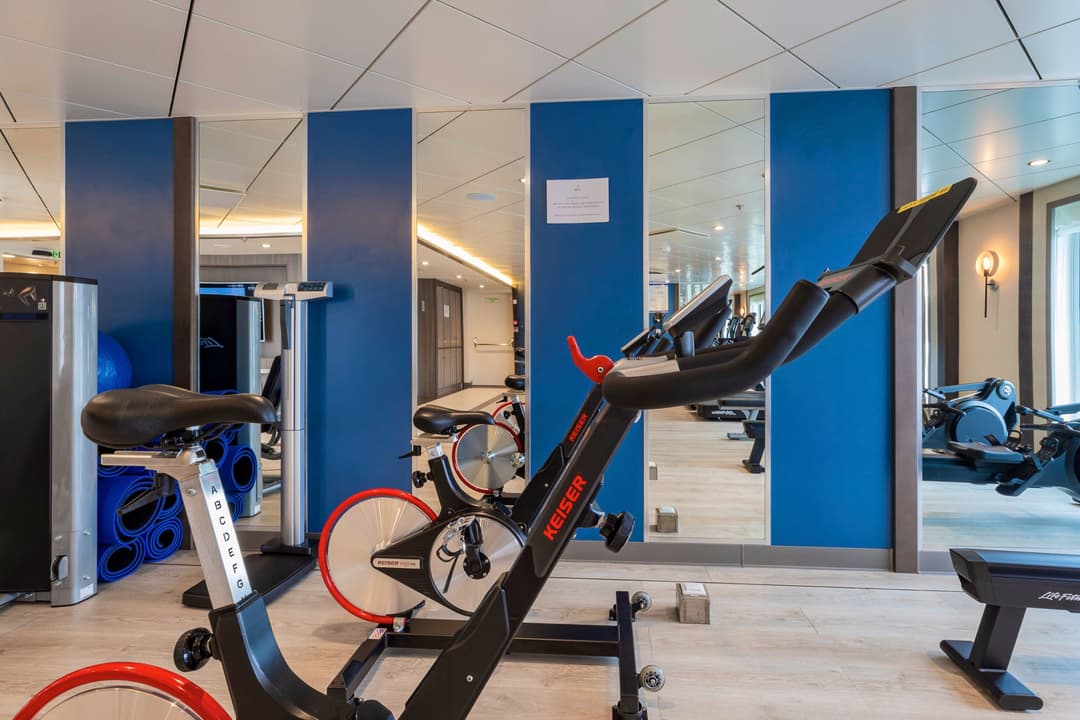
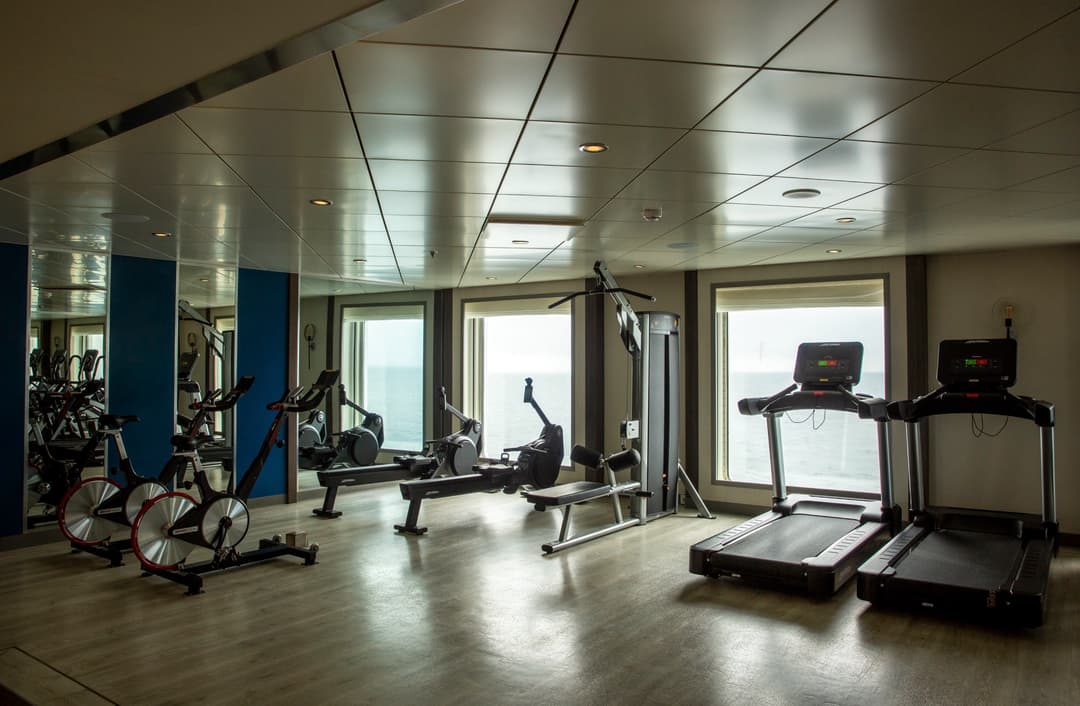
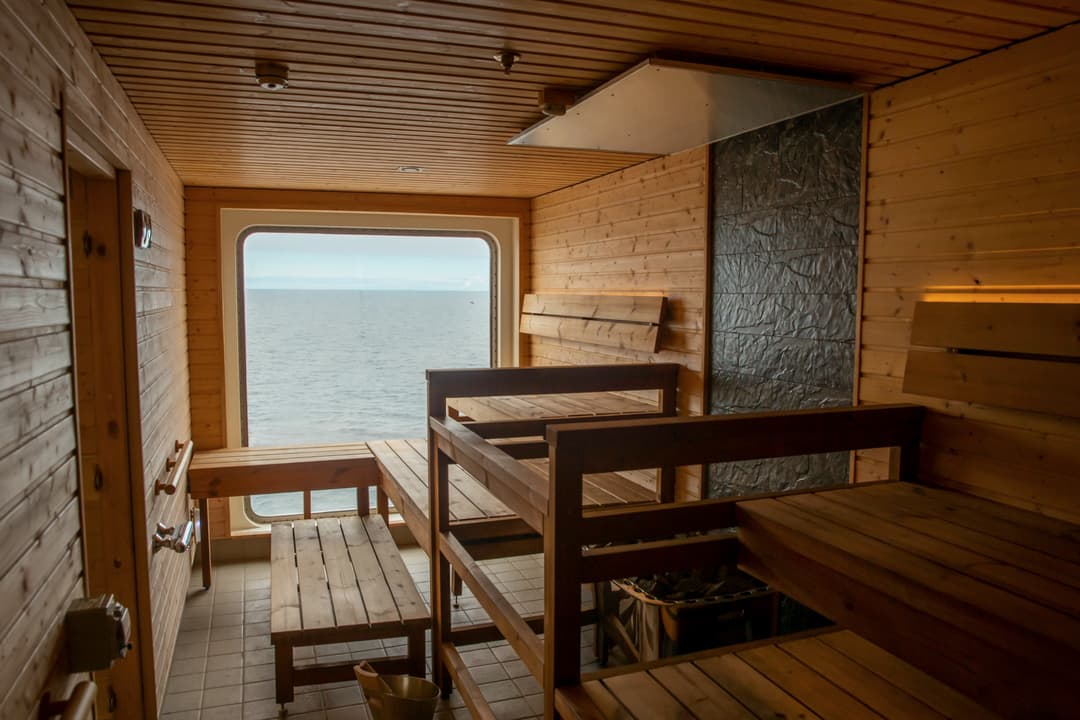
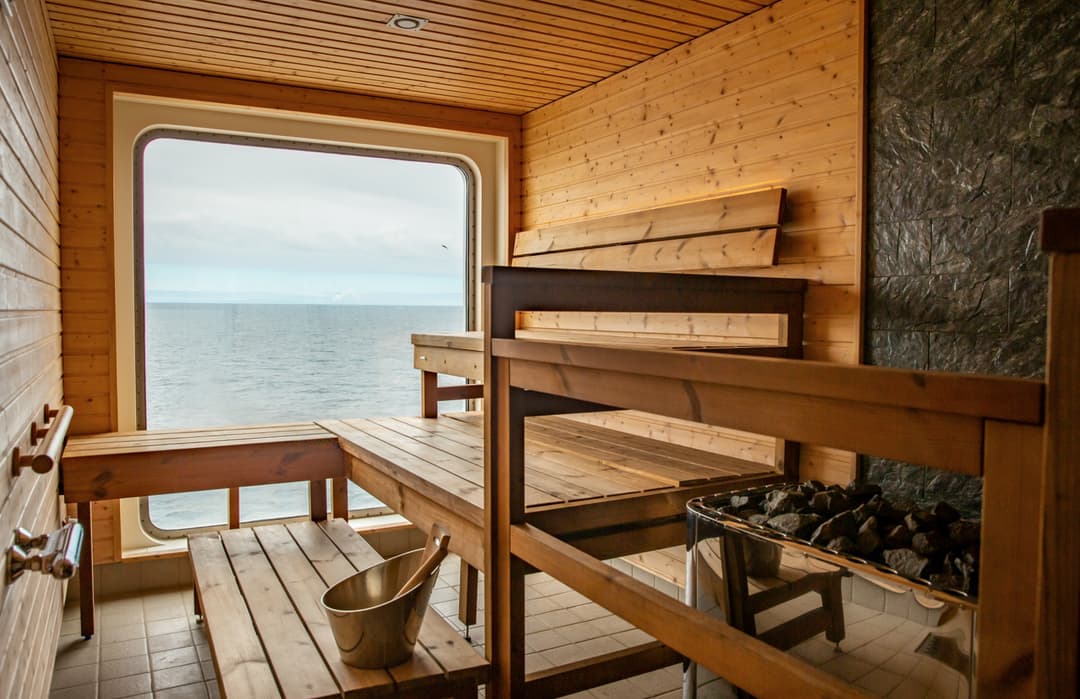
There is a Wellness Centre complete with gym equipment, sauna and spa. Feeling a little sore after walking around all day? Treat yourself to a massage∘ at the Wellness Centre and feels the aches disappear!
Sauna & Spa

You are welcome to visit the wellness centre during your voyage where you can use our sauna (which we highly recommend after the polar plunge!) or book a massage (additional cost applies).

Gym

In between landings, enjoy complimentary access to the onboard gym.

Swimming Pool & Sun Deck

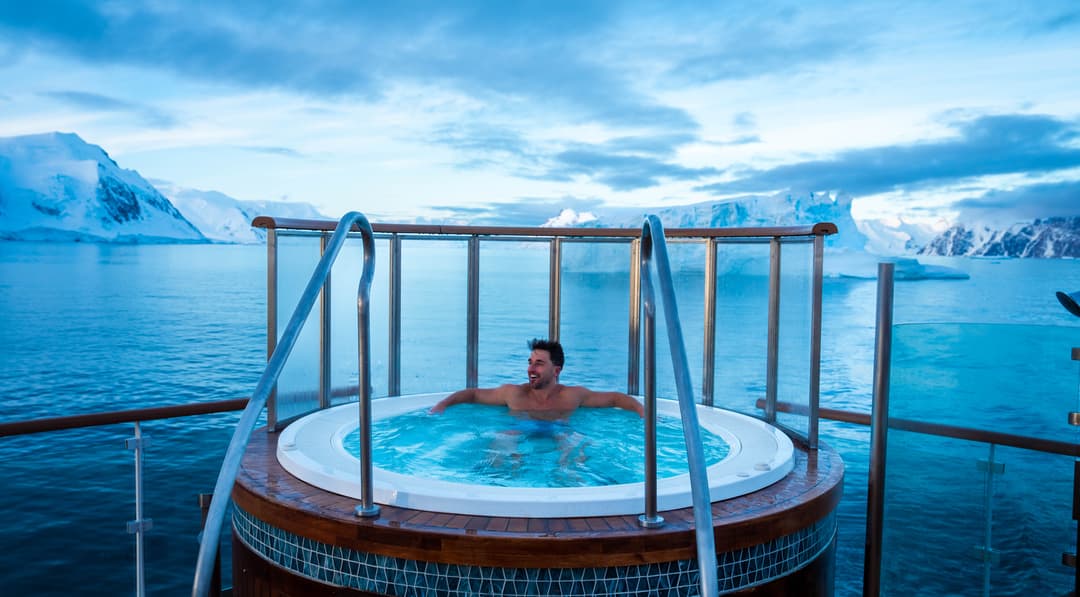
There are also two jacuzzis on the top outside deck with amazing views of the world outside.

Enrichment

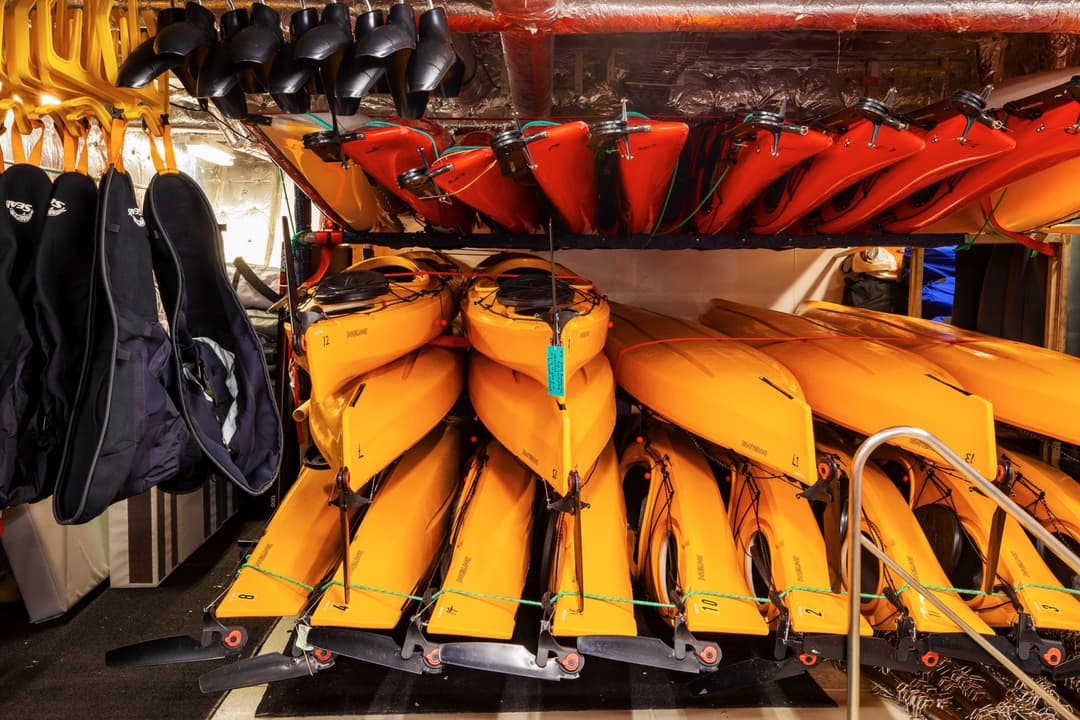
One of the great benefits of travelling with AE Expeditions is the number of optional activities that you can participate in. From kayaking and skiing to diving and climbing, these are one-in-a-lifetime opportunities that you need to take advantage of.

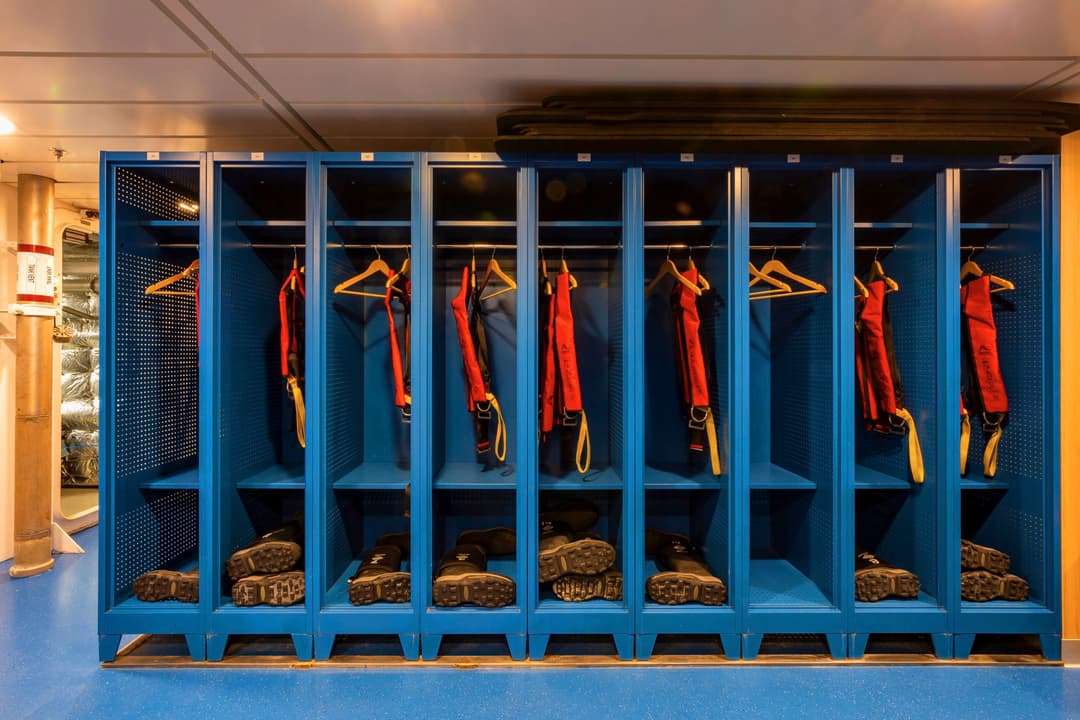
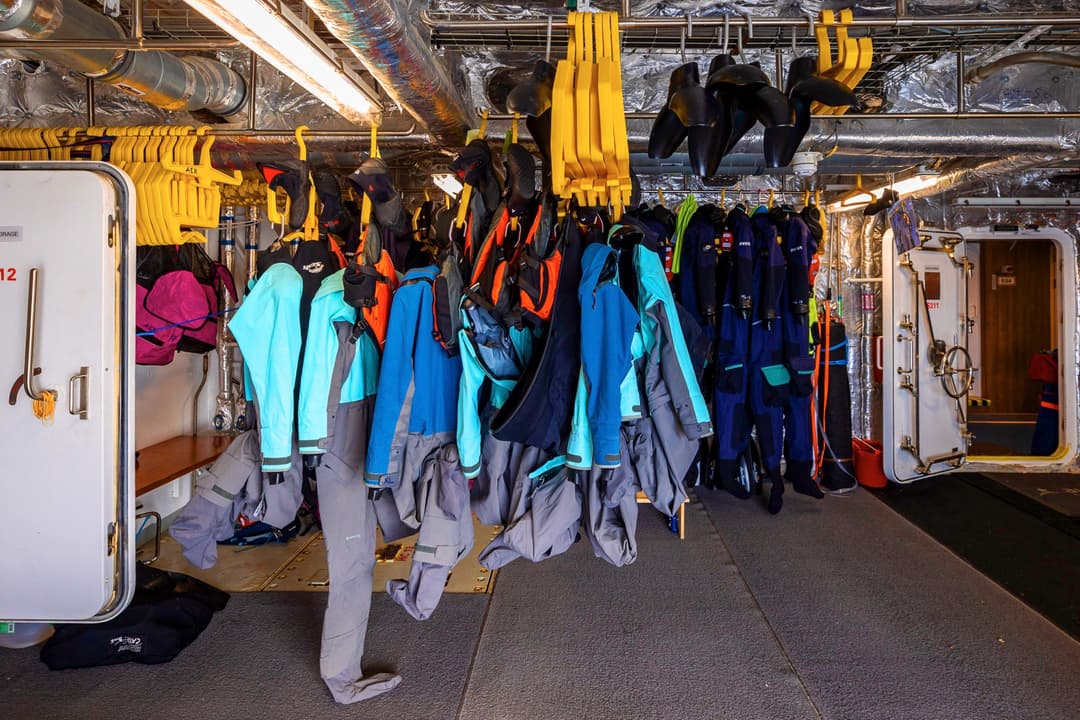
Aboard the Sylvia Earle there is a specially designed launching platform for all activities, a concept overseen by our activity experts. This area also includes individual lockers in the expansive mudroom and rapid drying areas for wetsuits so you can quickly get warm after exploring in the elements!  

Loading...

Citizen Science

Travel is always the best educator and we offer the chance to enrich your curiosity and expand your knowledge and understanding of the places we travel to. There is no better learning opportunity than being in the field with subject matter experts.

Our Citizen Science Program is designed to be an interactive forum of like-minded travellers to share new discoveries and deepen their connection to the natural world in a relaxed, informal an....

Excursions

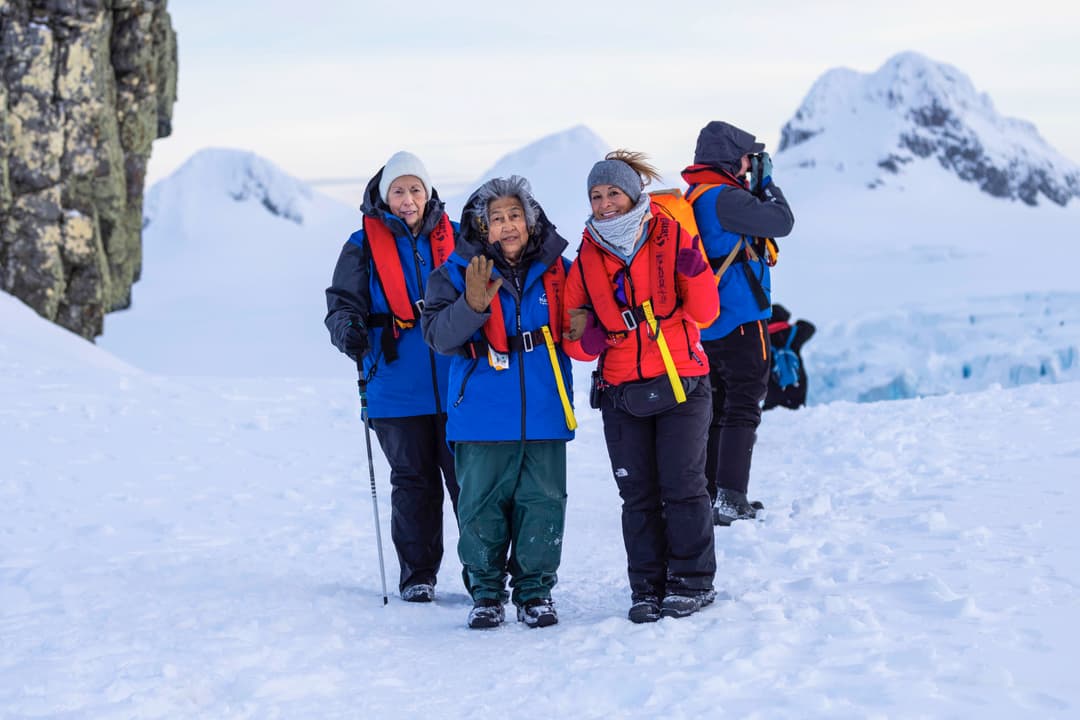
Although the ship is fun, the real enjoyment comes from the many shore excursions that are available. Depending on weather conditions, it may be possible for multiple landings, taking a look at everything from rock formations and ancient ruins to cute groups of penguins. We know time is of the essence in these wild locations, so the Sylvia Earle has been designed to carry 15 Zodiacs, which means you can maximise your time on shore.

From ....
Science Centre & Lounge
Learn more about the world we explore with our onboard naturalist and expedition team in our science centre, or enjoy superb views to the front of the ship.
Lecture Theatre

On all expeditions you will meet naturalists and local specialists, who offer presentations on their area of expertise to deepen your understanding of the region you’re visiting.

Join the team in the lecture theatre for presentations covering topics as broad as history and culture, biology and climate change, but they have one thing in common: they all aim to engage, educate and entertain.

Mudroom

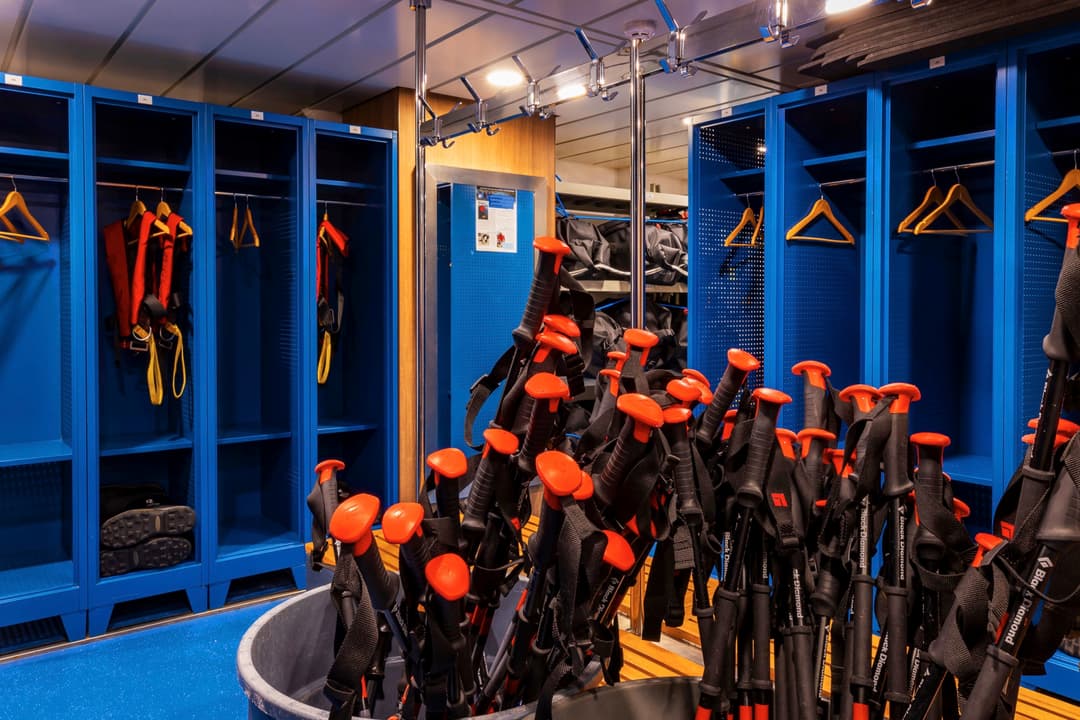
No need to take your wet expedition gear back to your cabin to dry. Keep your cabin warm and cosy by leaving your outer jackets and pants in the mudroom.

The mudroom is your launchpad for all shore excursions and activities. Here, you will have access to a locker when you can hang your gear up to dry, and store your boots between excursions.

Zodiac Launching Platform

Zodiacs are a vital part of getting up close and personal on your adventure – sneaking into areas that the Sylvia Earle can't reach. On this new ship, there are specially designed launching platforms that enables us to load Zodiacs easily and quickly, allowing you to spend more time exploring on the two to three daily landings.

There are 15 Zodiacs that are boarded from either side of Deck 3 (sea level), perfect for when there is a group....

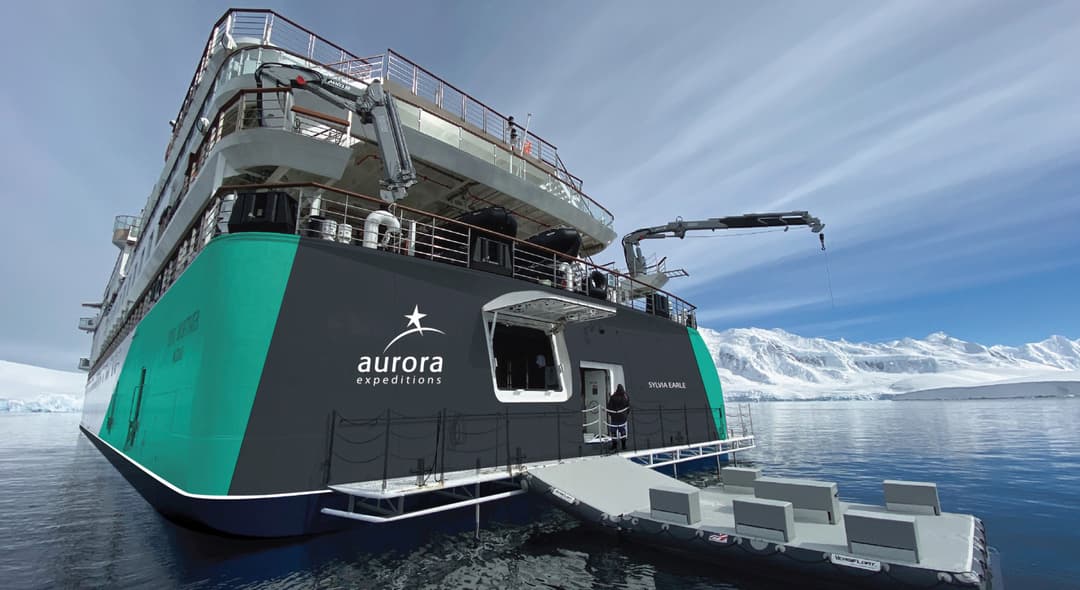
Custom-Built Activity Platform
Regardless of your destination, we offer a number of additional activities to allow you to see more of the environment. From kayaking and diving to climbing and ski touring, it's these optional activities that often leave the biggest impression on your trip as a whole. On board the Sylvia Earle, there is a spacious prep and loading platform for these activities and more – designed in consultation with our expert activity guides. 
Kids And Teens

There are no dedicated children's facilities onboard the Sylvia Earle.
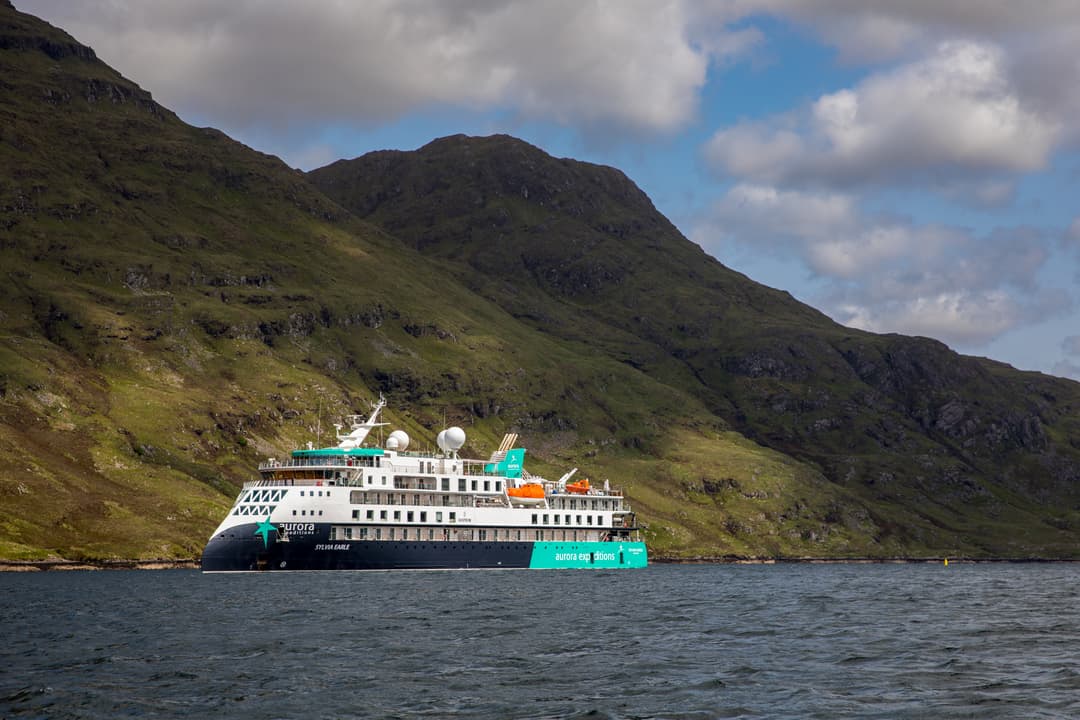
UNIQUE FEATURES

The streamlined Ulstein X-BOW® cuts through the swell for a smoother transit through waves. It also helps reduce fuel consumption. Experience the Glass Atrium Lounge inside the bow, featuring huge windows and superb views.

USEFUL TO KNOW
Medical Facilities
When travelling to extreme environments, ensuring our expeditioners are healthy and happy is our number one priority. That's why we have a doctor on board at all times, as well as a well-equipped clinic to provide basic medical care.
Dress Code

Shipboard clothing is informal and casual Jeans, jumpers and long-sleeved shirts are ideal for indoors in the polar regions; however be sure to keep your jacket close for unexpected wildlife sightings! Some people∘ like to take a nicer outfit for the captain's welcome and farewell drinks but formal clothing is not necessary. For health and safety reasons, we do request you wear enclosed shoes in public areas while on board the ship. AE Expedit....

Temperatures

Our expeditions to the polar regions operate during the summer months in the Antarctic and Arctic. During the summer months in Antarctica∘ the temperature can range from -2°C (28°F) to 8°C (46°F). Big storms are rare, but if one comes through the temperature could drop to -8°C (17°F).

In the Arctic the temperature can range from -3°C (26.6°F) to 7°C (44.6°F).

Special Dietary Requirements
We can accommodate most special meal requests if given advance notice. Our talented chefs will take your requirements into their meal planning and ensure you receive tasty, healthy meals. Ensure you list any dietary requirements on your personal details form. Although we aim to accommodate most dietary requirements, we are unable to cater to all requirements, nor can we guarantee that our onboard meals do not contain traces of peanuts or other nu....
Wi-Fi and Connectivity

Onboard wi-fi internet packages are available for purchase during the voyage. Telephone access for personal use is not available on board. In case of an emergency, our expedition team can facilitate communication∘ with your family members if necessary. 

Smoking Policy

There is a ‘No Smoking’ policy throughout the interior of our ships.

Age Restrictions

Our travellers have ranged from 8 to 92, so as long as you have a thirst for adventure, you’re welcome to join us in Antarctica. Any person under 18 years of age must travel with their legal guardian.

Health & Safety

Medical Form

It is compulsory for each passenger to return a signed medical from their general practitioner. Your Medical Form is required to be signed by your general practitioner and returned to AE Expeditions no later than three months and no earlier than six months before your voyage departure date.

If you become aware of any change in your health and fitness that may be likely to affect your participation on the trip (e....

What's included

Standard Inclusions

We offer a number of standard inclusions on our voyages. Please see full list below:

  • Fully-serviced accommodation in your chosen stateroom or suite
  • Daily shore excursions, guided walks, Zodiac cruises and some activities^
  • Entry fees to historic or tourist sites
  • An experienced team of destination specialists, activity leaders, and local guides*
  • An informative and entert....
What To Pack

When packing for your holiday, do you have trouble deciding between what to take versus leave at home? If so, you’re certainly not alone – it can be tricky deciding what makes the cut into your luggage.

Of course, what often helps is knowing the environment that you’re entering into. With Antarctica and the Arctic – known as the coldest, most isolated and remote landscapes in the world – there might be a tendency to pack your suitcase wi....