

26-day all-inclusive Northwest Passage expedition cruise from Seattle to Copenhagen
All departures of this tripCRUISE ID # HXRANWP02C-270808
Seattle, Washington TO Copenhagen
25-day all-inclusive Northwest Passage expedition cruise from Seattle to New York
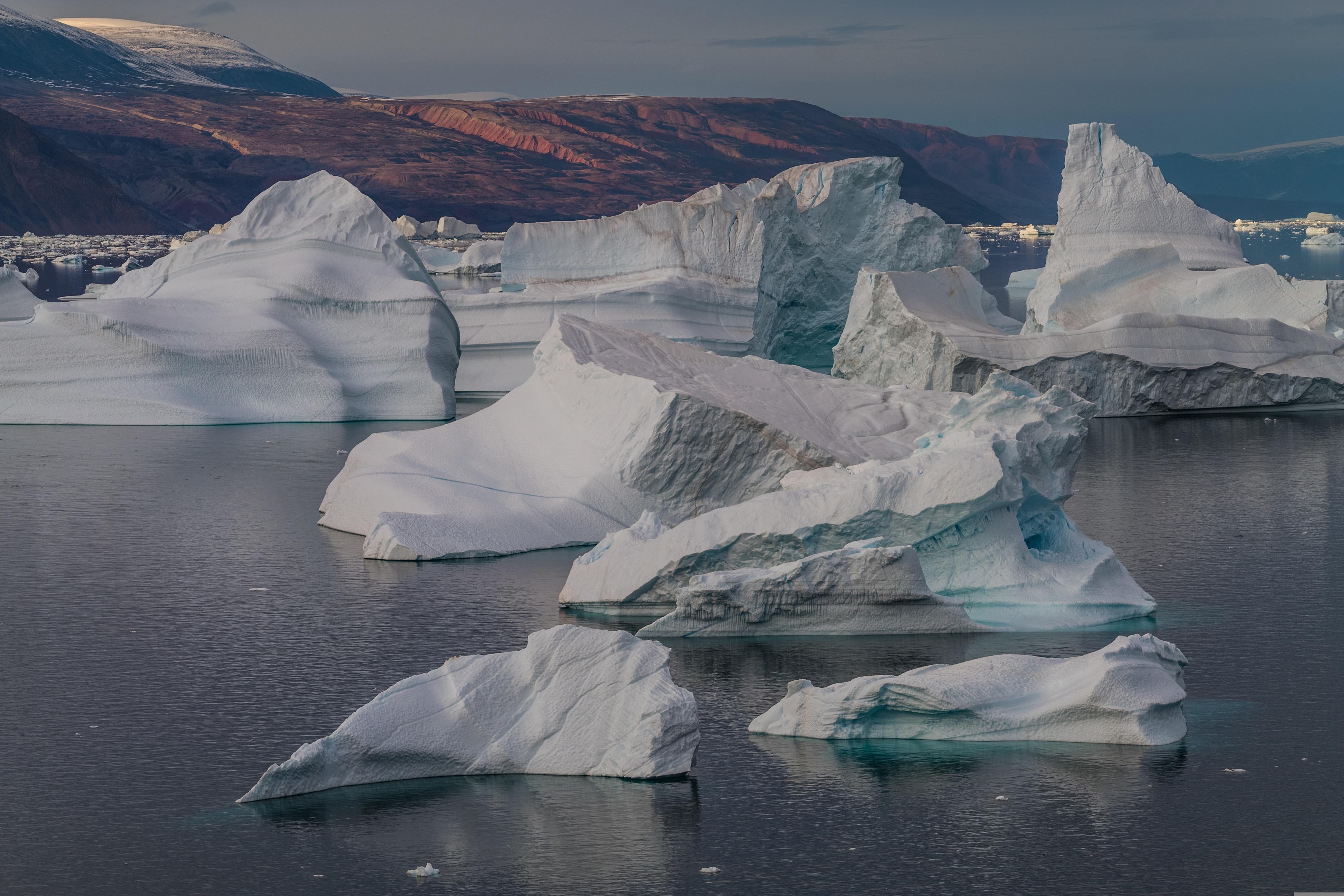
Witness incredible beauty and experience the thrill of exploration as we sail through the fabled Northwest Passage from Nome in Alaska to Nuuk, Greenland.
Your dedicated Expedition Team will bring you to discover UNESCO-listed sites, spectacular scenery, wildlife habitats, and Inuit settlements.
Gain meaningful, personal insights into Inuit culture and heritage from our onboard Cultural Ambassadors.
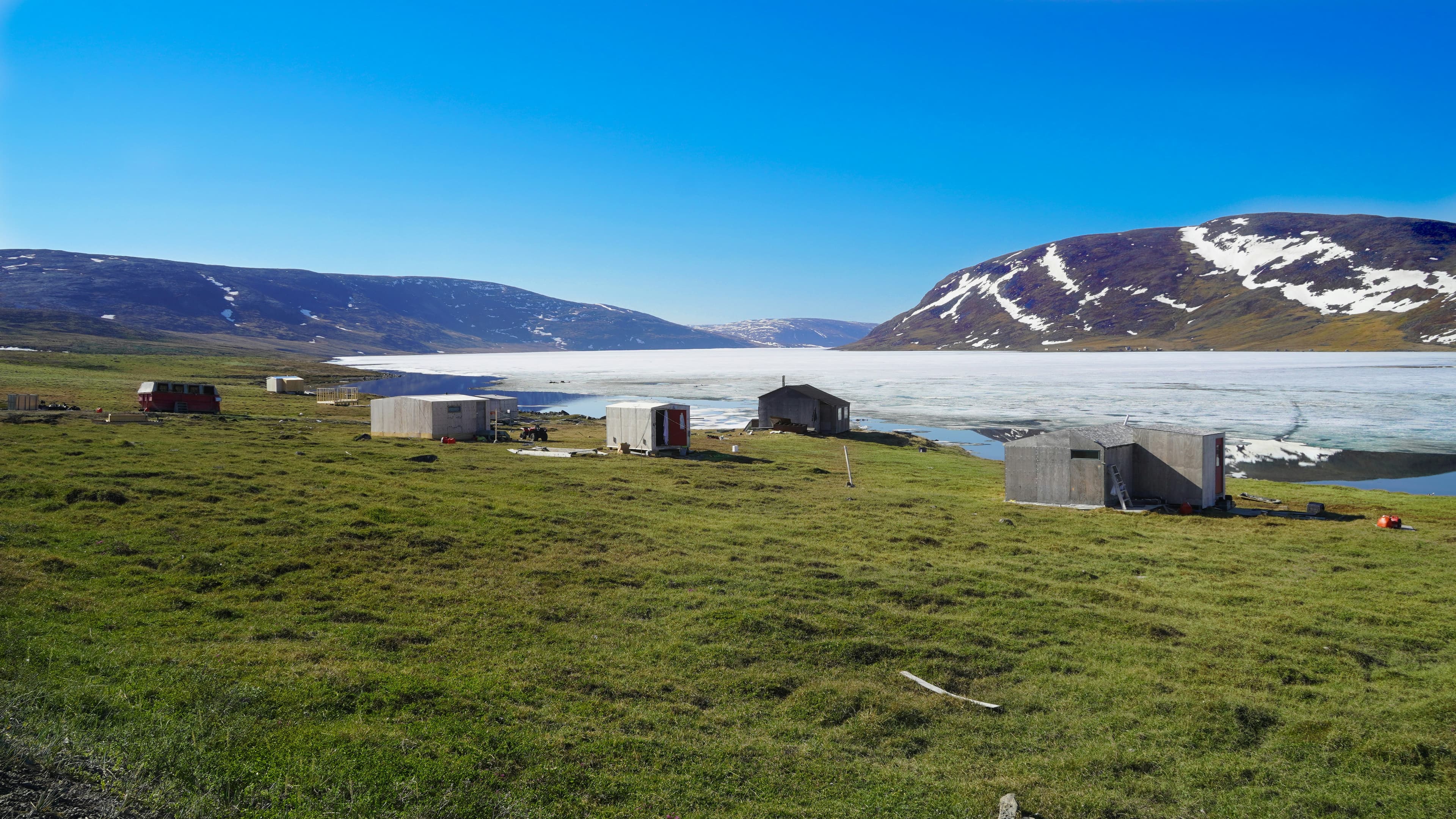
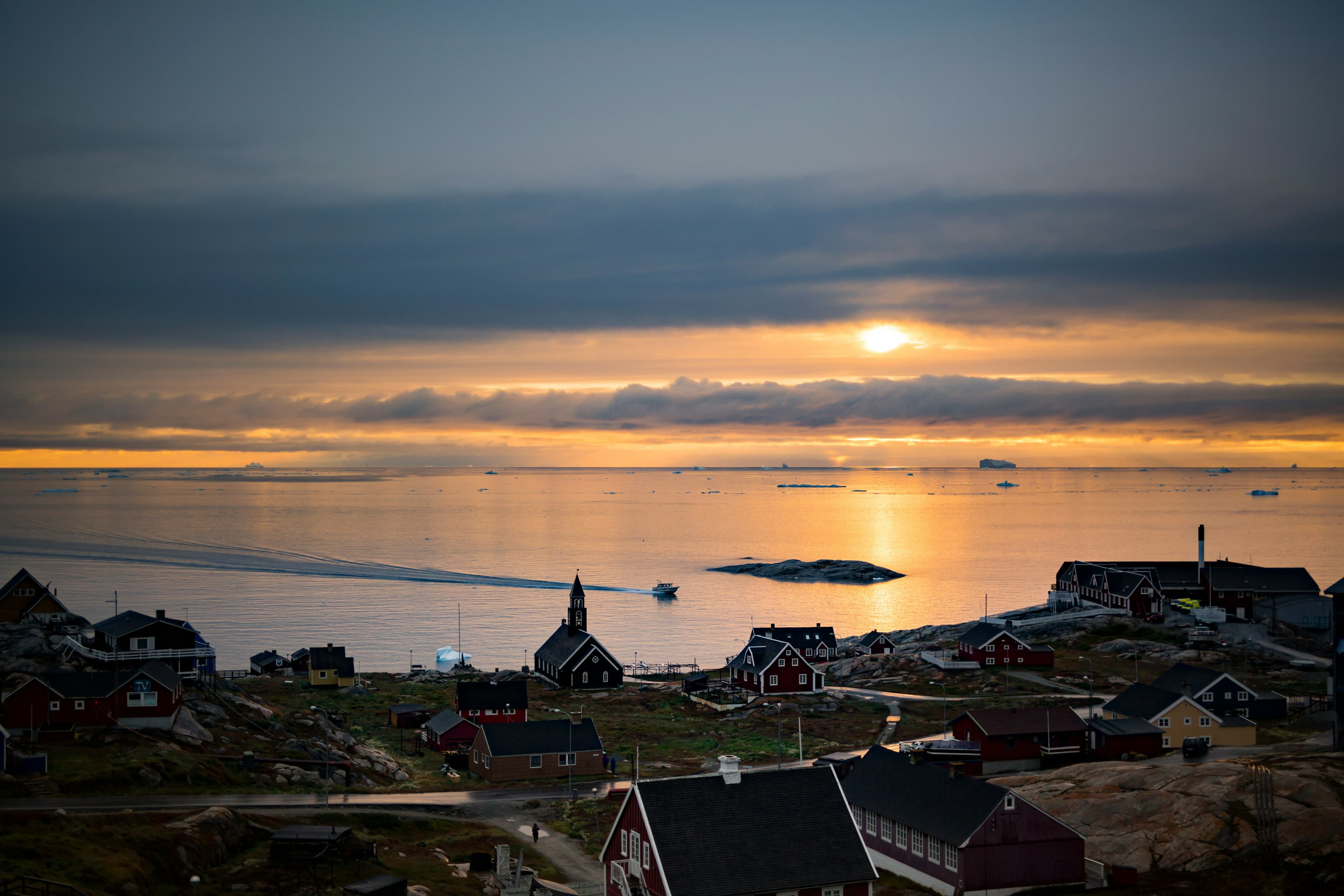
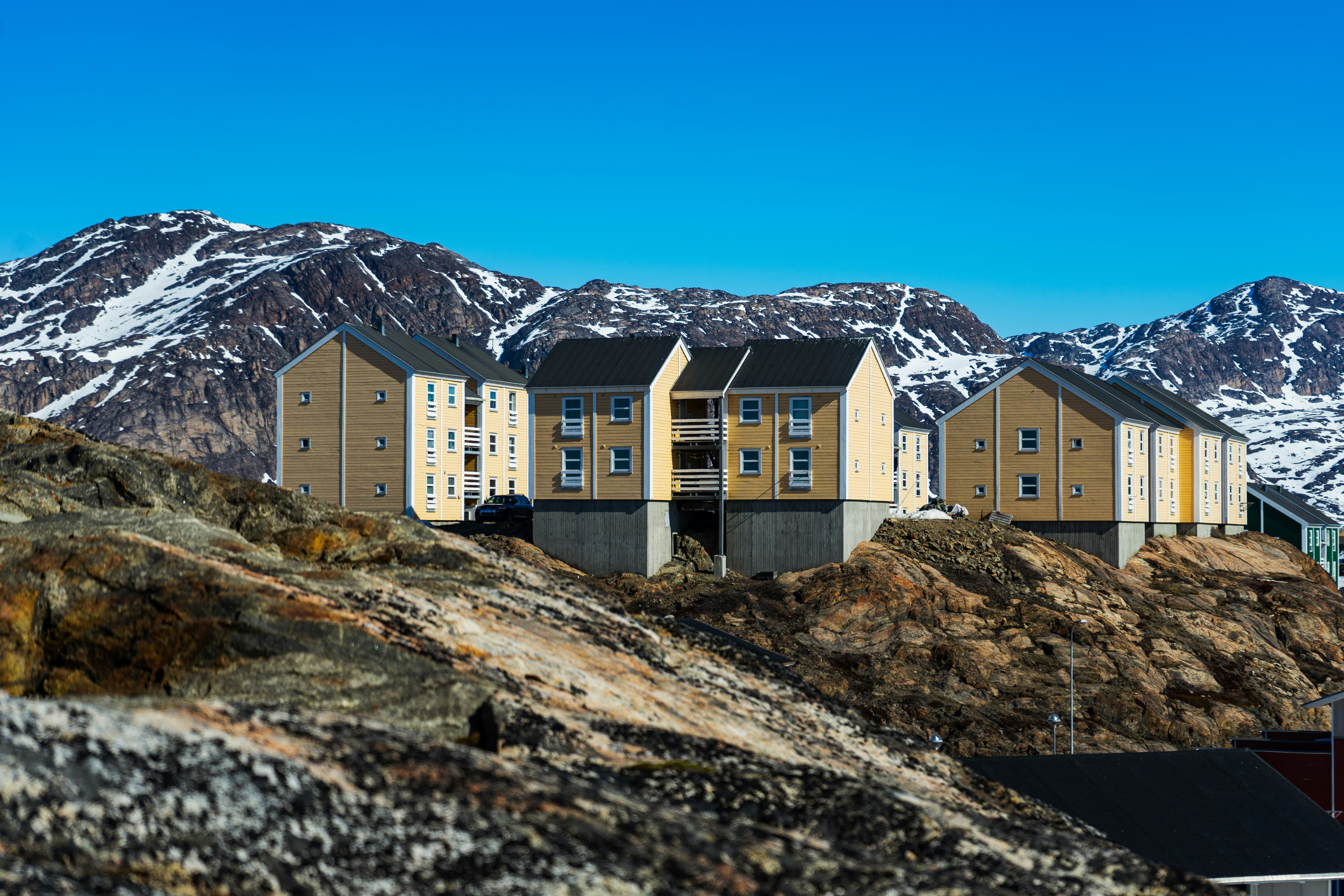
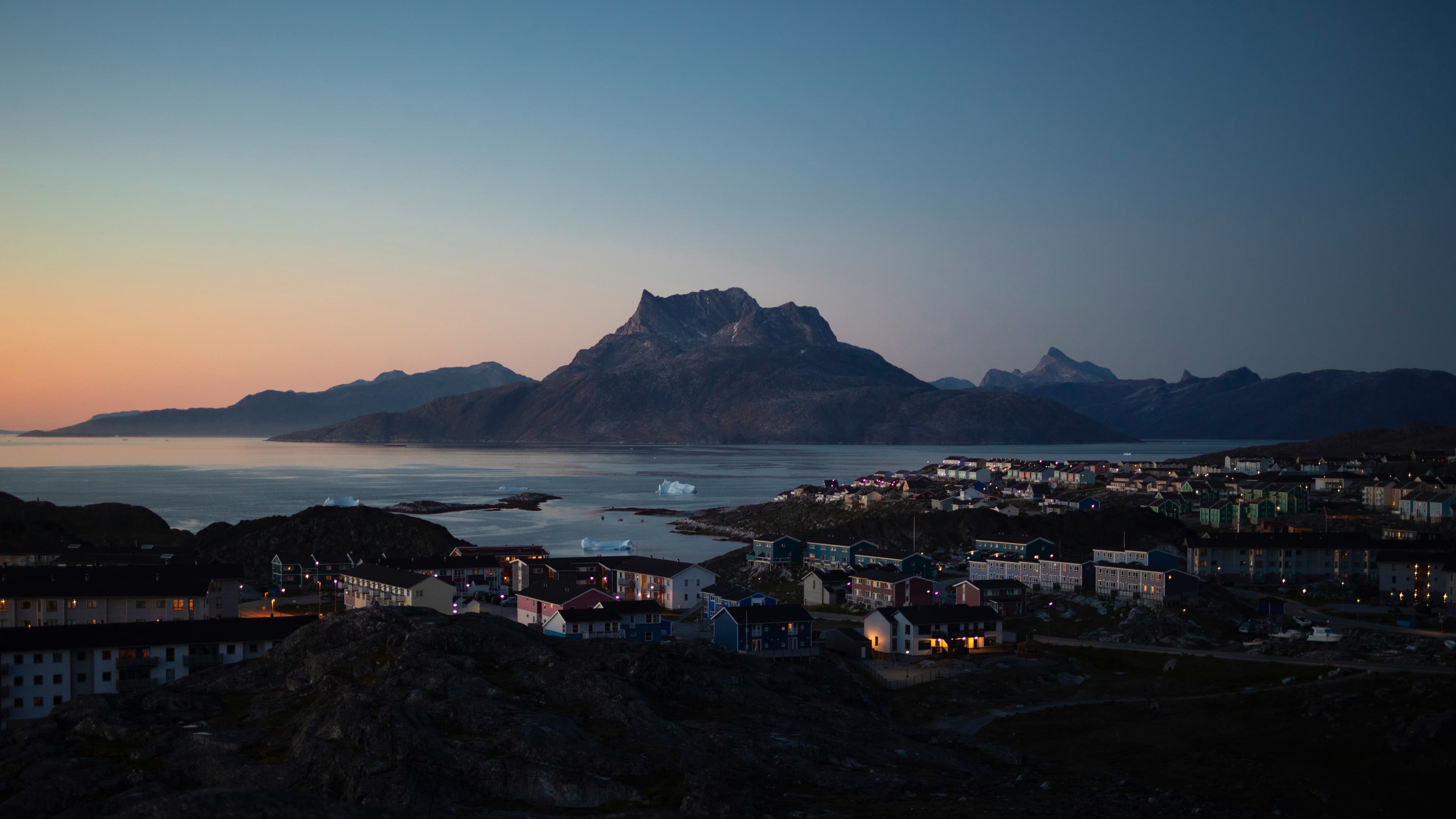
Sail down the west coast of Greenland with its stunning coastal panoramas and pretty settlements of coloured houses.
This voyage ends in New York (planned airport) with a flight from Nuuk. An option to fly from Copenhagen or Reykjavik is also available.
Sail along the top of the world through the Northwest Passage
Sailing through the Northwest Passage on a state-of-the-art ice-class expedition ship is a captivating journey that blends natural wonders, culture, and history. The passage, once an elusive route for explorers, now offers intrepid travellers a chance to witness breathtaking Arctic landscapes and learn about indigenous communities through first-hand experiences and insights from Cultural Ambassadors on board. On this adventure, we’ll attempt to traverse the entire route and beyond, going from Nome in Alaska to Nuuk, Greenland.
Breathtaking beauty of the High Arctic and Greenland
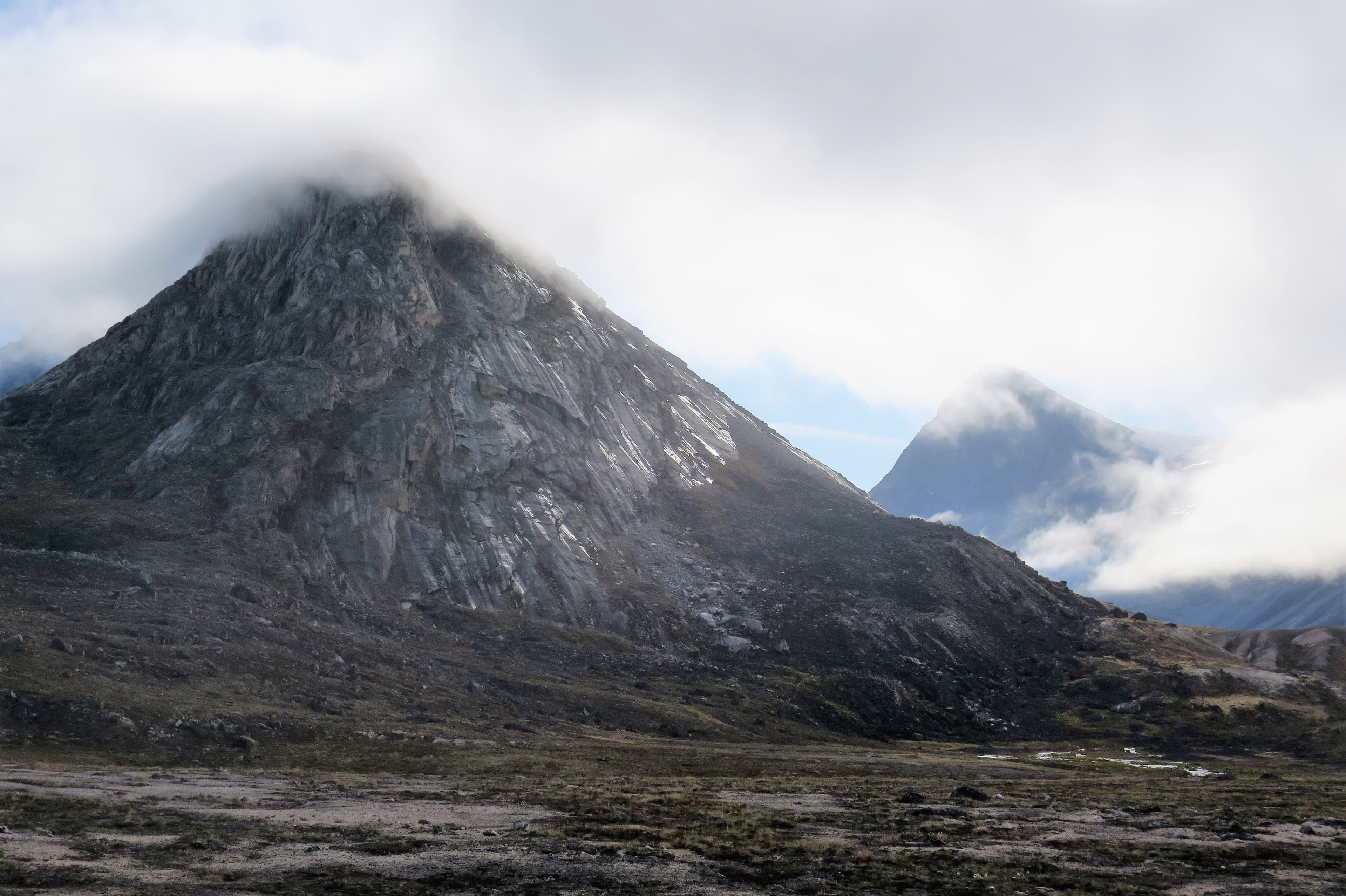
Our 26-day voyage takes us ‘above’ the North American continent to the frozen far north. As we head up from Alaska through the famed Beaufort Sea and Bering Strait, we pass into the Western Arctic Canada where we’ll explore the western section of the Northwest Passage. From this point on, it’s pure expedition mode as we transit to Eastern Arctic Canada where you’ll experience a pristine and remote wilderness. We then emerge into Baffin Bay and sail to West Greenland, where you’ll encounter natural beauty like nowhere else.
In line with AECO
HX is a proud member of the Association of Arctic Expedition Cruise Operators (AECO). To protect the sensitive environments we explore, we carefully follow AECO standards on available landing sites and safe distances from wildlife, while still giving you an unforgettable expedition experience.
$18,815
WITH SPECIAL SAVINGS APPLIED
FARES SHOWN ARE PER GUEST
Suites & Fares
CHOOSE START DATE
: August 08, 2027
Itinerary
Seattle is a scenic seaport city in western Washington, situated on an isthmus between Puget Sound to the west and Lake Washington to the east. It is the largest city in Washington. Five pioneer families from Illinois first settled the area in 1851, and named the town after a friendly Suquamish Indian chief. It was incorporated as a city in 1869, and grew quickly after the Great Northern Railway arrived in 1893, especially during the Alaska Gold Rush of 1897. When the Panama Canal opened in 1914, Seattle became a major Pacific port of entry, and today it is the region's commercial and transportation hub and the centre of manufacturing, trade, and finance, with an estimated 684,451 residents as of 2015.
Nome is located on the edge of the Bering Sea, on the southwest side of the Seward Peninsula. Unlike other towns which are named for explorers, heroes or politicians, Nome was named as a result of a 50 year-old spelling error. In the 1850's an officer on a British ship off the coast of Alaska noted on a manuscript map that a nearby prominent point was not identified. He wrote "? Name" next to the point. When the map was recopied, another draftsman thought that the “?” was a C and that the “a” in "Name" was an o, and thus a map-maker in the British Admiralty christened "Cape Nome." The area has an amazing history dating back 10,000 years of Inupiaq Eskimo use for subsistence living. Modern history started in 1898 when "Three Lucky Swedes”, Jafet Lindberg, Erik Lindblom and John Brynteson, discovered gold in Anvil Creek…the rush was on! In 1899 the population of Nome swelled from a handful to 28,000. Today the population is just over 3,500. Much of Nome's gold rush architecture remains.
Science and wildlife watching at sea
As we navigate the Beaufort Sea towards Amundsen Gulf, which is the gateway to the Northwest Passage, these days at sea provide the perfect opportunity to prepare for the adventures ahead.
Immerse yourself in the onboard Science and Education programme and learn about topics such as wildlife, glaciology, and local history with your Expedition Team. You’ll also gain authentic insight into Inuit culture and heritage with our onboard Cultural Ambassadors. Their stories reveal the Inuit people’s profound connection to the land, shaped by generations of tradition and resilience.
Keep an eye out for bowhead and grey whales as we cross the Beaufort Sea to Point Barrow, the northernmost point of the United States. If sea ice is present, we may also see congregations of pacific walrus on the ice floes.
The highlights of this transit include:
The Bering Strait
The International Date Line
Sailing across the Beaufort Sea
Wildlife watching
Spend eight days exploring the Western section of the fabled Northwest Passage
Our excursions begin on day seven as we enter the Western Canadian Arctic. Over the next eight days in this section of our voyage we’ll transit through three distinct regions - Nunavut, Northwest Territories, and Yukon – and two traditional Inuit Territories – Inuvialuit and Nunavut.
During our time here, we anticipate up to five days of shore excursions and four transit days. Excursion stops and local highlights we hope to be able to visit include:
Sachs Harbour
Smoking Hills
Ulukhaktok
Coronation Gulf
Cambridge Bay (Iqaluktuuttiaq)
Gjoa Haven (Uqsuqtuuk)
Navigate the dividing line between West and East
The ‘Rubicon’ of the Canadian Arctic that divides West from East is the infamous Bellot Strait. This narrow body of water separates the northernmost part of mainland North America from Somerset Island, one of the largest islands in the Canadian Arctic archipelago.
Bellot Strait is approximately 15 nautical miles long and just over half a mile wide at its narrowest point. Our ability to navigate this passage will be determined by ice and weather conditions.
Navigate the dividing line between West and East
The ‘Rubicon’ of the Canadian Arctic that divides West from East is the infamous Bellot Strait. This narrow body of water separates the northernmost part of mainland North America from Somerset Island, one of the largest islands in the Canadian Arctic archipelago.
Bellot Strait is approximately 15 nautical miles long and just over half a mile wide at its narrowest point. Our ability to navigate this passage will be determined by ice and weather conditions.
Explore the Eastern stretch of the Passage
On the eastern shores of Somerset Island, we find ourselves in the Eastern Canadian Arctic. The main waterway of this area is Lancaster Sound (Tallurutiup Imanga), the eastern gates to the Northwest Passage.
This chapter of our exploration is likely to be action-packed, with excursions planned on each of the five days we hope to spend in and around this area. Remember, all our excursion plans are weather and ice dependent but, conditions permitting, our days will be filled with excitement and discovery.
Excursion stops and local highlights we hope to share with you include:
Fort Ross
Prince Leopold Island (Appait)
Beechey Island (Iluvilik)
Croker Bay
Dundas Harbour
Pond Inlet (Mittimatalik)
Beechey Island is a small island off the southwest coast of Devon Island, separated by a narrow waterway called the Barrow Strait. Captain William Edward Parry was the first European to visit the island in 1819. His lieutenant, Frederick William Beechey, named the island after his father, the artist William Beechey (1753–1839). Beechey Island played a significant role in the history of Arctic Exploration. During the winter of 1845-46, Sir John Franklin and his men camped on the island as part of their ill-fated quest to find the Northwest Passage. Mummified remains of three of Franklin’s crew were discovered, giving a better understanding of what happened before the disappearance of the expedition. In 1850 Edward Belcher used the island as a base while surveying the area. Later, in 1903, Norwegian explorer Roald Amundsen stopped at the island at the beginning of his successful voyage in search for the Northwest Passage. Subsequently, Beechey Island has been declared a "Territorial Historic Site" since 1975 by the Northwest Territories government
Devon Island is Canada’s sixth largest island and was first seen by Europeans in the early 17th century. The Thule culture had already settled there many centuries before, and left behind qarmat homes, made of rocks, whale bones, rock and sod walls, and skins for roofs that tell a story of over 800 years of human habitation. Other striking finds in this area are the many fossils of corals, crinoids and nautiloids that can be seen. Just across Lancaster Sound is Prince Leopold Island, a Canadian Important Bird Area, a federally listed migratory bird sanctuary, and a Key Migratory Bird Terrestrial Habitat site with large numbers of Thick-billed Murres, Northern Fulmars and Black-legged Kittiwakes that breed there.
Dundas Harbour is located in the southeast of Devon Island, Canada’s 6th largest island. It is a forlorn but starkly beautiful spot. The island was first sighted by Europeans in 1616 by the English explorers Robert Bylot and William Baffin. But it did not appear on maps until after explorer William Edward Parry’s exploration in the 1820’s. Parry named it after Devon, England. In the local Inuktitut language, the place is called Talluruti, which translates as “a woman’s chin with tattoos on it.” This refers to the deep crevasses and streaks on Devon Island, which from a distance resemble traditional facial tattoos. On land there are remains of a Thule settlement dating back to 1000 A.D., including tent rings, middens and a gravesite. There are also much more recent remains a Royal Canadian Mounted Police outpost. The first post was established in 1924 to monitor and control illegal activities, such as foreign whaling, in the eastern entrance to the Northwest Passage. But conditions were so isolated and severe that the post was abandoned in 1933. It was reopened in 1945, but again closed, this time permanently, in 1951. Today, Devon Island is the largest uninhabited island in the world.
Located in northern Baffin Island, Pond Inlet is a small, predo¬minantly Inuit community, with a population of roughly 1,500 inhabitants. In 1818, the British explorer John Ross named a bay in the vicinity after the English astronomer John Pond. Today Pond Inlet is considered one of Canada's "jewels of the North" thanks to several picturesque glaciers and mountain ranges nearby. Many archaeological sites of ancient Dorset and Thule peoples can be found near Pond Inlet. The Inuit hunted caribou, ringed and harp seals, fish, polar bears, walrus, narwhals, geese, ptarmigans and Arctic hares, long before European and American whalers came here to harvest bowhead whales. Pond Inlet is also known as a major center of Inuit art, especially the printmaking and stone carving that are featured in the town’s art galleries.
Watch for wildlife and get involved in Citizen Science
Leaving Nunavut behind, our expedition cruise continues to Greenland across Baffin Bay.
While at sea, your Expedition Team continues to lead lectures on topics such as Arctic wildlife and the history of exploration in the region, and you can still take part in Citizen Science, such as the GLOBE Program, observing clouds to help scientists study our climate. You’ll also continue to learn about the cultures and traditions of the communities in Greenland with our onboard Cultural Ambassadors.
Or if you prefer, simply take time to relax – enjoy a drink with fellow explorers, watch the world drift by from the hot tub, or soothe your body and mind in the sauna.
Known as the birthplace of icebergs, the Ilulissat Icefjord produces nearly 20 million tons of ice each day. In fact, the word Ilulissat means “icebergs” in the Kalaallisut language. The town of Ilulissat is known for its long periods of calm and settled weather, but the climate tends to be cold due to its proximity to the fjord. Approximately 4,500 people live in Ilulissat, the third-largest town in Greenland after Nuuk and Sisimiut. Some people here estimate that there are nearly as many sled dogs as human beings living in the town that also boasts a local history museum located in the former home of Greenlandic folk hero and famed polar explorer Knud Rasmussen.
Located just north of the Arctic Circle, Sisimiut is the northernmost town in Greenland where the port remains free of ice in the winter. Yet it is also the southernmost town where there is enough snow and ice to drive a dogsled in winter and spring. In Sisimiut, travelling by sled has been the primary means of winter transportation for centuries. In fact, the area has been inhabited for approximately 4,500 years. Modern Sisimiut is the largest business center in the north of Greenland, and is one of the fastest growing Greenlandic cities. Commercial fishing is the lead economy in the town‘s thriving industrial base.
Nuuk, meaning “the cape”, was Greenland’s first town (1728). Started as a fort and later mission and trading post some 240 kilometers south of the Arctic Circle, it is the current capital. Almost 30% of Greenland’s population lives in the town. Not only does Nuuk have great natural beauty in its vicinity, but there are Inuit ruins, Hans Egede’s home, the parliament, and the Church of our Saviour as well. The Greenlandic National Museum has an outstanding collection of Greenlandic traditional dresses, as well as the famous Qilakitsoq mummies. The Katuaq Cultural Center’s building was inspired by the undulating Northern Lights and can house 10% of Nuuk’s inhabitants.
By the 11th century, Copenhagen was already an important trading and fishing centre and today you will find an attractive city which, although the largest in Scandinavia, has managed to retain its low-level skyline. Discover some of the famous attractions including Gefion Fountain and Amalienborg Palace, perhaps cruise the city’s waterways, visit Rosenborg Castle or explore the medieval fishing village of Dragoer. Once the home of Hans Christian Andersen, Copenhagen features many reminders of its fairytale heritage and lives up to the reputation immortalised in the famous song ‘Wonderful Copenhagen’.
About the Ship
Name
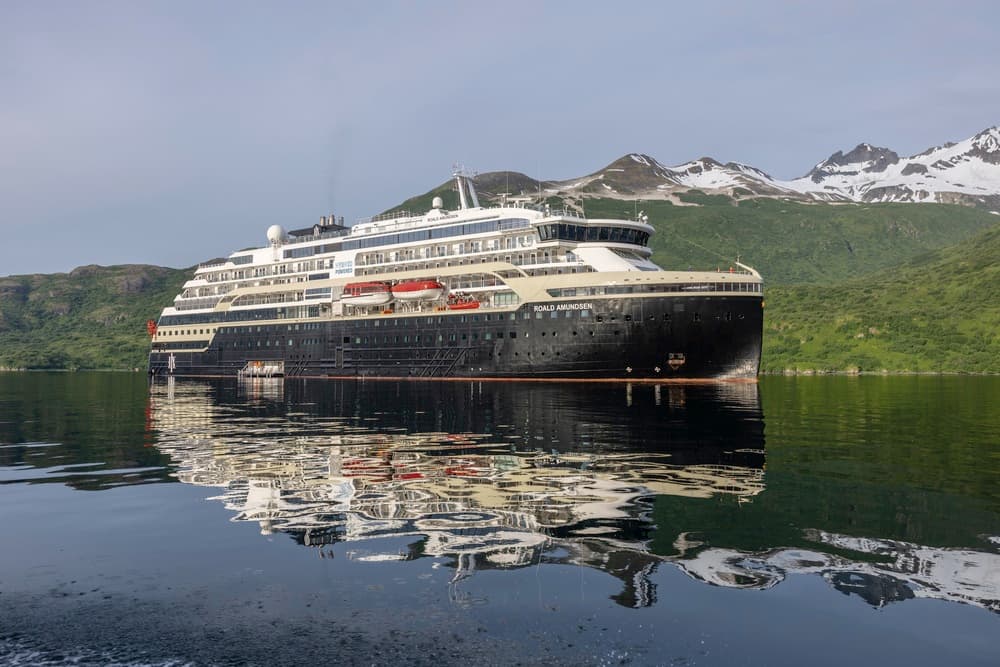
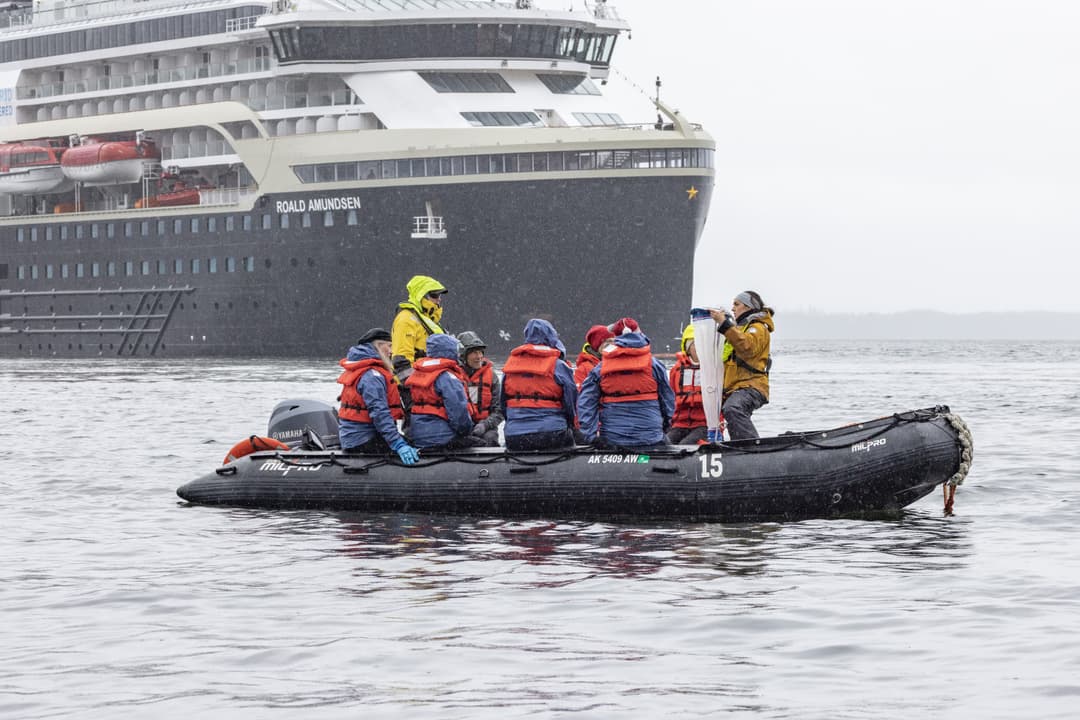
MS Roald Amundsen
Operator
HX Expeditions

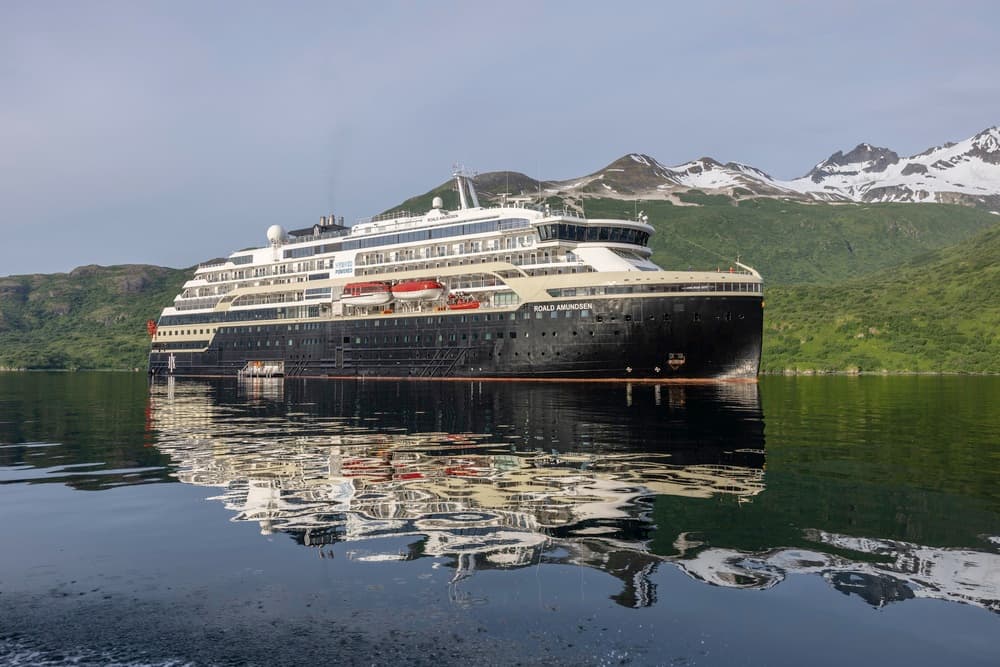
MS Roald Amundsen is as pioneering as the man it is named after, Roald Amundsen - the legendary Norwegian explorer. One of two fully hybrid ships in our fleet, explore the wonders of the world onboard one of the most environmentally friendly cruise ships in the world.
Loading...
Discover delicious food prepared in the state-of-the-art kitchens on board MS Fridtjof Nansen. Our creative chefs use local ingredients and take inspiration from regional flavours to take you on a culinary tour.
Takeaway: You are welcome to enjoy a Fredheim meal in your cabin.


Swap crowded decks for intimate lounges where your shipmates gather to recount the tales so far. Onboard restaurants serve delicious dishes, fit for the modern-day explorer. Destress in the gym or pamper yourself in the wellness centre before unwinding in your comfortable cabin. Elevate your expedition experience in a spacious suite with a private balcony - some even have outdoor hot tubs, perfect for soaking in the scenery after a day of discovery.


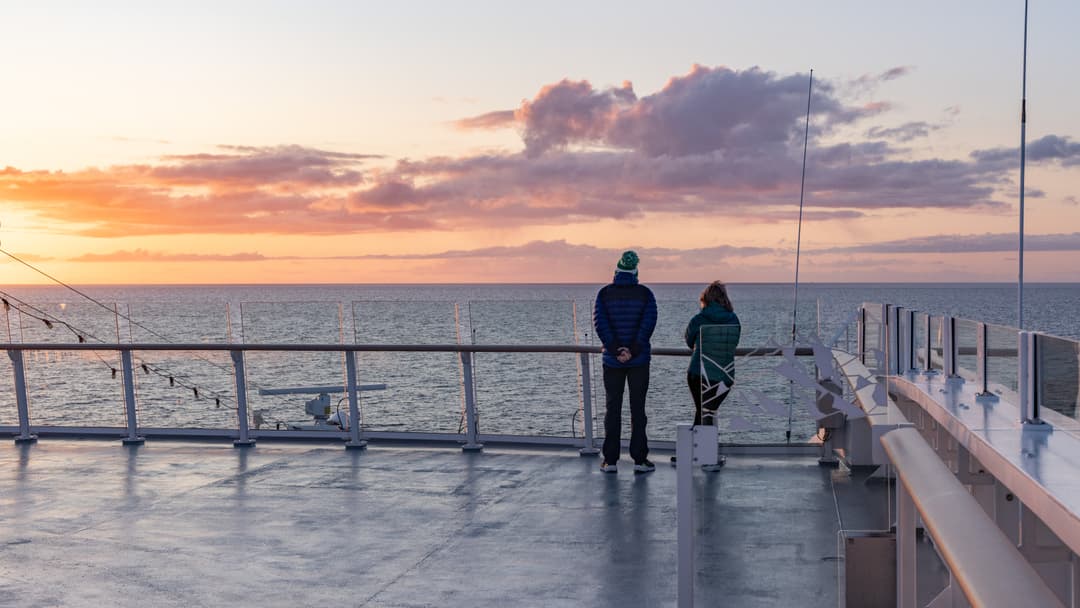


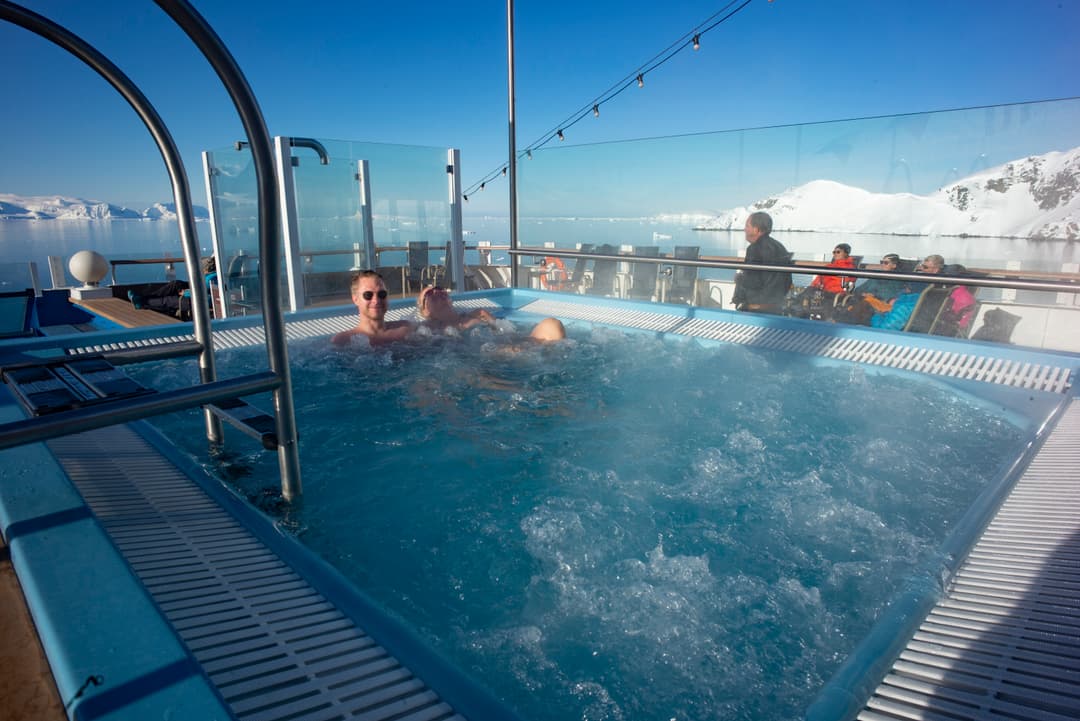
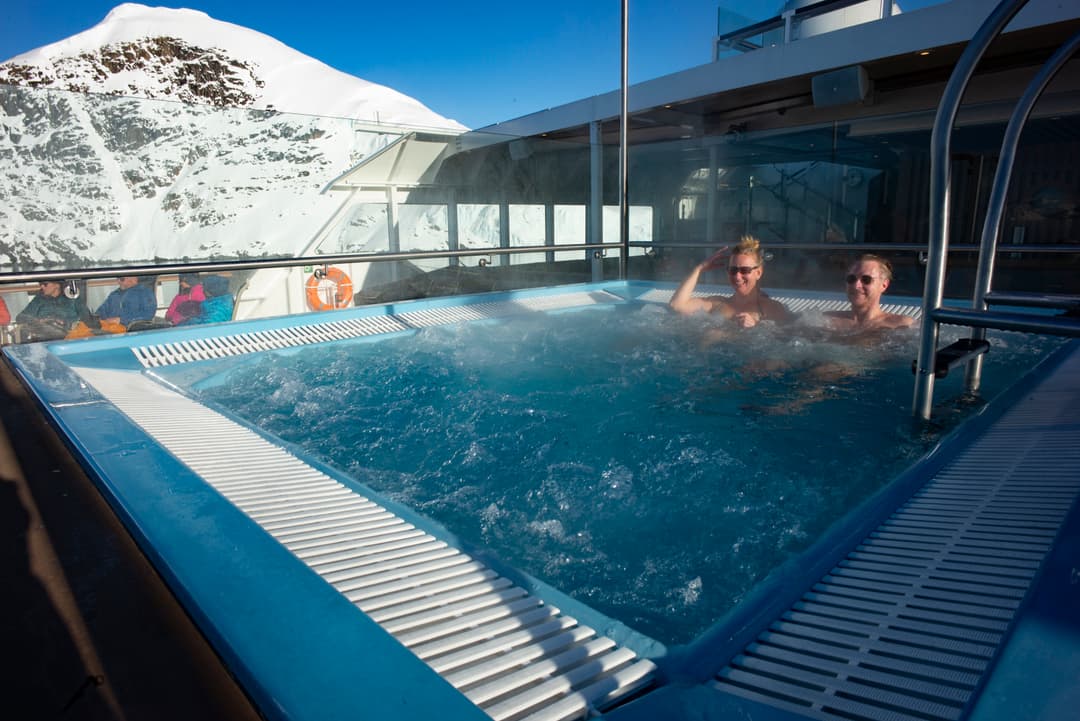




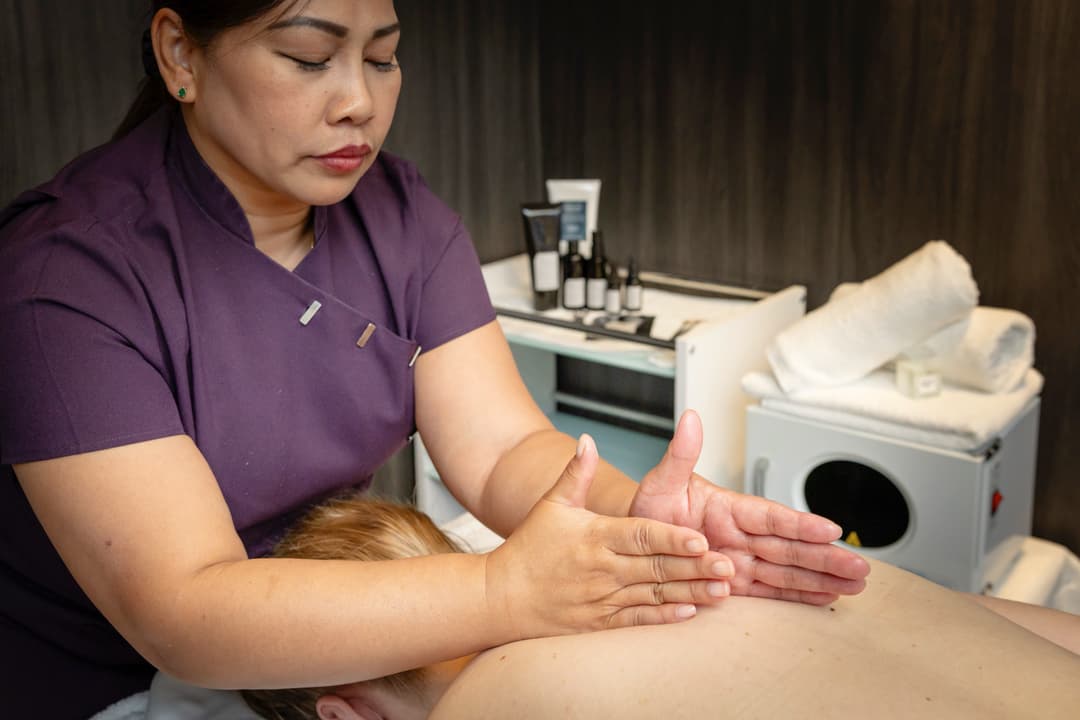
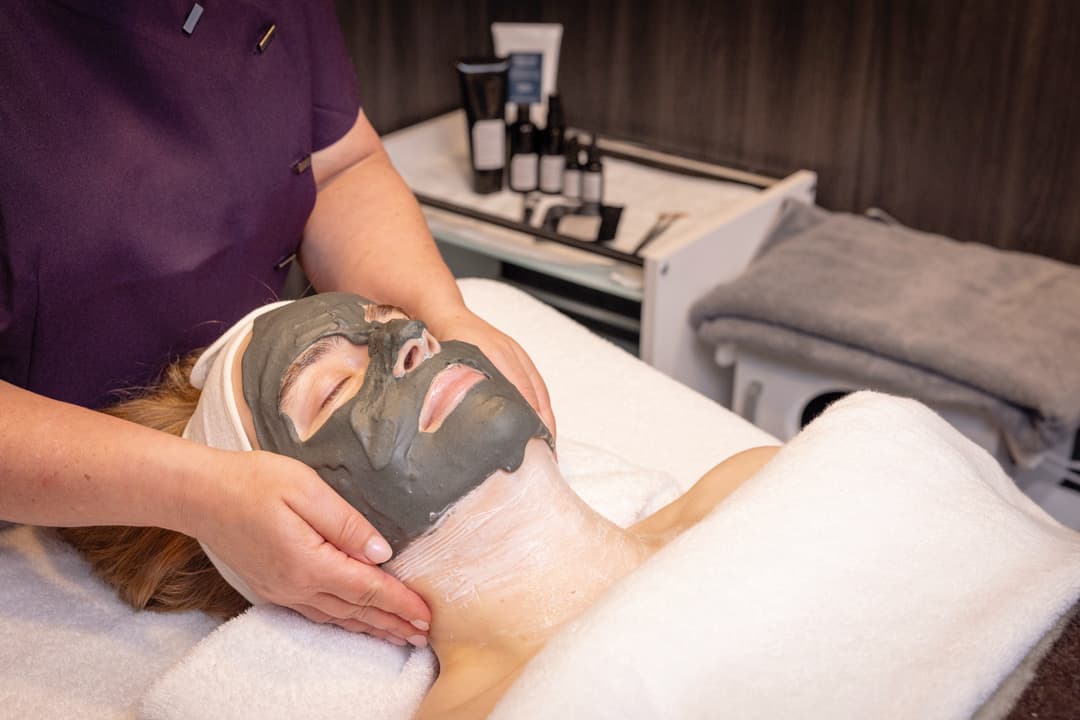




Our expedition ships – MS Roald Amundsen, MS Fridtjof Nansen, MS Fram, MS Spitsbergen, MS Santa Cruz II – are more than just a way to travel - they’re your home in the heart of the wild. Instead of an onboard casino, we have the Science Centre. Instead of cabaret shows, you have all the show you need outside the windows. No water slides, just kayaking trips or small-boat safaris along the coast in the Arctic, Antarctic, or the Galápagos.
The Science & Education program brings together like-minded individuals
Covering over 3/4 of the planet's surface, our oceans are vital in supporting human life on earth and are also home to over 90% of all known wildlife. Despite it influencing everything from our weather to transportation and yes, expedition cruises, very little is known about our blue planet.
This is where HX Expeditions and our fleet of small, state-of-the-....


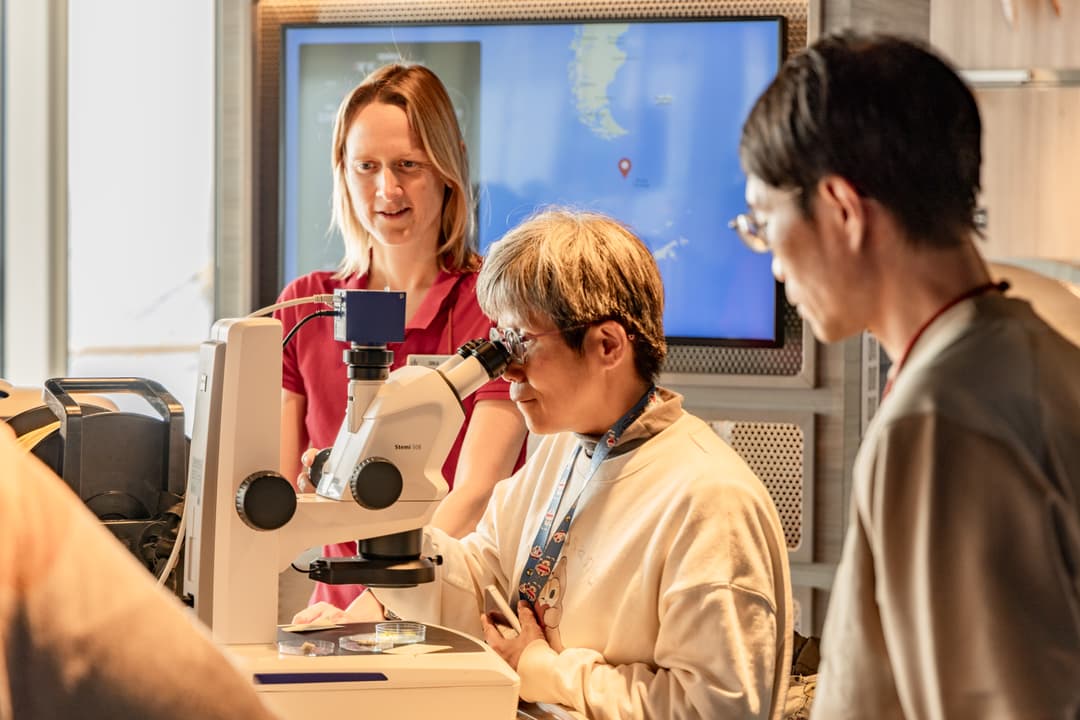


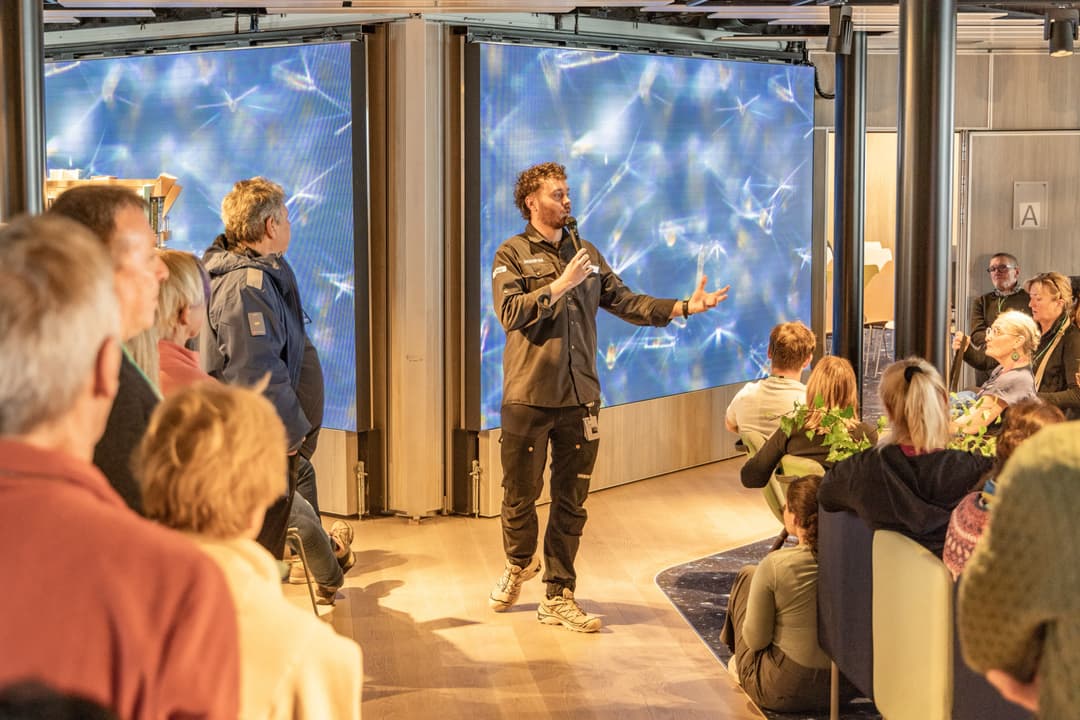
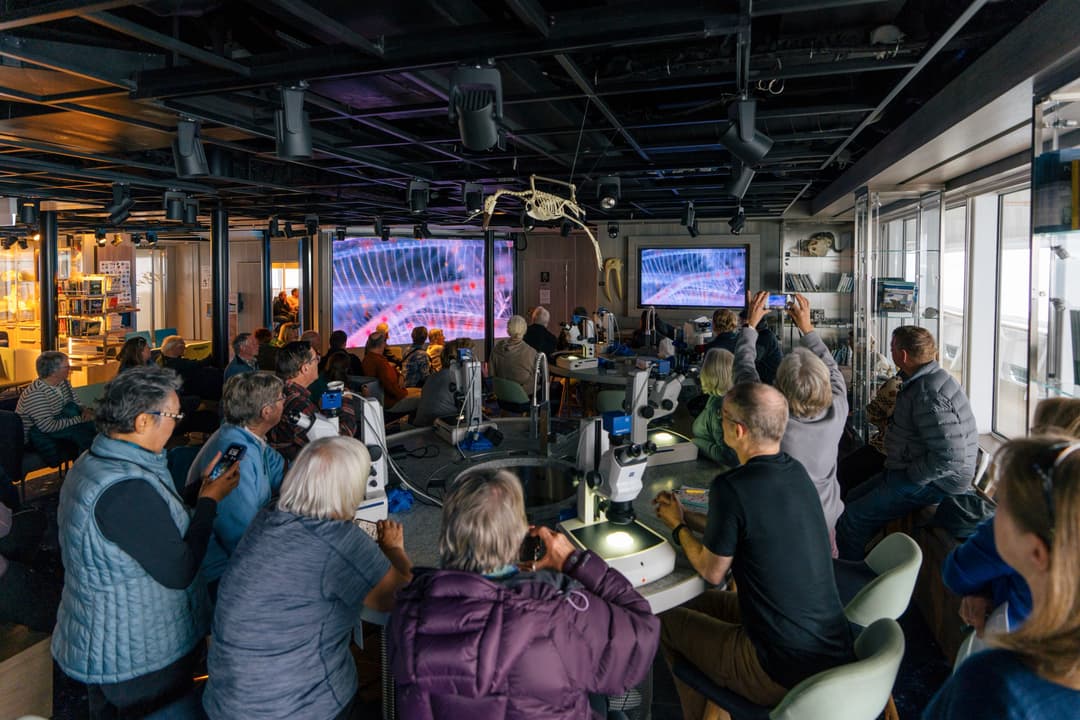
The onboard Expedition Team is composed of the Expedition Leader, the Assistant Expedition Leader, the Expedition Coordinator plus several lecturers and experts. Your Expedition Leader will regularly update you on the progress of the trip as well as the different points of interest and wildlife sightings that may occur. Biographies of the Expedition Team can be found on board. In the ships science center, you will be able to find information r....


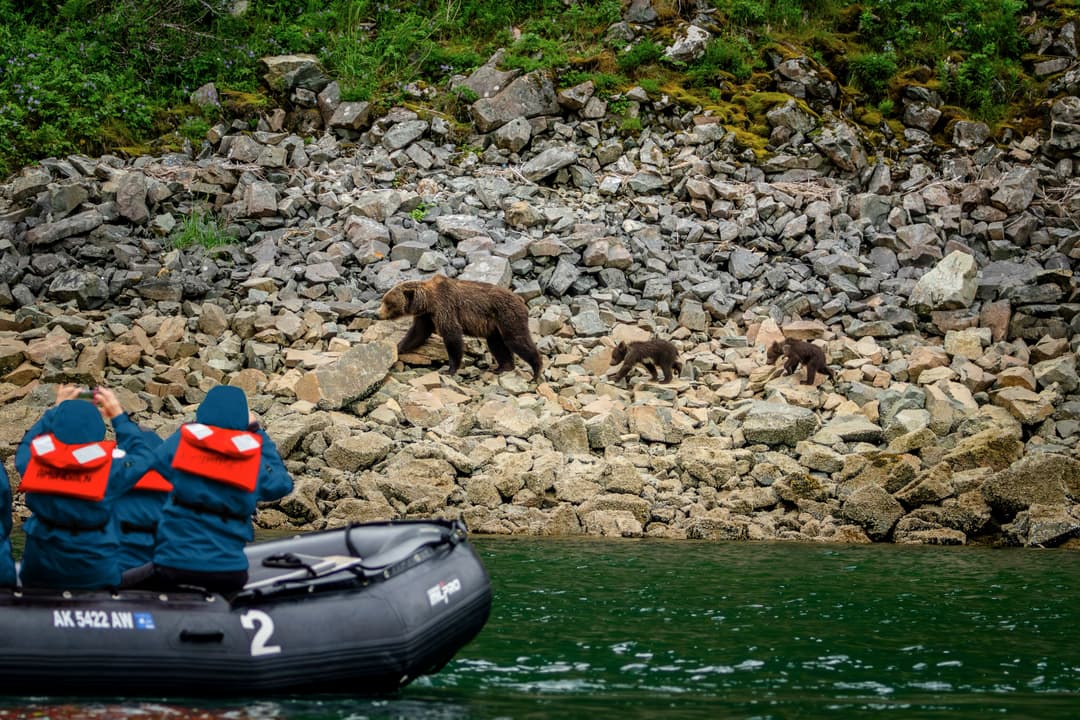

Let the participants reveal the adventurer they carry within, and get to know the spectacular surroundings by taking part in the excursions we offer. You can also take a brief break and join in one of the activities that take place on deck. This will recharge your batteries for the next session.
Take a break and fill all of your senses - storytelling about food and its traditions is a large part of the gastronomic experience on our ships....
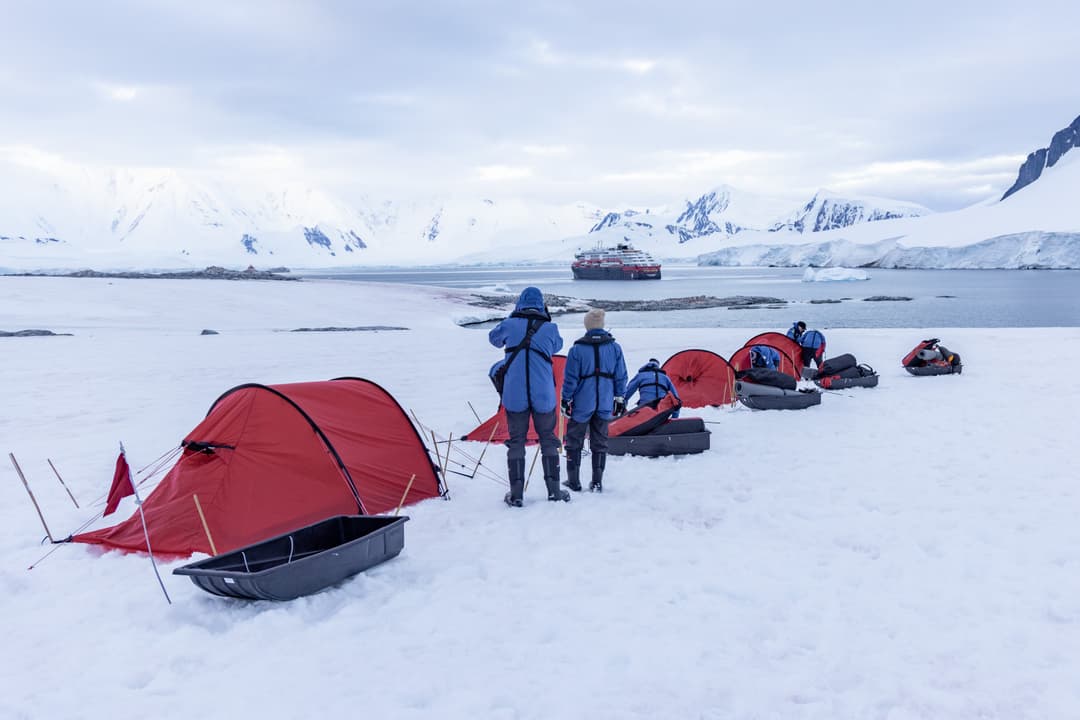
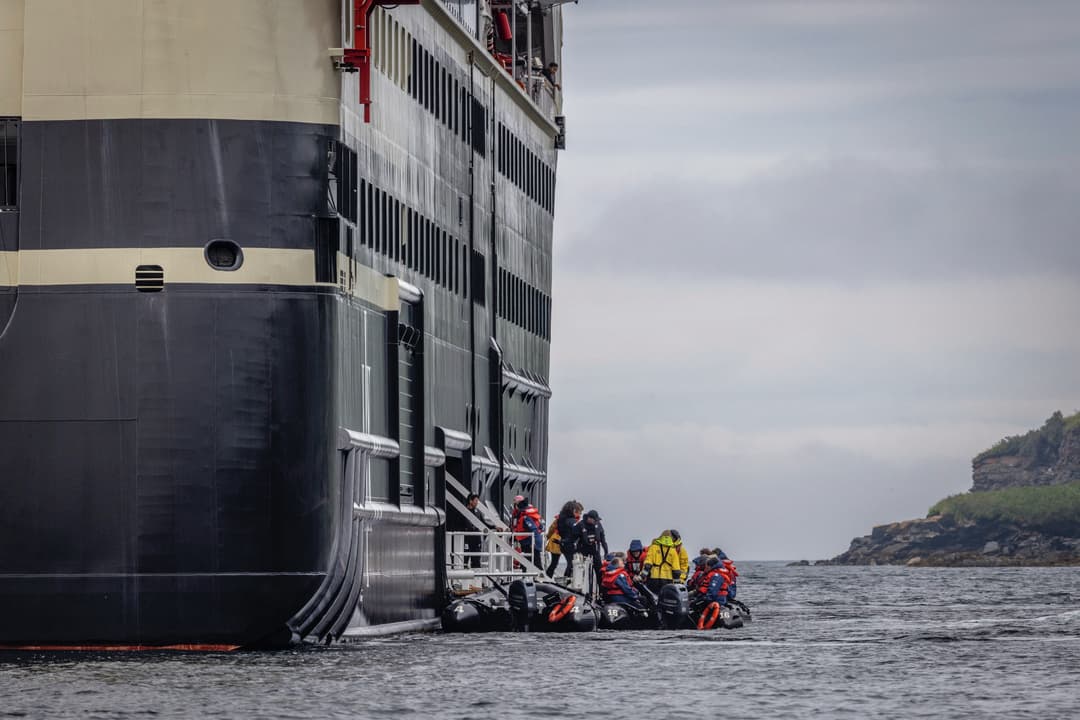
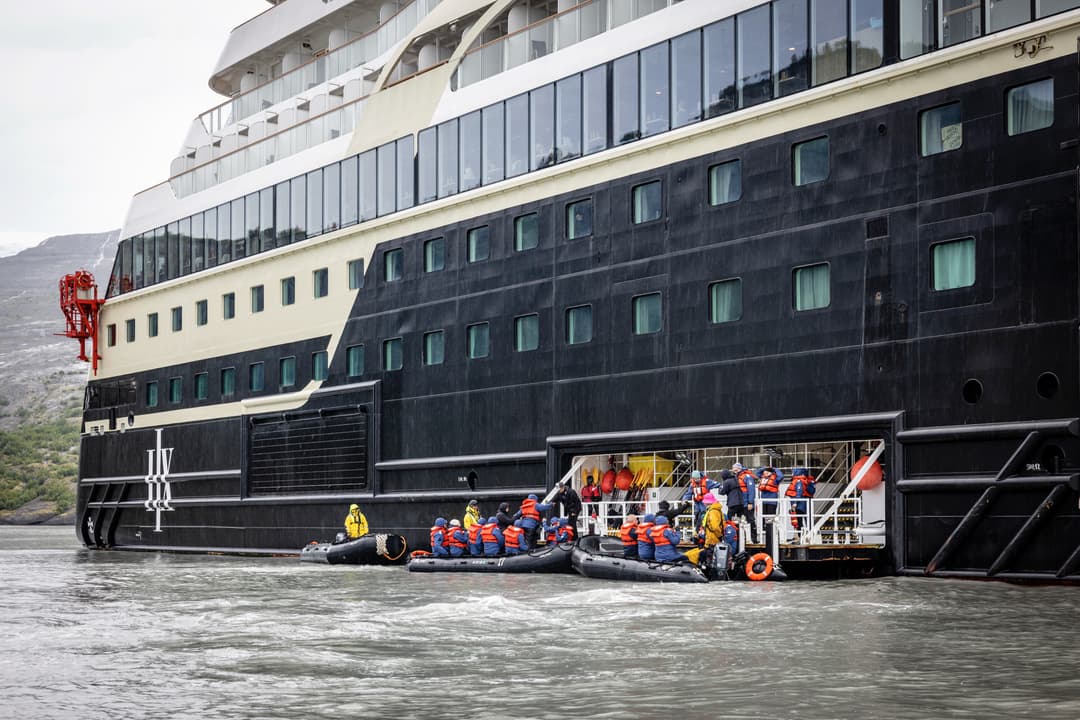
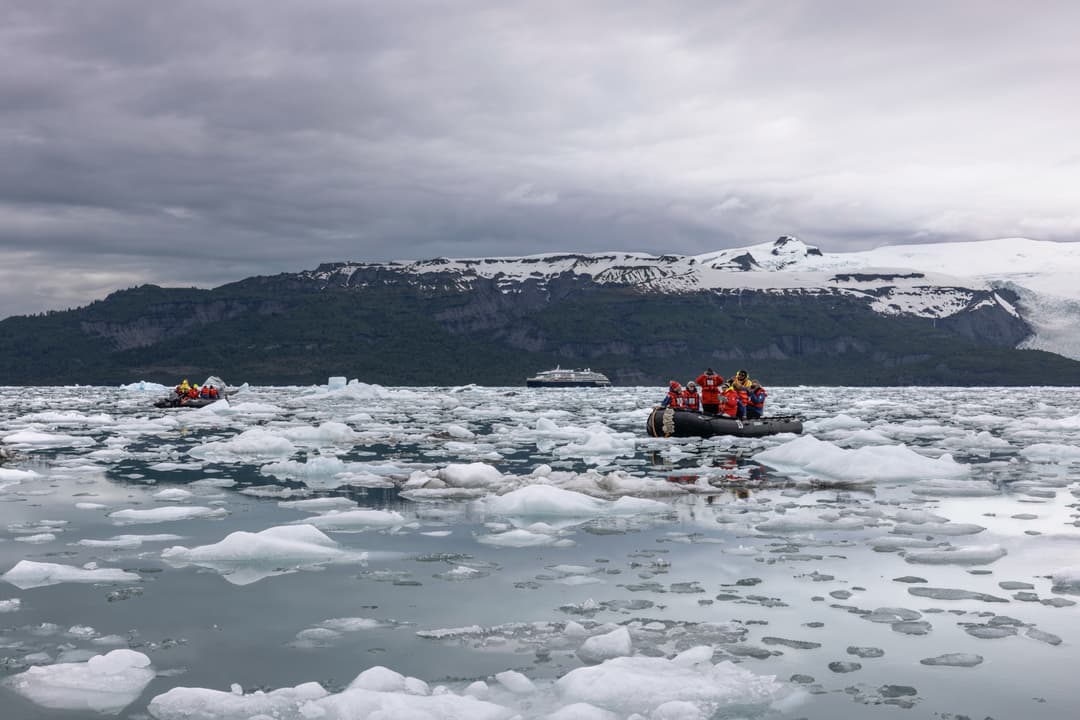
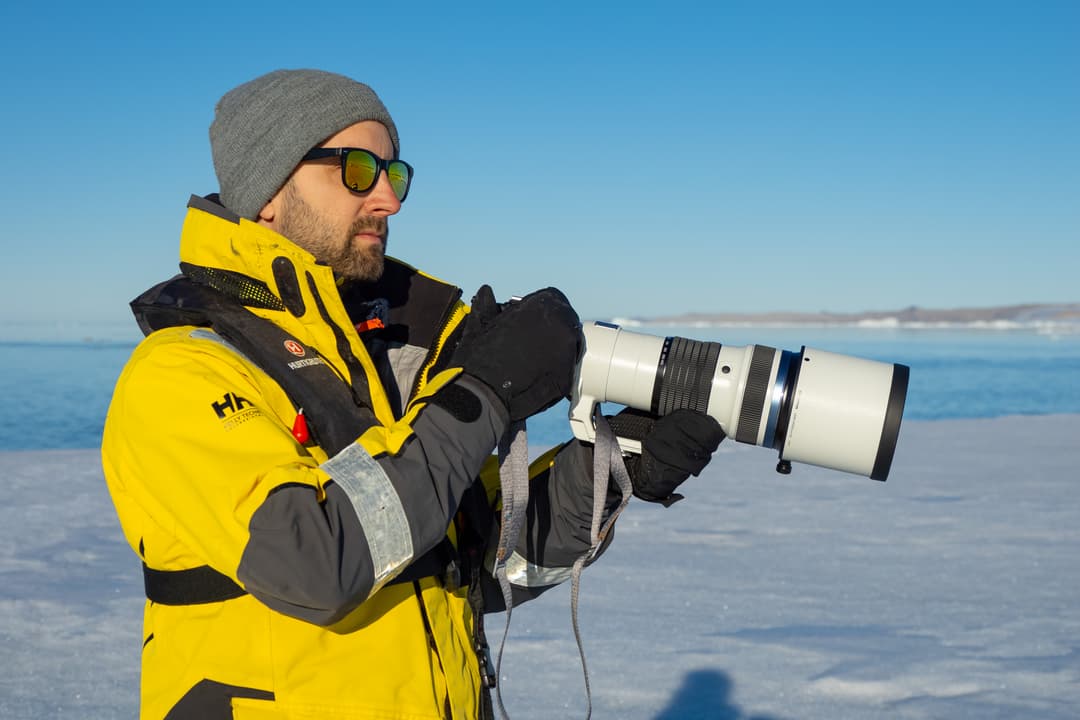
Our on board photographer will be there to assist guests in the use of their photo equipment and to help improve their photo skills. To enhance the experience of the places we explore, we use photography actively with our guests. Slideshow shared onboard before the end of the voyage and made available for all guests in an Expedition Logbook - including a selection of photos as well as the Daily Programs, Expedition Team biographies, Maps from ....
Loading...
Breakfast, lunch and dinner, every day: Indulge in anything your appetite desires across a huge list of delicious choices that almost rival the memories you’ll make off the ship. Start the day with an impressive buffet breakfast before moving onto a mouth-watering menu of à la carte choices later in the day. Of course, that includes house wine and beer and soft drinks.
A warm welcome to the sauna, hot tubs and more: Make so....
Due to the nature of expedition cruising, our voyages often take us far away from the resources and the facilities we are used to in day-to-day life. We recognise that disabilities and mobility issues can range in severity, and recommend all guests consider accompaniment by a companion if they need assistance, either on board or ashore, due to the environment, operations and the unique safety requirements found on an expedition ship.
We ....
Weather varies depending on your destination, but sturdy footwear for wet and dry landings is essential. We provide boots and trekking poles on certain expeditions, but you’re welcome to bring your own.
On-board
- Casual clothes – the dress code is relaxed and informal, even for dinners
- Comfortable flat shoes for everyday use while onboard. It can be slippery on deck, so we recommend shoes with a good grip
Our expedition ships feature a small onboard hospital essential equipment, and medication to handle small emergencies.. Every ship has an English-speaking medical team with a doctor and at least one nurse, supported 24/7 by dedicated land-based experts.
In the event of a serious emergency, the nearest hospital will be contacted. Medical consultations as well as medicines will be charged to the passenger affected. All guests must have per....
Everything you need to know about your cruise, including your bookings, daily programme, restaurants and services on board and essential information about available excursions is at hand at any time.
What have I booked?
Take a look at My bookings to explore the excursions you have booked and prepare for your adventure accordingly with practical tips.
What's happening today?
The daily programme helps you to....