

CRUISE ID # HXFNGRE07C-270602
Reykjavík TO Nuuk (Godthaab)
13-day all-inclusive Greenland expedition cruise from Reykjavík to New York
Sail from Reykjavík to southwest Greenland and witness spectacular glaciers and icebergs as we probe deep into little-visited fjords.
See awe-inspiring scenery and wildlife, visit colorful local communities, and delve into Norse history at ancient sites.
With an onboard science focus, learn about the geology that shaped the world’s largest island, as well as its biodiversity and mineral deposits.
This voyage ends in Nuuk for you to fly back to New York (planned airport). This voyage is also available via Reykjavík or Copenhagen gateways.
Wild nature and traditional communities
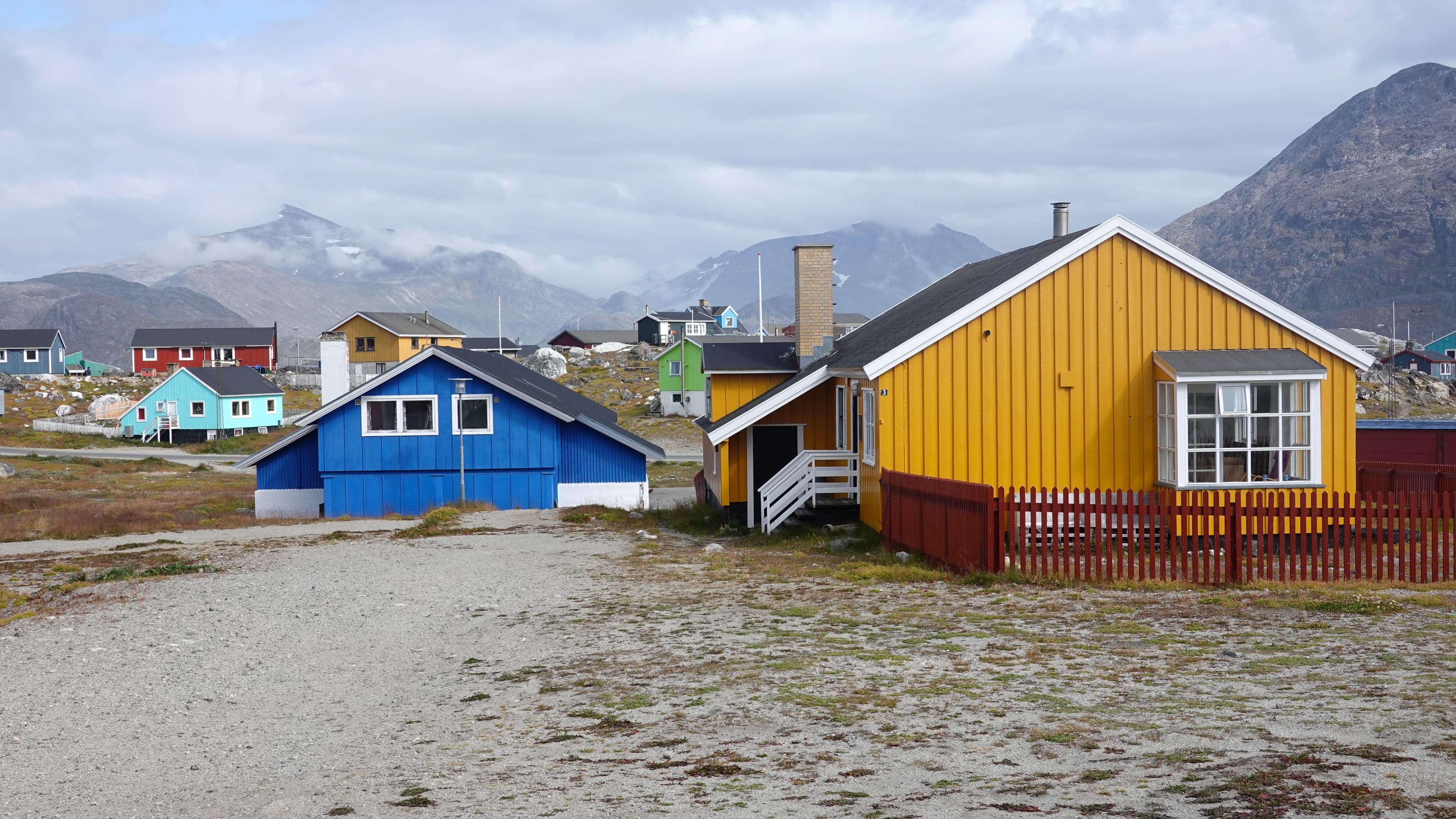
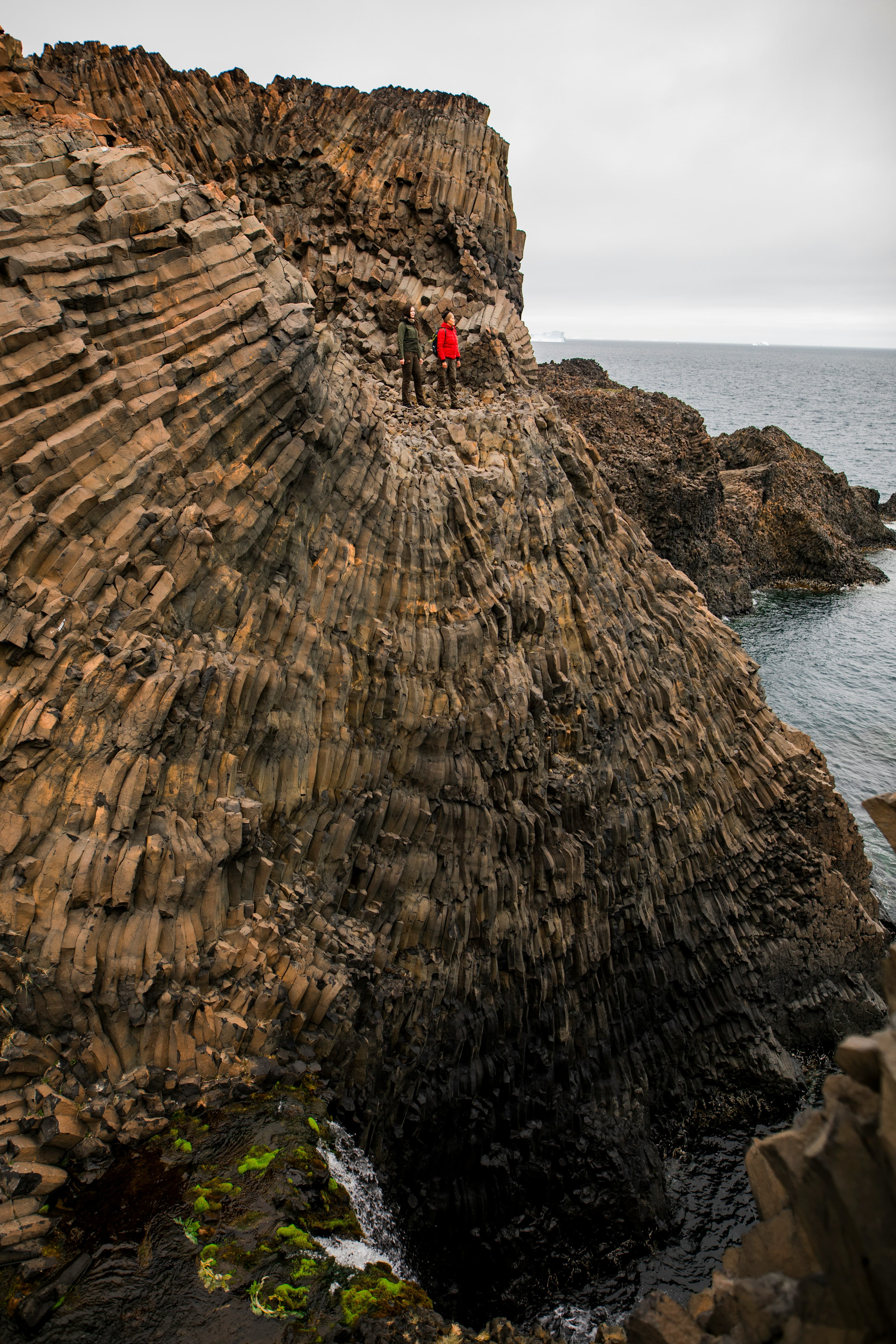
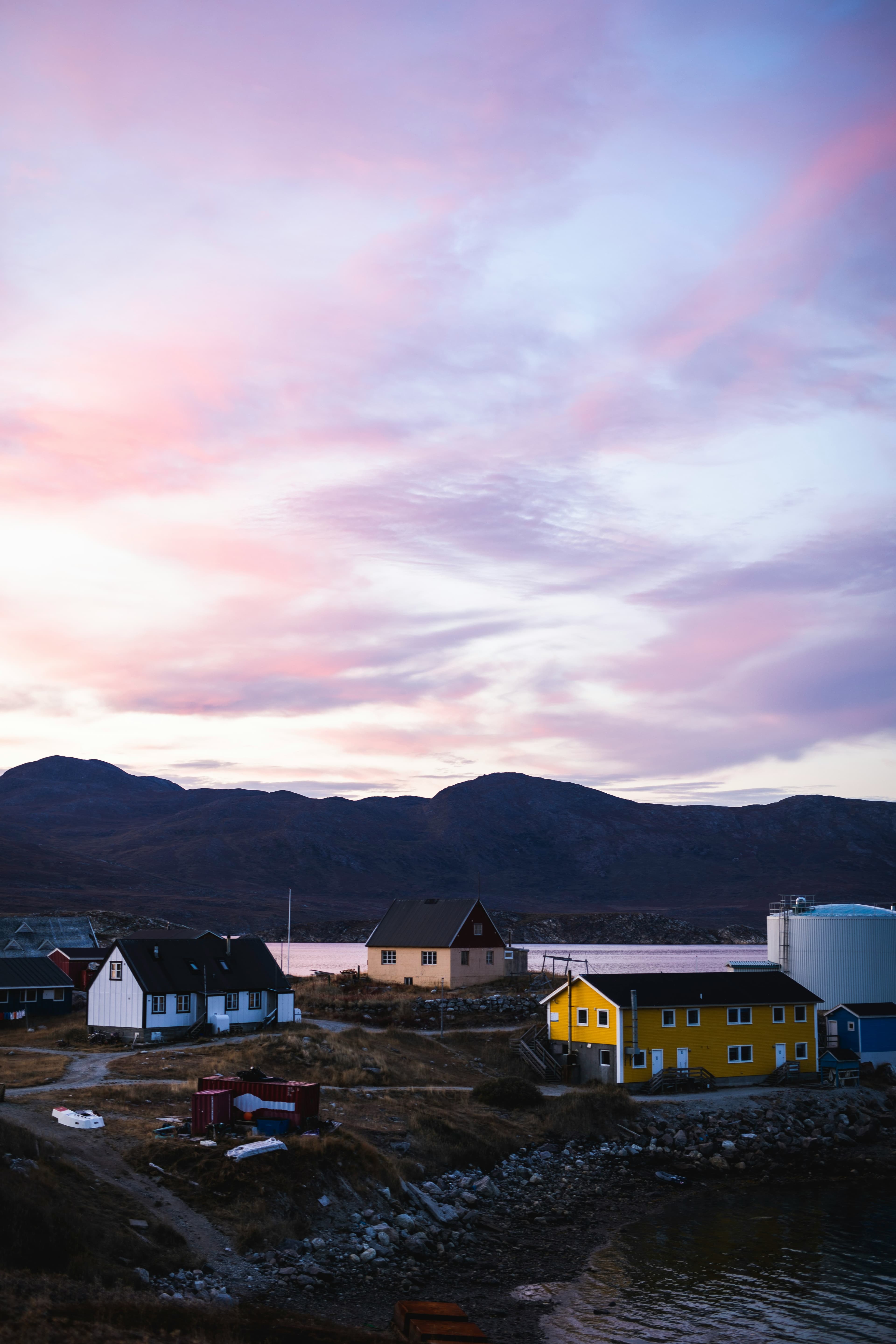
Sailing from Reykjavík, we cross the Denmark Strait and explore remote areas that few get to visit. There, you’ll discover Norse ruins, visit traditional communities, explore UNESCO-listed historical sites, and learn about the culture of the Arctic peoples.
Wildlife and ice-sculpted landscapes
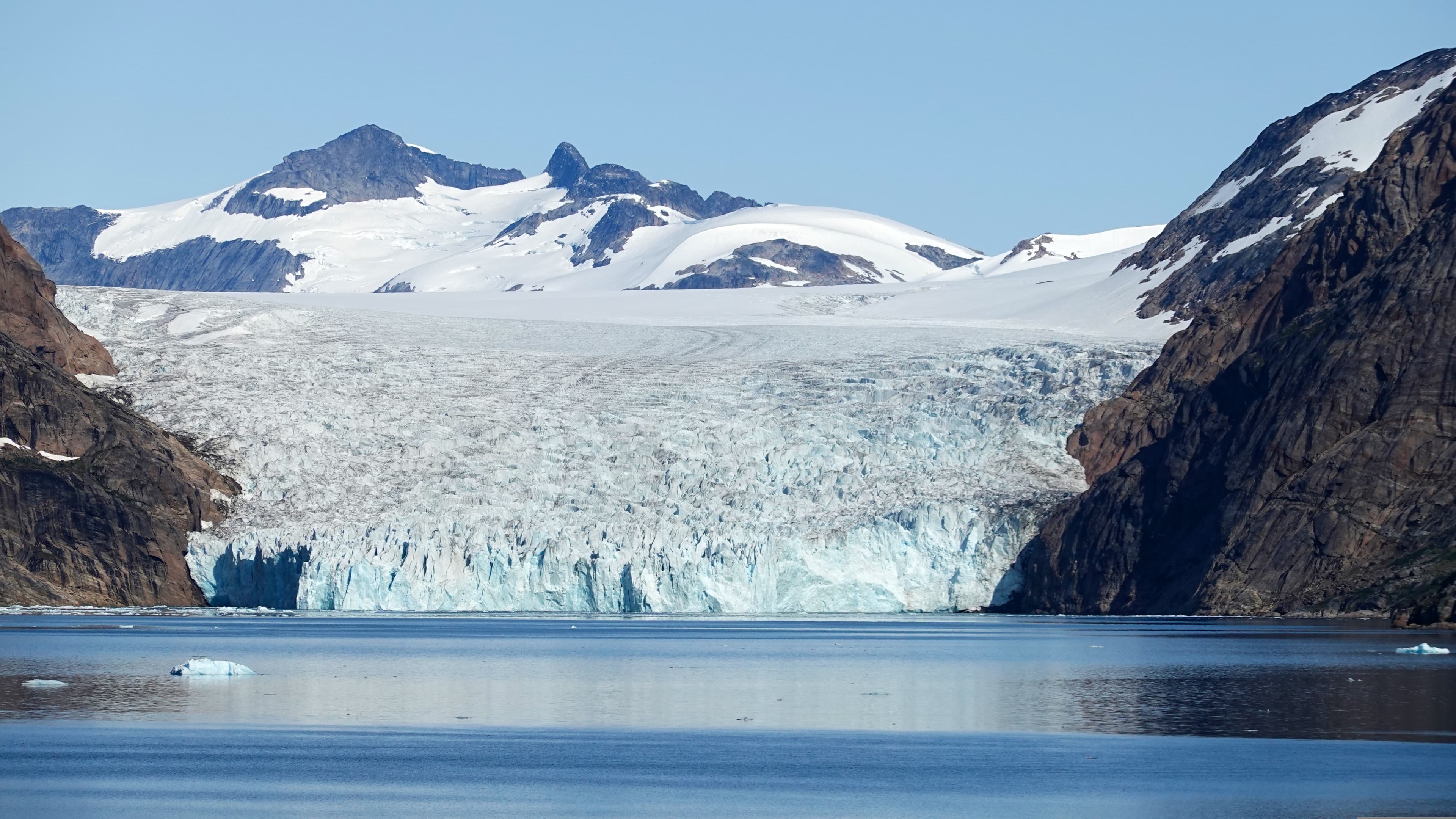
Witness the majestic landscapes of Greenland as we explore deep fjords cut into breathtaking mountain landscapes, cruise to cascading tidewater glaciers, delight in the otherworldly beauty of crystalline icebergs, and spot aquatic mammals along the way.
$6,868
WITH SPECIAL SAVINGS APPLIED
FARES SHOWN ARE PER GUEST
Suites & Fares
CHOOSE START DATE
: June 02, 2027
Itinerary
Sprawling Reykjavík, the nation's nerve center and government seat, is home to half the island's population. On a bay overlooked by proud Mt. Esja (pronounced eh-shyuh), with its ever-changing hues, Reykjavík presents a colorful sight, its concrete houses painted in light colors and topped by vibrant red, blue, and green roofs. In contrast to the almost treeless countryside, Reykjavík has many tall, native birches, rowans, and willows, as well as imported aspen, pines, and spruces.Reykjavík's name comes from the Icelandic words for smoke, reykur, and bay, vík. In AD 874, Norseman Ingólfur Arnarson saw Iceland rising out of the misty sea and came ashore at a bay eerily shrouded with plumes of steam from nearby hot springs. Today most of the houses in Reykjavík are heated by near-boiling water from the hot springs. Natural heating avoids air pollution; there's no smoke around. You may notice, however, that the hot water brings a slight sulfur smell to the bathroom.Prices are easily on a par with other major European cities. A practical option is to purchase a Reykjavík City Card at the Tourist Information Center or at the Reykjavík Youth Hostel. This card permits unlimited bus usage and admission to any of the city's seven pools, the Family Park and Zoo, and city museums. The cards are valid for one (ISK 3,300), two (ISK 4,400), or three days (ISK 4,900), and they pay for themselves after three or four uses a day. Even lacking the City Card, paying admission (ISK 500, or ISK 250 for seniors and people with disabilities) to one of the city art museums (Hafnarhús, Kjarvalsstaðir, or Ásmundarsafn) gets you free same-day admission to the other two.
In the wake of Vikings
We sail to Greenland across the Denmark Strait. This is the route taken by the Viking Erik the Red, who is credited as being the first European to have settled there. Sometimes we spot whales along the way, so keep a lookout.
During the two-day crossing, you’ll have plenty of time to get to know the ship and all its onboard facilities. At the same time the Expedition Team will give presentations about the protocols of respectfully visiting the fragile natural areas and Indigenous Arctic communities. Now is the time to book excursions and maybe learn a few words of Greenlandic.
Primarily, however, this is a time of adjustment and enjoyment. You’ll relish delicious meals in the onboard restaurants, listen to some amazing talks and simply get to relax and unwind on this comfortable ship. As we get closer to Greenland, or Kalaallit Nunaat as it is known you’ll feel the anticipation and excitement building … your adventure is about to begin!
The transit through the Sound is one of this voyage’s highlights. Connecting the Labrador Sea with the Irminger Seat, Prince Christian Sound or “Prins Christian Sund” in Danish is named after Prince (later King) Christian VII (1749-1808). 100 km (60 miles ), long and at times just 500 m (1500 ft) wide, this majestic and spectacular fiord throws you back into a Viking era – flanked by soaring snow-topped mountains, rock-strewn cliffs and rolling hills, it is as if time has stood still and one easily forgets that this is the 21st century. As you marvel at the sheer size of the mountains that surround you, with the Arctic waters lapping deceptively at the hull, revel in the silence enveloping you. Icebergs float serenely by, carrying with them the ages of time. Be sure to wear warm clothing as this is one spectacle that you do not want to miss.
The largest town in southern Greenland, Qaqortoq has been inhabited since prehistoric times. Upon arrival in this charming southern Greenland enclave, it's easy to see why. Qaqortoq rises quite steeply over the fjord system around the city, offering breath-taking panoramic vistas of the surrounding mountains, deep, blue sea, Lake Tasersuag, icebergs in the bay, and pastoral backcountry. Although the earliest signs of ancient civilization in Qaqortoq date back 4,300 years, Qaqortoq is known to have been inhabited by Norse and Inuit settlers in the 10th and 12th centuries, and the present-day town was founded in 1774. In the years since, Qaqortoq has evolved into a seaport and trading hub for fish and shrimp processing, tanning, fur production, and ship maintenance and repair.
Qassiarsuk is the newer, Greenlandic name for this small village. Brattahlid is the older, Norse name. Here we tour the foundation remains of the manor house of Erik the Red, who found Greenland after being banished from Iceland and Norway for murder. We will also visit the site of the first Christian church ever built in North America (physiographically speaking), see a recently unearthed Norse graveyard that contains remains of 144 Norse colonists, and have a chance to admire Hans Lynge’s remarkable bronze sculpture of Erik the Red.
Fjords, glaciers, and ghostly mining towns
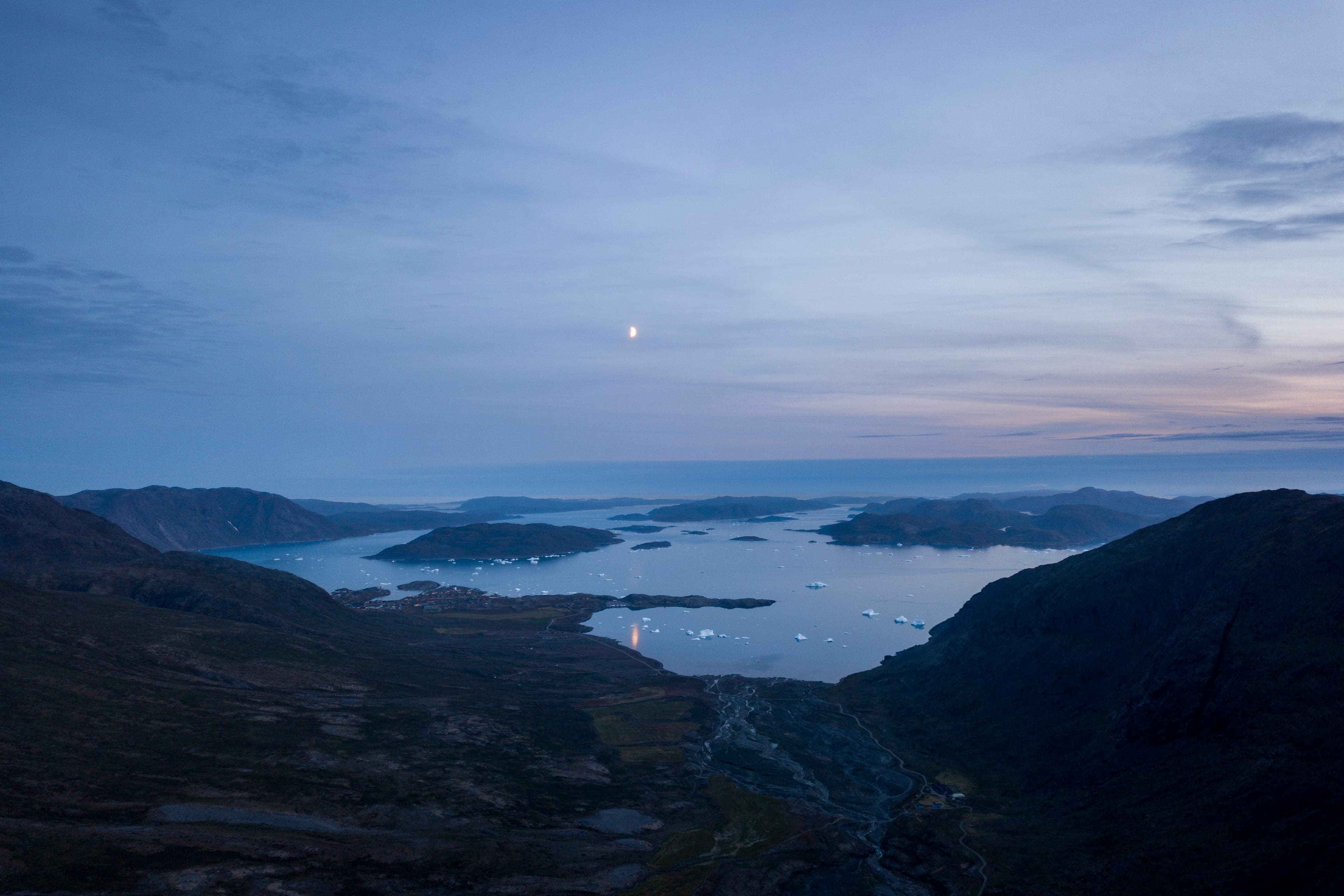
The stretch of coast between the fjord systems of southern Greenland and Nuuk is as wild as can be. Long distances separate the few scattered settlements. And although the climate is still mild by Arctic standards the topography is rough, segmented by high mountain ranges half covered by ice and cut through by deep turquoise fjords. With very few inside passages, travelling here has been a challenge since ancient times. And it still is. Mother Nature is in charge here, meaning it’s the perfect adventure playground for modern explorers.
On our way north, and always adapted to the local conditions, we’ll get to know the landscapes of the so-called Mellembygden – the Middle Settlement of the Norse settlers. We’ll also look for the ghostly mining town of Ivittuut, where the historically important mineral cryolite was mined, but where today the only inhabitants are shy musk oxen. And we’ll sail into great fjords carved out over millennia by massive glaciers cascading down from the icecap.
Wildlife thrives in this isolated region. Join our Expedition Team on their wildlife watches either on board or on land, and keep your camera and binoculars ready for seabirds, nesting colonies, and whales feeding at sea. If we’re lucky, we may even see one of the few musk ox herds living on the west Greenland coast.
Kapisillit is a settlement in the Sermersooq municipality in southwestern Greenland. In 2020, the settlement had 52 inhabitants. Kapisillit means the salmon in the Greenlandic language. The name refers to the belief that the only spawning-ground for salmon in Greenland is a river near the settlement.
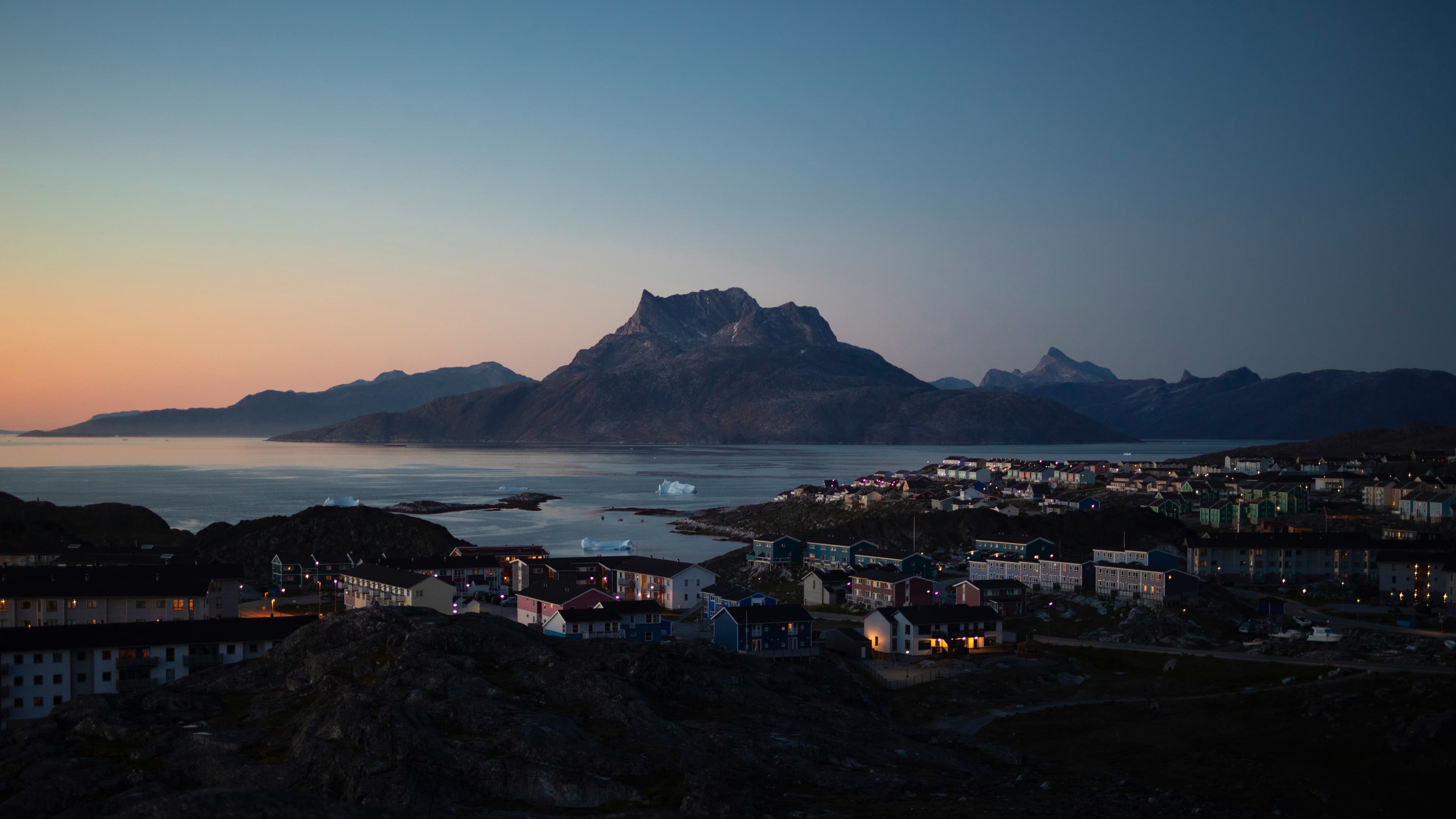
Nuuk, meaning “the cape”, was Greenland’s first town (1728). Started as a fort and later mission and trading post some 240 kilometers south of the Arctic Circle, it is the current capital. Almost 30% of Greenland’s population lives in the town. Not only does Nuuk have great natural beauty in its vicinity, but there are Inuit ruins, Hans Egede’s home, the parliament, and the Church of our Saviour as well. The Greenlandic National Museum has an outstanding collection of Greenlandic traditional dresses, as well as the famous Qilakitsoq mummies. The Katuaq Cultural Center’s building was inspired by the undulating Northern Lights and can house 10% of Nuuk’s inhabitants.
Nuuk, meaning “the cape”, was Greenland’s first town (1728). Started as a fort and later mission and trading post some 240 kilometers south of the Arctic Circle, it is the current capital. Almost 30% of Greenland’s population lives in the town. Not only does Nuuk have great natural beauty in its vicinity, but there are Inuit ruins, Hans Egede’s home, the parliament, and the Church of our Saviour as well. The Greenlandic National Museum has an outstanding collection of Greenlandic traditional dresses, as well as the famous Qilakitsoq mummies. The Katuaq Cultural Center’s building was inspired by the undulating Northern Lights and can house 10% of Nuuk’s inhabitants.
Nuuk, meaning “the cape”, was Greenland’s first town (1728). Started as a fort and later mission and trading post some 240 kilometers south of the Arctic Circle, it is the current capital. Almost 30% of Greenland’s population lives in the town. Not only does Nuuk have great natural beauty in its vicinity, but there are Inuit ruins, Hans Egede’s home, the parliament, and the Church of our Saviour as well. The Greenlandic National Museum has an outstanding collection of Greenlandic traditional dresses, as well as the famous Qilakitsoq mummies. The Katuaq Cultural Center’s building was inspired by the undulating Northern Lights and can house 10% of Nuuk’s inhabitants.
About the Ship
Name
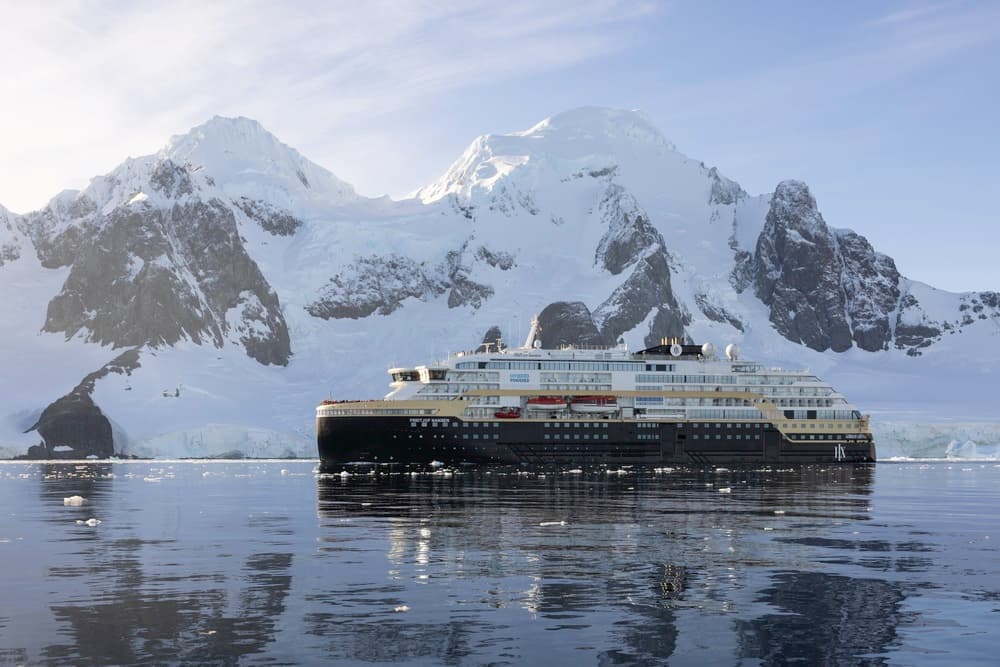
MS Fridtjof Nansen
Operator
HX Expeditions

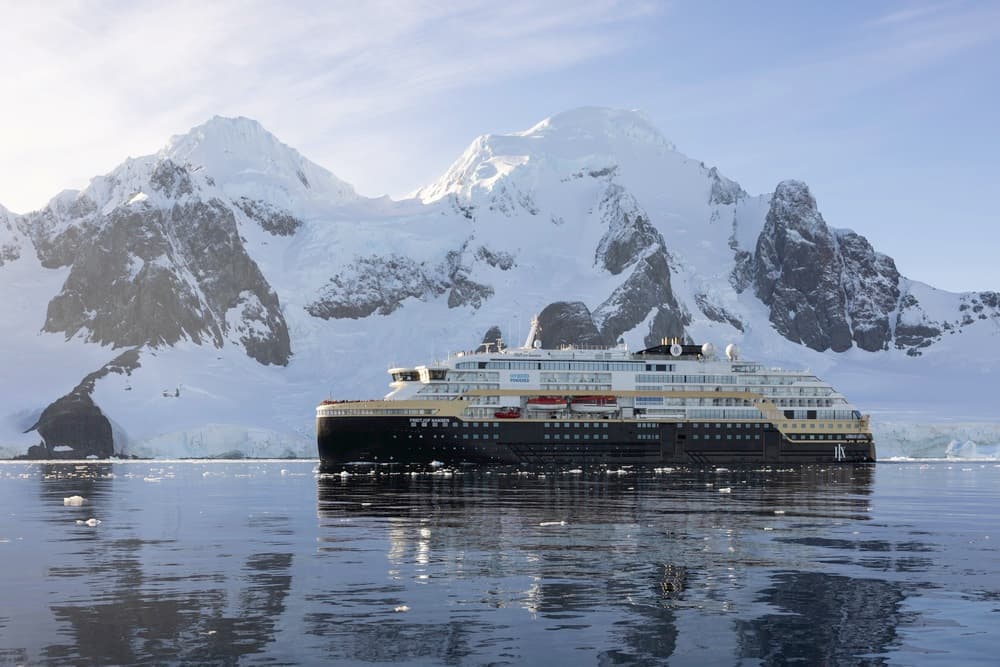
The newest addition to our fleet will honor the heritage of her namesake – the Norwegian explorer, scientist, humanitarian, and Nobel Peace Prize laureate Fridtjof Nansen. Known for his innovations in Arctic expeditions, Nansen led the first crossing of Greenland on cross-country skis. He is perhaps most famous for his attempt to reach the geographical North Pole during the Fram Expedition (1893-1896).
Loading...
Discover delicious food prepared in the state-of-the-art kitchens on board MS Fridtjof Nansen. Our creative chefs use local ingredients and take inspiration from regional flavours to take you on a culinary tour.
Takeaway: You are welcome to enjoy a Fredheim meal in your cabin.


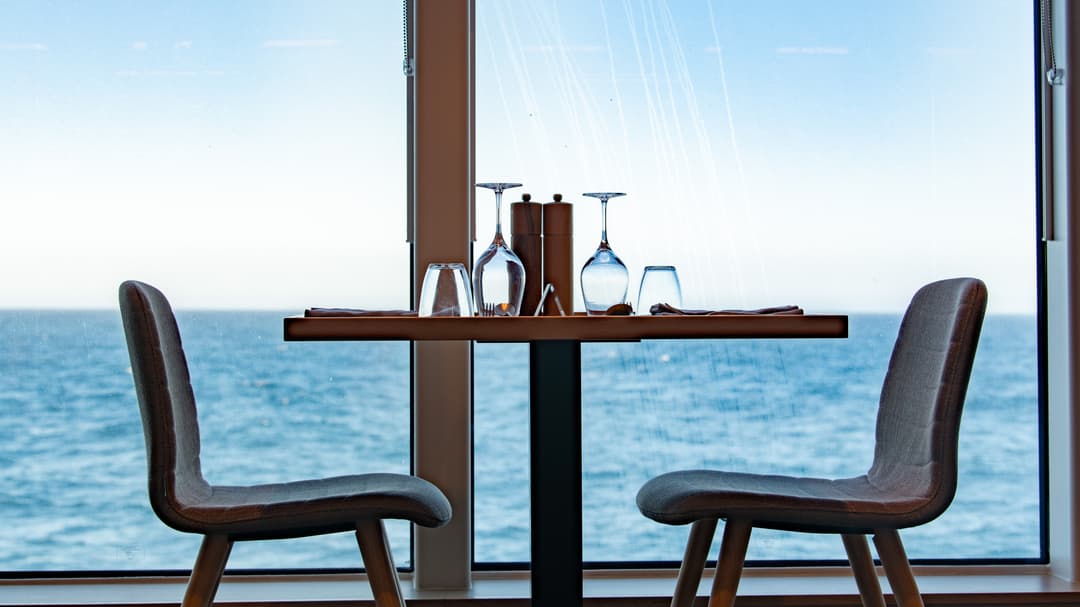


Swap crowded decks for intimate lounges where your shipmates gather to recount the tales so far. Onboard restaurants serve delicious dishes, fit for the modern-day explorer. Destress in the gym or pamper yourself in the wellness centre before unwinding in your comfortable cabin. Elevate your expedition experience in a spacious suite with a private balcony - some even have outdoor hot tubs, perfect for soaking in the scenery after a day of discovery.


Aboard MS Fridtjof Nansen, you’ll have everything you need to stay active and keep your mind healthy. A full suite of facilities lets you exercise and relax to your heart’s content.


Our expedition ships – MS Roald Amundsen, MS Fridtjof Nansen, MS Fram, MS Spitsbergen, MS Santa Cruz II – are more than just a way to travel - they’re your home in the heart of the wild. Instead of an onboard casino, we have the Science Centre. Instead of cabaret shows, you have all the show you need outside the windows. No water slides, just kayaking trips or small-boat safaris along the coast in the Arctic, Antarctic, or the Galápagos.
We offer a rich and varied program of optional shore excursions. In many ports, we offer an included excursion, which can be reserved for no additional charge. In many cases the included excursion can be combined with other optional excursions in the port. Most excursions can be pre-booked but may also be bookable onboard if capacity remains.
We advise that you book well in advance in order to avoid disappointment due to the excursion b....


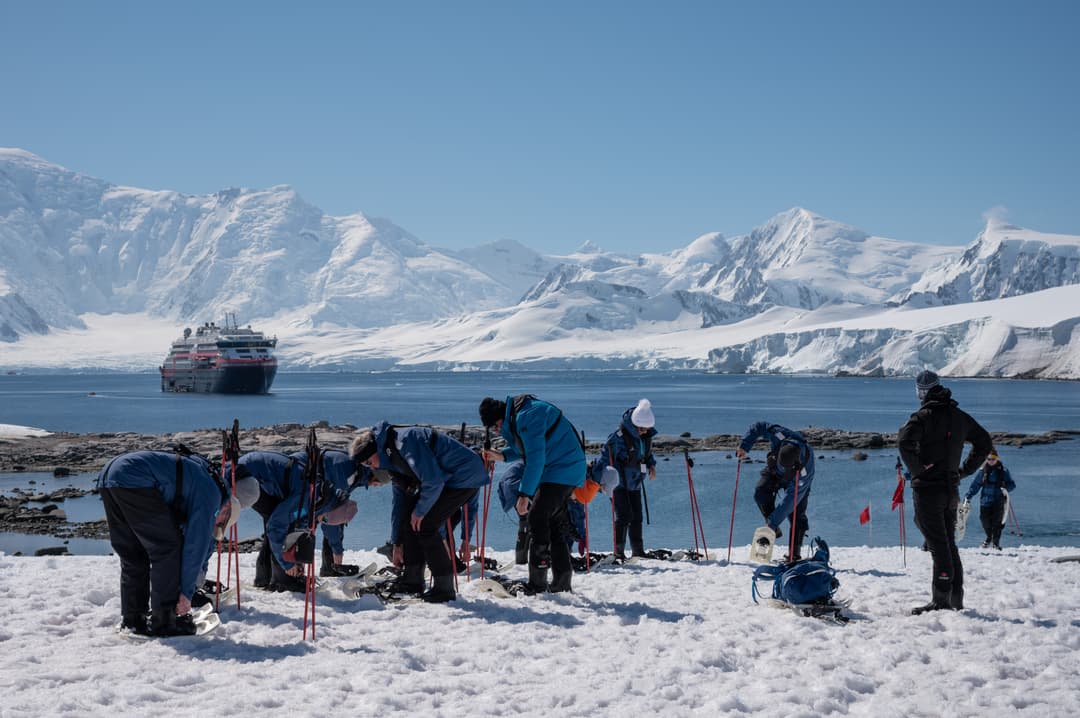
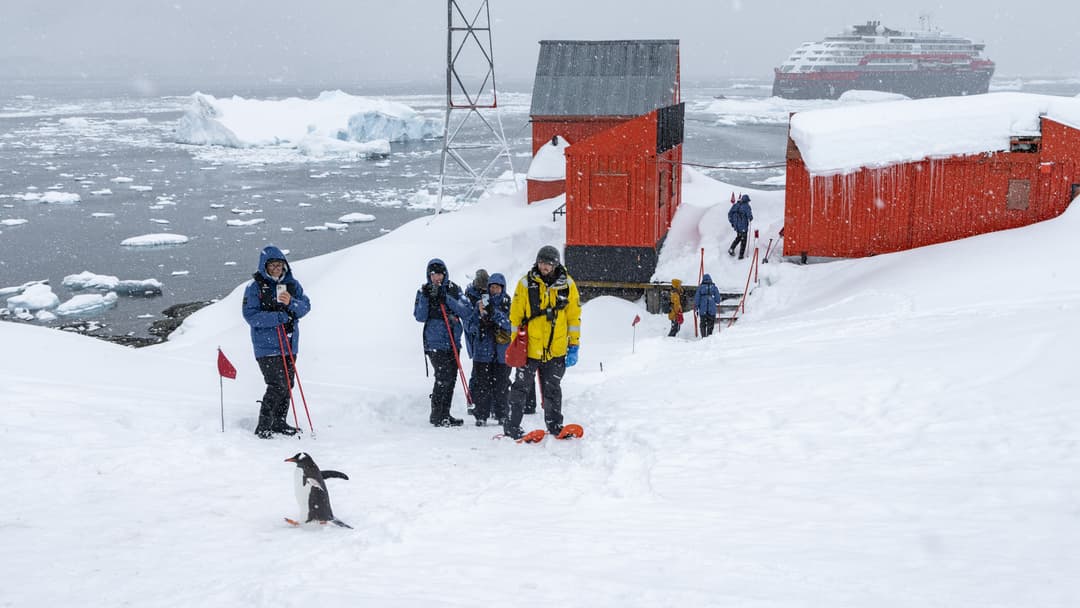
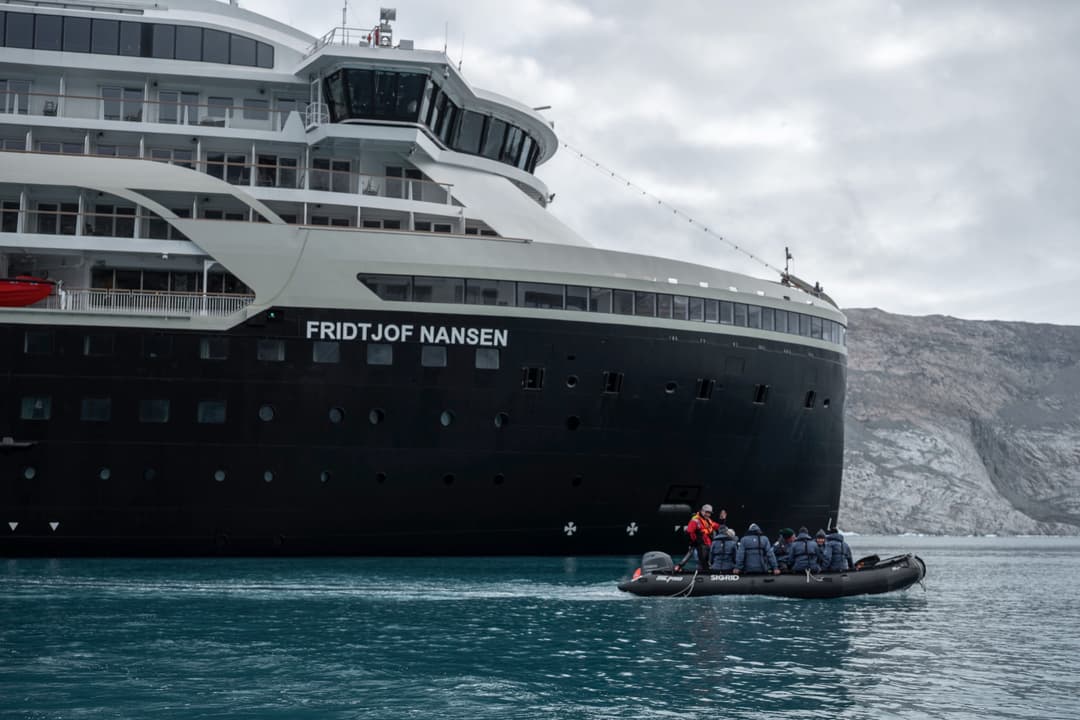
The Science & Education program brings together like-minded individuals
Covering over 3/4 of the planet's surface, our oceans are vital in supporting human life on earth and are also home to over 90% of all known wildlife. Despite it influencing everything from our weather to transportation and yes, expedition cruises, very little is known about our blue planet.
This is where HX Expeditions and our fleet of small, state-of-the-....


Each expedition voyage is accompanied by a hand-picked team of specialists and modern-day explorers. Highly experienced, passionate and knowledgeable, the Expedition Team will be your guides and guardians on your voyage of exploration, instructing you on safety, sustainability and science.
MS Fridtjof Nansen will feature a variety of custom built expedition equipment, including kayaks, a fleet of Blueye underwater drones and Expedition B....


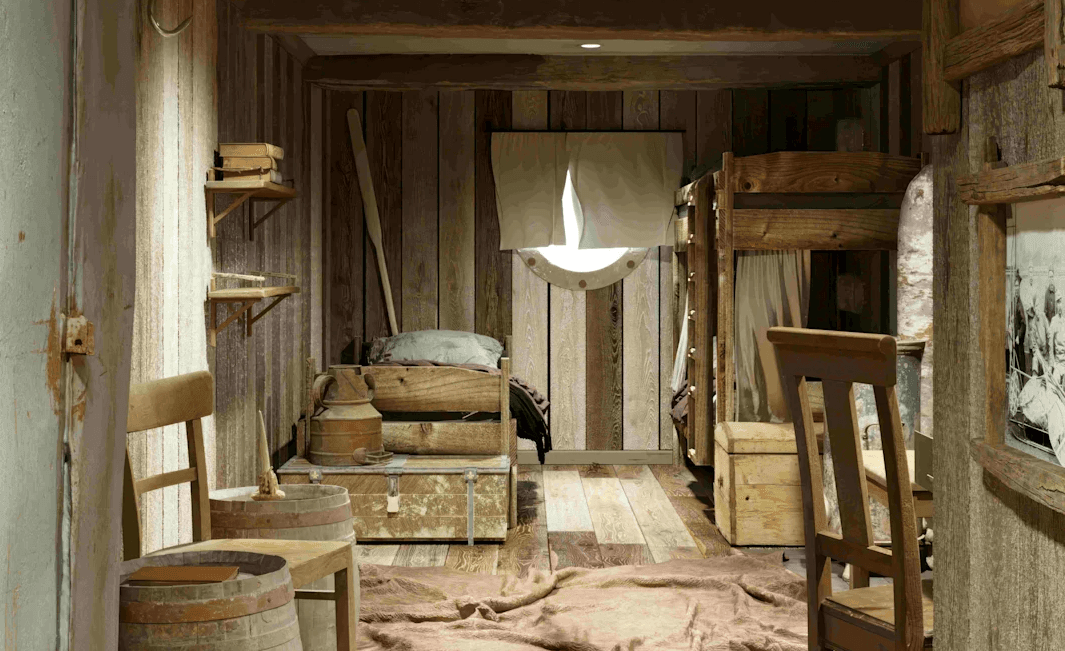
The 1896 Cabin – Exclusively on MS Fridtjof Nansen
Step aboard and step back in time. We invite guests on MS Fridtjof Nansen to experience life as the early adventurers did 130 years ago.
130 years ago, at the dawn of expedition cruising, we set out from mainland Norway to Svalbard on a pioneering voyage – one that sparked the spirit of exploration that still carries HX forward today as the leader in Arctic and Antarctic exp....
Loading...
Breakfast, lunch and dinner, every day: Indulge in anything your appetite desires across a huge list of delicious choices that almost rival the memories you’ll make off the ship. Start the day with an impressive buffet breakfast before moving onto a mouth-watering menu of à la carte choices later in the day. Of course, that includes house wine and beer and soft drinks.
A warm welcome to the sauna, hot tubs and more: Make so....
Q: Can I choose the date of my stay?
A: No. Dates will be assigned by the ship upon your arrival on board. The 1896 Cabin is exclusively available on MS Fridtjof Nansen starting from *29 January 2026 with one booking per guest.
Q: Will I receive a refund for my regular cabin if I book the 1896 Cabin?
A: No. This is an additional experience and does not replace your standard accommodation.
Q. What can I ....
Due to the nature of expedition cruising, our voyages often take us far away from the resources and the facilities we are used to in day-to-day life. We recognise that disabilities and mobility issues can range in severity, and recommend all guests consider accompaniment by a companion if they need assistance, either on board or ashore, due to the environment, operations and the unique safety requirements found on an expedition ship.
We ....
Weather varies depending on your destination, but sturdy footwear for wet and dry landings is essential. We provide boots and trekking poles on certain expeditions, but you’re welcome to bring your own.
On-board
- Casual clothes – the dress code is relaxed and informal, even for dinners
- Comfortable flat shoes for everyday use while onboard. It can be slippery on deck, so we recommend shoes with a good grip
Our expedition ships feature a small onboard hospital essential equipment, and medication to handle small emergencies.. Every ship has an English-speaking medical team with a doctor and at least one nurse, supported 24/7 by dedicated land-based experts.
In the event of a serious emergency, the nearest hospital will be contacted. Medical consultations as well as medicines will be charged to the passenger affected. All guests must have per....

Everything you need to know about your cruise, including your bookings, daily programme, restaurants and services on board and essential information about available excursions is at hand at any time.
What have I booked?
Take a look at My bookings to explore the excursions you have booked and prepare for your adventure accordingly with practical tips.
What's happening today?
The daily programme helps you to....