

Pacific Passage – Valparaíso to Puntarenas
CRUISE ID # HXRAOCE01-280415
Valparaiso TO Puntarenas
$4,473
WITH SPECIAL SAVINGS APPLIED
FARES SHOWN ARE PER GUEST
Suites & Fares
CHOOSE START DATE
: April 15, 2028
Itinerary
Valparaíso's dramatic topography—45 cerros, or hills, overlooking the ocean—requires the use of winding pathways and wooden ascensores (funiculars) to get up many of the grades. The slopes are covered by candy-color houses—there are almost no apartments in the city—most of which have exteriors of corrugated metal peeled from shipping containers decades ago. Valparaíso has served as Santiago's port for centuries. Before the Panama Canal opened, Valparaíso was the busiest port in South America. Harsh realities—changing trade routes, industrial decline—have diminished its importance, but it remains Chile's principal port. Most shops, banks, restaurants, bars, and other businesses cluster along the handful of streets called El Plan (the flat area) that are closest to the shoreline. Porteños (which means "the residents of the port") live in the surrounding hills in an undulating array of colorful abodes. At the top of any of the dozens of stairways, the paseos (promenades) have spectacular views; many are named after prominent Yugoslavian, Basque, and German immigrants. Neighborhoods are named for the hills they cover. With the jumble of power lines overhead and the hundreds of buses that slow down—but never completely stop—to pick up agile riders, it's hard to forget you're in a city. Still, walking is the best way to experience Valparaíso. Be careful where you step, though—locals aren't very conscientious about curbing their dogs.
Four days at sea on the Pacific coast
Spend the next four days enjoying life aboard a working expedition ship. Relax in the hot tub and pool area, stroll the open decks, or grab a drink at the Explorer Bar & Lounge and chat to fellow travellers.
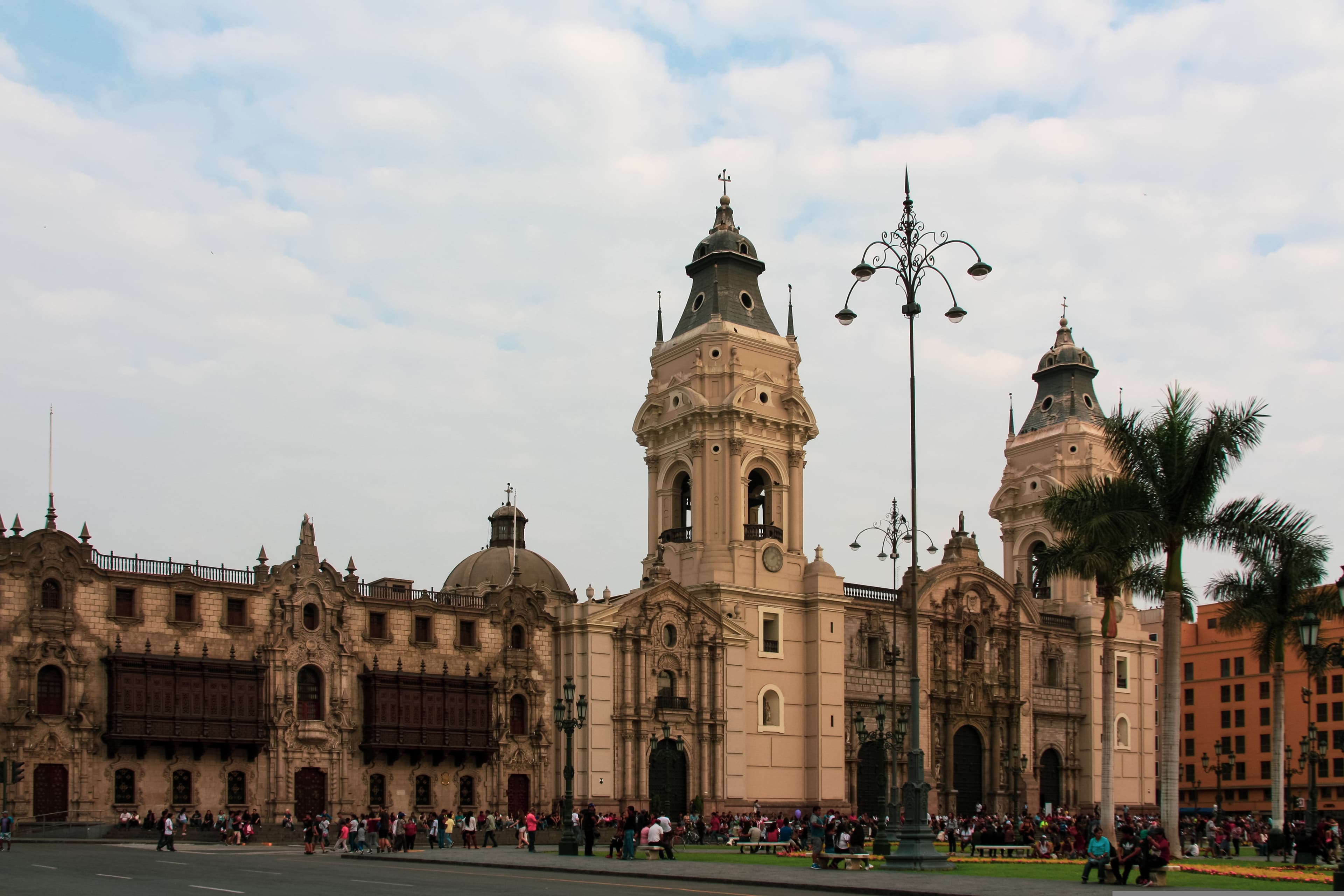
When people discuss great South American cities, Lima is often overlooked. But Peru's capital can hold its own against its neighbors. It has an oceanfront setting, colonial-era splendor, sophisticated dining, and nonstop nightlife.It's true that the city—clogged with traffic and choked with fumes—doesn't make a good first impression, especially since the airport is in an industrial neighborhood. But wander around the regal edifices surrounding the Plaza de Armas, among the gnarled olive trees of San Isidro's Parque El Olivar, or along the winding lanes in the coastal community of Barranco, and you'll find yourself charmed.In 1535 Francisco Pizarro found the perfect place for the capital of Spain's colonial empire. On a natural port, the so-called Ciudad de los Reyes (City of Kings) allowed Spain to ship home all the gold the conquistador plundered from the Inca. Lima served as the capital of Spain's South American empire for 300 years, and it's safe to say that no other colonial city enjoyed such power and prestige during this period.When Peru declared its independence from Spain in 1821, the declaration was read in the square that Pizarro had so carefully designed. Many of the colonial-era buildings around the Plaza de Armas are standing today. Walk a few blocks in any direction for churches and elegant houses that reveal just how wealthy this city once was. But the poor state of most buildings attests to the fact that the country's wealthy families have moved to neighborhoods to the south over the past century.The walls that surrounded the city were demolished in 1870, making way for unprecedented growth. A former hacienda became the graceful residential neighborhood of San Isidro. In the early 1920s the construction of tree-lined Avenida Arequipa heralded the development of neighborhoods such as bustling Miraflores and bohemian Barranco.Almost a third of the country's population of 29 million lives in the metropolitan area, many of them in relatively poor conos: newer neighborhoods on the outskirts of the city. Most residents of those neighborhoods moved there from mountain villages during the political violence and poverty that marked the 1980s and ’90s, when crime increased dramatically. During the past decade the country has enjoyed peace and steady economic growth, which have been accompanied by many improvements and refurbishment in the city. Residents who used to steer clear of the historic center now stroll along its streets. And many travelers who once would have avoided the city altogether now plan to spend a day here and end up staying two or three.
Reflect and relax at sea
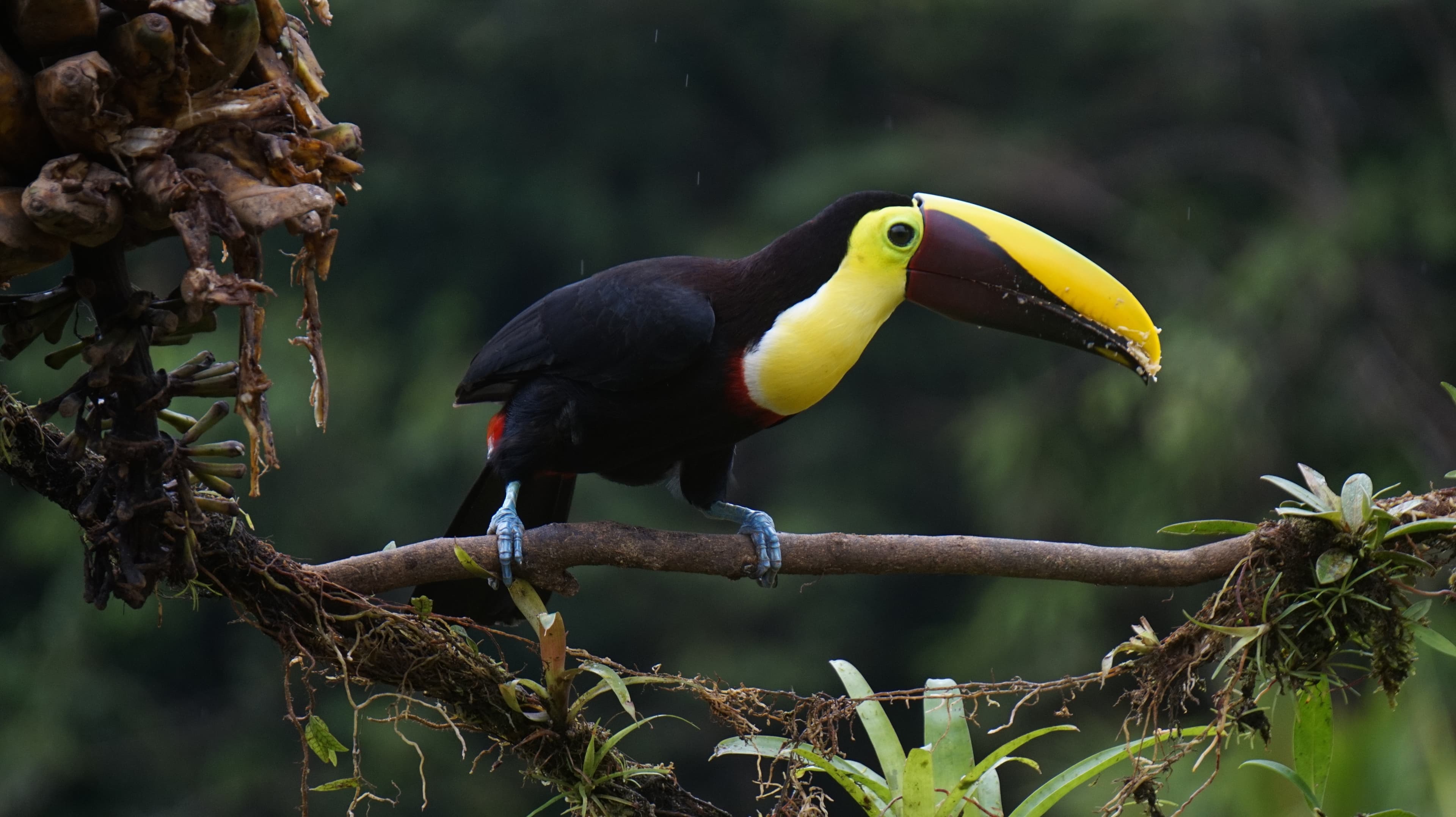
Enjoy another few days at sea as we sail north. Join the Expedition Team's lectures, learning about Costa Rica's ecosystems and wildlife, then enjoy dining in the ship's restaurant and post-supper drinks at the bar. Head to the observation deck to watch the ocean landscape shift, or find a quiet corner to read.
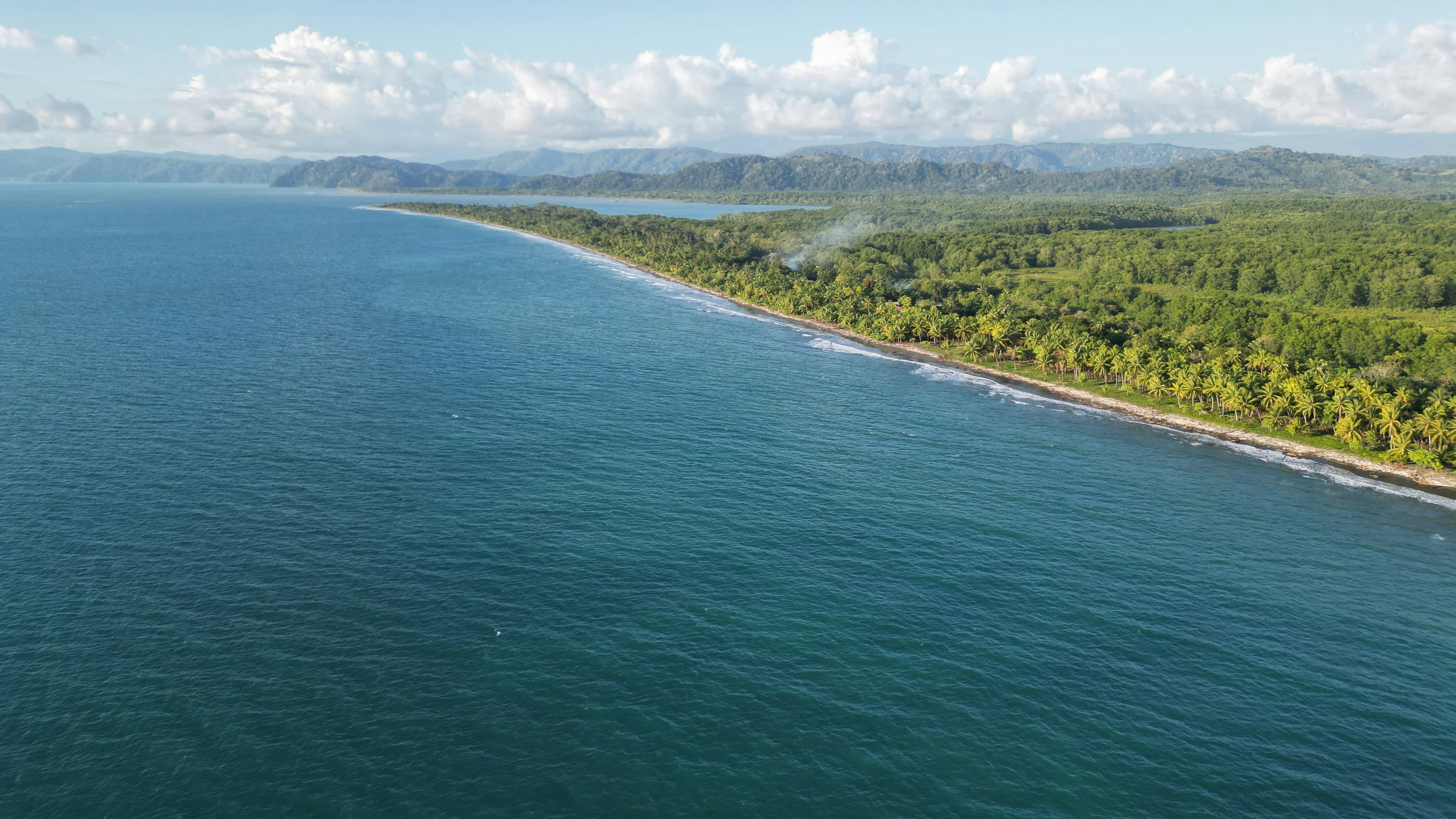
Golfito, is situated along a small inlet of Golfo Dulce. This small port city is a narrow strip along Golfito Bay backed against steep green hills covered with pristine rainforest, with the Golfo Dulce seaward outside Golfito Bay. Surrounded by tropical rainforest, Golfito provides an ideal location to escape from your hectic schedule and enjoy some of the most beautiful beaches in Costa Rica with a stunning backdrop of verdant hills and lush rainforest. Follow a trail through the densely forested Golfito National Wildlife Refuge to observe rare flora and fauna, and emerge at a scenic outlook with views of the ocean, also the city has a variety of hotels and restaurants, many of which now provide free wireless Internet service for customers. Golfito was the main port on the South Pacific Coast of Costa Rica in the days when there was little except for the huge banana plantations. To help remedy the resulting economy decrease of the region, the government established a duty-free zone, support and impulse the touristic development.
Located on the southeast tip of the Nicoya Peninsula, the Curu Wildlife Refuge is known for its pristine, white-sand beaches and impressive variety of species ranging from monkeys to sand crabs. In total the refuge covers 3,707 total acres and 656 feet of coastline. Travelers to the Curu Wildlife Refuge will quickly notice that they are in the minority at the site, with only a few people in the area among the abundance of animals and sea creatures. All of your senses will be captivated by this overwhelming amount of wildlife at the reserve, which offers some of the best eco-tourism in Costa Rica. Curu officially received support from the Costa Rican government to protect its wildlife in 1981 and the area officially became known as the Curu Wildlife Refuge in 1983. Today, the refuge is privately owned, extremely-well cared for and even more exclusive than many of the national parks in the country. If you're looking to participate in some of the vast eco-tourism opportunities in Costa Rica, the refuge should be a top priority because of its exclusivity and the ability of visitors to personally interact with the diverse animal population. The refuge also features 17 peaceful trails, where travellers can check out this abundant wildlife in a number of different ecosystems, including mangrove swamps and both dry and wet tropical forests.
This town is not on the Nicoya Peninsula, but rather on Costa Rica's mainland. It is best known as a cruise-ship port and launching pad for ferries heading southeast to the coast of the Nicoya Peninsula and for cruises sailing out on the Gulf of Nicoya. Puntarenas is also a major fishing port with a lively fish market. The town’s reputation suffers from the unimpressive parts you see from your car as you roll through town on the way to the ferry dock. But the town has a lot of character off the main drag, thanks to its illustrious past as an affluent port town and principal vacation spot for San José's wealthy, who arrived by train in the last century. Once the port was moved and roads opened to other beaches, Puntarenas's economy crashed, but it's making a comeback. Sitting on a narrow spit of sand—punta de arenas literally means "point of sand"—that protrudes into the Gulf of Nicoya, the town boasts a beautifully groomed, wide Blue Flag beach with views of the Nicoya Peninsula and spectacular sunsets, along with a public swimming pool, the San Lucas Beach Club, and a marine-life museum. Ticos arrive by bus and car to enjoy the beach and stroll the Paseo de los Turistas, a beachfront promenade lined with tree-shaded concrete benches and seafood restaurants. Crowds of locals, called porteños, cruise by on bicycles, the town’s most popular form of transport.
About the Ship
Name
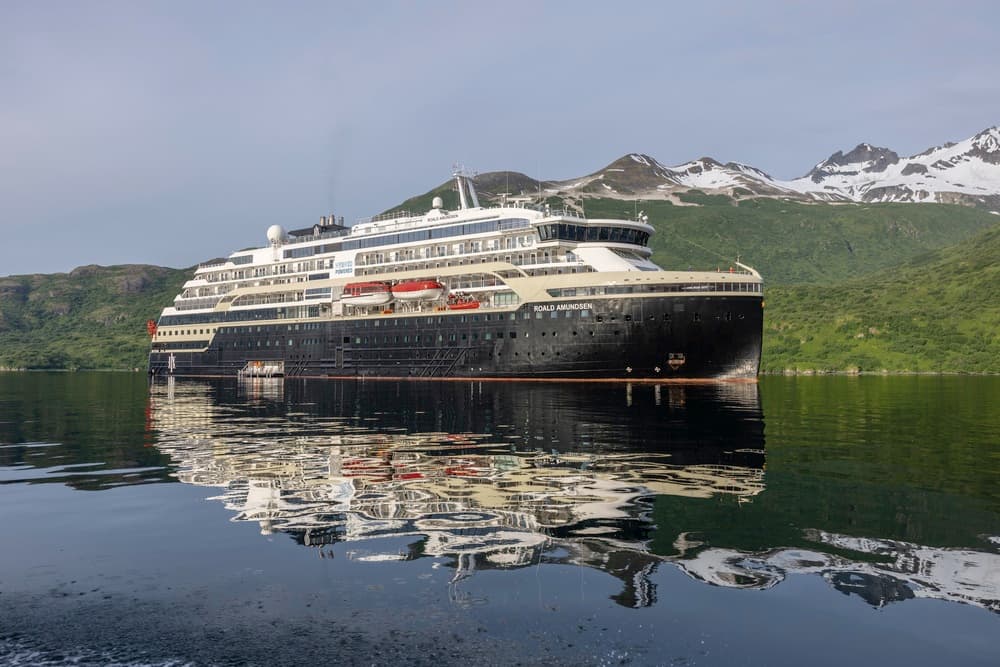
MS Roald Amundsen
Operator
HX Expeditions

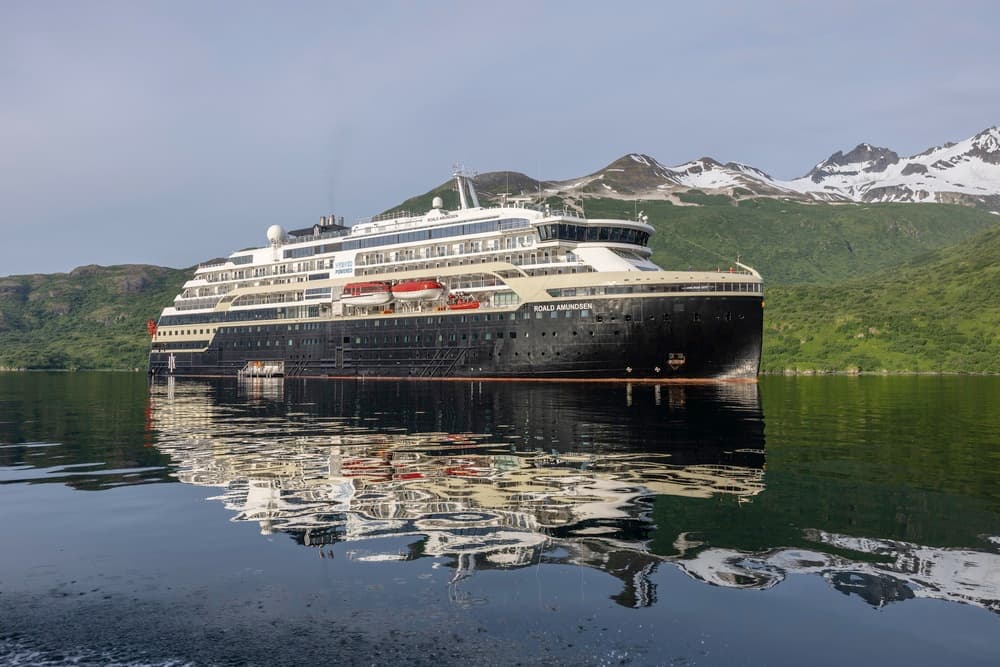
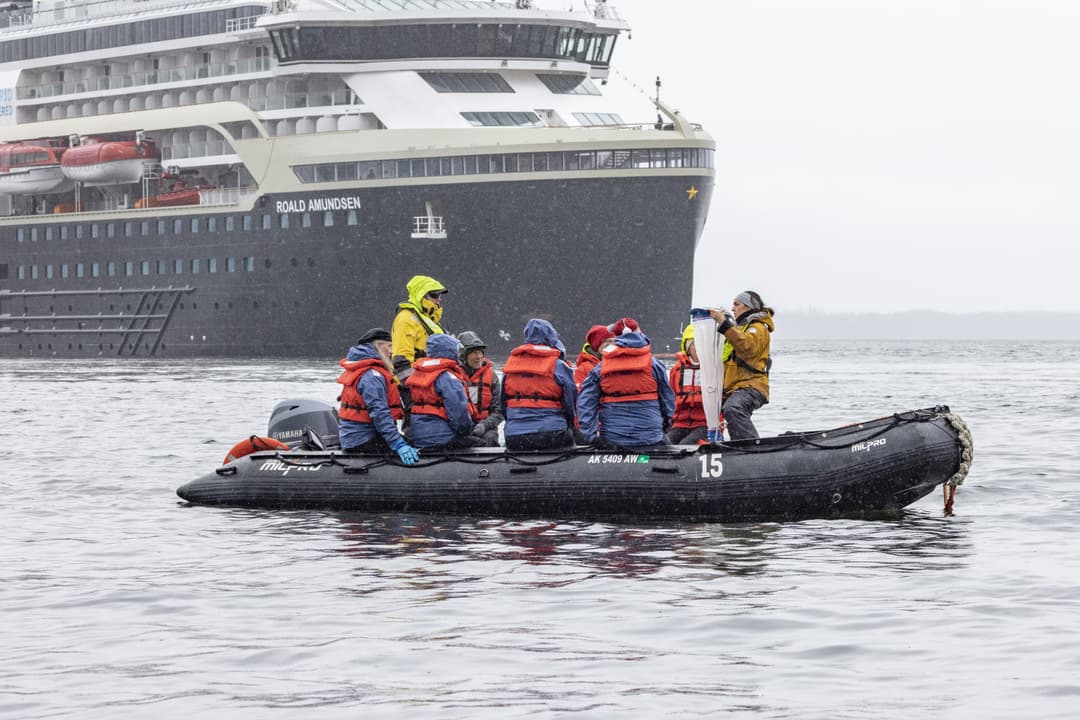
MS Roald Amundsen is as pioneering as the man it is named after, Roald Amundsen - the legendary Norwegian explorer. One of two fully hybrid ships in our fleet, explore the wonders of the world onboard one of the most environmentally friendly cruise ships in the world.
Loading...
Discover delicious food prepared in the state-of-the-art kitchens on board MS Fridtjof Nansen. Our creative chefs use local ingredients and take inspiration from regional flavours to take you on a culinary tour.
Takeaway: You are welcome to enjoy a Fredheim meal in your cabin.


Swap crowded decks for intimate lounges where your shipmates gather to recount the tales so far. Onboard restaurants serve delicious dishes, fit for the modern-day explorer. Destress in the gym or pamper yourself in the wellness centre before unwinding in your comfortable cabin. Elevate your expedition experience in a spacious suite with a private balcony - some even have outdoor hot tubs, perfect for soaking in the scenery after a day of discovery.


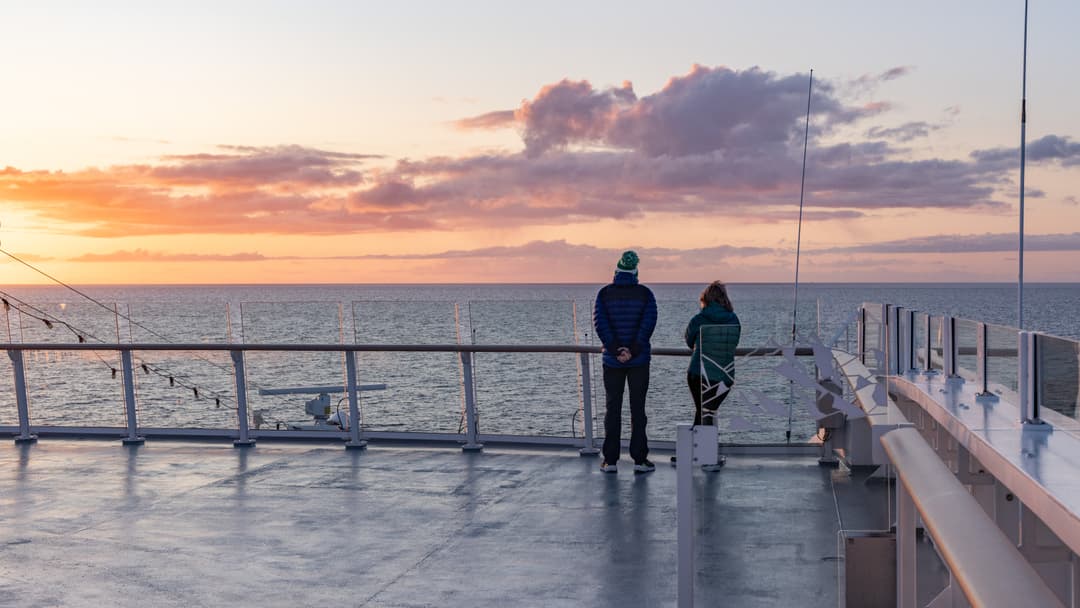


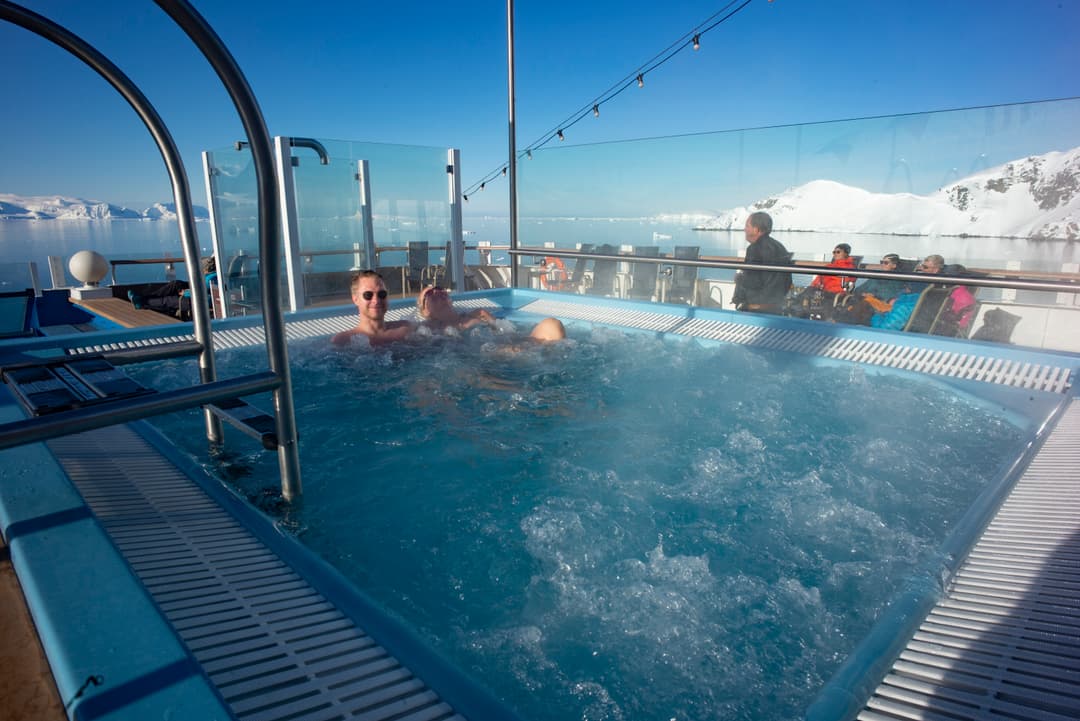
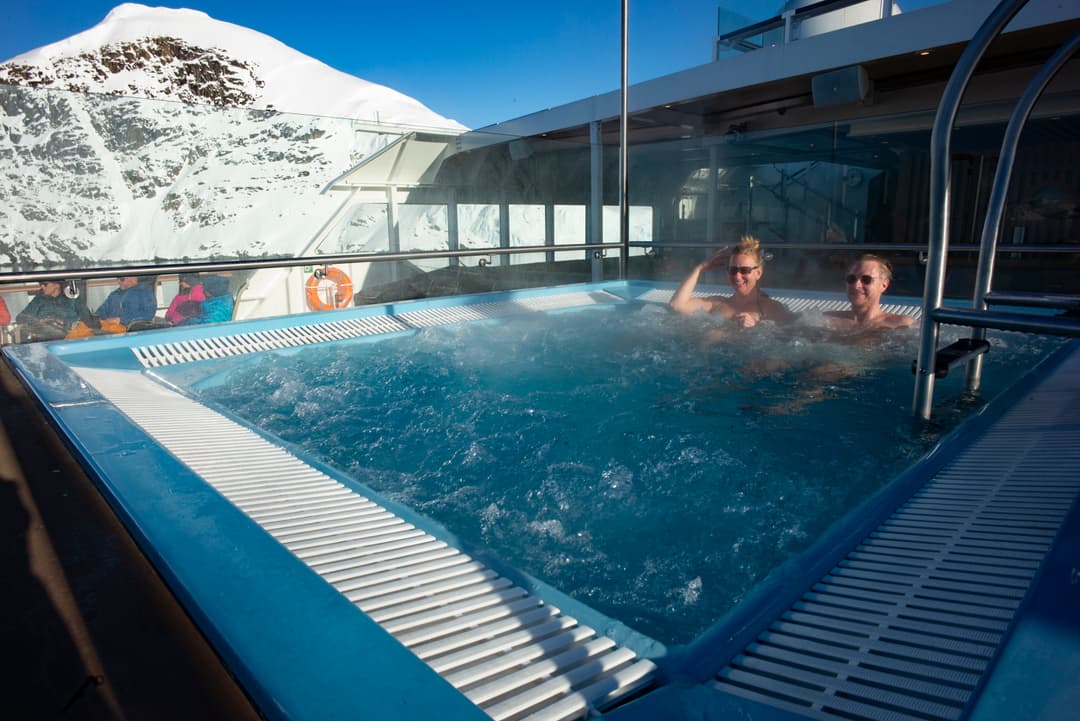




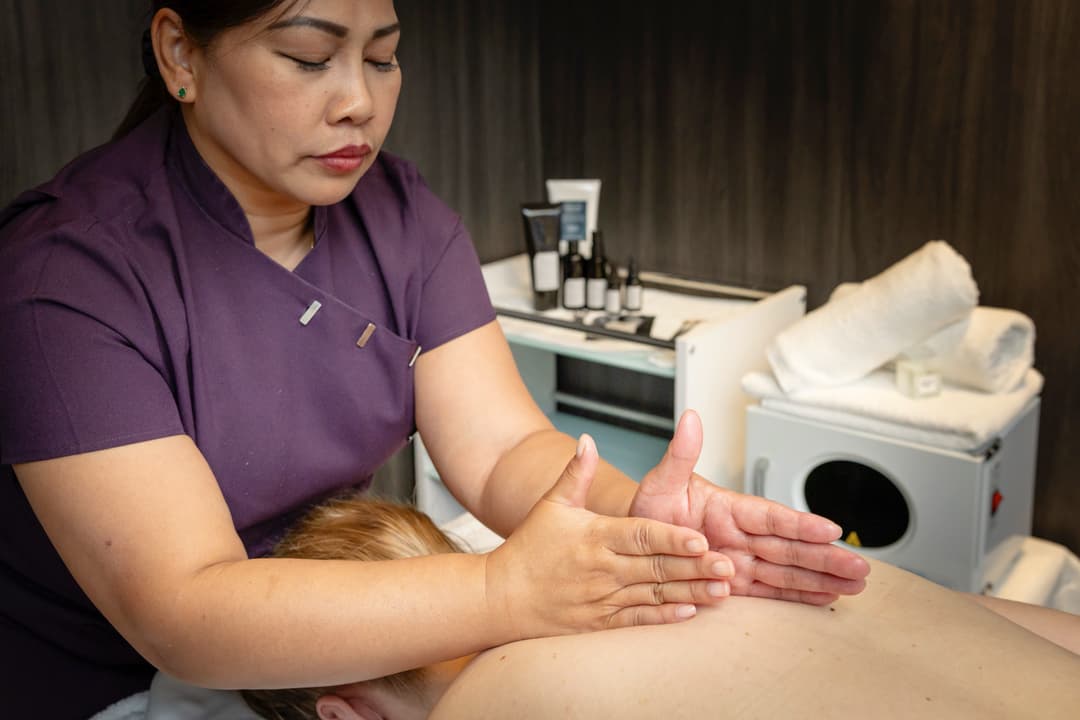
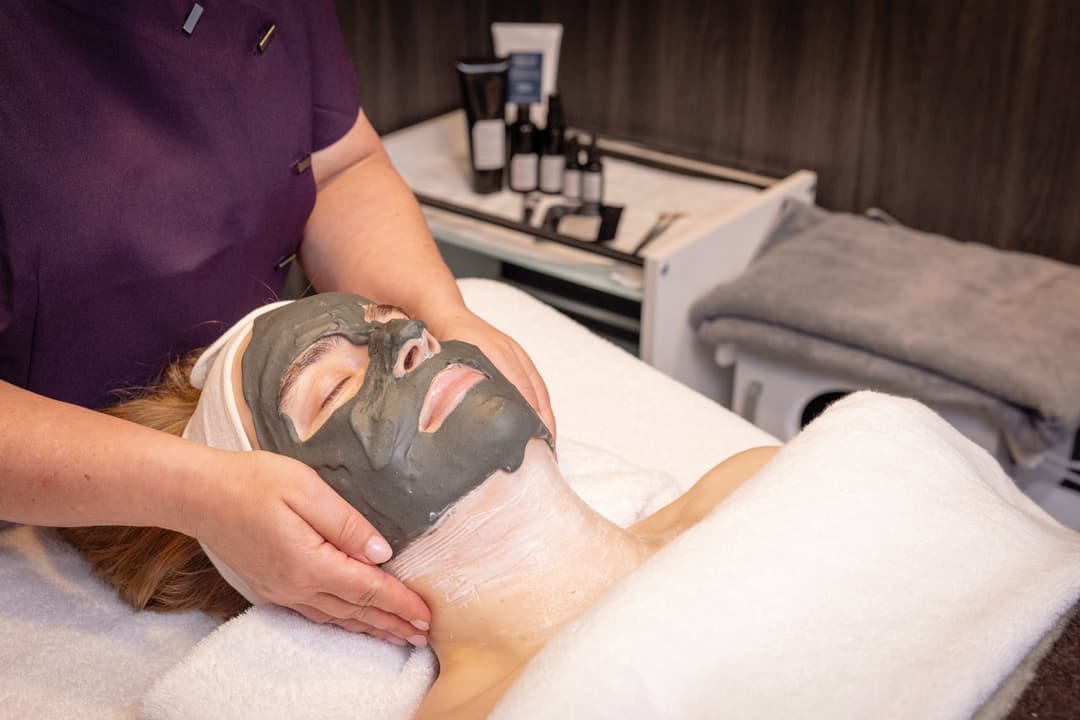




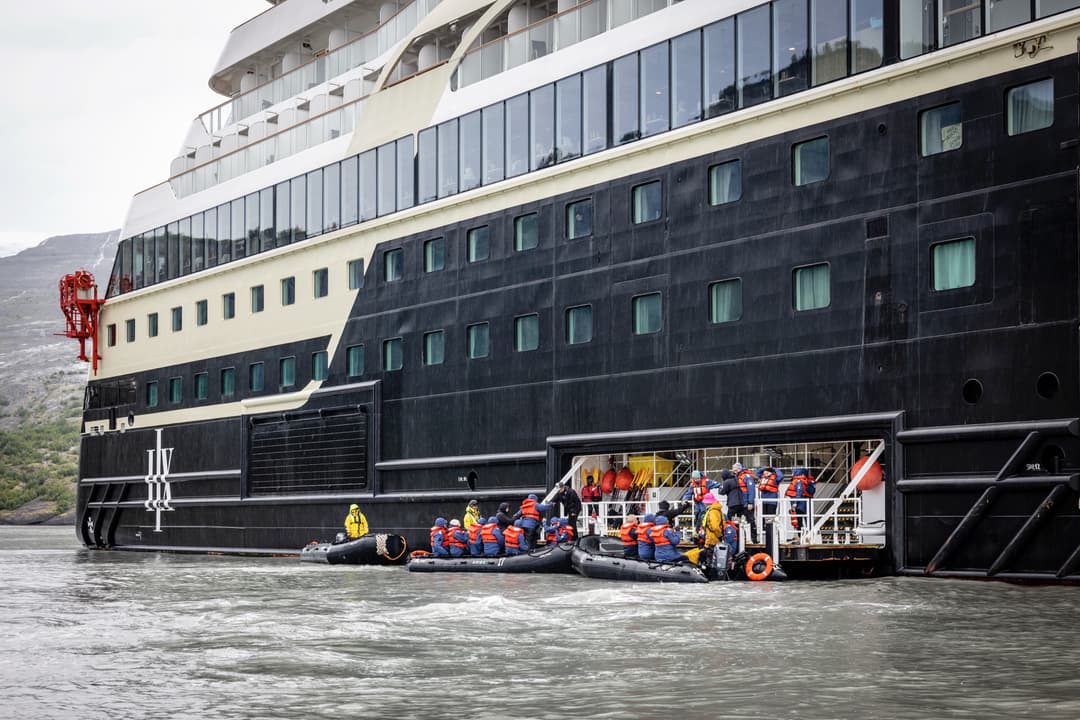
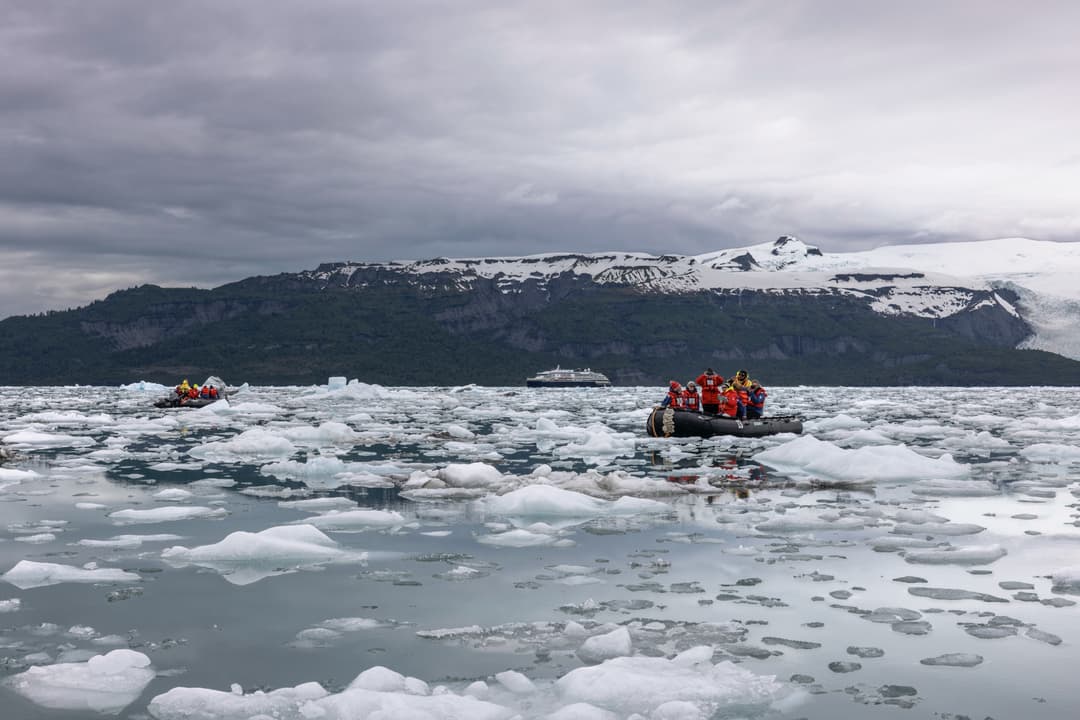
Our expedition ships – MS Roald Amundsen, MS Fridtjof Nansen, MS Fram, MS Spitsbergen, MS Santa Cruz II – are more than just a way to travel - they’re your home in the heart of the wild. Instead of an onboard casino, we have the Science Centre. Instead of cabaret shows, you have all the show you need outside the windows. No water slides, just kayaking trips or small-boat safaris along the coast in the Arctic, Antarctic, or the Galápagos.
The Science & Education program brings together like-minded individuals
Covering over 3/4 of the planet's surface, our oceans are vital in supporting human life on earth and are also home to over 90% of all known wildlife. Despite it influencing everything from our weather to transportation and yes, expedition cruises, very little is known about our blue planet.
This is where HX Expeditions and our fleet of small, state-of-the-....


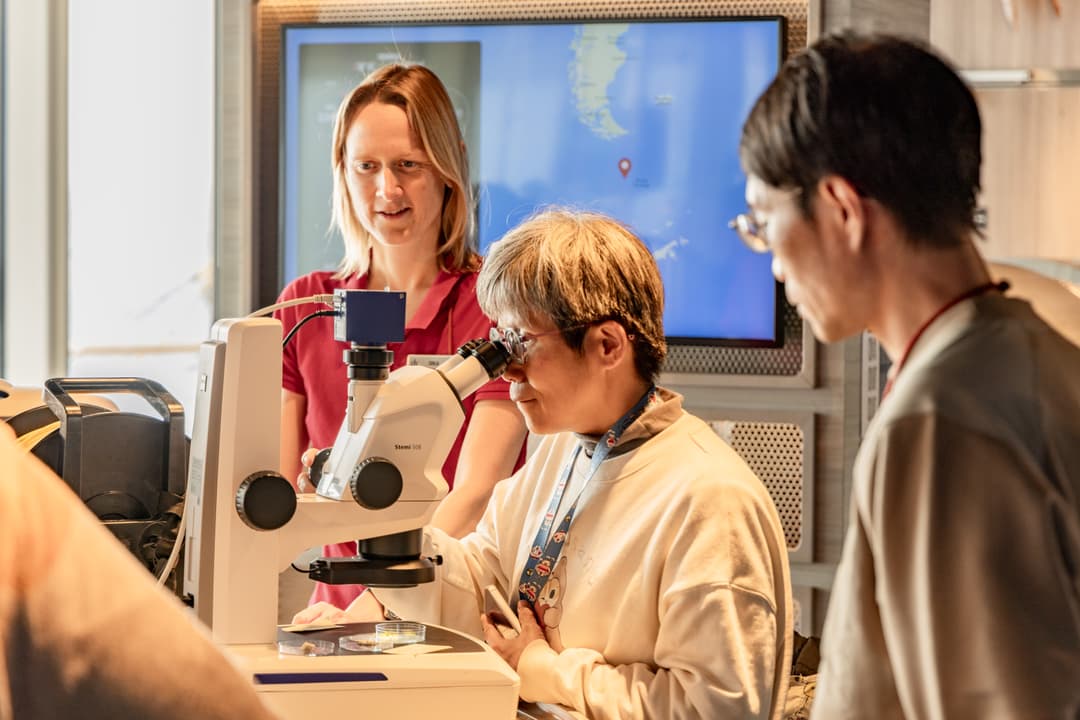


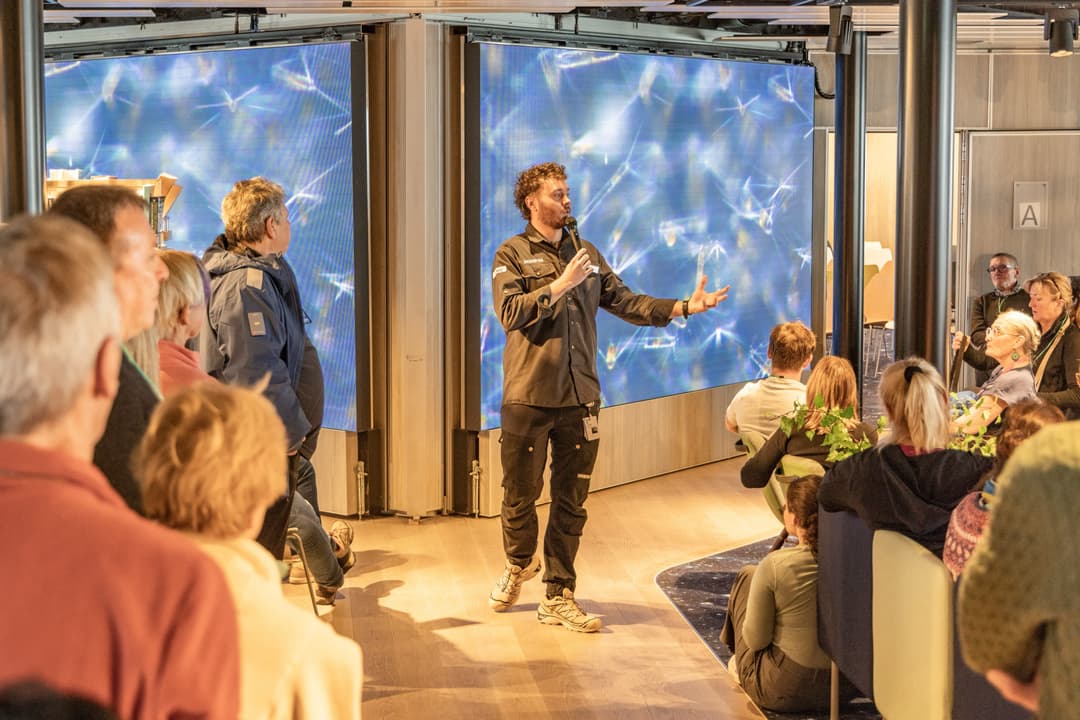
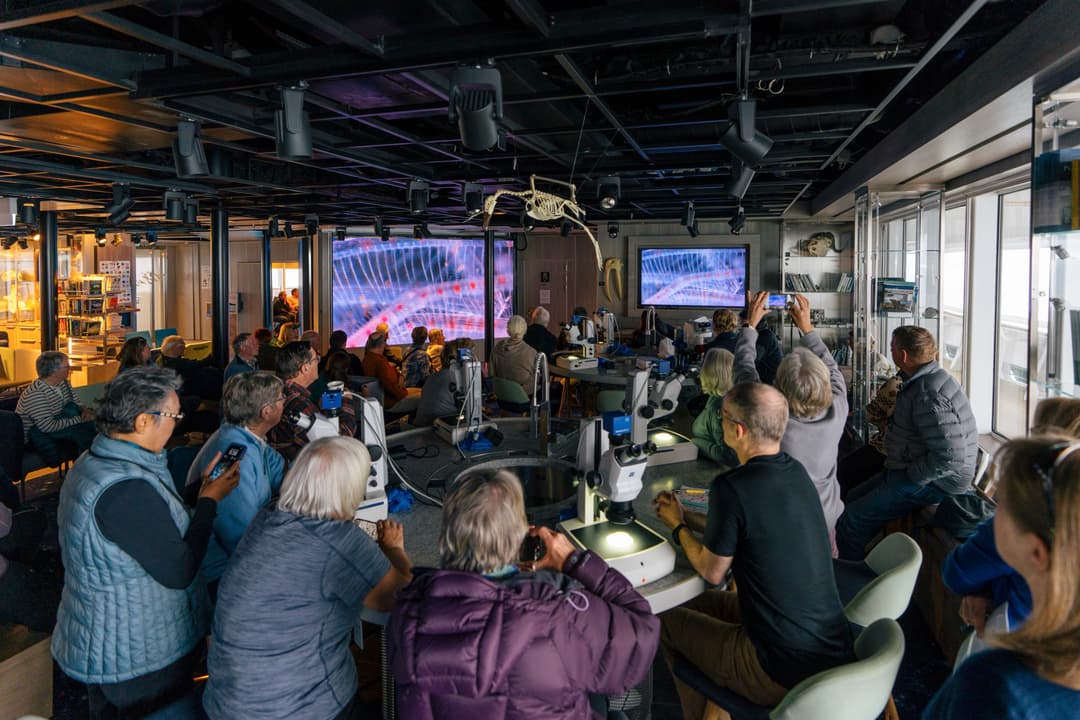
The onboard Expedition Team is composed of the Expedition Leader, the Assistant Expedition Leader, the Expedition Coordinator plus several lecturers and experts. Your Expedition Leader will regularly update you on the progress of the trip as well as the different points of interest and wildlife sightings that may occur. Biographies of the Expedition Team can be found on board. In the ships science center, you will be able to find information r....


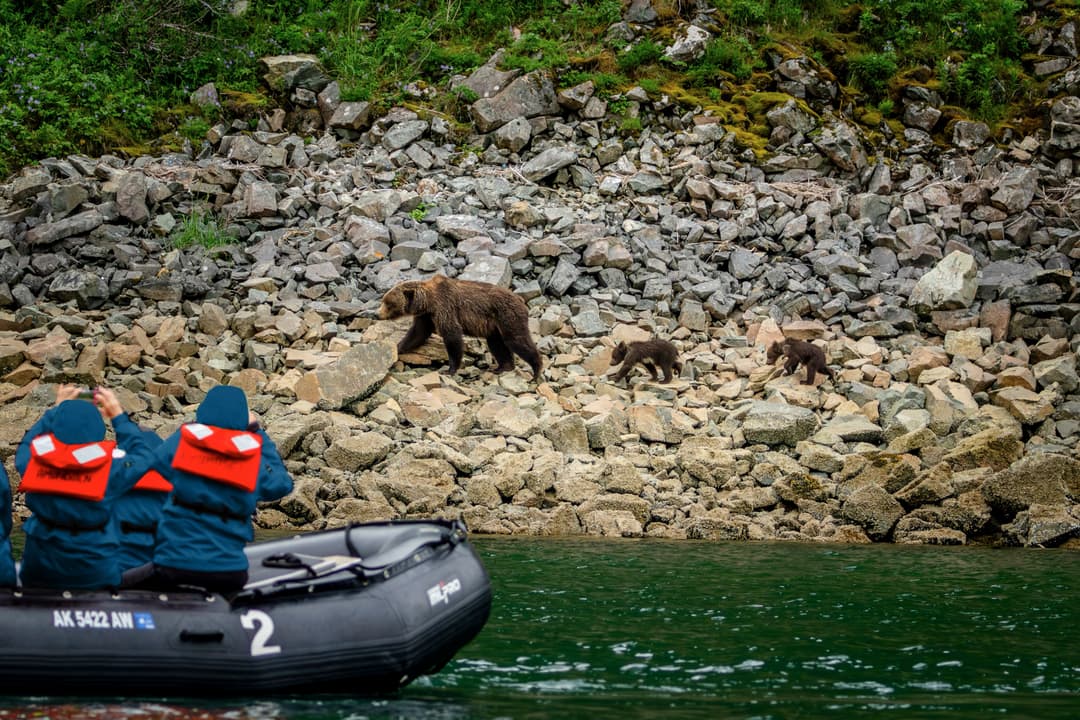

Let the participants reveal the adventurer they carry within, and get to know the spectacular surroundings by taking part in the excursions we offer. You can also take a brief break and join in one of the activities that take place on deck. This will recharge your batteries for the next session.
Take a break and fill all of your senses - storytelling about food and its traditions is a large part of the gastronomic experience on our ships....
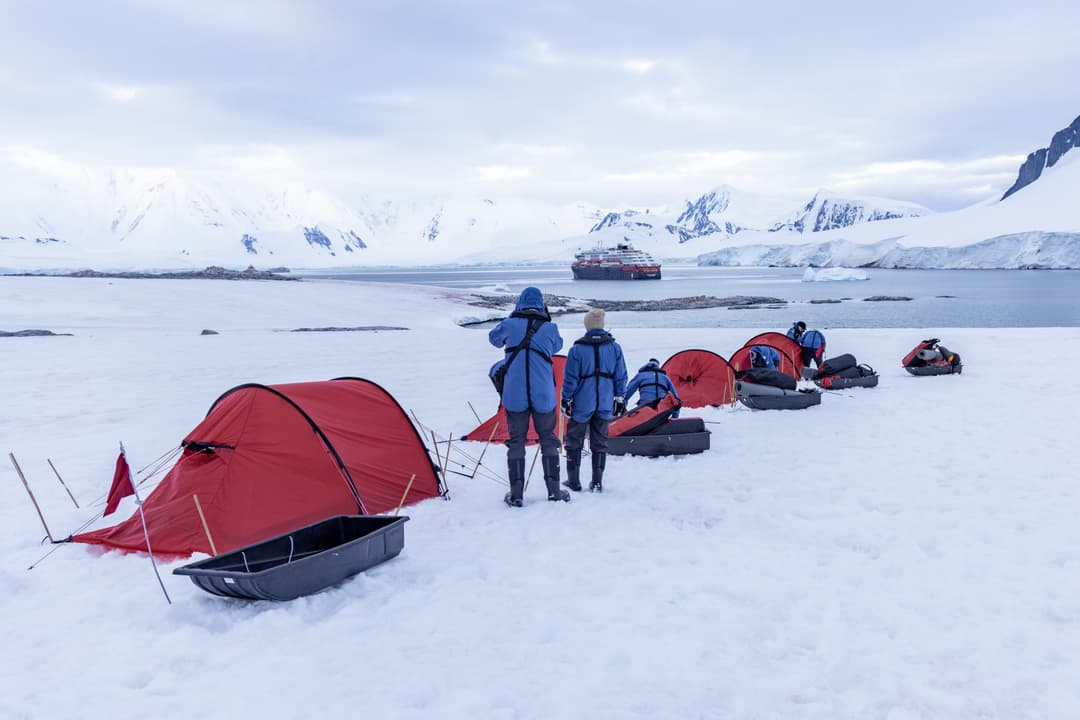
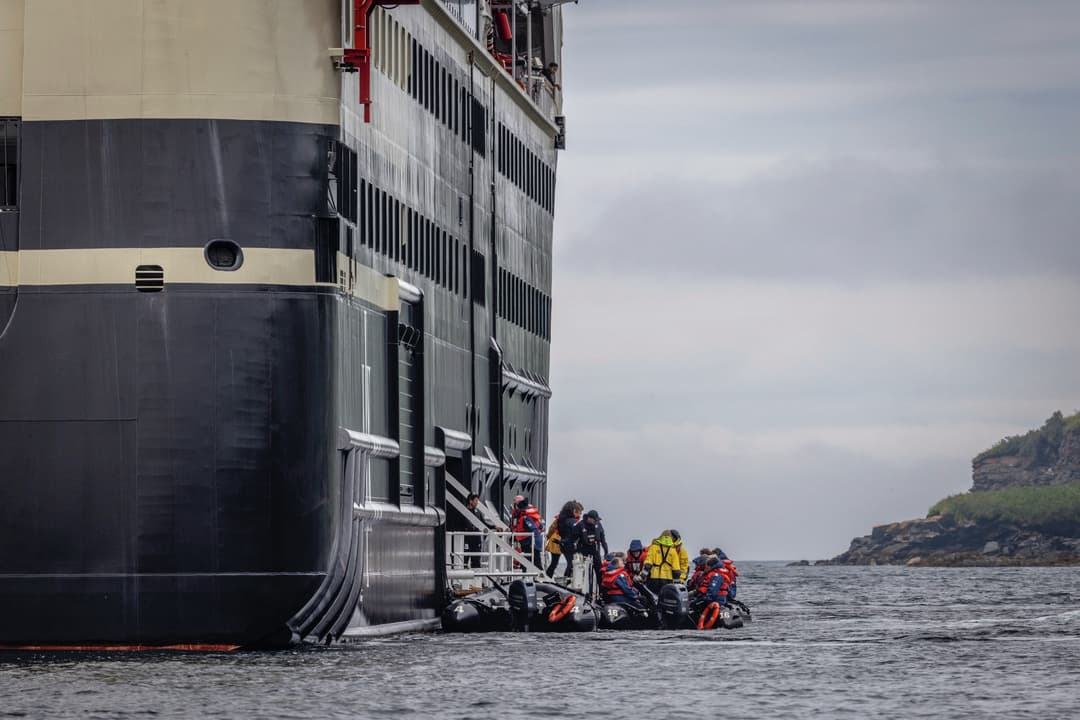
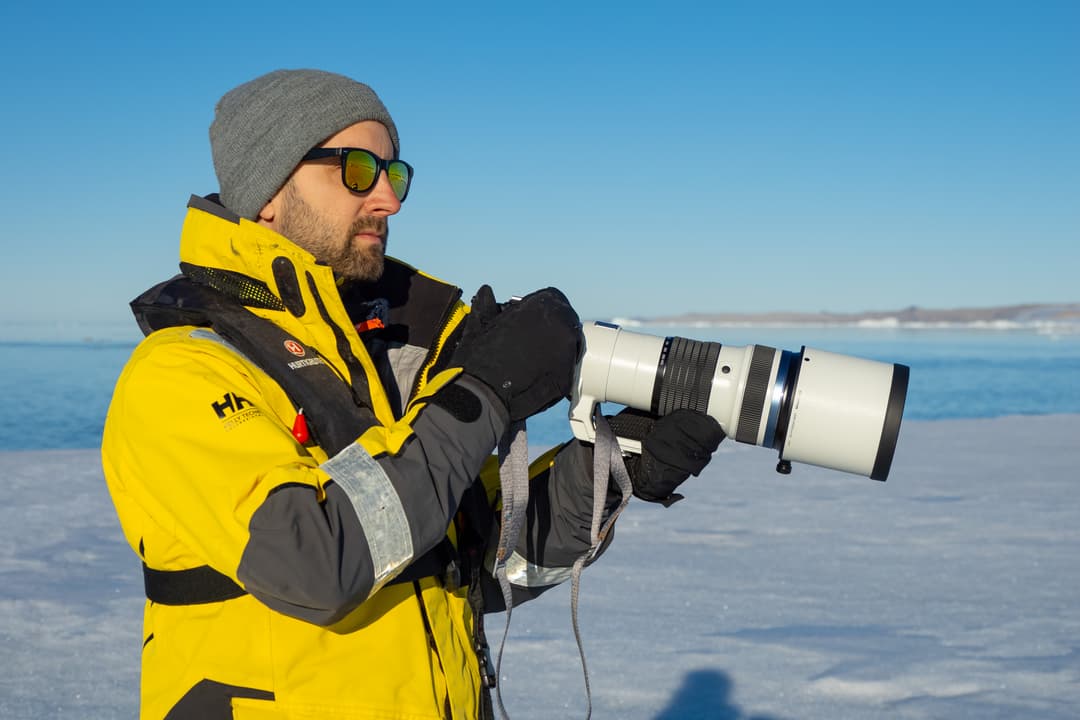
Our on board photographer will be there to assist guests in the use of their photo equipment and to help improve their photo skills. To enhance the experience of the places we explore, we use photography actively with our guests. Slideshow shared onboard before the end of the voyage and made available for all guests in an Expedition Logbook - including a selection of photos as well as the Daily Programs, Expedition Team biographies, Maps from ....
Loading...
Breakfast, lunch and dinner, every day: Indulge in anything your appetite desires across a huge list of delicious choices that almost rival the memories you’ll make off the ship. Start the day with an impressive buffet breakfast before moving onto a mouth-watering menu of à la carte choices later in the day. Of course, that includes house wine and beer and soft drinks.
A warm welcome to the sauna, hot tubs and more: Make so....
Due to the nature of expedition cruising, our voyages often take us far away from the resources and the facilities we are used to in day-to-day life. We recognise that disabilities and mobility issues can range in severity, and recommend all guests consider accompaniment by a companion if they need assistance, either on board or ashore, due to the environment, operations and the unique safety requirements found on an expedition ship.
We ....
Weather varies depending on your destination, but sturdy footwear for wet and dry landings is essential. We provide boots and trekking poles on certain expeditions, but you’re welcome to bring your own.
On-board
- Casual clothes – the dress code is relaxed and informal, even for dinners
- Comfortable flat shoes for everyday use while onboard. It can be slippery on deck, so we recommend shoes with a good grip
Our expedition ships feature a small onboard hospital essential equipment, and medication to handle small emergencies.. Every ship has an English-speaking medical team with a doctor and at least one nurse, supported 24/7 by dedicated land-based experts.
In the event of a serious emergency, the nearest hospital will be contacted. Medical consultations as well as medicines will be charged to the passenger affected. All guests must have per....
Everything you need to know about your cruise, including your bookings, daily programme, restaurants and services on board and essential information about available excursions is at hand at any time.
What have I booked?
Take a look at My bookings to explore the excursions you have booked and prepare for your adventure accordingly with practical tips.
What's happening today?
The daily programme helps you to....