

CRUISE ID # LINDBLADVETOIP-270426
Seattle, Washington TO Juneau, Alaska
$7,800
WITH SPECIAL SAVINGS APPLIED
FARES SHOWN ARE PER GUEST
Suites & Fares
CHOOSE START DATE
: April 26, 2027
Itinerary
Seattle is a scenic seaport city in western Washington, situated on an isthmus between Puget Sound to the west and Lake Washington to the east. It is the largest city in Washington. Five pioneer families from Illinois first settled the area in 1851, and named the town after a friendly Suquamish Indian chief. It was incorporated as a city in 1869, and grew quickly after the Great Northern Railway arrived in 1893, especially during the Alaska Gold Rush of 1897. When the Panama Canal opened in 1914, Seattle became a major Pacific port of entry, and today it is the region's commercial and transportation hub and the centre of manufacturing, trade, and finance, with an estimated 684,451 residents as of 2015.
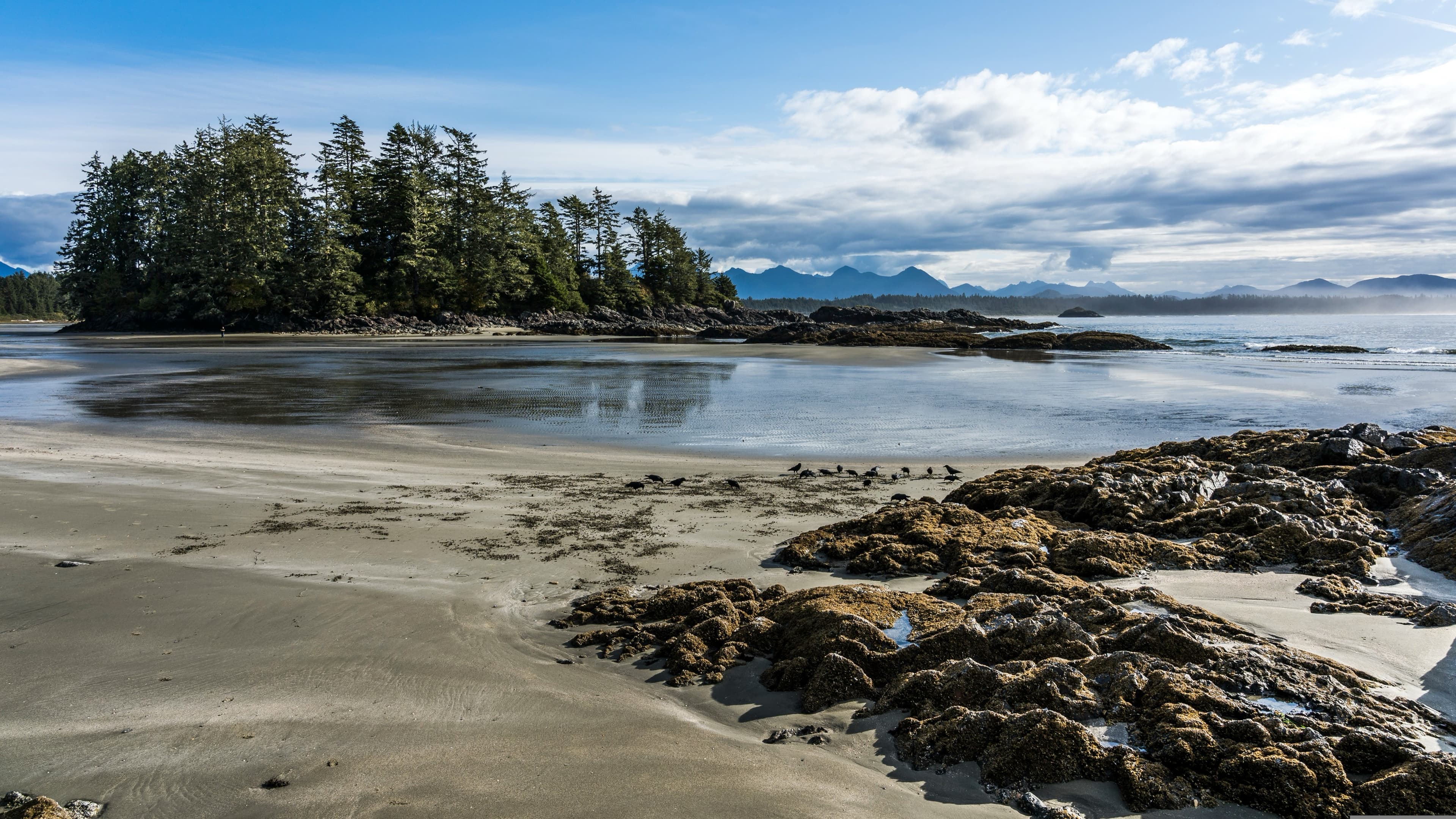
Visit the more remote of the San Juan Islands, an archipelago in northern Washington State perfect for kayaking, exploring by Zodiac and hiking. Walks with your expert staff will familiarize you with the natural and cultural history of the rugged northwest coast region.
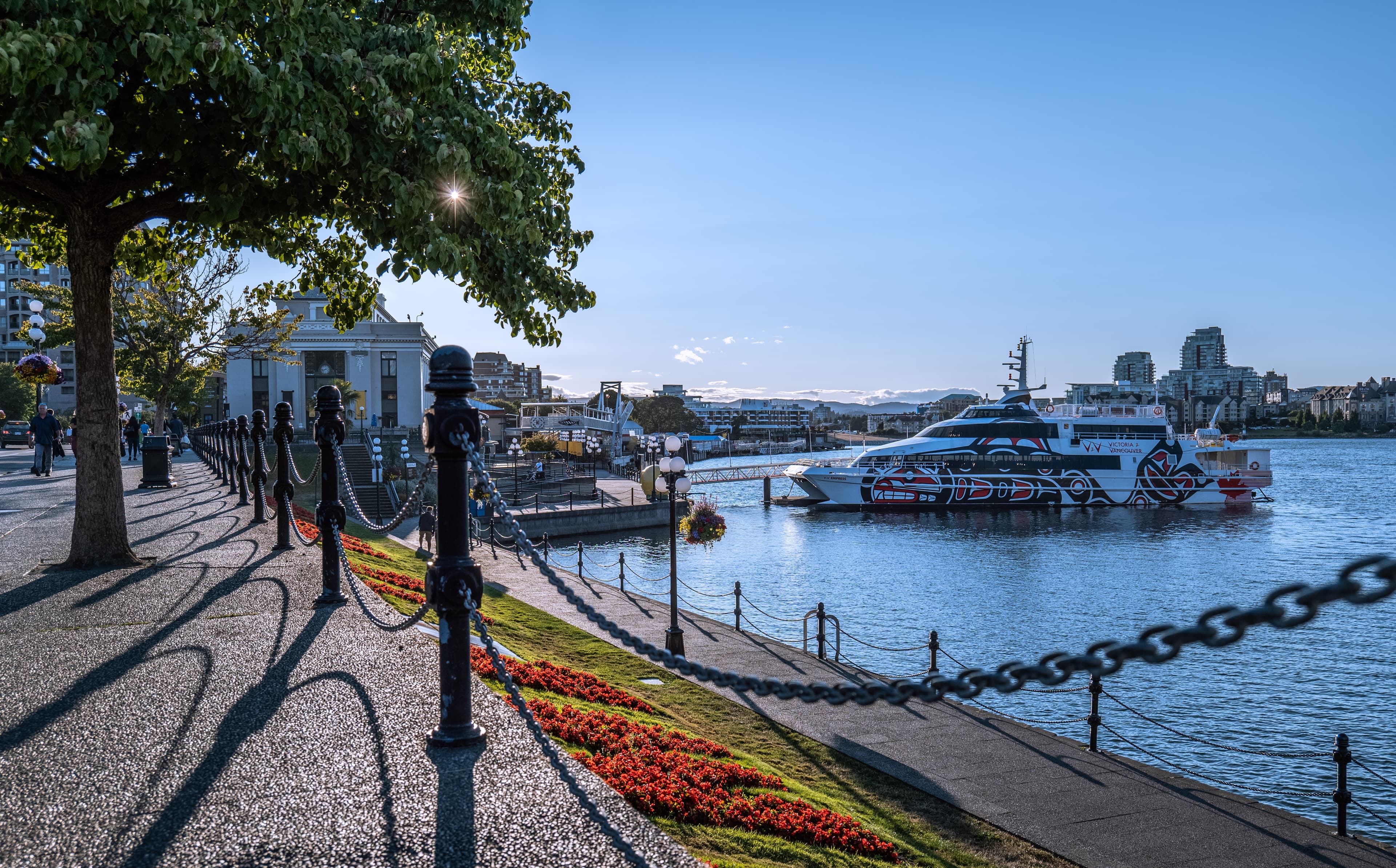
Victoria, the capital of a province whose license plates brazenly label it "The Best Place on Earth," is a walkable, livable seaside city of fragrant gardens, waterfront paths, engaging museums, and beautifully restored 19th-century architecture. In summer, the Inner Harbour—Victoria's social and cultural center—buzzes with visiting yachts, horse-and-carriage rides, street entertainers, and excursion boats heading out to visit pods of friendly local whales. Yes, it might be a bit touristy, but Victoria's good looks, gracious pace, and manageable size are instantly beguiling, especially if you stand back to admire the mountains and ocean beyond. At the southern tip of Vancouver Island, Victoria dips slightly below the 49th parallel. That puts it farther south than most of Canada, giving it the mildest climate in the country, with virtually no snow and less than half the rain of Vancouver. The city's geography, or at least its place names, can cause confusion. Just to clarify: the city of Victoria is on Vancouver Island (not Victoria Island). The city of Vancouver is on the British Columbia mainland, not on Vancouver Island. At any rate, that upstart city of Vancouver didn't even exist in 1843 when Victoria, then called Fort Victoria, was founded as the westernmost trading post of the British-owned Hudson's Bay Company. Victoria was the first European settlement on Vancouver Island, and in 1868 it became the capital of British Columbia. The British weren't here alone, of course. The local First Nations people—the Songhees, the Saanich, and the Sooke—had already lived in the areas for thousands of years before anyone else arrived. Their art and culture are visible throughout southern Vancouver Island. You can see this in private and public galleries, in the totems at Thunderbird Park, in the striking collections at the Royal British Columbia Museum, and at the Quw'utsun'Cultural and Conference Centre in nearby Duncan. Spanish explorers were the first foreigners to explore the area, although they left little more than place names (Galiano Island and Cordova Bay, for example). The thousands of Chinese immigrants drawn by the gold rushes of the late 19th century had a much greater impact, founding Canada's oldest Chinatown and adding an Asian influence that's still quite pronounced in Victoria's multicultural mix. Despite its role as the provincial capital, Victoria was largely eclipsed, economically, by Vancouver throughout the 20th century. This, as it turns out, was all to the good, helping to preserve Victoria's historic downtown and keeping the city largely free of skyscrapers and highways. For much of the 20th century, Victoria was marketed to tourists as "The Most British City in Canada," and it still has more than its share of Anglo-themed pubs, tea shops, and double-decker buses. These days, however, Victorians prefer to celebrate their combined indigenous, Asian, and European heritage, and the city's stunning wilderness backdrop. Locals do often venture out for afternoon tea, but they're just as likely to nosh on dim sum or tapas. Decades-old shops sell imported linens and tweeds, but newer upstarts offer local designs in hemp and organic cotton. And let's not forget that fabric prevalent among locals: Gore-Tex. The outdoors is ever present here. You can hike, bike, kayak, sail, or whale-watch straight from the city center, and forests, beaches, offshore islands, and wilderness parklands lie just minutes away. A little farther afield, there's surfing near Sooke, wine touring in the Cowichan Valley, and kayaking among the Gulf Islands.
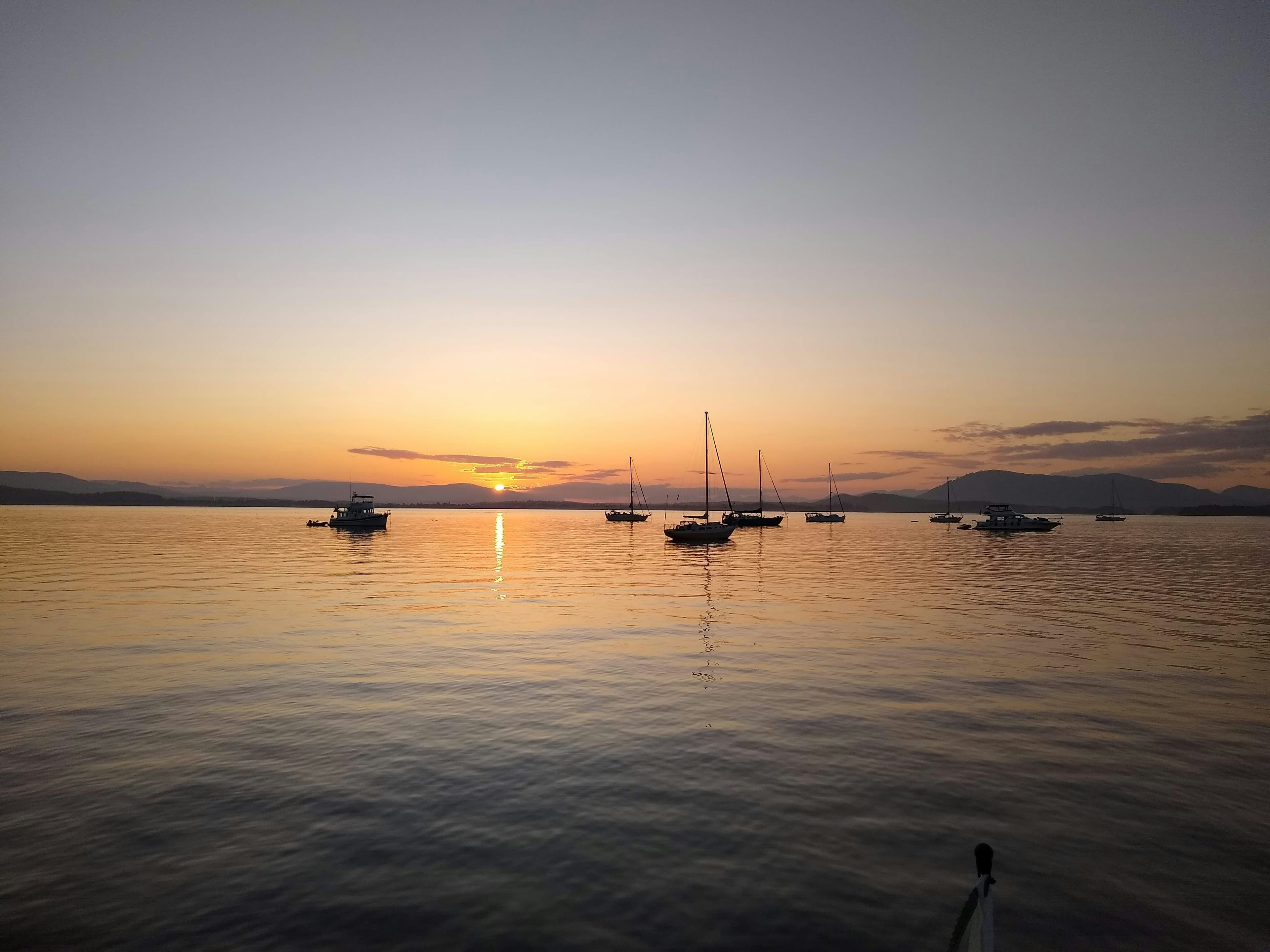
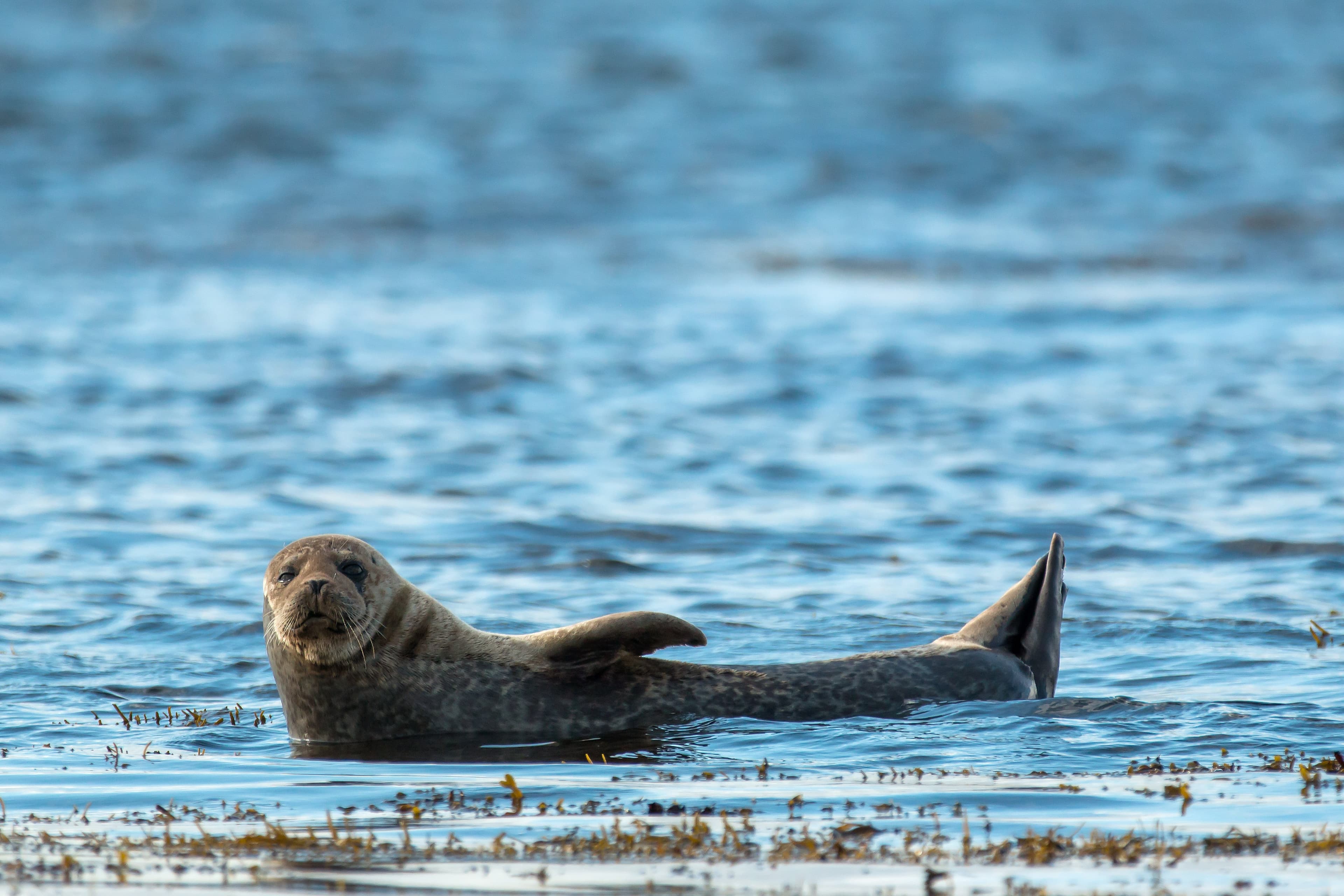
Located in the Strait of Georgia, between the mainland of British Columbia and Vancouver Island, the Gulf Islands are a nature lover's paradise. Explore the myriad islets and rocky coasts, and keep an eye out for harbor seals and an array of seabirds, shorebirds and birds of prey.
Alert Bay is a small village on Cormorant Island, with approximately 1,300 residents. More than half are First Nations people. The settlement was named in 1860 in honour of the Royal Navy ship HMS Alert, which conducted survey operations in the area. The traditional Kwakwaka’wakw people of Alert Bay have endured a difficult history of devastating foreign diseases and failed government policies of assimilation. Today there is a revival of their traditions. One of the most well-known features in Alert Bay is the 173 foot wooden carved totem pole, claimed by some to be the tallest totem pole in the world.
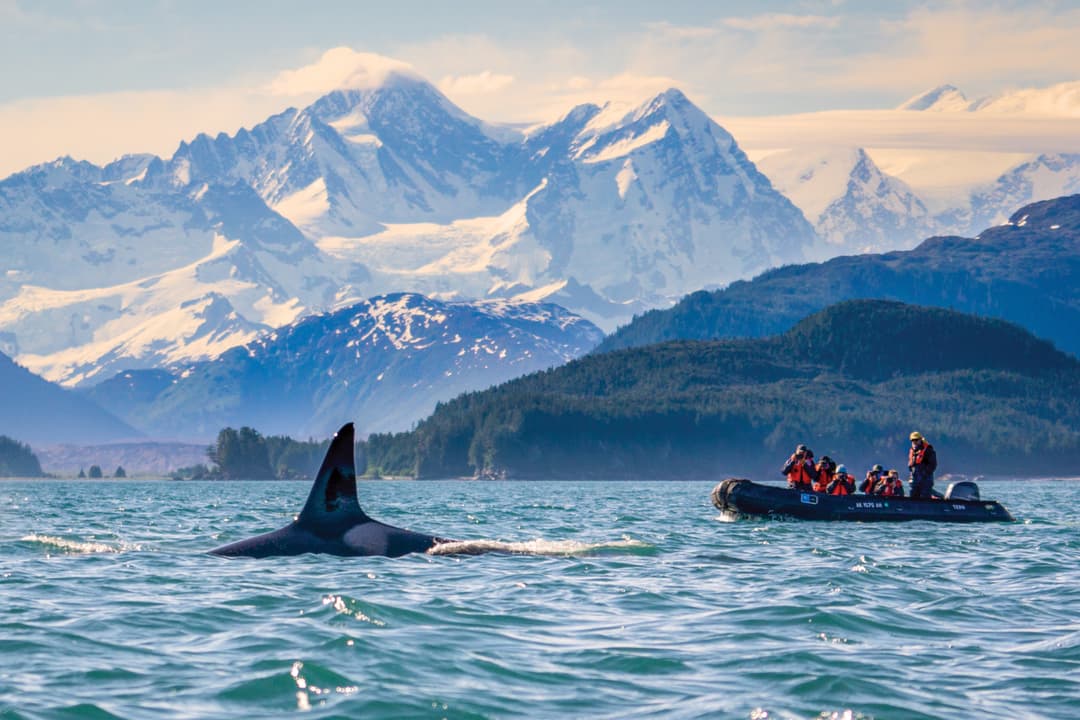
Cruise northward along the pristine coastline in search of whales, dolphins, bears, deer and other wildlife. Go ashore to explore or kayak among the many bays and inlets.
Rudyerd Bay is one of the highlights of the Misty Fiords, 40 miles east of Ketchikan, along the Inside Passage. This fjord cuts through steep-sided mountainous terrain and extends far into the mainland. The scenery is stunning, with dramatic thousand-foot waterfalls plunging down rainforest covered cliffs to the water below.
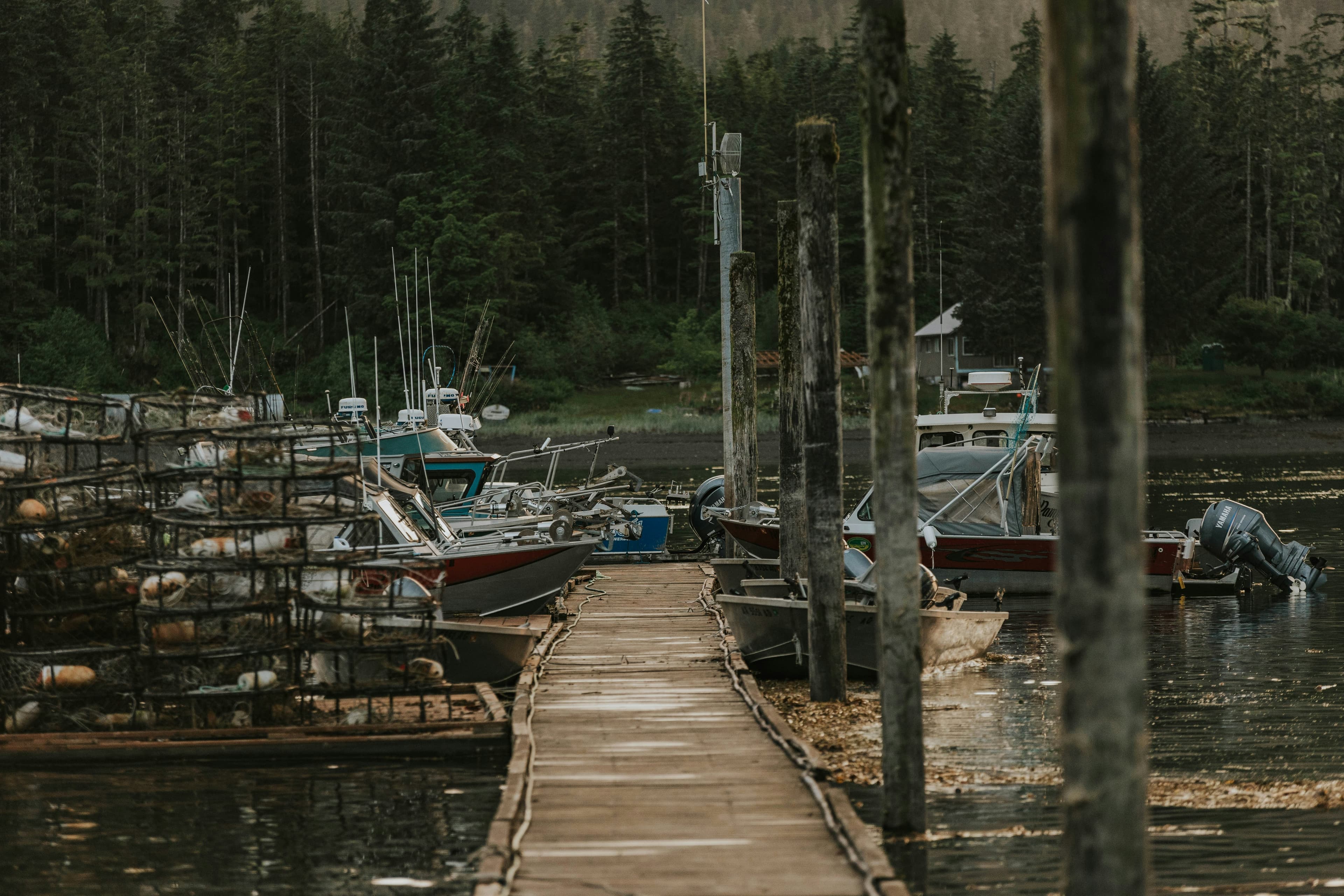
Petersburg lies on the northern end of Mitkof Island, in the Inside Passage, on the banks of Frederick Sound where it joins the Wrangell Narrows. It is halfway between Juneau, 120 mi to the north, and Ketchikan 110 mi to the south. Remnants of fish traps and ancient petroglyphs indicate that this area was used by the Tlingit people as a summer fish camp. For more than 1,000 years In 1897 Peter Buschmann, a Norwegian immigrant, settled here. The place was named Petersburg after him, and was incorporated as a town in 1910. It flourished as a fishing port, and even today, it remains an island community that makes its living from the sea. It is the largest home-based halibut fleet in Alaska, and is ranked the 15th-most lucrative fisheries port in the United States by volume.
Spend a full day kayaking, hiking, and searching for bubble-net feeding or breaching humpback whales.
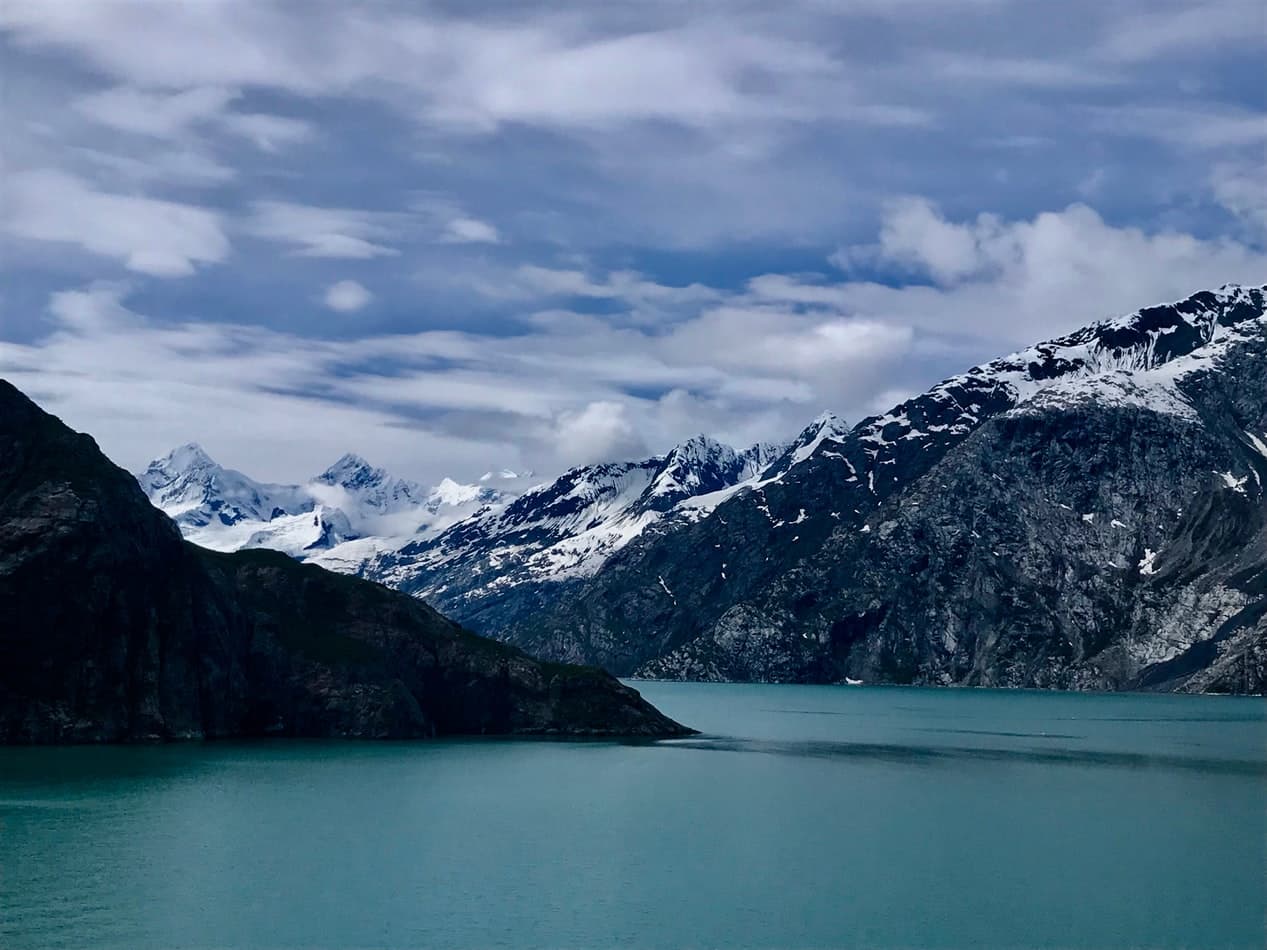
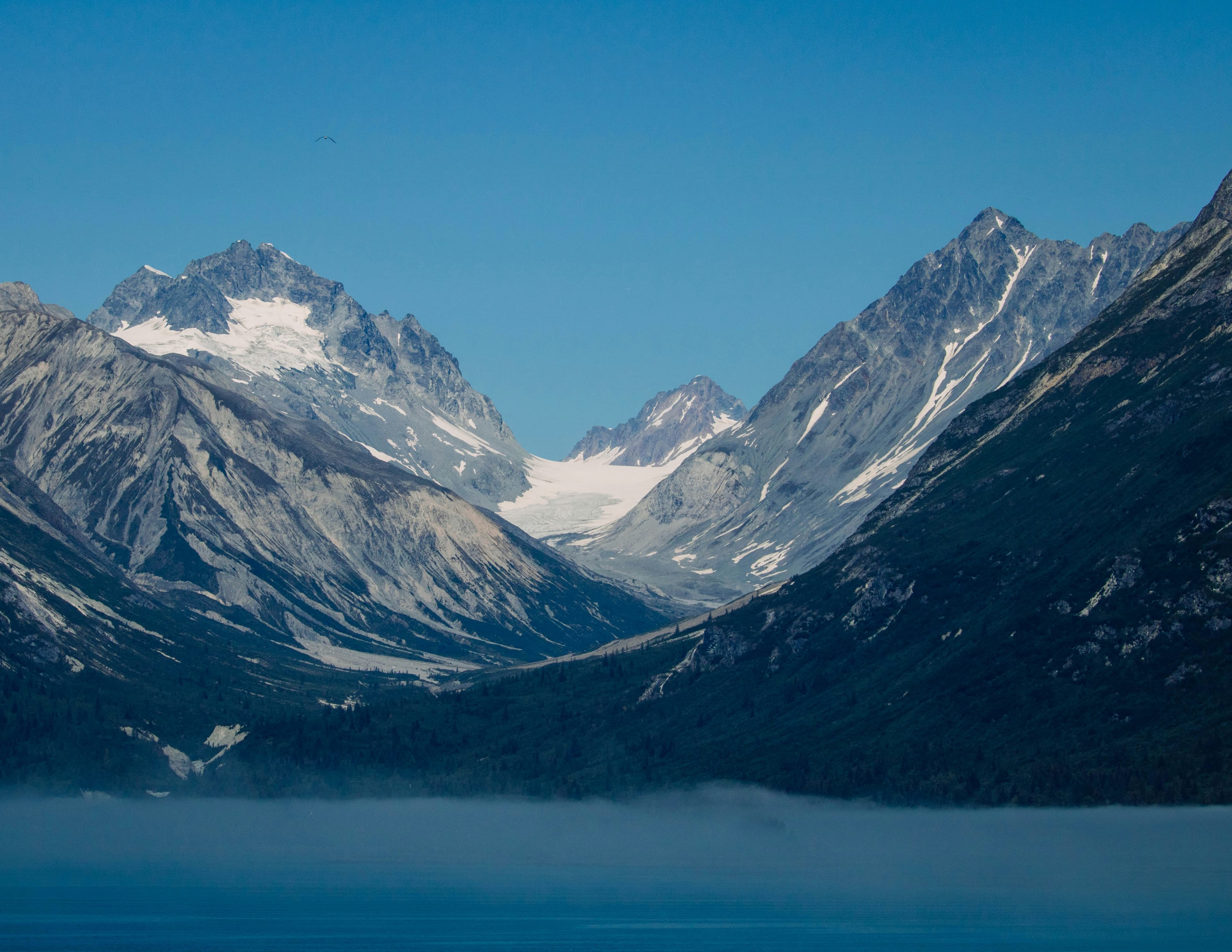
Located in Southeast Alaska, west of the capital city of Juneau, Glacier Bay is a beautiful National Park full of snow capped mountains, tidewater glaciers and wildlife. Experience wildlife in all its beauty from boat trips for whale watching and hiking through the trails of the Park. It is a protected area full of wonder to be explored.
The Inian Islands are a collection of half a dozen small, rocky islands located at the Pacific Ocean at the end of the Icy Strait. The islands possess a particularly rich ecosystem, on land as in the sea with Steller sea lions, Tridactyl gulls, cormorants and sea otters calling the Inian Island home which you can explore further with a Zodiac® outing.
Since Icy Strait Point opened in 2004, Hoonah has attracted more visitors, particularly those who arrive by cruise ship. The port is centered around the restored salmon cannery, which now houses a museum, local arts and crafts shops, restaurants, and a mid-1930s cannery line display. Outside is the world’s largest and highest zip line at 5,330 feet long, featuring a 1,300-foot vertical drop—a thrilling ride with fantastic views of the surrounding mountains and ocean. If you're looking for more relaxing mountaintop views, book a gondola ride that will whisk you up into the mountains for some leisurely hiking and stellar sightseeing. Icy Strait Point houses several restaurants where visitors can dine on freshly caught seafood while taking in the waterfront views. A range of excursions are available at Icy Strait Point catering primarily to cruise ship passengers, from Alaska Native dance performances to bear viewing and whale watching.
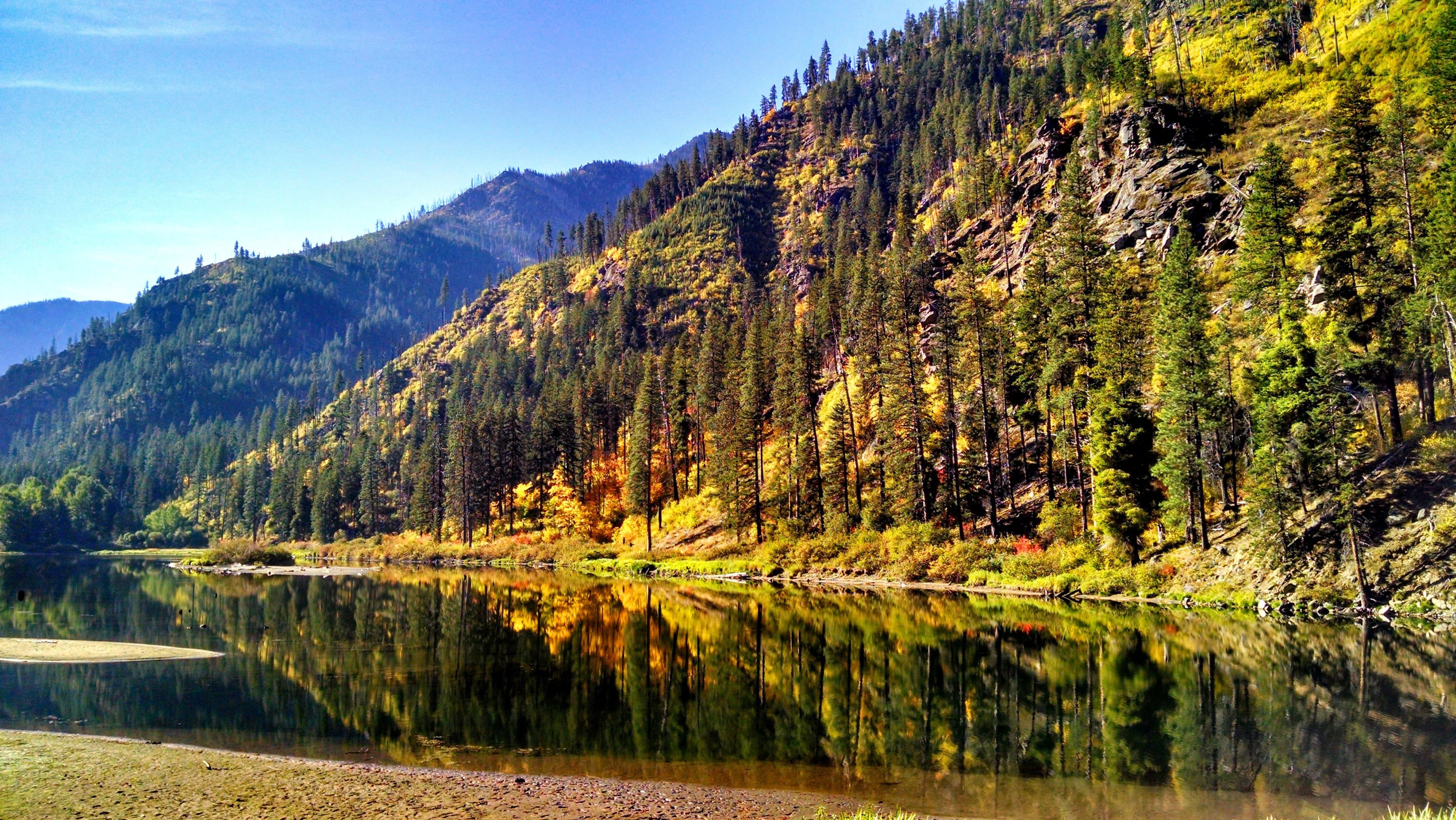
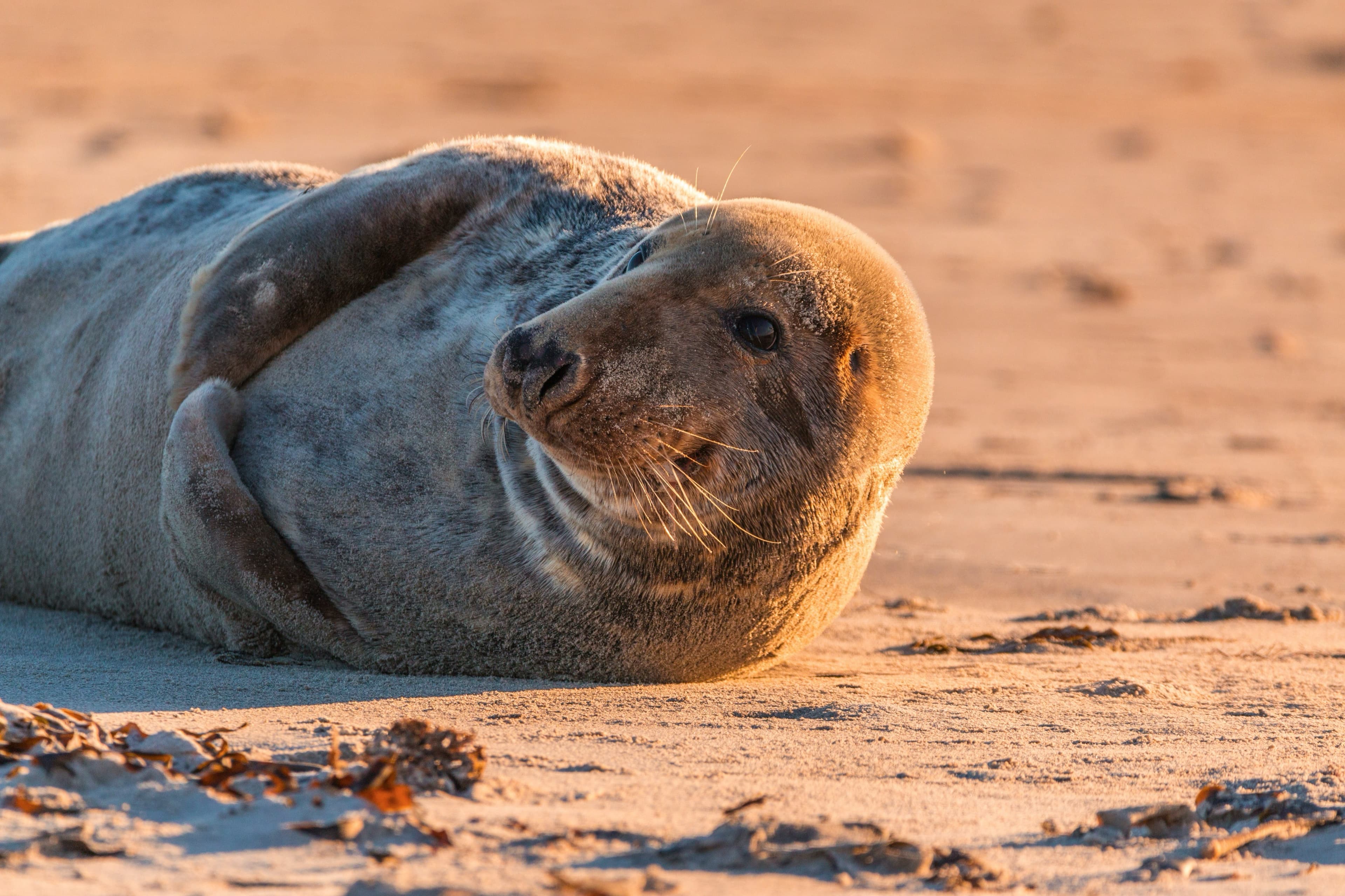
As part of the Tracy Arm-Fords Terror Wilderness, Tracy Arm is within the Tongass National Forest. Tracy Arm is one of Alaska’s classic fjords. At the end of the narrow and almost 50 km long fjord, passing breathtaking mountains, steep cliffs and spectacular waterfalls, one can see the twin Sawyer Glaciers, South Sawyer and North Sawyer, active tidewater glaciers. Wildlife of the area includes whales, harbor seals, eagles, kittiwakes, Arctic Terns and Pigeon Guillemots.
Juneau, Alaska's capital and third-largest city, is on the North American mainland but can't be reached by road. Bounded by steep mountains and water, the city’s geographic isolation and compact size make it much more akin to an island community such as Sitka than to other Alaskan urban centers, such as Fairbanks or Anchorage. Juneau is full of contrasts. Its dramatic hillside location and historic downtown buildings provide a frontier feeling, but the city's cosmopolitan nature comes through in fine museums, noteworthy restaurants, and a literate and outdoorsy populace. The finest of the museums, the Alaska State Museum, is scheduled to reopen in May 2016 on its old site as the expanded Alaska State Library, Archives, and Museum (SLAM) following several years of planning and exhibit research. Another new facility, the Walter Soboleff Center, offers visitors a chance to learn about the indigenous cultures of Southeast Alaska–-Tlingit, Haida, and Tsimshian. Other highlights include the Mt. Roberts Tramway, plenty of densely forested wilderness areas, quiet bays for sea kayaking, and even a famous drive-up glacier, Mendenhall Glacier. For goings-on, pick up the Juneau Empire (www.juneauempire.com), which keeps tabs on state politics, business, sports, and local news.
About the Ship
Name
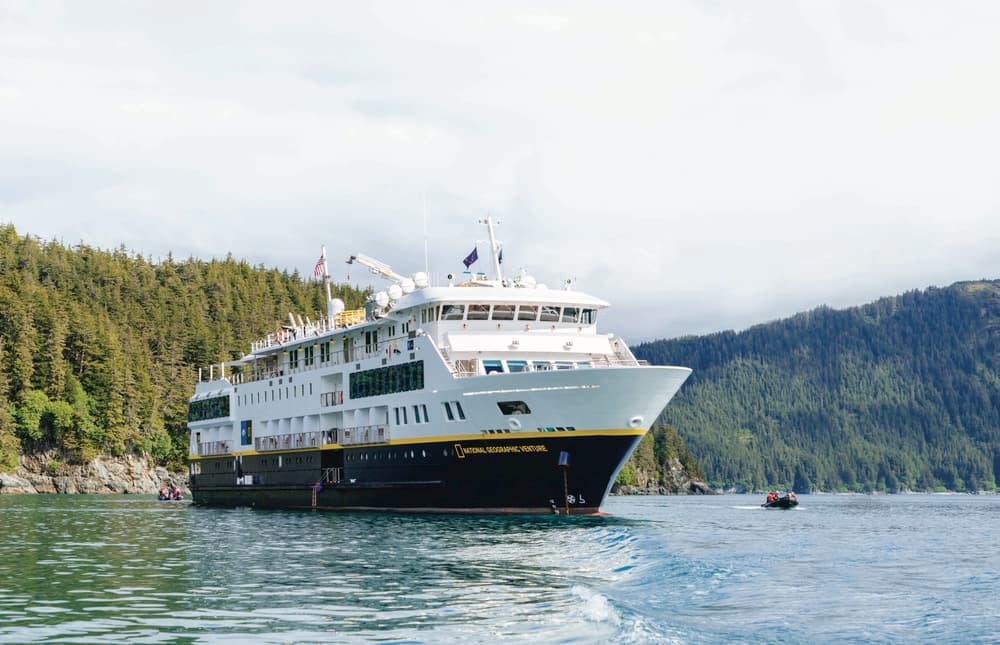
National Geographic Venture
Operator
National Geographic - Lindblad Expeditions

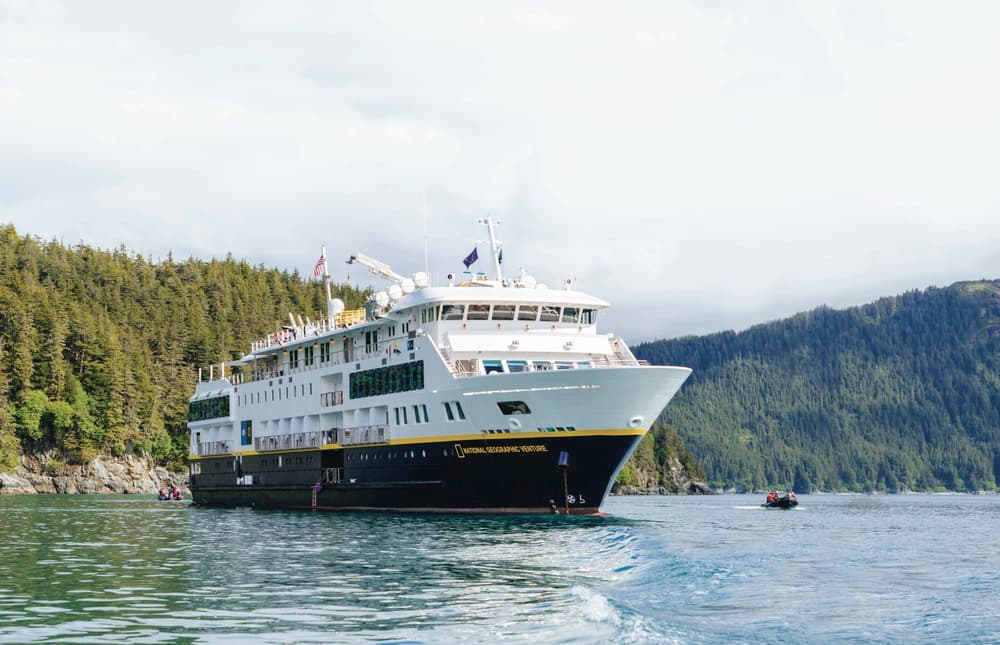
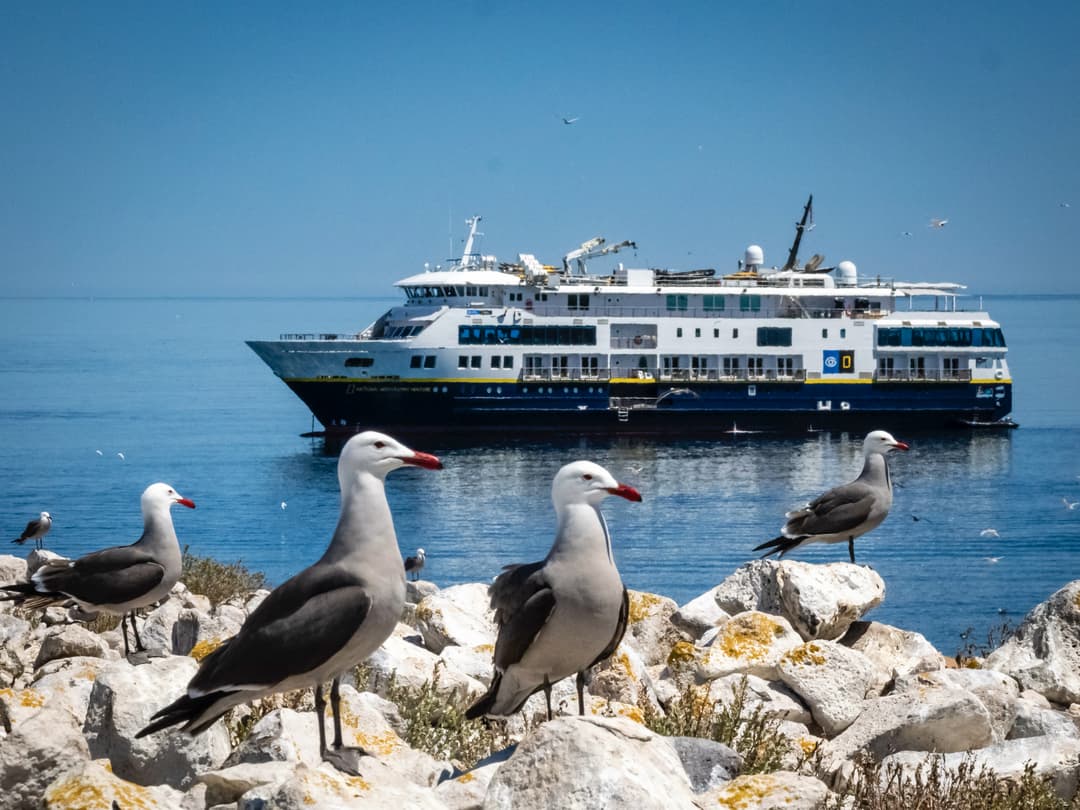
Following the build of National Geographic Quest at Nichols Brothers shipyard, her sister ship, the 100-guest National Geographic Venture, floated into the bay on Whidbey Island, becoming the fourth ship in the National Geographic-Lindblad Expeditions fleet built at this storied Pacific Northwest shipyard. In the 1970s, Nichols Brothers built the twin ships National Geographic Sea Bird and National Geographic Sea Lion, which continue to sail the waters of the west coast of North America and Central America.
Loading...
Meals are served in the dining room at a single seating with unassigned tables for an informal atmosphere and easy mingling. Menus feature sustainable choices, local where possible.
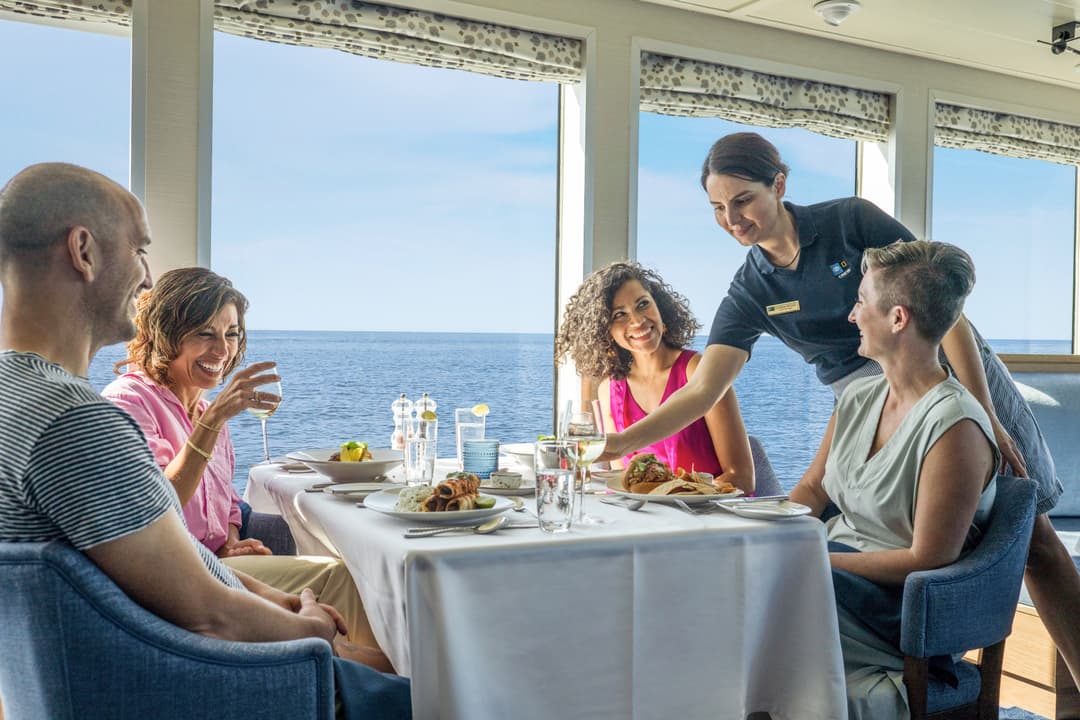
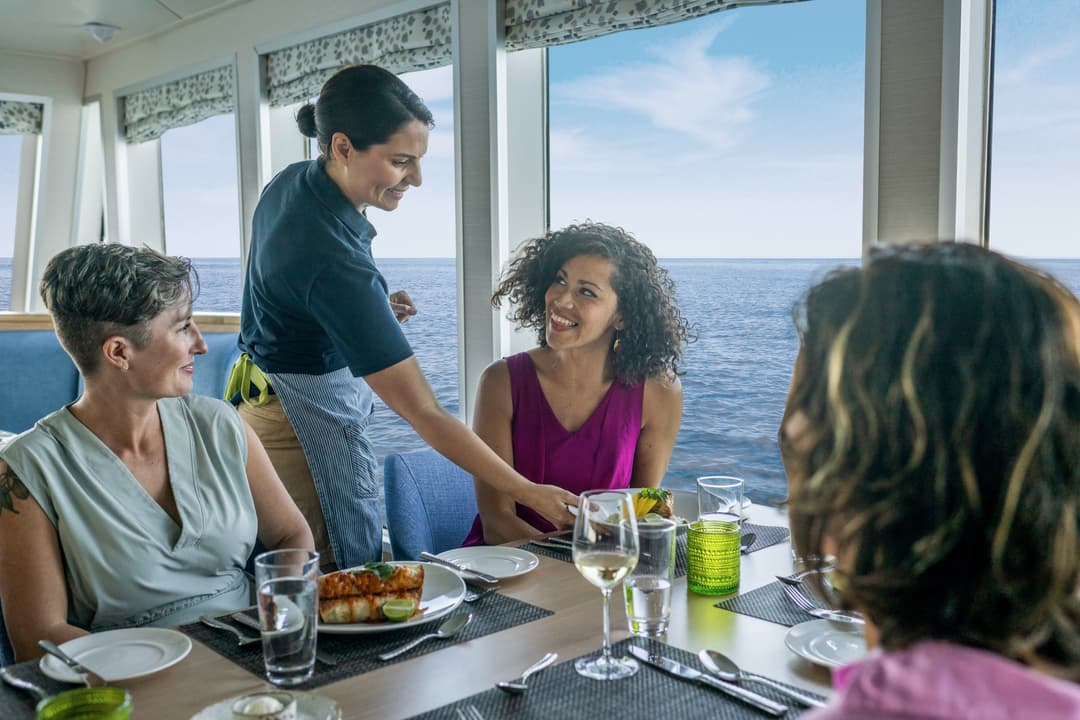
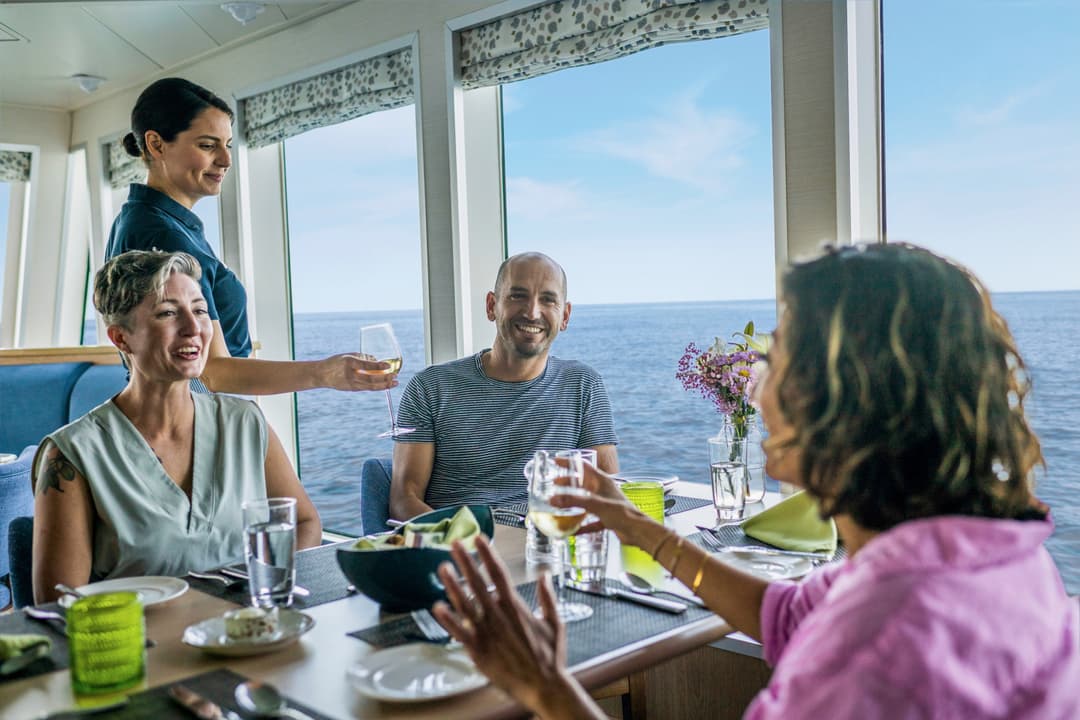
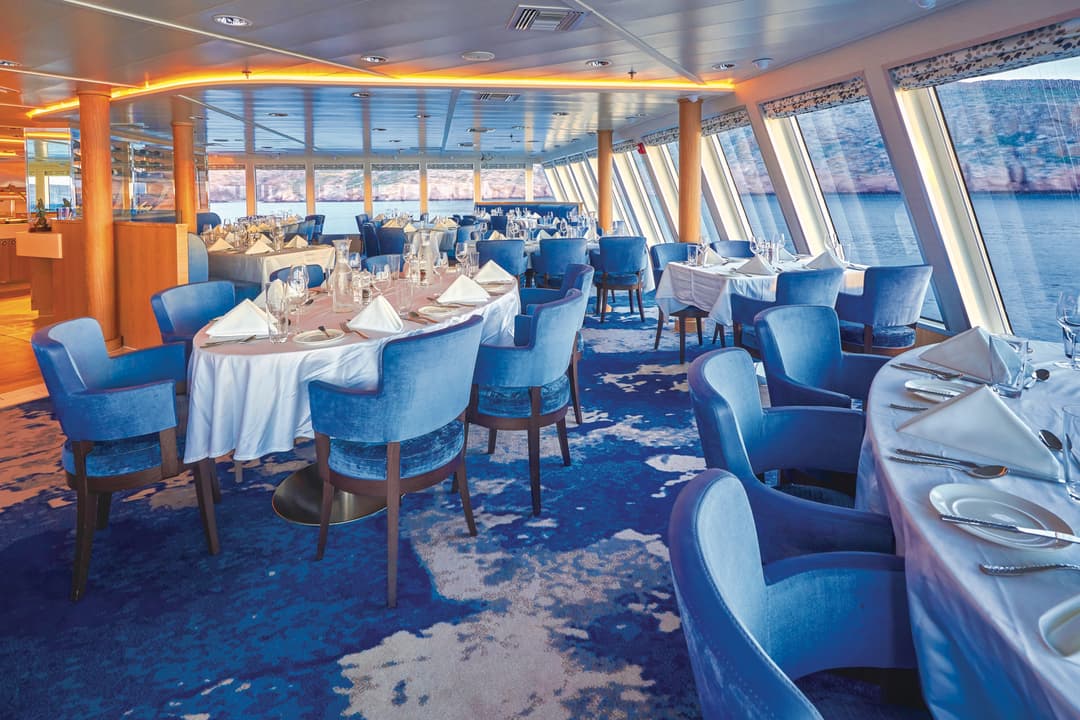
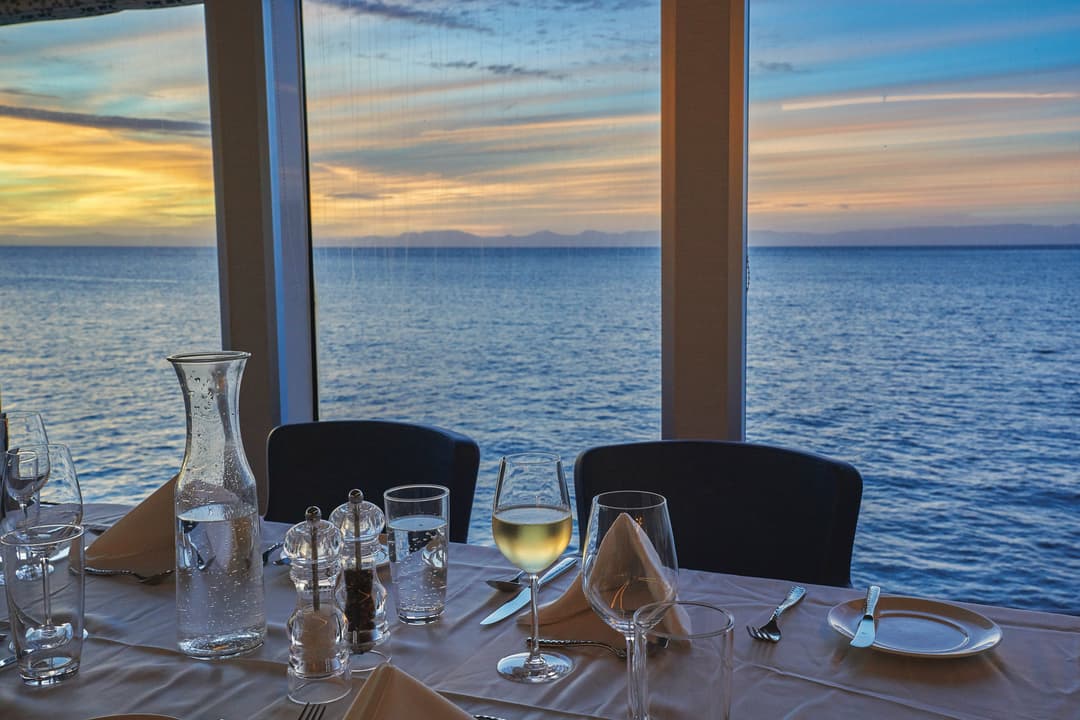
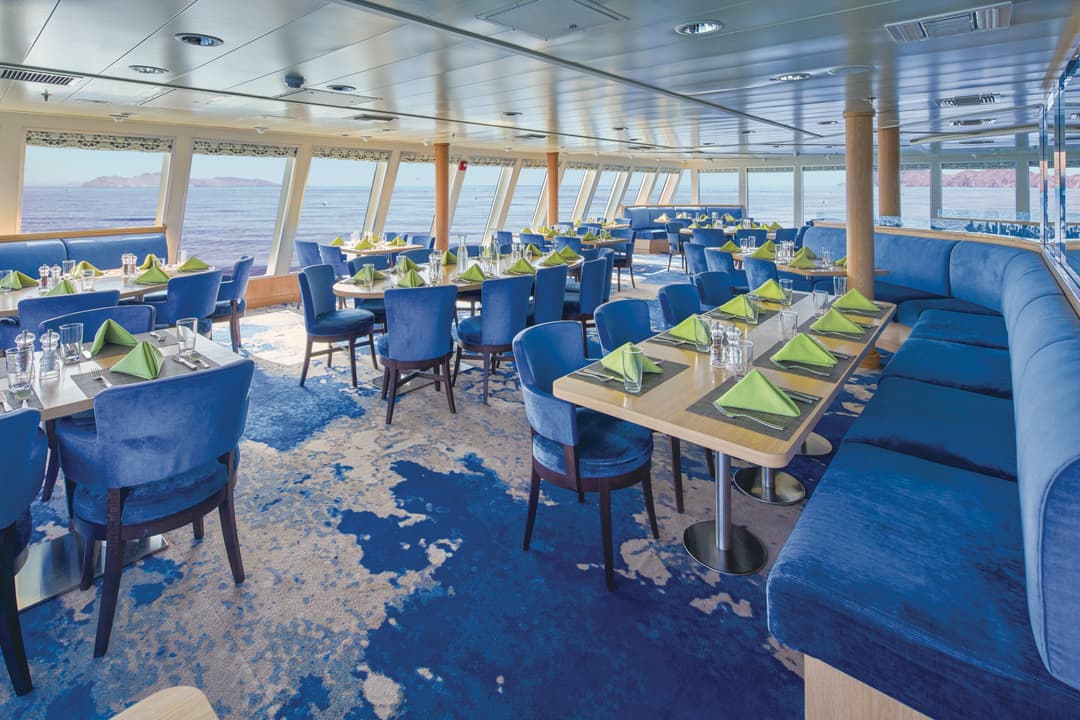
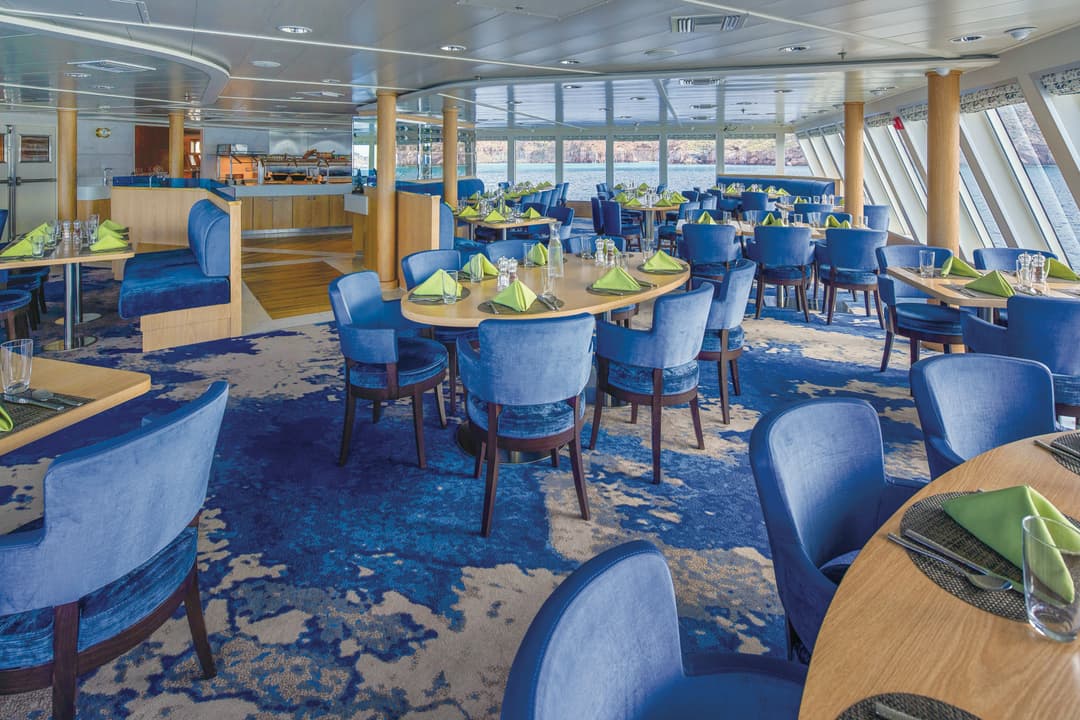
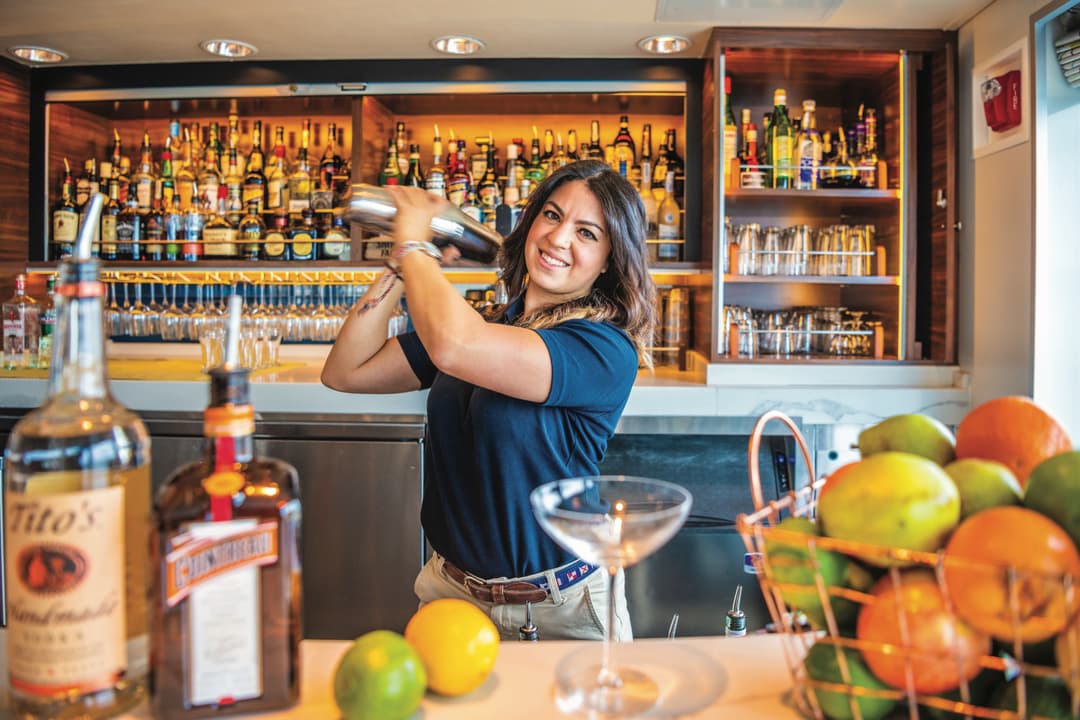
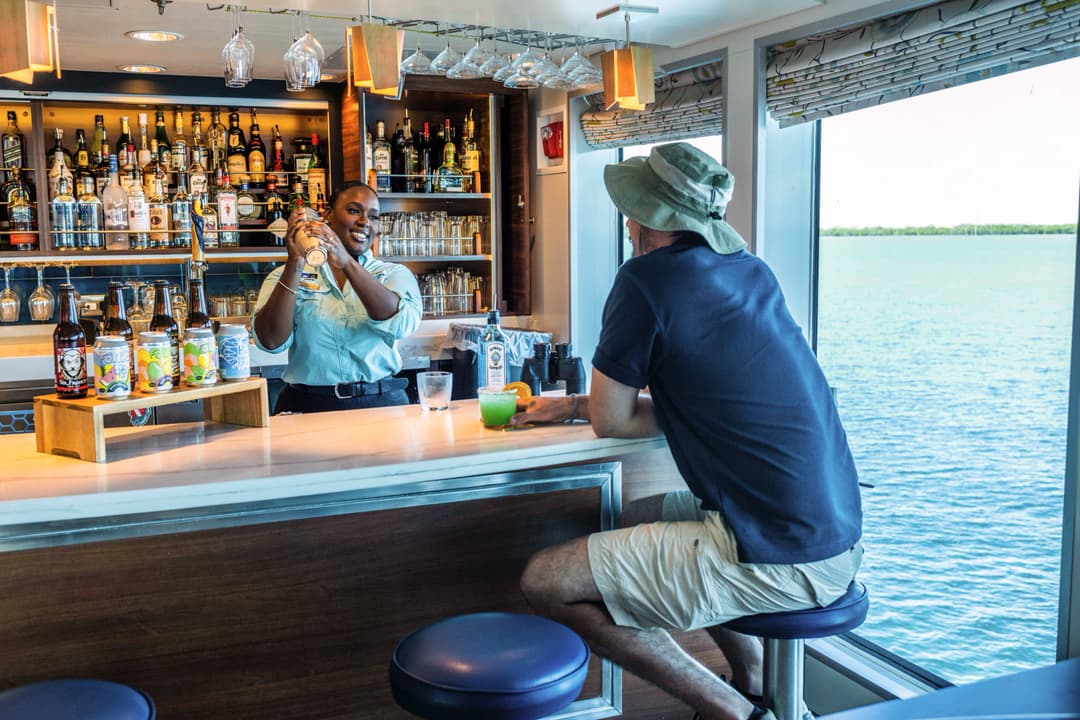
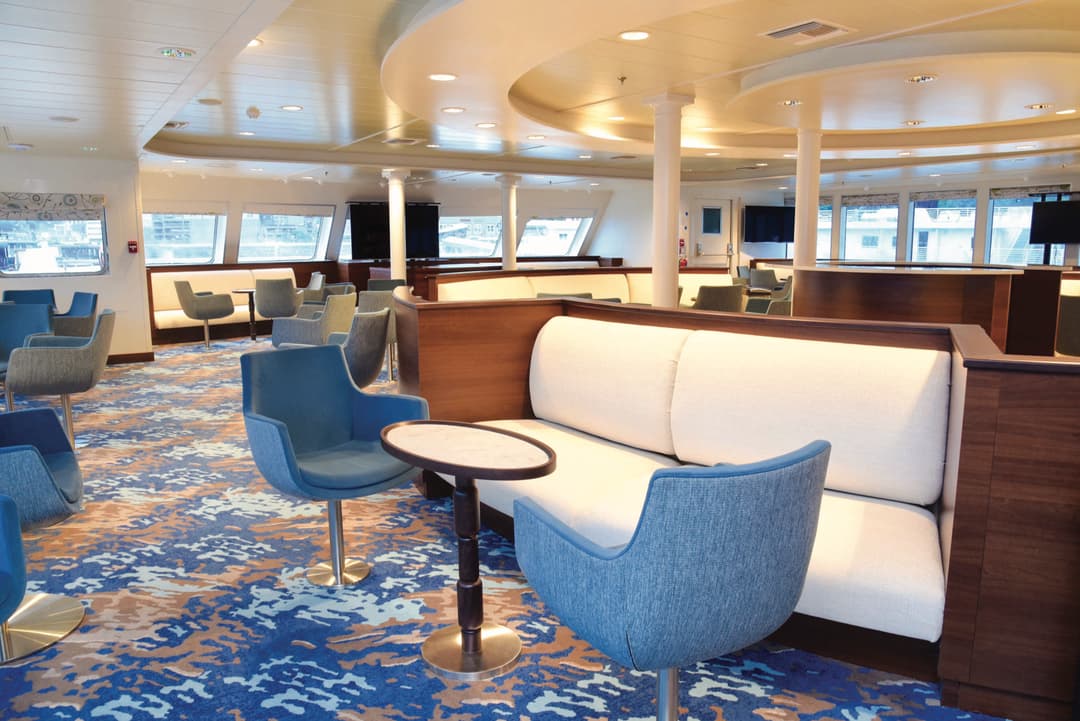
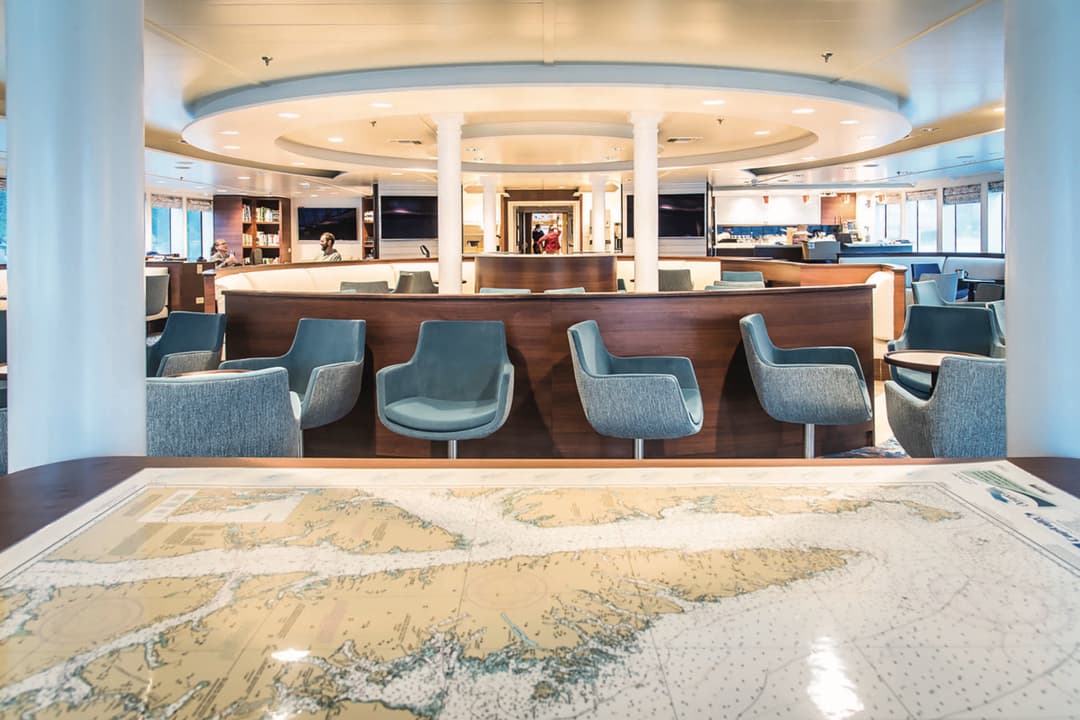
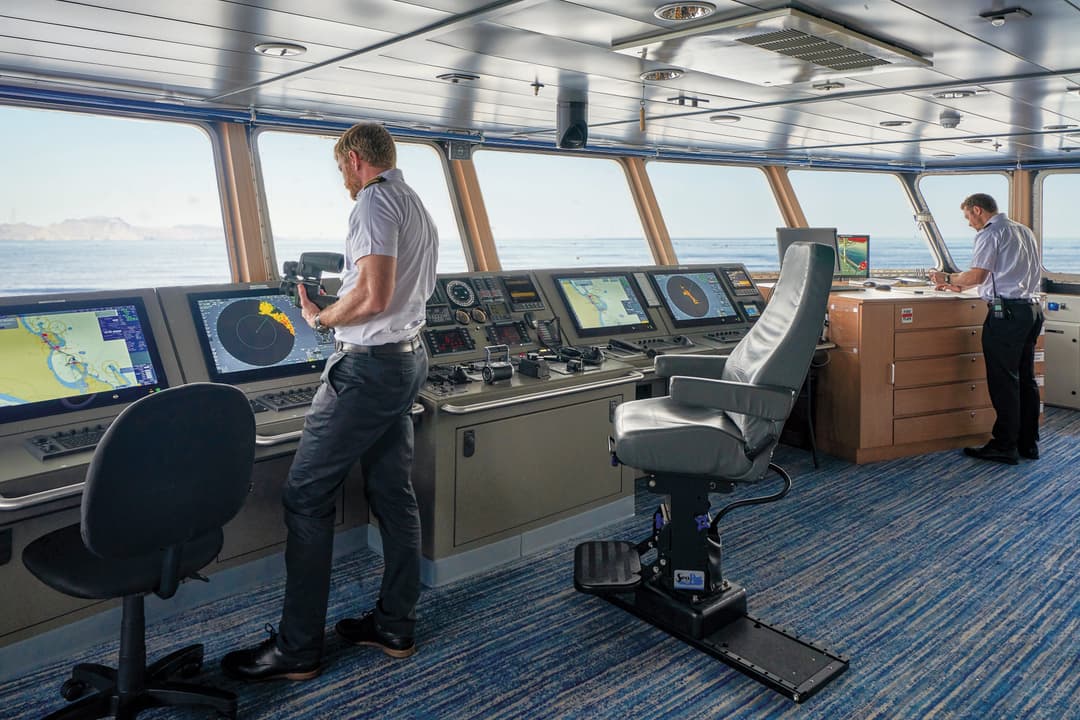
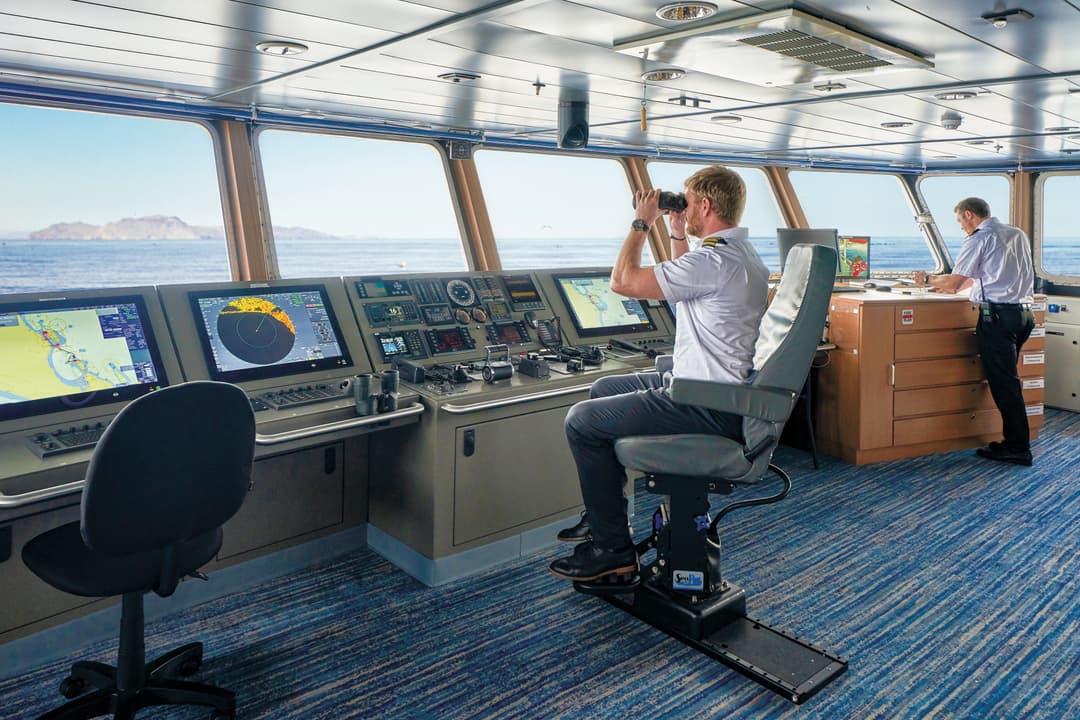
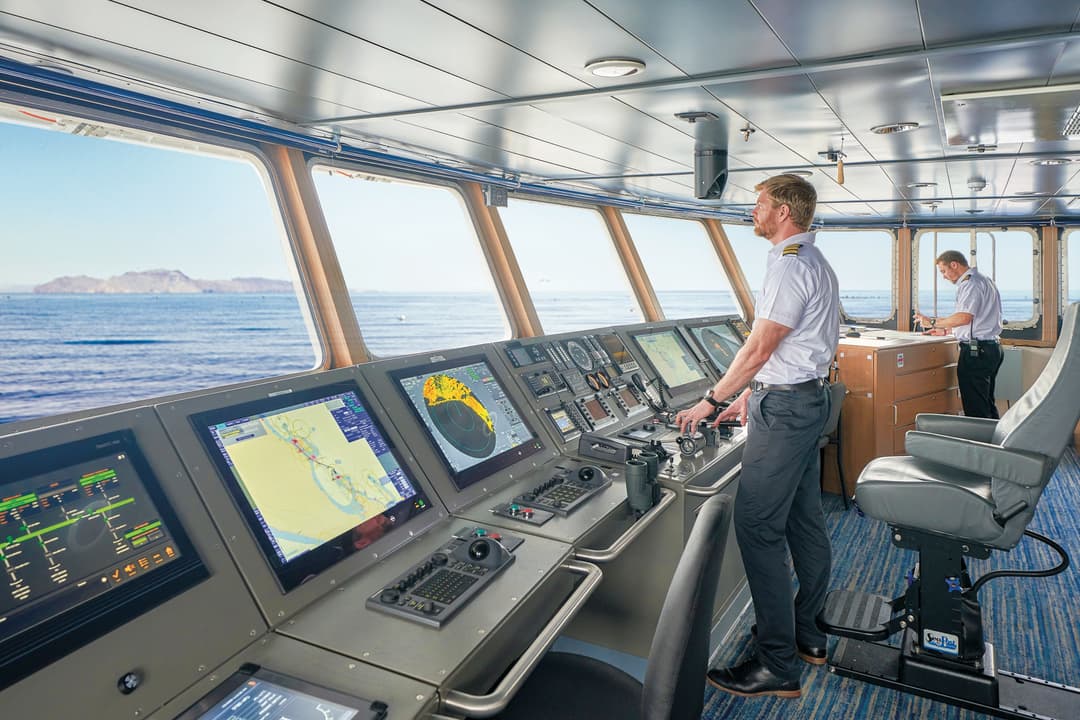
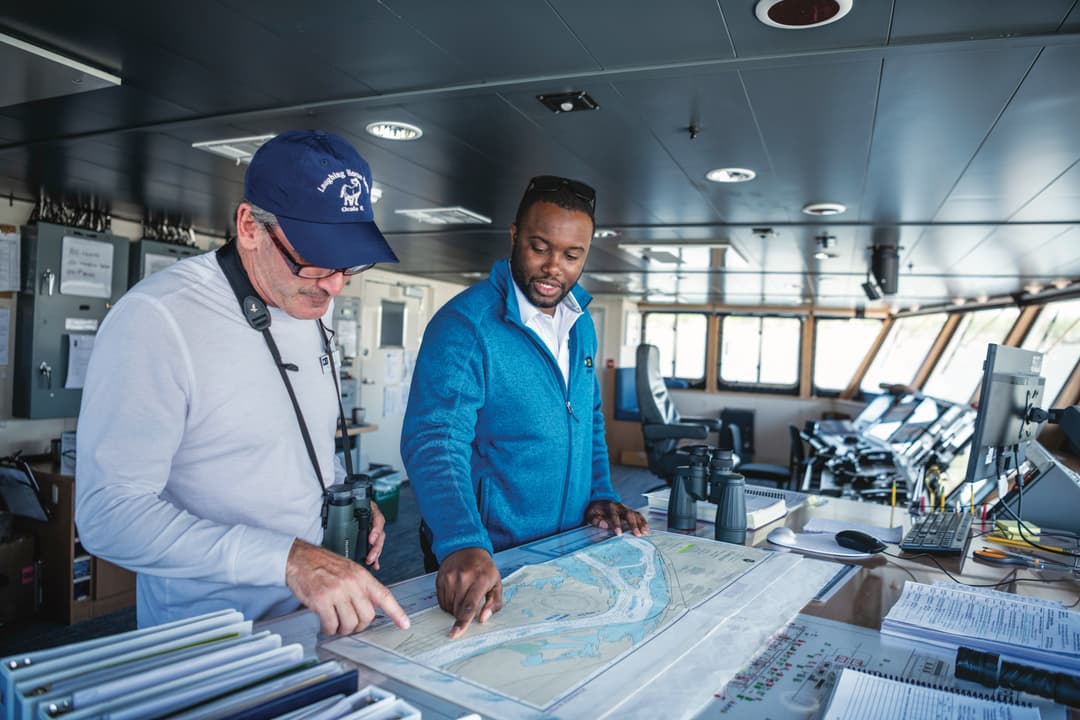
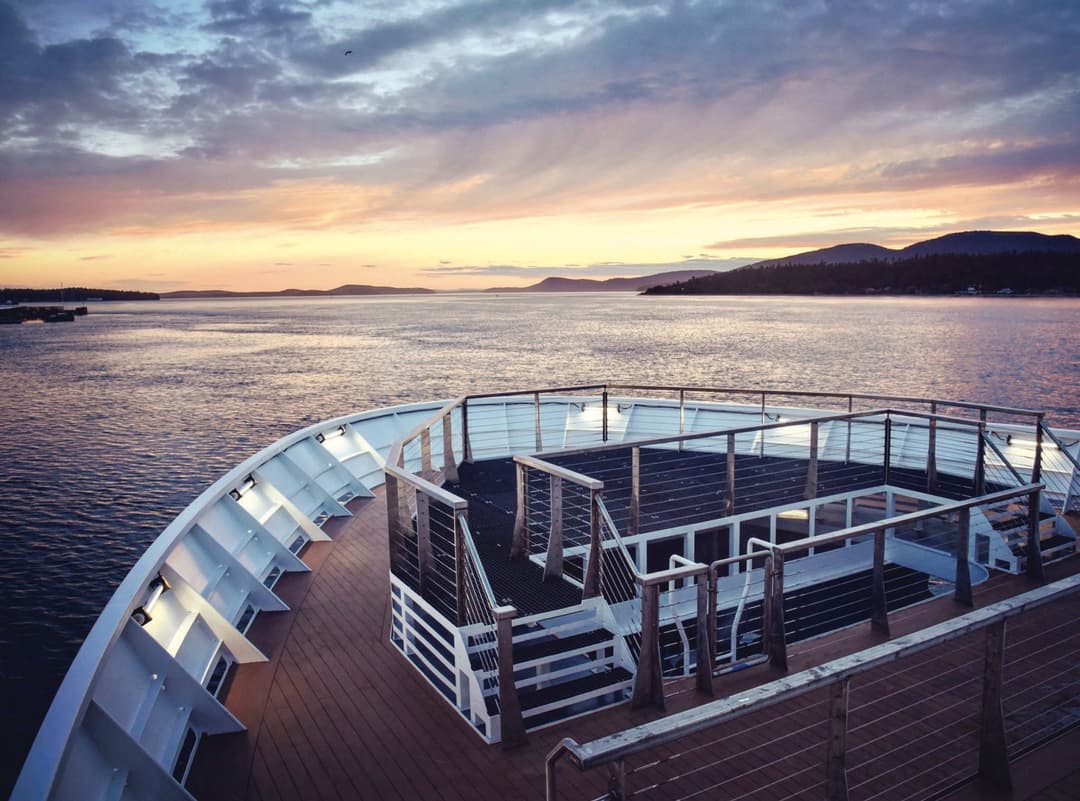
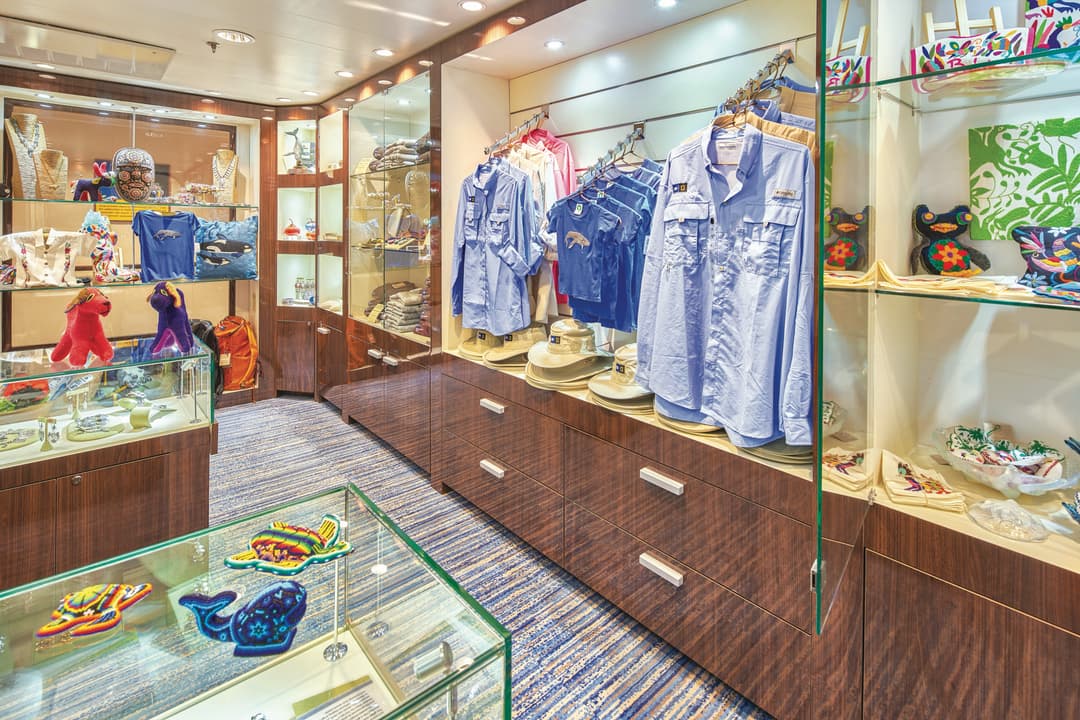
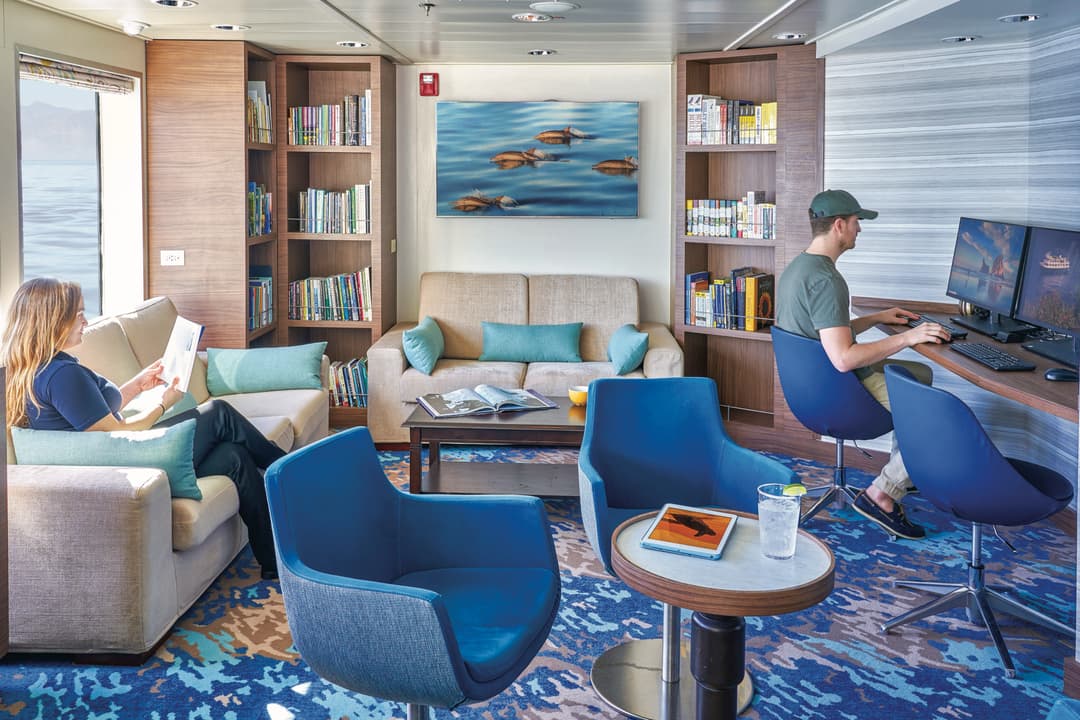
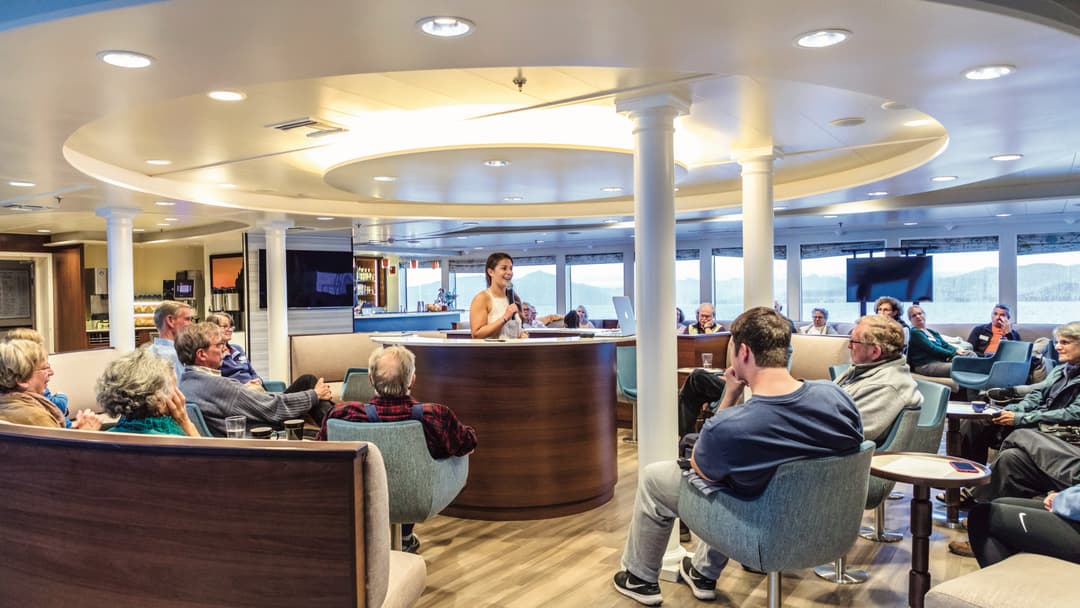
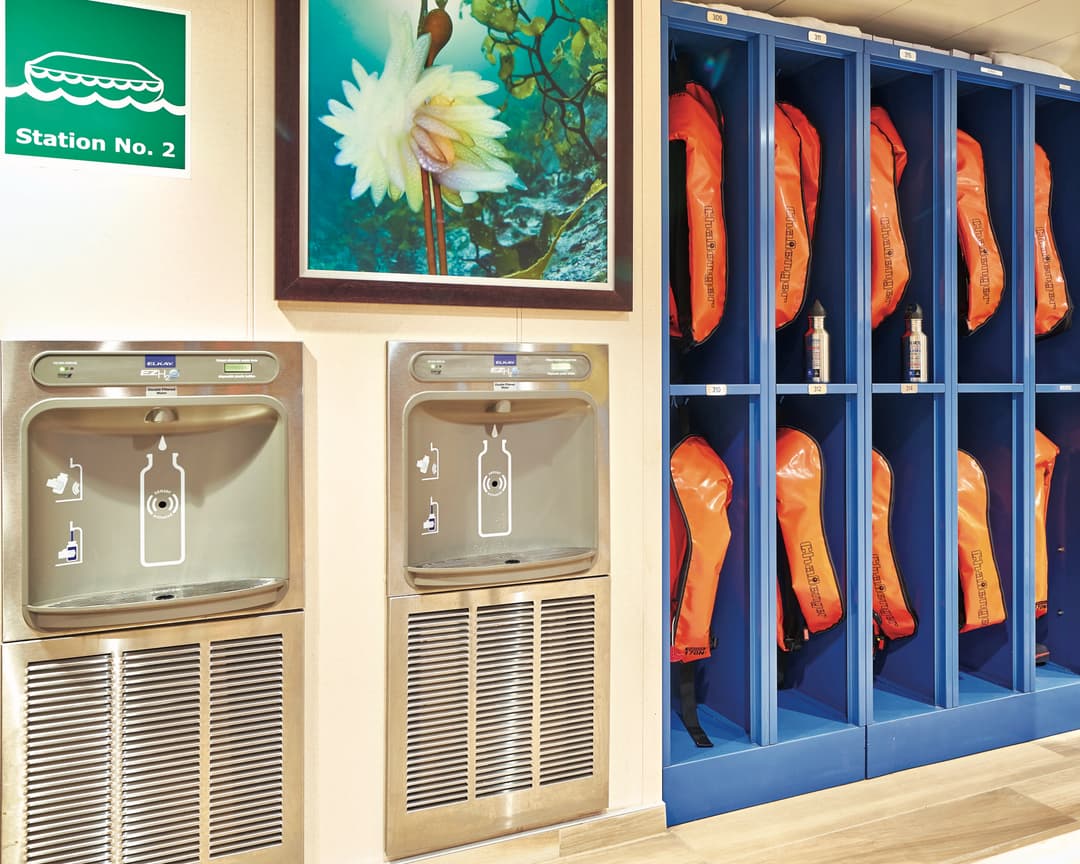
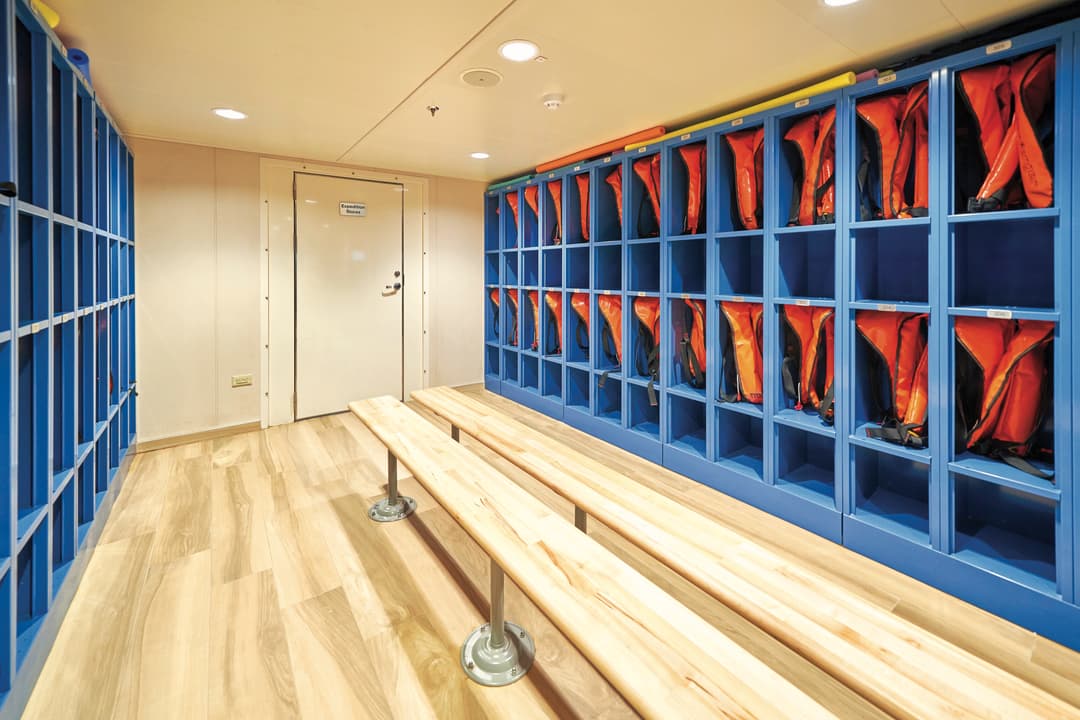
Public spaces include a main dining area; global gallery; fitness center; lounge with full-service bar and state-of-the-art presentation facilities; observation deck; mudroom with lockers for expedition gear; partially-covered furnished sundeck; plus open access to the Bridge, the Captain, officers and on-duty wildlife spotters. Meals are served in the dining room at a single seating with unassigned tables for an informal atmosphere and easy mingling. Menus feature sustainable choices, local where possible.
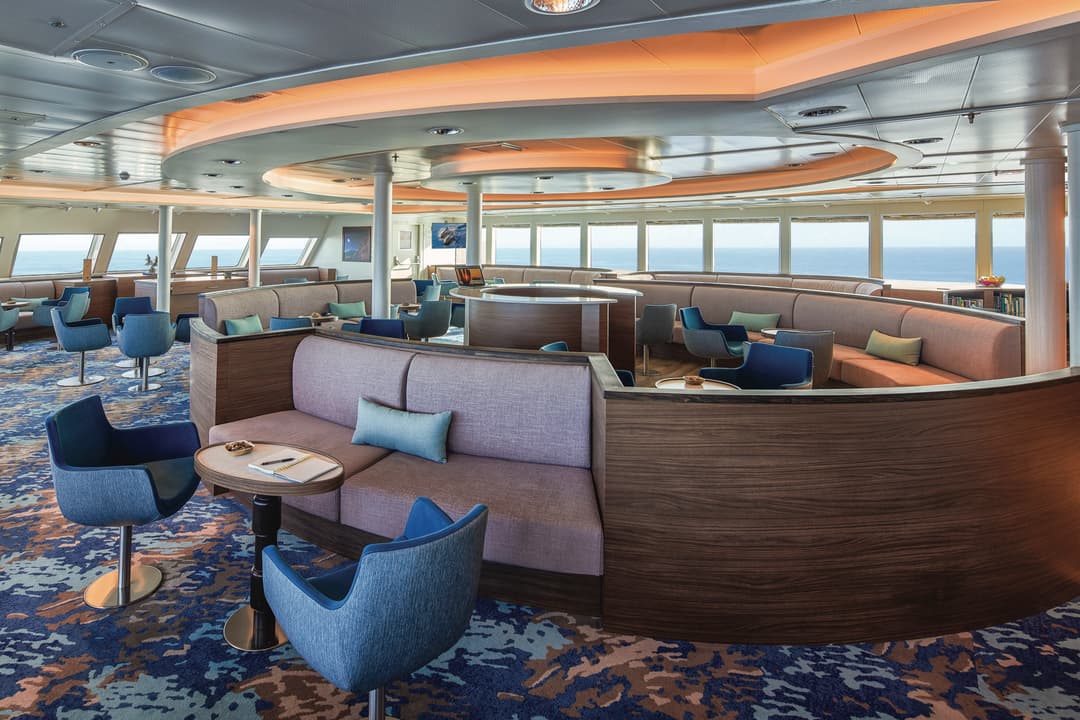
The lounge contains a full bar and state-of-the-art presentation facilities for talks, presentations, and evening Recap.
Characteristics
- Floor-to-ceiling windows with panoramic views
- Small reference library
- TVs for presentations
- Heart of the onboard experience
Amenities
- Bar offering a selection of beer, wine, spirits, and non-alcoholic beverages
- Self-s....
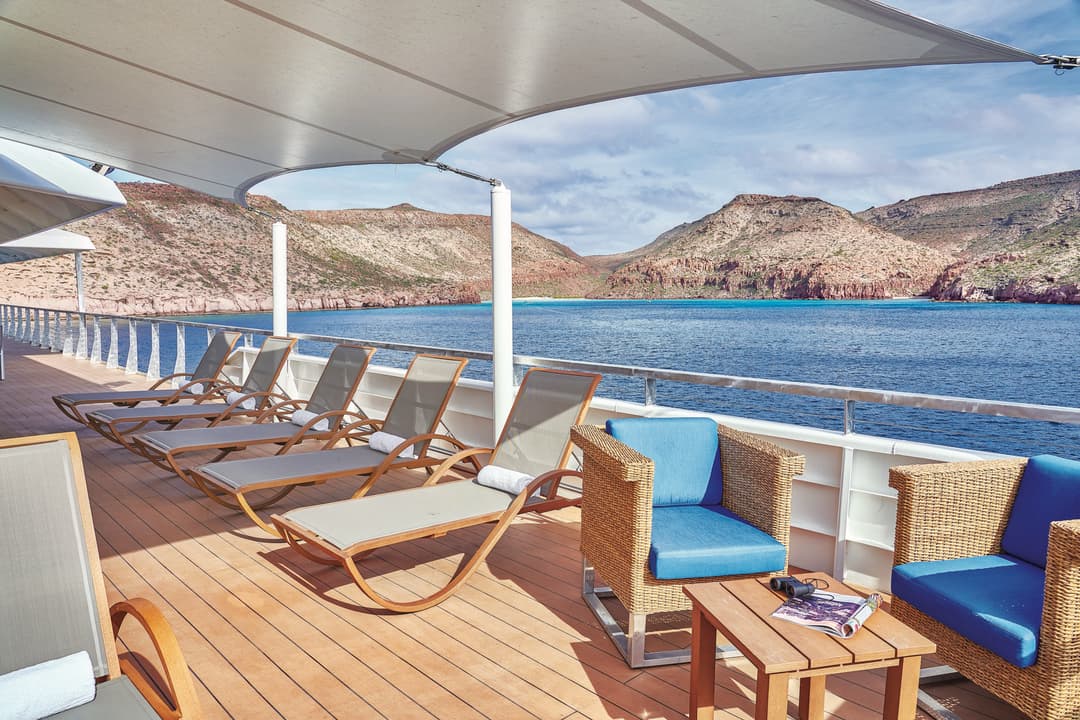
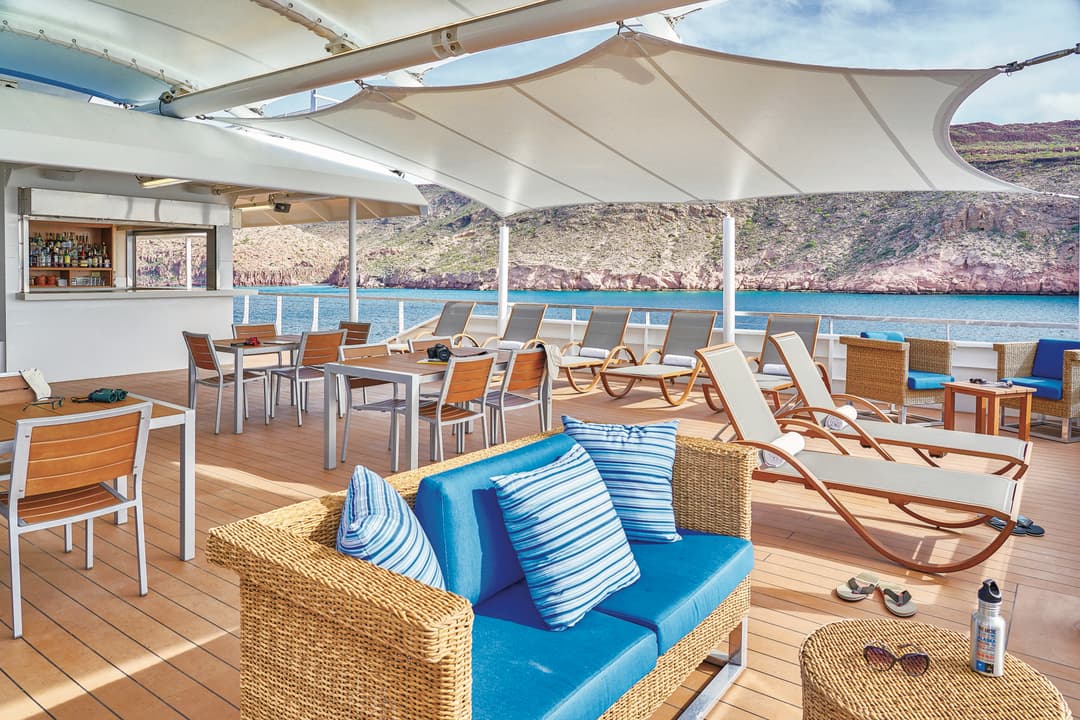
The expansive sun deck features an al fresco bar, comfortable couch, and lounge chairs.
Characteristics
- Partially covered furnished outer deck aft of the ship
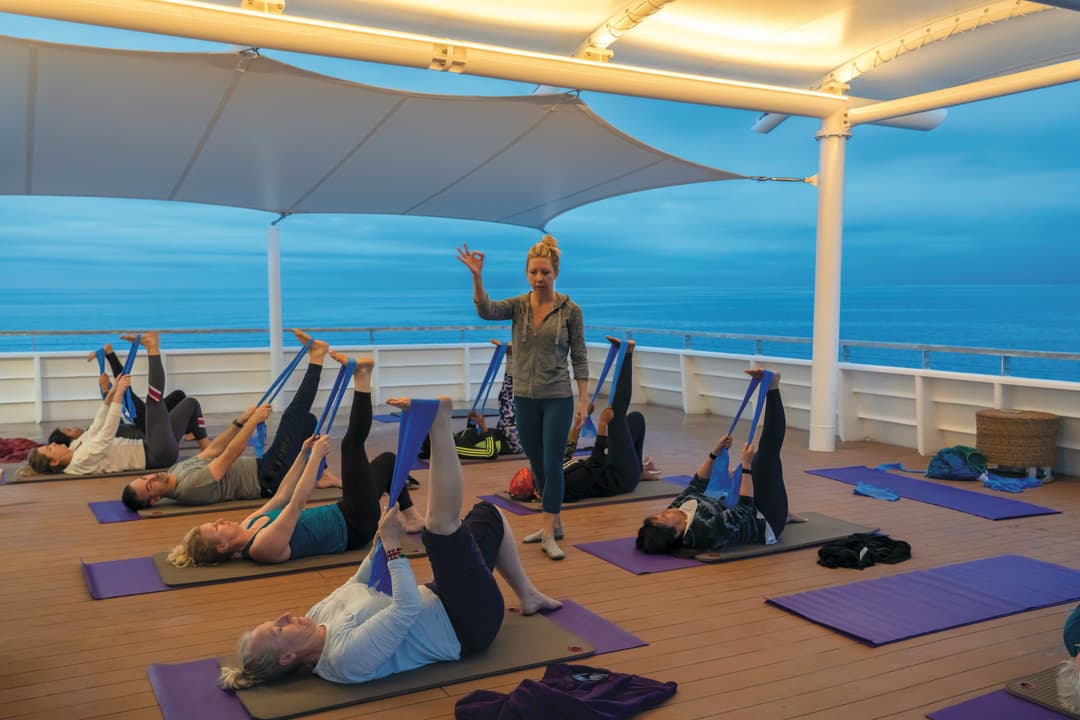
- Location for morning stretch classes
Amenities
- Tables and chairs
- Lounge chairs
- Couch
- Yoga mats
- Hand washing sink
- Bar offering a selection of beer, wine, spirits, and non-alcoholic....
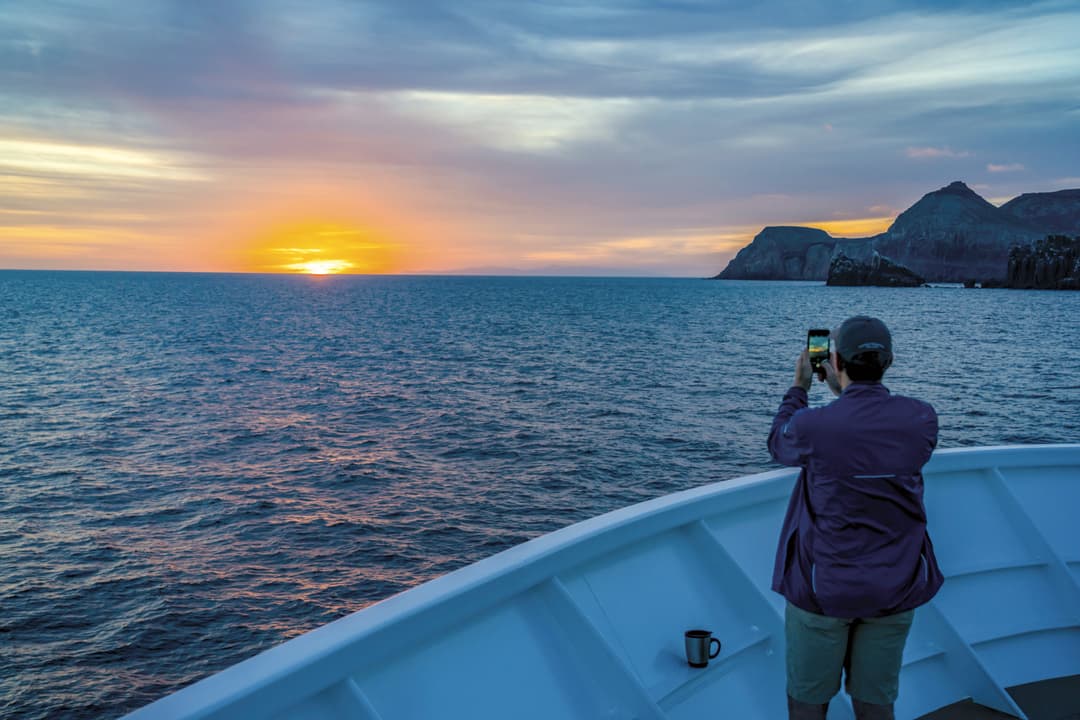
Find tranquility at sea with our wellness program, designed to refresh the body and renew the mind. While offerings vary, most ships have spa treatment rooms and other dedicated wellness spaces, such as fitness centers, yoga studios and saunas. Greet the day with a sunrise stretch session, or wind down after an adventure ashore with a restorative massage. Each experience is tailored to your unique wellness needs, leaving you feeling refreshed and ready for the journey ahead.
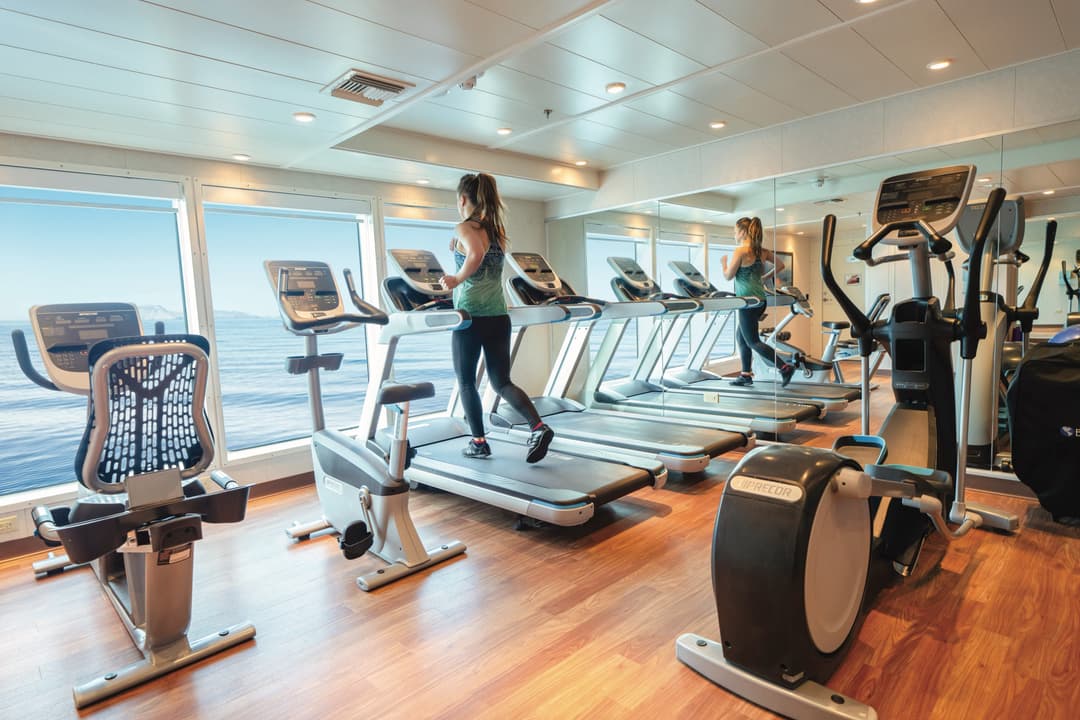
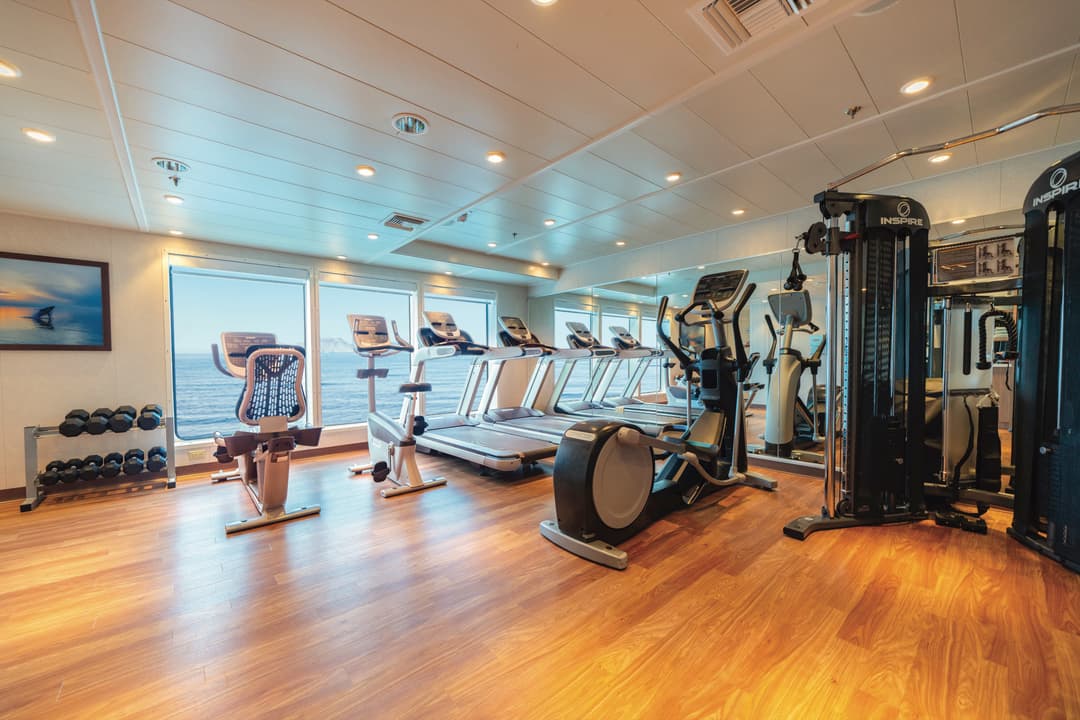
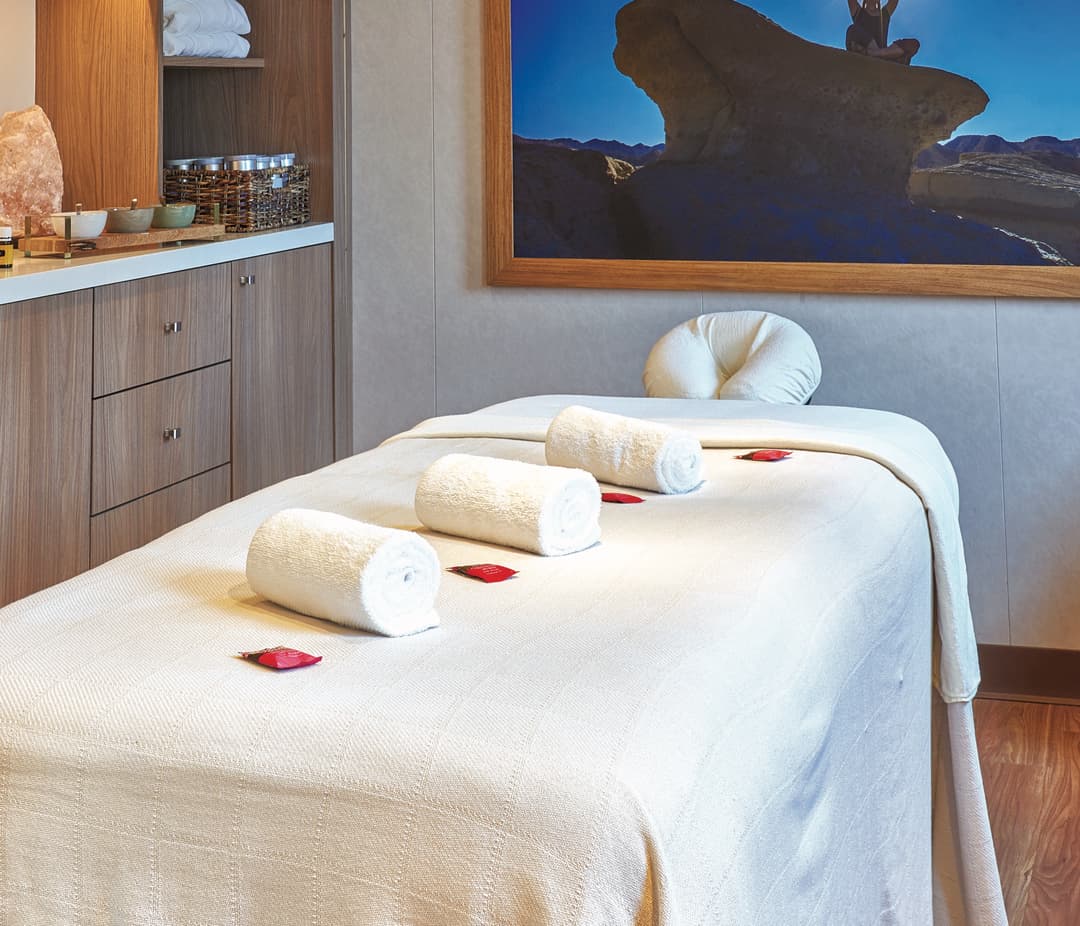
Find tranquility at sea with our wellness program, designed to refresh the body and renew the mind. While offerings vary, most ships have spa treatment rooms and other dedicated wellness spaces, such as fitness centers, yoga studios and saunas. Greet the day with a sunrise stretch session, or wind down after an adventure ashore with a restorative massage. Each experience is tailored to your unique wellness needs, leaving you feeling refreshed ....
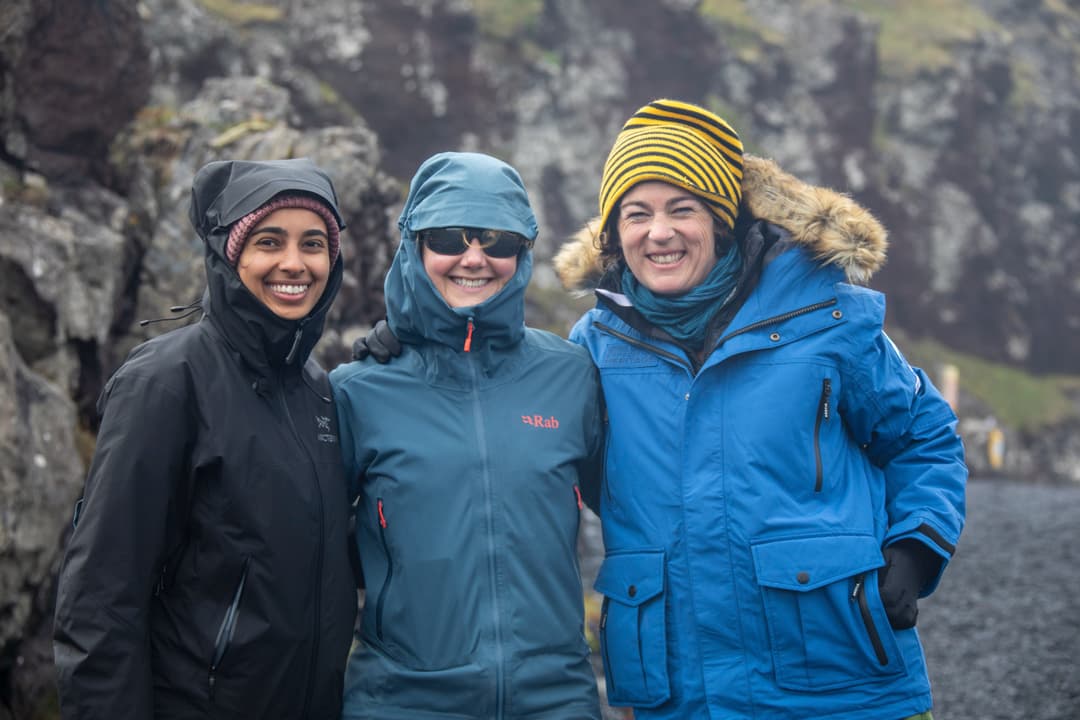
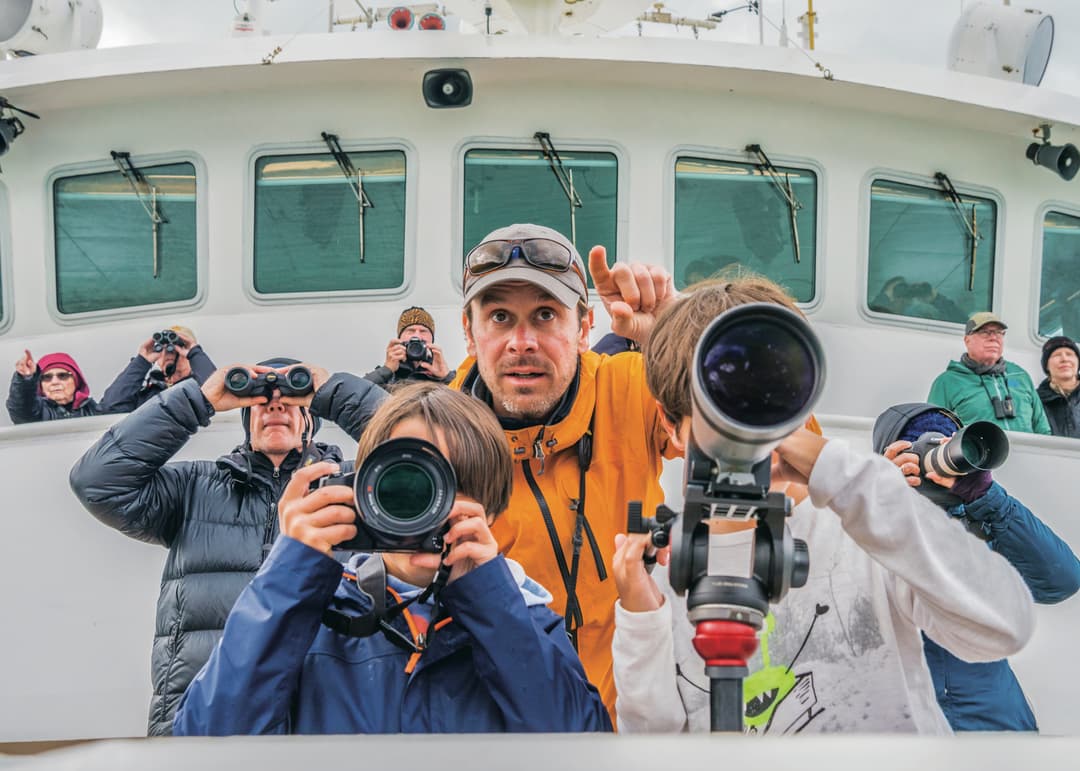
Wherever in the world you choose to explore with National Geographic-Lindblad Expeditions, you will travel alongside a team of experts who are deeply passionate about discovering the places you visit. They are scientists, photographers, and cultural experts at the top of their fields who have spent time immersed in your destination—and they thrive on sharing their knowledge and seeking out new insights alongside our inquisitive guests. For the....


Ships elegantly crafted and equipped for discovery
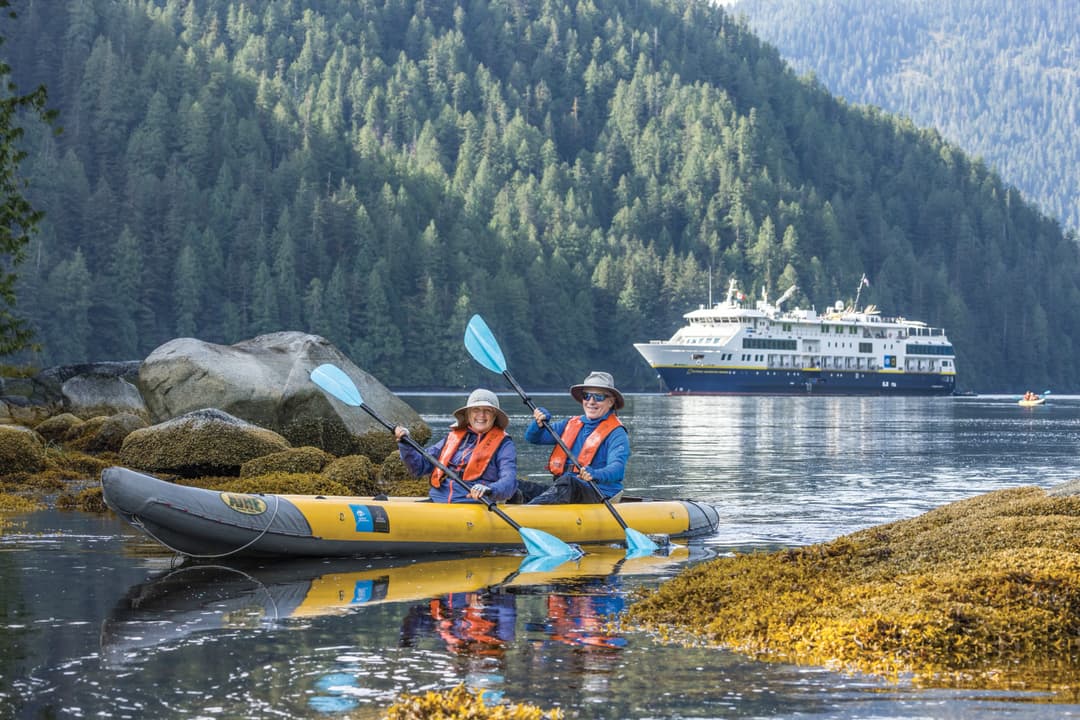
National Geographic-Lindblad Expeditions' ships are uniquely equipped with state-of-the-art tools so you can experience the excitement and wonder of genuine exploration, no matter where you travel with us. Navigate along rocky shorelines and into secluded coves in a kayak or on a stand-up paddleboard or dive into remote waters to discover a galaxy of brightly colored fish—we suppl....


The ships in the National Geographic-Lindblad Expeditions fleet are not only equipped for adventure—they also host important research and conservation work as part of the Visiting Scientist Program. This innovative initiative allows scientists to use the fleet as a platform to build and foster their research endeavors in places like Antarctica, the Arctic and the Galápagos.
The Visiting Scientist Program has been active for years, and i....
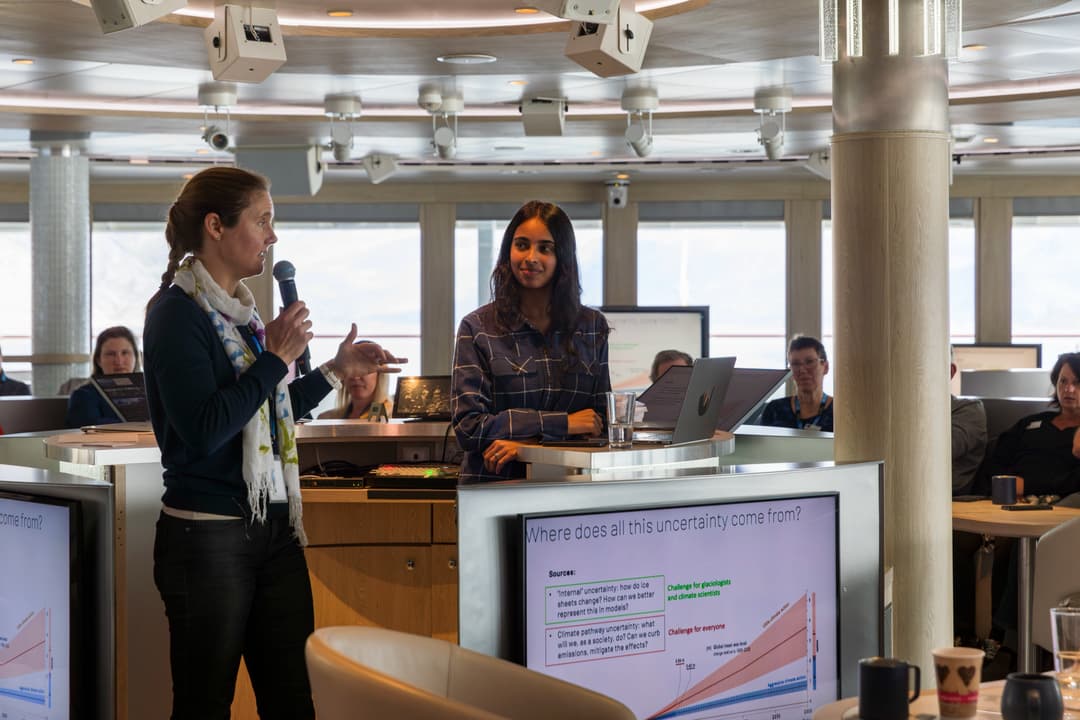
Guests can get involved in the advancement of science by participating in a variety of research projects hosted on their expedition..
Happywhale
Whales have unique markings on their flukes that allow scientists to identify individuals and track them across the globe. When guests capture pictures of the whales spotted on expedition, they can submit them to the Happywhale app to aid in the tracking process. National Geographic....
Nurture Their Passion For The Planet
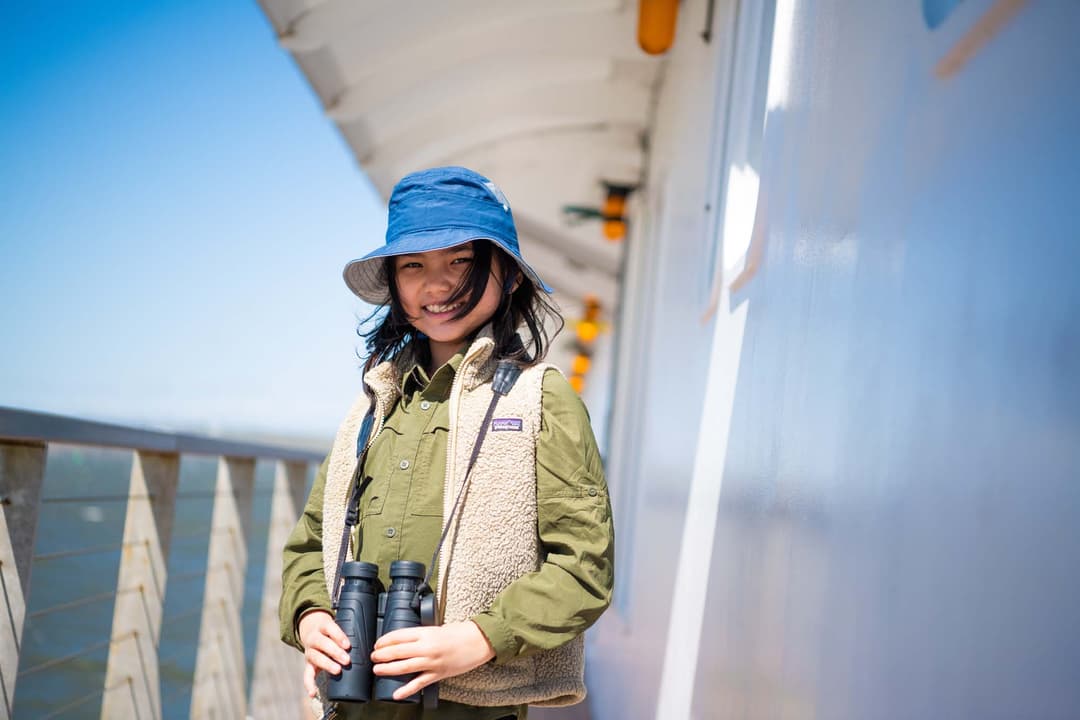
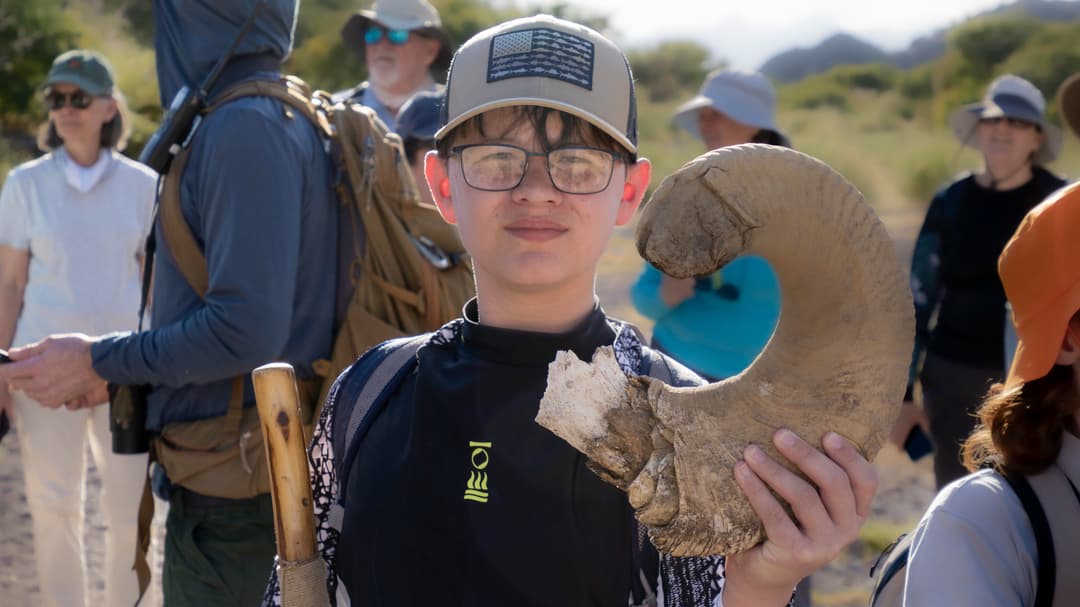
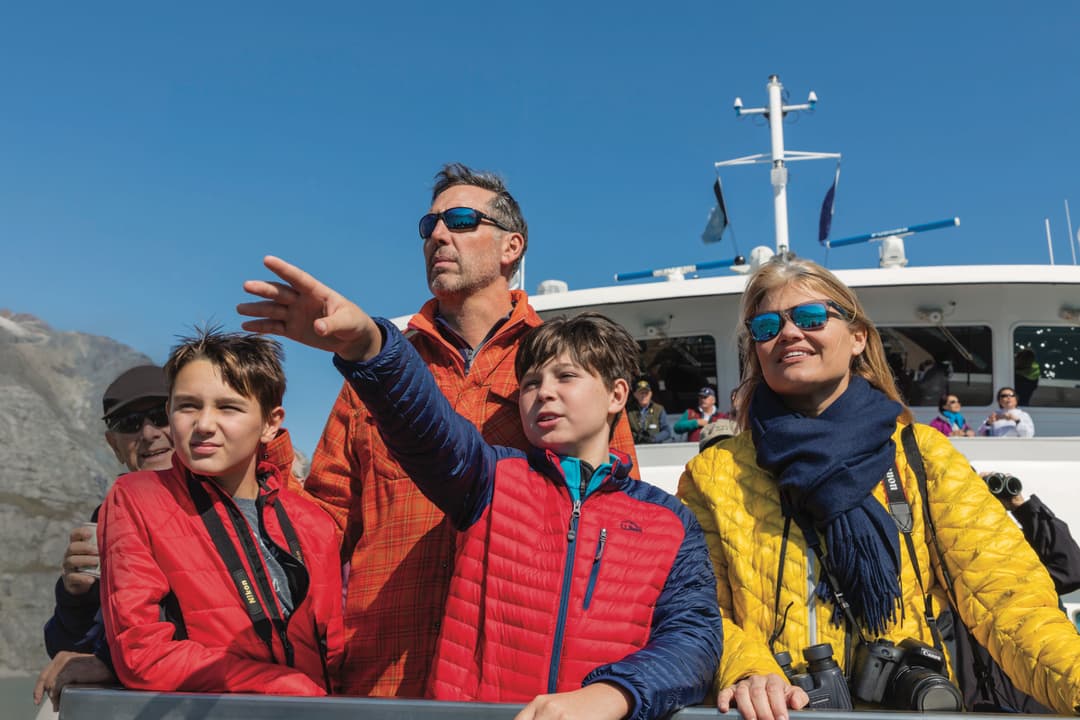
One of the most rewarding sights in Baja California is witnessing the spark of curiosity in a young traveler, whether they’re locking eyes with a sea lion while snorkelling or watching a powerful humpback breach the water’s surface. Moments like these are especially meaningful when complemented with the learning opportunities in our exclusive National Geographic Explorers-in-Training programme.....


ACT Clean CoalTM is a light-activaled, self-disinfecting cleaning process that continuously breaks down viruses, bacteria, mold, and airborne allergens across all ship surfaces. Not only does this create a cleaner, healthier shipboard environment for guests and crew alike, but this non-toxic, chemical-free system also saves more than one million gallons of water each year in our cleaning procedures, and reduces our carbon footprint as well as ....
- Excursions, hotels and airport transfers, as indicated in the itinerary
- Selection of exploration tools curated to your destination, such as Zodiacs and glass-bottom boats, stand-up paddleboards, kayaks, snorkeling equipment (including wetsuits, masks, and fins) and other state-of-the-art gear
- Guidance and company of our leading expedition staff
- All meals as indicated in the itinerary, both aboard and onshore....
- Airfare (except flights when indicated as included), pre- and post-expedition extensions, additional hotel nights and private transfers (except when indicated as included)
- Travel protection plans
- Passport, visa and immigration fees
- Laundry, spa treatments, scuba diving* and phone services (except when indicated as included)
- Additional costs associated with medical services outside onboard physician c....