EXPEDITION CRUISE

Antarctica - Discovery and Learning

All departures of this trip

CRUISE ID # OCEANWIDEPLA23-27

Ushuaia TO Ushuaia
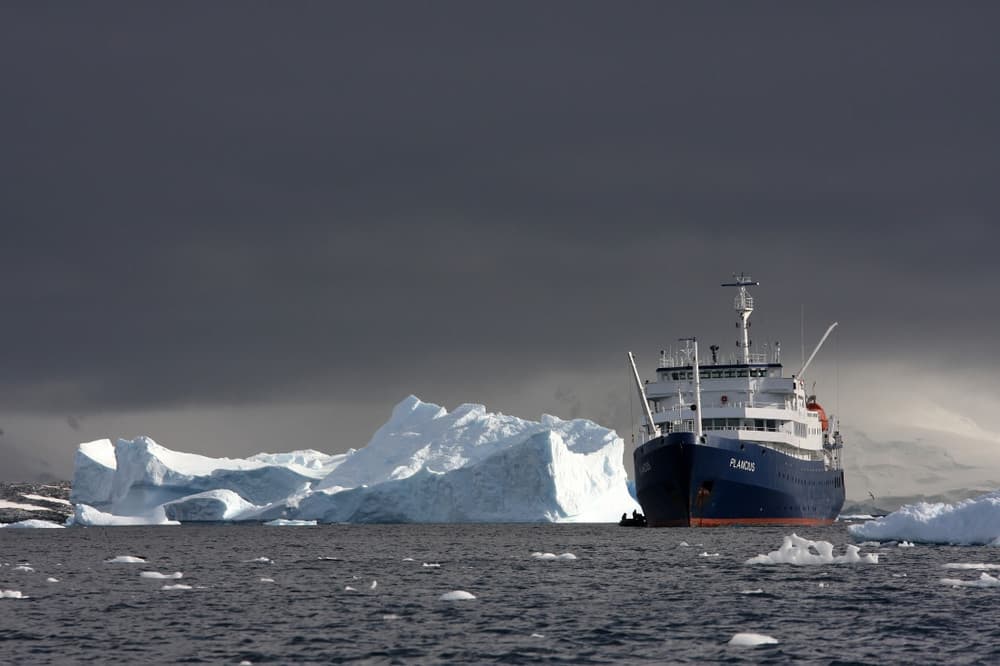
Antarctica - Discovery and Learning

All itineraries are for guidance only. Programs may vary depending on ice, weather, and wildlife conditions. Landings are subject to site availabilities, permissions, and environmental concerns per IAATO regulations. Official sailing plans and landing slots are scheduled with IAATO prior to the start of the season, but the expedition leader determines the final plan. Flexibility is paramount for expedition cruises. The average cruising speed for our vessel is 10.5 knots.

TRIP STARTS ON
December 10, 2027
SHIP SAILS ON
December 10, 2027
HOTEL NIGHTS
Pre-Cruise: 0, Post-Cruise: 0
SHIP
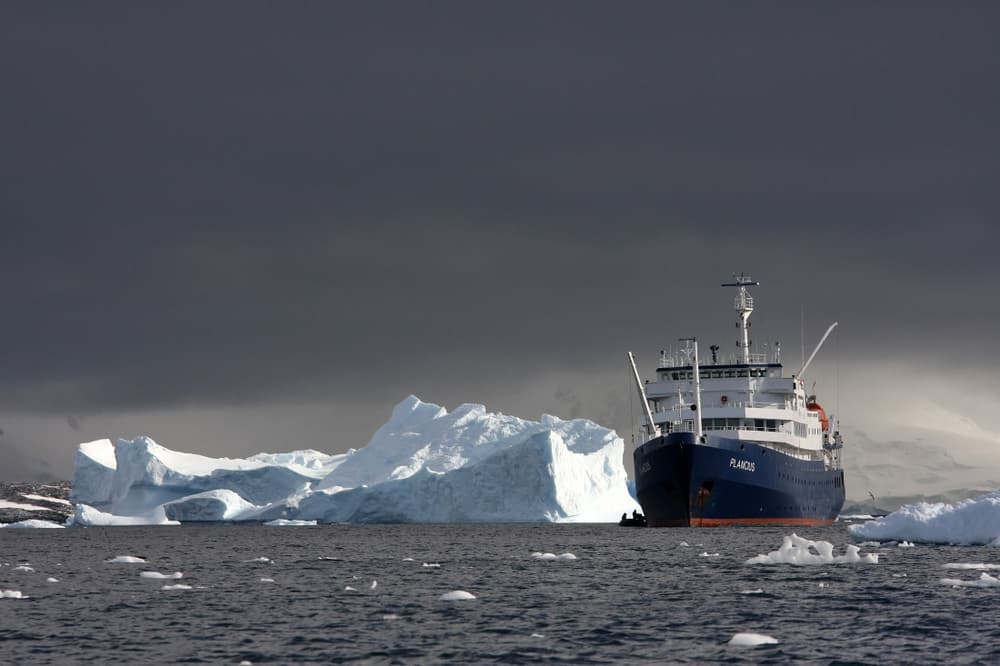
M/V Plancius
TRIP ENDS ON
December 20, 2027
STOPS
11 Stops, 2 Countries
CRUISE NIGHTS
10
OPERATOR
Oceanwide Expeditions
FROM: 

$13,000

WITH SPECIAL SAVINGS APPLIED

FARES SHOWN ARE PER GUEST

Suites & Fares

CHOOSE START DATE 

: December 10, 2027

 
STEP 1: CHOOSE YOUR PREFERRED DEAL
Best Price with all discounts
View Suites

Itinerary

11 Ports
2 Countries
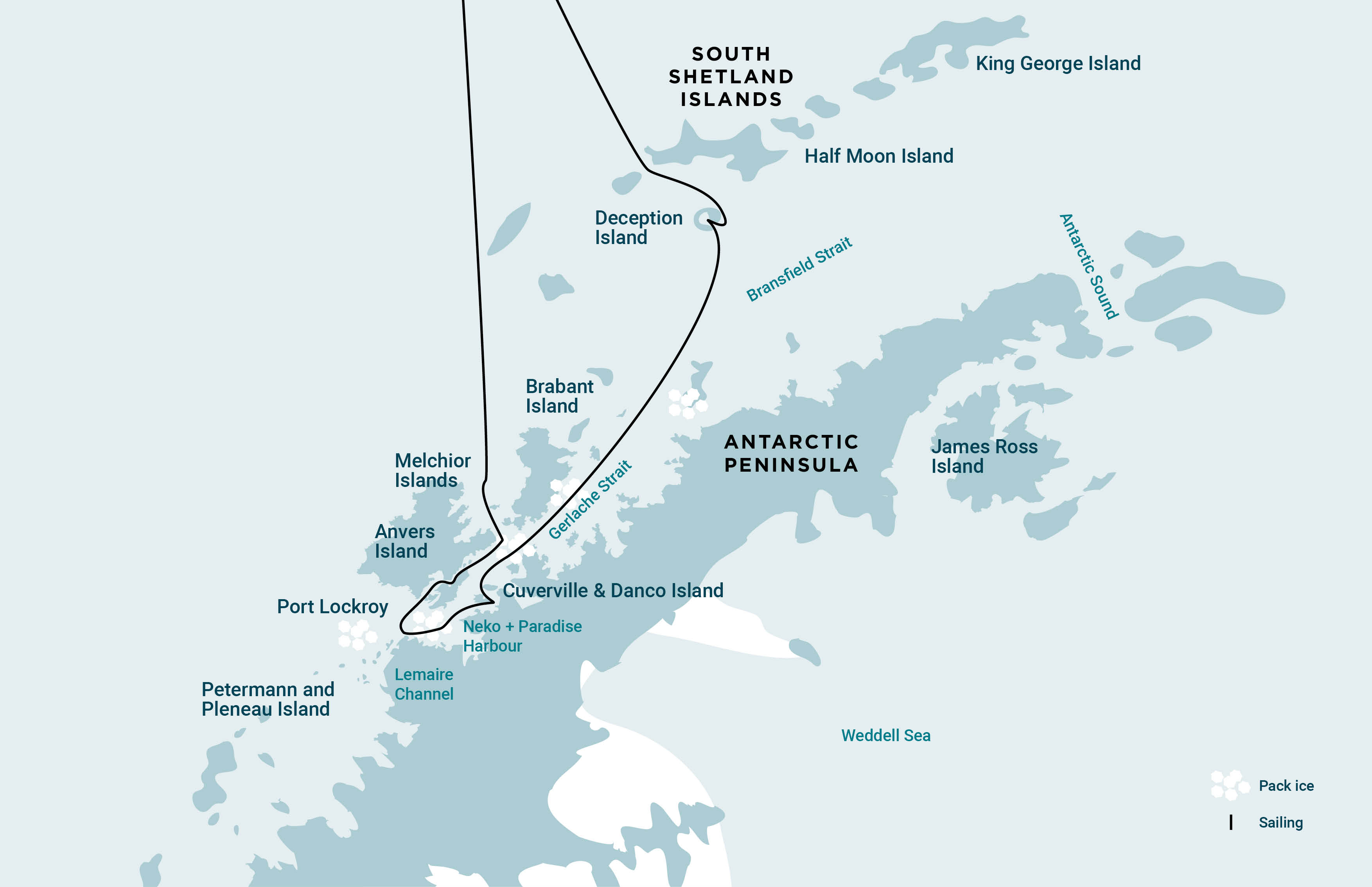
Antarctica - Discovery and Learning route map

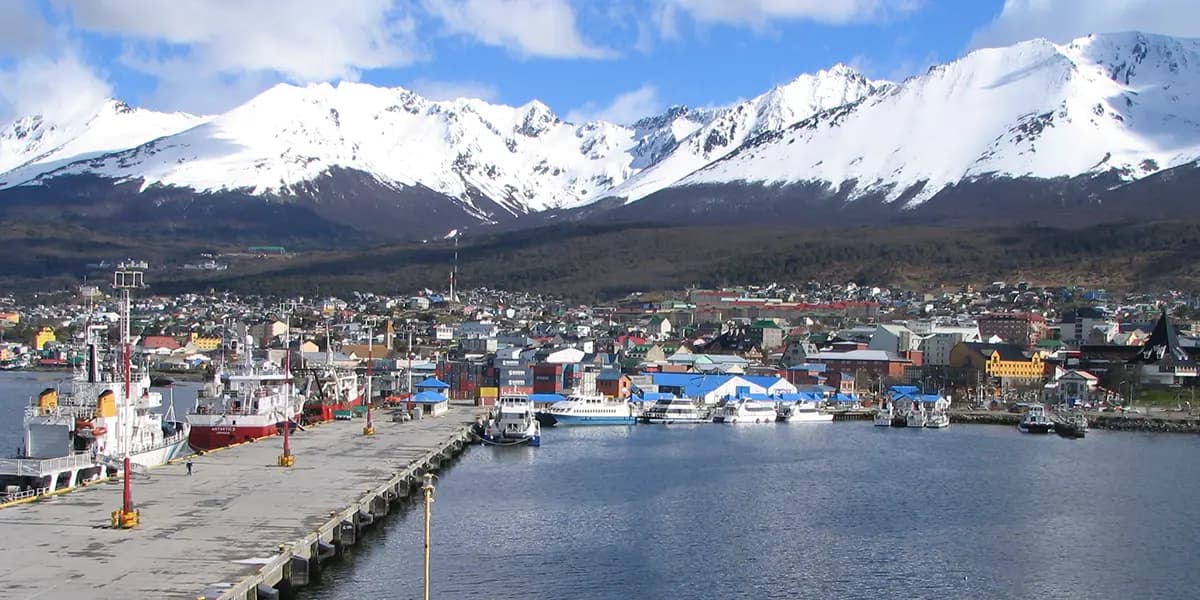
Your voyage begins where the world drops off. Ushuaia, Argentina, reputed to be the southernmost city on the planet, is located on the far southern tip of South America. Starting in the afternoon, you embark from this small resort town on Tierra del Fuego, nicknamed “The End of the World,” and sail the mountain-fringed Beagle Channel for the remainder of the evening. 

Over the next two days on the Drake Passage, you enjoy some of the same experiences encountered by the great polar explorers who first charted these regions: cool salt breezes, rolling seas, maybe even a fin whale spouting up sea spray. After passing the Antarctic Convergence – Antarctica’s natural boundary, formed when north-flowing cold waters collide with warmer sub-Antarctic seas – you are in the circum-Antarctic upwelling zone. Not only does the marine life change, the avian life changes too. Wandering albatrosses, grey-headed albatrosses, black-browed albatrosses, light-mantled sooty albatrosses, cape pigeons, southern fulmars, Wilson’s storm petrels, blue petrels, and Antarctic petrels are a few of the birds you might see.

Over the next two days on the Drake Passage, you enjoy some of the same experiences encountered by the great polar explorers who first charted these regions: cool salt breezes, rolling seas, maybe even a fin whale spouting up sea spray. After passing the Antarctic Convergence – Antarctica’s natural boundary, formed when north-flowing cold waters collide with warmer sub-Antarctic seas – you are in the circum-Antarctic upwelling zone. Not only does the marine life change, the avian life changes too. Wandering albatrosses, grey-headed albatrosses, black-browed albatrosses, light-mantled sooty albatrosses, cape pigeons, southern fulmars, Wilson’s storm petrels, blue petrels, and Antarctic petrels are a few of the birds you might see.

Gray stone peaks sketched with snow, towers of broken blue-white ice, and dramatically different wildlife below and above. You first pass the snow-capped Melchior Islands and Schollaert Channel, sailing between Brabant and Anvers Islands. 
 
Sites you may visit include: 
 
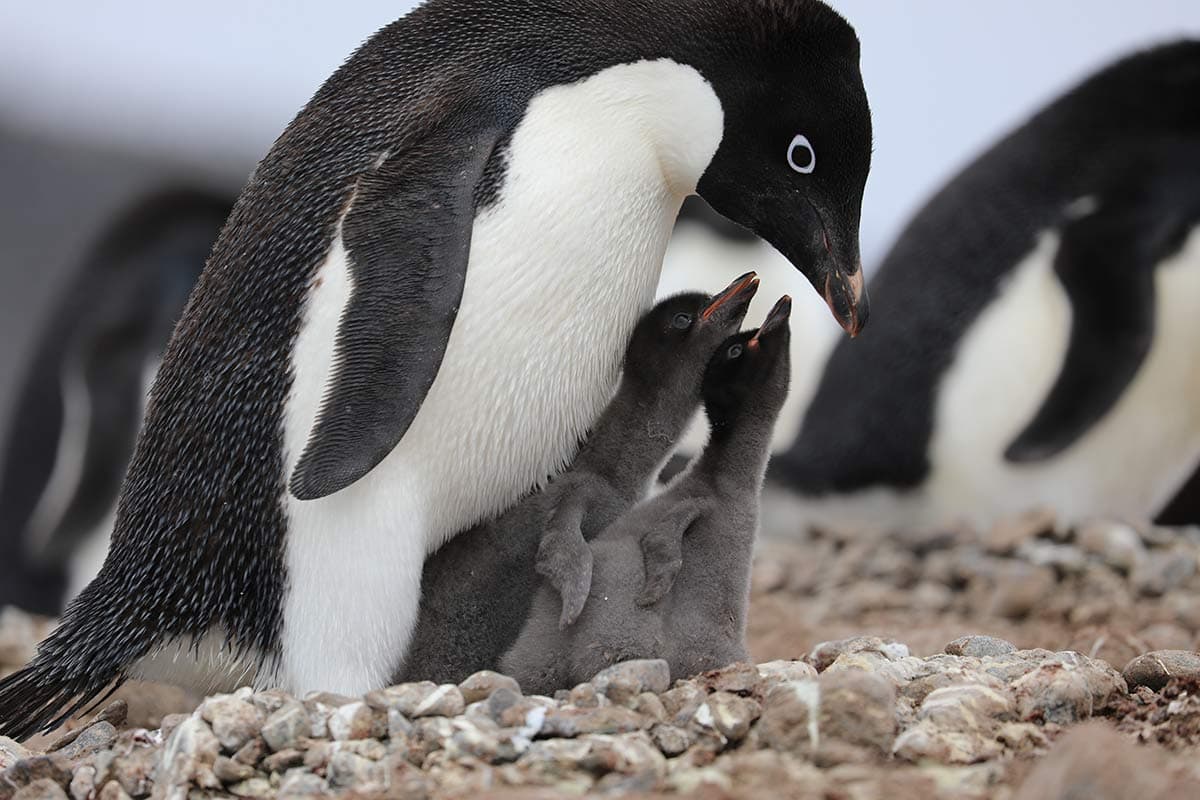
Danco Island – Activities here may focus on the gentoo penguins nesting on the island, in addition to the Weddell and crabeater seals that can be found nearby.
 
Neko Harbour – An epic landscape of mammoth glaciers and endless wind-carved snow, Neko Harbour offers opportunities for a Zodiac cruise and landing that afford the closest views of the surrounding alpine peaks.
 
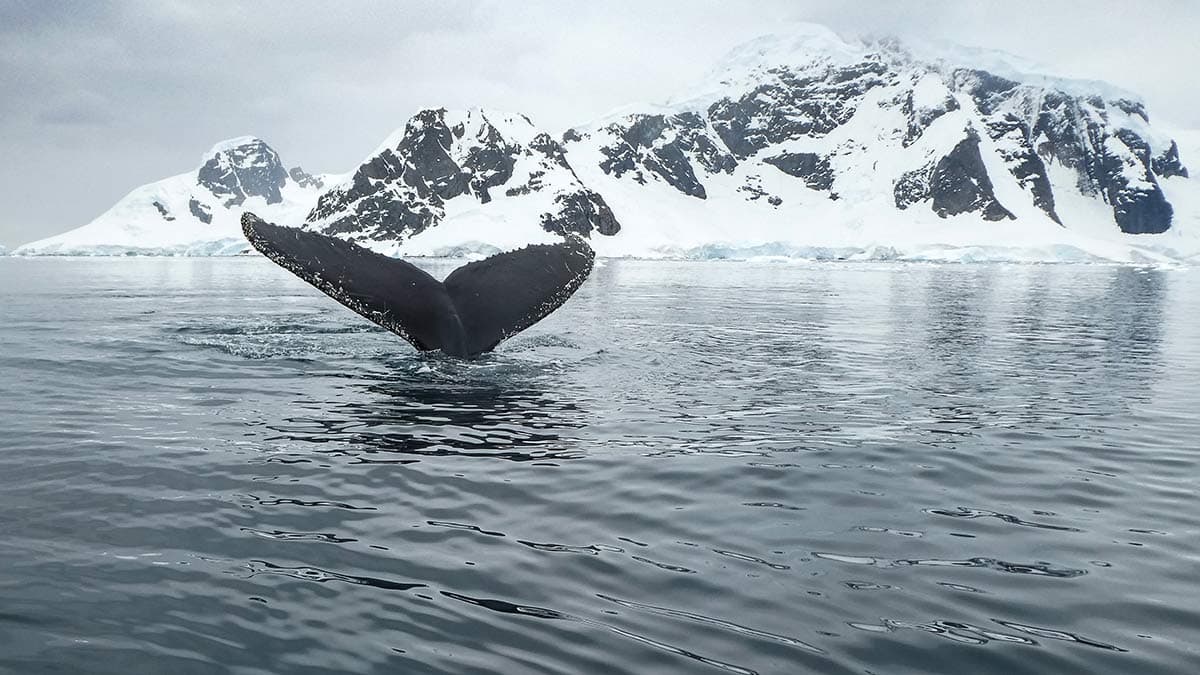
Paradise Bay – You may be able to take a Zodiac cruise in these sprawling, ice-flecked waters, where there’s a good chance you’ll encounter humpback and minke whales.

Port Lockroy – After sailing through the Neumayer Channel, you may get a chance to visit the former British research station – now a museum and post office – of Port Lockroy on Goudier Island. You may also be able to partake in activities around Jougla Point, meeting gentoo penguins and blue-eyed shags.
 
When conditions are right, you can snowshoe around the shore and to the old ski-way at nearby Damoy Point.

Gray stone peaks sketched with snow, towers of broken blue-white ice, and dramatically different wildlife below and above. You first pass the snow-capped Melchior Islands and Schollaert Channel, sailing between Brabant and Anvers Islands. 
 
Sites you may visit include: 
 
Danco Island – Activities here may focus on the gentoo penguins nesting on the island, in addition to the Weddell and crabeater seals that can be found nearby.
 
Neko Harbour – An epic landscape of mammoth glaciers and endless wind-carved snow, Neko Harbour offers opportunities for a Zodiac cruise and landing that afford the closest views of the surrounding alpine peaks.
 
Paradise Bay – You may be able to take a Zodiac cruise in these sprawling, ice-flecked waters, where there’s a good chance you’ll encounter humpback and minke whales.

Port Lockroy – After sailing through the Neumayer Channel, you may get a chance to visit the former British research station – now a museum and post office – of Port Lockroy on Goudier Island. You may also be able to partake in activities around Jougla Point, meeting gentoo penguins and blue-eyed shags.
 
When conditions are right, you can snowshoe around the shore and to the old ski-way at nearby Damoy Point.

Gray stone peaks sketched with snow, towers of broken blue-white ice, and dramatically different wildlife below and above. You first pass the snow-capped Melchior Islands and Schollaert Channel, sailing between Brabant and Anvers Islands. 
 
Sites you may visit include: 
 
Danco Island – Activities here may focus on the gentoo penguins nesting on the island, in addition to the Weddell and crabeater seals that can be found nearby.
 
Neko Harbour – An epic landscape of mammoth glaciers and endless wind-carved snow, Neko Harbour offers opportunities for a Zodiac cruise and landing that afford the closest views of the surrounding alpine peaks.
 
Paradise Bay – You may be able to take a Zodiac cruise in these sprawling, ice-flecked waters, where there’s a good chance you’ll encounter humpback and minke whales.

Port Lockroy – After sailing through the Neumayer Channel, you may get a chance to visit the former British research station – now a museum and post office – of Port Lockroy on Goudier Island. You may also be able to partake in activities around Jougla Point, meeting gentoo penguins and blue-eyed shags.
 
When conditions are right, you can snowshoe around the shore and to the old ski-way at nearby Damoy Point.

Gray stone peaks sketched with snow, towers of broken blue-white ice, and dramatically different wildlife below and above. You first pass the snow-capped Melchior Islands and Schollaert Channel, sailing between Brabant and Anvers Islands. 
 
Sites you may visit include: 
 
Danco Island – Activities here may focus on the gentoo penguins nesting on the island, in addition to the Weddell and crabeater seals that can be found nearby.
 
Neko Harbour – An epic landscape of mammoth glaciers and endless wind-carved snow, Neko Harbour offers opportunities for a Zodiac cruise and landing that afford the closest views of the surrounding alpine peaks.
 
Paradise Bay – You may be able to take a Zodiac cruise in these sprawling, ice-flecked waters, where there’s a good chance you’ll encounter humpback and minke whales.

Port Lockroy – After sailing through the Neumayer Channel, you may get a chance to visit the former British research station – now a museum and post office – of Port Lockroy on Goudier Island. You may also be able to partake in activities around Jougla Point, meeting gentoo penguins and blue-eyed shags.
 
When conditions are right, you can snowshoe around the shore and to the old ski-way at nearby Damoy Point.

The volcanic islands of the South Shetlands are windswept and often cloaked in mist, but they do offer subtle pleasures: There’s a wide variety of flora (mosses, lichens, flowering grasses) and no small amount of fauna (gentoo penguins, chinstrap penguins, southern giant petrels).
 
In Deception Island, the ship plunges through Neptune’s Bellows and into the flooded caldera. Here you find an abandoned whaling station, and thousands of cape petrels – along with kelp gulls, brown and south polar skuas, and Antarctic terns. A good hike is a possibility in this fascinating and desolate volcanic landscape.
 
As an alternative, you may be able to engage in activities near Half Moon Island. Here chinstrap penguins and Weddell seals often haul out onto the beach near Cámara Base, an Argentine scientific research station. Conditions on the Drake Passage determine the exact time of departure.

Your return voyage is far from lonely. While crossing the Drake, you’re again greeted by the vast array of seabirds remembered from the passage south. But they seem a little more familiar to you now, and you to them.

Your return voyage is far from lonely. While crossing the Drake, you’re again greeted by the vast array of seabirds remembered from the passage south. But they seem a little more familiar to you now, and you to them.

Every adventure, no matter how grand, must eventually come to an end. It’s now time to disembark in Ushuaia, but with memories that will accompany you wherever your next adventure lies.
Show more

About the Ship

Name

M/V Plancius

Operator

Oceanwide Expeditions

The ice-strengthened vessel Plancius is an excellent vessel for polar expedition cruises in the Arctic and Antarctica.

Ship Facts
cabin count
50
capacity
108
crew count
47
deck count
3
currency
EUR onboard
gross tonnage
3211
language
de+en
launch year
1976
length
89m
speed
11kts
wheelchair count
0
width
14.5m

Loading...

DINING

We serve buffet-style breakfasts on board our motor vessels, and lunches are often buffets as well. Dinners include a choice of main courses, and these are served at the table.

Dining Room

Buffet breakfasts include:

  • eggs, bacon, & sausage
  • hot cereal
  • baked beans
  • variety of breads
  • cold-cut meats
  • cereals
  • crackers
  • yogurt
  • jams & preserves
  • fruit platters
  • pastries

Lunch buffets:

  • soup & salad
  • sandwich foods
  • main course meal
  • fruit basket
  • dessert

Dinners served at the tab....

Entertainment

Daily programs: breakfast, lunch, dinner. Furthermore there are informative lectures hosted by expedition staff. There is also a possibility for the passenger to relax in the lounge with a drink and enjoy the spectacular views.
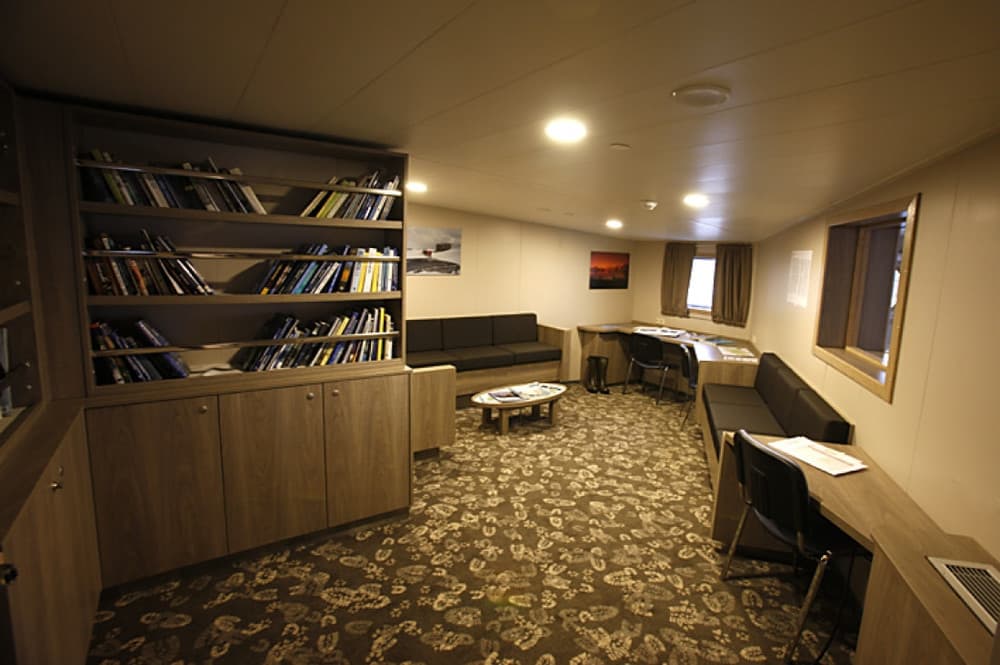
Observation Lounge

The vessel offers a restaurant/lecture room on deck 3 and a spacious observation lounge (with bar) on deck 5 with large windows, offering full panorama view. M/v “Plancius” has large open deck spaces (with full walk-around possibilities on deck 4), giving excellent opportunities to enjoy the scenery and wildlife.

Health And Fitness

There are no health/fitness facilities on board.

Enrichment

Kayaking, snowshoeing, mountaineering, camping, scuba diving, and much more – our activities are as exciting as they are numerous.We provide much of the equipment you’ll need, and our fleet of Zodiacs will shuttle you to and from all outings with utmost speed and safety. Should you need more of a lift, we even bring our own helicopters on select Ortelius cruises.

It isn’t just the landscape you will experience, it’s also the immense and indelible world of wildlife that calls that landscape home. Allow us to acquaint you with the real polar survivalists that make these far-flung regions truly come alive.

Loading...

Excursions & Landings

Every day there will be excursions on land, weather and ice permitting. The landings will take three to six hours per day over untracked area. According to circumstances (the weather, the ice-situation or the passengers´ wishes) the program can sometimes be adjusted. Ample time will be devoted to wildlife, vegetation, geography and history.

Lectures

Lectures on board are selected and relevant to the destinations we travel to. We cover major topics like marine biology, geography, geology, glaciology, ornithology and history.

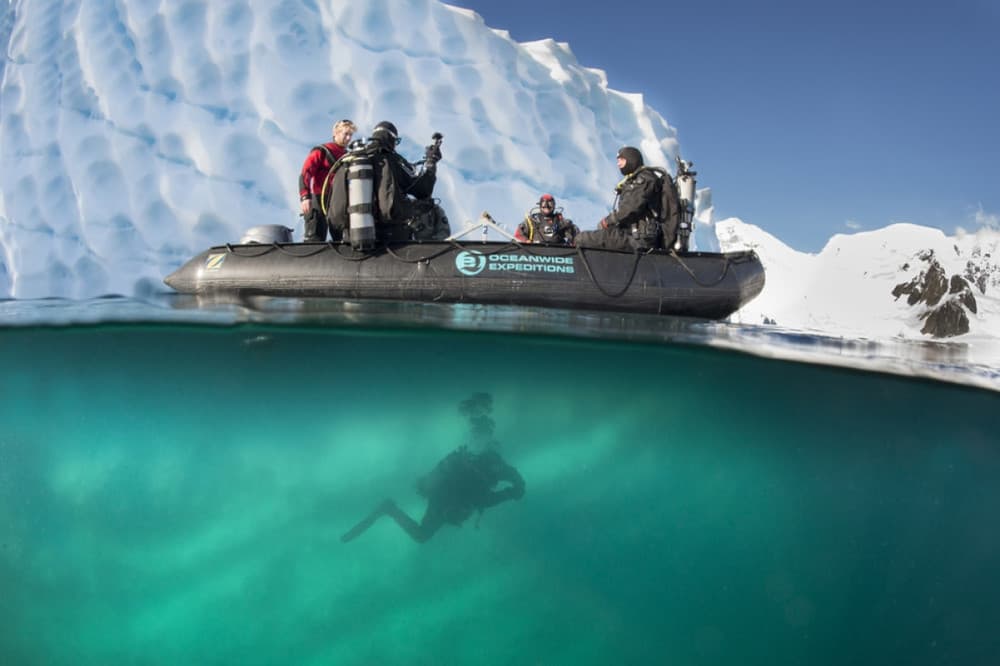
Polar Diving

All of our polar voyages provide you maximum firsthand contact with local wildlife and terrain, but it is our intimate knowledge of the seas that allows us to also give you an unparalleled adventure below the waves.

Join us on one of our Arctic or Antarctic diving cruises, true expeditions in every sense of the word, during which you will have access to some of the most scenic dive sites in the polar regions.

With this exciting ac....

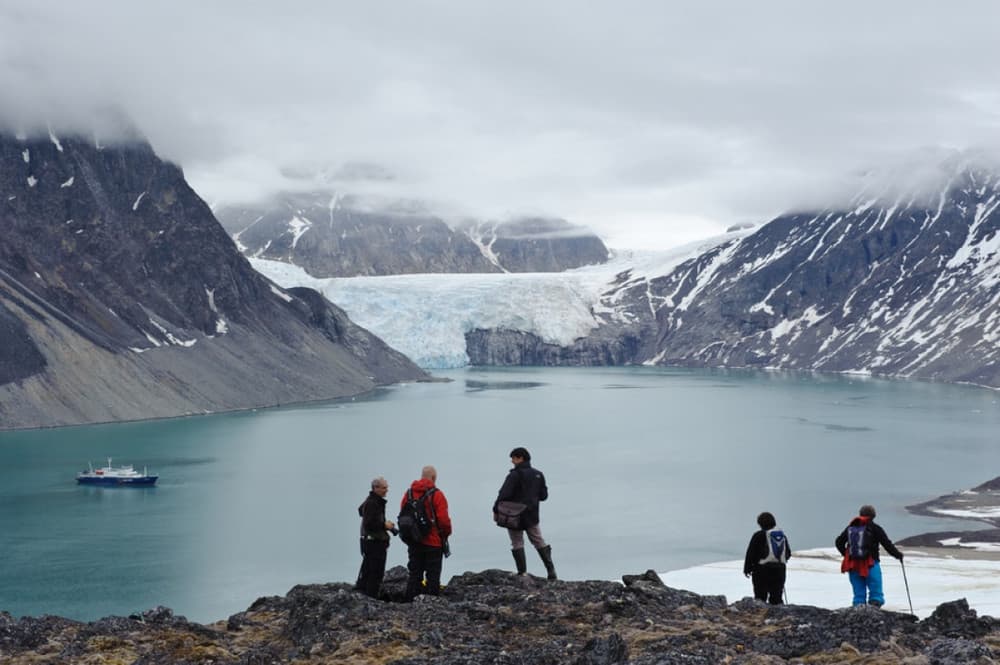
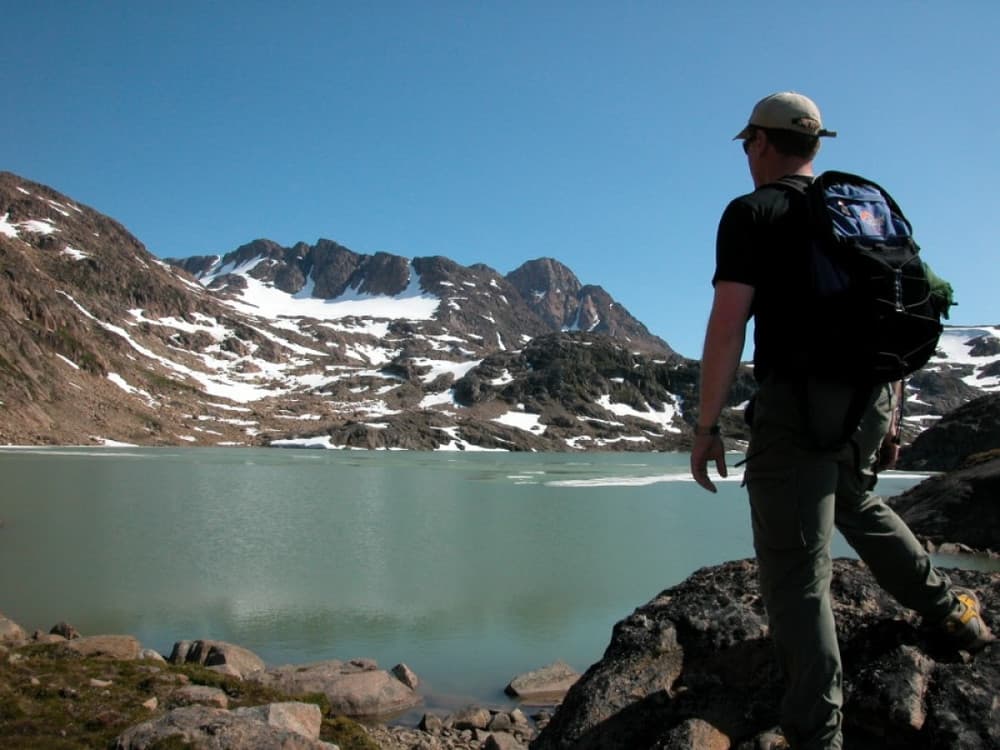
Hiking

There’s no closer way to explore a new area than on your own two feet. With this in mind, we offer a number of hiking expeditions built for all levels of hiker – from the casual walker to the hard-core hiking enthusiast.

Do you need to be an experienced hiker?

For basic walks, you just need to be in reasonably good shape and health. Hikes usually last somewhere between two and six hours. Keep in mind there are no paths and t....
Ski Mountaineering

Interested in something slightly more adventurous than shoreline walks and wildlife watching? Our ski mountaineering trips give you an invigorating up-close experience of the rugged peaks and majestic mountains flanking the high Arctic fjords.

Along the way, you’ll be able to enjoy all the usual perks of polar expedition cruising: expansive scenery, exploratory outings, and the chance to see all manner of exotic Arctic wildlife.

O....
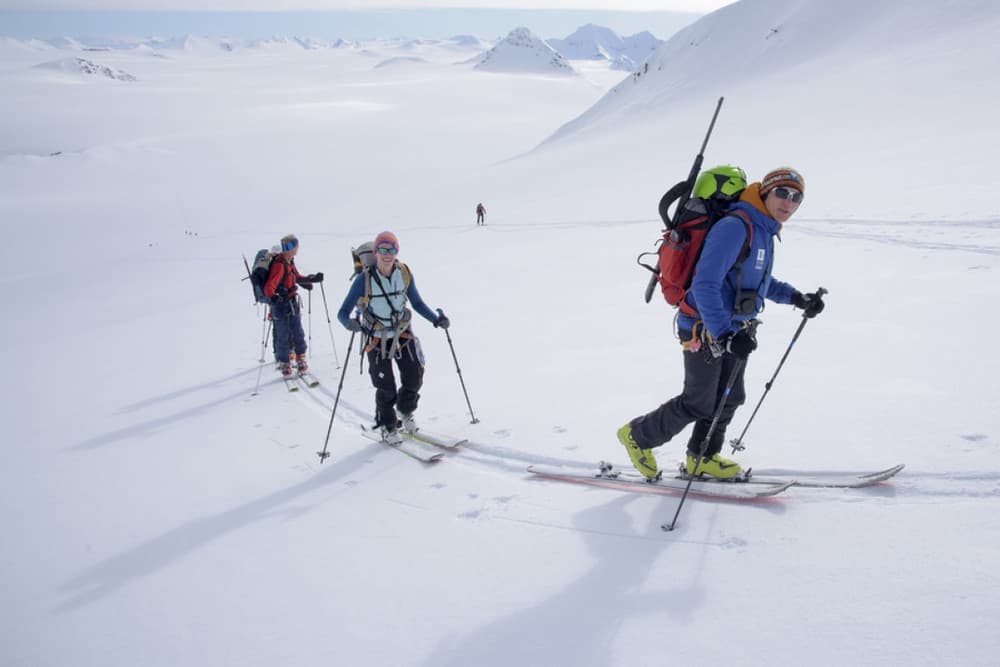
Photo Workshop

Photography trips

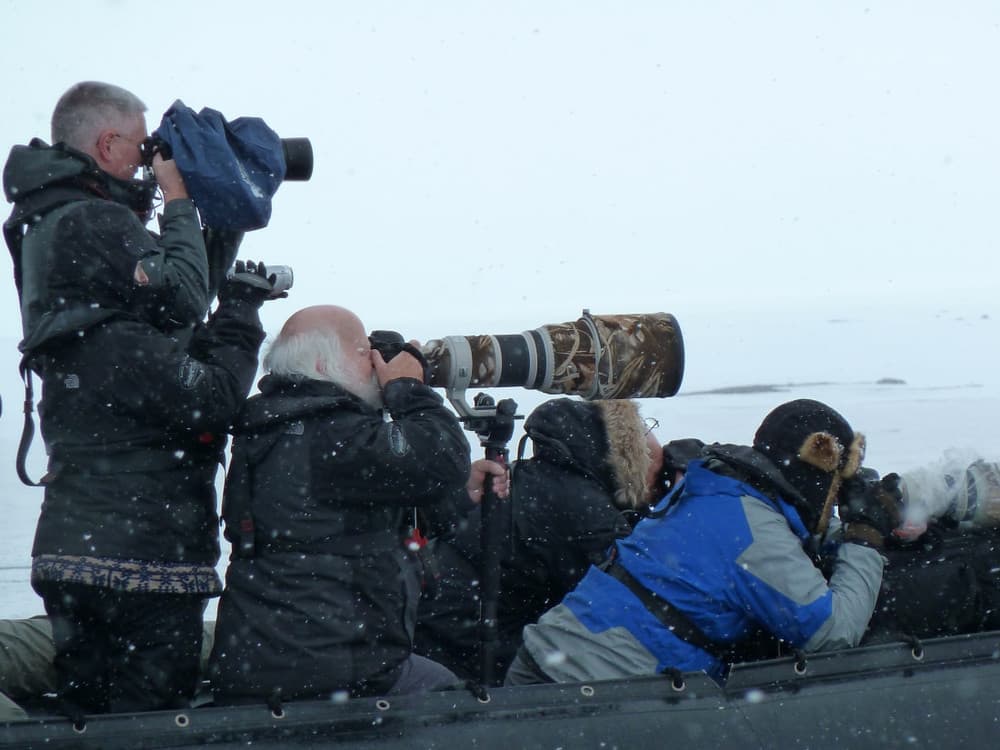
You might find mere words failing to express to your friends what it meant to you to get in touch with the pristine beauty of the Polar Regions. But you might also be worried that you’re no world-class photographer and that your pictures aren’t going to live up to your Arctic or Antarctic experience.

Not to worry. Select voyages have pro photographers on board who are happy to share their experience and exp....
Kayaking

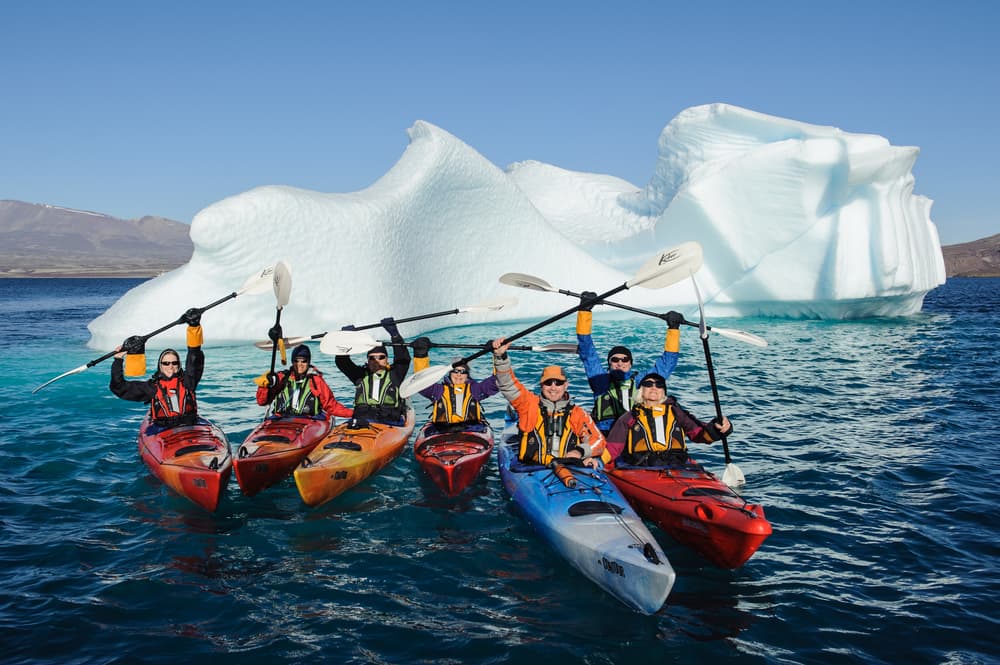
Explore the Arctic and Antarctic coastline in a kayak.

One of the best things about a polar voyage is that you’re never done exploring. Even if you think you have walked every shore, climbed every mountain, and spotted every penguin (or polar bear), there is still a whole other world to explore on the water.Polar kayaking is a great way to tour the blue-and-white beauty of the polar seas up close, visiting stunning ice formations and wat....
Snowshoeing

Snowshoeing in the Arctic and Antarctica

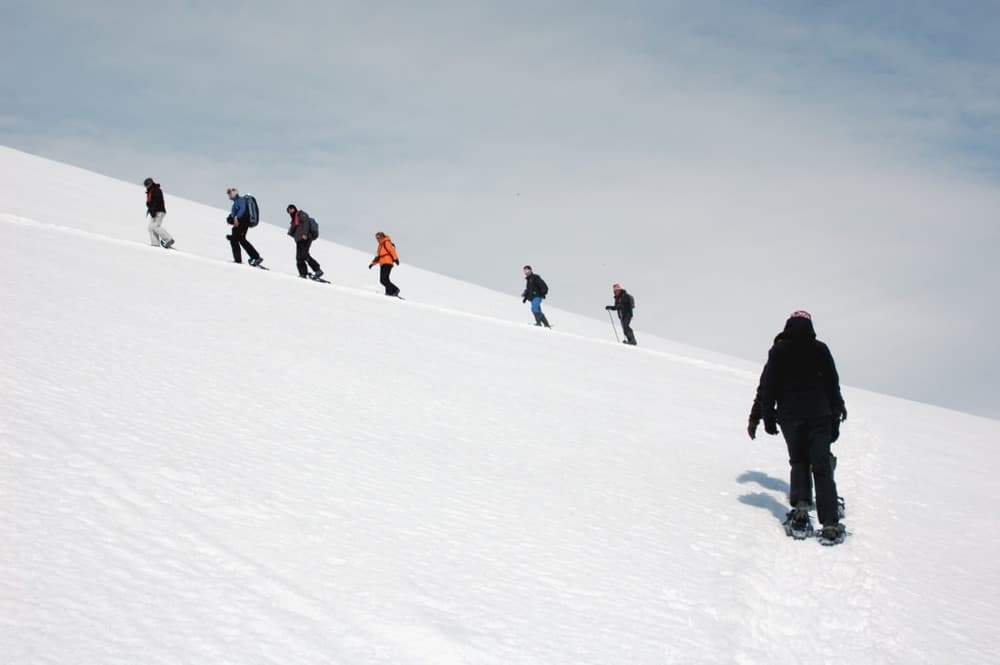
There really is no better way to take in a new place than by exploring it on foot. With that in mind Oceanwide Expeditions offers you the chance to explore your way inland from the Polar shorelines with a wide variety of snowshoeing expeditions built for everyone. From the casual explorer to the hard-core snowshoe-er.

Do I need to be experienced? How physically fit do I need to be?
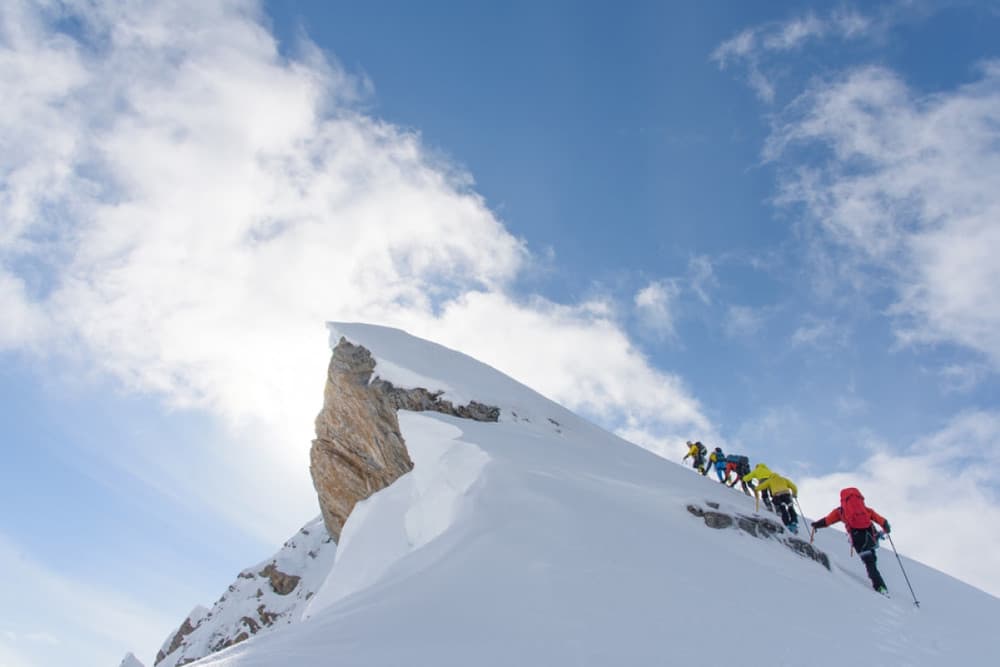
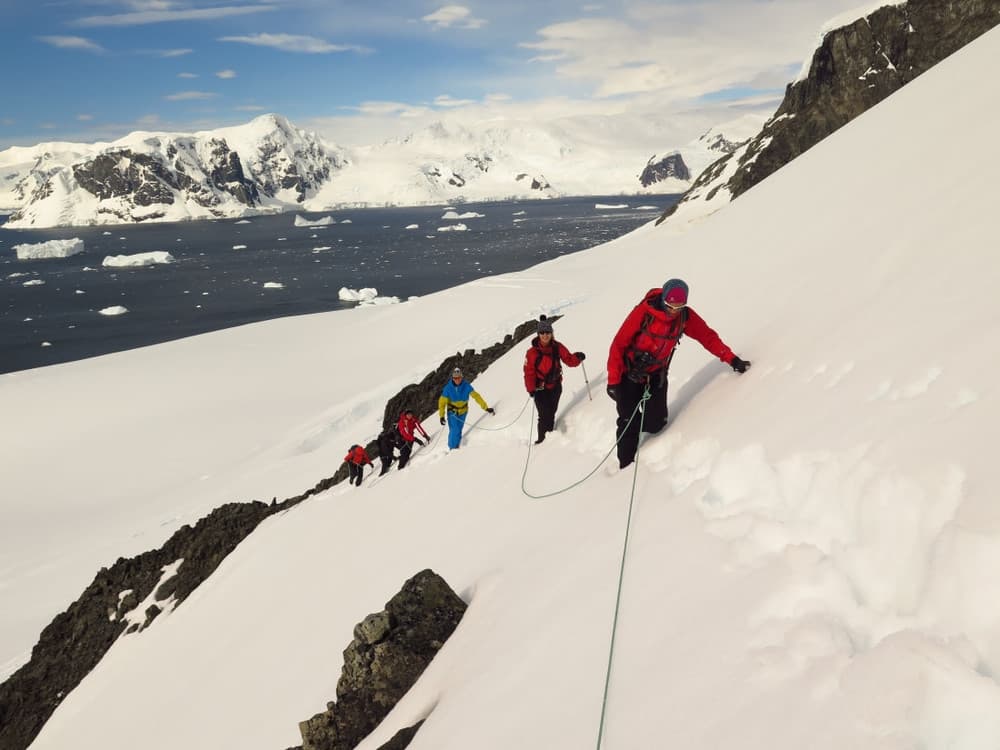
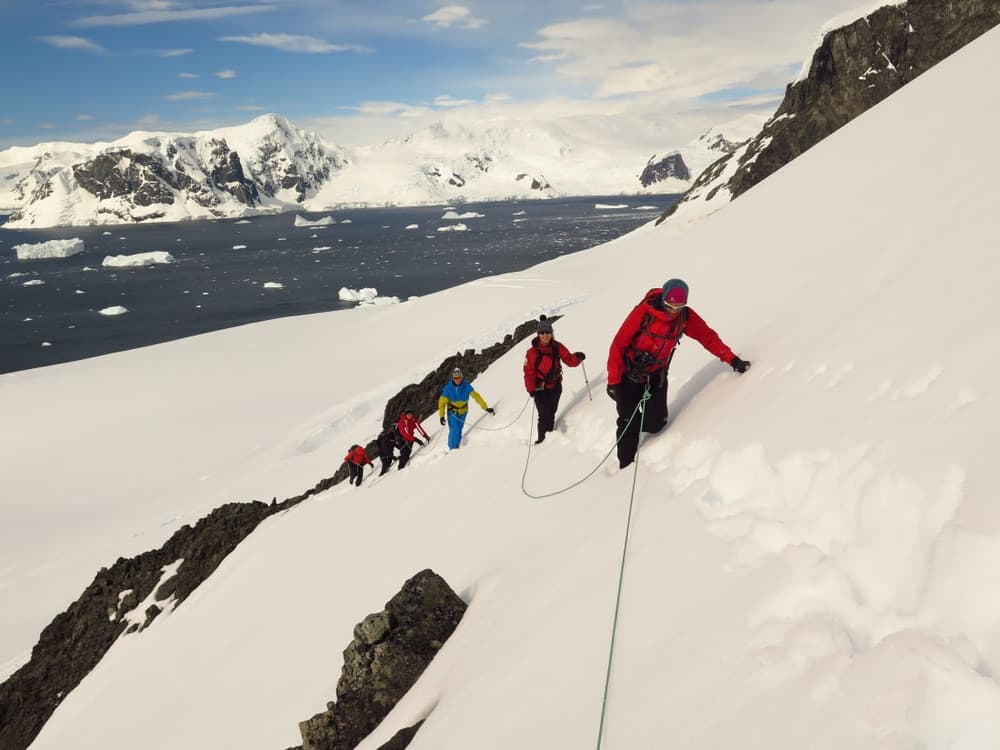
Mountaineering
Mountaineering: an exciting exploration in the Antarctic Wilderness

Looking to push yourself a little further on your Polar cruise? 

Want to travel further and see more than almost anybody else? Mountaineering cruises are the thing for you.


Do I have to be in really good physical shape for mountaineering?

In terms of physical fitness you’re going to want to be in good enough shape that you’re up to the ....

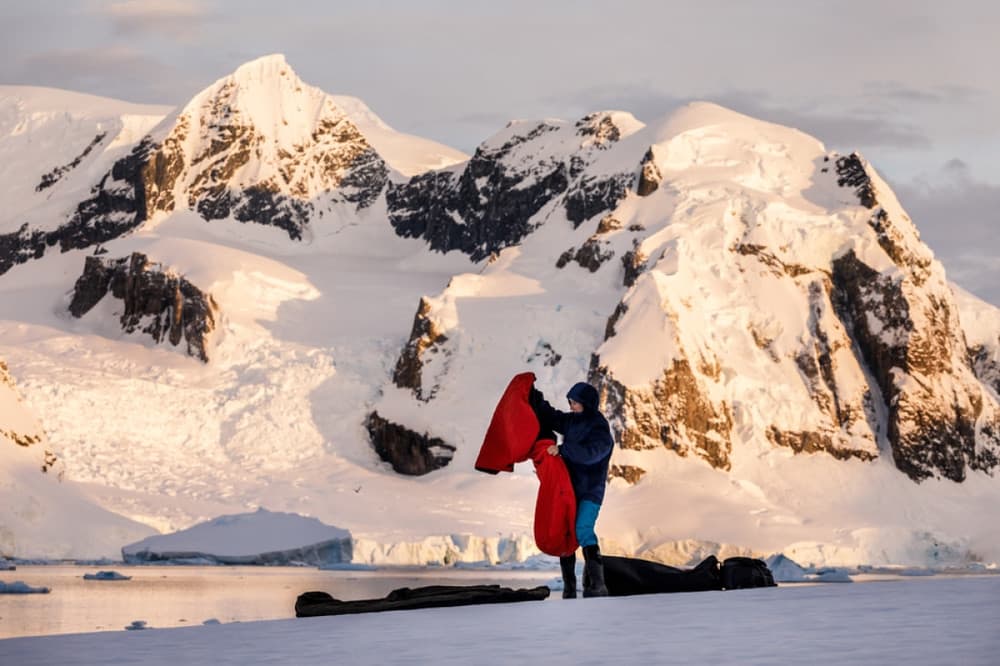
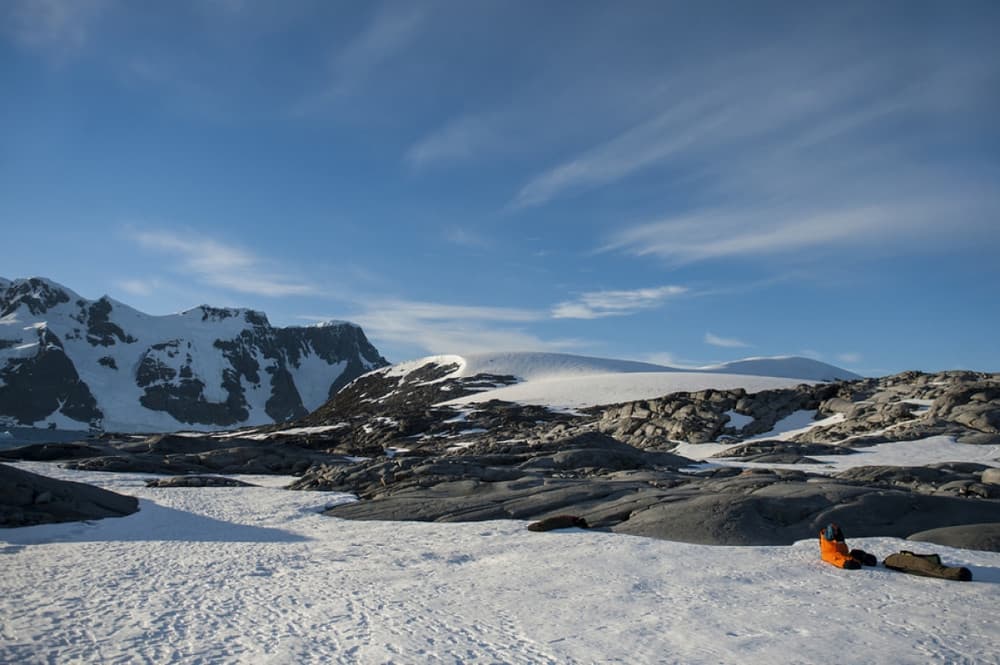
Antarctic Camping
For those craving a truly immersive polar adventure, our open-air camping activity gives you the chance to experience the Antarctic wilderness as few travelers have.

We provide the necessary camping gear, including breathable bivouac bags that are wind and waterproof and a lightweight alternative to tents. And our polar sleeping bags will keep you warm, dry, and comfortable during the enchanting Antarctic night.

All campers will be ....
Kids And Teens

There are no children's facilities on board.

USEFUL TO KNOW

Loading...

Age Restrictions

The minimum age we can allow on board is three years old. The maximum age we consider to be a child is 16 years old. We offer a 40% child discount in certain cabin types on a selection of voyages for children between three and 15 years old.

Disabled Facilities

Unfortunately, we’re only able to provide voyages to passengers who meet a certain level of physical ability. Rough seas, rugged terrain, and physically demanding weather conditions are all commonly encountered during our voyages, which can at times be challenging even for people in peak physical fitness.

The added difficulty of a wheelchair or other physical disability, therefor, could prevent us from making safe and timely shore landin....

Packing Tips

The choice of clothing for cold temperatures during your Arctic or Antarctica expedition cruise is a very special matter. It depends on your individual experience whether to take warm clothes with you.

Our advice is to take warm, wind and waterproof clothes with you during the expedition. Multiple layers of medium-warmth clothing provide more insulation than a single heavier article – this is due to warm air getting trapped in between th....

Medical Facilities

On our motor vessels, we have an onboard doctor as well as a basic infirmary equipped to provide first-aid assistance for small injuries. If you feel sick or uncomfortable, please do not hesitate to consult the doctor. If you take special medication or are allergic to any medication, please inform us well in advance of your trip. In case of emergencies, please contact the ship’s doctor.

Solo Travellers

We will always pair you with someone of the same gender. If you do not want to share a cabin with another passenger, you can book a twin cabin for your own individual use. The single supplement of 1.7 will then apply.

The single supplement is only applicable when you request a guaranteed single cabin. If you end up being alone in your cabin simply by chance, we do not charge the single supplement.

Dress Code

In keeping with our expeditions atmosphere, dress on board is informal. Bring casual and comfortable clothing for all activities. Keep in mind that much of the spectacular scenery can be appreciated from deck, which can be slippery. Bring sturdy shoes with no-slip soles and make sure the parka is never far away in case of the call "Whales!" comes over the loudspeaker and you have to dash outside. Wear layers since it is comfortably warm aboard....

Health & Safety

You must be in good general health and you should be able to walk several hours per day. The expedition is ship-based and physically not very demanding. Although we spend as much time as possible ashore, you are welcome to remain aboard the ship if you like. To join most excursions, you must be able to get up and down the steep gangway from the ship to the water level to board the Zodiacs. Staff will assist you in and out of the boats. This wi....

Wi-Fi & Signal

Depending on the satellite coverage in our areas of operation, we have Wi-Fi on our motorized vessels. Vouchers can be purchased at reception.

Satellite coverage in the Arctic, however, is nearly non-existent. We can only offer onboard email accounts there.

Vessel internet runs via satellite connection, so please be aware that it’s considerably slower than what you may be used to.

We have an onboard cellular service, also dep....

Non-smoking policy
On board our vessels we have a non-smoking policy. It is prohibited to smoke inside the ship. You can smoke in the designated smoking areas. Please respect the wishes of non-smokers.
Your physical condition
You must be in good general health and you should be able to walk several hours per day. The expedition is ship-based and physically not very demanding. Although we spend as much time as possible ashore, you are welcome to remain aboard the ship if you like. To join most excursions, you must be able to get up and down the steep gangway from the ship to the water level to board the Zodiacs. Staff will assist you in and out of the boats. This will ....
Electric Current
The electrical supply aboard the ship is 220v, 60Hz. Electrical outlets are standard European with two thick round pins. You may need a 220v/110v converter.
Currency & Payments
Refreshments from the bar and souvenirs will be charged to your cabin. The day before departure you can settle your bill with the Hotel Manager and pay by credit card (Visa or MasterCard) or cash (Euro or Dollar). We do not accept cheques of any kind. The prices and standard currency on board our vessels is the Euro. Other currencies may be accepted at the discretion of the hotel manager at prevailing rates.
Age & Nationality
Passengers on a typical voyage range from their 30s to their 80s - with a majority usually from 45 - 65. Our expeditions attract independent-minded travellers from around the world. They are characterised by a strong interest in exploring remote regions. The camaraderie and spirit that develops aboard is an important part of the expedition experience. Many departures have several nationalities on board.
Sustainability

We are all guests in the polar regions, which means we must do everything we can to leave these incredible areas as untouched by our passage as possible. Here are some ways we do this.

Promoting polar awareness

In 1983 the Arctic Centre of Groningen University in the Netherlands launched a research program to Spitsbergen, the largest island of the Norwegian archipelago of Svalbard.

Updating our vessels

Fo....

Proximity to Wildlife

We are required to keep a minimum distance from all wildlife. This distance may vary depending on the species, but the aim is always to reduce the possibility of disturbing the animals while also keeping our passengers safe. Your expedition guides will inform you as to the distance we are required to keep from various animals.

Sometimes curious wildlife (such as penguins and young seals) may approach you, but we ask that you refrain from....

Preservation & Restrictions

  • Avoid unnecessary damage to the ground surface and vegetarian cover, as regeneration rates are extremely slow. Do not take specimens from plants. Do not pick flowers.
  • Avoid disturbing or feeding the wildlife. Be aware of your activities and whether they are resulting in a change of the animals' behaviour. Be aware that Rabies does occur on Spitsbergen, particularly in Arctic Foxes. Be careful when moving in areas where bird....
Pregnancy

You can travel if you are pregnant, although with certain restrictions. Please first consult your gynecologist and obtain all necessary medical advice before booking or making a voyage with Oceanwide Expeditions.

Also, be aware that we may not be able to provide you a voyage at all if your pregnancy has advanced beyond a certain point (usually 29 to 36 weeks, depending on your circumstances). Our onboard infirmaries are not equipped to a....