

Essential Patagonia: Chilean Fjords and Torres del Paine
All departures of this tripCRUISE ID # QUARKULT20290322
Buenos Aires TO Punta Arenas
$15,478.23
WITH SPECIAL SAVINGS APPLIED
FARES SHOWN ARE PER GUEST
Suites & Fares
CHOOSE START DATE
: March 22, 2029
Itinerary

Upon arriving in this splendid city, known for its vibrant Argentine culture, European architecture and cosmopolitan vibe, you will independently transfer to the designated group hotel, which is included in your Charter Flight & Hotel package.
After an early breakfast at the hotel, the group will transfer to the airport and board our private charter flight to Ushuaia, Argentina. Upon arrival, you will be transferred from the airport to a central downtown location to have some time on your own to explore this quaint port town before meeting the bus (at a designated location) to be transferred to your ship. After a late afternoon embarkation, we will sail along the historic Beagle Channel, which transects the Tierra del Fuego archipelago in the extreme south of South America.
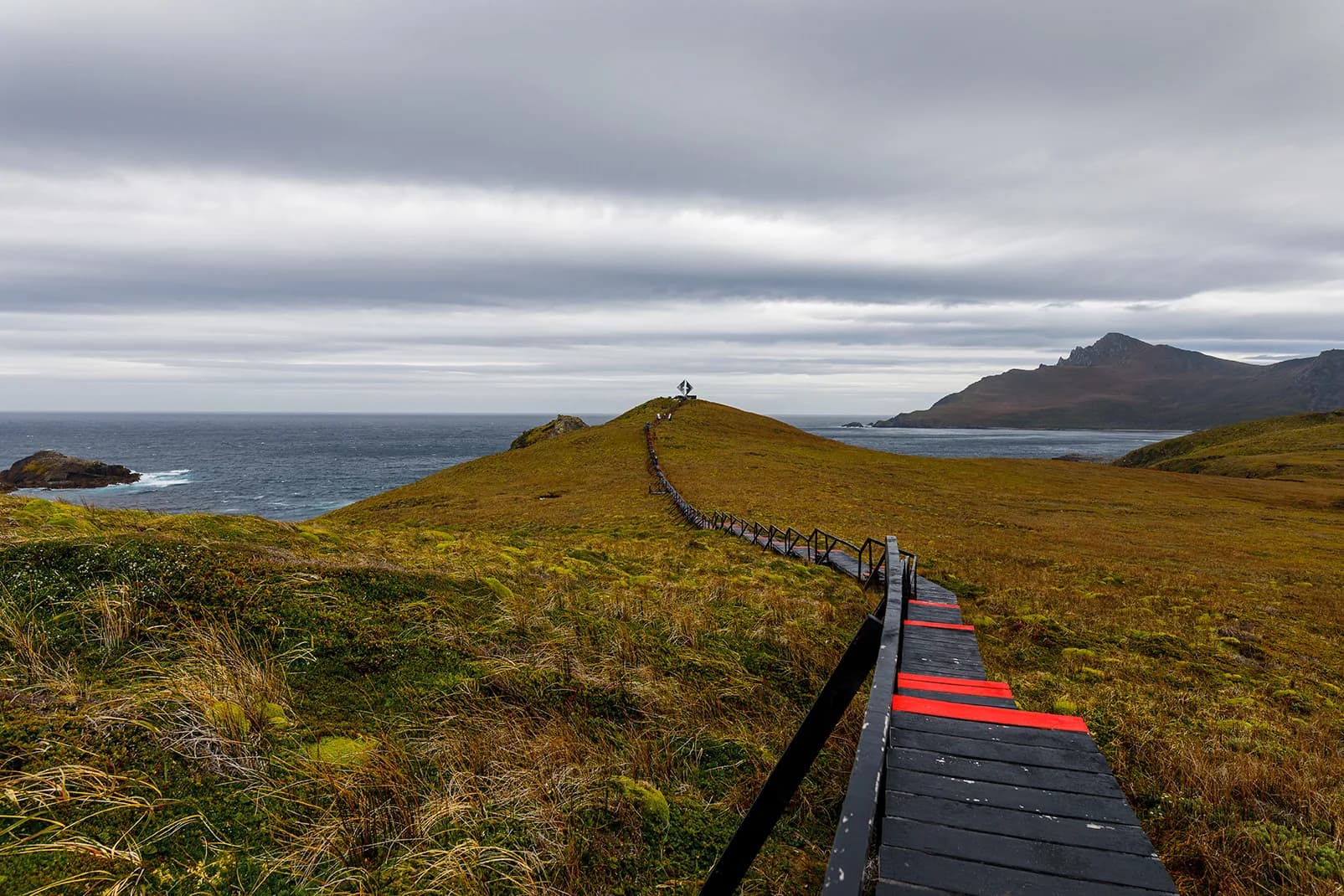
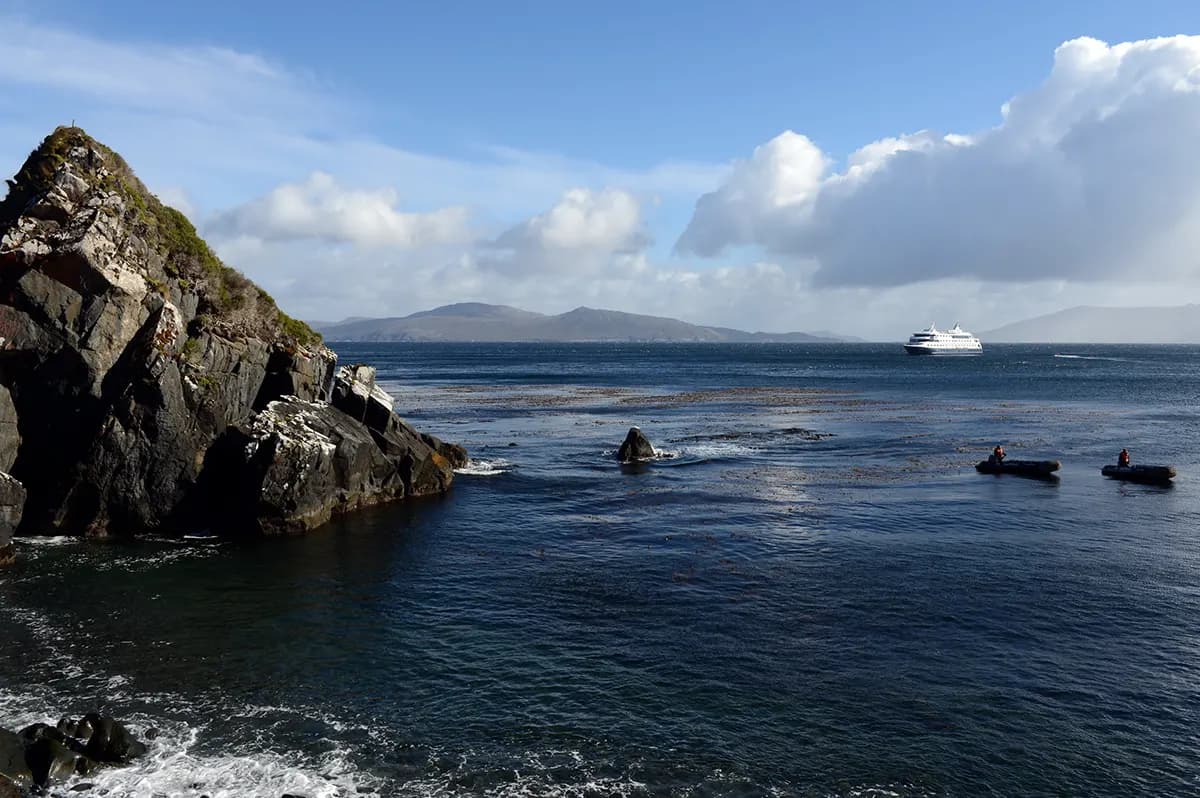
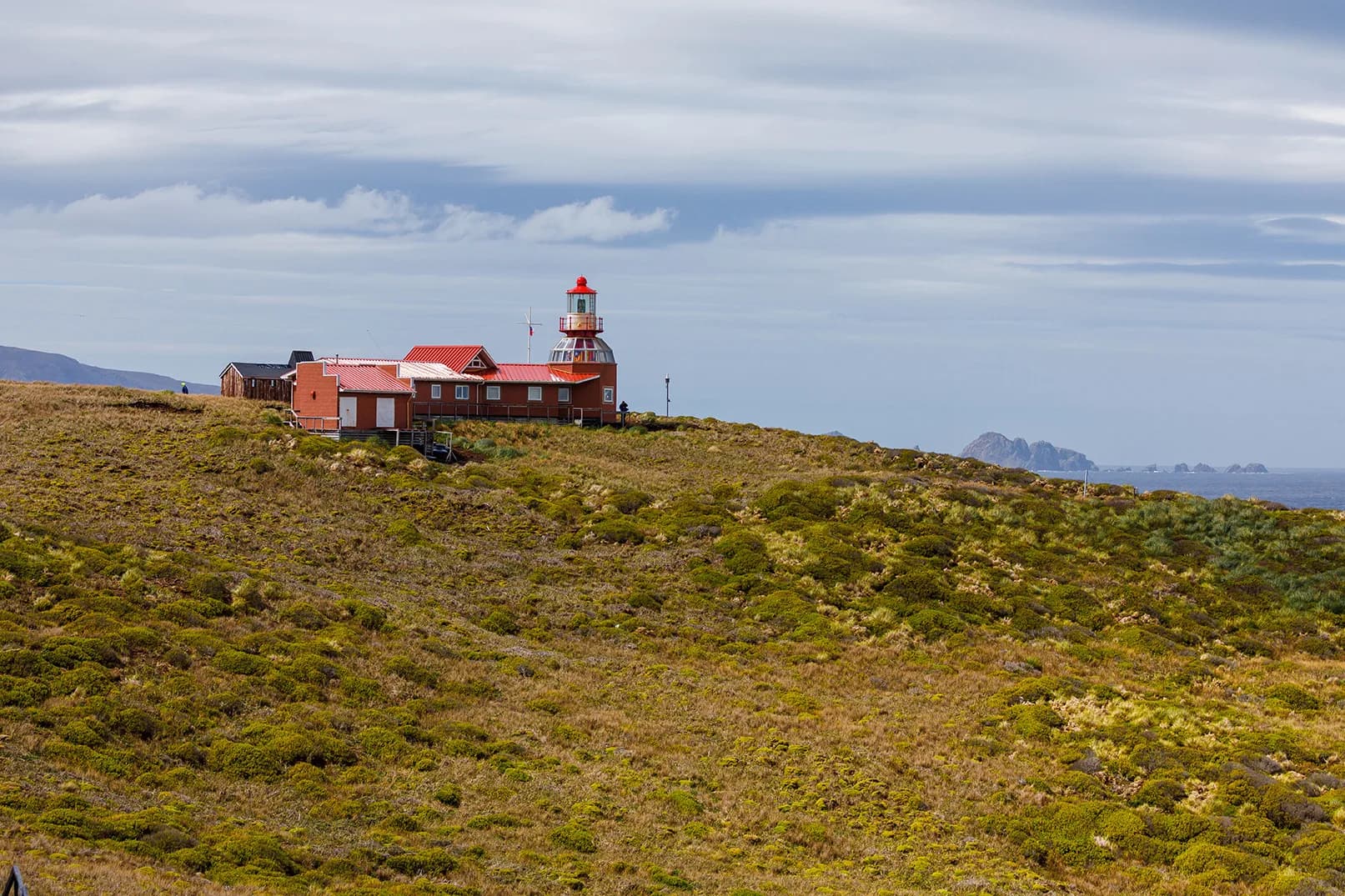
As we begin our exploration of Chile’s southern extent, expect a new adventure every day. Though each expedition will be different, depending on the weather, we aim to start our journey to the “edge of the earth” with a visit to historic Cape Horn (Cabo de Hornos). At the southernmost point of the Tierra del Fuego (“Land of Fire”) archipelago, this steep, rocky headland on Hornos Island marks the northern boundary of the famous Drake Passage, where the Atlantic and Pacific Oceans meet. From the 1700s to the early 1900s, prior to the opening of the Panama Canal, this cape was part of a major global trade route. If sea and weather conditions allow, you may go ashore for a hike out to the lighthouse, the tiny Stella Maris (“Star of the Sea”) Chapel, and the albatross-shaped monument honoring the many mariners who lost their lives attempting to “round the Horn.” Atop the windswept promontory, pause for a moment to take in the panoramic view and to enjoy the peaceful solitude that can only be found at one of the most southern stretches of land in the world.
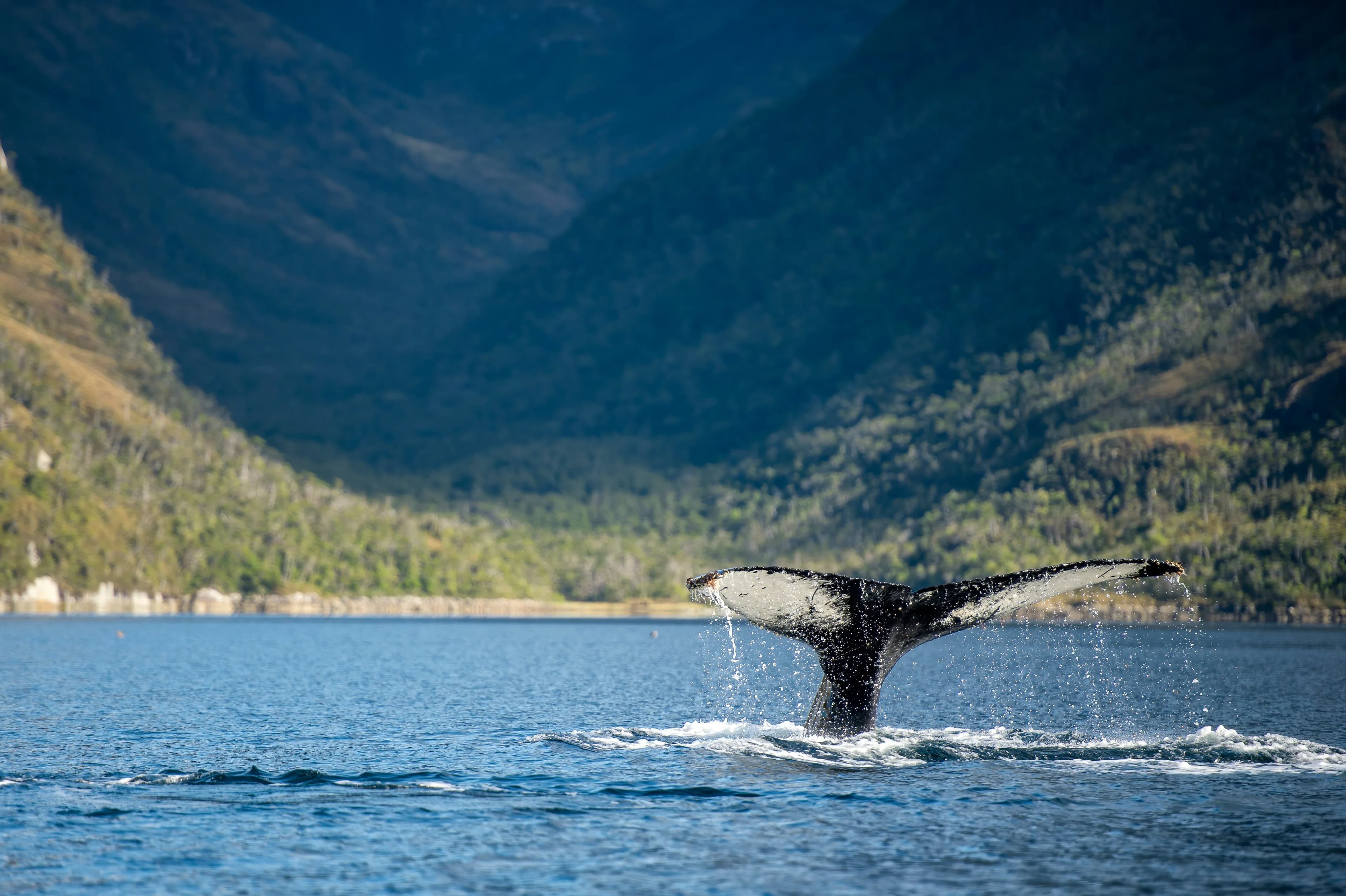
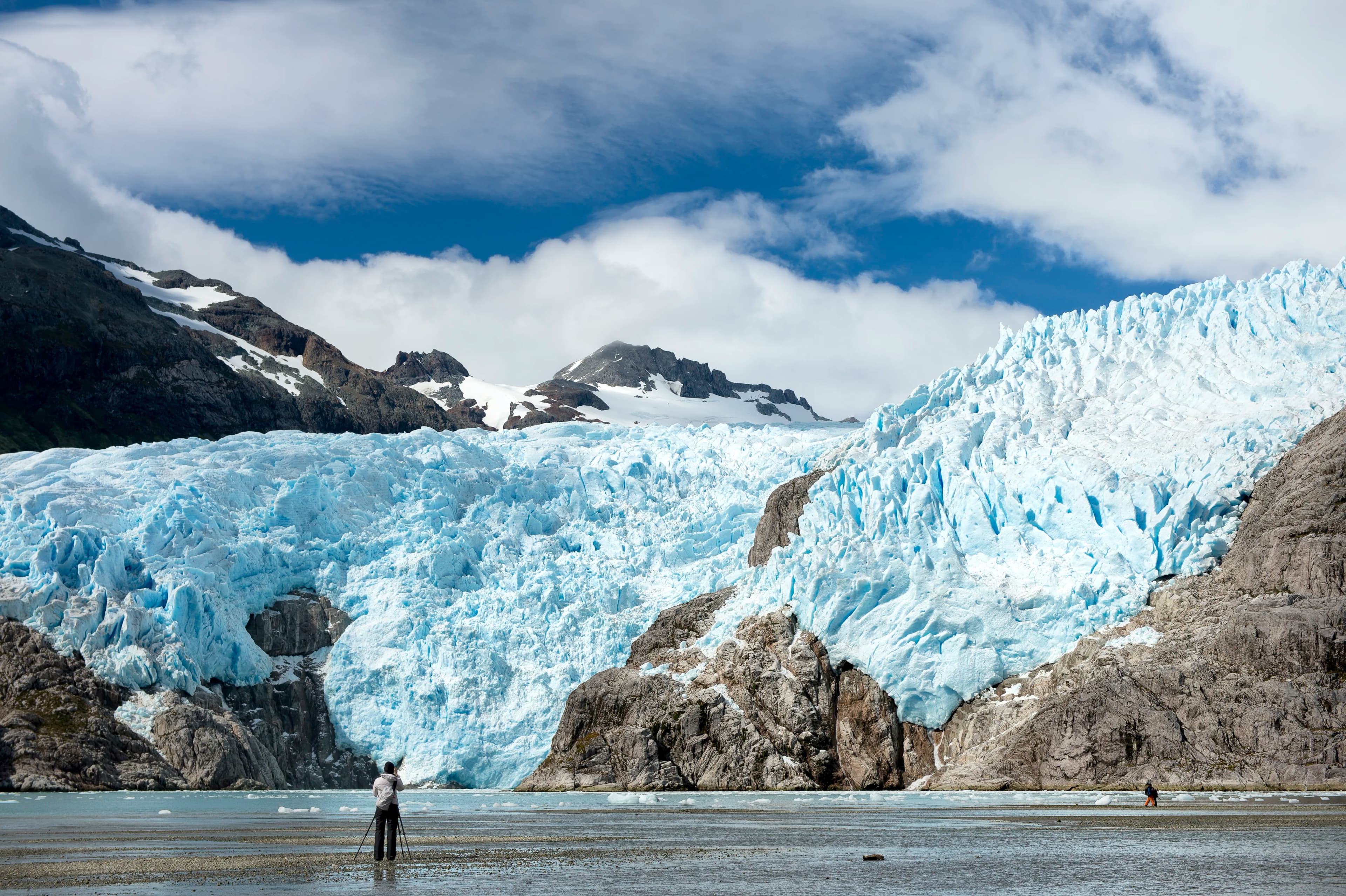
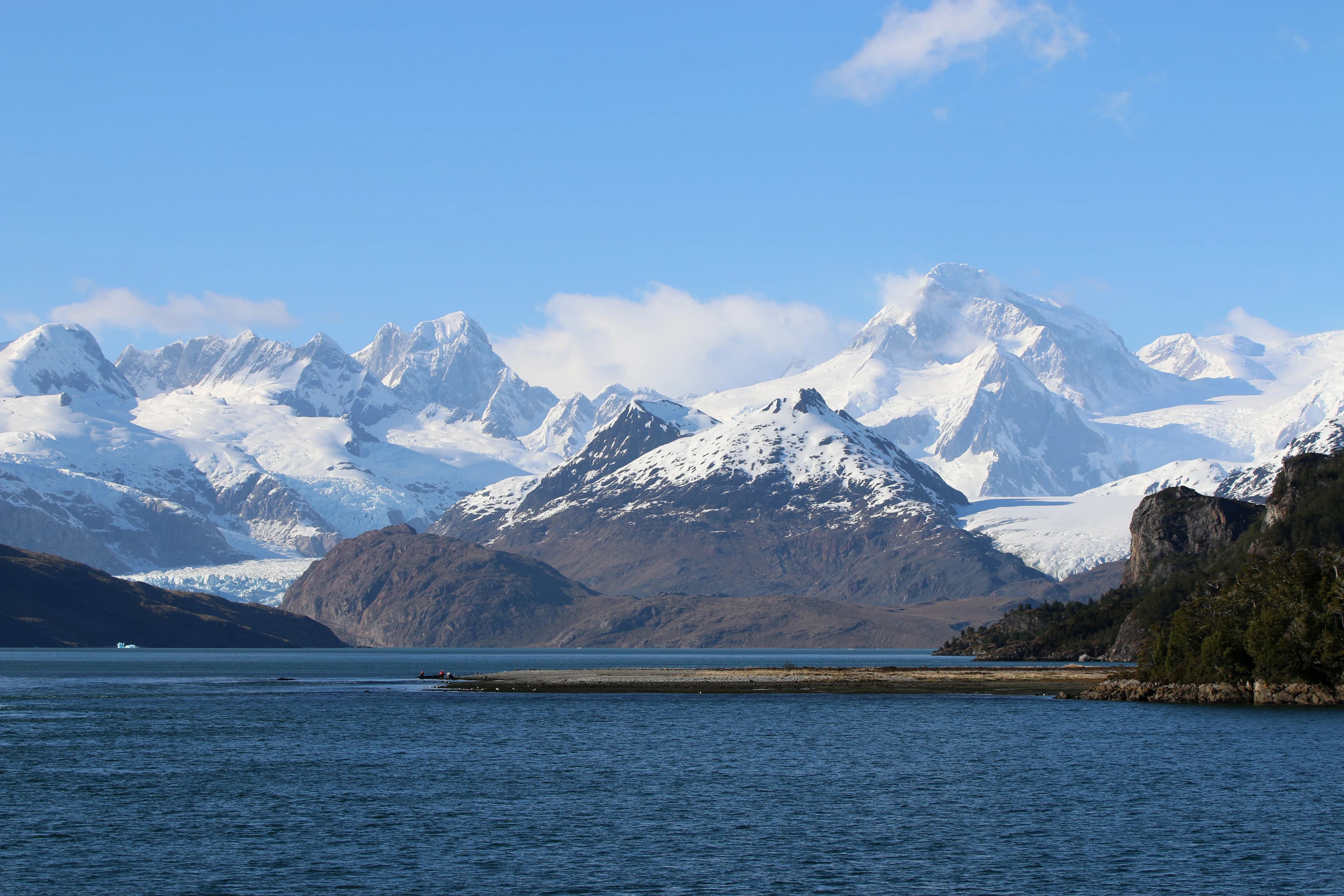
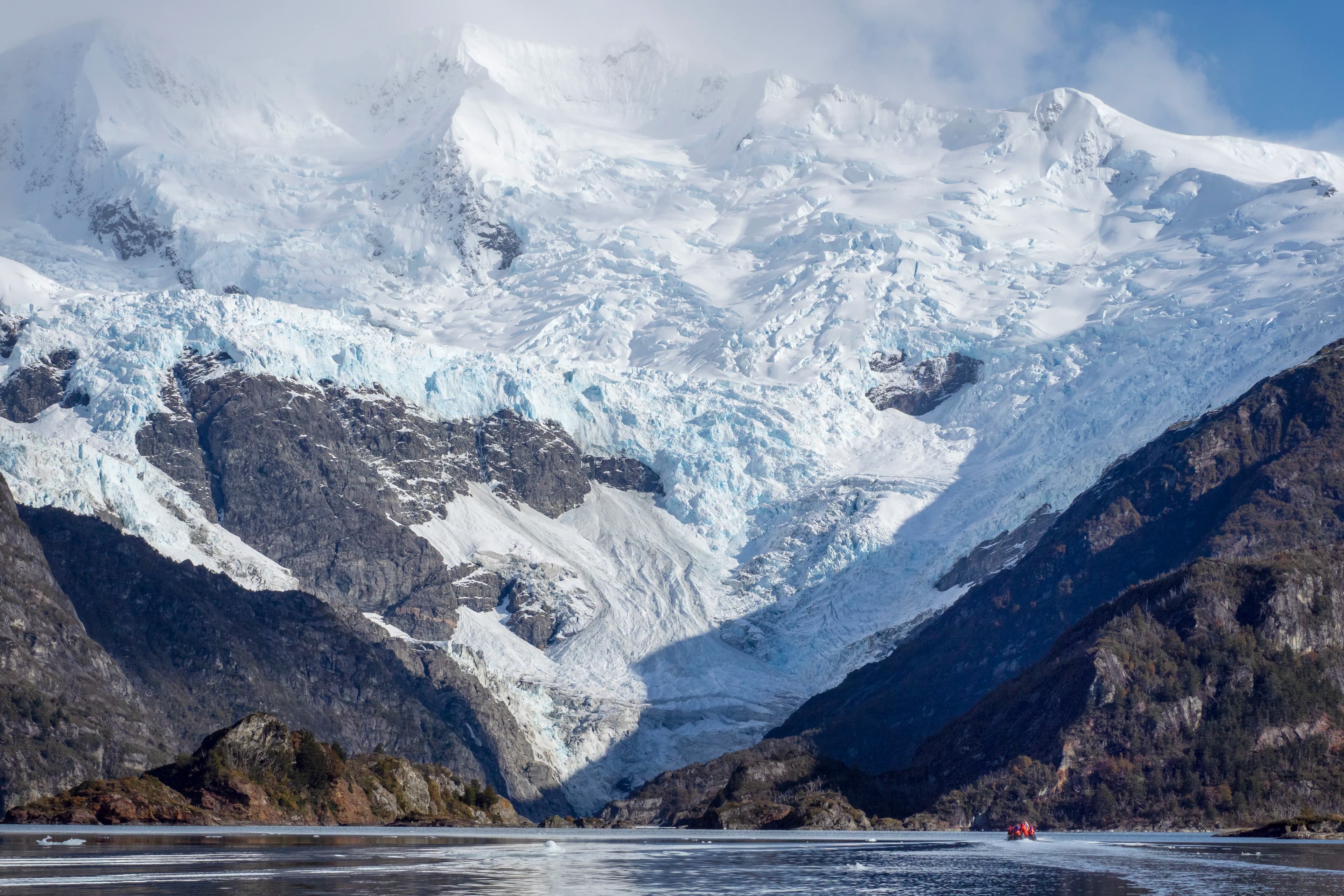
As our ship sails north toward the southern edge of Tierra del Fuego, stimulating presentations by your Expedition Team will enrich your knowledge of the glacial systems, geology, environment, wildlife and storied history of the region as you retrace Charles Darwin’s historic journey through the Beagle Channel, a 150-mile (240 km) strait separating Tierra del Fuego’s main island from several smaller islands. Named after Captain Robert FitzRoy’s famous ship on which Charles Darwin was a young naturalist, the channel presents plenty of photo ops to capture seabirds hovering overhead and dramatic vistas of jagged-peaked mountains and glaciers. Rugged and untouched, this magnificent landscape is as starkly beautiful as it was when Darwin first laid eyes on it in 1833. What he experienced in this region would later help him form his then controversial theory on evolution by natural selection Glacier Alley (as it’s nicknamed) is one of the most spectacular ship passages in Tierra del Fuego. The glaciers’ names honor the European countries that first explored the region: España (Oblicuo), Romanche, Alemania (Roncagli), Francia, Italia, and Holland Glaciers. Situated within the protected boundary of Alberto de Agostini National Park, both Pia Glaciers sit at the head of picturesque, often ice-choked fjords that offer guests jawdropping views. Located within the Cordillera Darwin (Darwin Mountain Range), the impressive Pia Glacier extends from the soaring mountaintops down into the sea. A short hike to a lookout point provides superb vistas of the glacier and mountains. Surrounded by pristine sub-Antarctic forests, with the Darwin Mountains rising dramatically out of the fjord. We can explore this area by Zodiac, and include a visit to a beautiful glacial waterfall nearby. As we navigate the fjords, your Expedition Team will keep watch for Andean condors, massive birds whose wing span is second only to the wandering albatross.
As our ship sails north toward the southern edge of Tierra del Fuego, stimulating presentations by your Expedition Team will enrich your knowledge of the glacial systems, geology, environment, wildlife and storied history of the region as you retrace Charles Darwin’s historic journey through the Beagle Channel, a 150-mile (240 km) strait separating Tierra del Fuego’s main island from several smaller islands. Named after Captain Robert FitzRoy’s famous ship on which Charles Darwin was a young naturalist, the channel presents plenty of photo ops to capture seabirds hovering overhead and dramatic vistas of jagged-peaked mountains and glaciers. Rugged and untouched, this magnificent landscape is as starkly beautiful as it was when Darwin first laid eyes on it in 1833. What he experienced in this region would later help him form his then controversial theory on evolution by natural selection Glacier Alley (as it’s nicknamed) is one of the most spectacular ship passages in Tierra del Fuego. The glaciers’ names honor the European countries that first explored the region: España (Oblicuo), Romanche, Alemania (Roncagli), Francia, Italia, and Holland Glaciers. Situated within the protected boundary of Alberto de Agostini National Park, both Pia Glaciers sit at the head of picturesque, often ice-choked fjords that offer guests jawdropping views. Located within the Cordillera Darwin (Darwin Mountain Range), the impressive Pia Glacier extends from the soaring mountaintops down into the sea. A short hike to a lookout point provides superb vistas of the glacier and mountains. Surrounded by pristine sub-Antarctic forests, with the Darwin Mountains rising dramatically out of the fjord. We can explore this area by Zodiac, and include a visit to a beautiful glacial waterfall nearby. As we navigate the fjords, your Expedition Team will keep watch for Andean condors, massive birds whose wing span is second only to the wandering albatross.
Located at the end of a tranquil lagoon surrounded by lush sub-Antarctic forests in Agostini Sound, Dainelli Glacier (sometimes called Aguila—Spanish for “Eagle” Glacier) is a unique sight, as it appears to flow over rolling hills rather than mountains. We hope to venture ashore for an easy hike along the beach to get a more intensive look at the glacier and surrounding mountains.
Continuing north, we’ll navigate through a remote network of coastal fjords and channels. Your Expedition Team will prepare you for the adventures that await, helping you further understand the glacial systems, as well as the flora and fauna that can be found in this part of Chile. Take a moment, as we glide past soaring snow-capped peaks, to contemplate the indigenous peoples who thrived here for thousands of years and the mariners of early European exploration who traveled these same sheltered passageways, and were rewarded with the same wondrous sights.
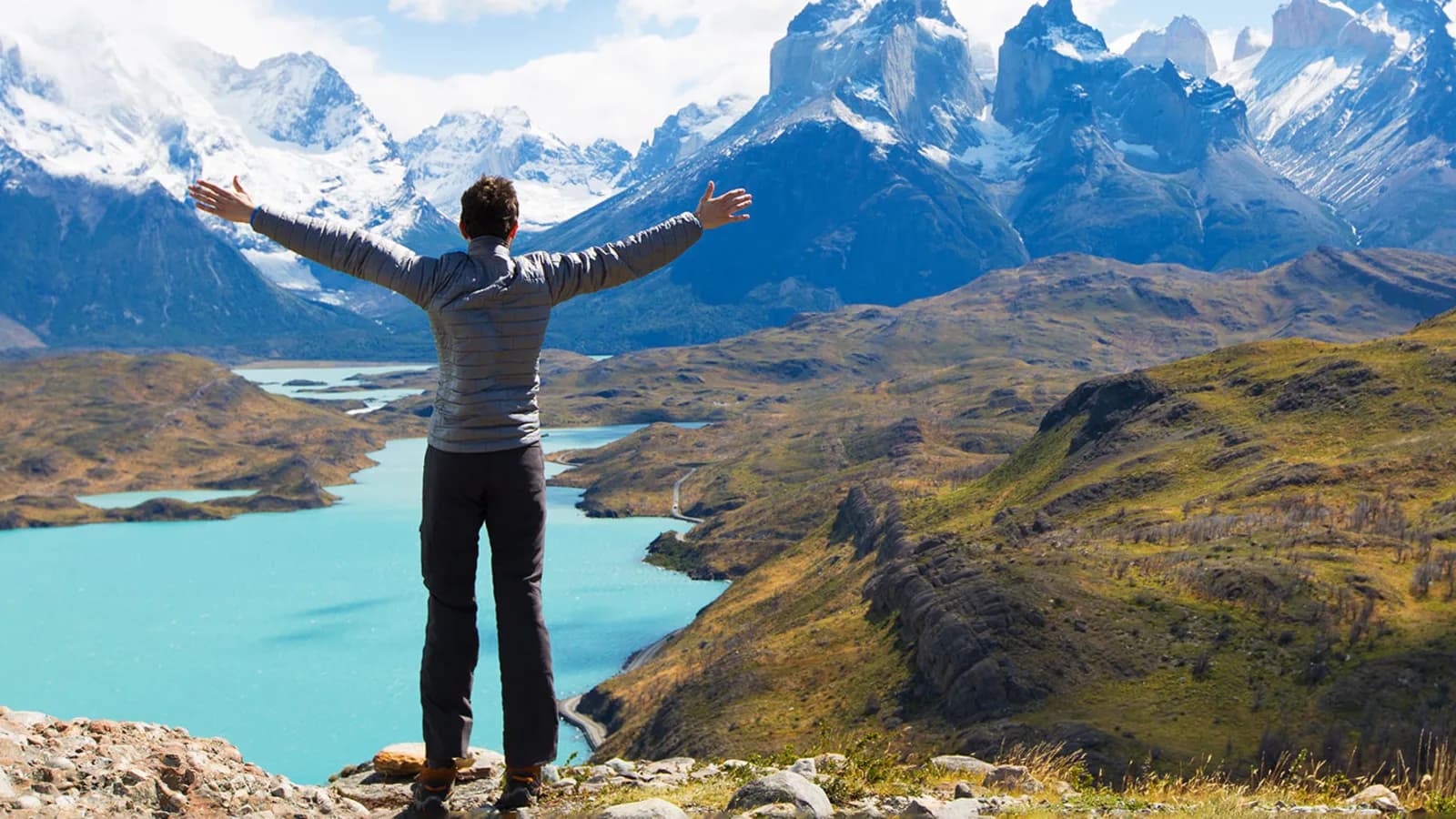
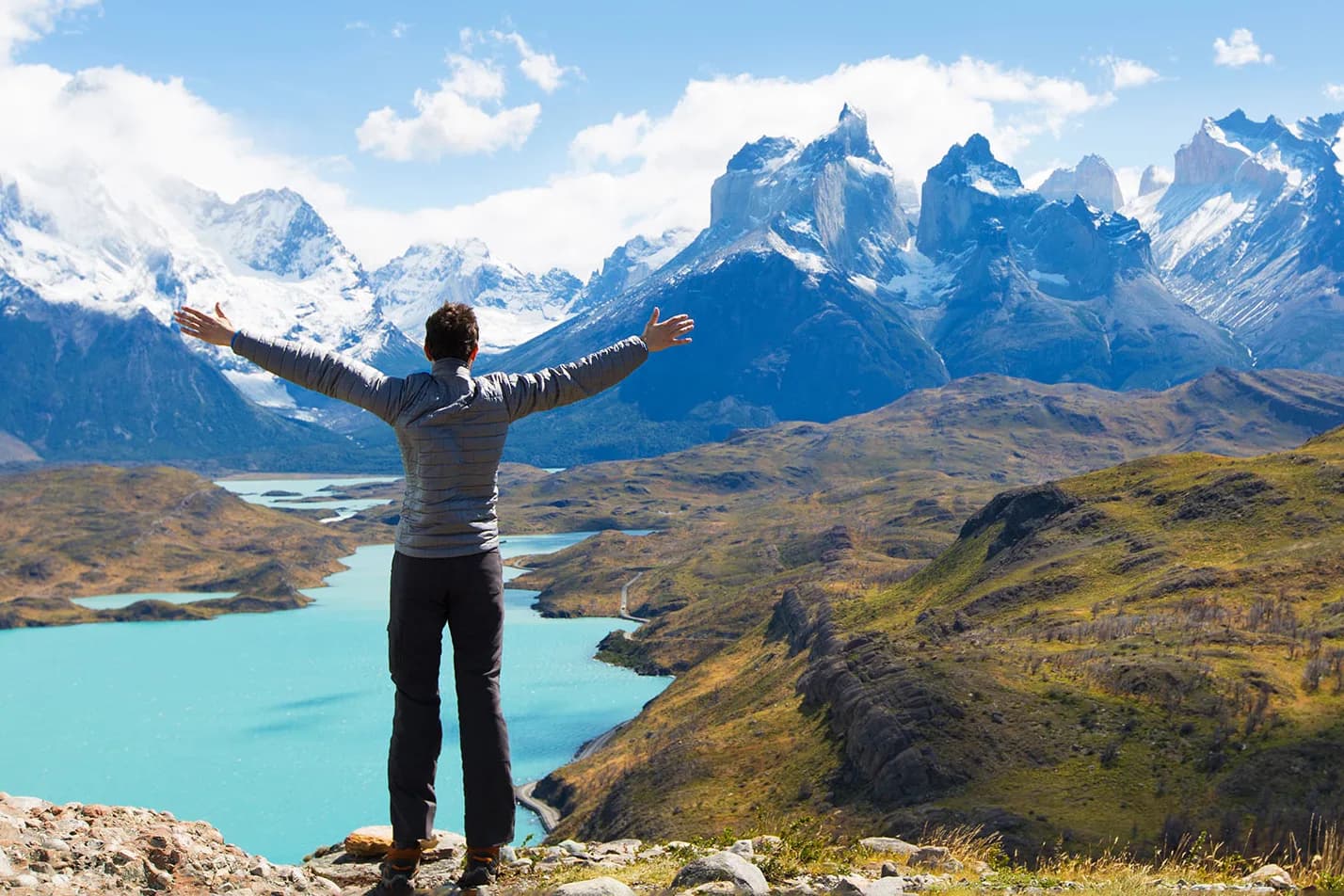
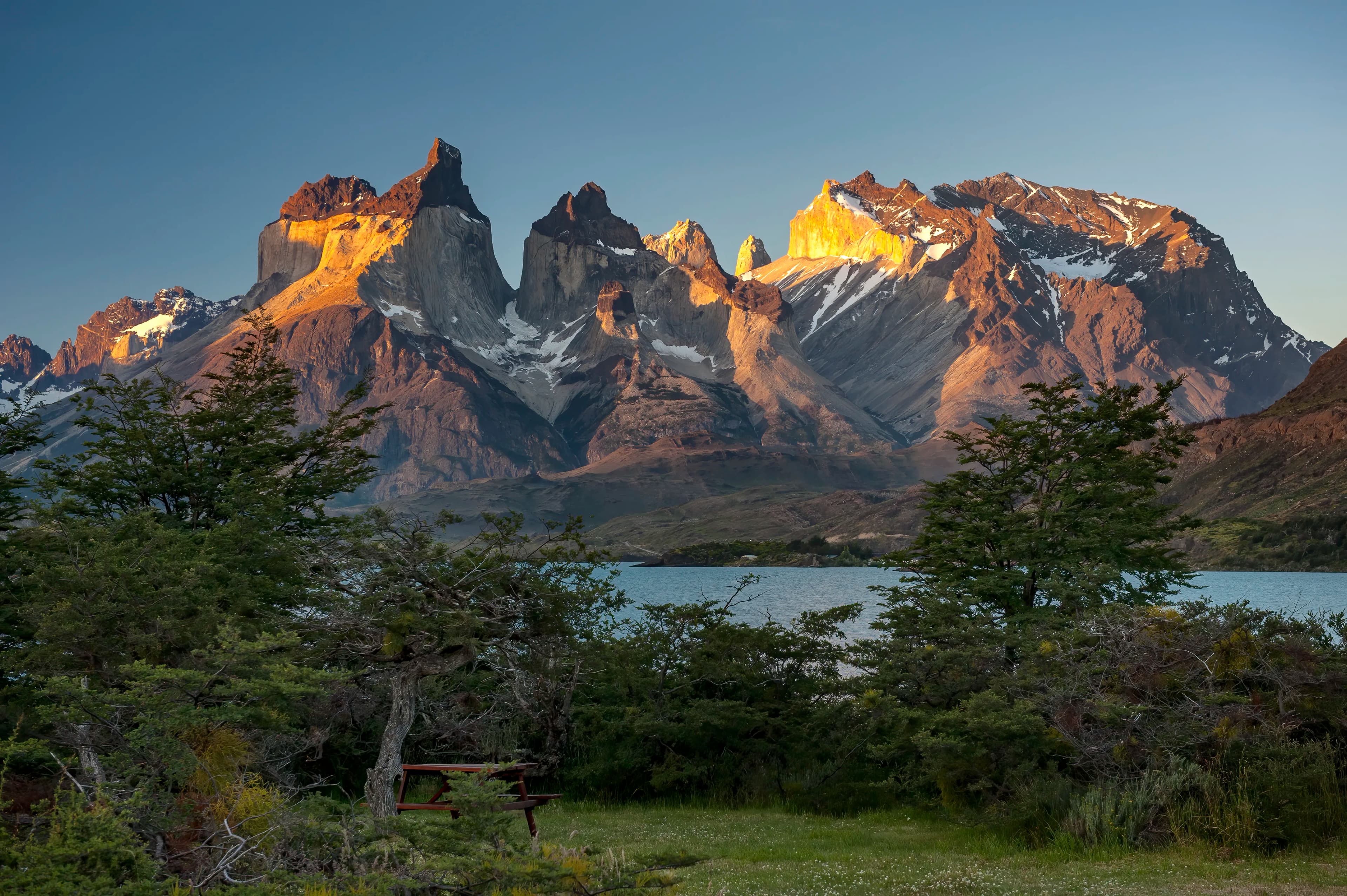
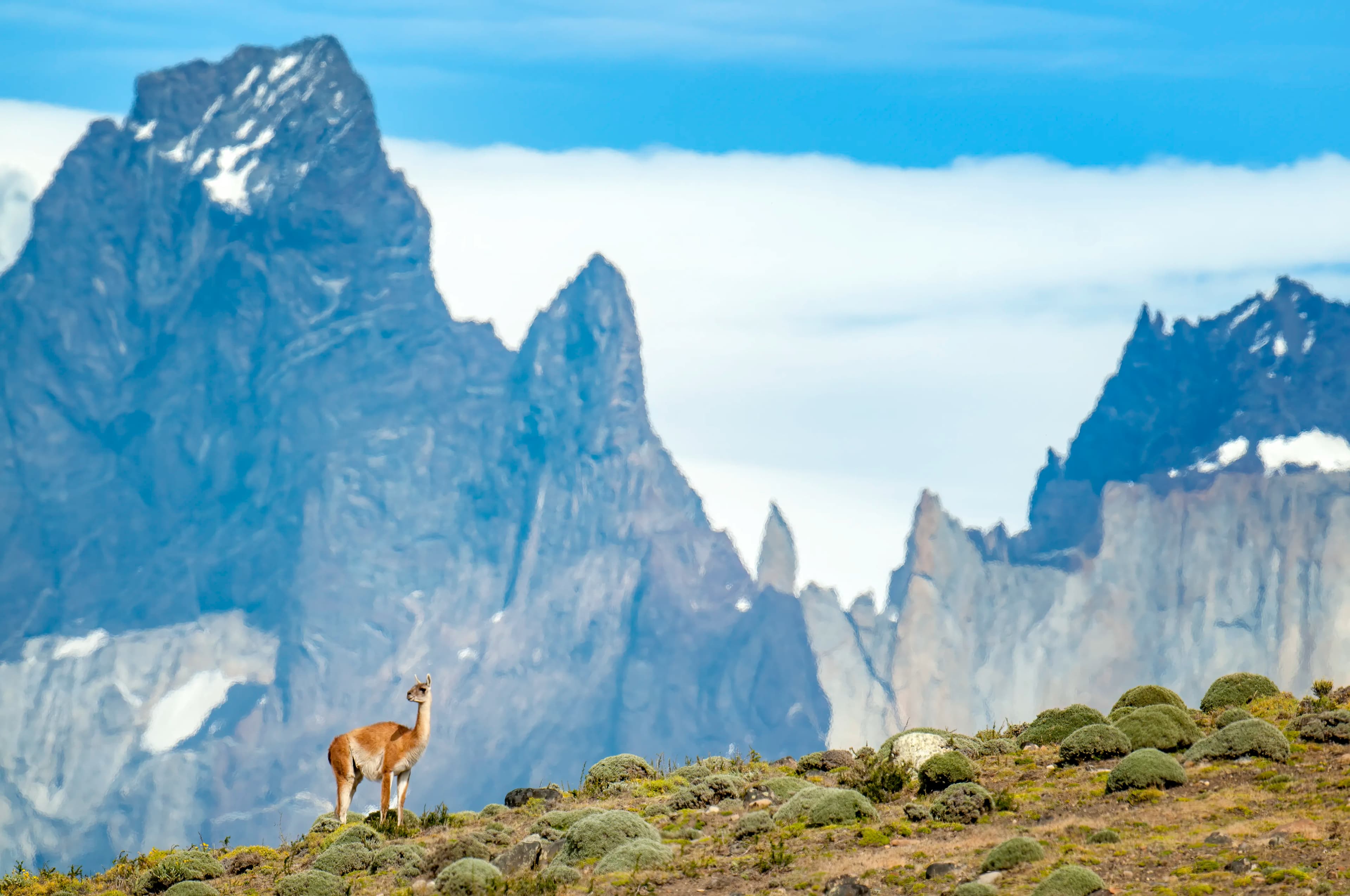
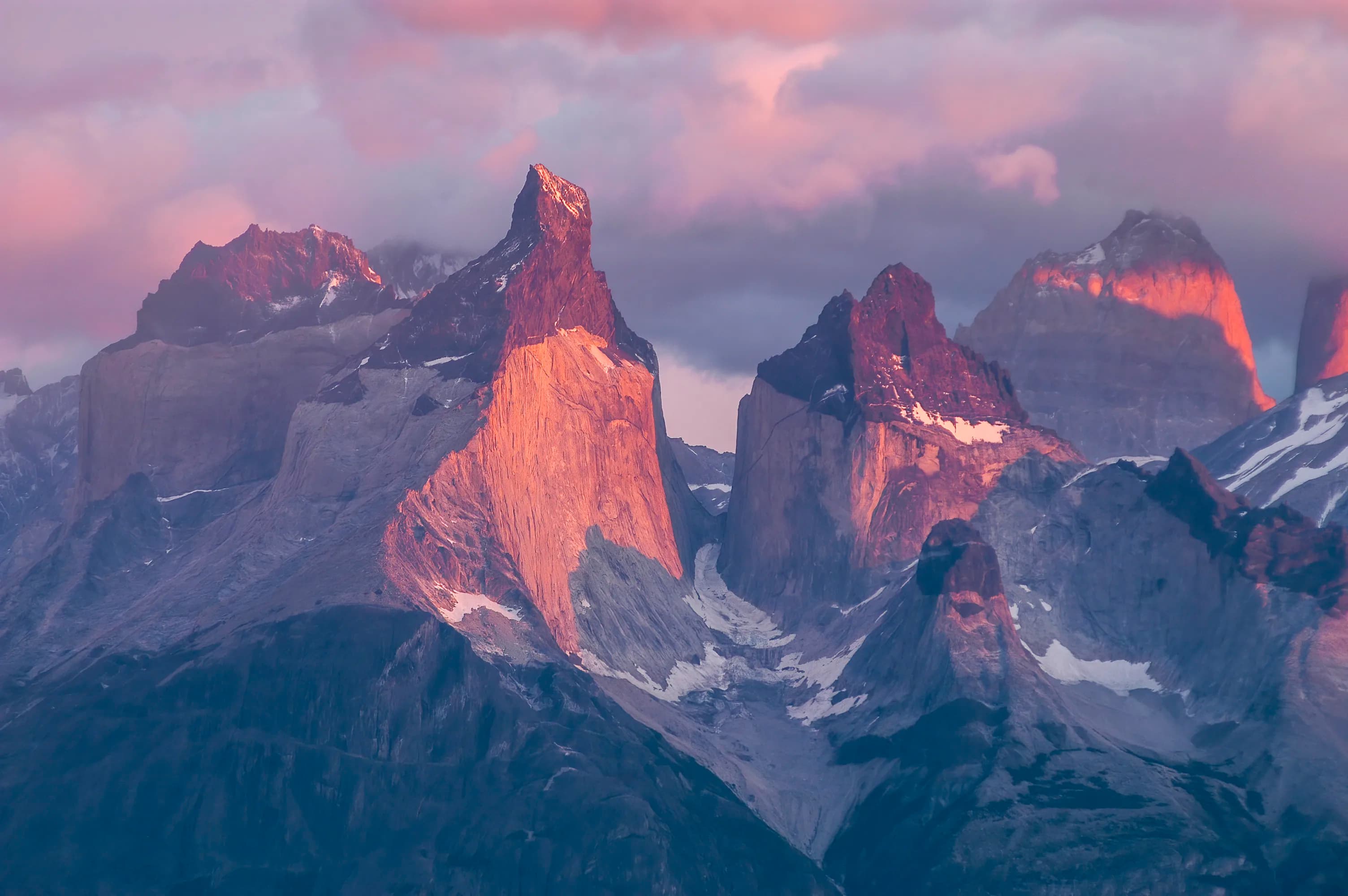
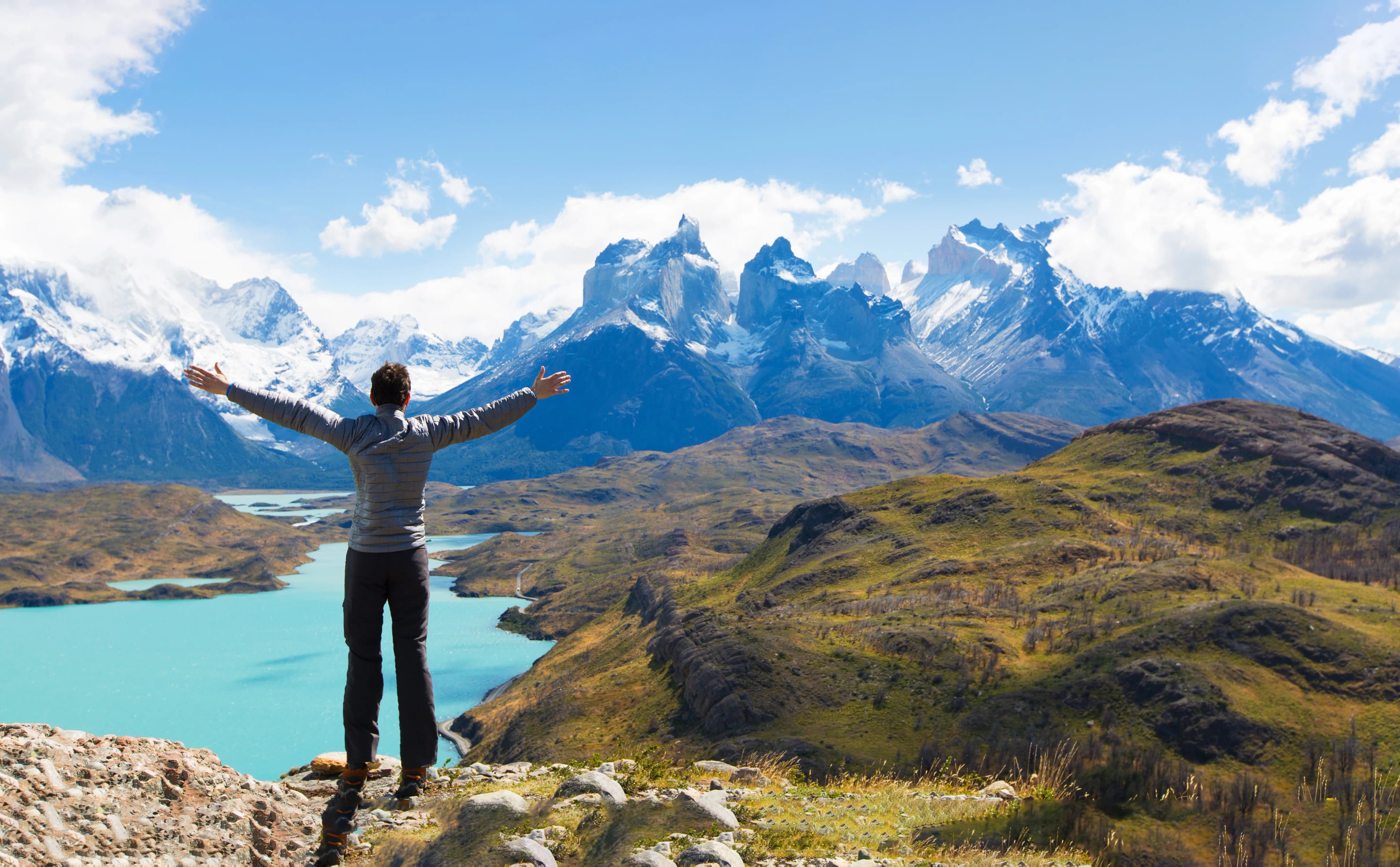
Sailing the turquoise waters of the extraordinary stretch of coastline leading to the small port of Puerto Natales, we’ll meander through a mesmerizing maze of deep, windswept fjords, narrow channels and isolated bays, with an eye toward the rugged landscape, unique wildlife and impressive glaciers that tumble from the towering mountains into the icy waters below, along with the imperial and king cormorants, South American terns, black-necked swans and southern wigeons (Chiloé wigeons) that frequent the fjords. Torres del Paine National Park is one of the most stunning wilderness areas in South America, and Puerto Natales is the gateway. This enormous park is a UNESCO Biosphere Reserve, so designated for both its natural wonders and ancient human history, and named for the three granite peaks that tower above the glacier-fed lakes. Enjoy a day of hiking and exploration aboard chartered buses tailored to your preferred activity level with lookouts in the park, followed by traditional Patagonian cuisine in the afternoon. Taking our expedition onto dry land for another full day, we will also visit a working Patagonian estancia (“ranch”), founded in 1891 by Scottish immigrants. Here you will learn about Patagonian sheep farming in a historic pastoral setting. You may be lucky enough to spot wildlife in the surrounding grasslands, such as ostrich-like rhea and guanacos, a wild relative of the domestic llama. Complete your cultural experience with a lunch of barbecued lamb al palo (“on a stick”), and return to the ship in the early evening.
Sailing the turquoise waters of the extraordinary stretch of coastline leading to the small port of Puerto Natales, we’ll meander through a mesmerizing maze of deep, windswept fjords, narrow channels and isolated bays, with an eye toward the rugged landscape, unique wildlife and impressive glaciers that tumble from the towering mountains into the icy waters below, along with the imperial and king cormorants, South American terns, black-necked swans and southern wigeons (Chiloé wigeons) that frequent the fjords. Torres del Paine National Park is one of the most stunning wilderness areas in South America, and Puerto Natales is the gateway. This enormous park is a UNESCO Biosphere Reserve, so designated for both its natural wonders and ancient human history, and named for the three granite peaks that tower above the glacier-fed lakes. Enjoy a day of hiking and exploration aboard chartered buses tailored to your preferred activity level with lookouts in the park, followed by traditional Patagonian cuisine in the afternoon. Taking our expedition onto dry land for another full day, we will also visit a working Patagonian estancia (“ranch”), founded in 1891 by Scottish immigrants. Here you will learn about Patagonian sheep farming in a historic pastoral setting. You may be lucky enough to spot wildlife in the surrounding grasslands, such as ostrich-like rhea and guanacos, a wild relative of the domestic llama. Complete your cultural experience with a lunch of barbecued lamb al palo (“on a stick”), and return to the ship in the early evening.
Cruising the pristine waters of the Canal de las Montañas (“Channel” or “Fjord of the Mountains”) will leave you breathless. You’ll be awed by the amazing series of waterfalls cascading down between the jagged peaks that rise sharply on either side of the narrow, 41-mile (66 km) long channel dotted with glaciers, five of which spill dramatically into the water. Here, impressive ice fields glisten in the distance, and steeply sloped glaciers exceed elevations of over 8,235 feet (2,510 meters). The channel also provides an ideal place to put our Zodiacs in the water for more detailed exploring or the chance to go ashore for a hike to scenic viewpoints. If you’re feeling more adventurous, treat yourself to an optional kayaking excursion (extra cost), an exceptional opportunity to experience the channel from a unique perspective.
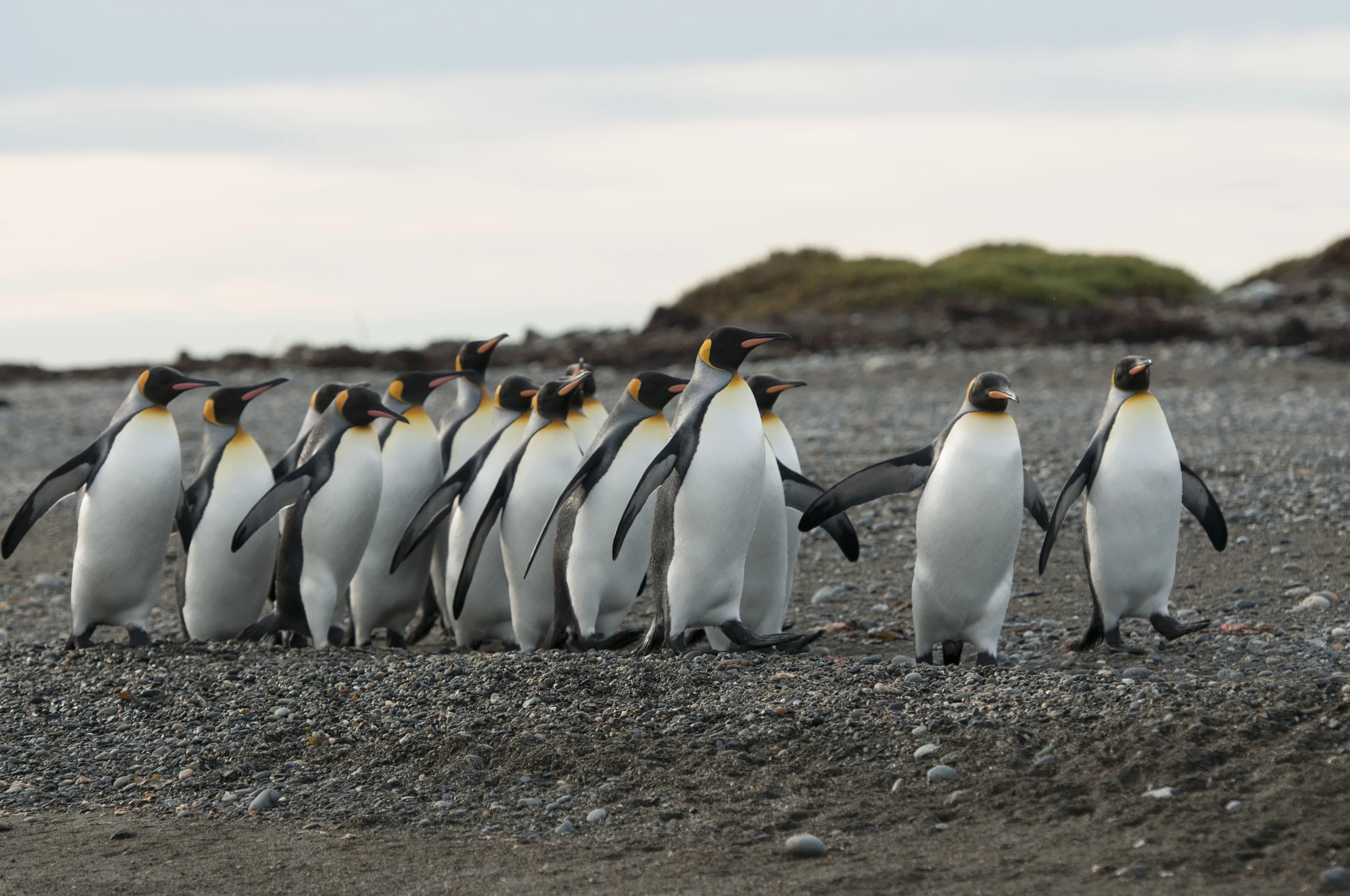
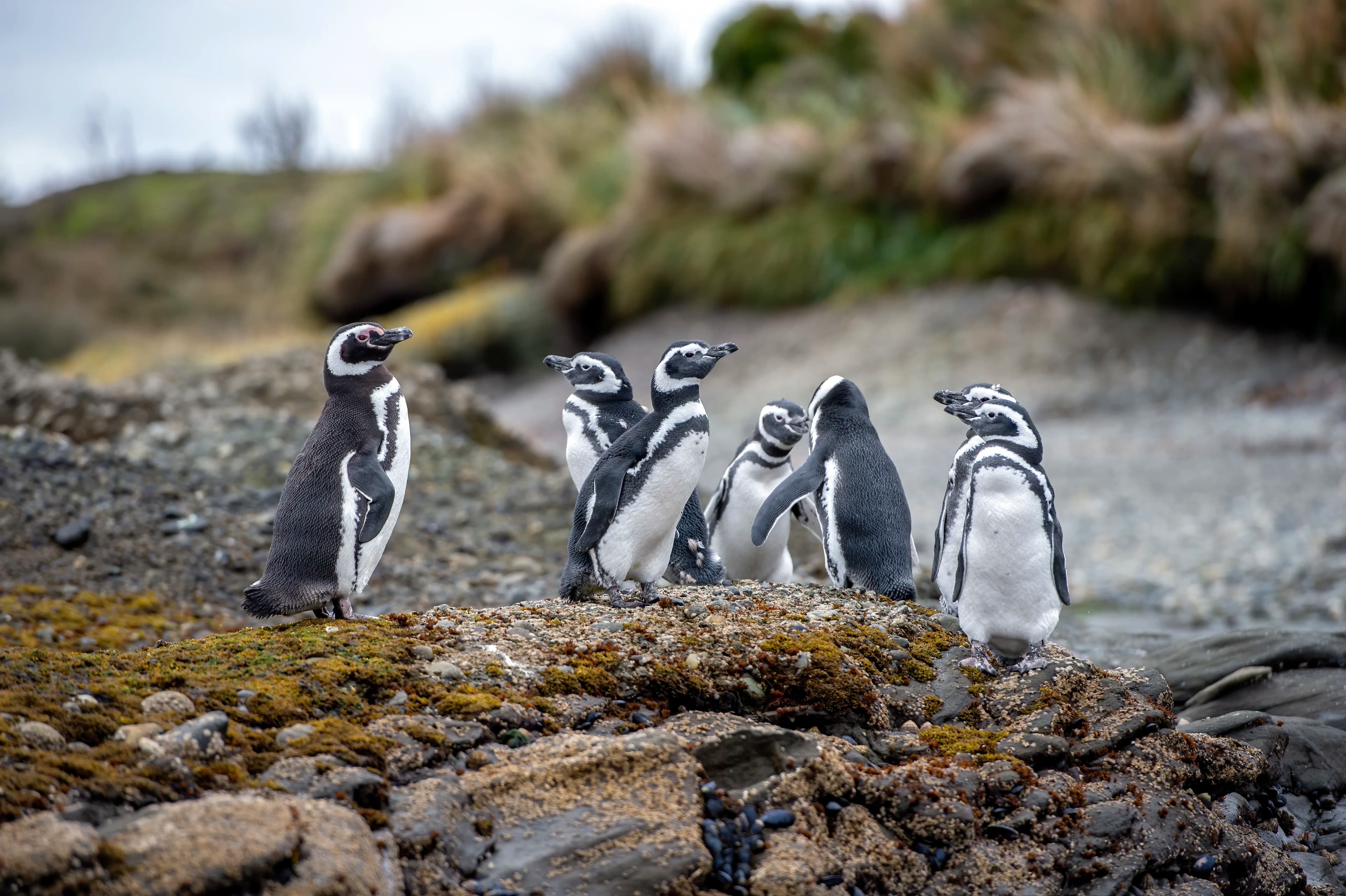
A series of small islands and rocky outcrops in Almirantazgo Sound (“Admiralty Sound”), a fjord off the Strait of Magellan, Tucker Islets is a superb location for viewing penguins. Though landing here is prohibited to protect the fragile nesting habitat, a Zodiac excursion will take you near a pebble beach to view a colony of Magellanic penguins, conditions permitting. Named for Portuguese explorer Ferdinand Magellan, whose crew sighted the charming creatures in 1520 during the first circumnavigation of the globe, the species is native to the region, and the sight of them in their burrows, lounging on the beach or waddling in and out of the water is one you won’t forget. If we’re fortunate, we may also see Chilean skuas, Magellanic cormorants (rock shags), imperial cormorants (king shags), oystercatchers, kelp geese, or even dolphins.
Continuing our exploration of Almirantazgo Sound, we plan to explore ashore at Ainsworth Bay, one of the most picturesque and pristine places in Patagonia. Surrounded by untouched sub-Antarctic forest, this isolated bay is a protected area within the border of Alberto de Agostini National Park. It hosts abundant birdlife, so you’ll want to keep your eyes peeled as we cruise in the Zodiacs. Hiking options will be available for all fitness levels, affording panoramic views of Marinelli Glacier, Marinelli Fjord and the surrounding Darwin mountain range.
Another excellent spot for glacier exploring in Almirantazgo Sound is Bahia Brookes (Brookes Bay), where, conditions permitting, we’ll go ashore by Zodiac. The bay offers ample chances for closer views of a number of waterfalls and glaciers, including the calving North Brookes Glacier, set against the breathtaking backdrop of the towering Darwin mountain range. Amid the serene silence of this icy wonderland, the only sound you may hear is the powerful roar of ice breaking off and crashing into the frigid waters below. This is also a great location for viewing ice fall deposits, which form reconstituted glaciers, and kame (silt and sediment deposits).
San Isidro Lighthouse is a historic site featuring exhibits on the region’s whaling history and the lives of locals—particularly sailors and fishermen—who once inhabited the area. While the lighthouse itself is not open to the public, the museum offers visitors a chance to explore the region’s cultural and natural heritage through artifacts, stories, and archeological pieces. It also marks a site of historical importance where Fernando de Magallanes (also known as Ferdinand Magellan) and his crew sought refuge when exploring the strait. Situated on a pristine Patagonian coastline, the lighthouse offers breathtaking views of the strait and mountains just south of Punta Arenas.
After two adventurous weeks of exploration, you’ll say goodbye to your Expedition Team and disembark in Punta Arenas, to be transferred to the airport for your charter flight to Santiago which is included in your Charter Flight & Hotel Package. Upon arrival at the airport, you are welcome to continue on your own travels or connect to your homeward flights.
About the Ship
Name
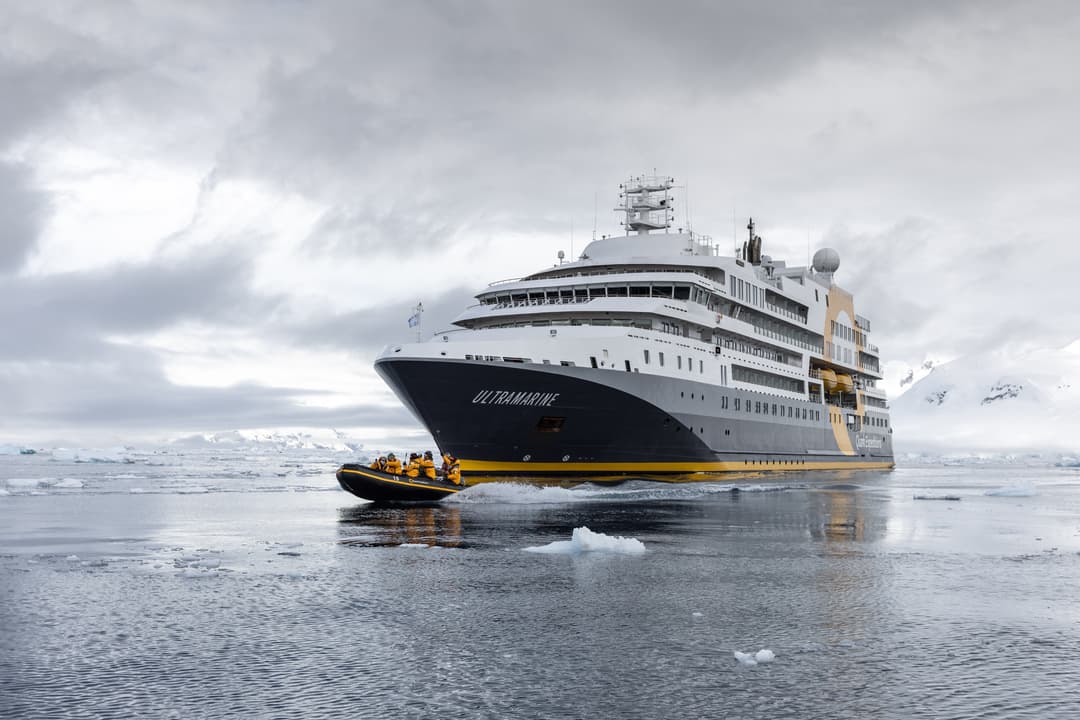
Ultramarine
Operator
Quark Expeditions


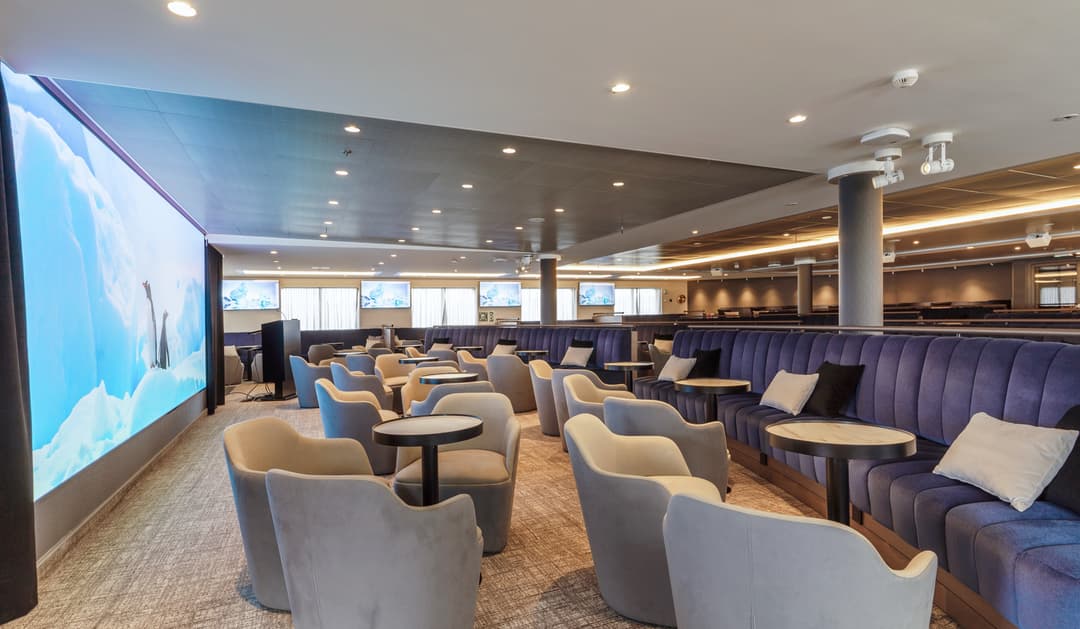
Ultramarine is designed to go beyond the familiar in polar exploration, to discover new places, and to immerse you in the best the region has to offer.
Loading...
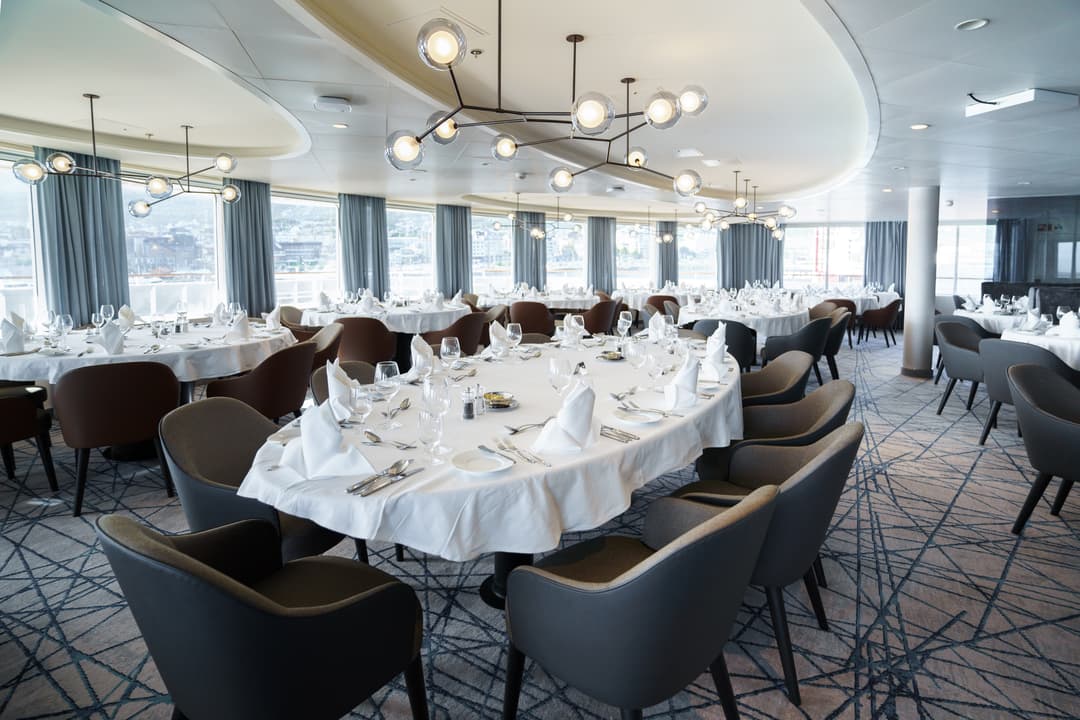
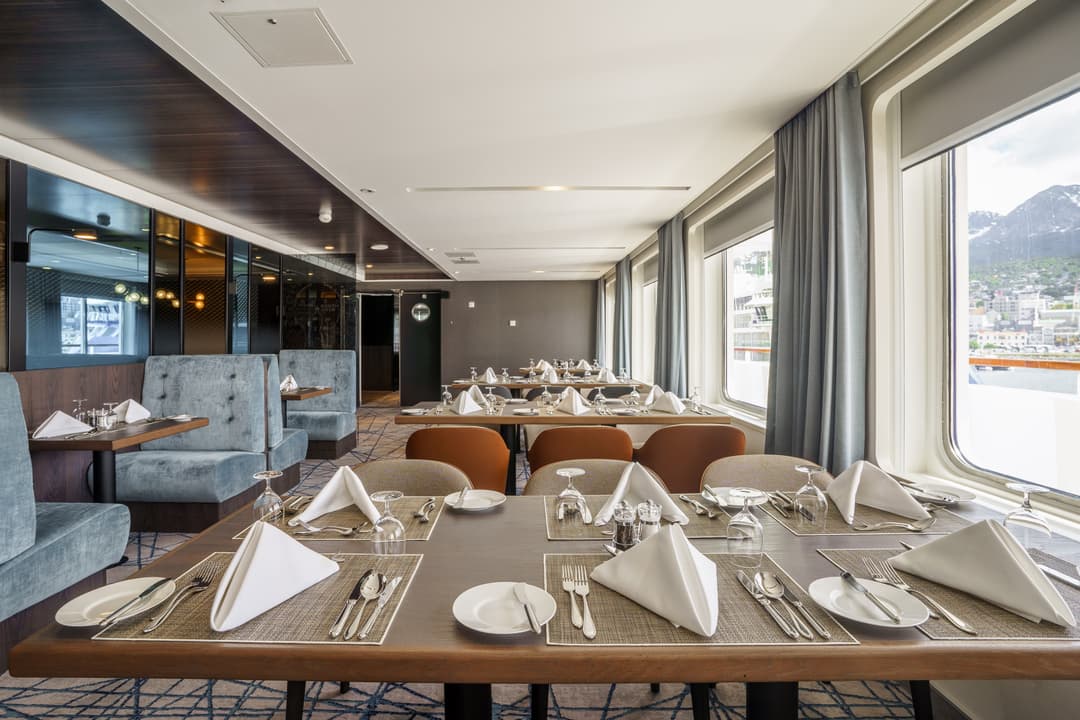
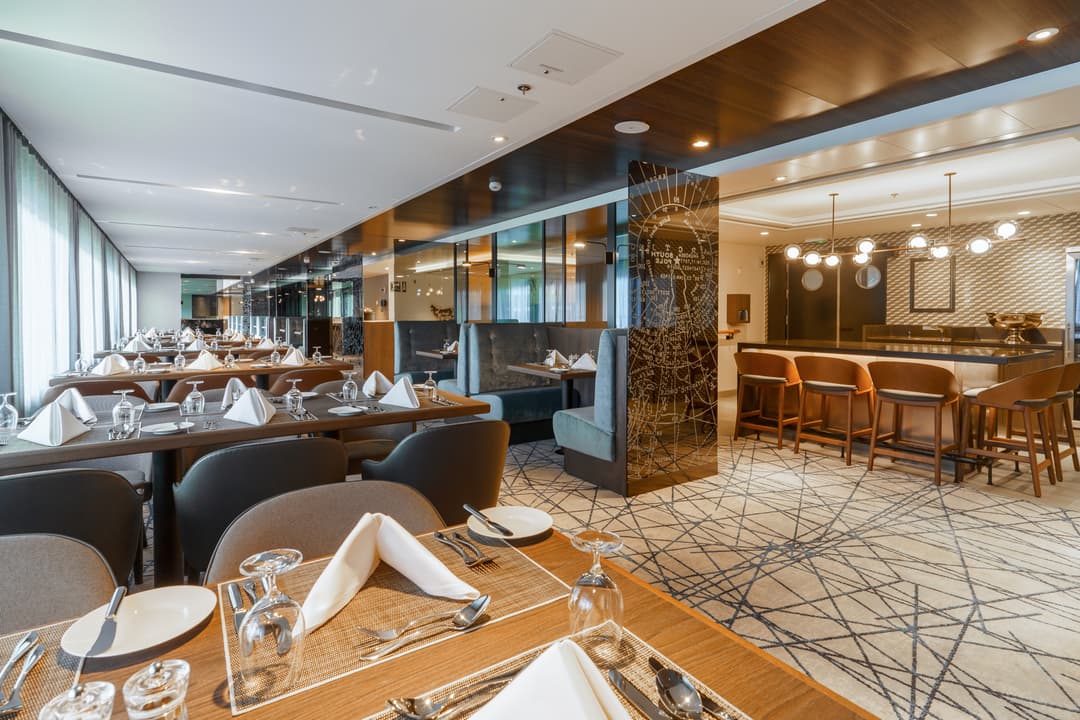
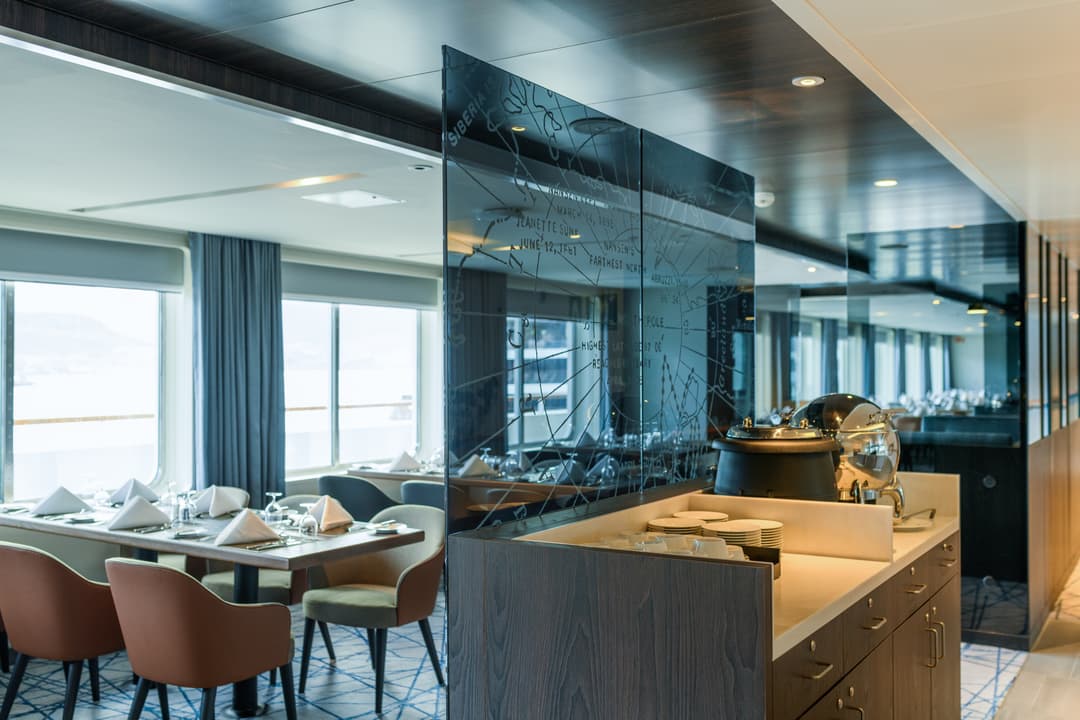
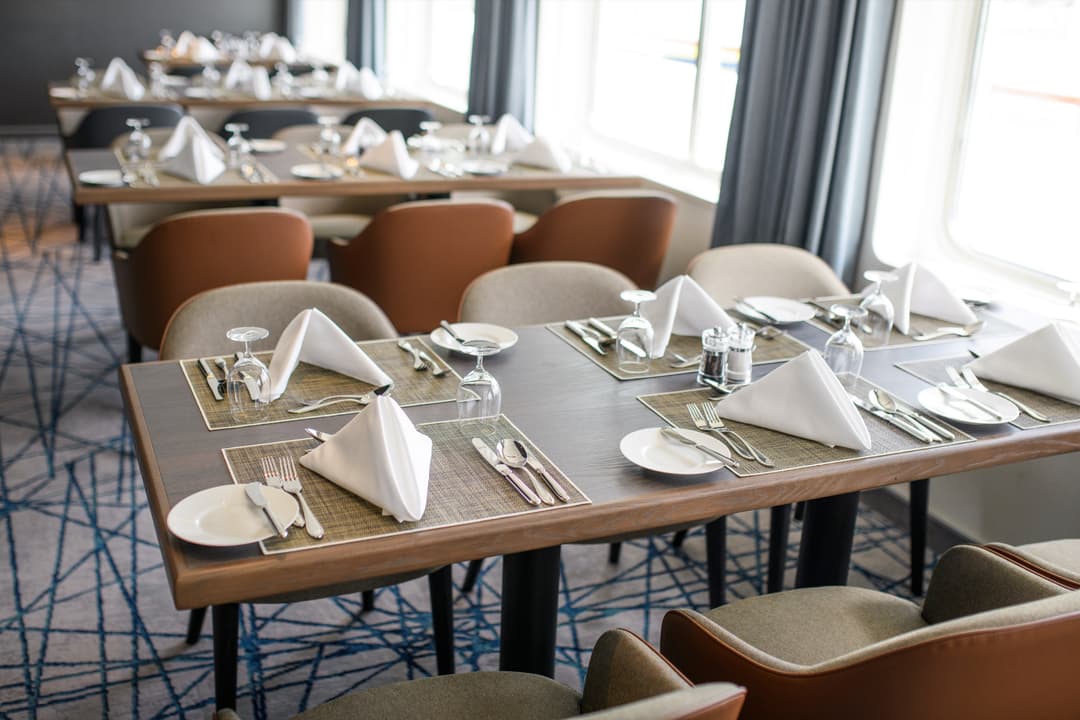
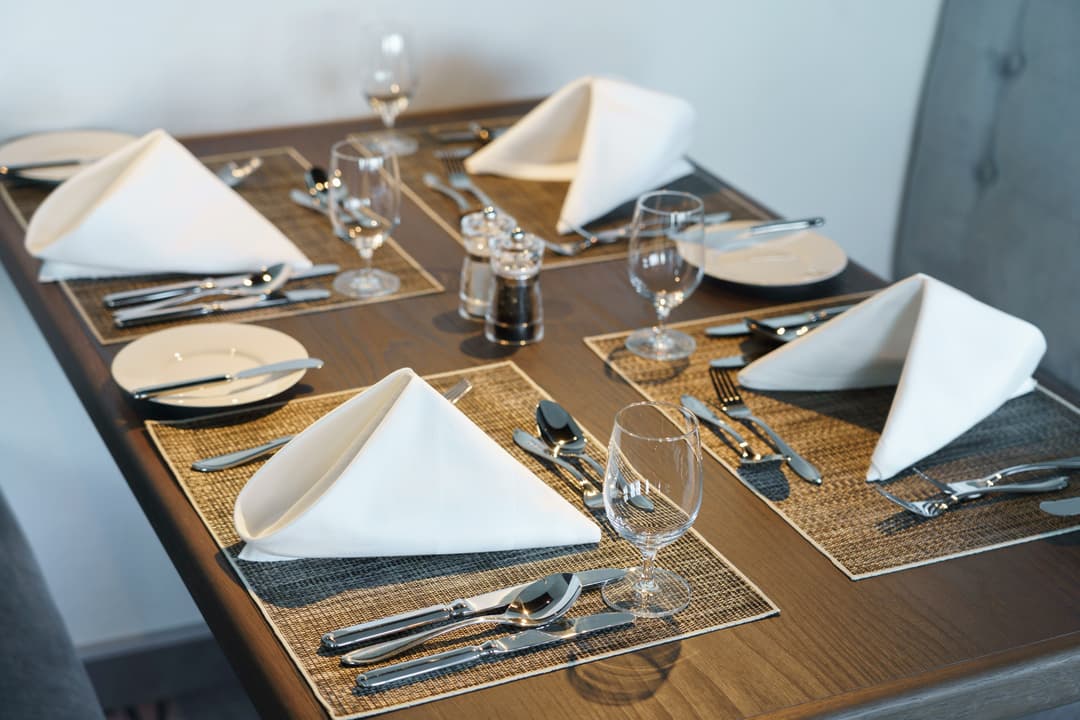
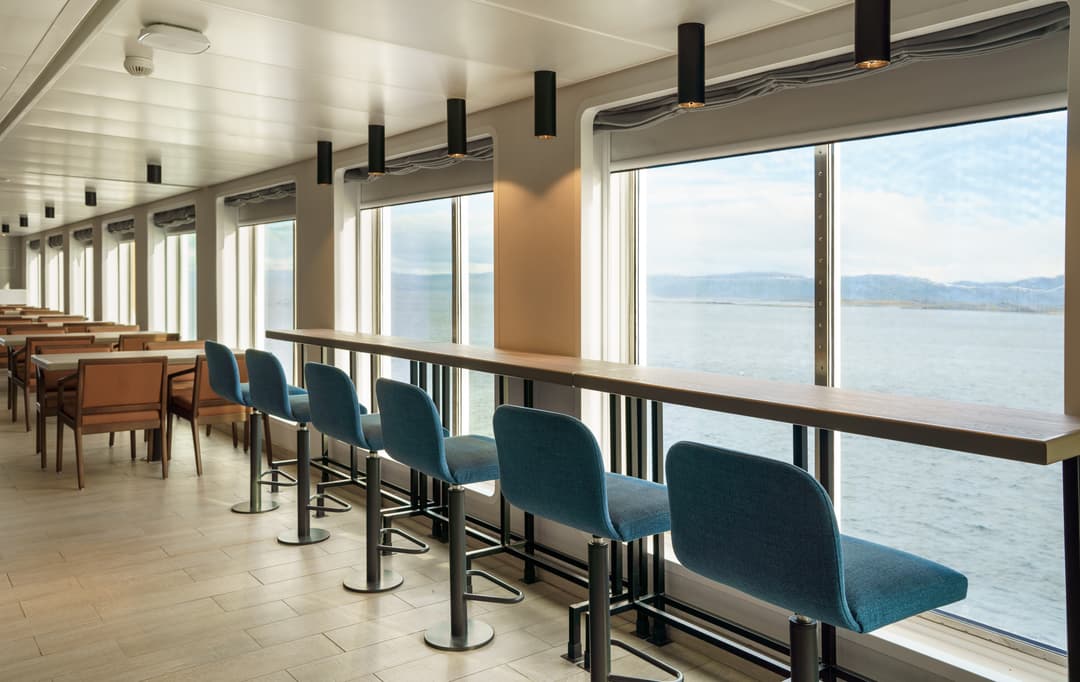
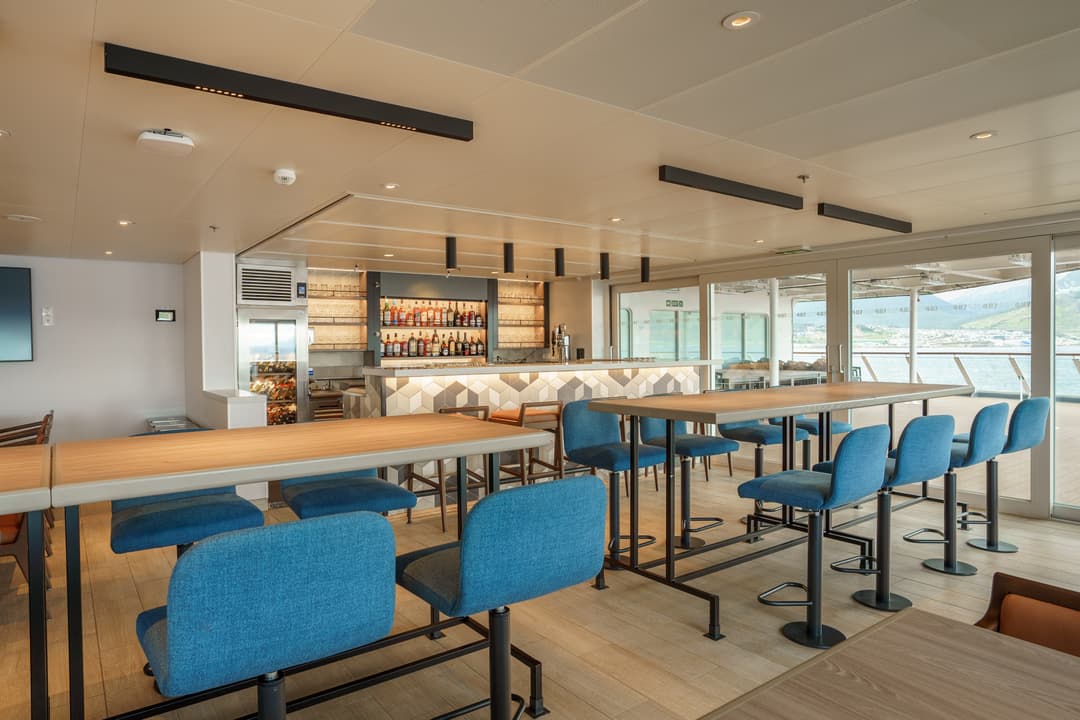
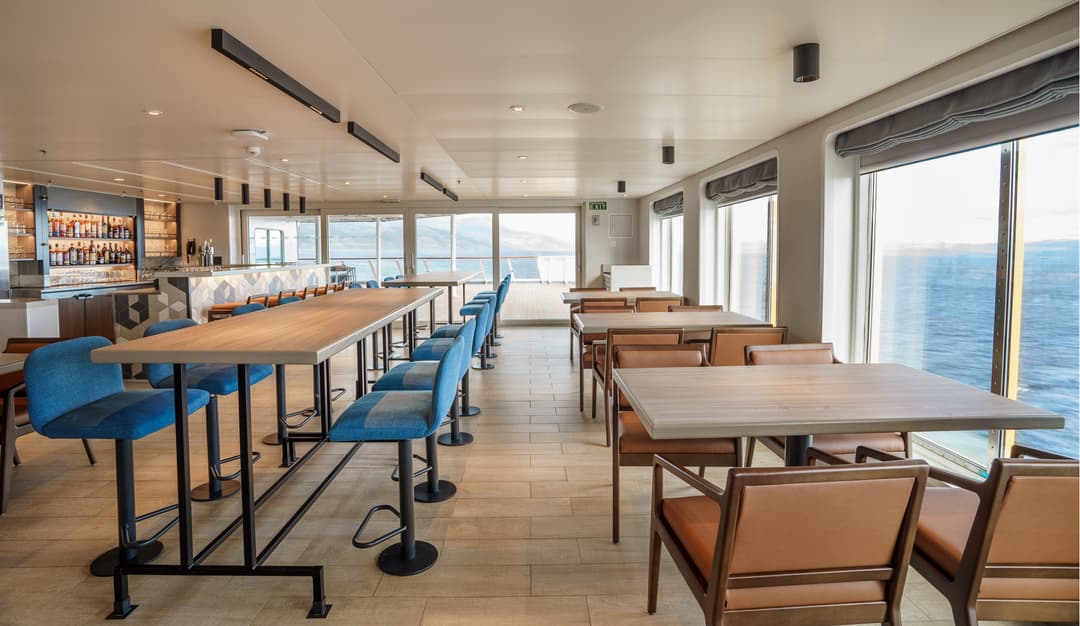
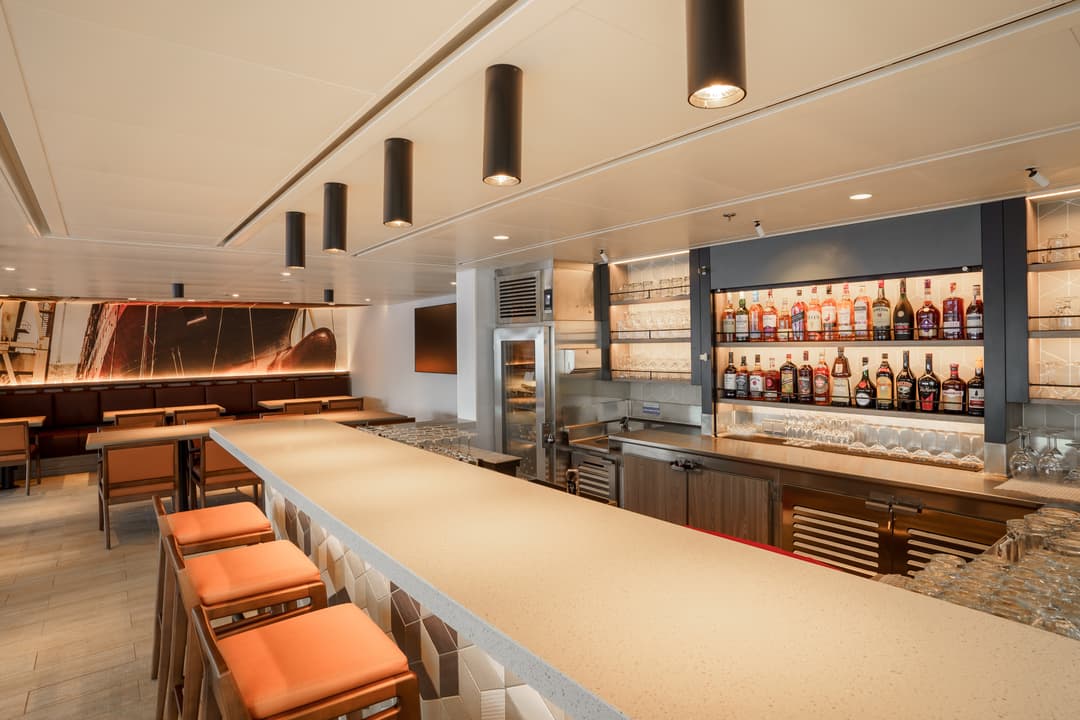
If there is one constant at sea, it is that you’ll enjoy delicious meals every day. Balena is the main restaurant located on Deck 5. Bistro 487 presents an alternative dining option on Deck 7, with selections from the main menu, augmented by an array of healthy options. While mealtimes may change due to landings and wildlife encounters, you’ll always be served three meals a day. Hours of operation will be posted around the ship, as they are subject to change based on the activities planned for your voyage each day. An early riser’s breakfast will be offered in Bistro 487, as well as afternoon tea and late night snacks. A selection of light snacks will be available at all times in Bistro 487.
Loading...













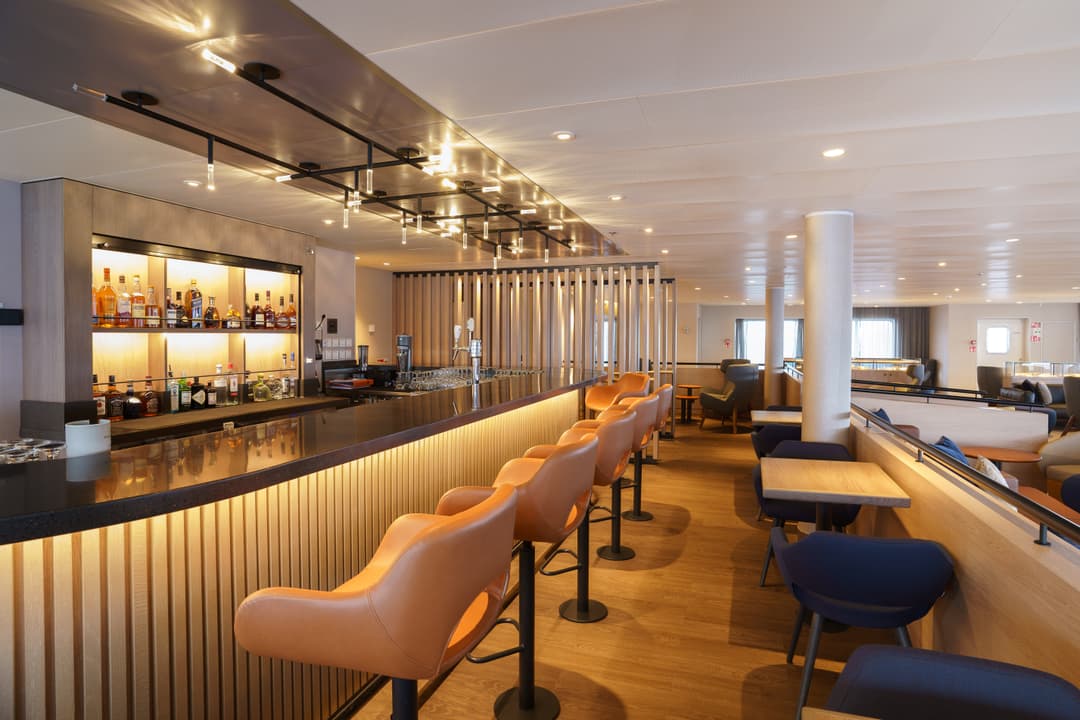

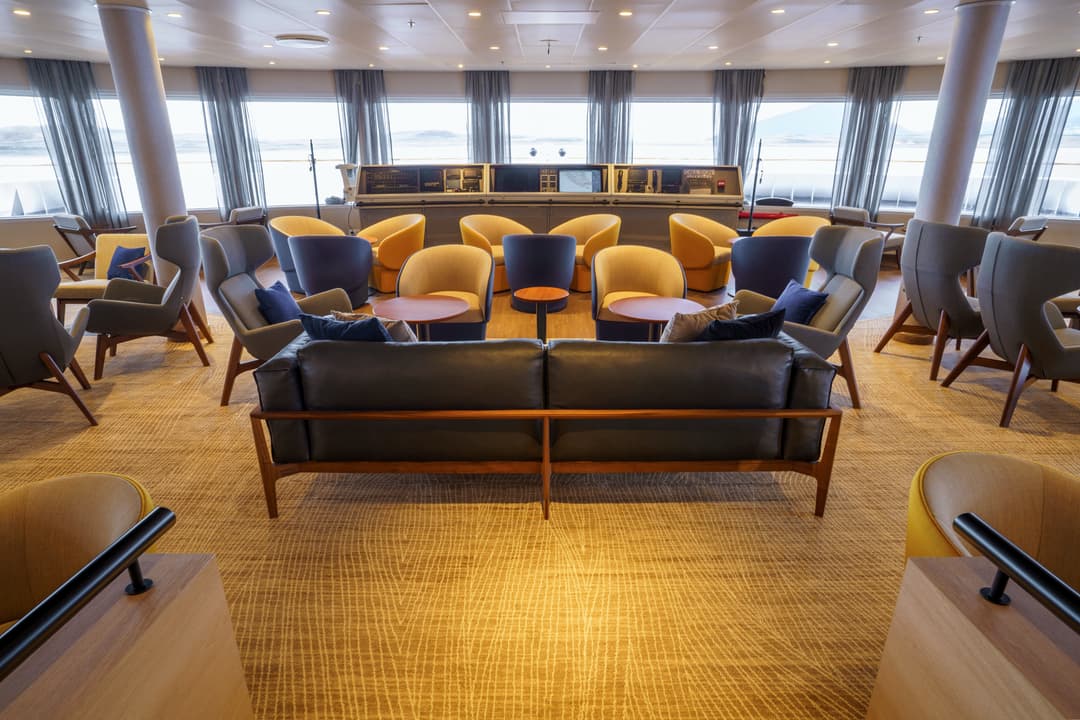

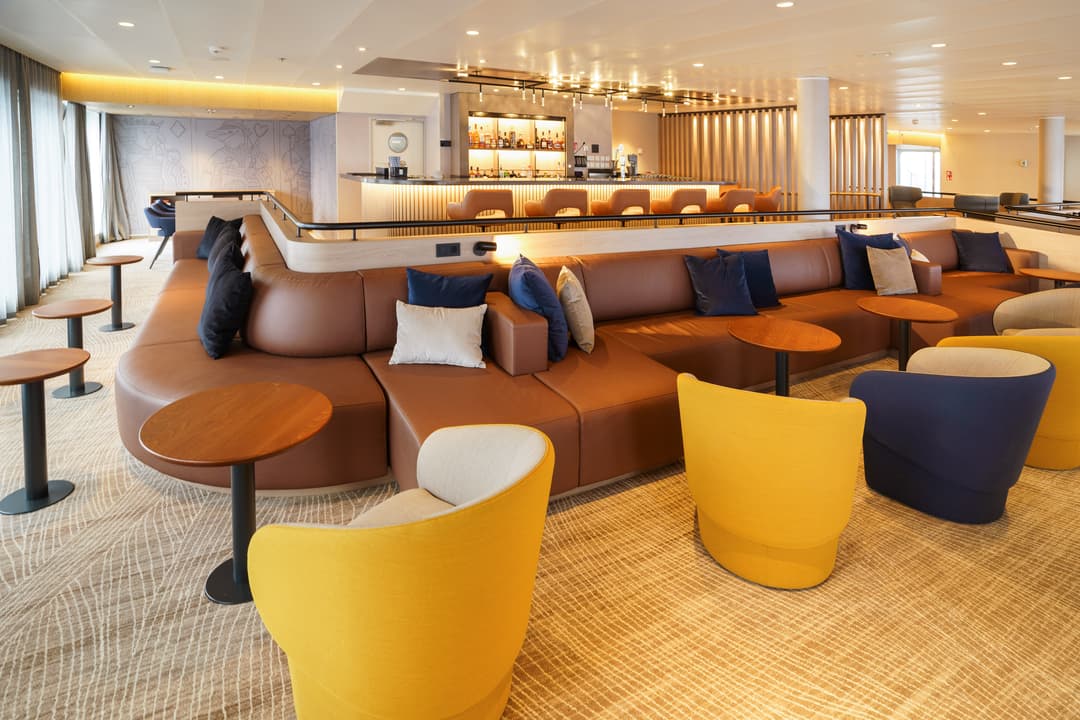
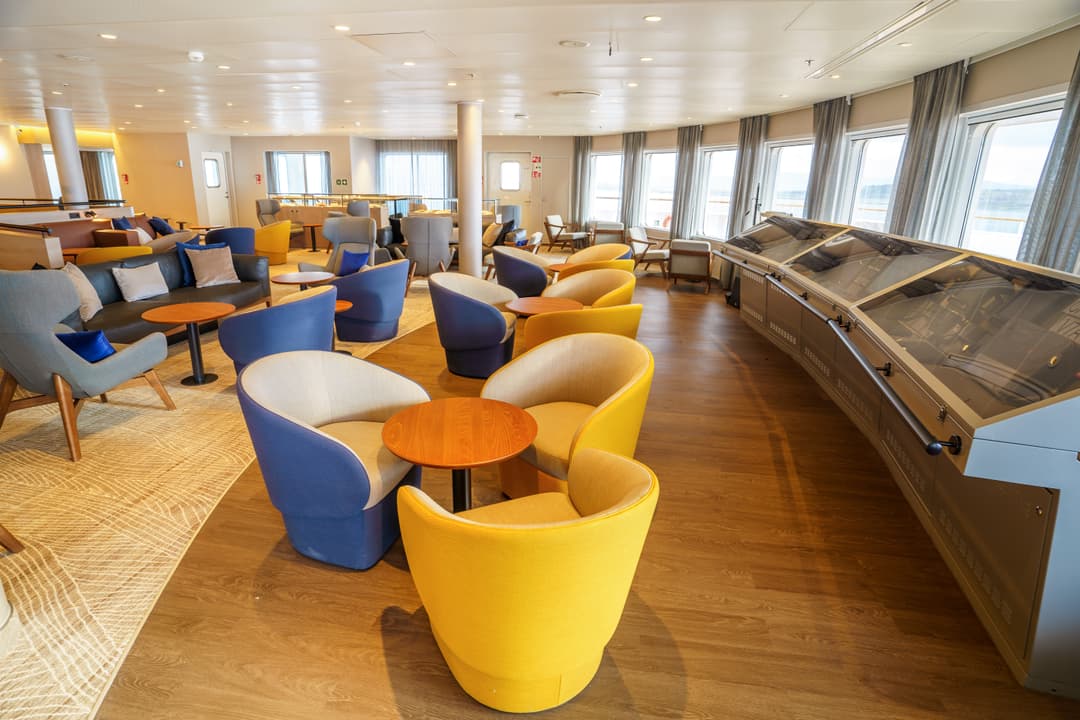
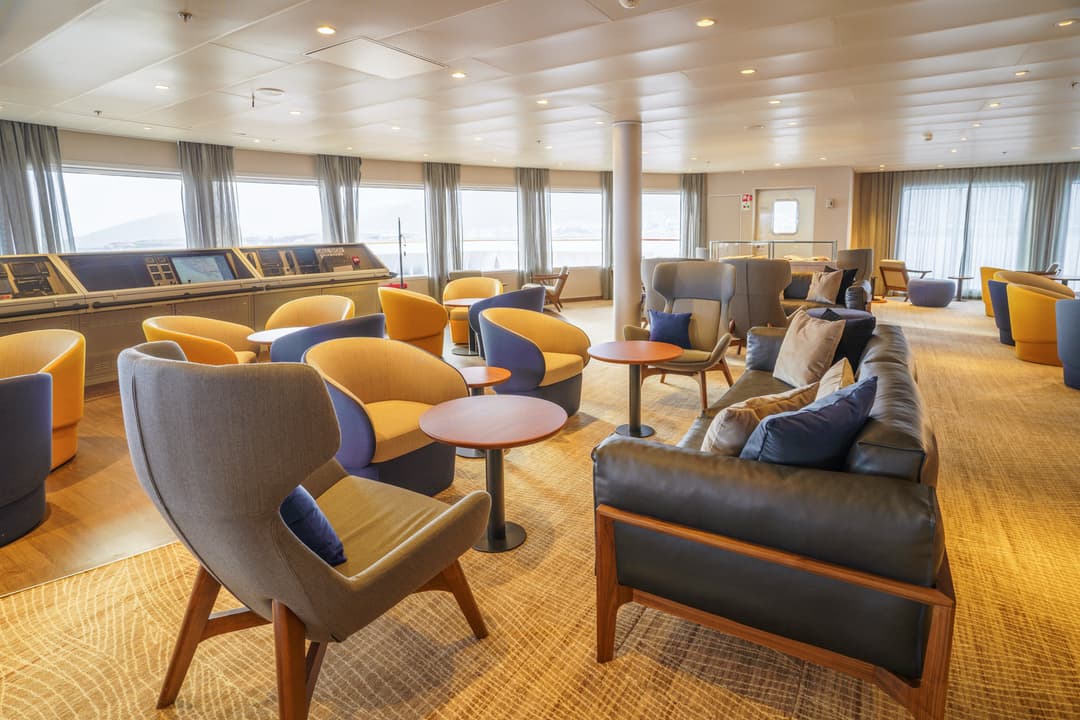

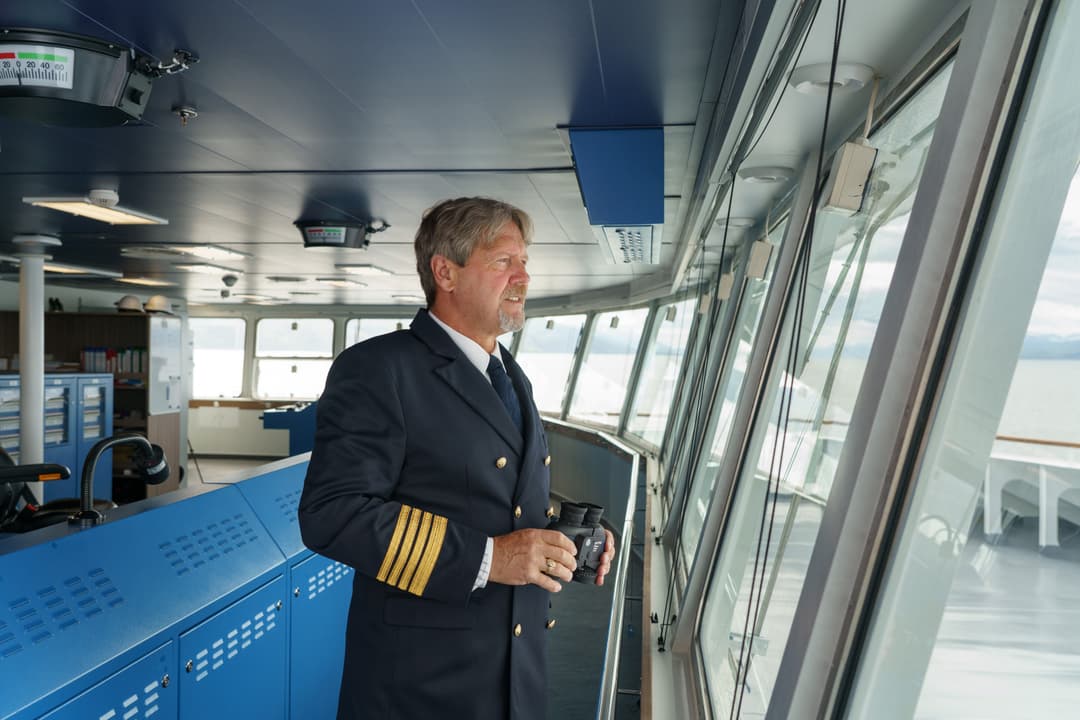
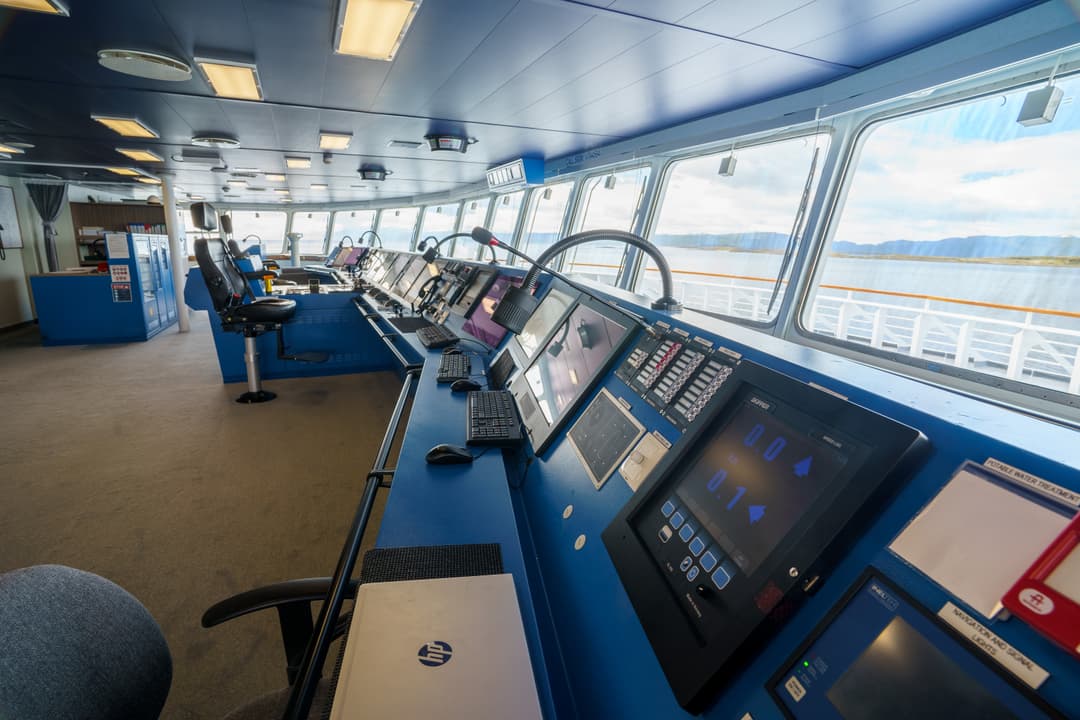
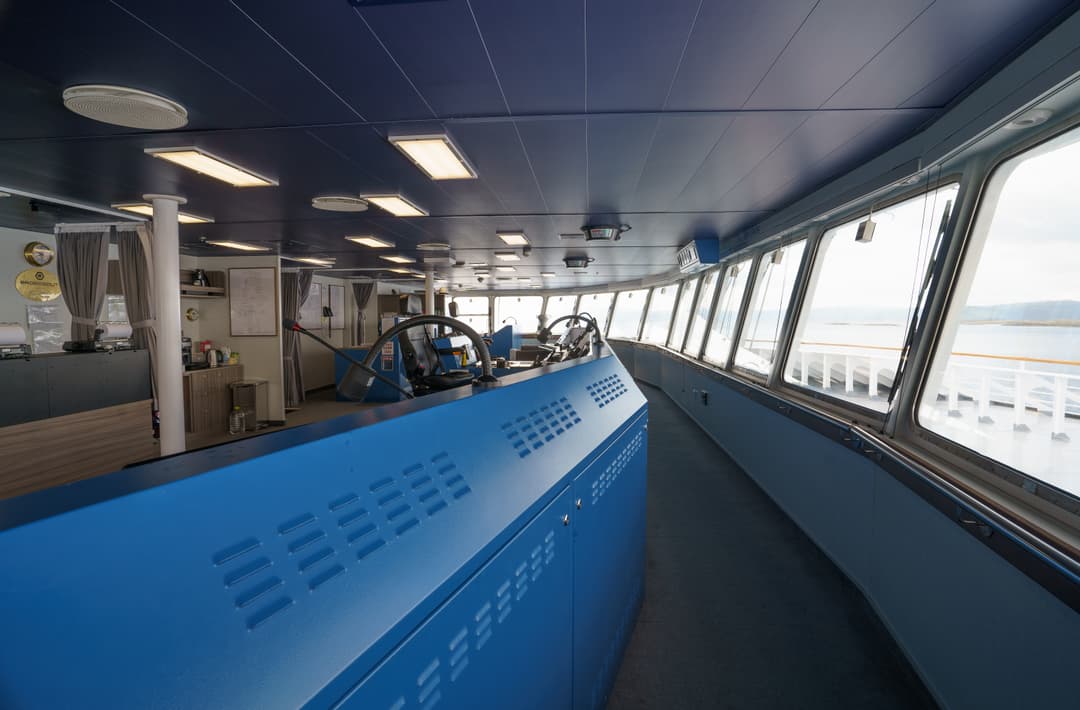

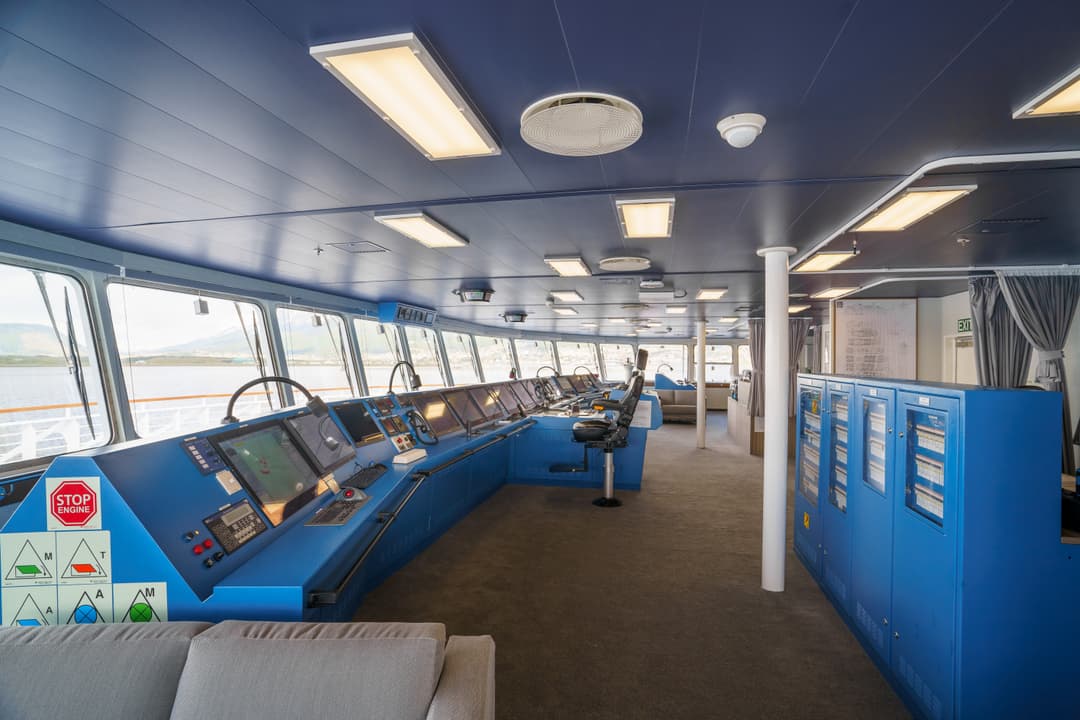

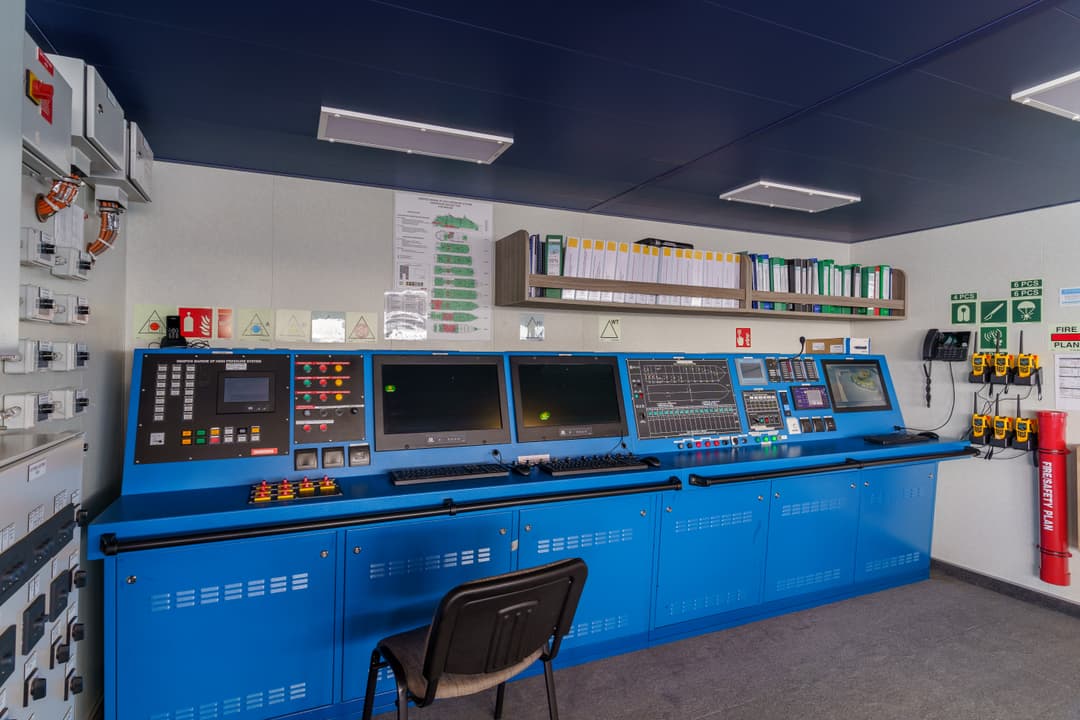
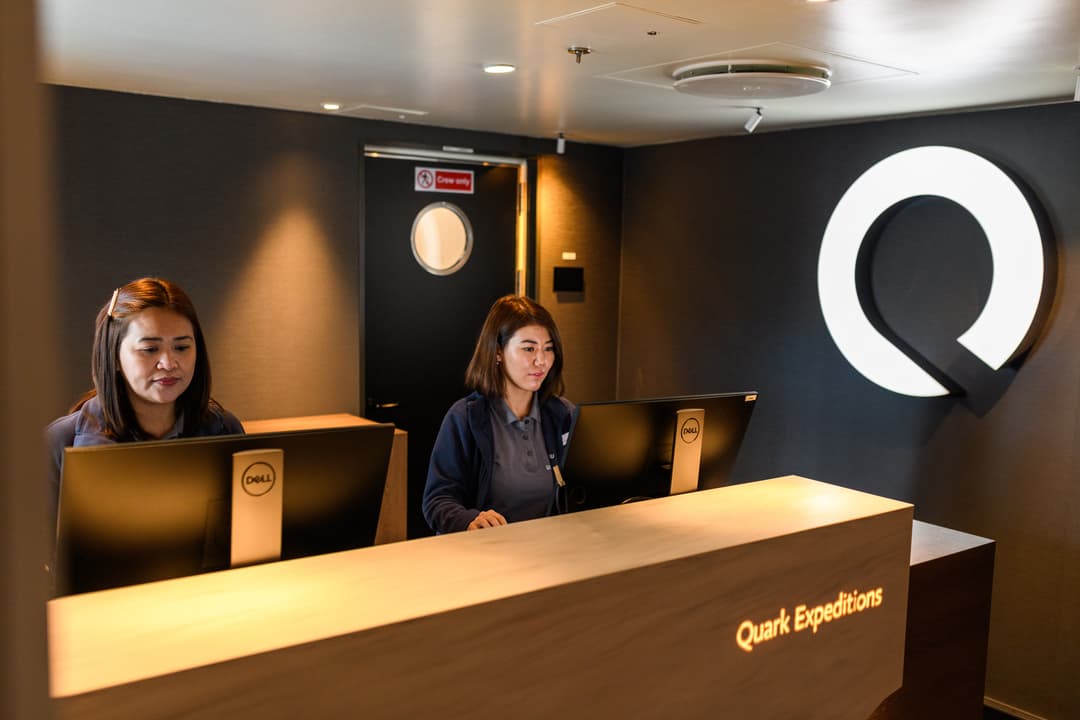


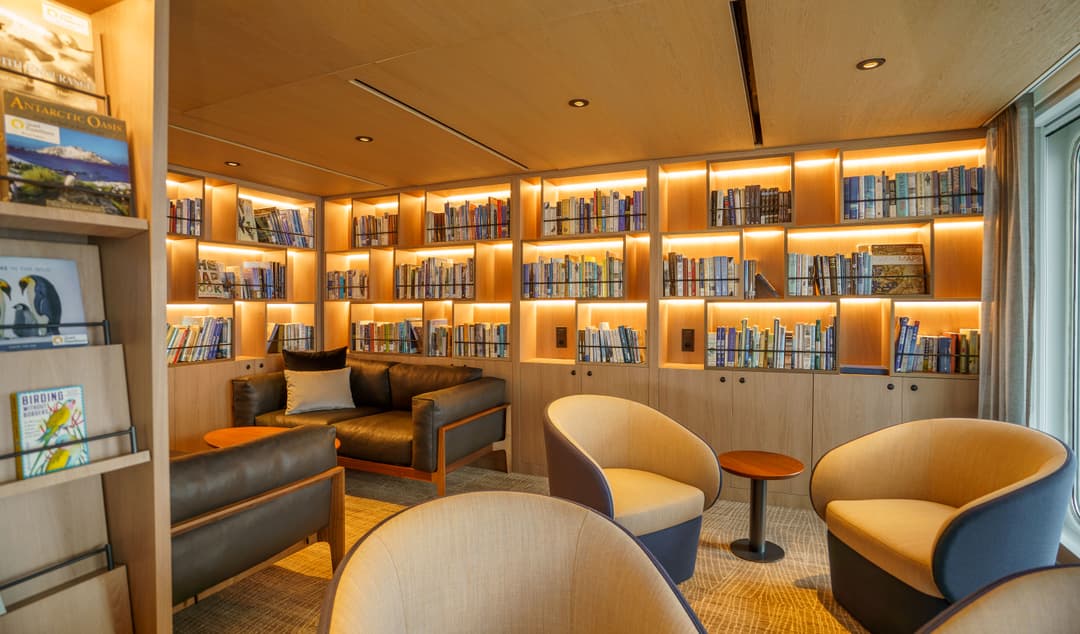
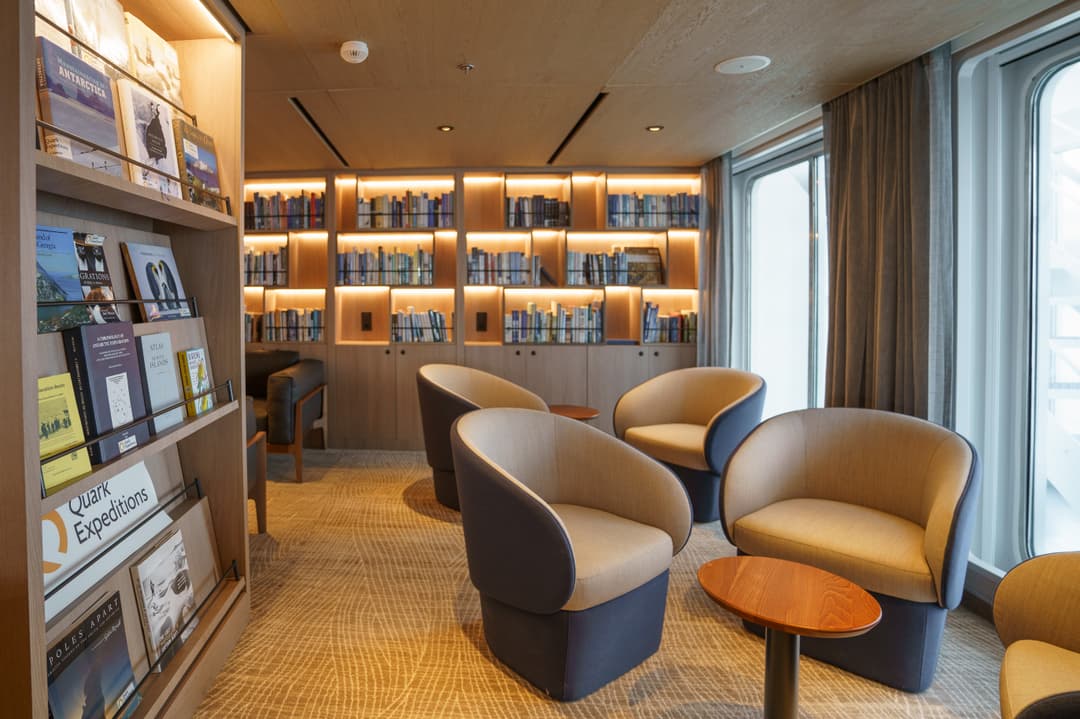













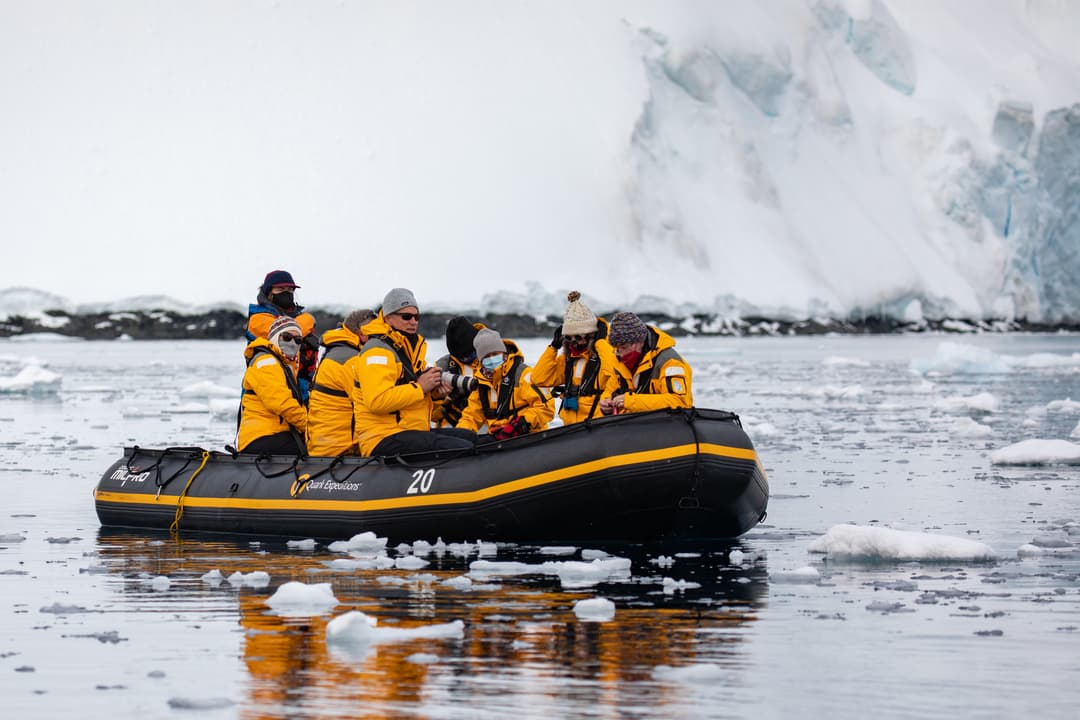
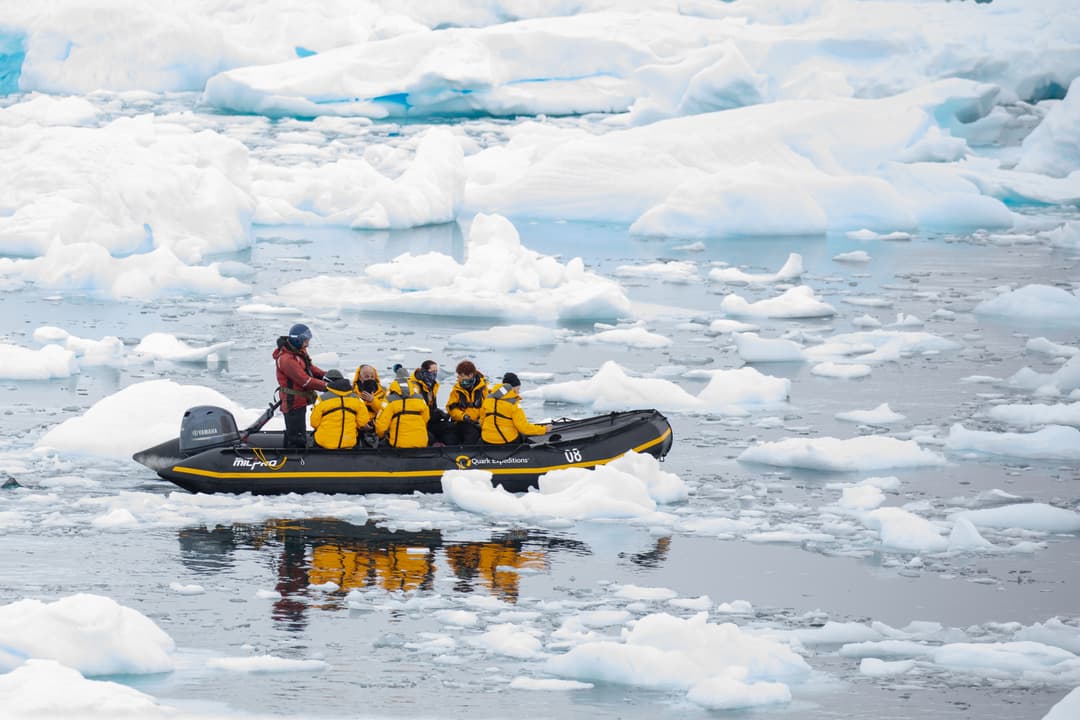
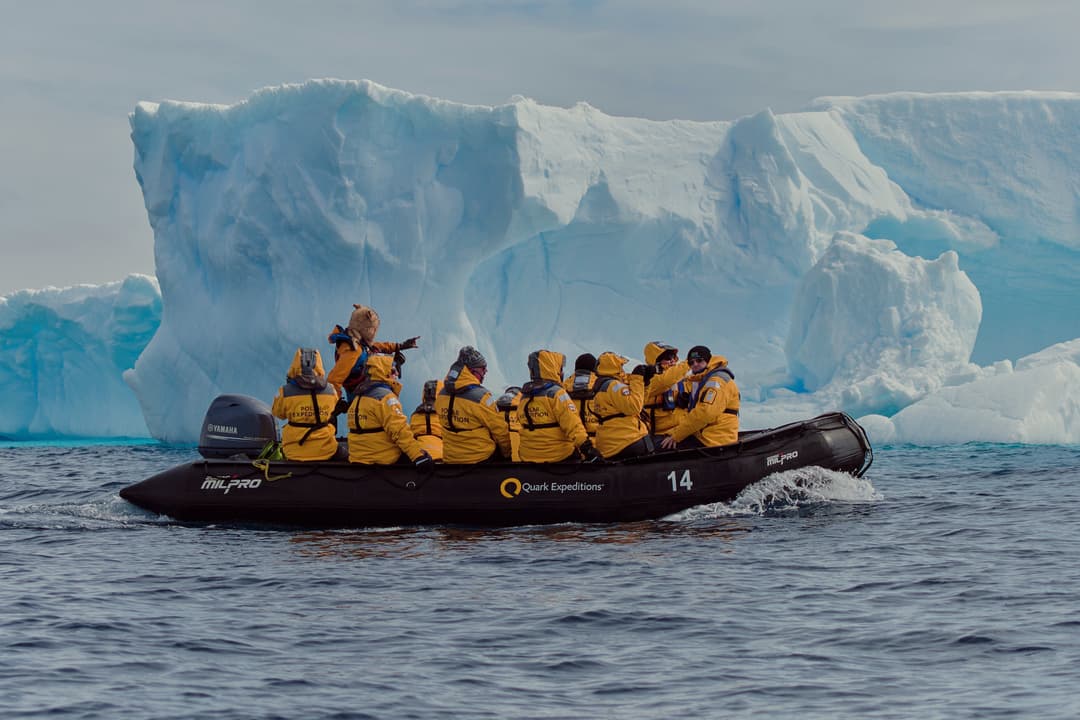
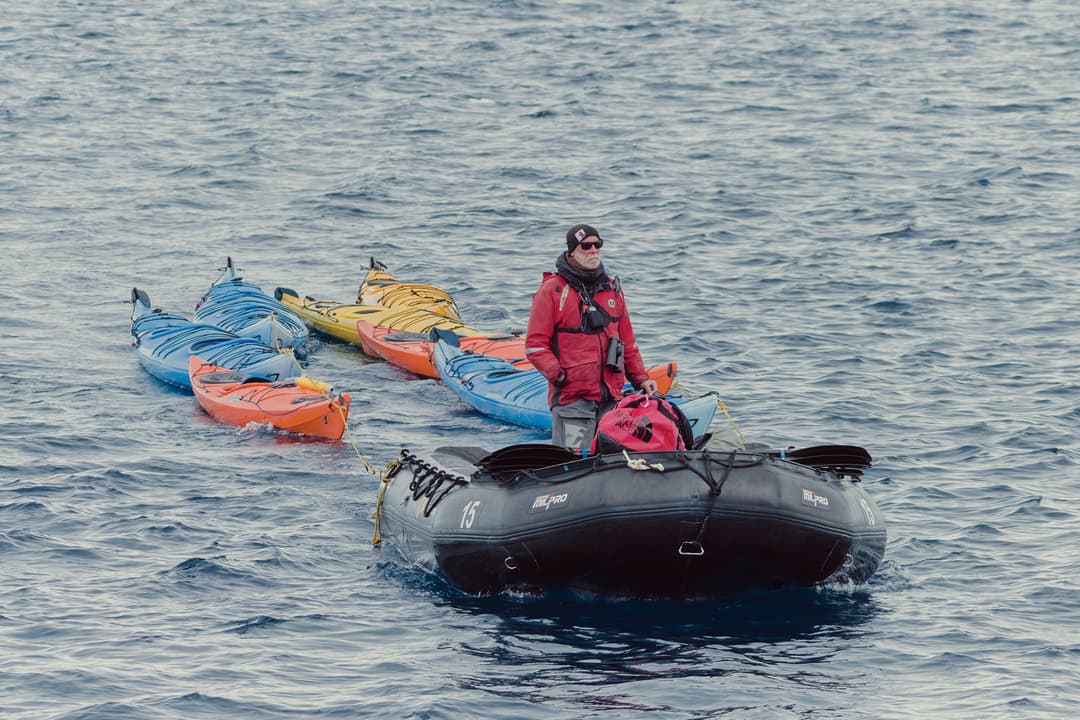
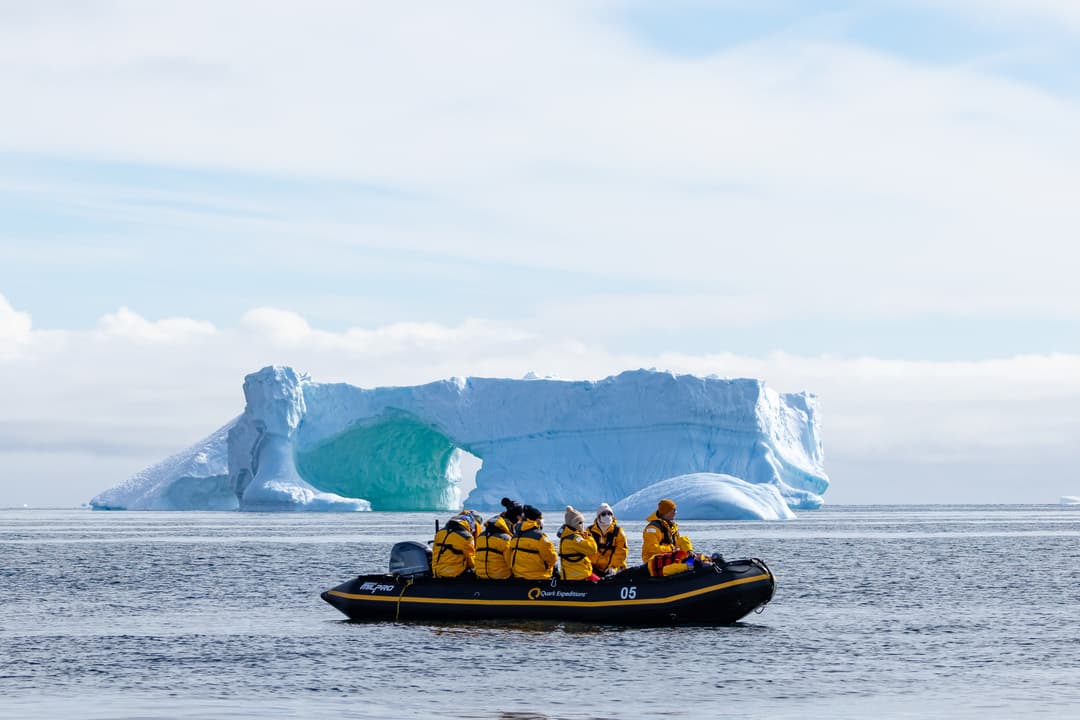
Every vessel in our fleet becomes an expedition base camp. Unpack once. Visit an exciting range of places, because the ship moves from place to place. The ships are equipped with inflatable landing crafts known as Zodiacs. They are used for shore landings and ocean-level cruising.
Activities off the ship are called shore landings or Zodiac cruising. These are daily activities. In the Arctic, you may visit Inuit in their home communities. In the Antarctic, you may visit research stations manned by scientists who brave the extreme environment to add to our knowledge of wildlife, climate and ice. You will hike carpeted tundra valleys or glistening ice fields. Optional activities∘ include kayaking, cross-country, camping, skiing and mountaineering.
The capacity of the vessel determines where you go ashore and how often in Antarctica.
In Antarctica, we operate under International Association of Antarctica Tour Operators (IAATO) guidelines that limit the number of travelers and Expedition Staff ashore during a landing. No more than 100 people can be ashore at any one time, and in some locations that number is 50. Quark operates small expedition vessels, and none of our Antarctic vessels carry more than 199 travelers.
Loading...








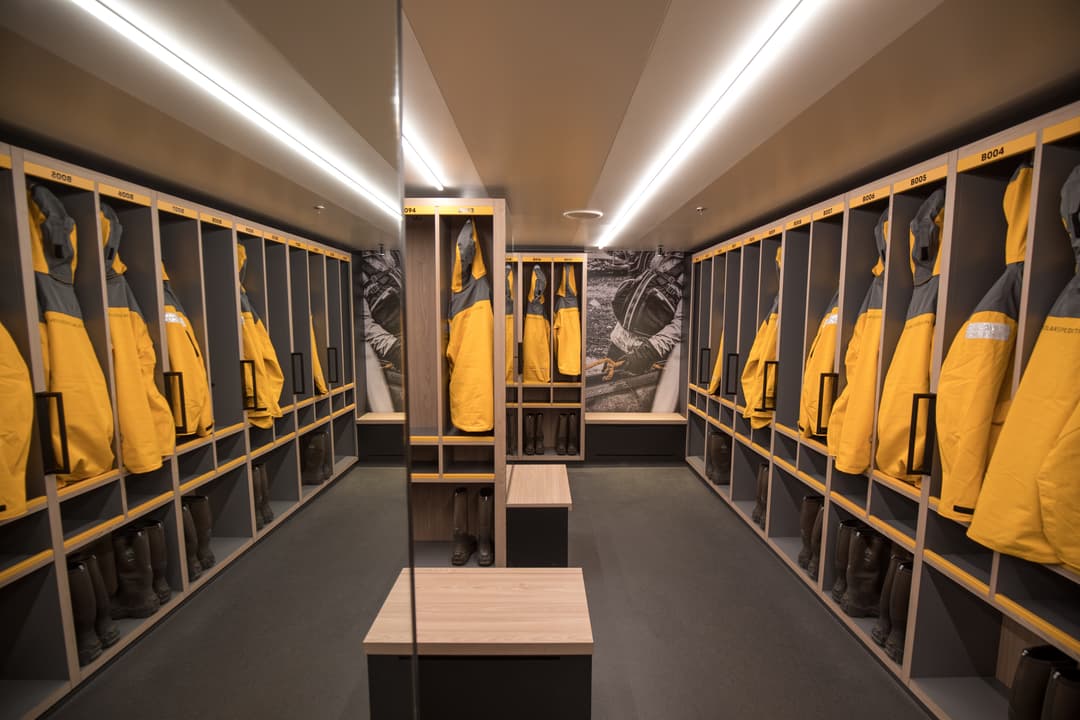


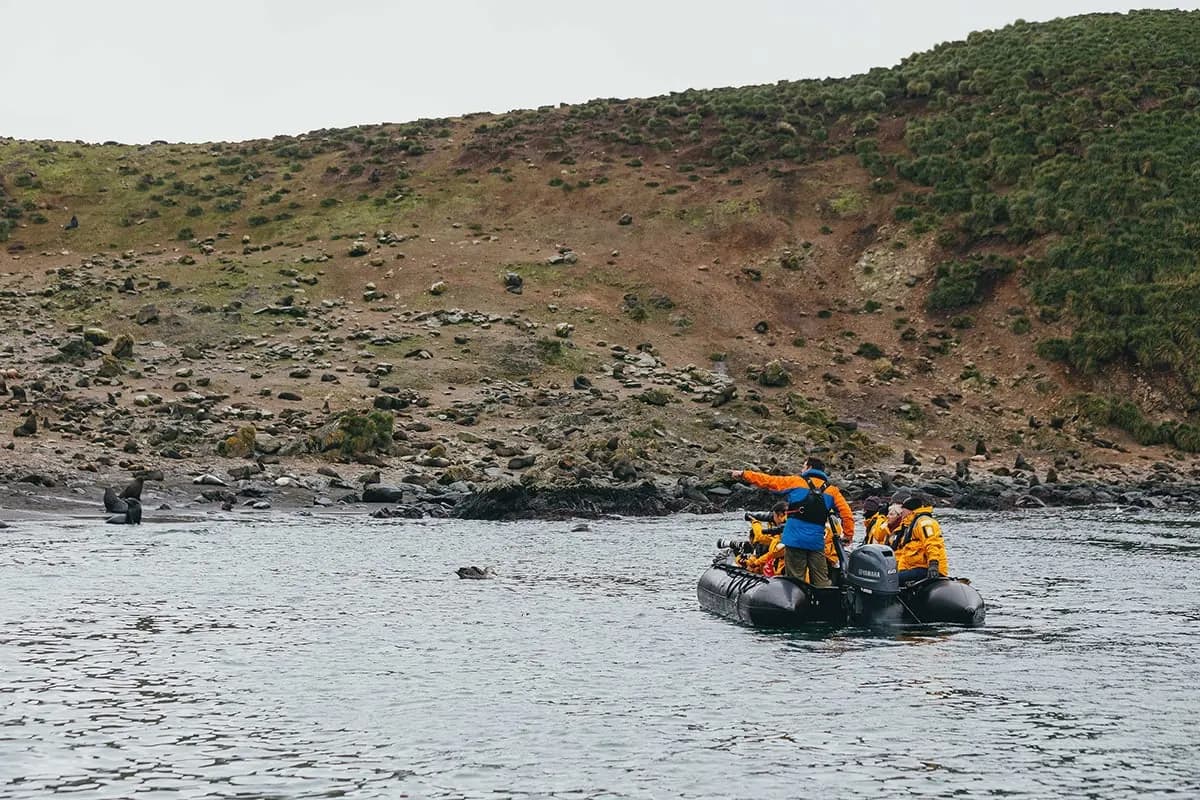
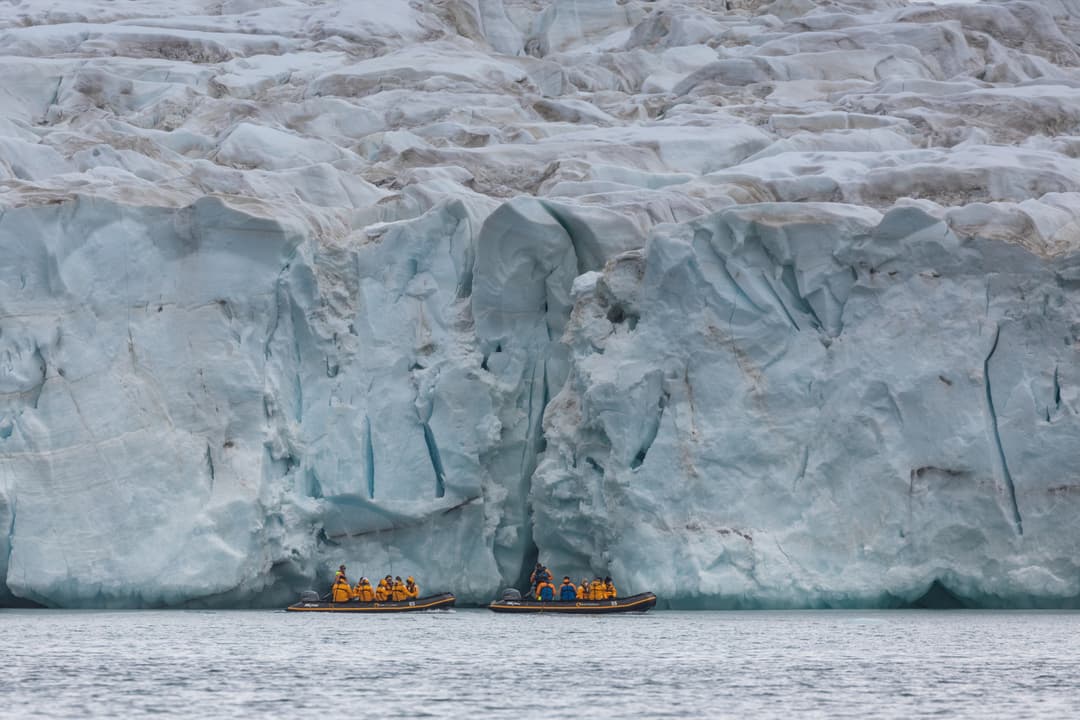
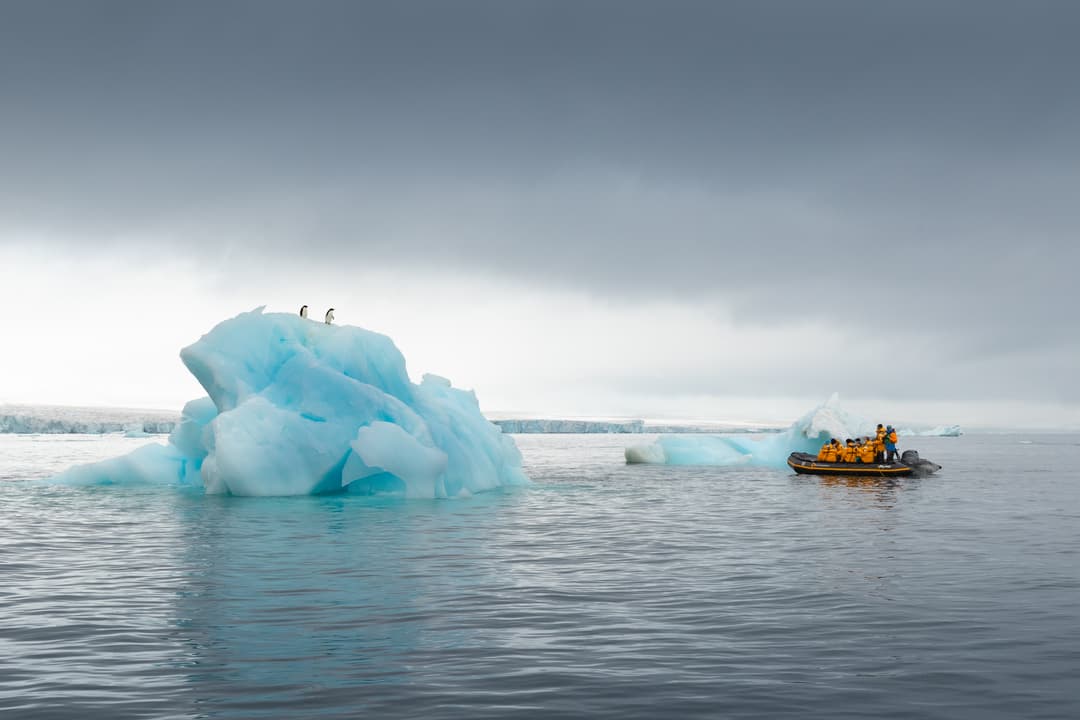
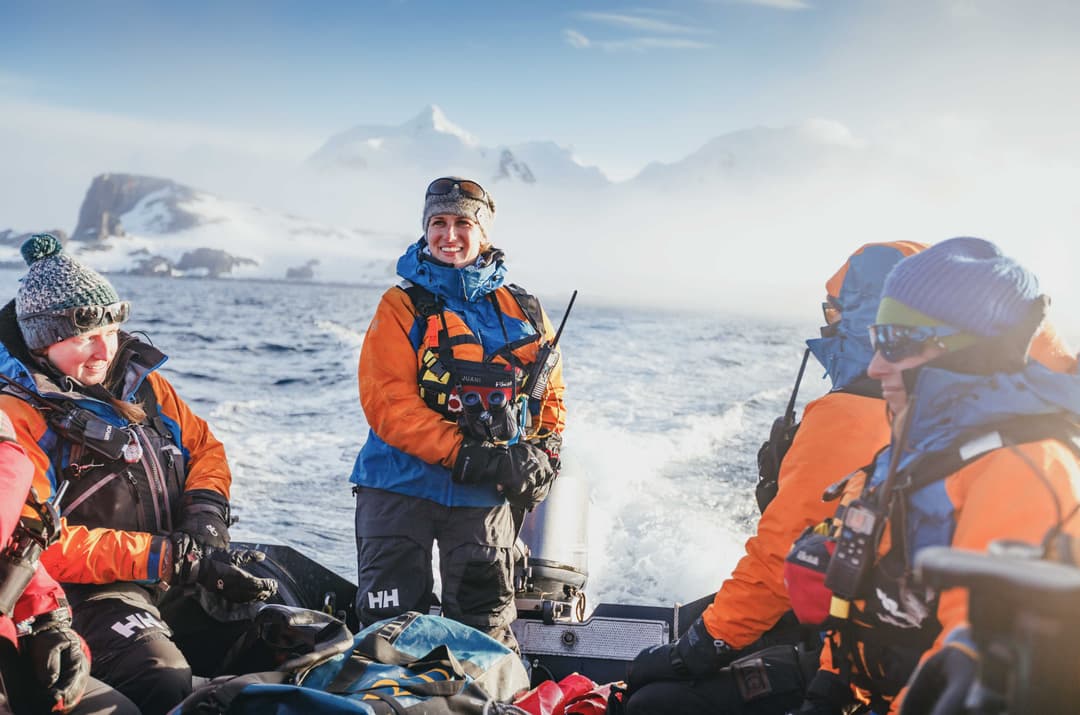
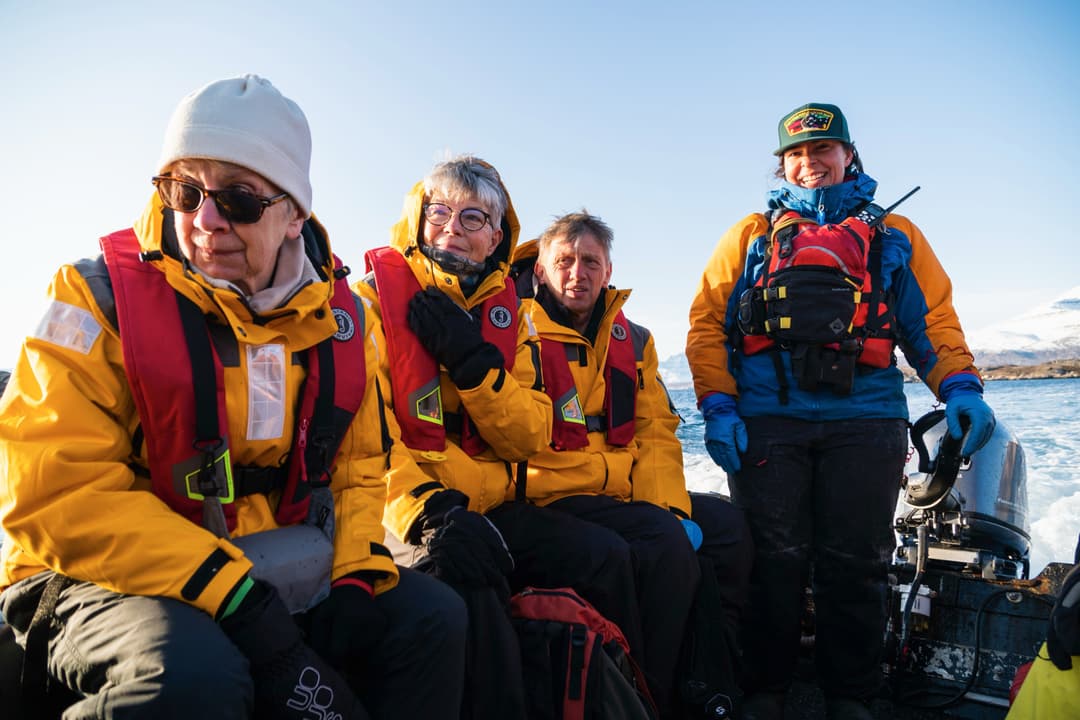
Zodiacs are used for transferring you ashore, transporting your luggage when necessary and for taking you ocean-level cruising among icebergs, whales and seabirds. During the expedition, you will visit remote and isolated sites that are accessible only by Zodiac.
These large, heavy-duty inflatable vessels are extremely safe and were specially designed for expedition work. Zodiacs are the workhorses of Polar expeditions. Separate air comp....




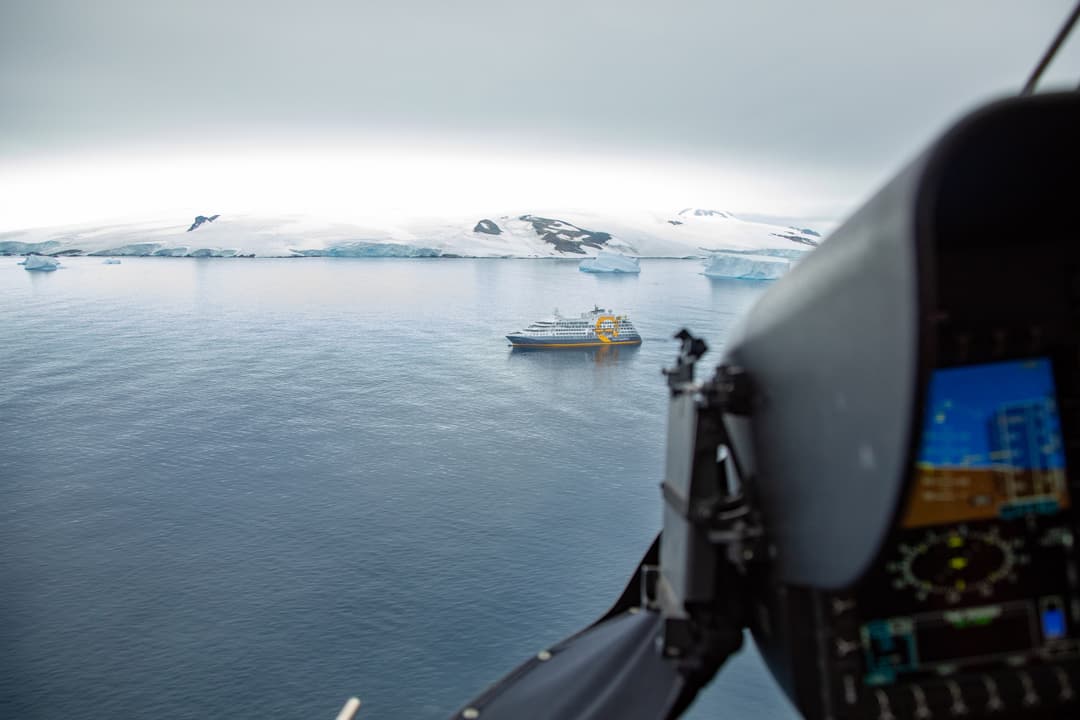
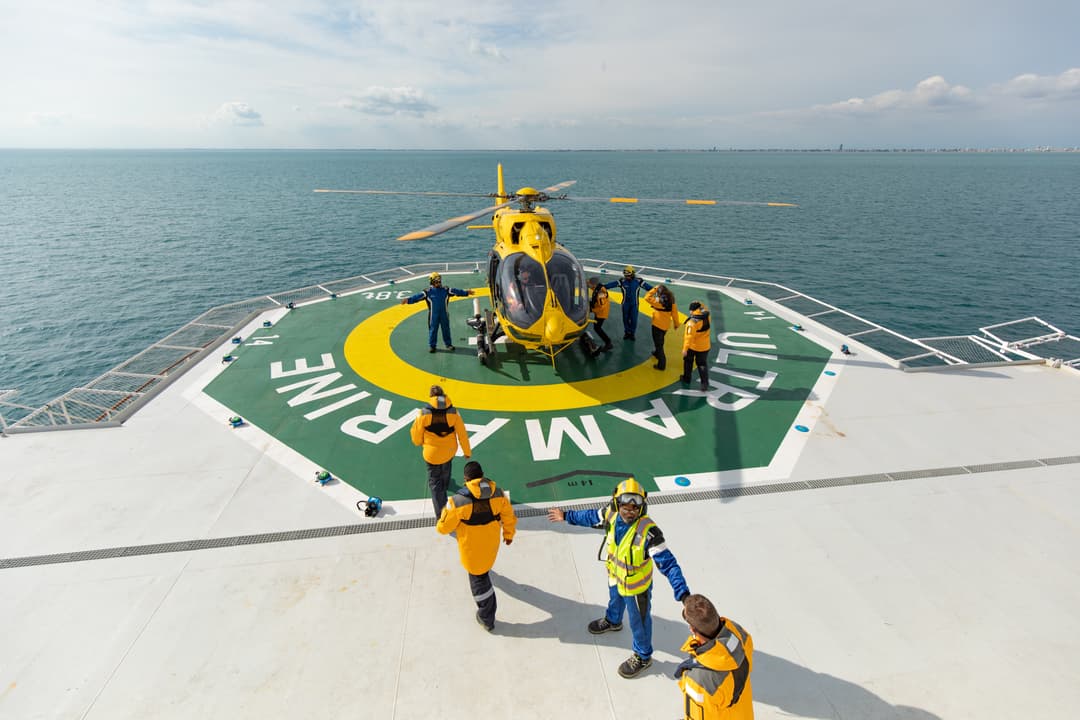
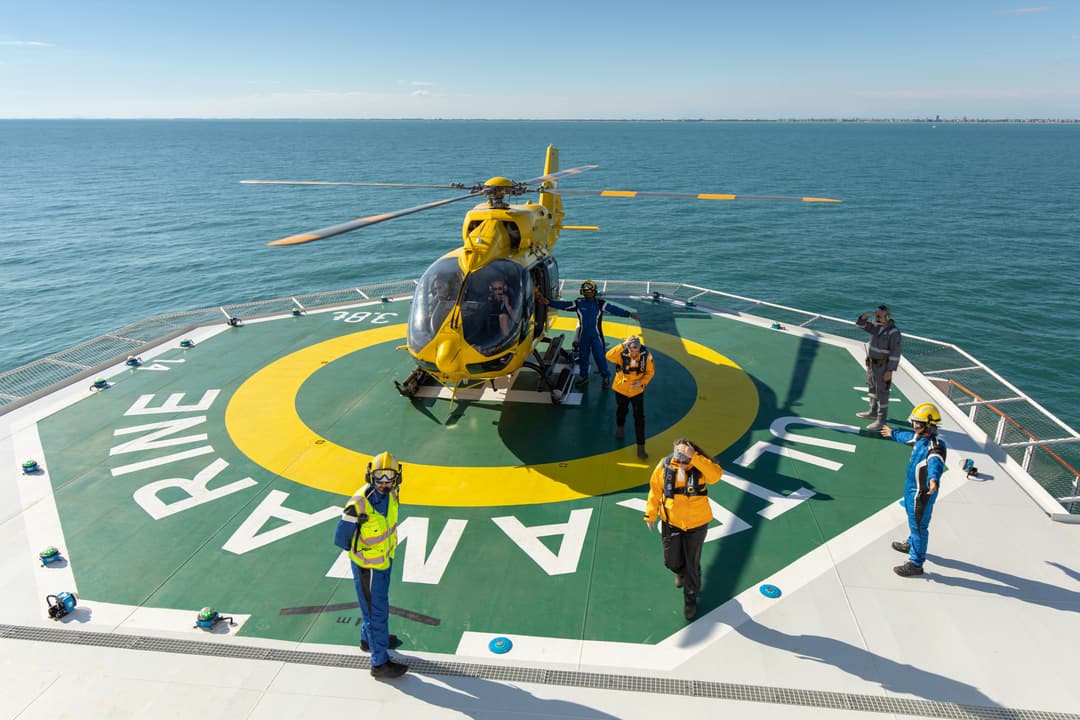
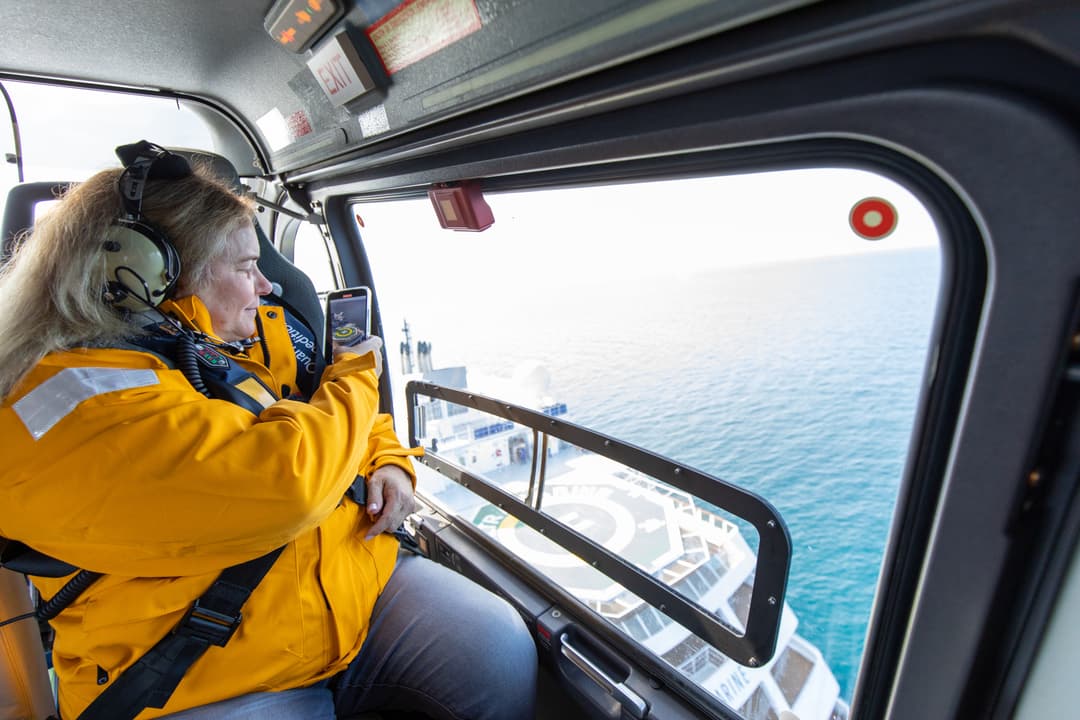
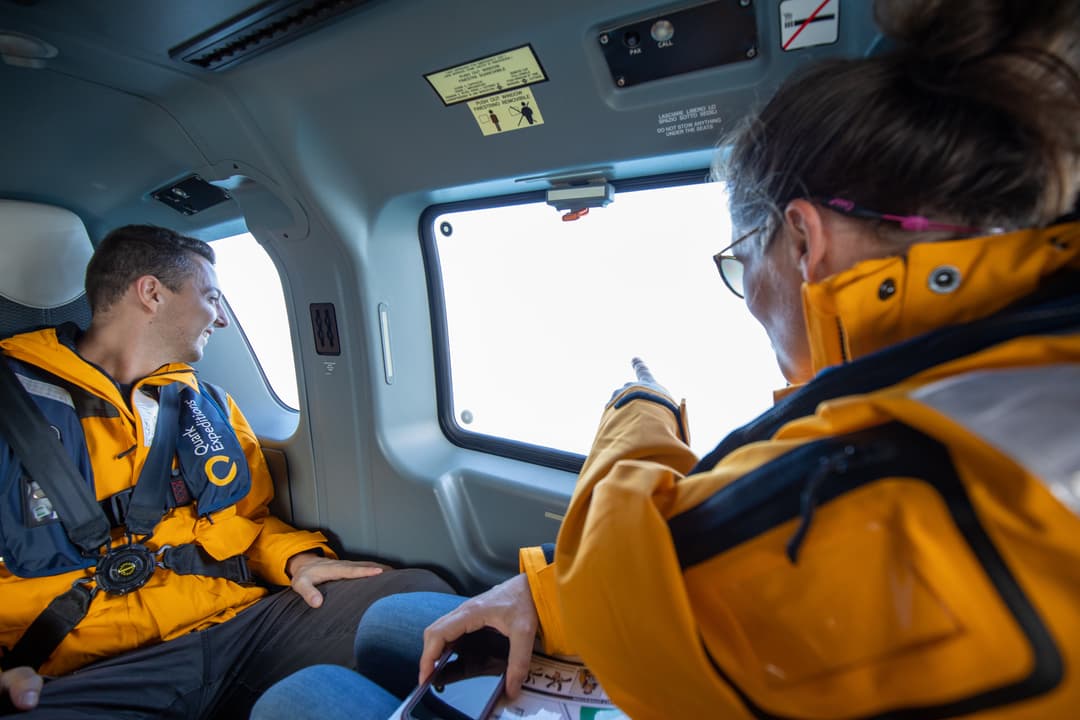
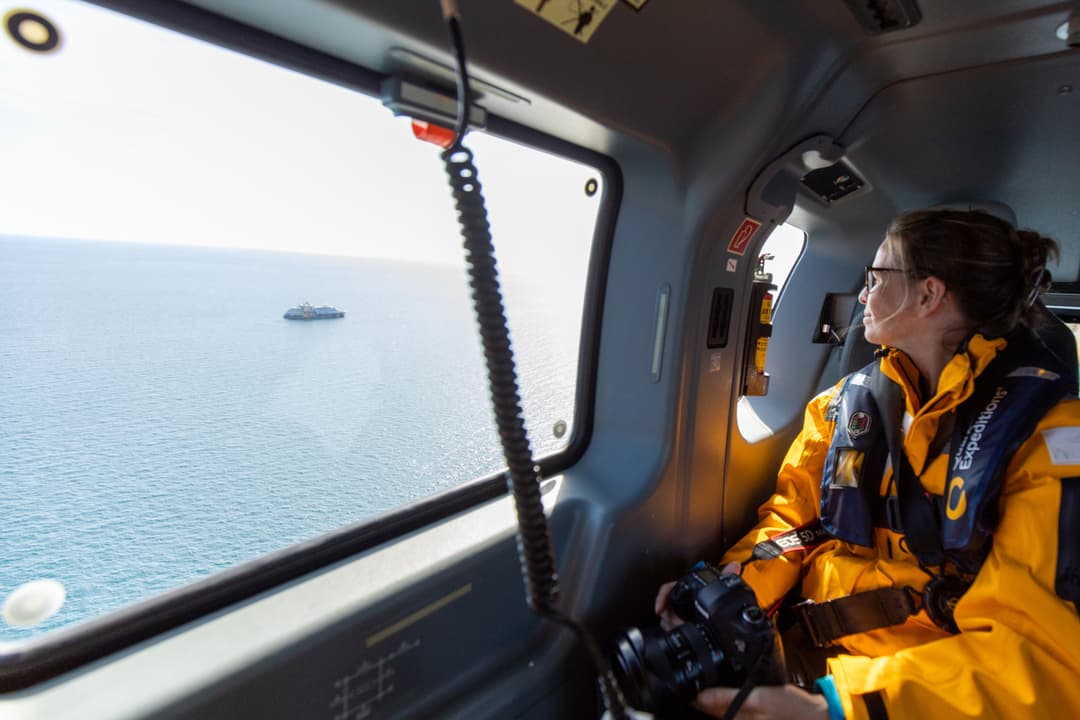
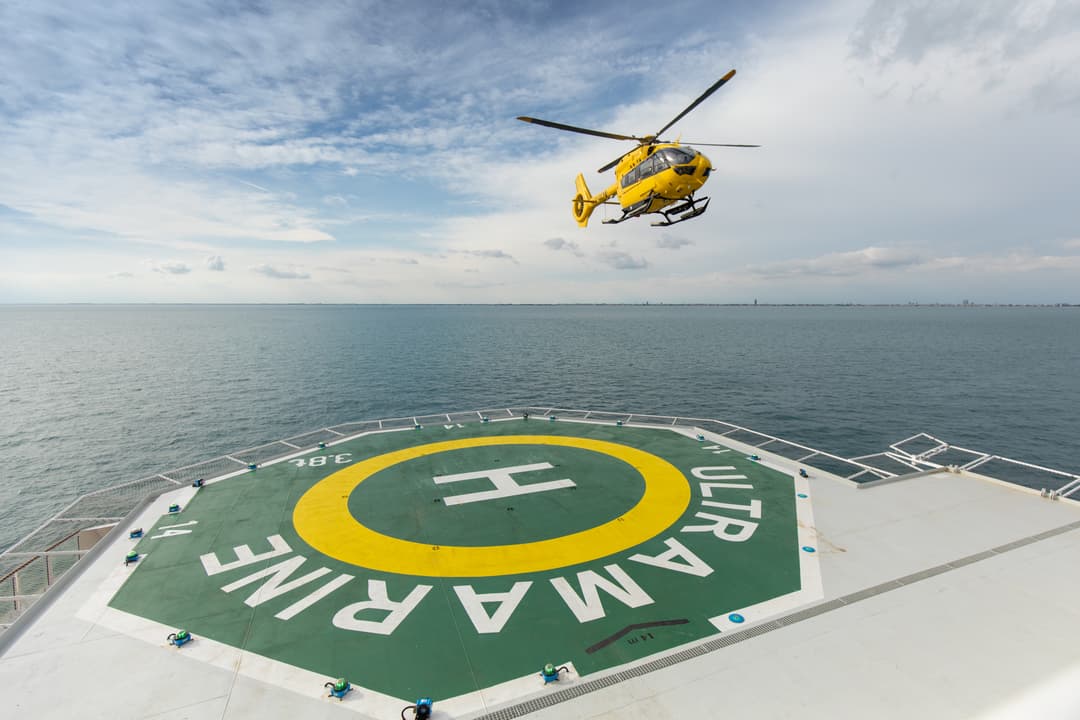
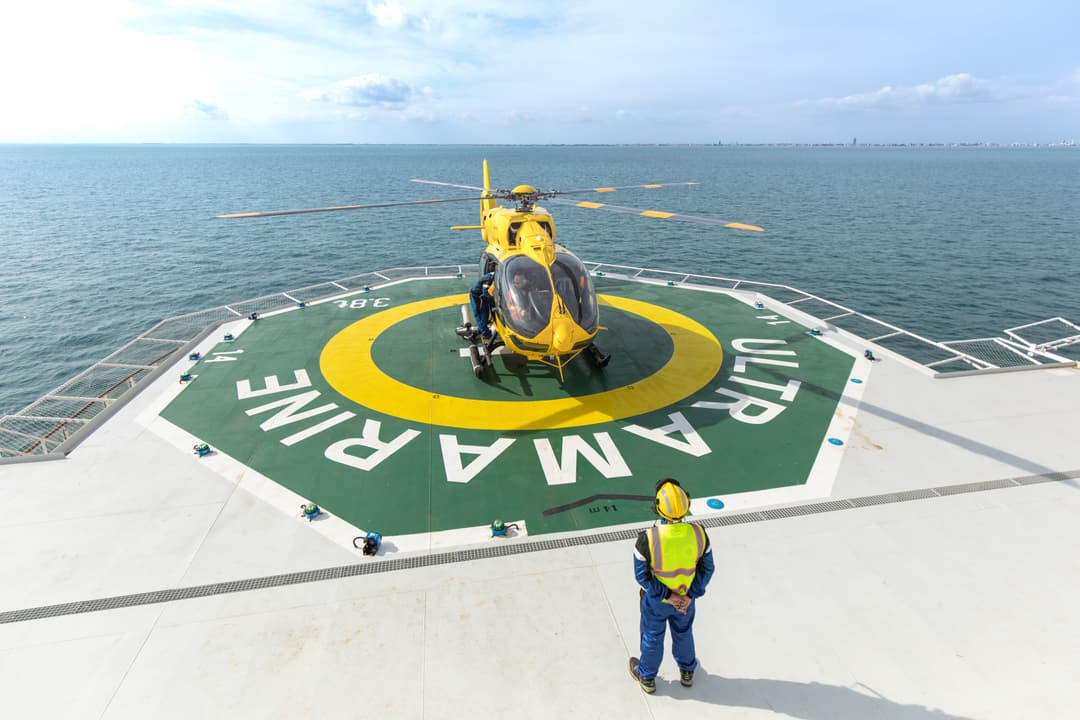
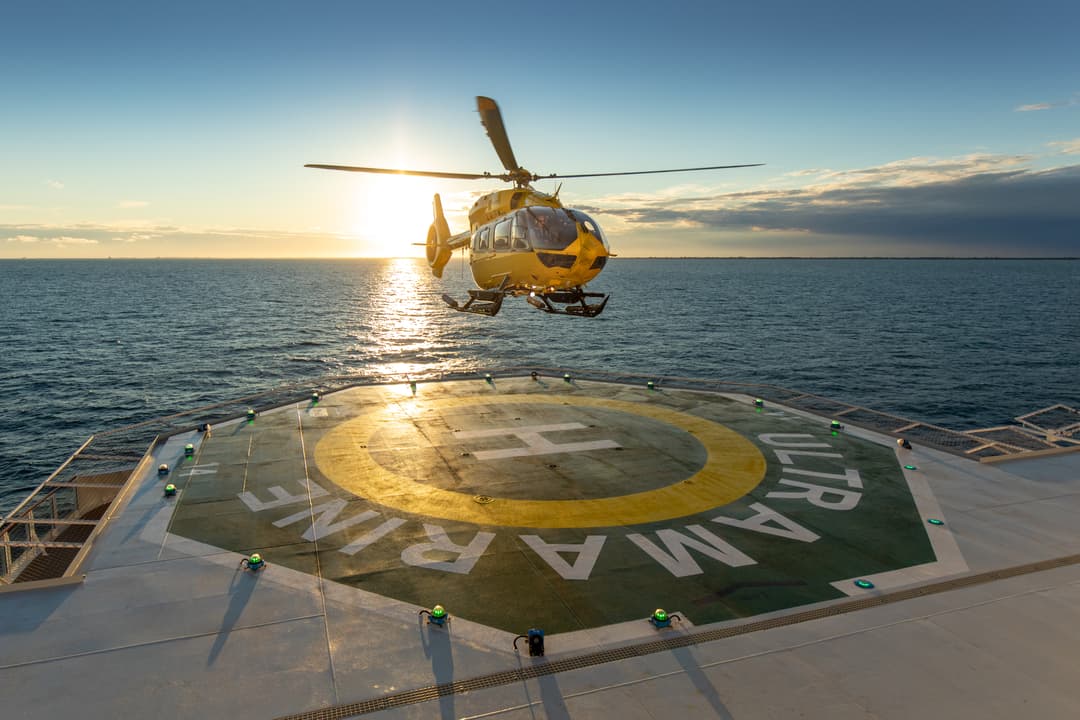
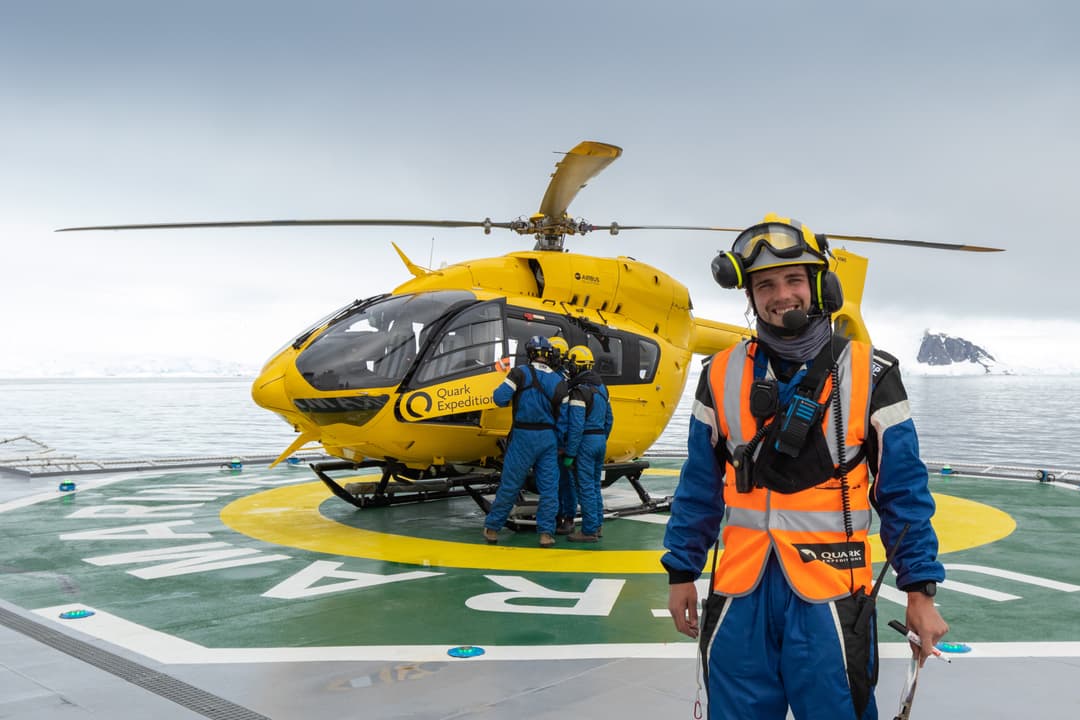
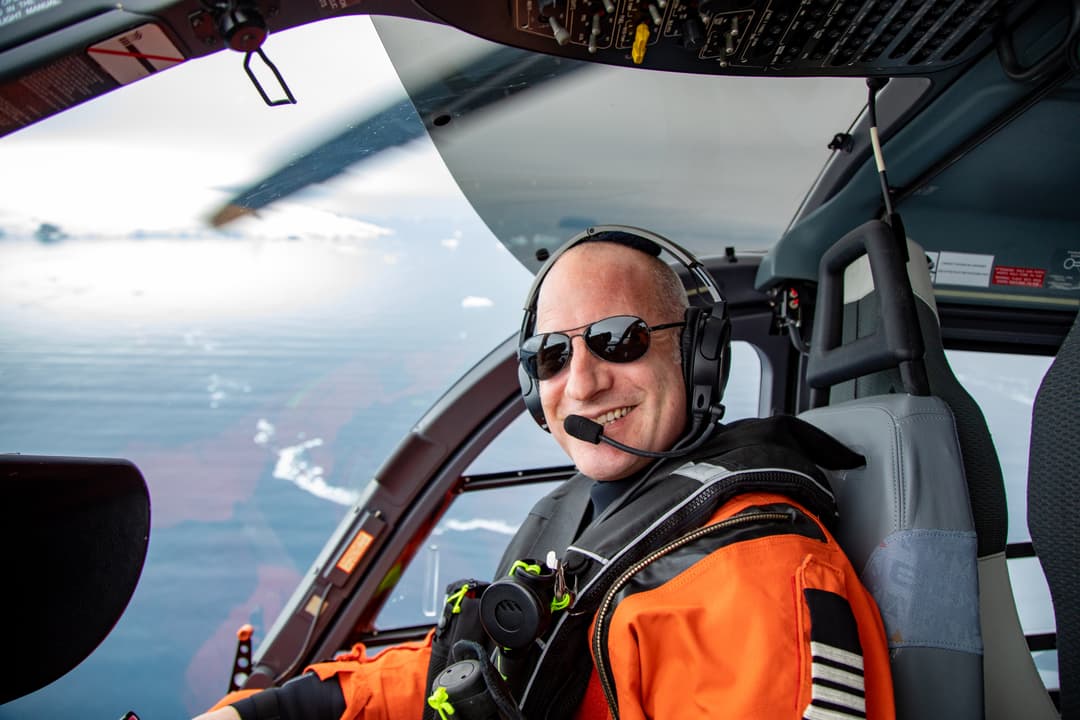


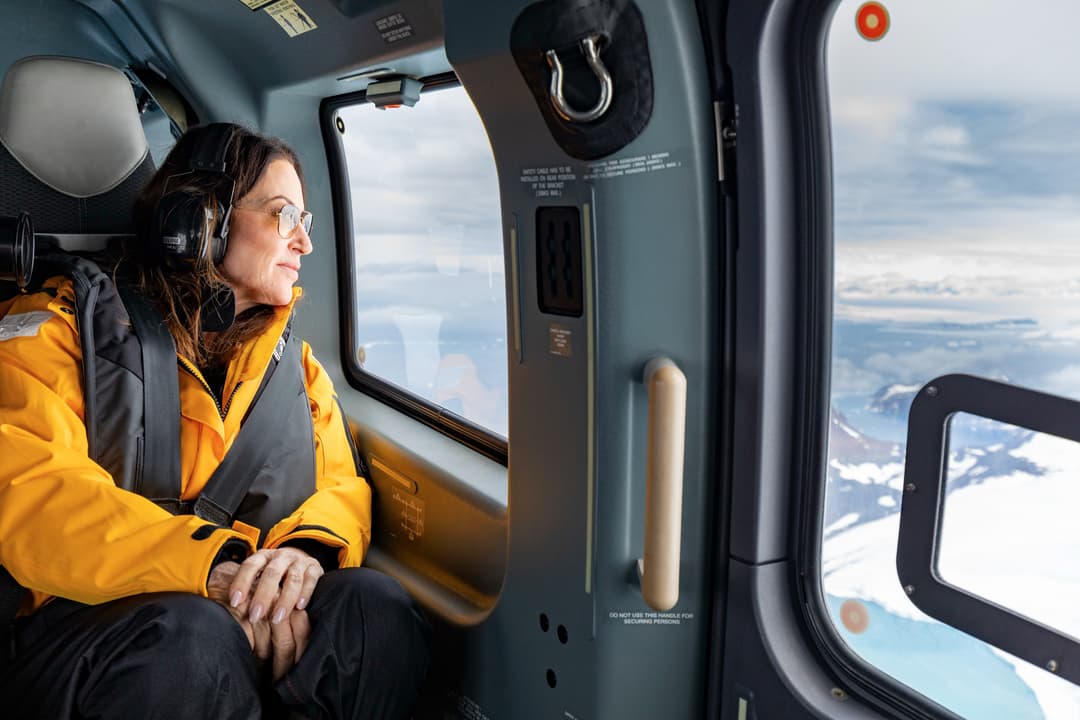


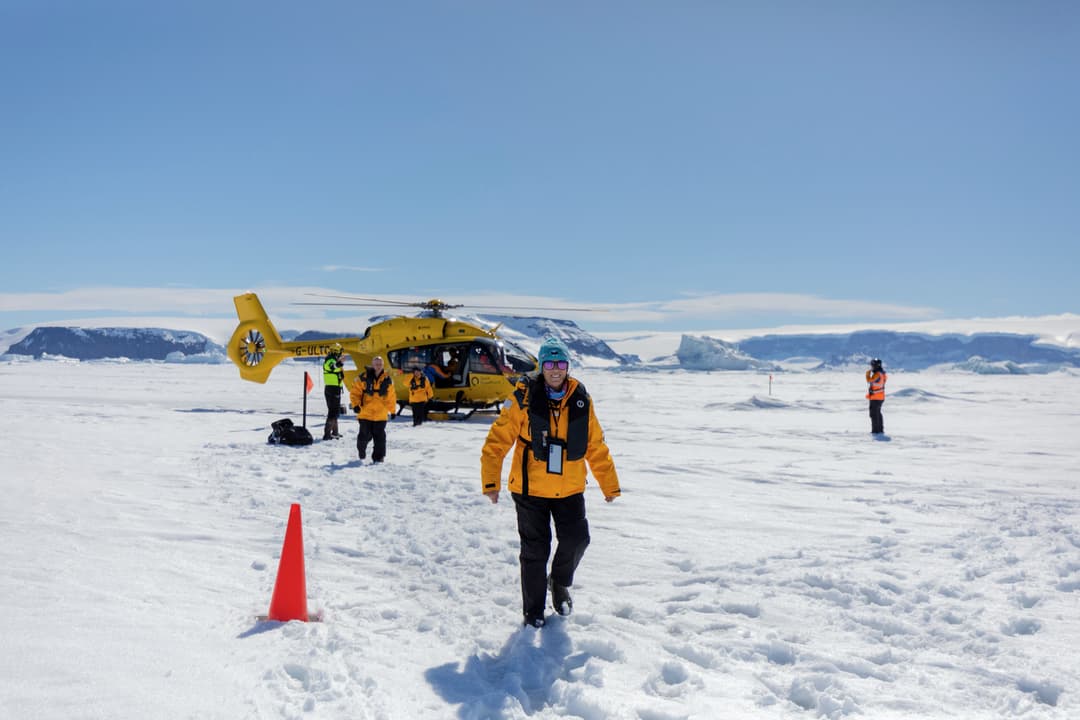

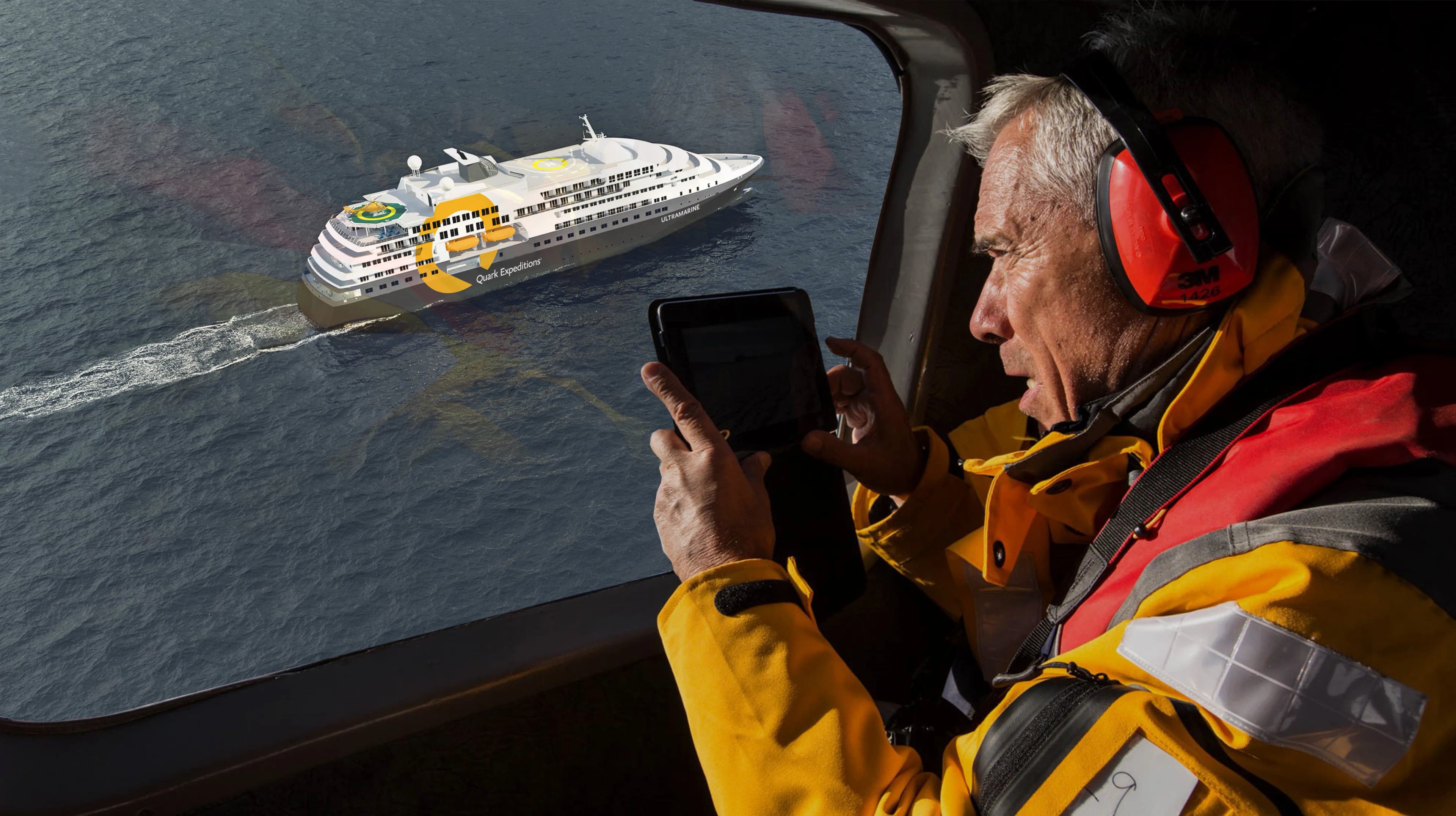
While polar landscapes are spectacular from the sea, they’re even more stunning from the air, a view you can enjoy while seated in one of the two twin-engine helicopters stationed on Ultramarine. Typically in groups of 7 to 9, you will experience an unforgettable aerial∘ tour of the Arctic during a 10- to 15-minute flightseeing excursion∘ that’s included in the cost of the voyage. Additional helicopter activities may also be available for purc....
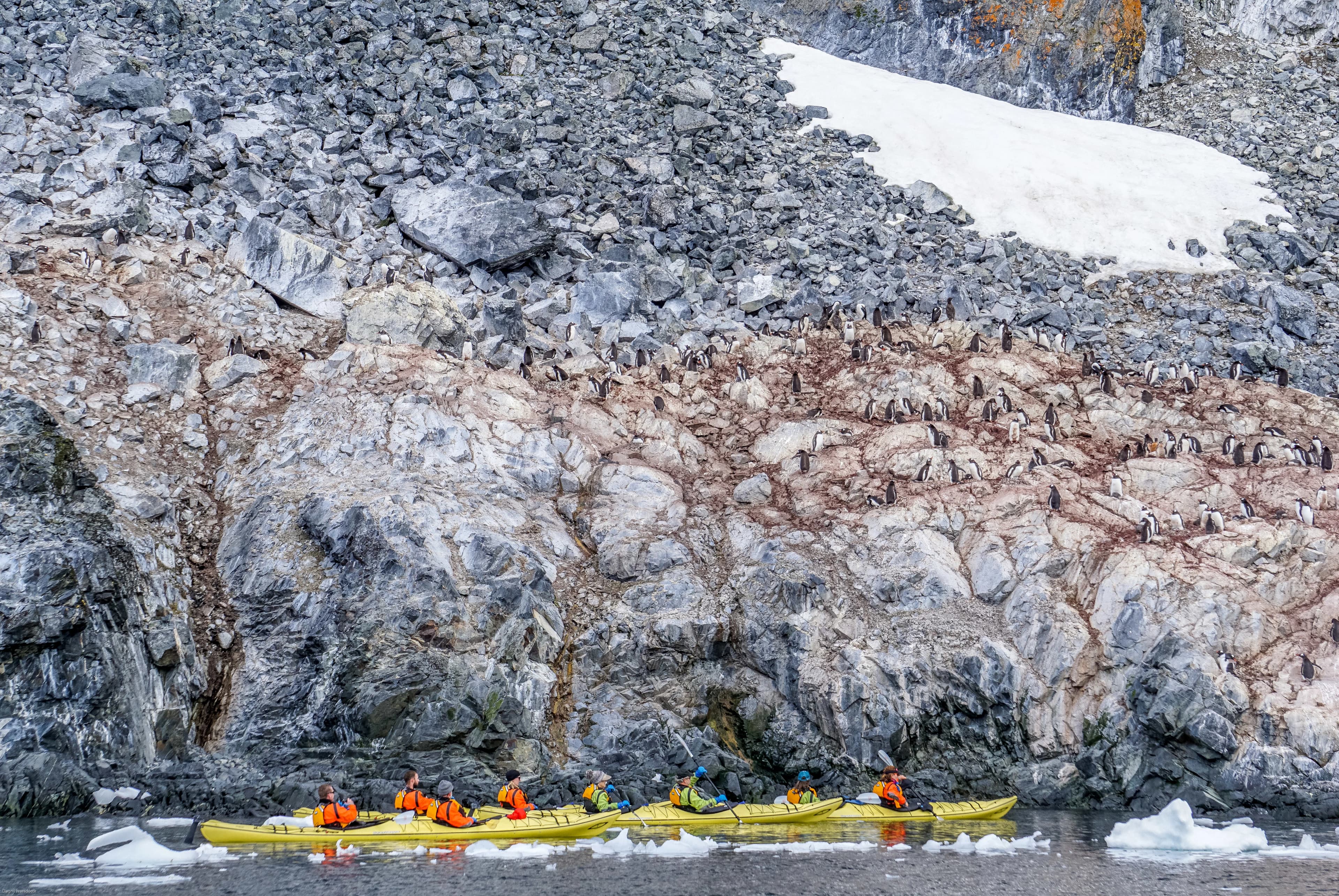
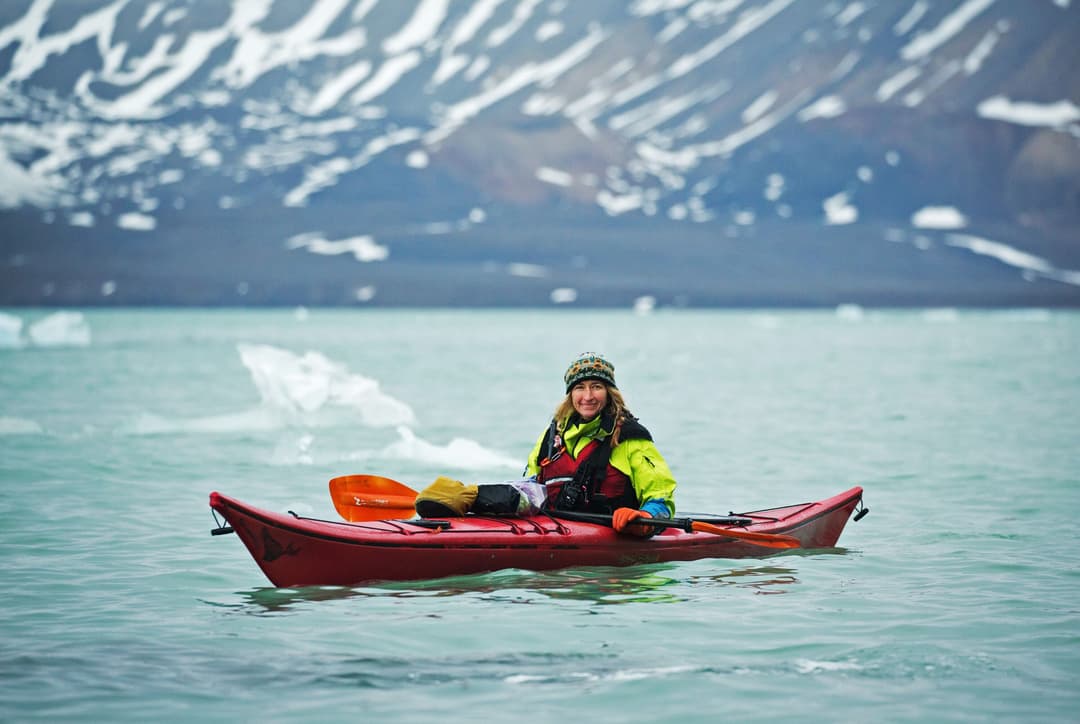
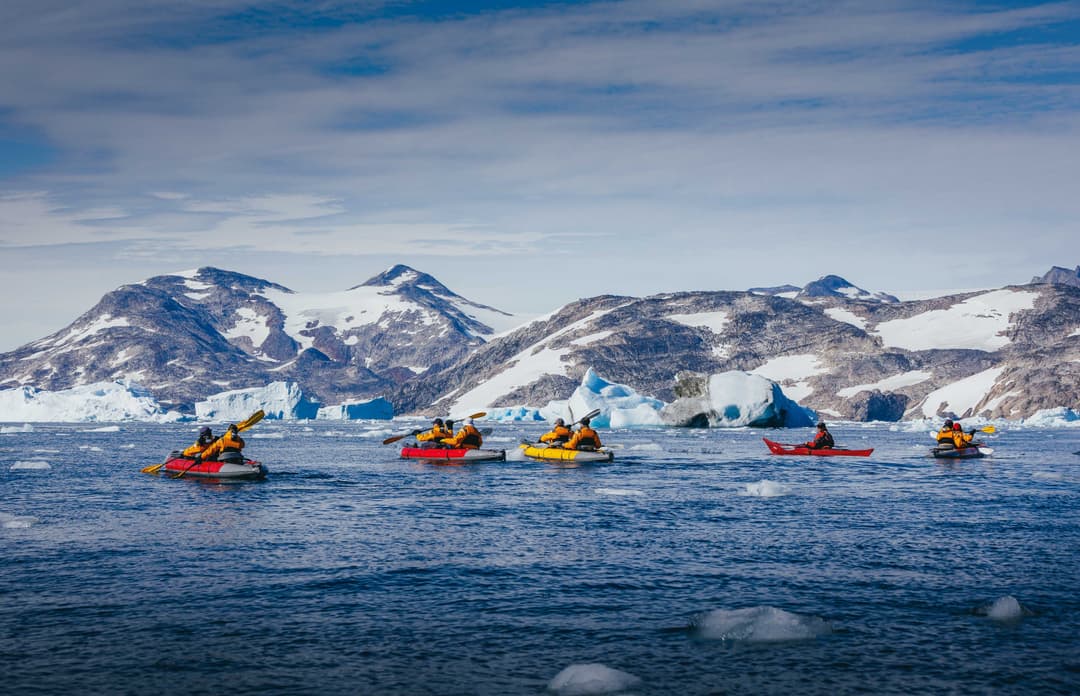
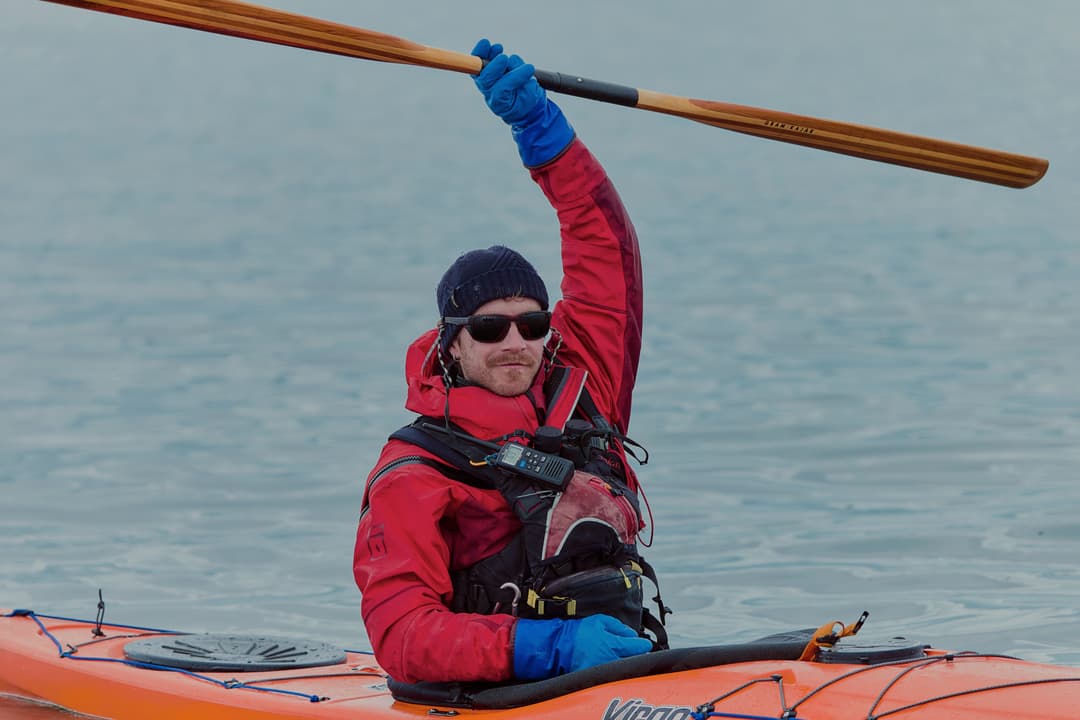
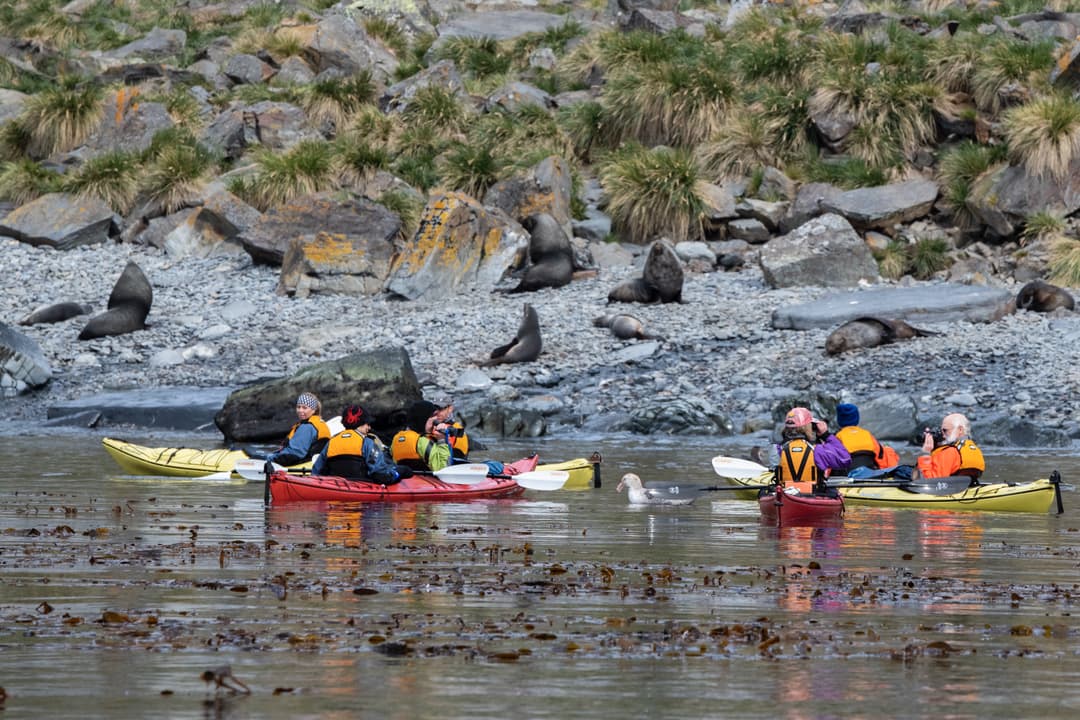
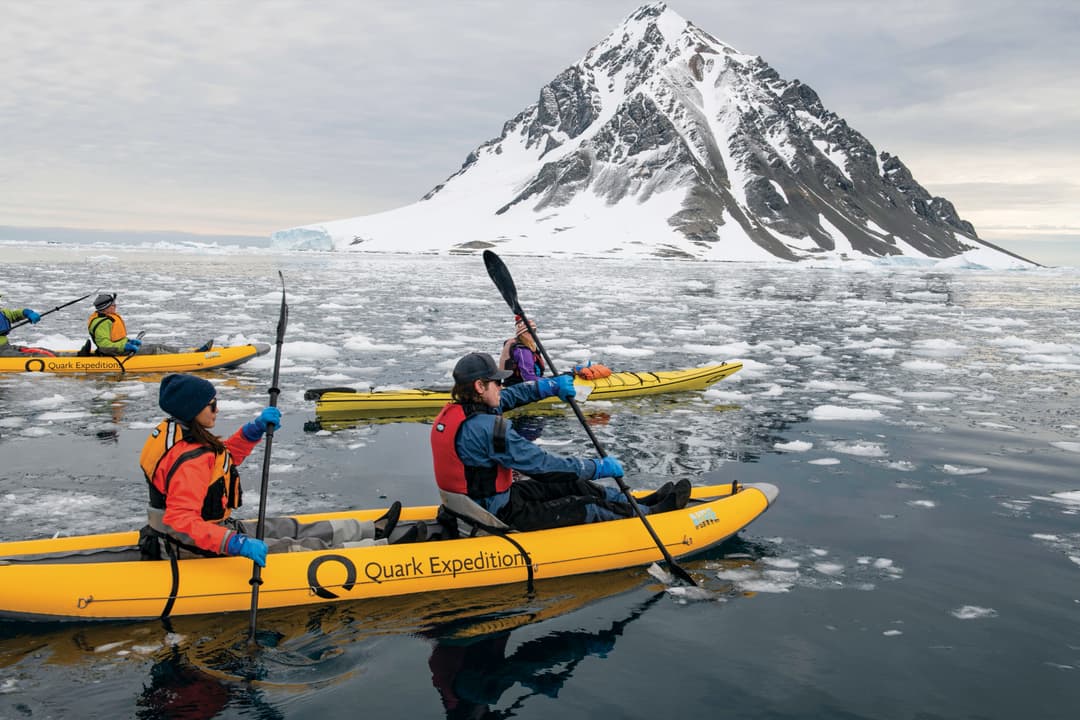
Sea kayaking is offered on all of our departures and you require no previous experience to enjoy this activity. Our sea kayaks are the ideal means by which to get some good exercise and explore the cliffs and shores of the various visitor sites around the archipelago. A typical cruise week offers great opportunities to go kayaking around secluded coves, shores, mangrove estuaries and beautiful beaches. Galapagos penguins, flightless cormorants....





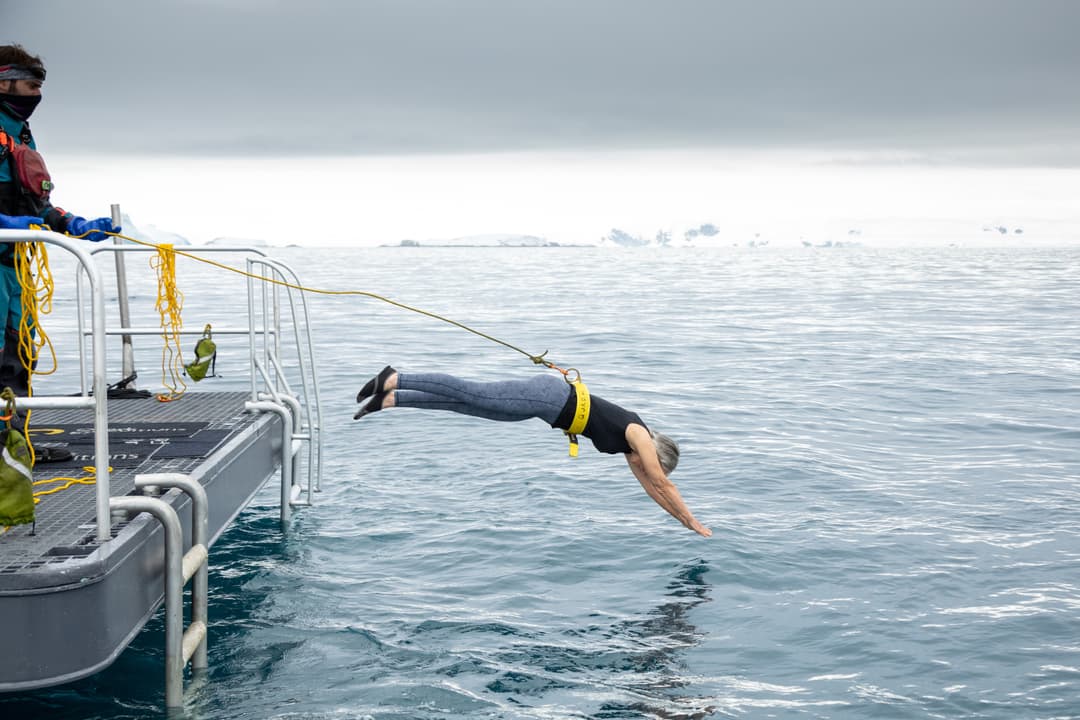
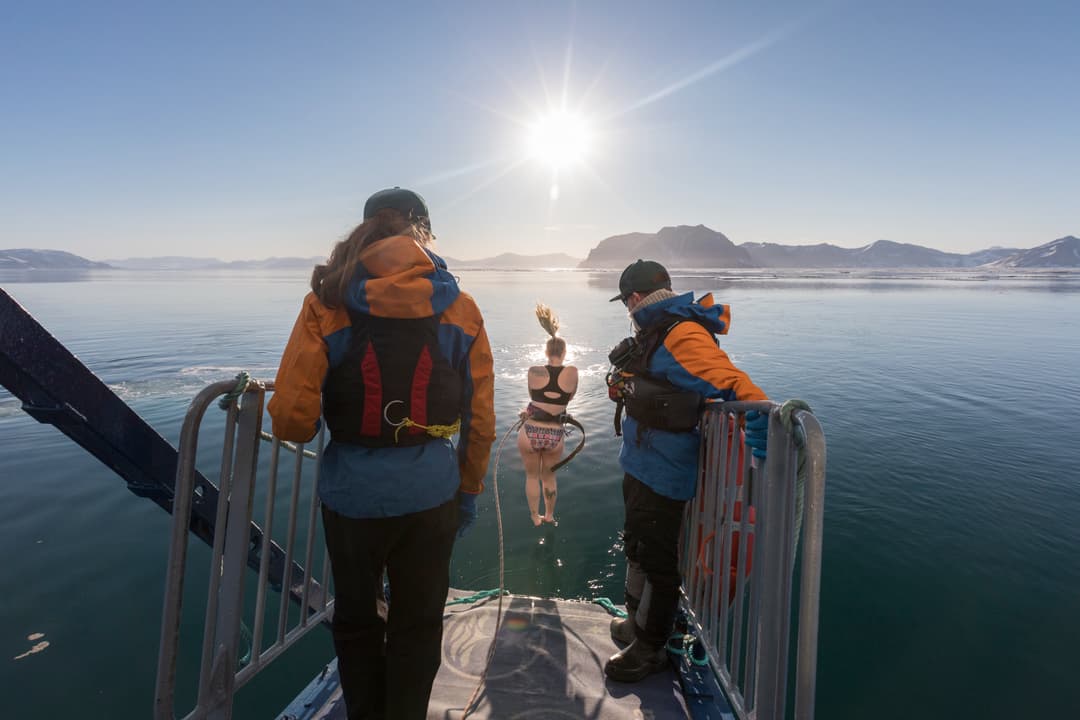
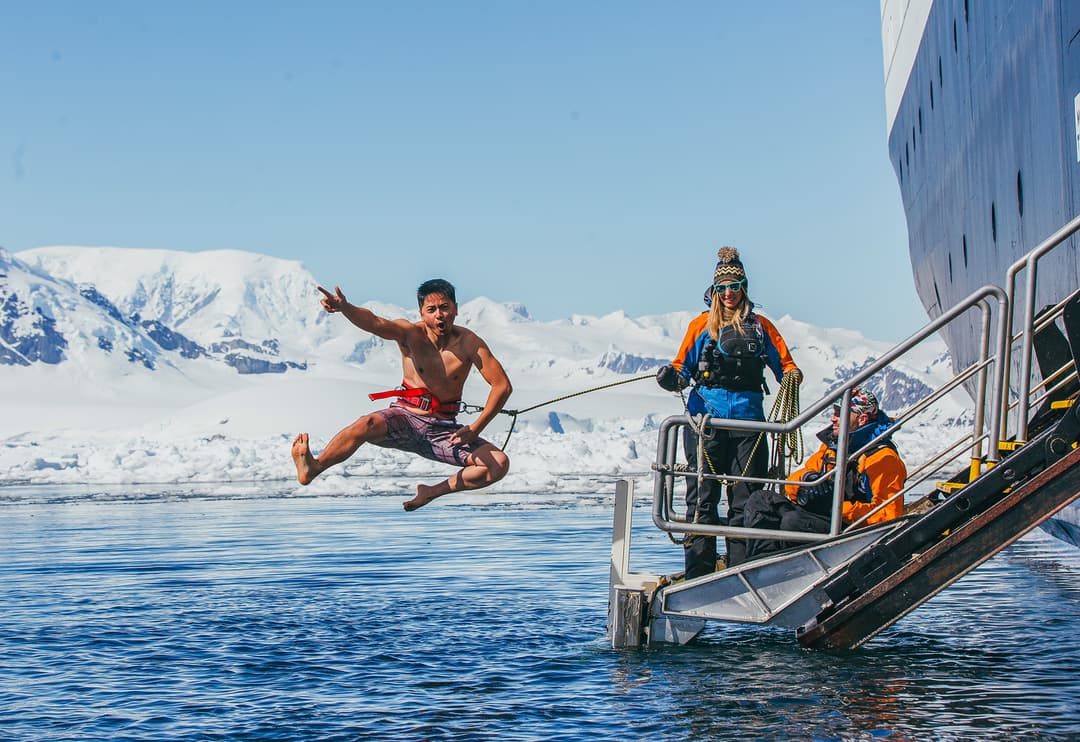
The Polar Plunge is scheduled once during each voyage. Throughout the journey, the Expedition Leader and Captain constantly monitor conditions in order to choose the optimal time and location. The Polar Plunge sometimes takes place onshore or, in many cases, from the gangway or Zodiac. All participants wear a tethered harness and plunge into the polar waters from the side of Zodiac or safety of the gangplank cheered on, of course, by fellow pa....

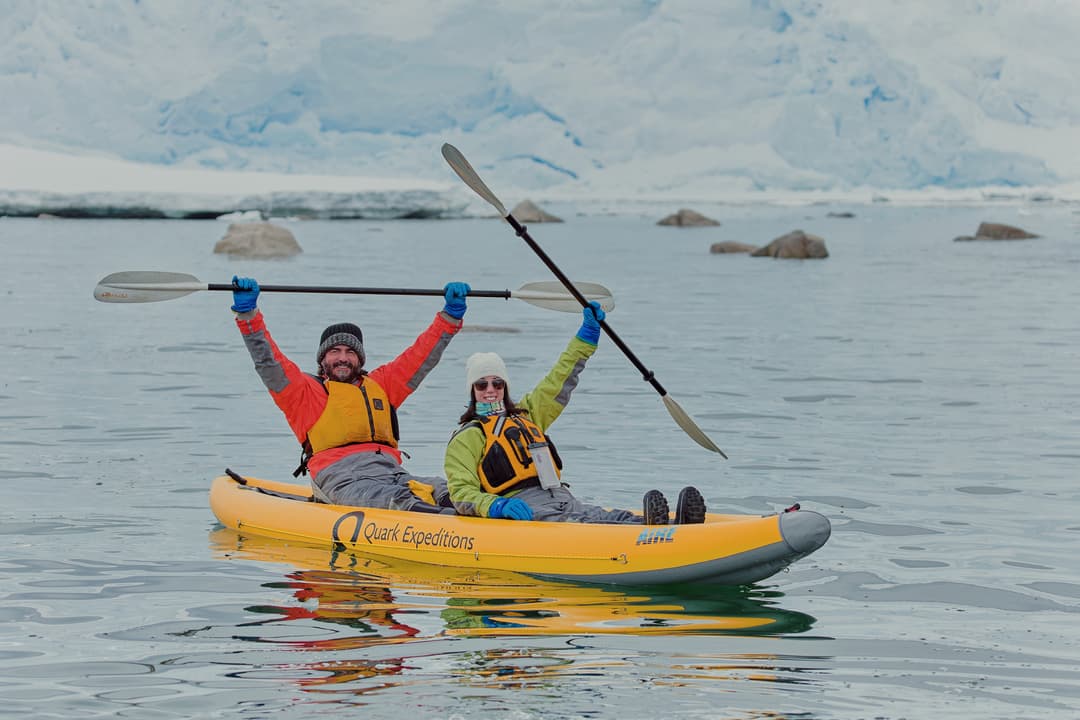
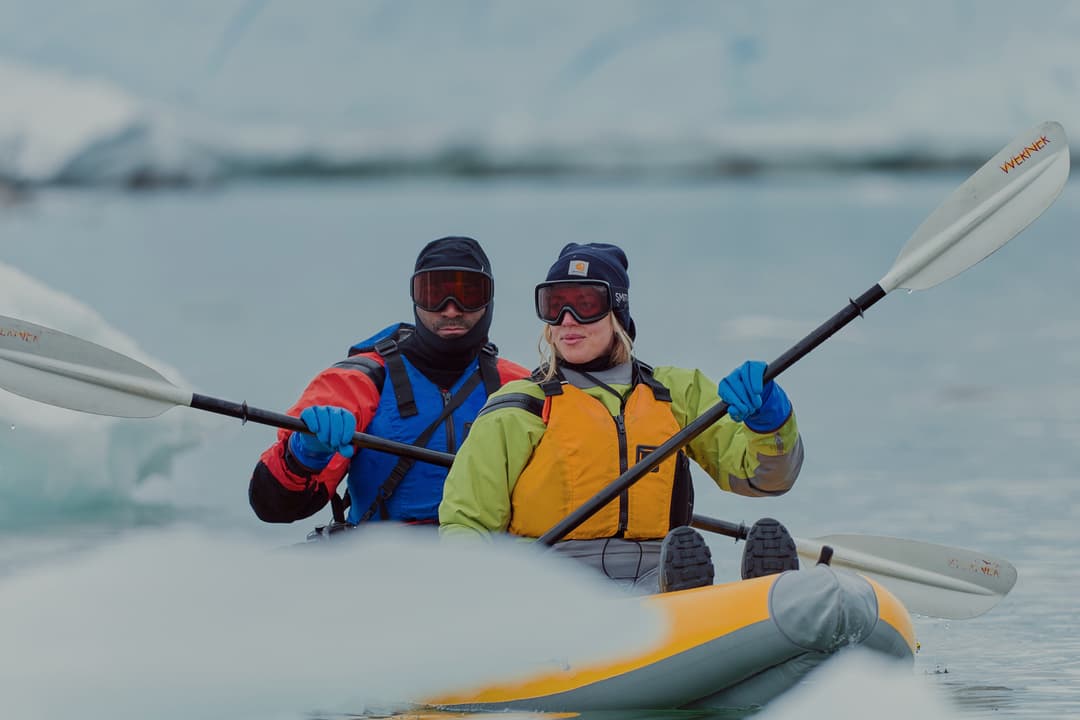
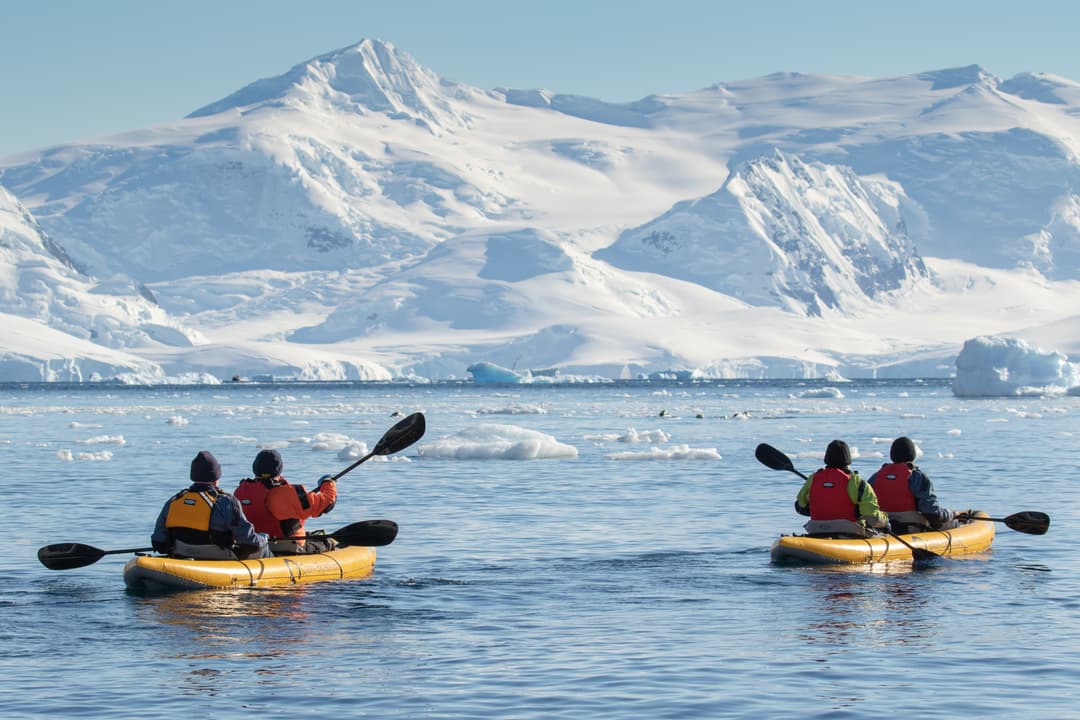
Explore the ocean from a more intimate vantage point on a sit-on-top kayak. No experience is required to manoeuvre these very stable kayaks, allowing you to enjoy an unforgettable experience on the water, taking in breathtaking landscapes and wildlife. Whether it’s your first time in a kayak or you want greater flexibility to try other Adventure options, this shorter excursion is for you.
Paddling in the Polar Regions is highly weather-d....
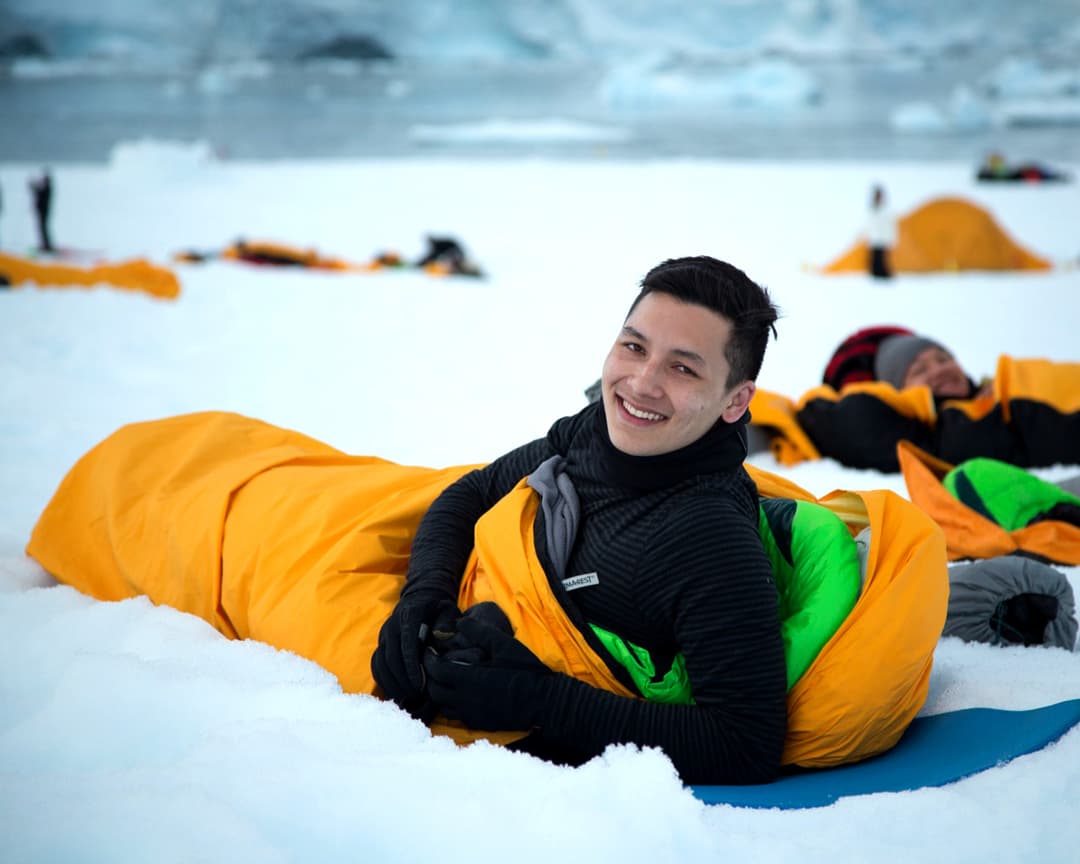
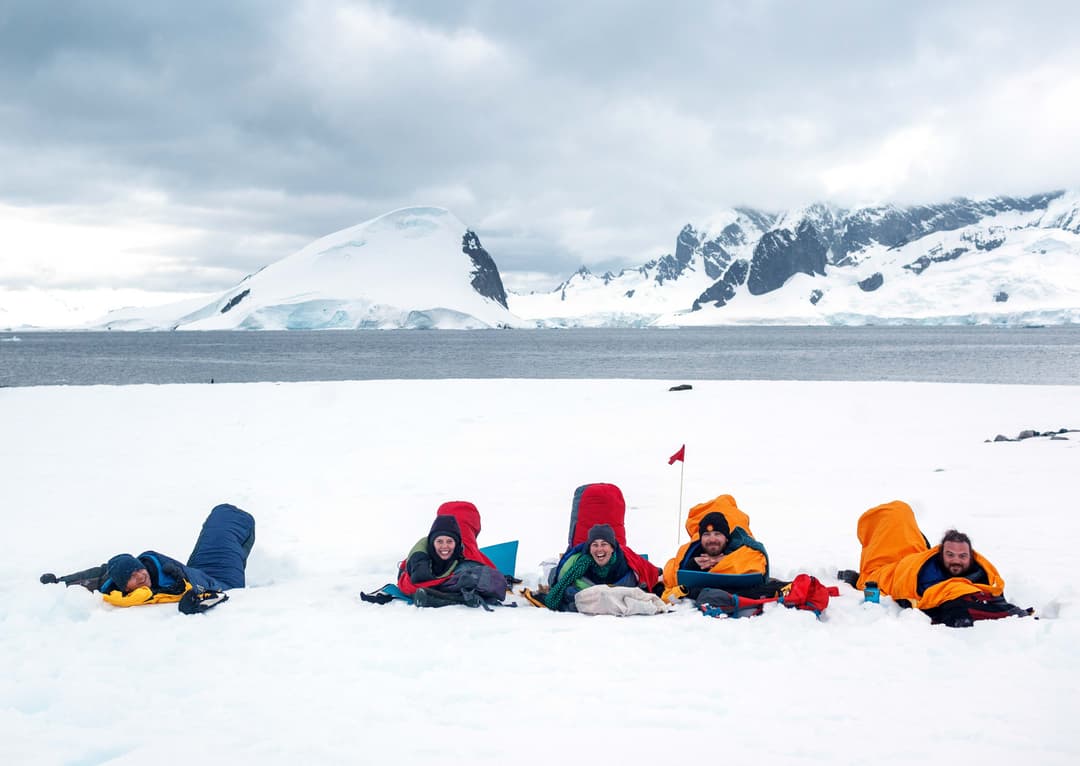
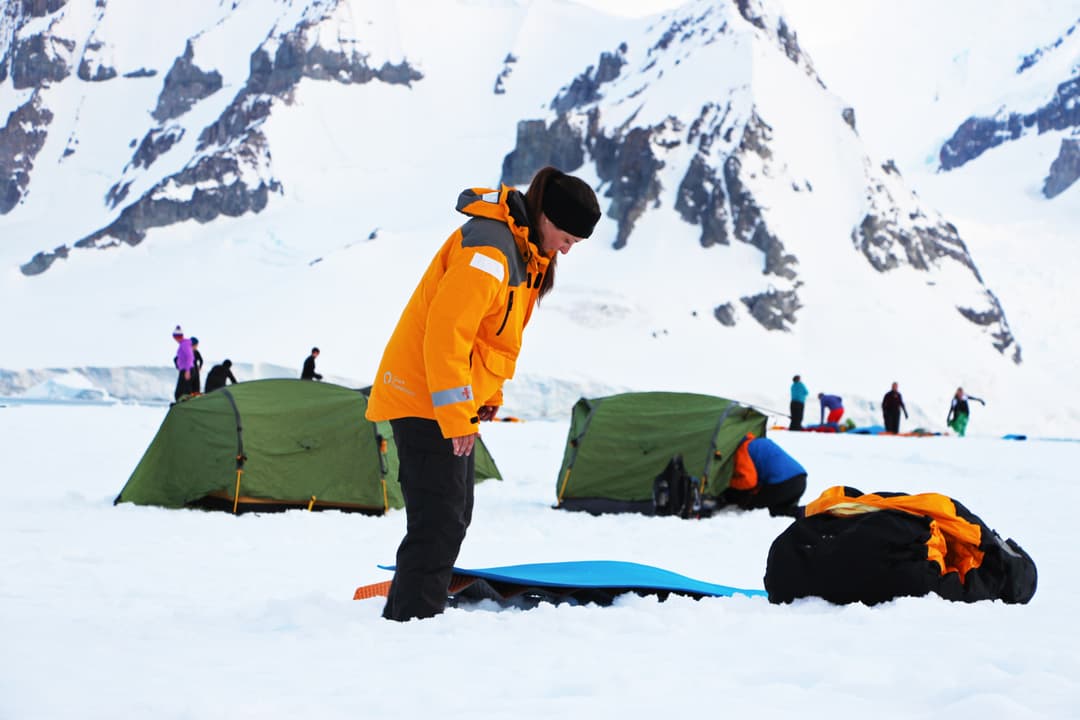
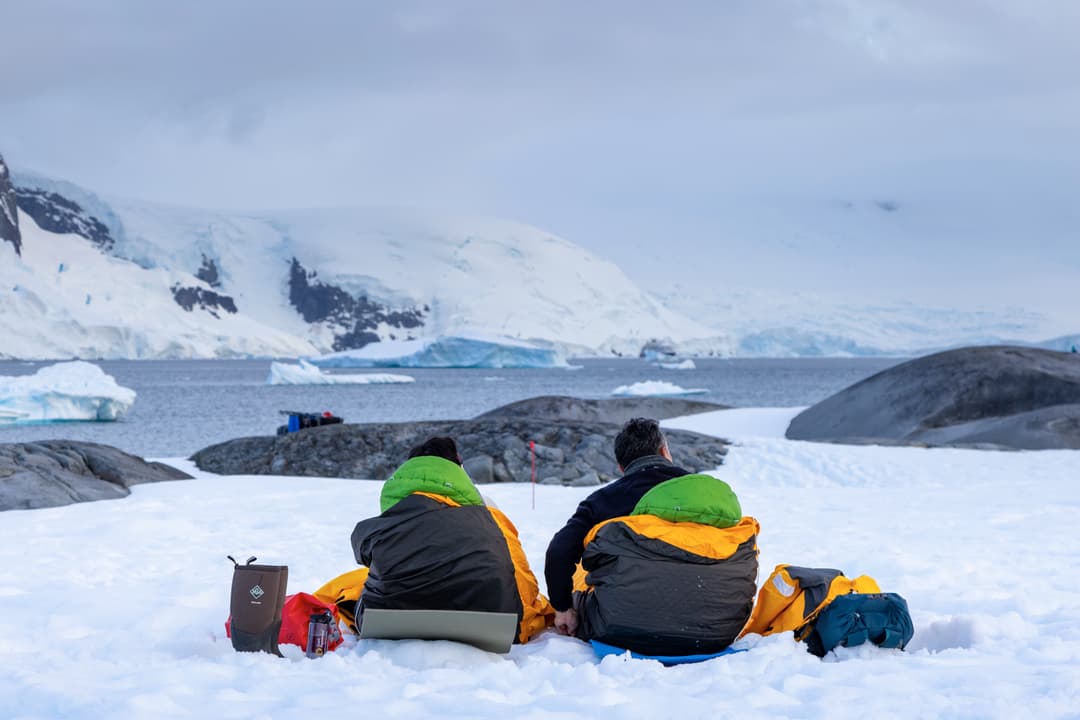
Imagine for a moment, staring at the stars in the indigo glow of an Antarctic night as you bed down for the night outside in the elements. The buzz of your daily life becomes a distant memory as you listen to the bray of penguin, the ethereal calls of the Weddell sea – even the exhalation of a humpback whale. And then you fall asleep.
Antarctic Camping with Quark Expeditions is an unforgettable experience. After dinner onboard, you'll be....
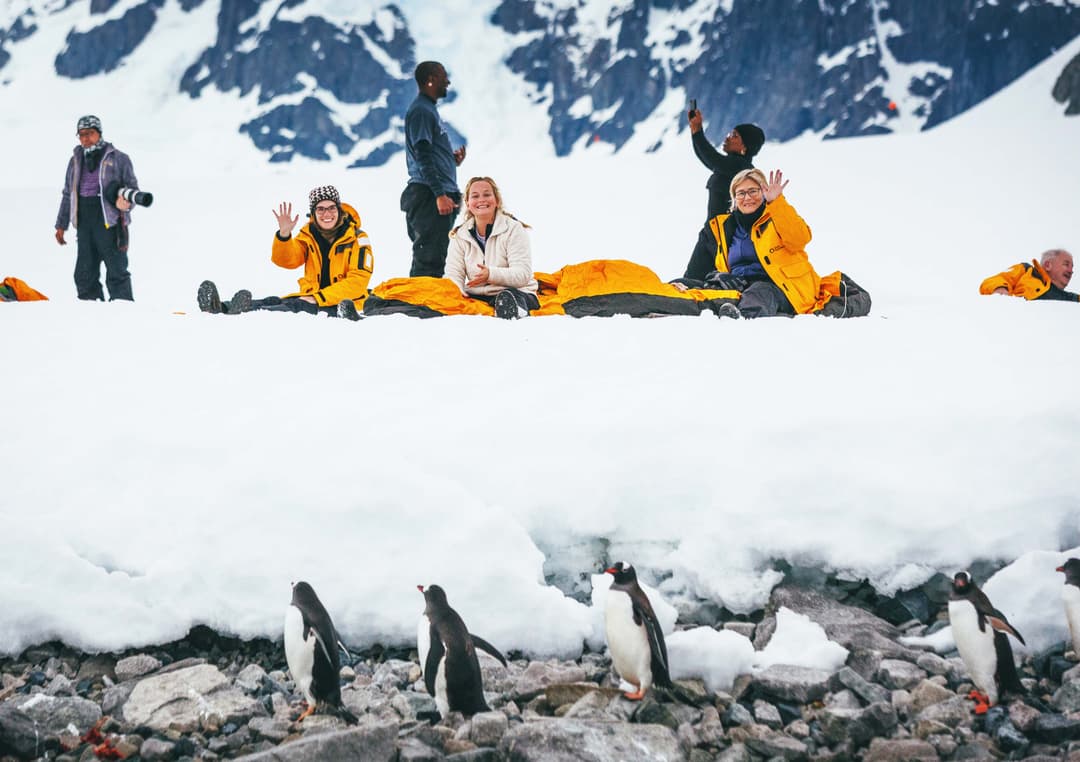

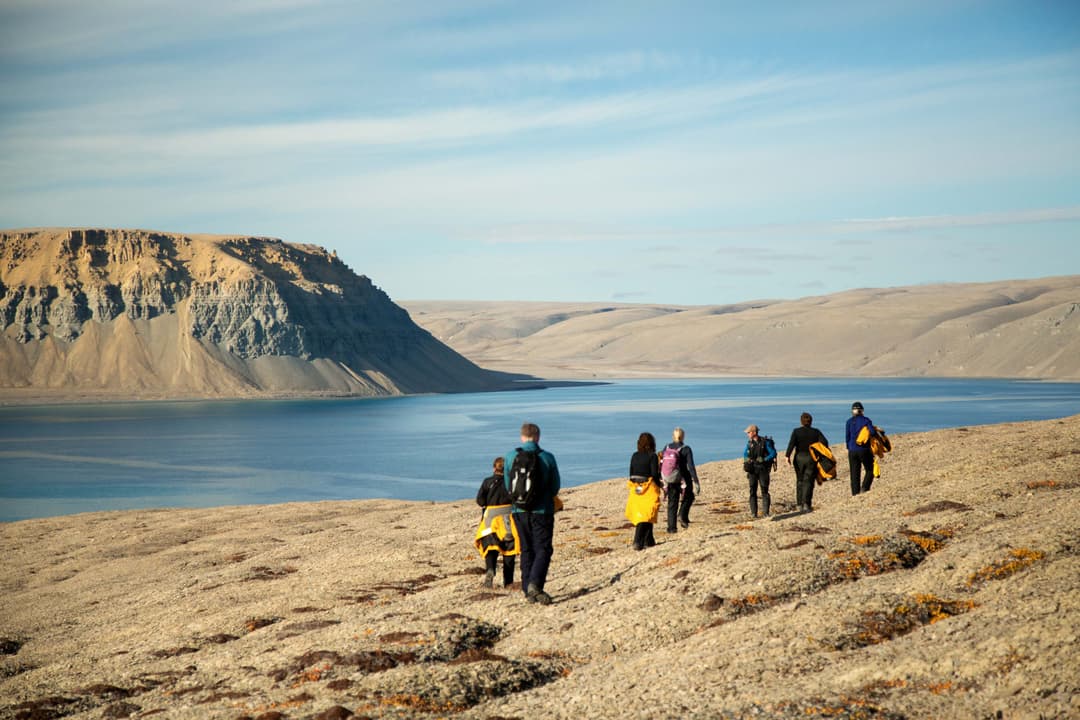
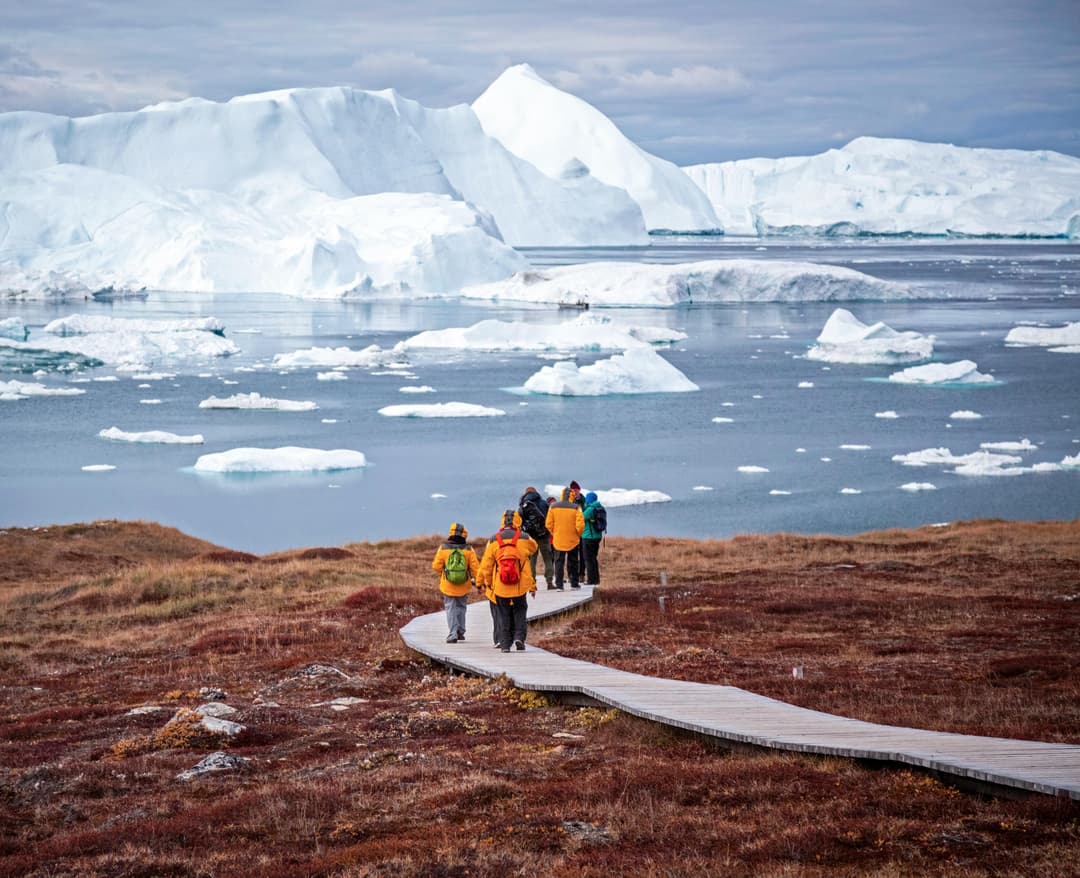
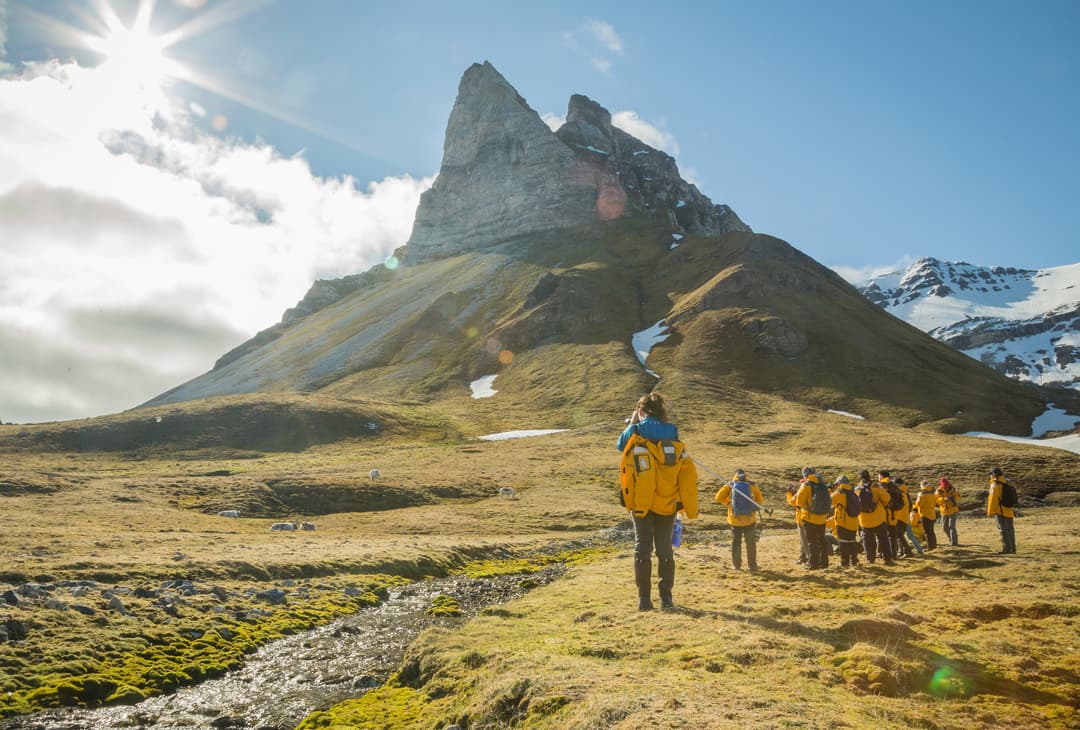
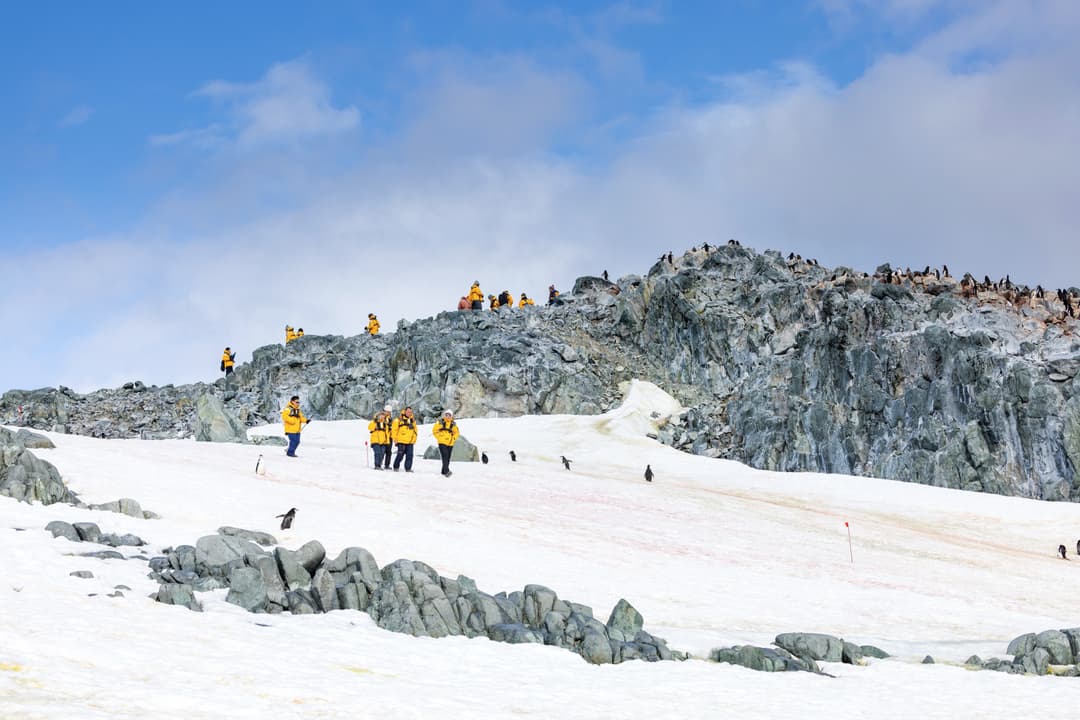
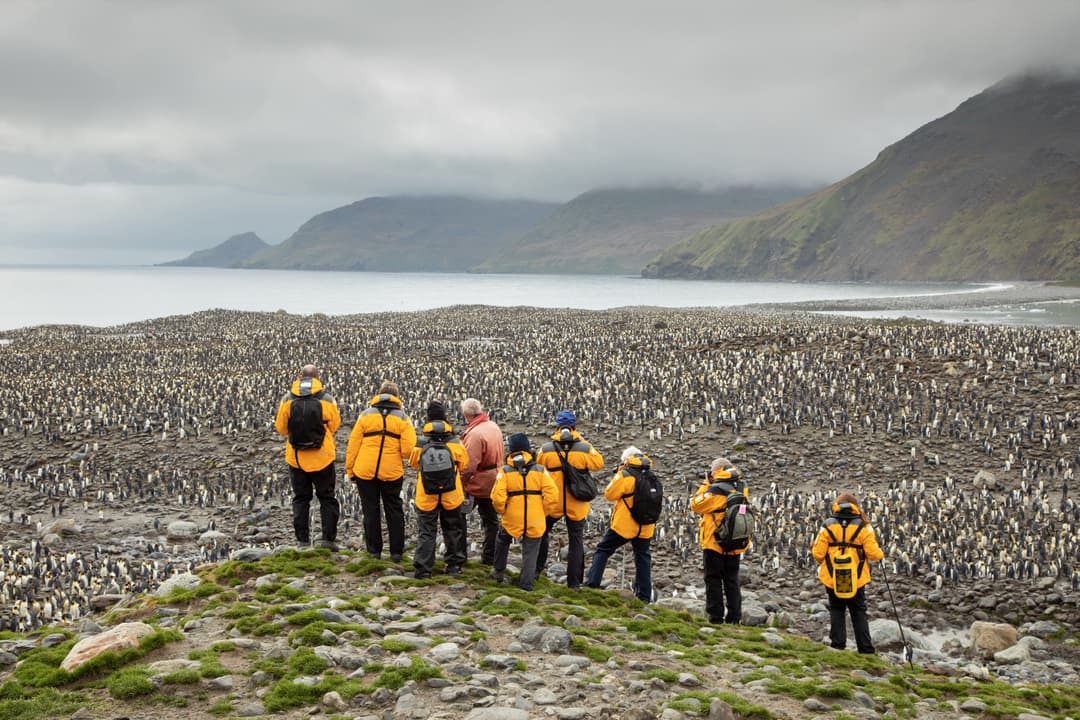
Hiking in the polar regions differs from your typical trail experience. Here, in a tree-less terrain, you are the tallest figure on the landscape as you walk over spongy tundra, crusty snow or sandy beaches in remotes parts of the Arctic and Antarctica. Stepping ashore anywhere in the polar regions means you’re not a distant observer.
Our organized hikes range from short jaunts to the top of lookouts or visits to see wildlife or longer w....



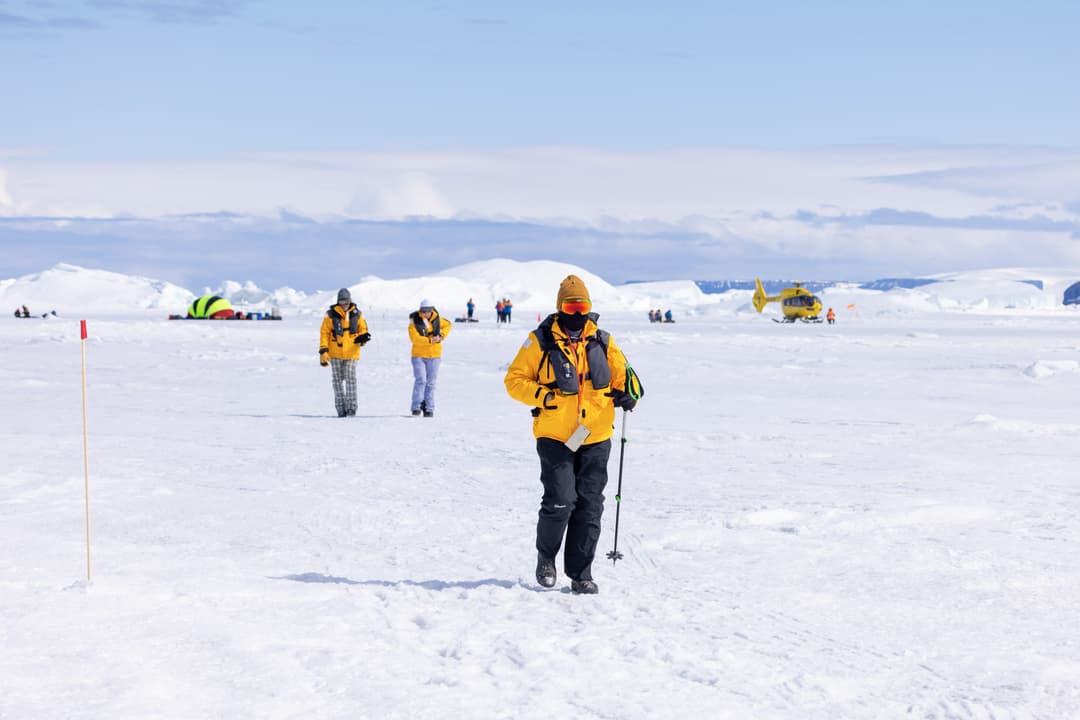


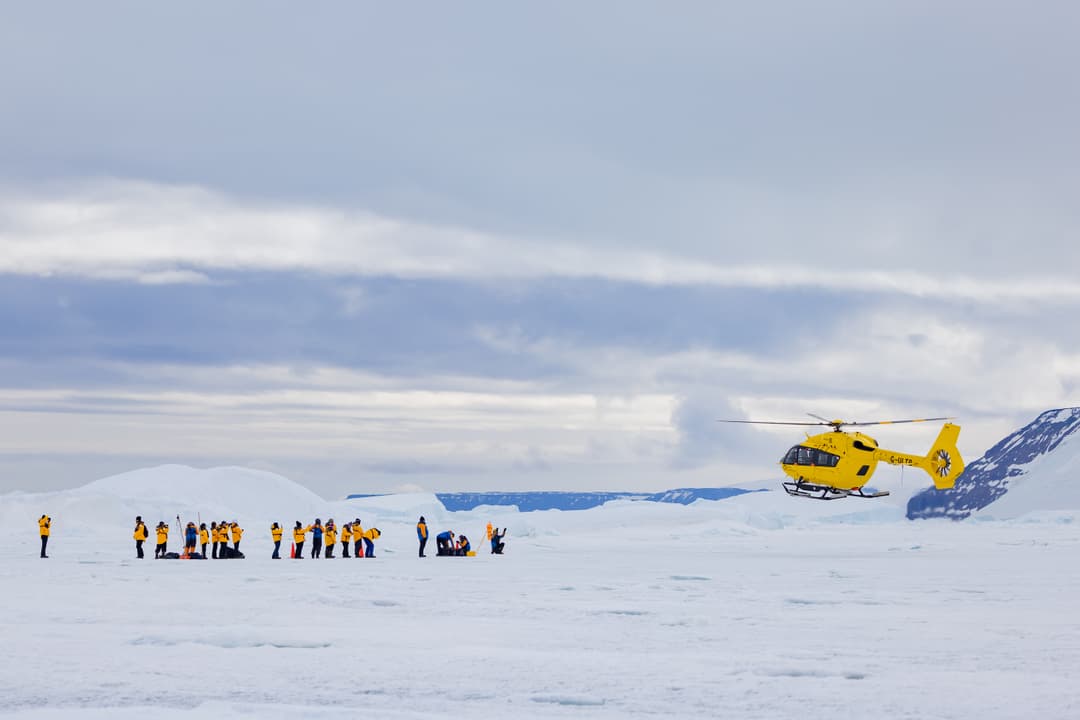
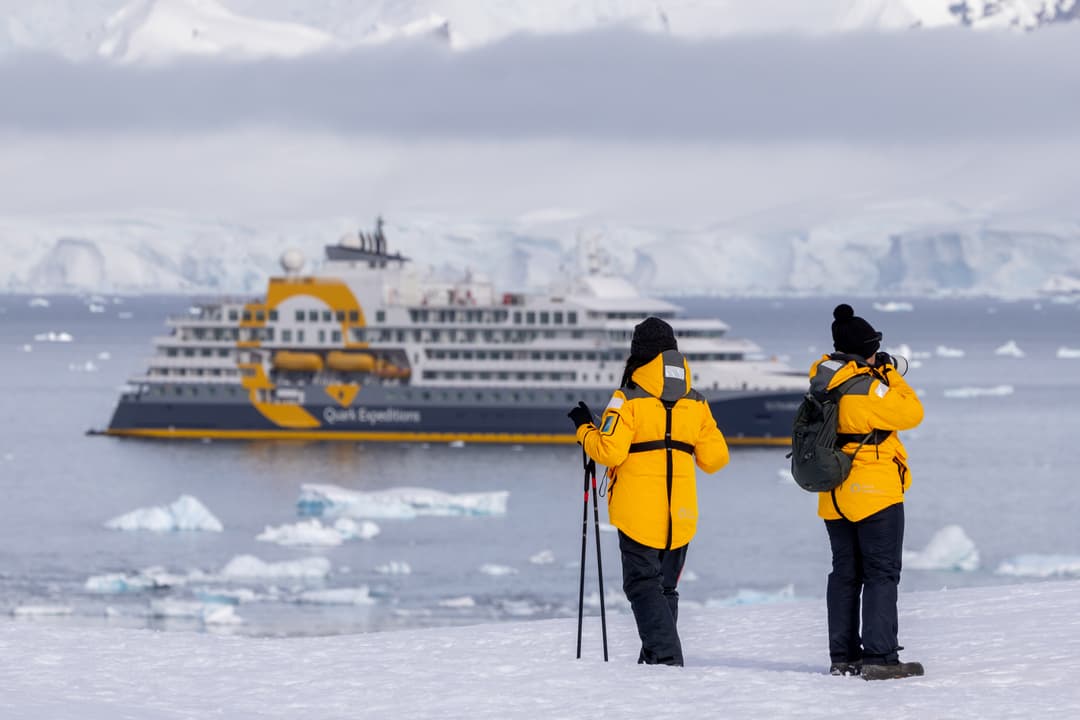
Imagine setting foot in an area of the Antarctic that can only be safely accessed by helicopter. With a small group of fellow passengers and expert guides, you’ll board one of Ultramarine’s two twin-engine helicopters to soar off to an exclusive polar site where no ships can navigate. Expect stunning bird’s-eye views during your flight, and then, upon arrival, simply sit back, relax and take in the splendor of the Antarctic from “the best seat....
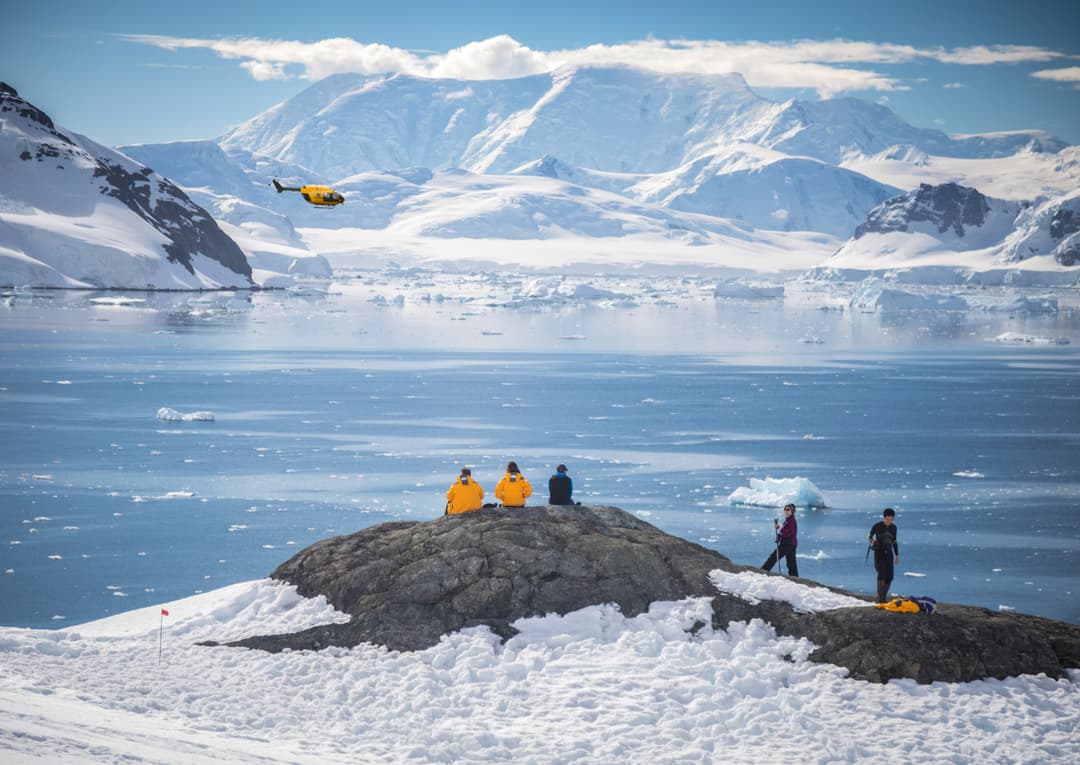
Let us take you on an active adventure high up in the Antarctic Peninsula. You’ll be part of an intimate group of adventurers to board one of Ultramarine's two twin-engine helicopters for a trekking excursion in an area only safely accessed by air. The helicopter flight alone rewards guests with unforgettable views of the expansive polar landscape down below. On land, during an invigorating walk, hike or snowshoe trek (depending on conditions)....

There are no dedicated children's facilities onboard.
Loading...
Quark Expeditions provides an English-speaking doctor on board who manages a medical clinic stocked with a supply of common prescription medicines and basic first aid equipment.
If you are under regular treatment for any ailment, you must bring a sufficient supply of medicine. We recommend that you pack an extra two weeks’ supply of medication in case of emergency. We cannot accept responsibility for not having a specific brand or type o....
To Wear on Board
- Comfortable casual clothing like lighter shirts, pants or jeans, etc. (in case the ship gets warm)
- Comfortable non-slip closed-toed, heelless shoes (flip flops, sandals or slip-on shoes should not be worn on board due to safety concerns)
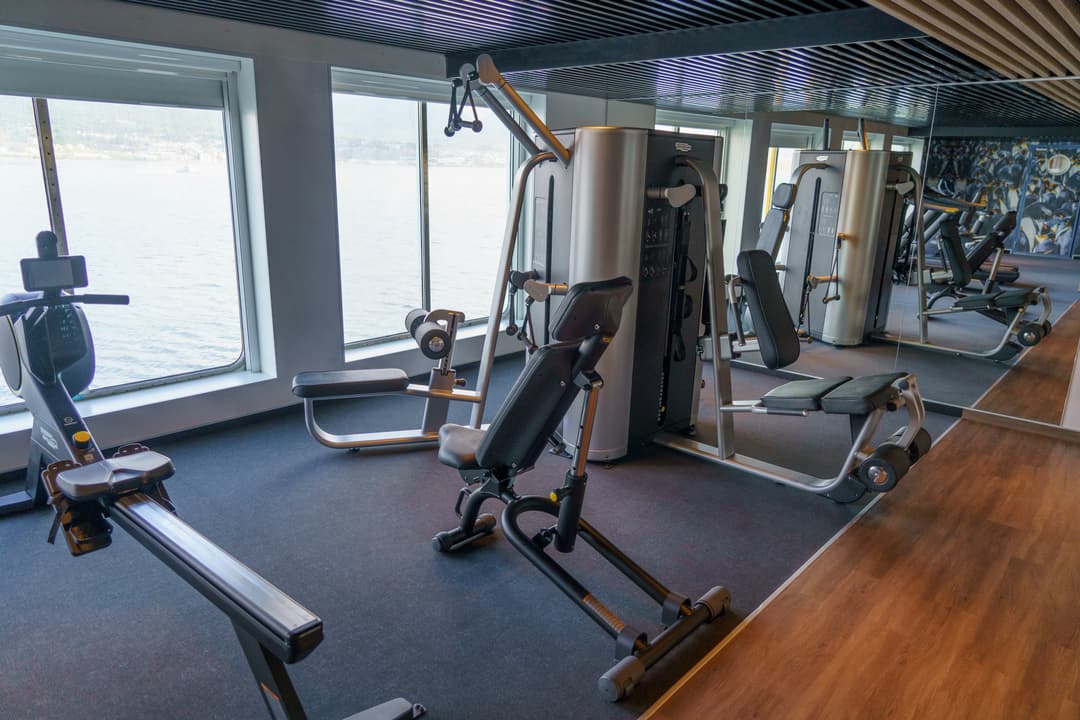
- Workout attire (for the fitness center and other indoor activities)
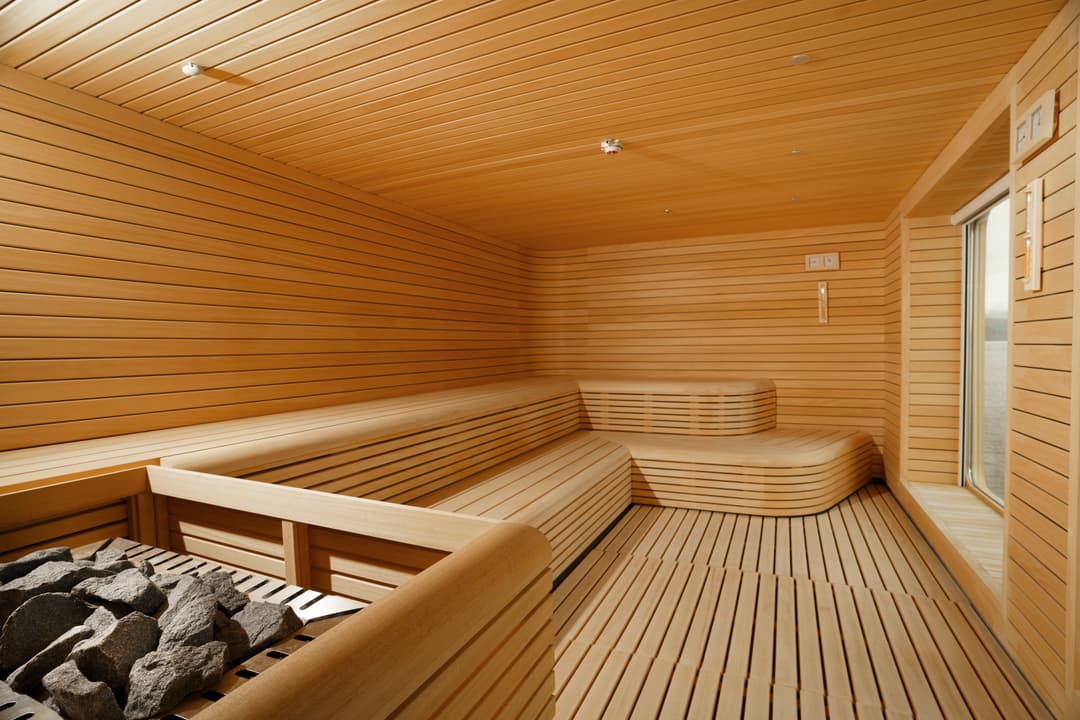
- Swimsuit (for the Polar Plunge! Some vessels may also have a pool, hot tub, sauna ....
If you do not eat meat there is a wide selection of vegetables, pasta, grains and fruit available. Quark Expeditions® is able to cater to most special dietary requests, as long as you clearly indicated your needs on the required expedition forms when you booked your voyage. Menus will be clearly labeled for vegetarian and gluten free options, but please do notify your server of the dietary restrictions you indicated on your form. We regret tha....
When you are not busy exploring the natural beauty of the Polar Regions, you may wish to connect with family and friends back home to share some of your voyage highlights. Guests on Quark Expeditions can now enjoy free Wi-Fi as part of our “Raise a Glass and Stay Connected Free” program. This complementary Wi-Fi service permits basic Internet browsing and voice applications.
Please note that we travel to some of the most remote parts of ....
During days at sea, you’ll enjoy lectures and workshops presented by our Expedition Team and spend time on deck looking for seabirds and cetaceans. Other days are packed full with multiple landings, Zodiac cruises and activities. Exhausting or relaxing, smiles abound as do great meals from your onboard chefs!
We have a number of policies and procedures that help make sure things run smoothly on the Ultramarine, so take a look below to he....
SHOWERS AND TOILETS
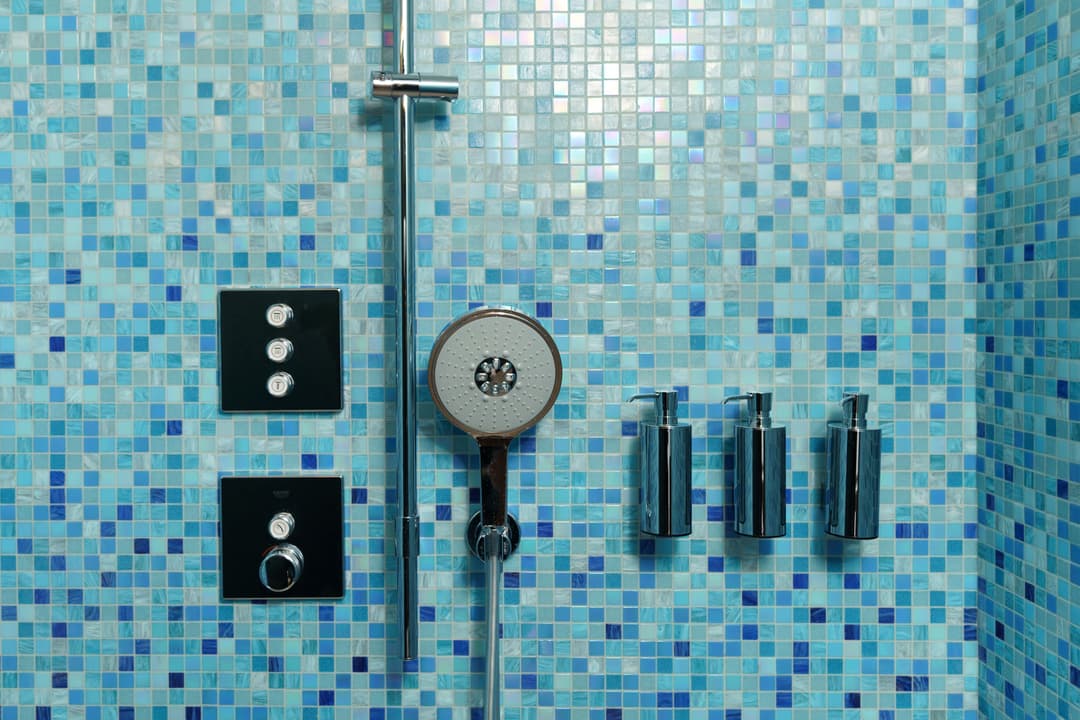
Each cabin has a private bathroom with shower and heated floors, toilet and wash basin. Shampoo, conditioner and shower gel are provided for your use.
ELECTRIC CURRENT
The electrical supply on board is 220 volts, 50 Hz. Passengers coming from the USA and Canada may need to bring a small 220v/110v converter. Before you buy a converter, check your electronics, as most modern cameras, computers ....
WATER
All passengers receive an eco-friendly, reusable water bottle in their cabin upon arrival. There are water filling stations throughout the ship.
ONBOARD ACCOUNTS
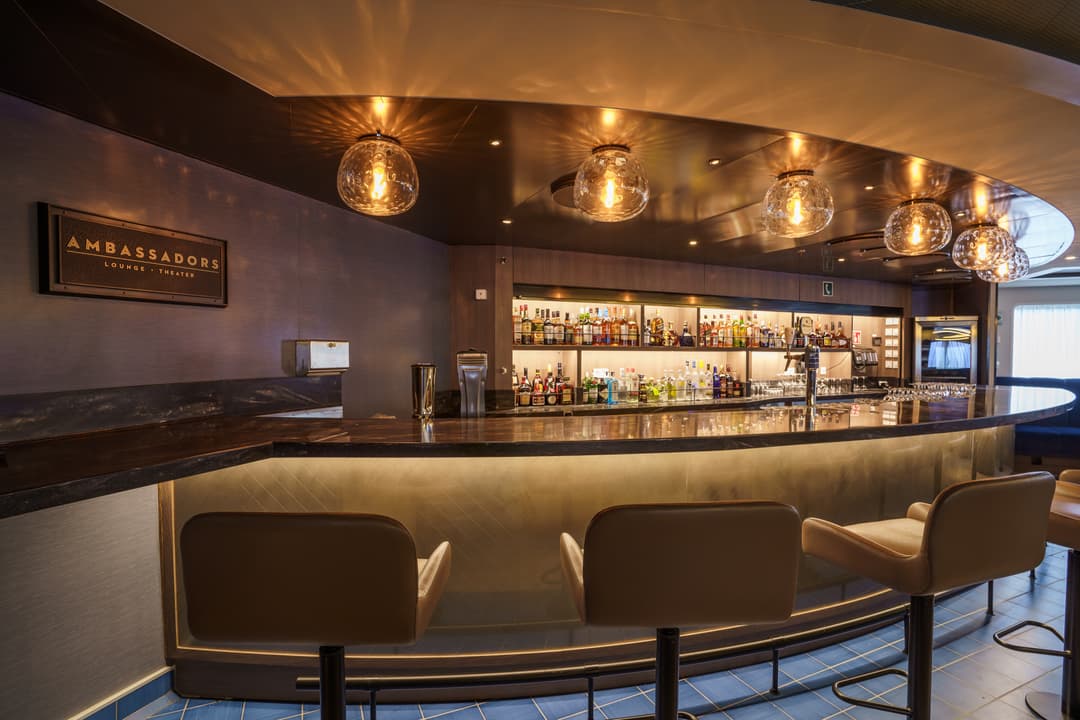
To make things as stress-free as possible, items you purchase from the Polar Boutique, lounge or bar (including drinks) are charged to your ship account. Cabin charges can also include laundry, postage, communication charges and adventure options ....