

Greenland to Newfoundland: Mountains, Wildlife and Viking History
All departures of this tripCRUISE ID # QUARKOEX20270915
Reykjavík TO Saint-John's, Newfoundland and Labrador
$14,367.2
WITH SPECIAL SAVINGS APPLIED
FARES SHOWN ARE PER GUEST
Suites & Fares
CHOOSE START DATE
: September 15, 2027
Itinerary
Upon arrival at Keflavik International Airport (outside Reykjavik), make your way to the nearby group hotel, included in the Charter Flight & Hotel Package. You will have the rest of the day to explore fascinating Reykjavik, known for its Norse history and stunning architecture. Make sure you allow for a one-hour transfer (by taxi or public transit) from the Keflavik hotel and airport area to Reykjavik city centre.
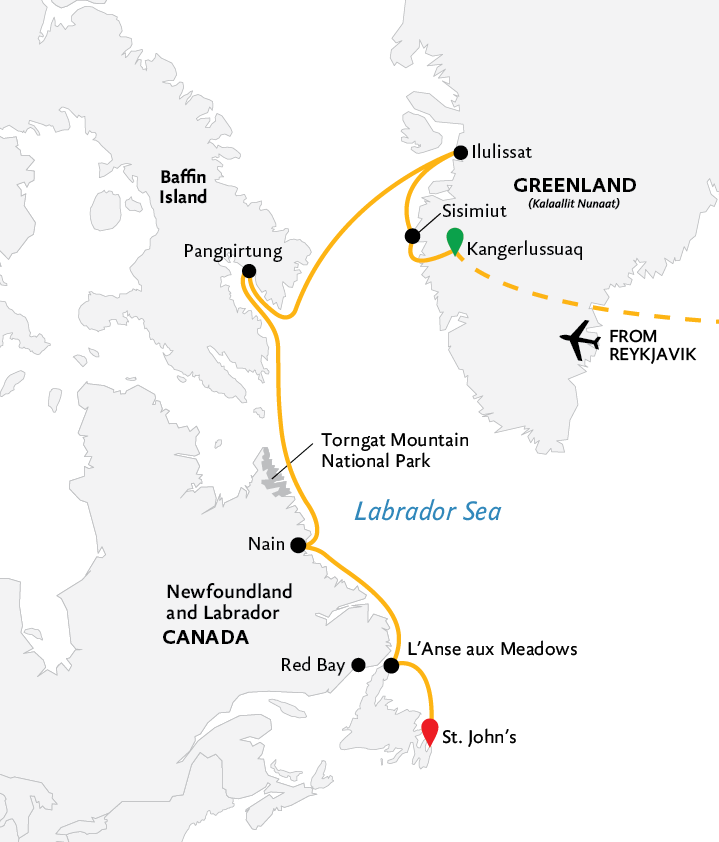
This morning you’ll catch your charter f light to Kangerlussuaq, Greenland, where you’ll board your vessel and begin your expedition. Get ready for great adventures ahead. Expect a welcome and safety briefing from your Expedition Leader.
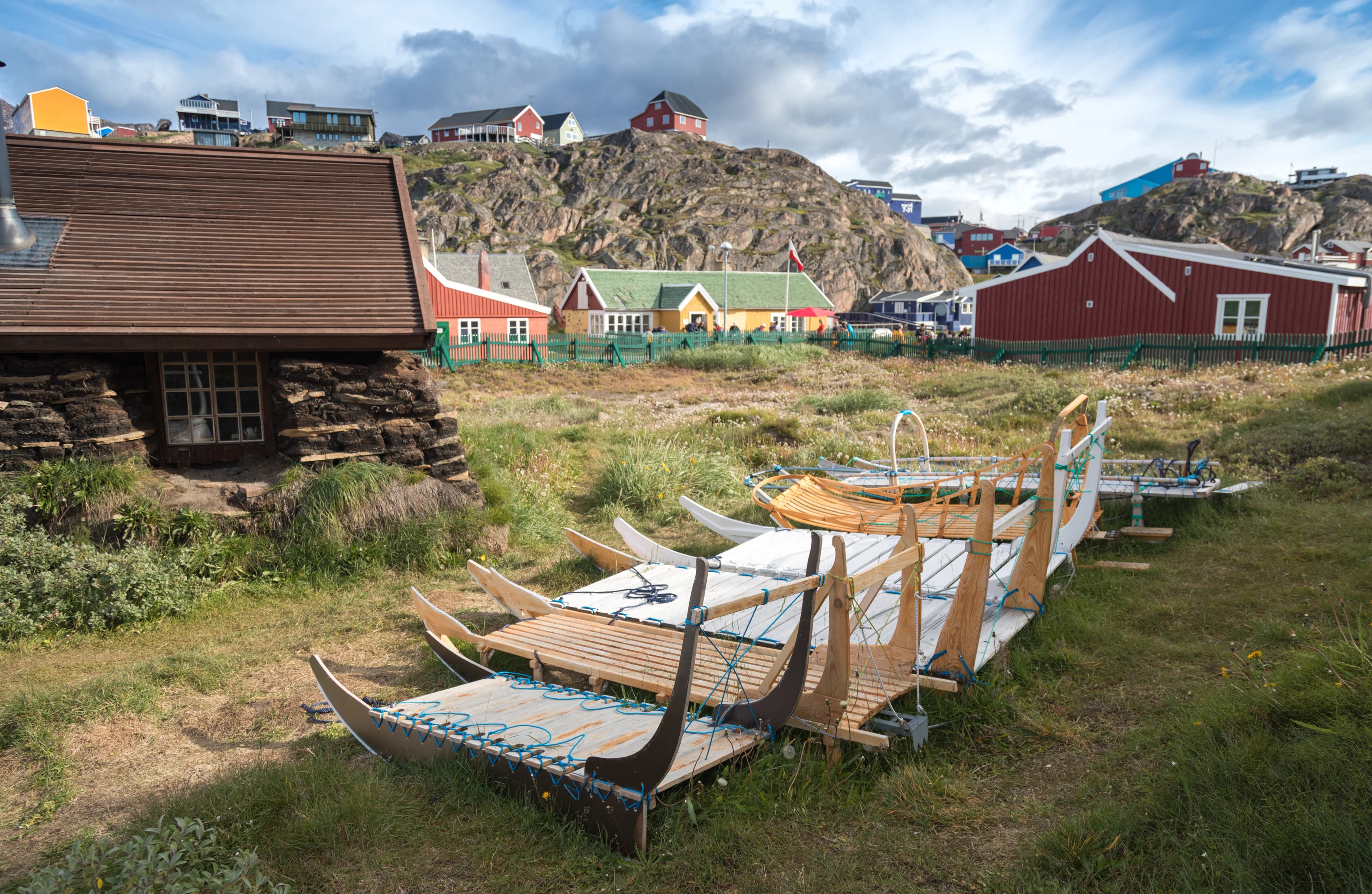
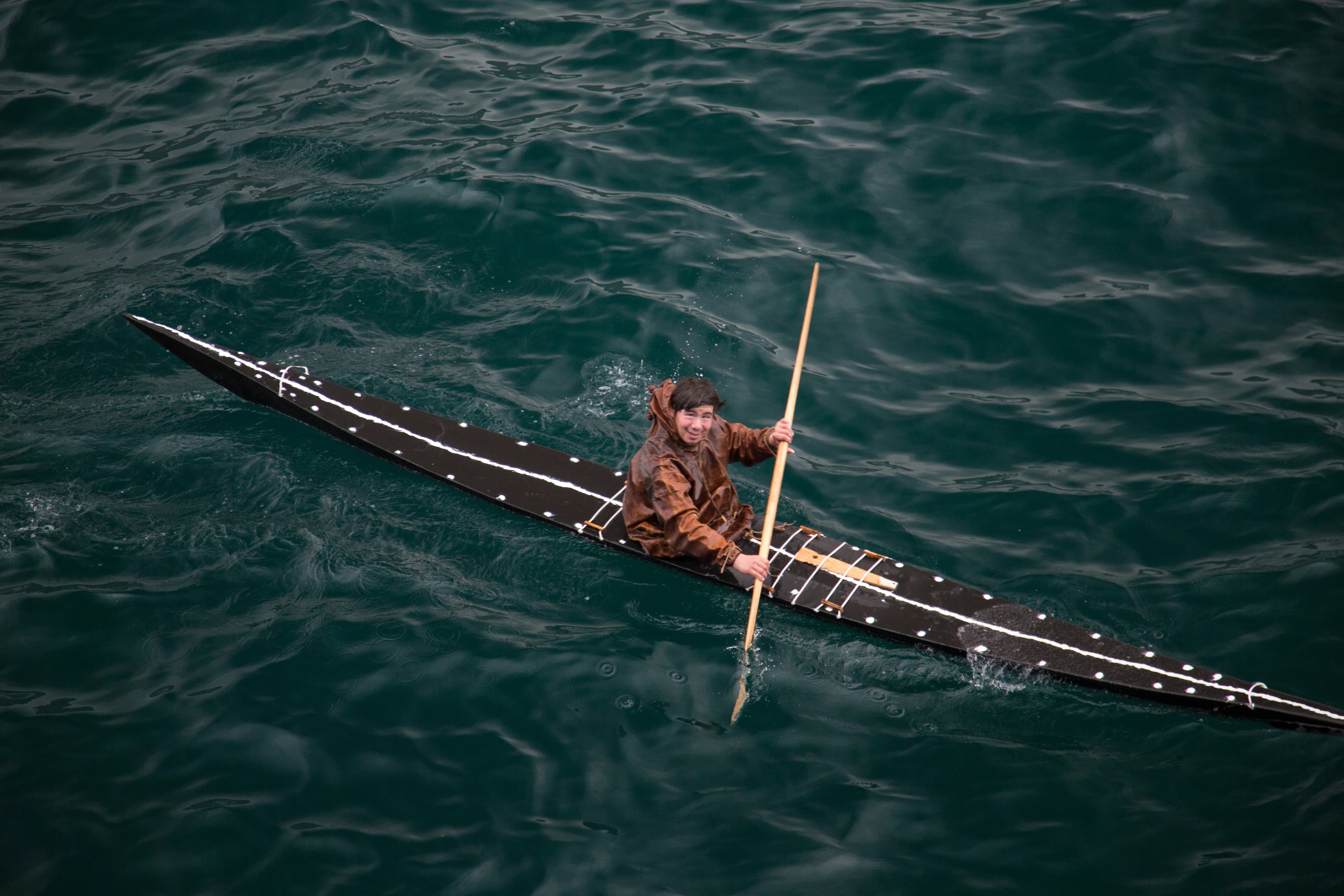
Today we’ll explore in the Qeqqata Municipality on the west coast of Greenland along the Davis Strait. You will have time to wander through the historic town of Sisimiut, where several 18th-century colonial buildings still stand, one of which is Bethel Church. Just look for the striking blue-and-red wooden place of worship. Today’s activities also include a demonstration of the traditional art of kayak making. Experiencing a cultural resurgence, the kayak is a symbol of Greenland and can be traced back over 4,000 years to the Inuit, who used the vessels for hunting and transportation. We also aim to team up with our local mountain-biking partners in Sisimiut, exploring trails that lead outside the town limits.
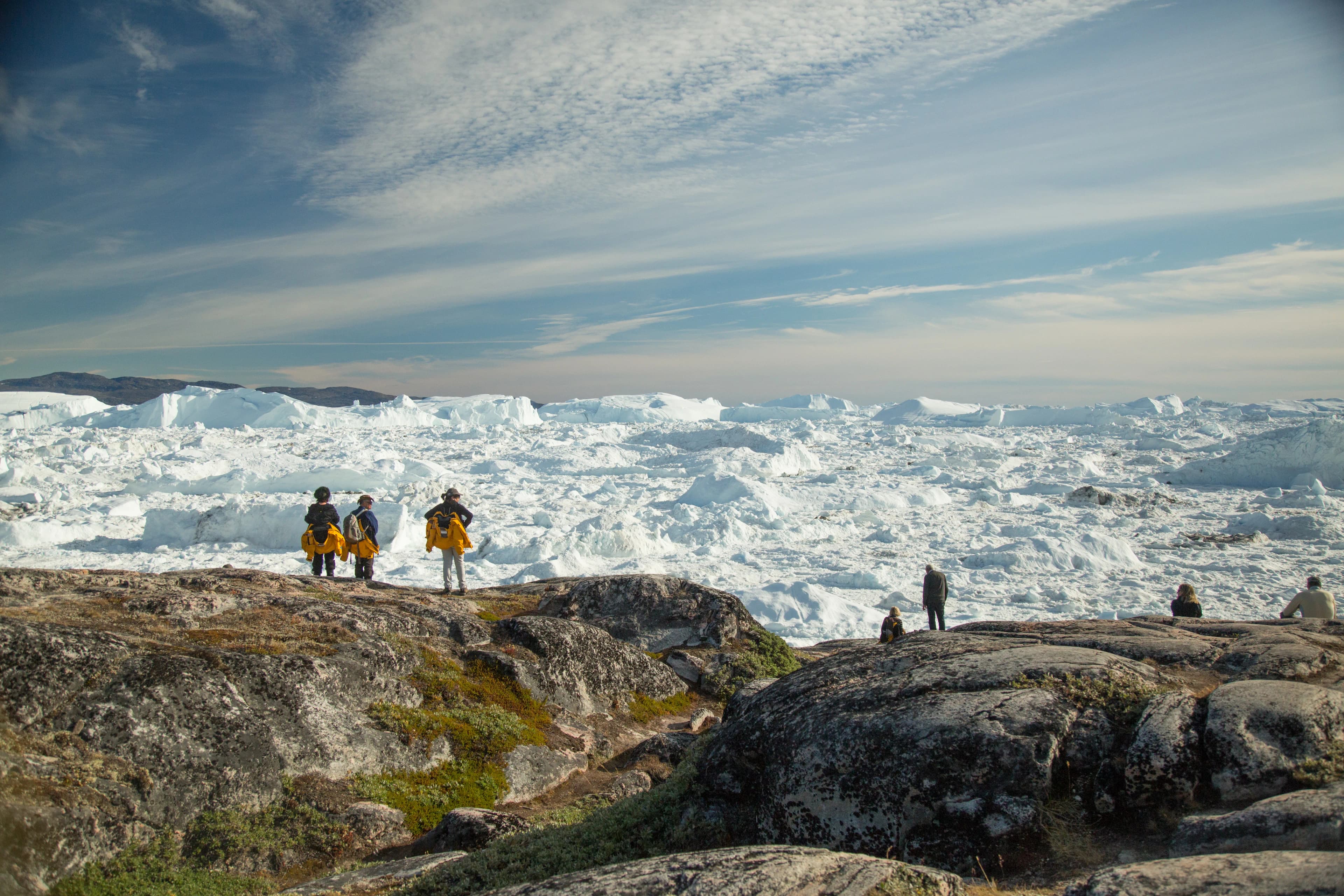
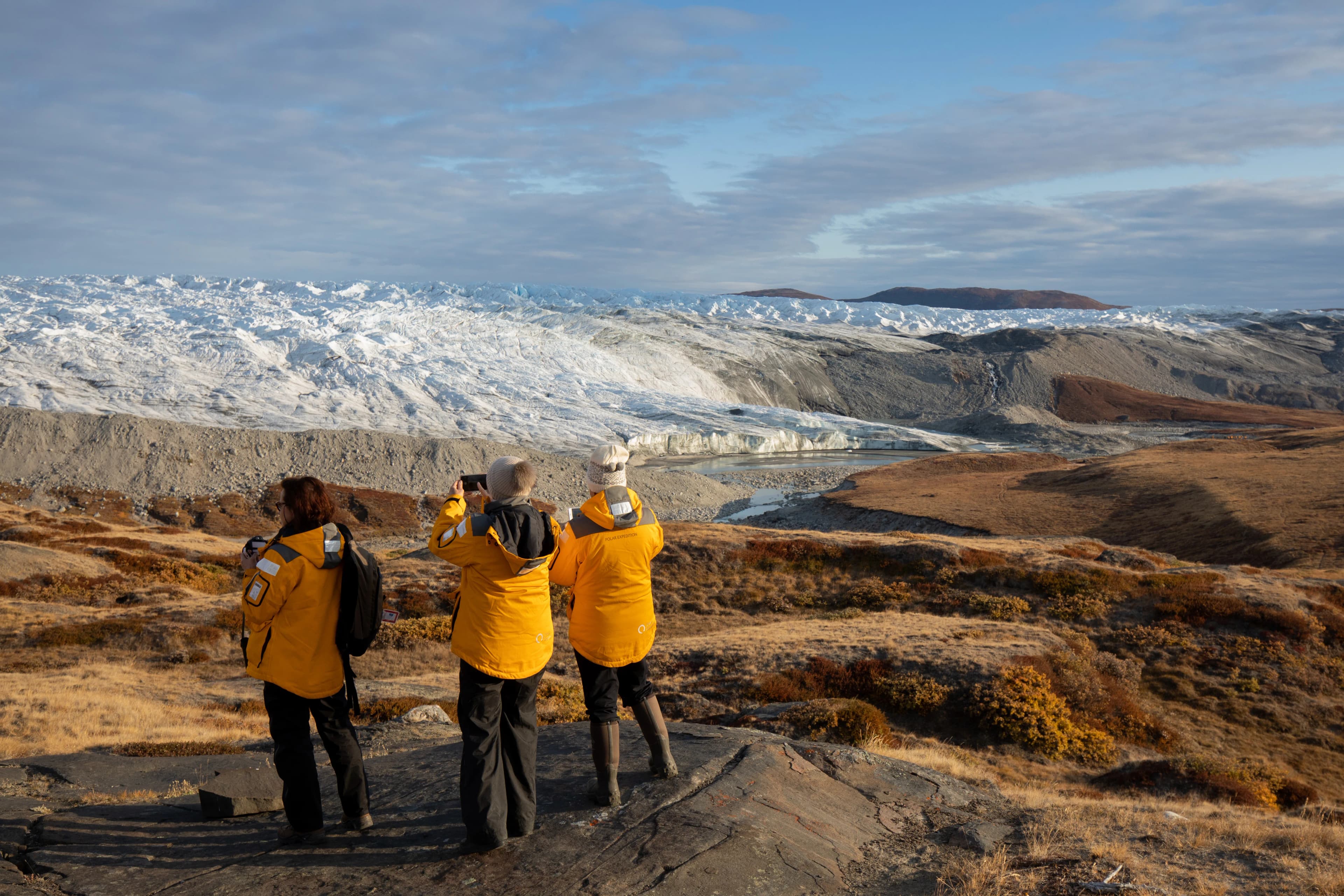
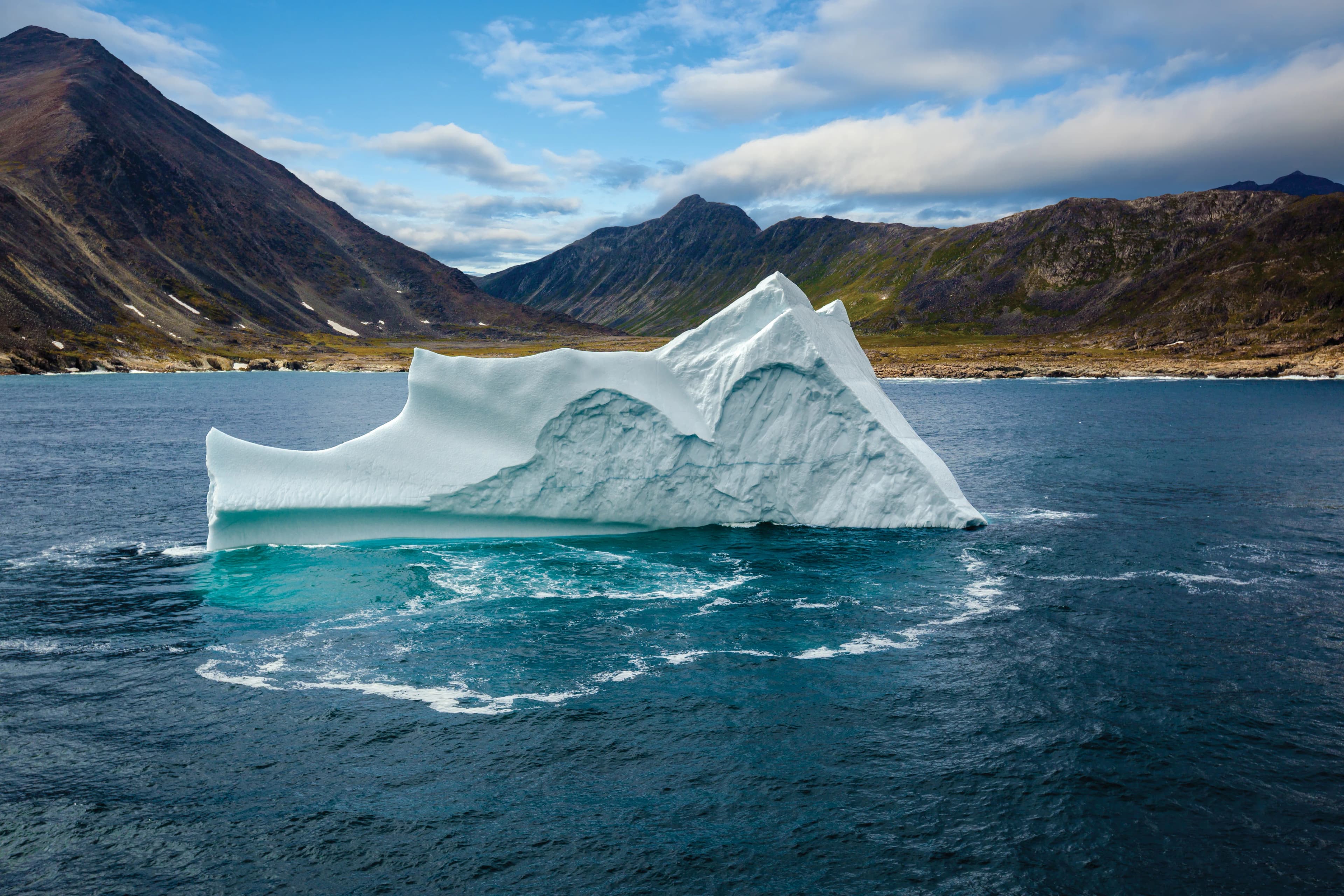
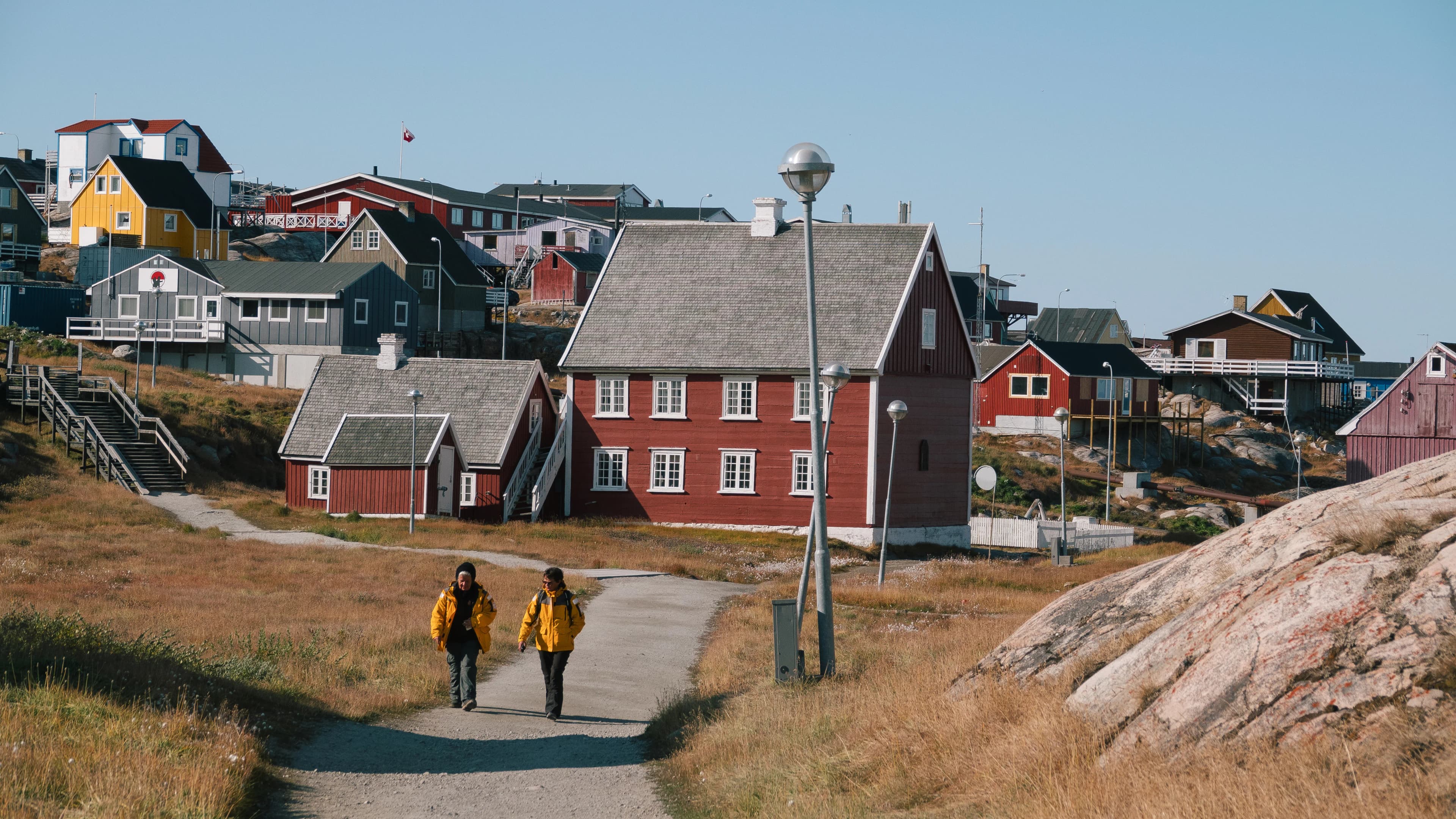
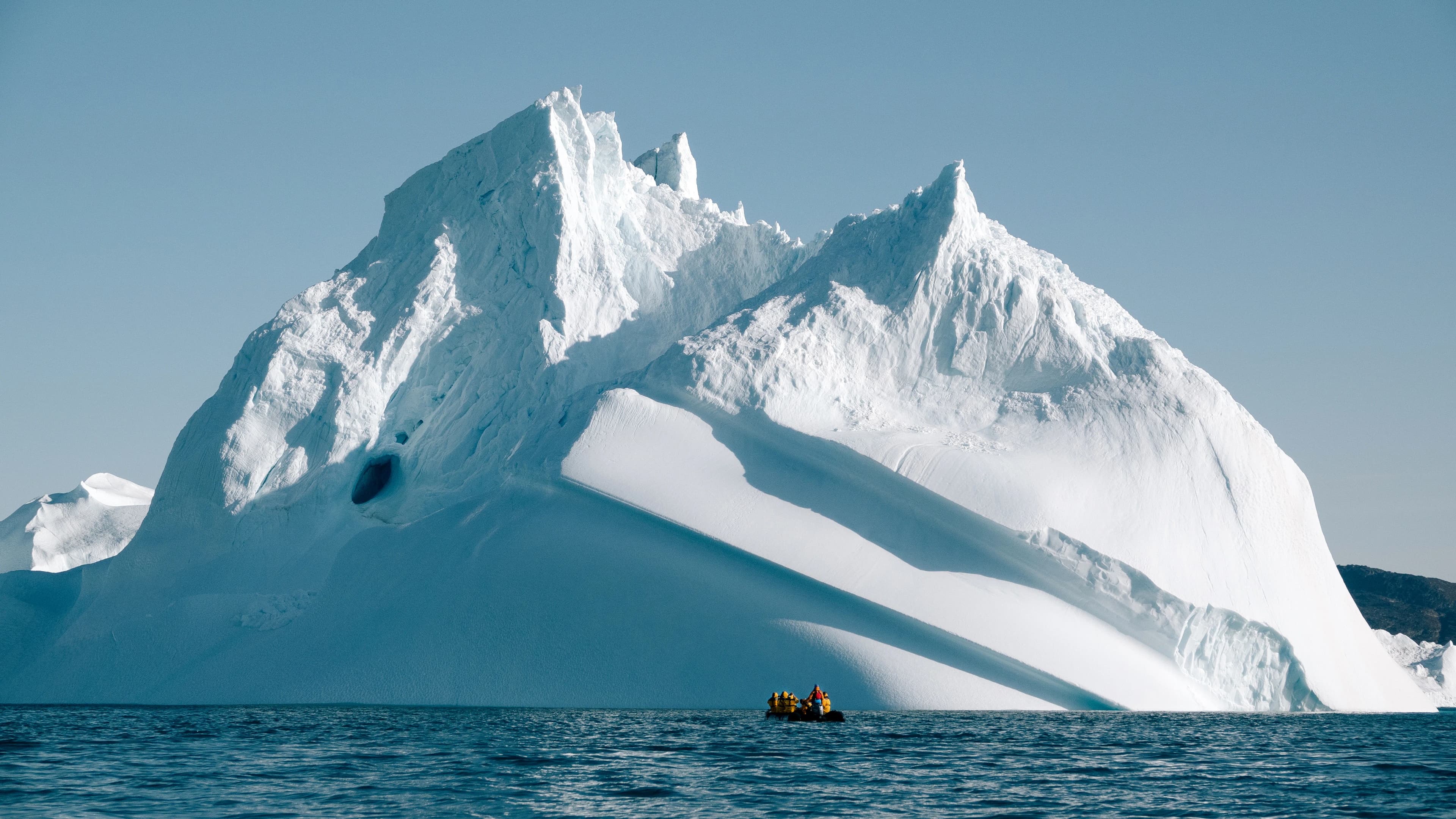
Ilulissat, Greenlandic for icebergs, is one of the highlights of any journey along west Greenland. Declared a UNESCO World Heritage Site in 2004, Ilulissat Icefjord gives birth to countless icebergs. In fact, it’s home to one of the most productive glaciers in the northern hemisphere, Sermeq Kujalleq (also known as Jakobshavn Glacier). A Zodiac excursion is a unique way to enjoy the spectacle of enormous bergs floating out to Disko Bay. We plan to Zodiac cruise ashore to visit the nearby town of Ilulissat, and from there we’ll hike to the icefjord, where you can view this incredible parade of icebergs from the rocky shore. Expect to see a lot of dogs while you’re in town. There was a time when sled dogs actually outnumbered citizens in Ilulissat, which, unsurprisingly, is the birthplace of the first European to traverse the Northwest Passage by dogsled, explorer Knud Rasmussen. If time allows, you can visit a local museum dedicated to his memory.
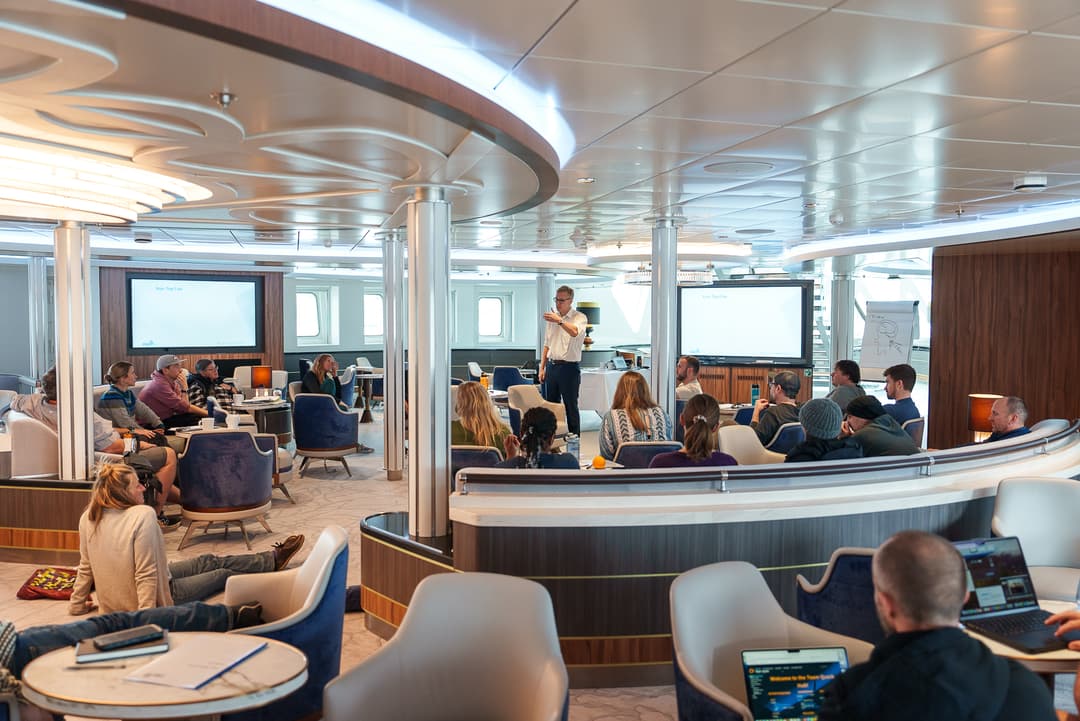
As your ship navigates across the Davis Strait, onboard polar experts will present on a variety of topics such as glaciology, history and wildlife. You may even get a taste of the traditional music of Newfoundland and Labrador and learn about the origins of the famous kitchen party tradition.
Today is our first day exploring the Canadian Arctic as we arrive in Nunavut, Canada’s youngest territory. Nunavut, which means “our land” in the Inuktitut language, stretches north of the Arctic Circle and covers over 1.8 million square kilometers (695,000 square miles), and is considered the homeland of the Inuit in Canada. Guests will get to spend time in Pangnirtung, located at the mouth of Pangnirtung Fjord, which merges with Cumberland Sound. It’s a stronghold of the Inuit community, and an ideal place to learn about Inuit culture while admiring finely crafted traditional art, especially the textiles. You may want to purchase a famous Pang toque, a musthave knit cap for anyone visiting the community.
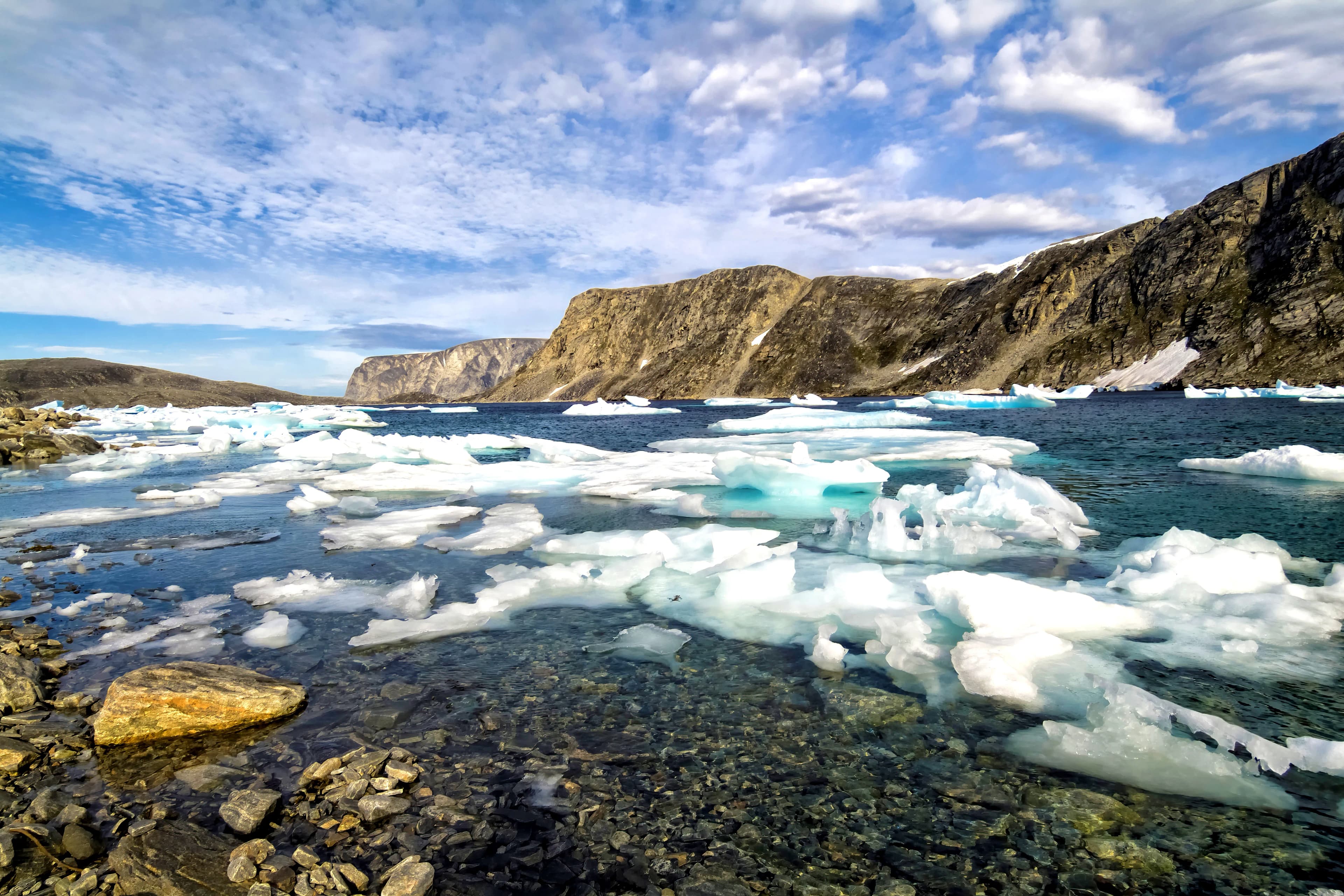
Located just off the southeast shore of Baffin Island, Monumental Island— Oomienwa in Inuktitut—was named by Arctic explorer Charles Francis Hall in tribute to Sir John Franklin, who vanished searching for the Northwest Passage. Like the adjacent lands, the island is barren, rocky, and windblown. Yet, positioned at a confluence of currents, it hosts prolific numbers of black guillemots in peak summer, nesting, incubating, and fledging. Monumental is also known for massive walruses with impressive tusks, often seen in groups at haul-outs. If the wind is right, you’ll smell them before you see them. Shoals here capture massive icebergs drifting south, and Zodiac cruising on the edge of Davis Strait— linking Baffin Bay to the Labrador Sea— is unforgettable.
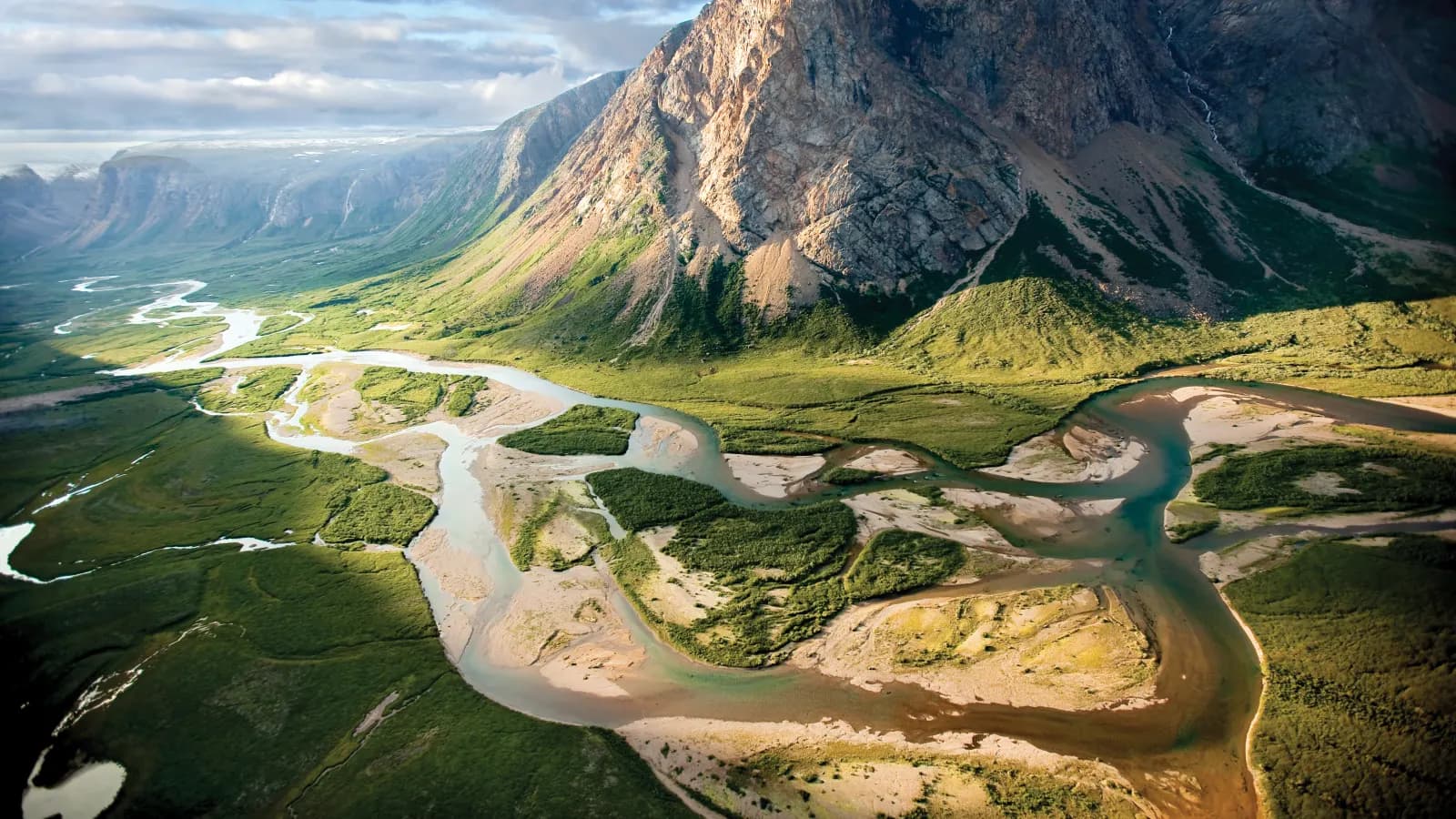
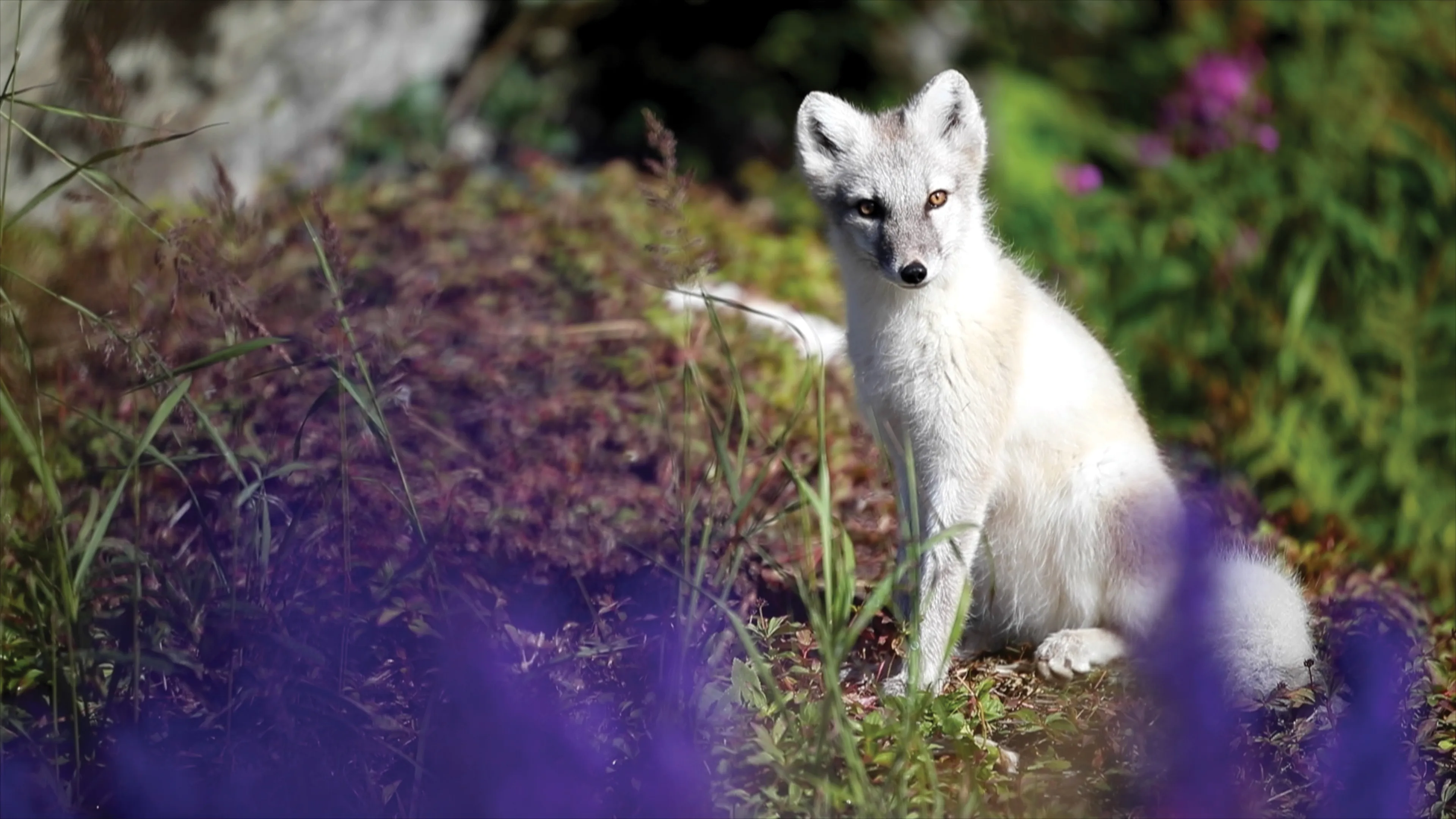
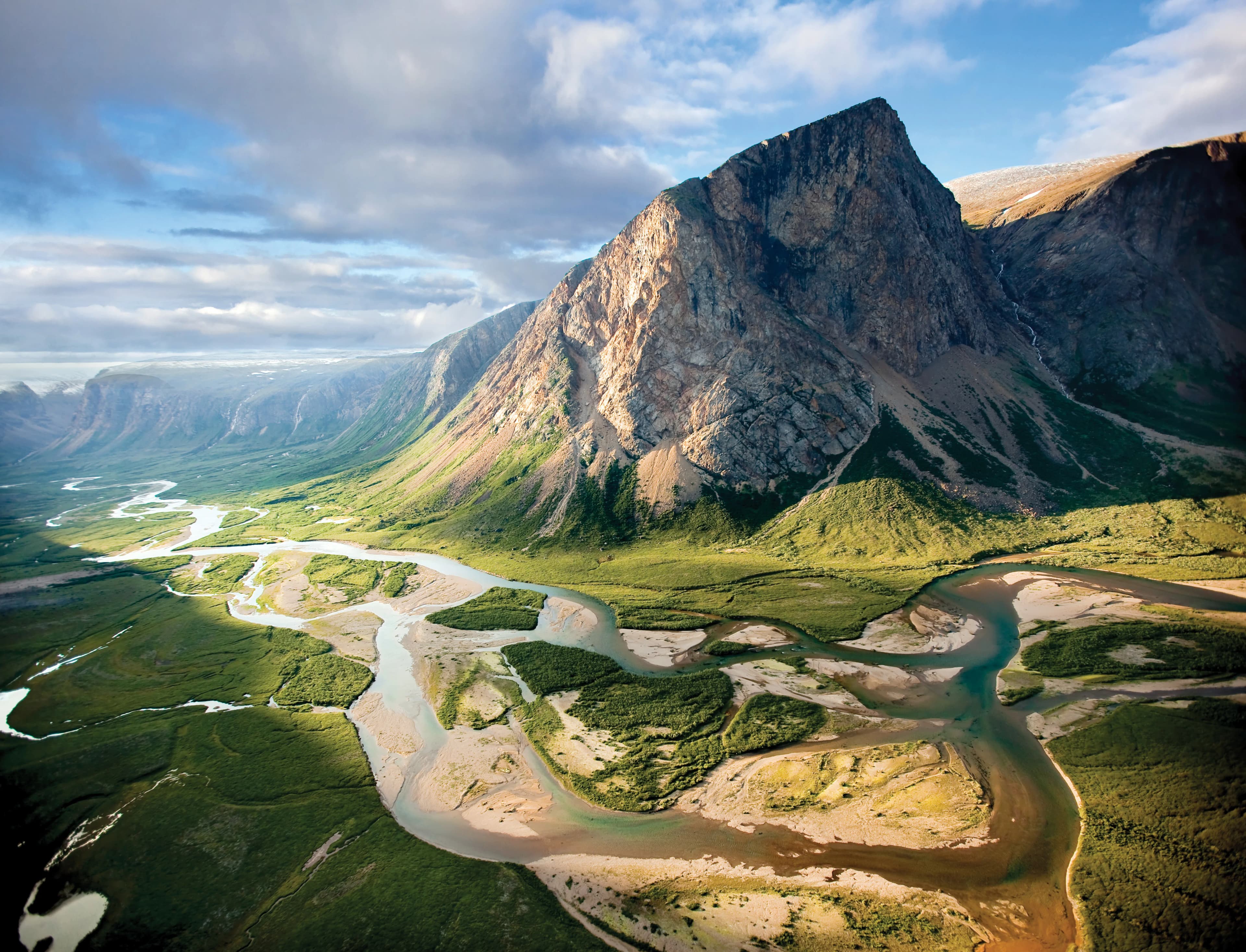
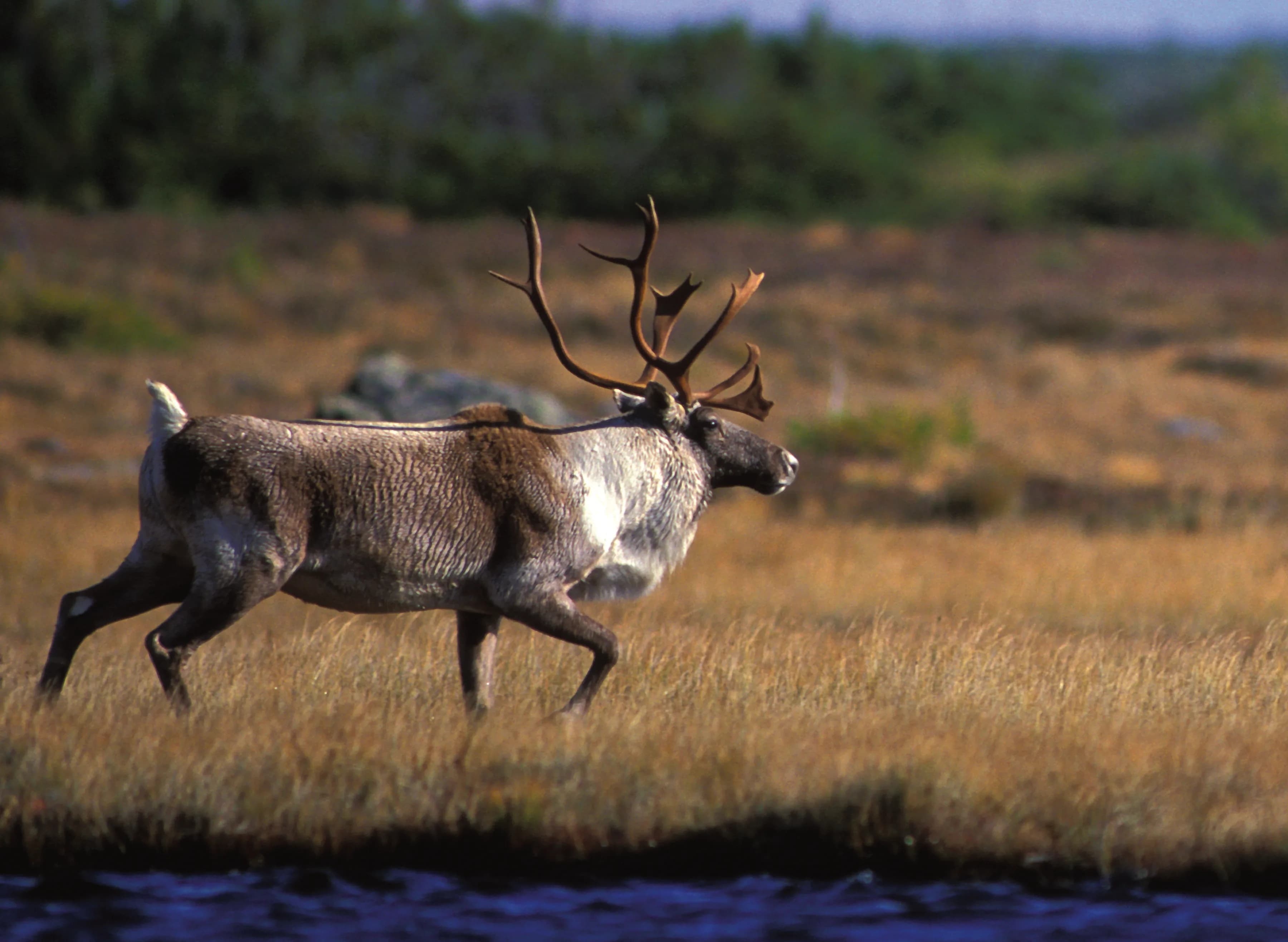
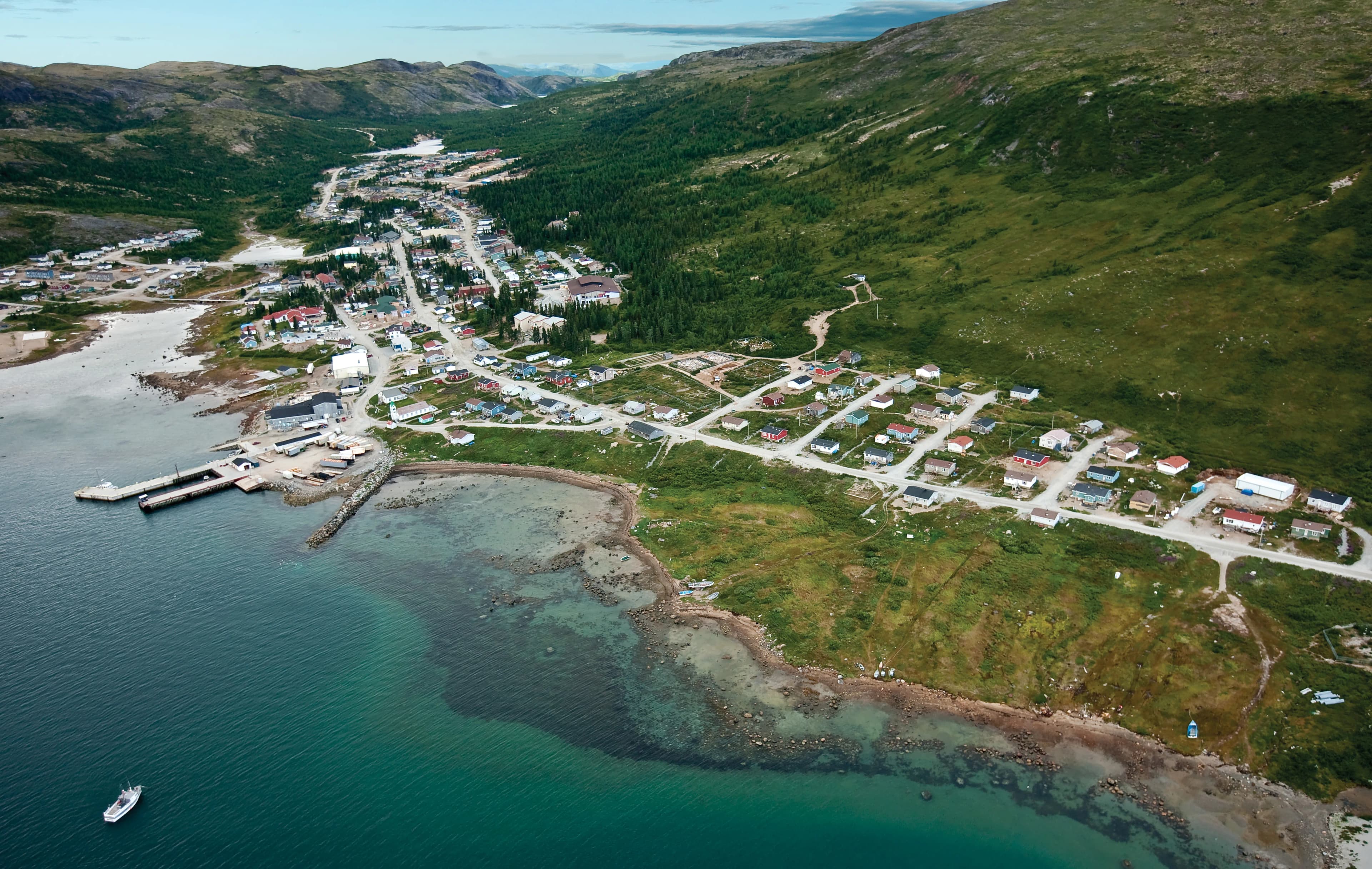
Torngat Mountains National Park will leave you awestruck. Within the 10,000 square-kilometer (3,861 square mile) national park, established in 2008, are Canada’s highest mountains east of the venerable Rockies. The park is a wilderness landscape painting brought to life: breathtaking fjords, dramatic glacial formations, stunning landscapes, boreal woodlands and wildlife. For students of Indigenous history, Torngat Mountain National Park is especially meaningful: the park is located at the northern edge of semiautonomous Nunatsiavut territory, which was recognized as the homeland of the Labrador Inuit in 2005, operating under its own constitution and administration. In fact, these lands have been home to the Nunatsiavut and their predecessors for over 7,500 years. We are honored to explore this majestic wilderness territory with you. Torngat, in Inuktitut, means “place of the spirits,” which reflects the spiritual significance of the region to the Inuit communities. As a national park, this wilderness domain offers protection to boreal woodland caribou, black bears, Labrador wolves, red and Arctic foxes, polar bears, and peregrine falcons, among other species. You will have opportunities to explore this national wilderness area during Zodiac and kayaking excursions, as well as guided hikes.
Torngat Mountains National Park will leave you awestruck. Within the 10,000 square-kilometer (3,861 square mile) national park, established in 2008, are Canada’s highest mountains east of the venerable Rockies. The park is a wilderness landscape painting brought to life: breathtaking fjords, dramatic glacial formations, stunning landscapes, boreal woodlands and wildlife. For students of Indigenous history, Torngat Mountain National Park is especially meaningful: the park is located at the northern edge of semiautonomous Nunatsiavut territory, which was recognized as the homeland of the Labrador Inuit in 2005, operating under its own constitution and administration. In fact, these lands have been home to the Nunatsiavut and their predecessors for over 7,500 years. We are honored to explore this majestic wilderness territory with you. Torngat, in Inuktitut, means “place of the spirits,” which reflects the spiritual significance of the region to the Inuit communities. As a national park, this wilderness domain offers protection to boreal woodland caribou, black bears, Labrador wolves, red and Arctic foxes, polar bears, and peregrine falcons, among other species. You will have opportunities to explore this national wilderness area during Zodiac and kayaking excursions, as well as guided hikes.
Nain, which has a population of approximately 1,200, is the administrative capital of Nunatsiavut, the semi-autonomous region in northern Labrador claimed by the Inuit. Visitors can learn about Labrador Inuit heritage through interactive exhibits, artwork, and cultural programs at the very modern-looking Illusuak Cultural Centre. Then, to learn about the other cultural group that influenced the region, stroll through town to discover the historic Moravian Mission complex, established in 1771. The white-painted church and mission house bear witness to centuries of cultural exchanges between the Inuit and European missionaries. You’ll have time to engage with friendly locals to hear stories passed down through the generations, and sample traditional foods like arctic char and cloudberries. There will be a guided hike to take in breathtaking vistas of the surrounding mountains and sea.
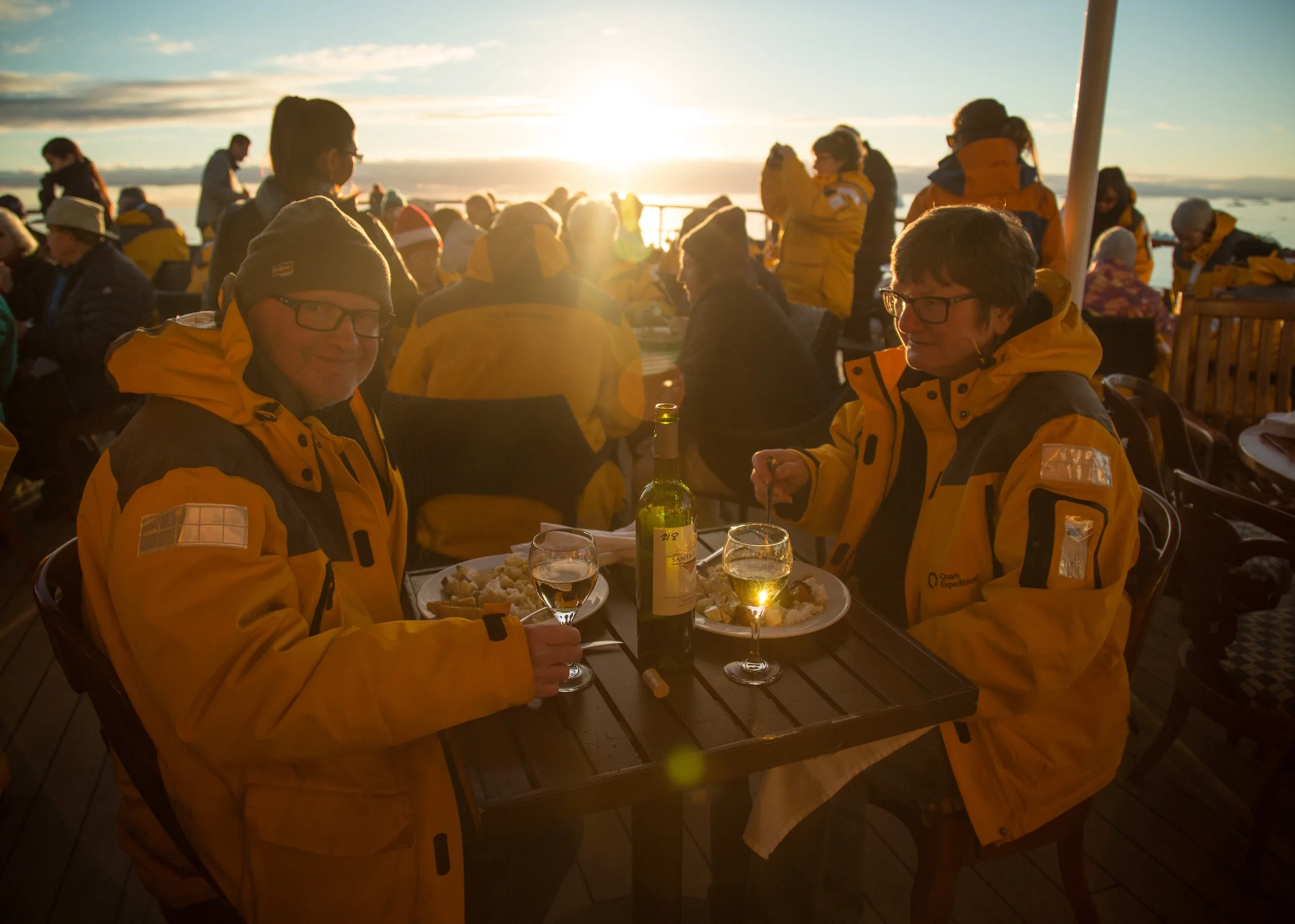
As our ship heads south, enjoy the views of the Labrador coast. While at sea for the day, join expedition staff out on deck as they look for whales and birdlife. This is also your chance to relax with a glass of wine or hot tea and simply take in the wondrous beauty around you.
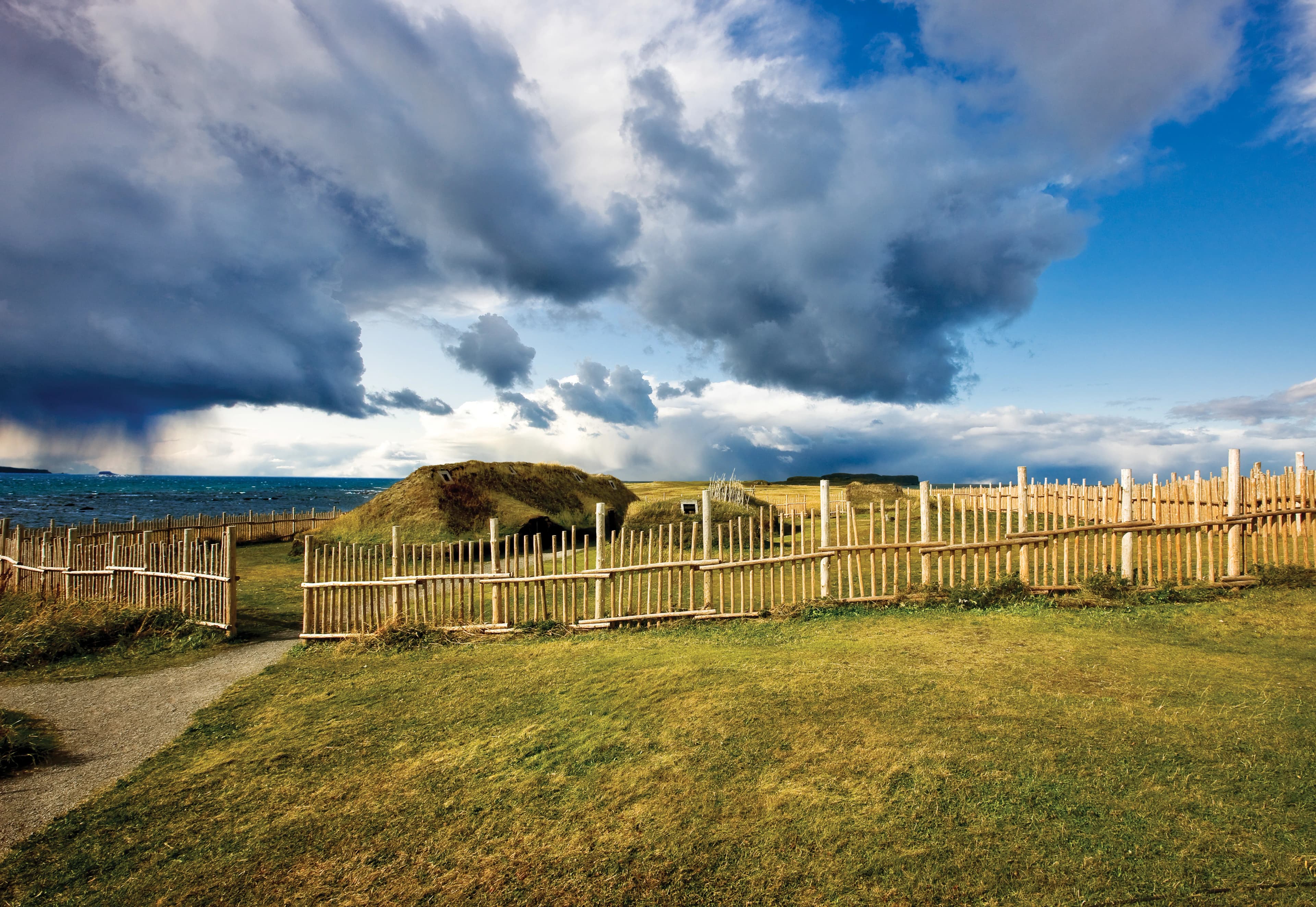
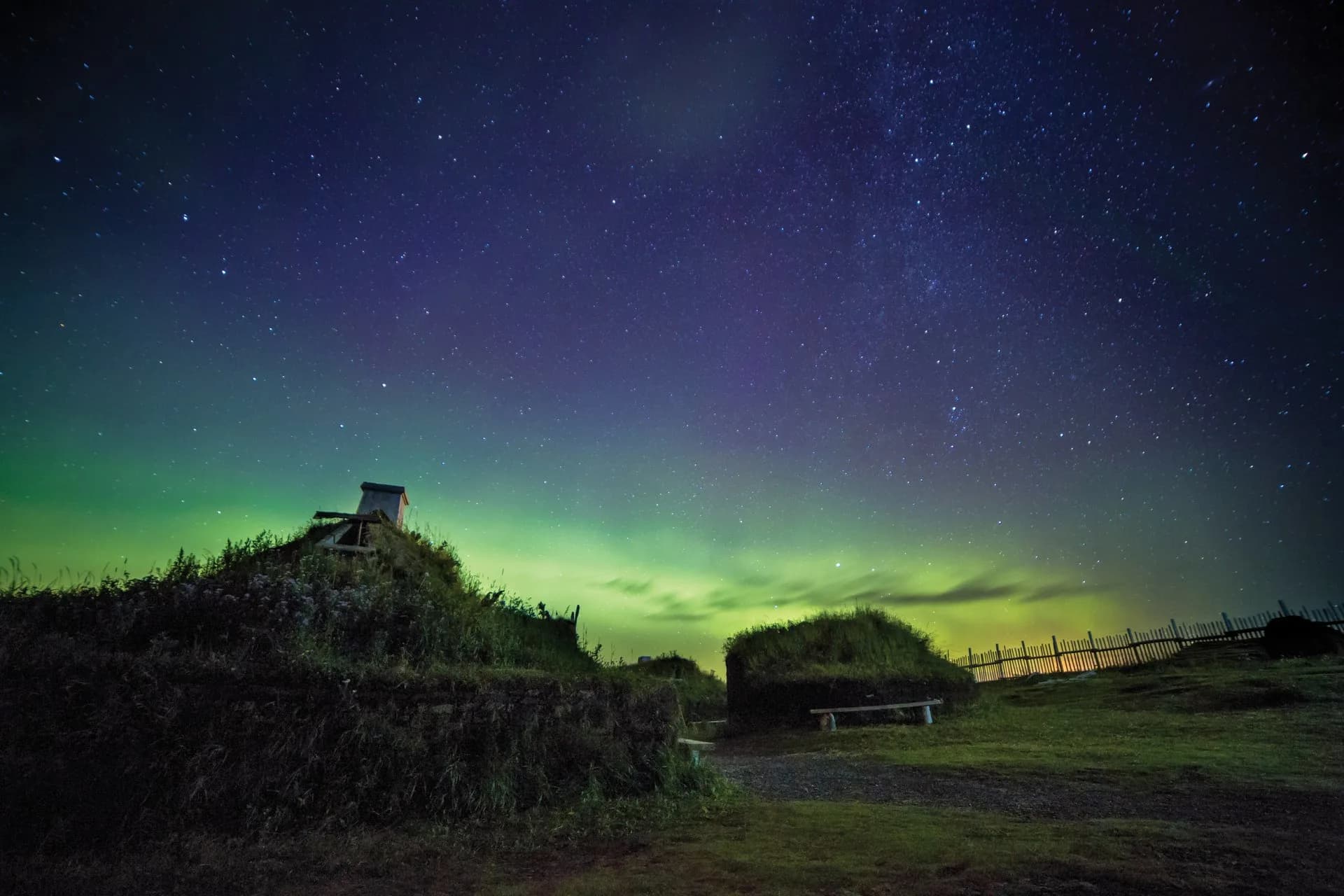
Consider the wooden longboats that transported the Vikings an incredible 2,180 kilometers (842 square miles) from Greenland to Newfoundland in 1000 AD. Today, you’re going to visit the archeological remains at the place they landed in their hand-hewn vessels. L’Anse aux Meadows National Historic Site (also a recognized UNESCO World Heritage Site) is the only confirmed Norse or Viking settlement in North America. Join a guided tour to see where Norseman Leif Erikson, son of Erik the Red, is believed to have founded “Vinland” (the East Coast area including what would later be known as Newfoundland) around 1000 AD. Explore the reconstructed sod huts and Norse ruins throughout the historic site—proof that Vikings discovered North America 500 years before Christopher Columbus’ much-chronicled arrival.
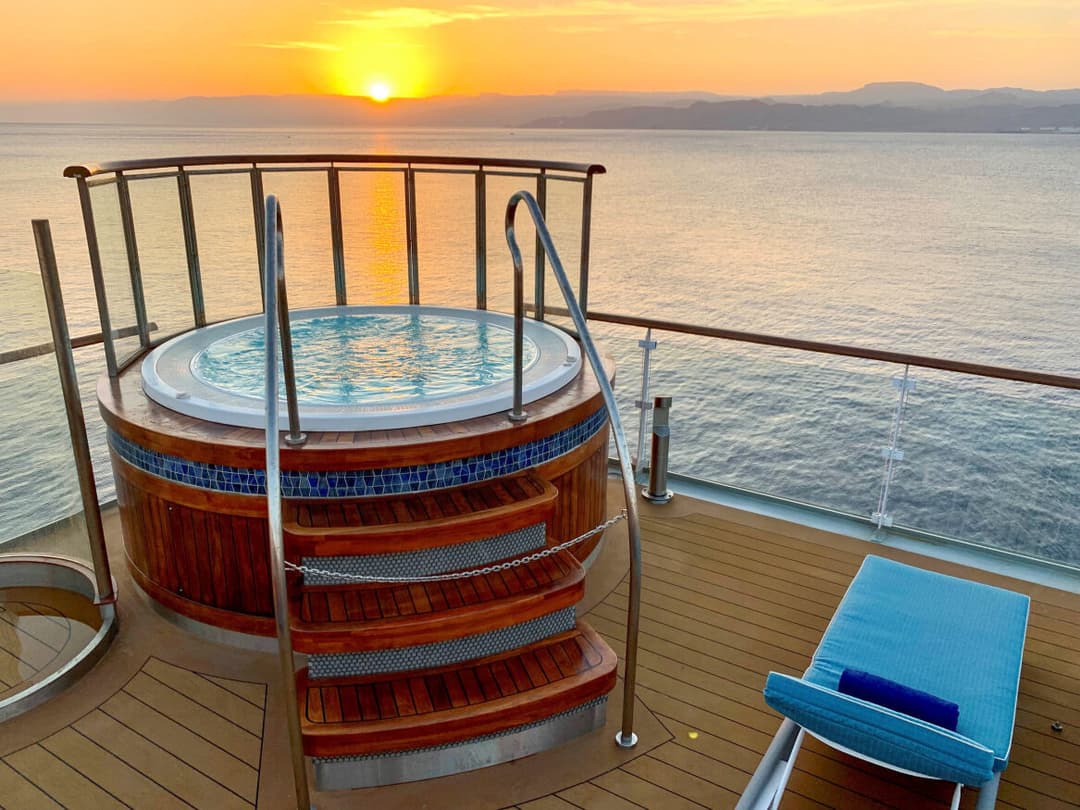
Your final at-sea day is a great opportunity for you to ask any lingering questions you have for our team of onboard experts, attend one last presentation, or relax in one of the outdoor Jacuzzis.
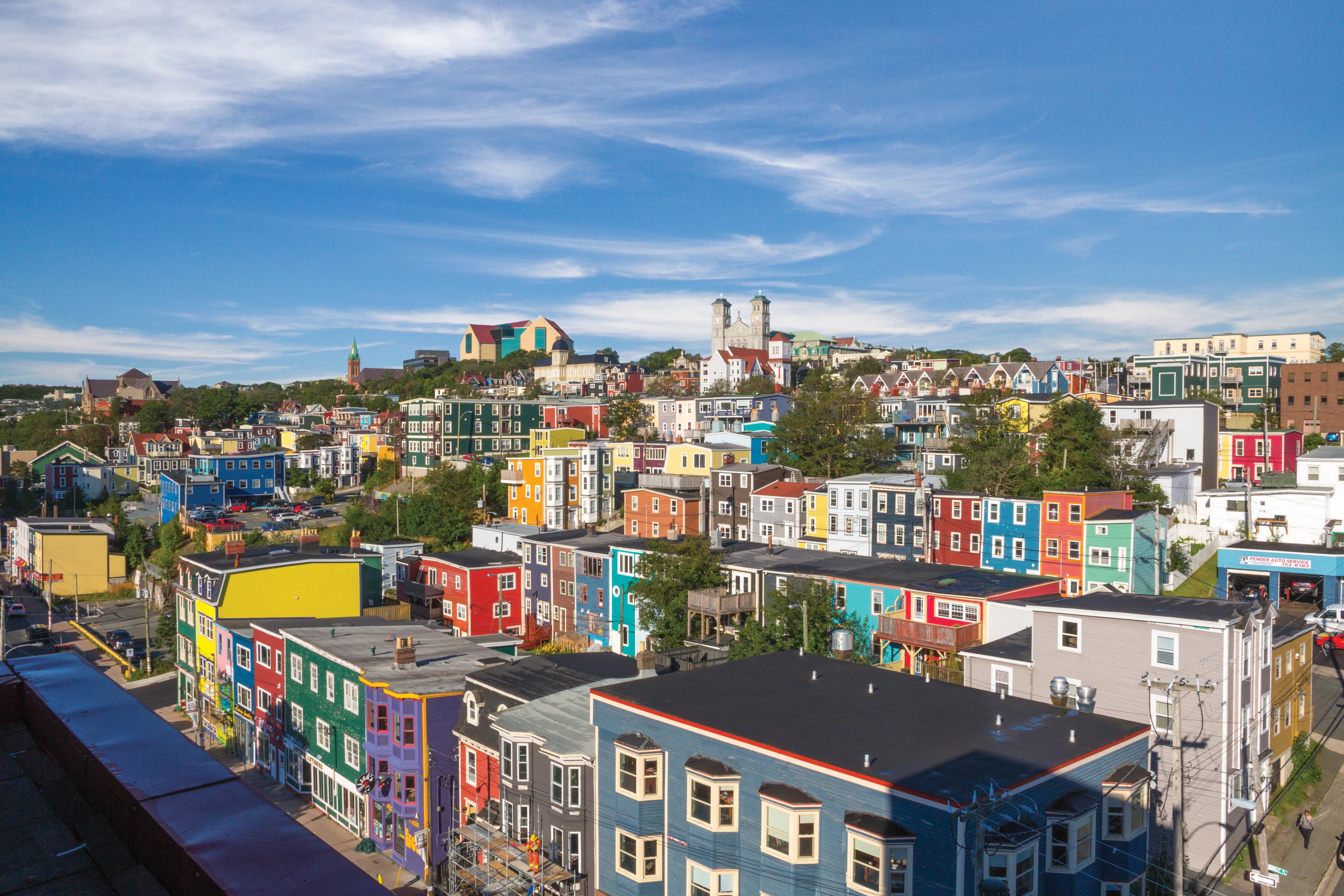
Your ship arrives at the pier in St. John’s for a morning disembarkation. After breakfast, you may make your way to St. John’s International Airport to connect with your onward flight, or stay longer if you have booked additional accommodation.
About the Ship
Name
Ocean Explorer
Operator
Quark Expeditions

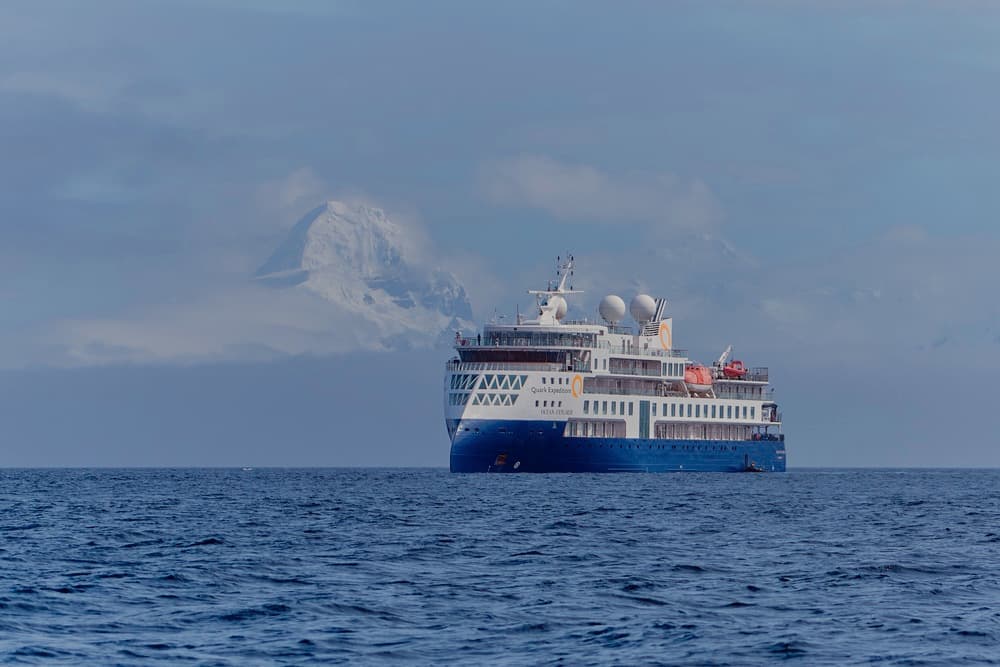
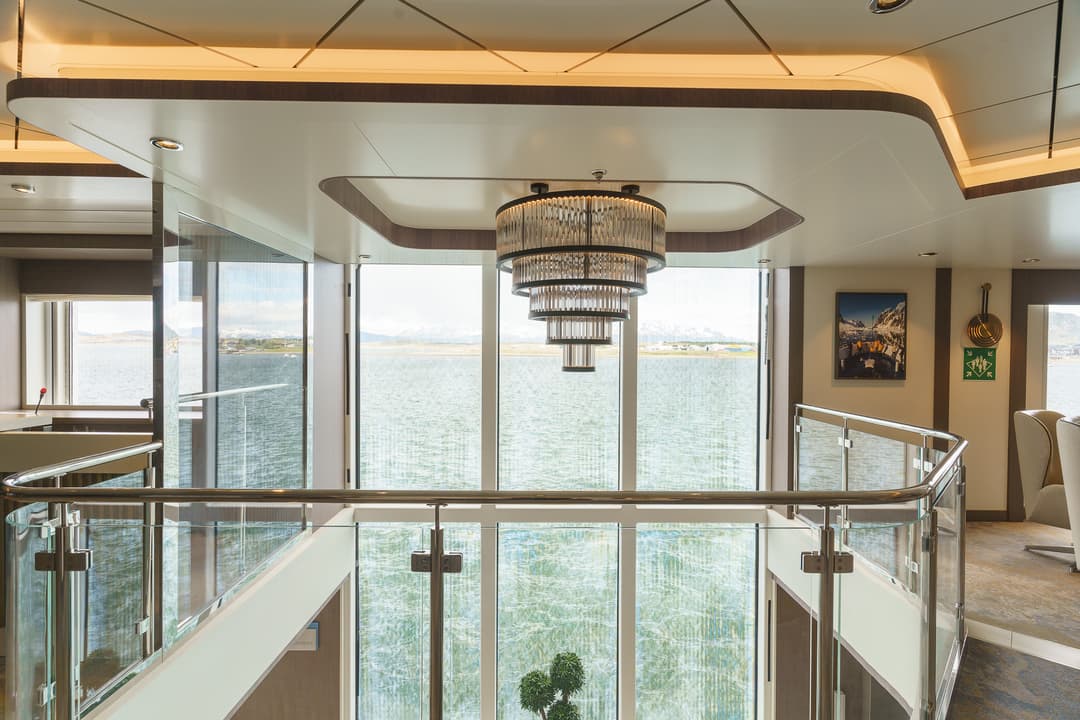
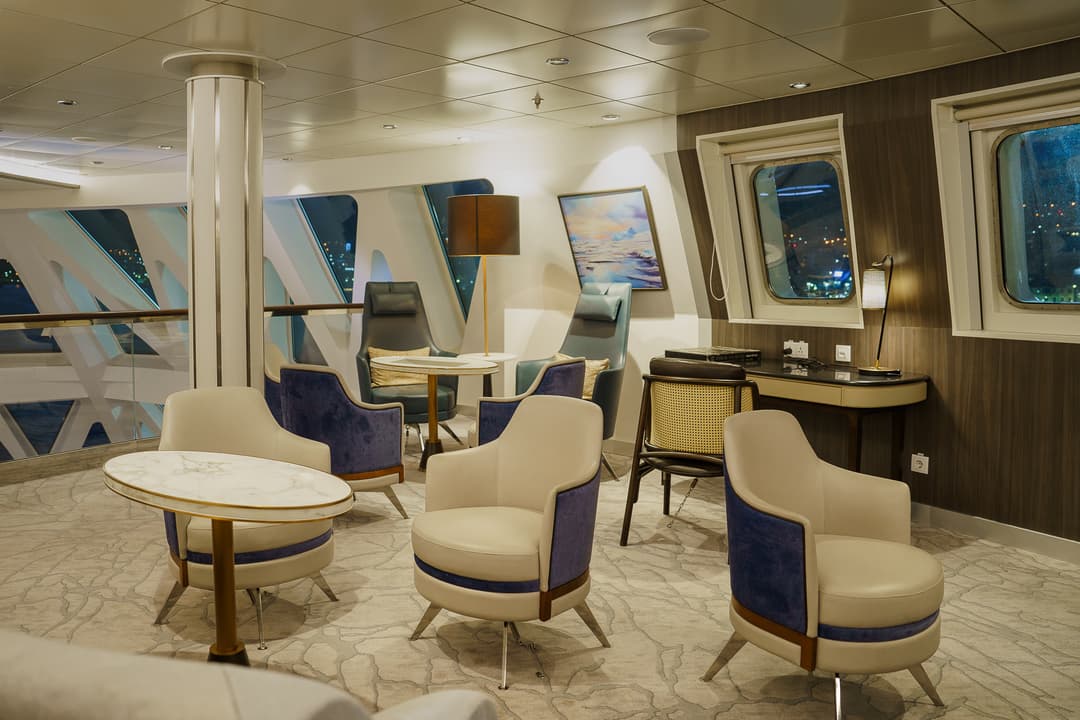
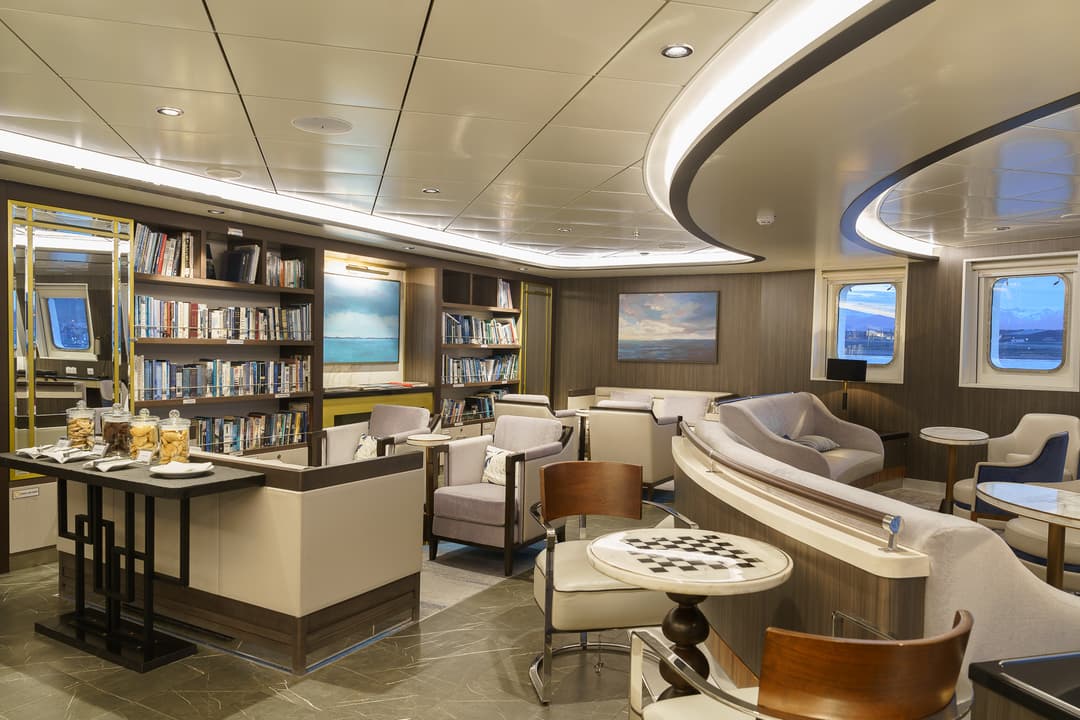
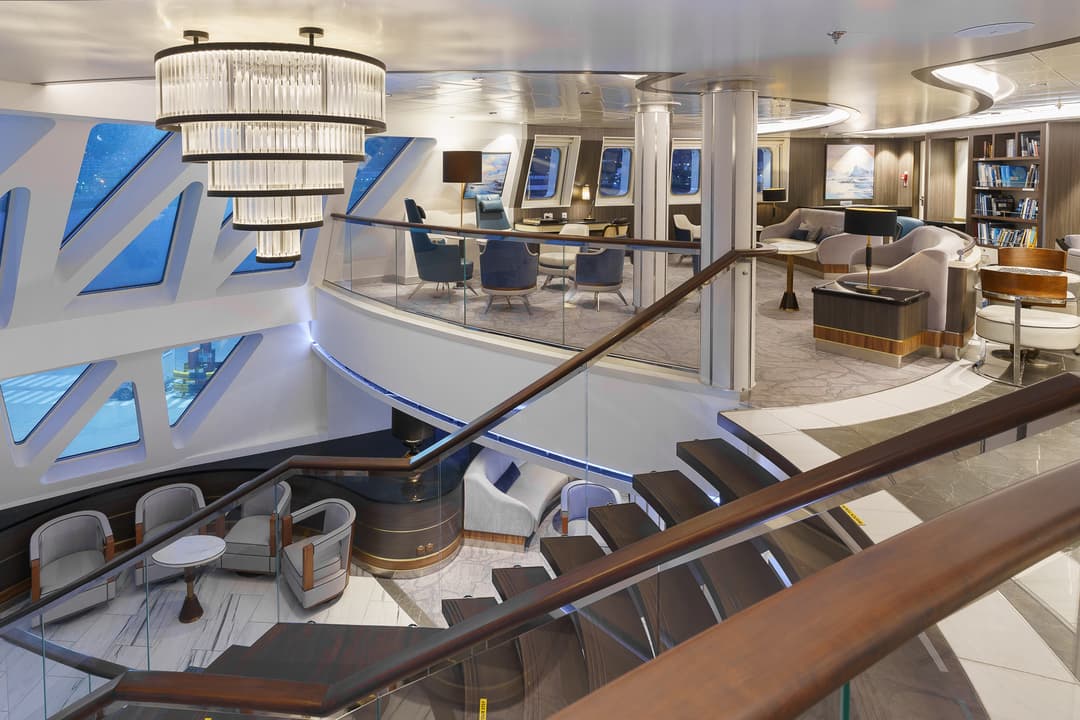
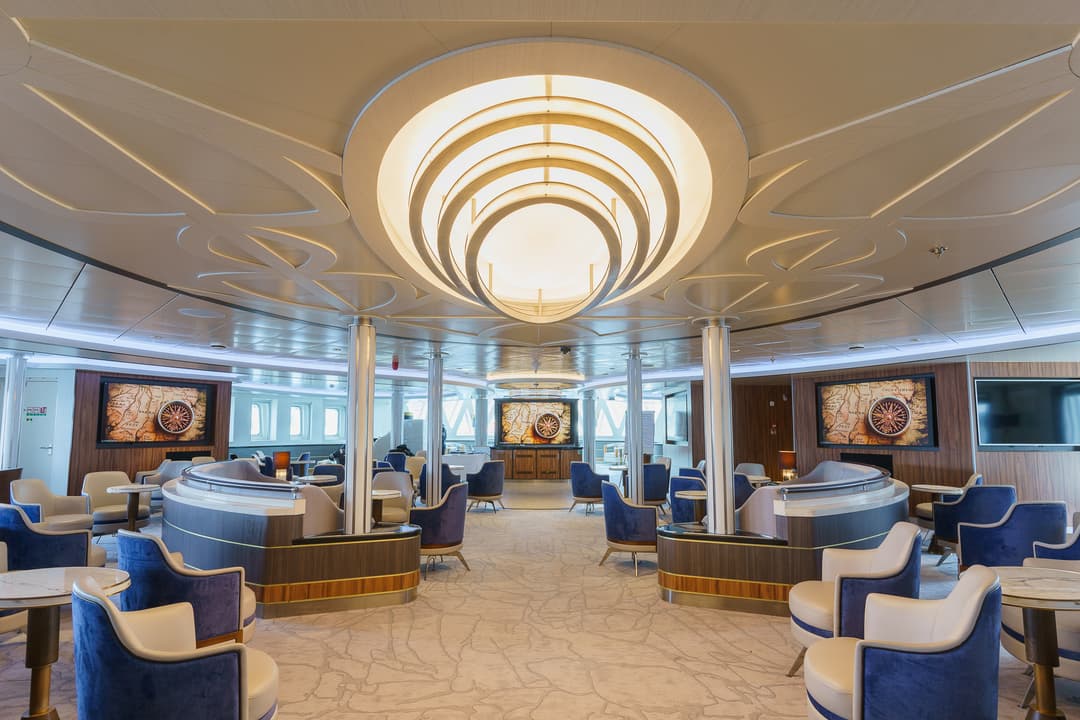
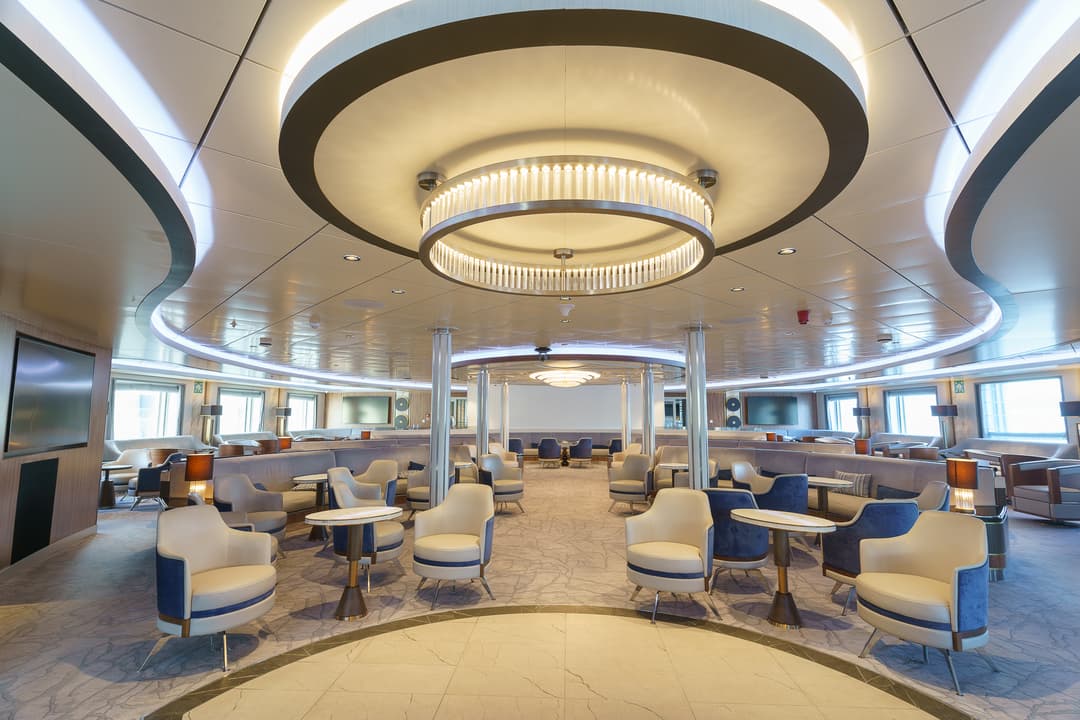
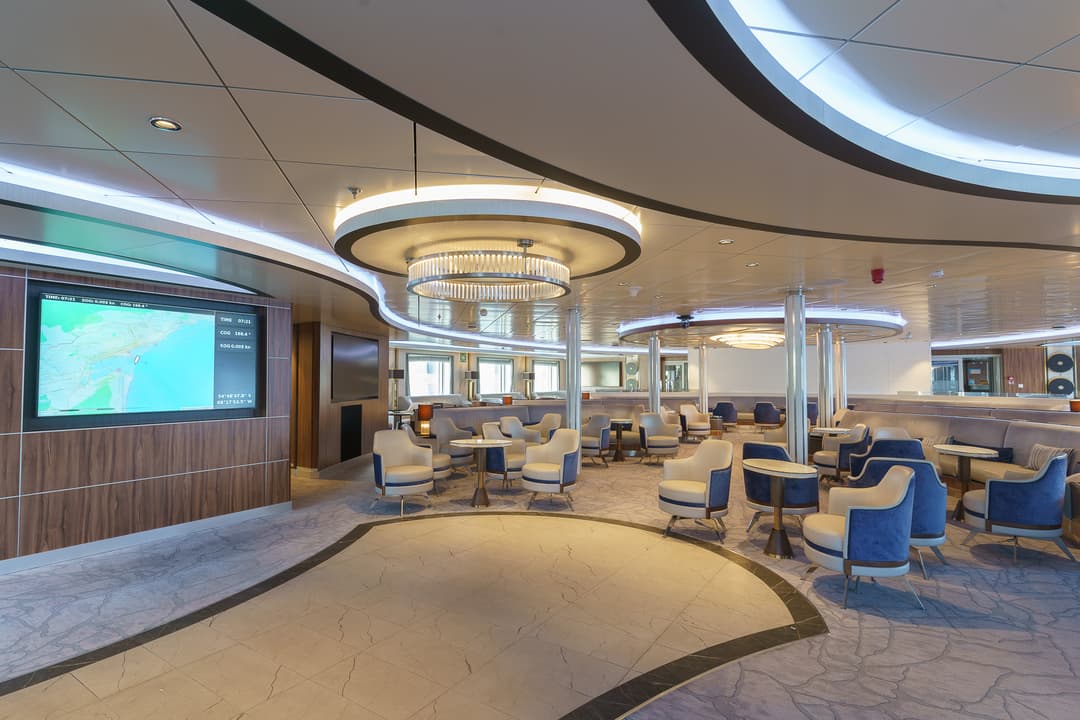
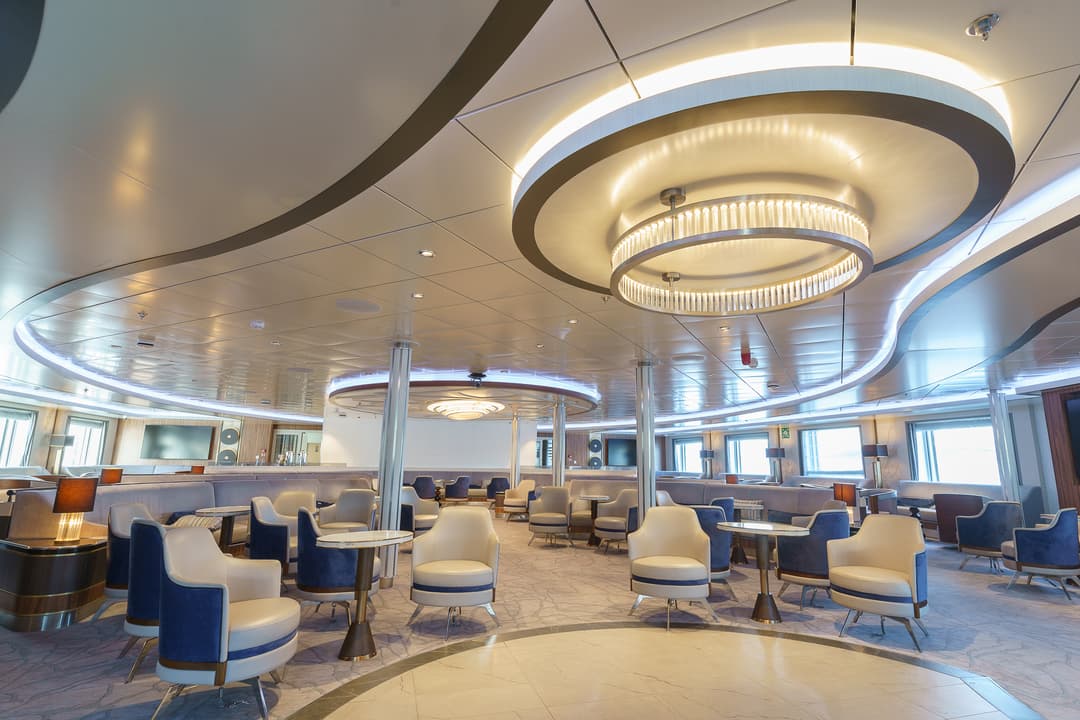
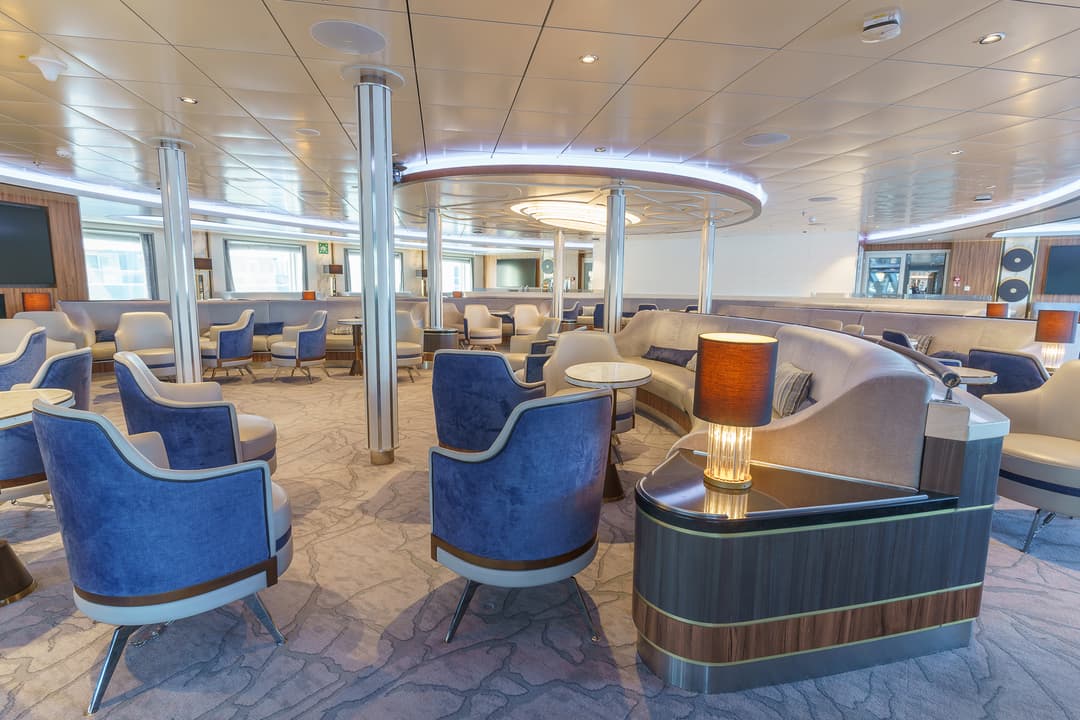
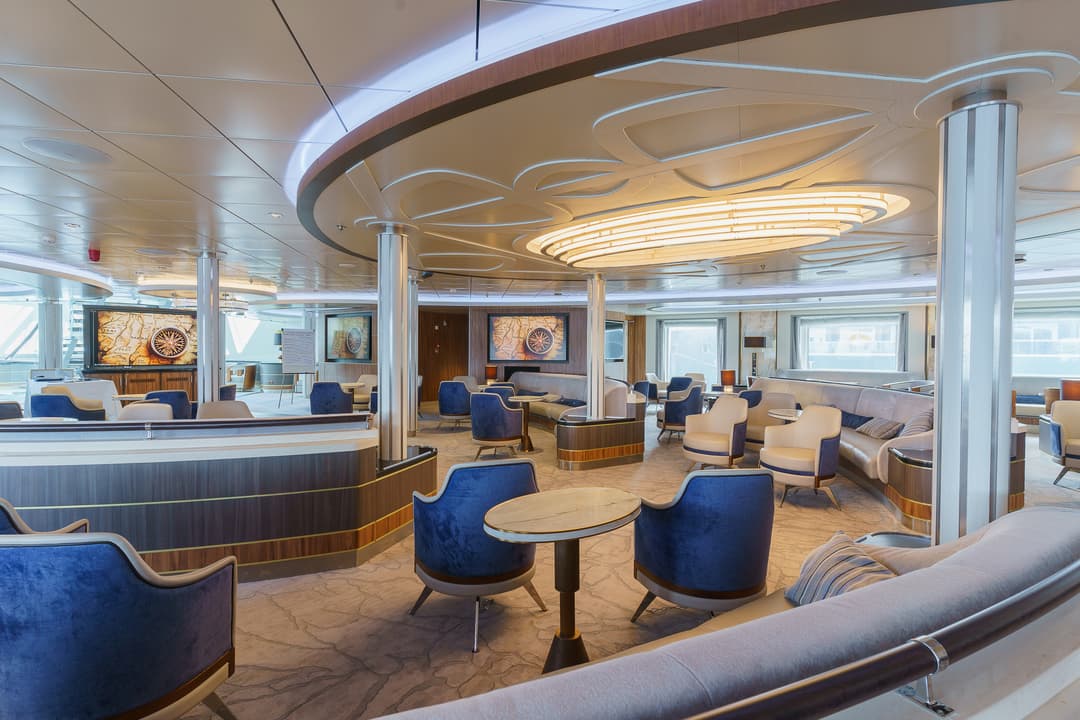
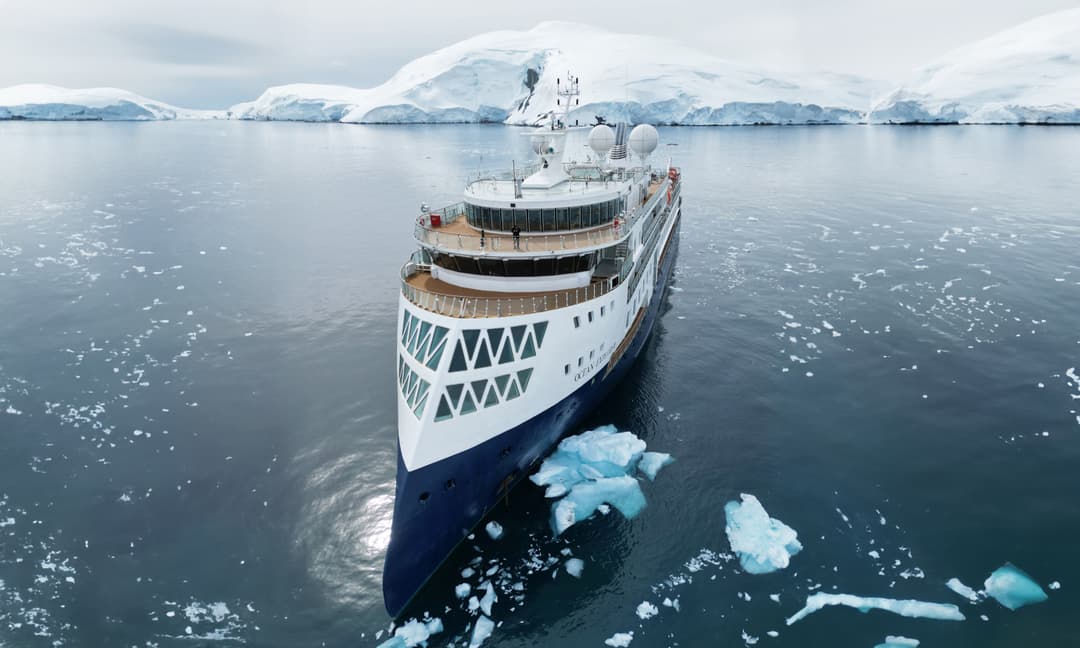
Ocean Explorer is modern, elegant and purpose-built for polar exploration. The 138-passenger vessel has been designed with the latest in expedition ship technology. One of the ship’s key features is the ULSTEIN X-BOW®, a marine engineering innovation that ensures a comfortable and smooth sailing experience thanks to the inverted bow. Located at the bow is the two-story, light-filled library, which introduces a welcome airiness to the expedition ship.
Loading...
Loading...

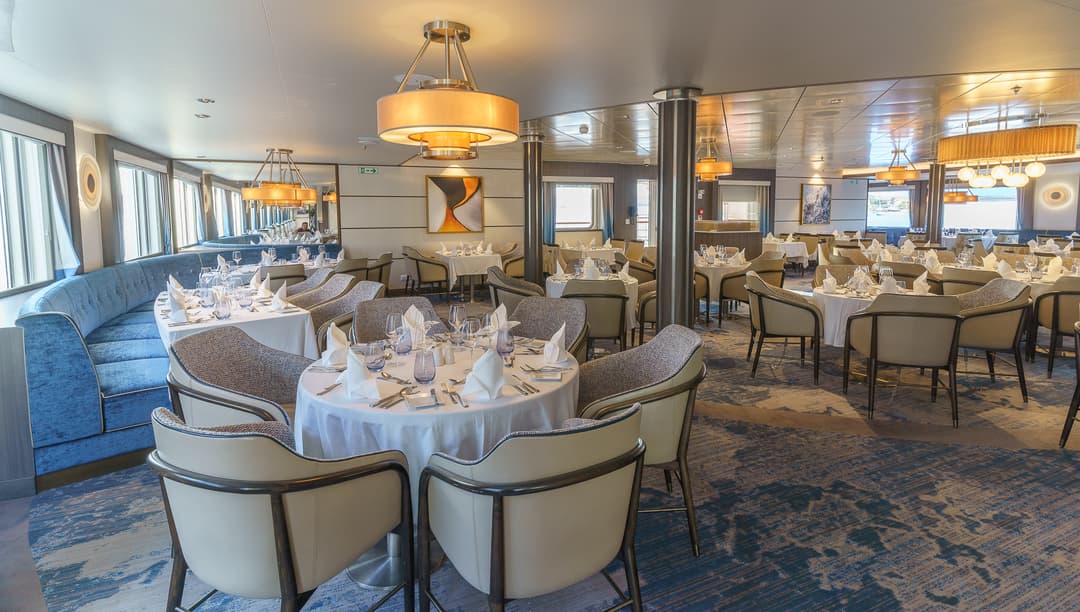
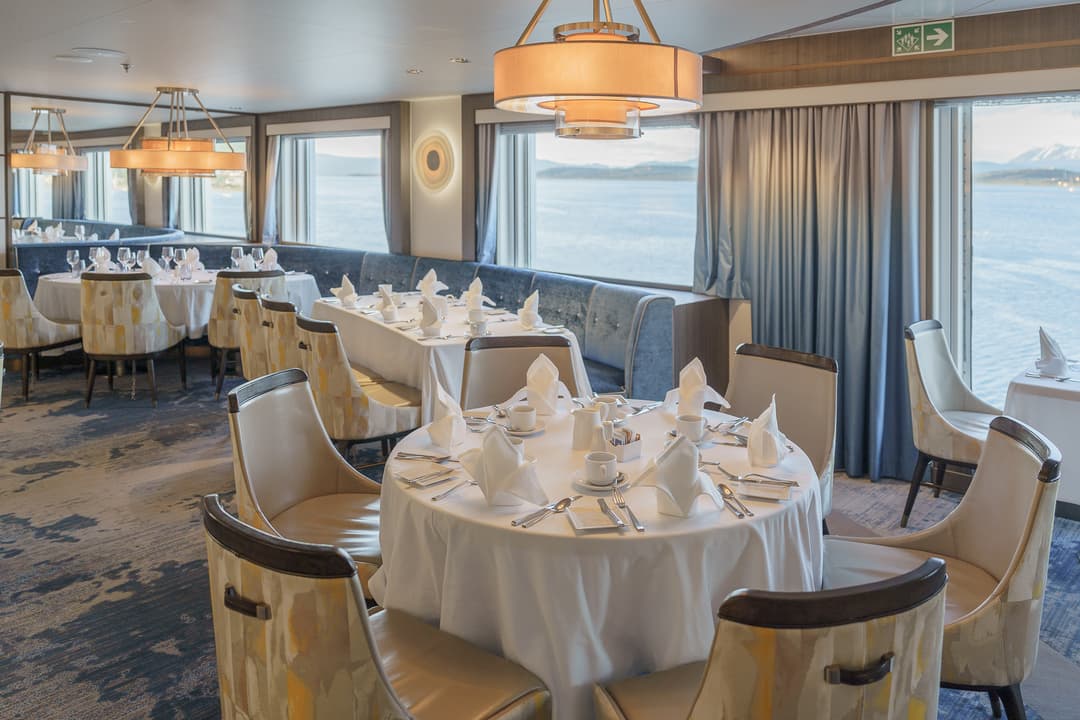
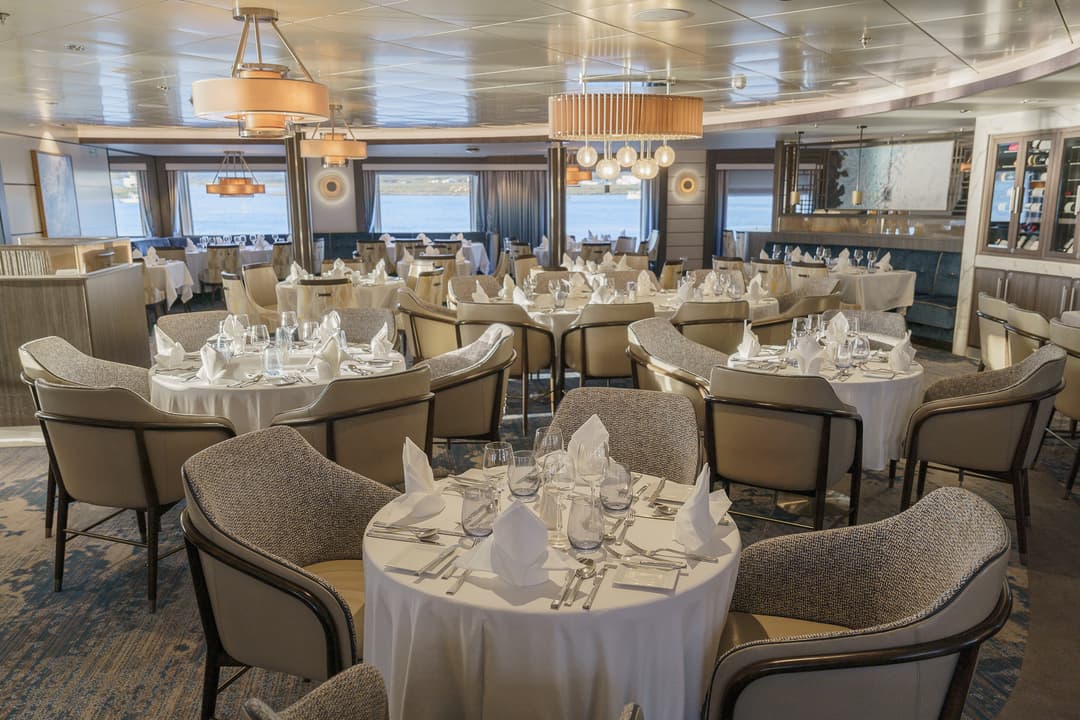

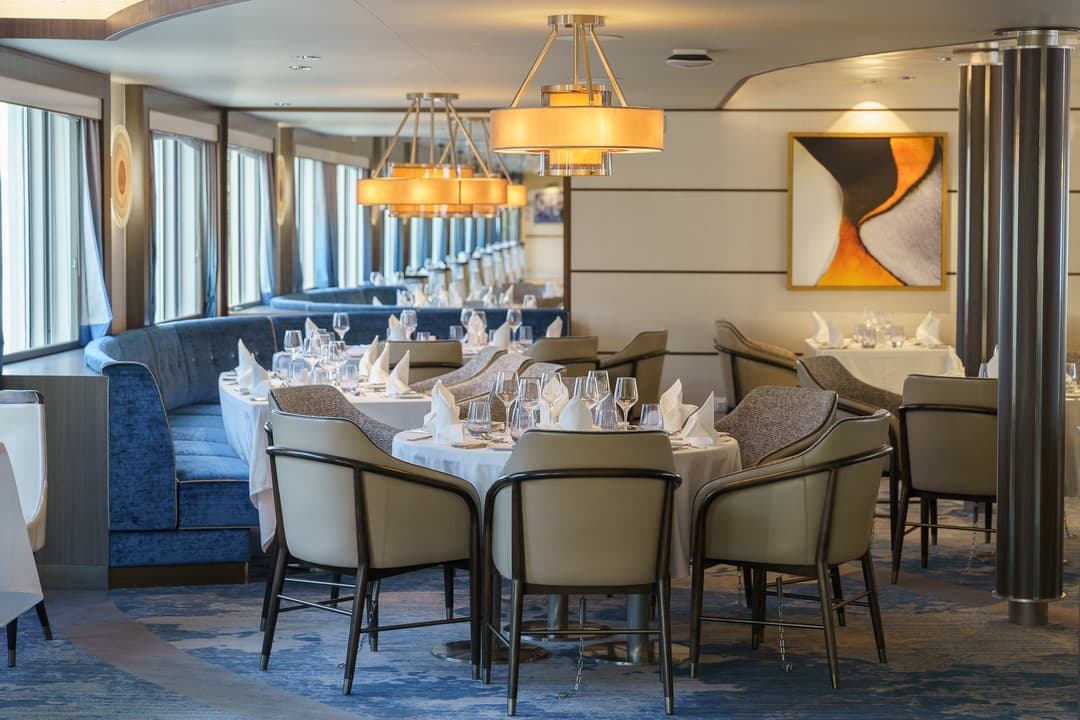


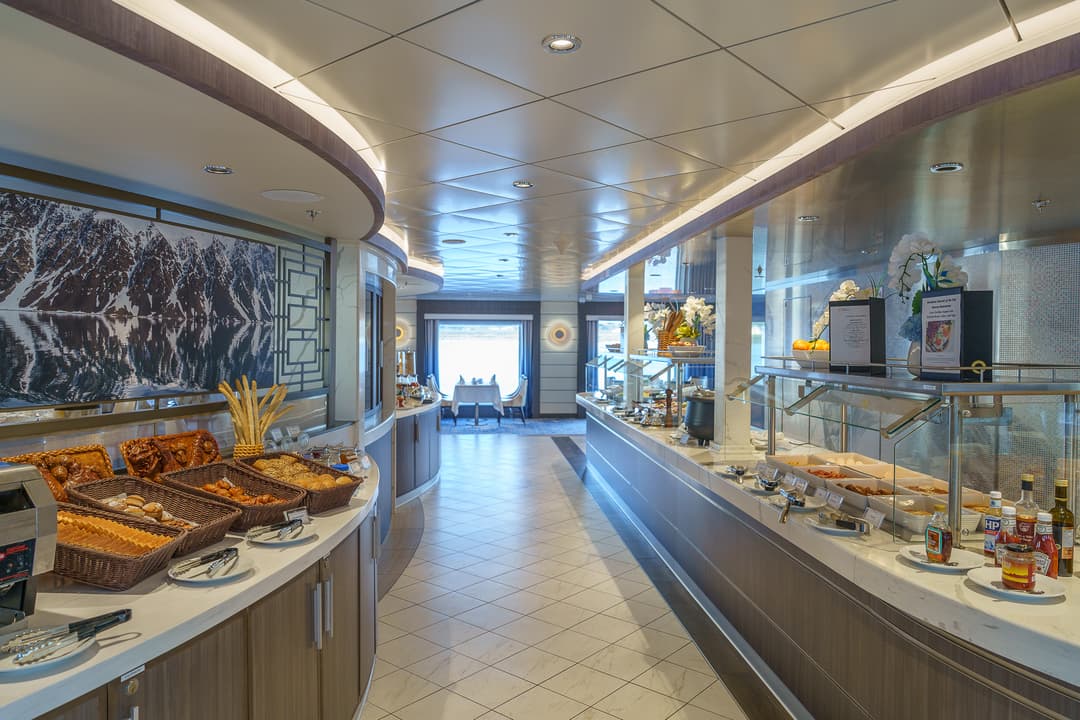

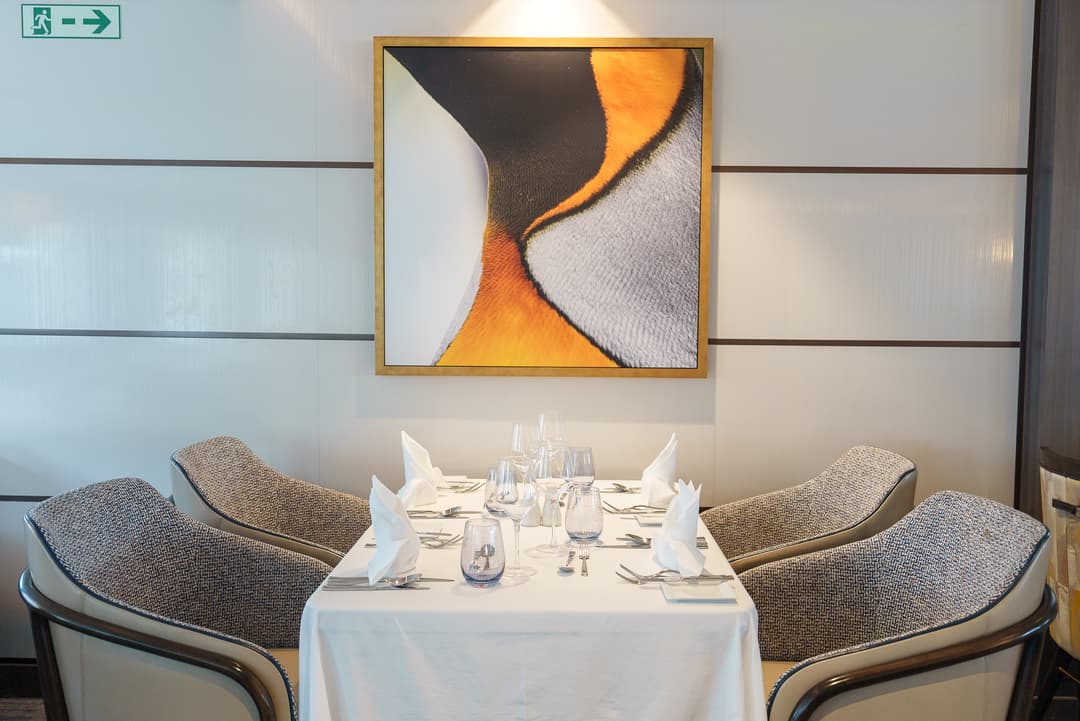


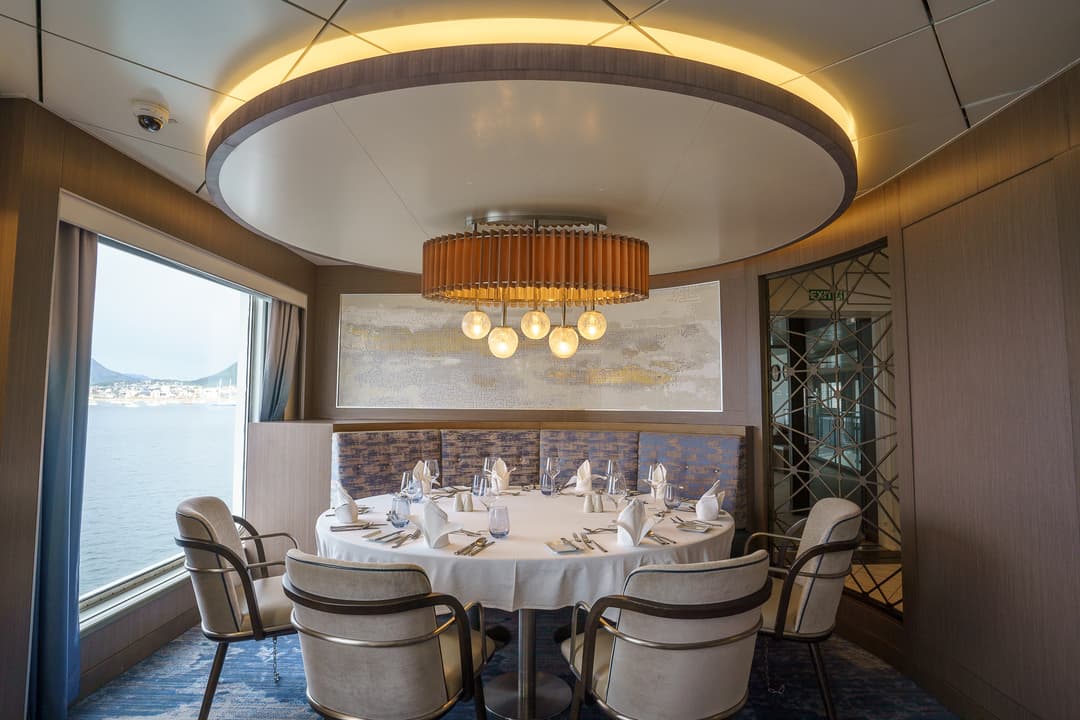
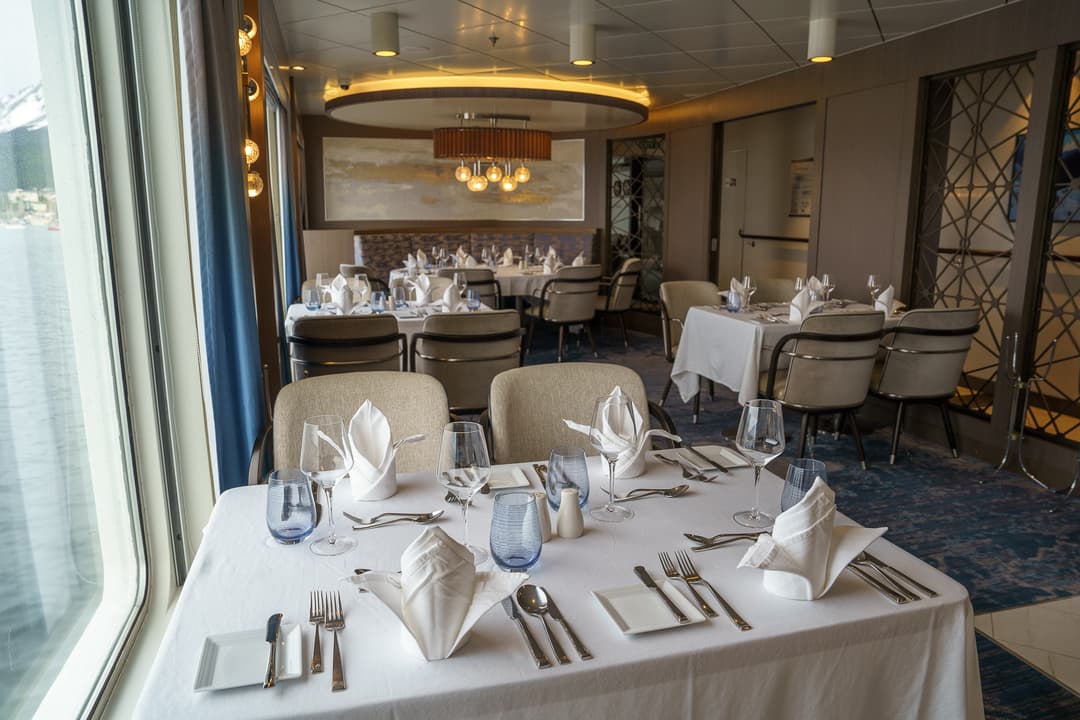

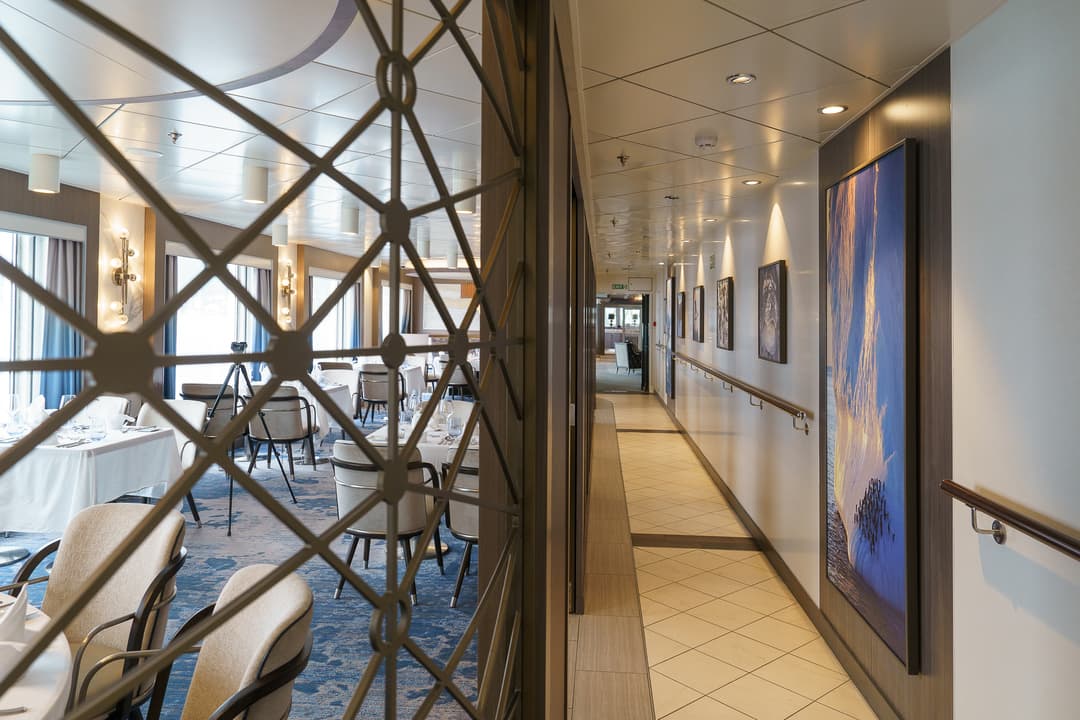
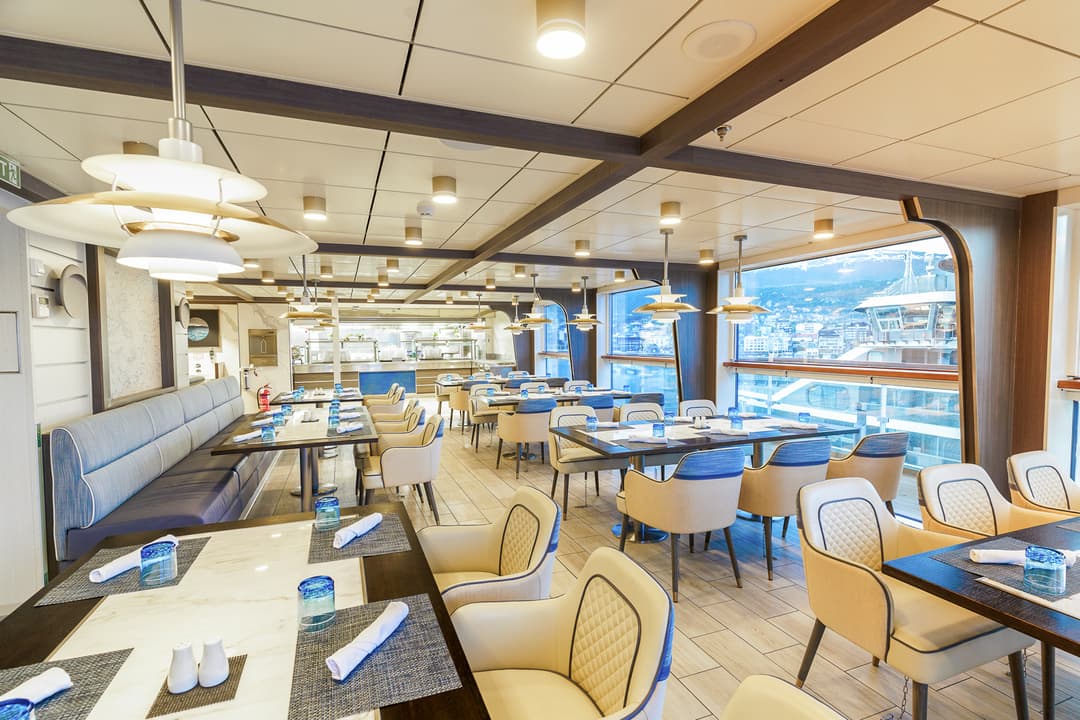
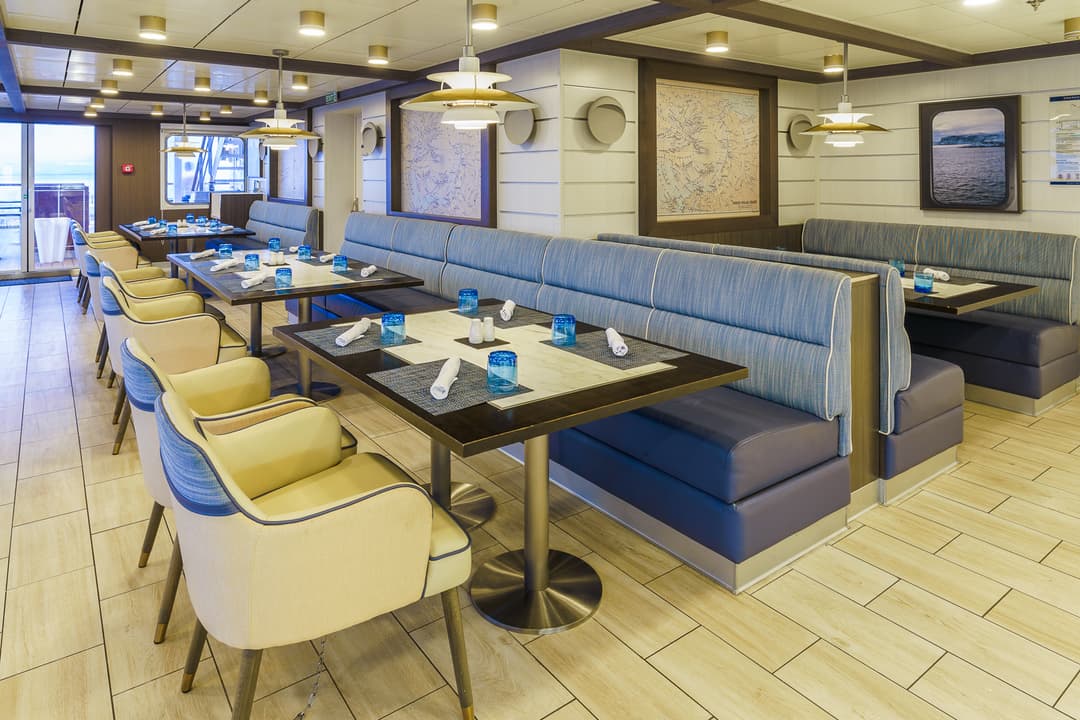

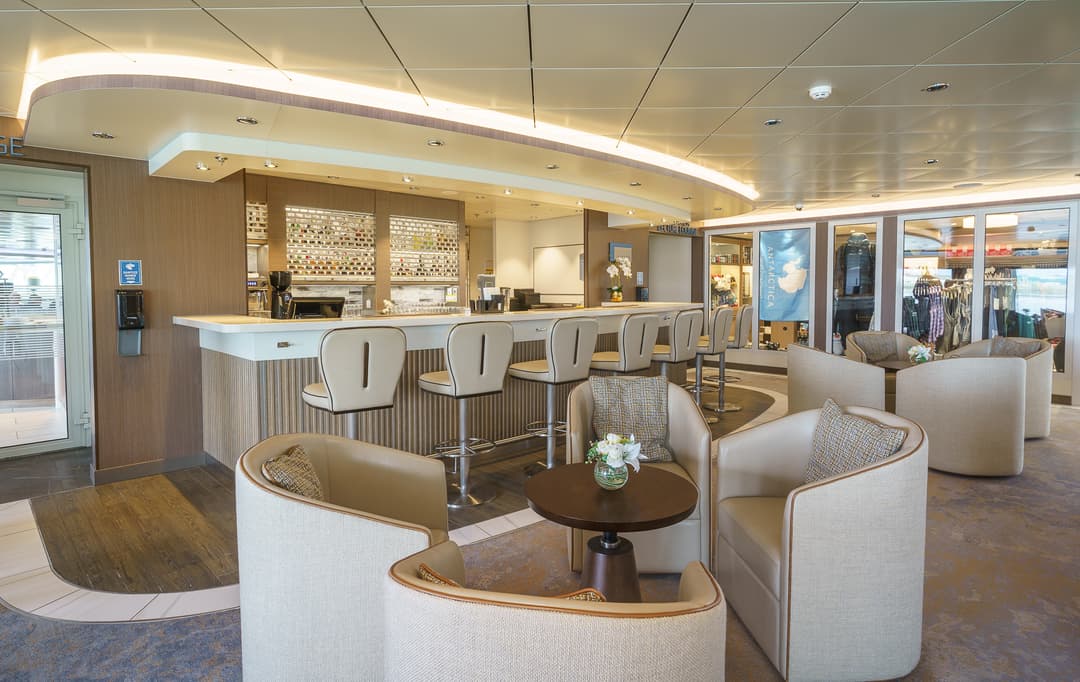
Each interior element was carefully hand-picked by designers for you to enjoy, from the dramatic two-story forward lounge, the floor-to-ceiling glass refuge in the library, to the grand fixtures and luxe furnishings throughout the ship.
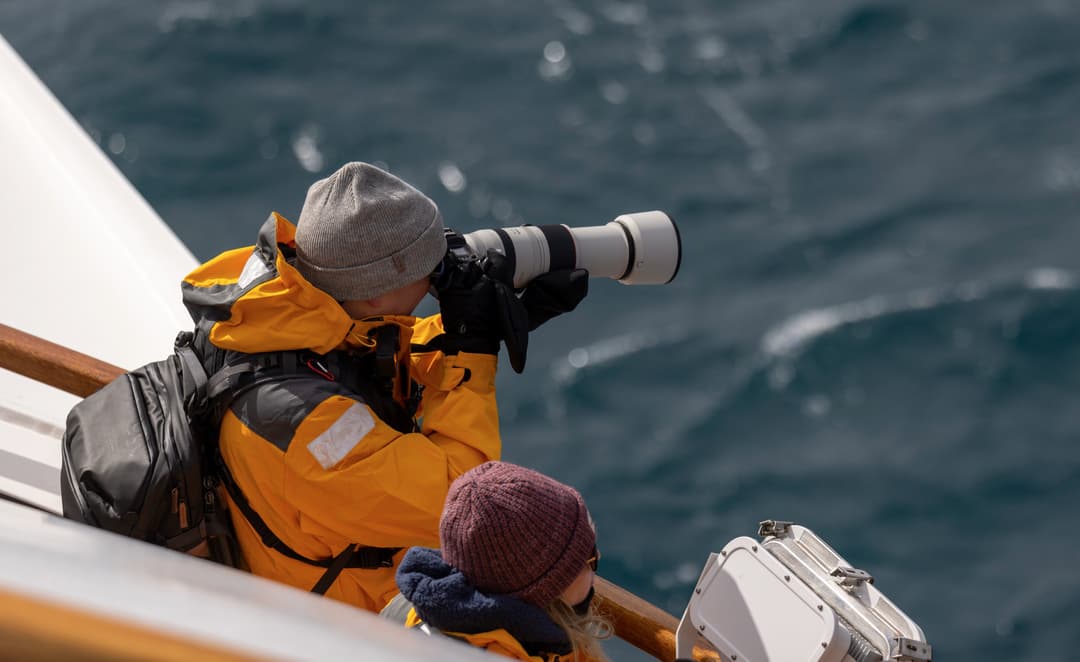
Observation areas on Decks 7 and 8 allow for higher, longer-view landscape photography while contending with less sea spray.

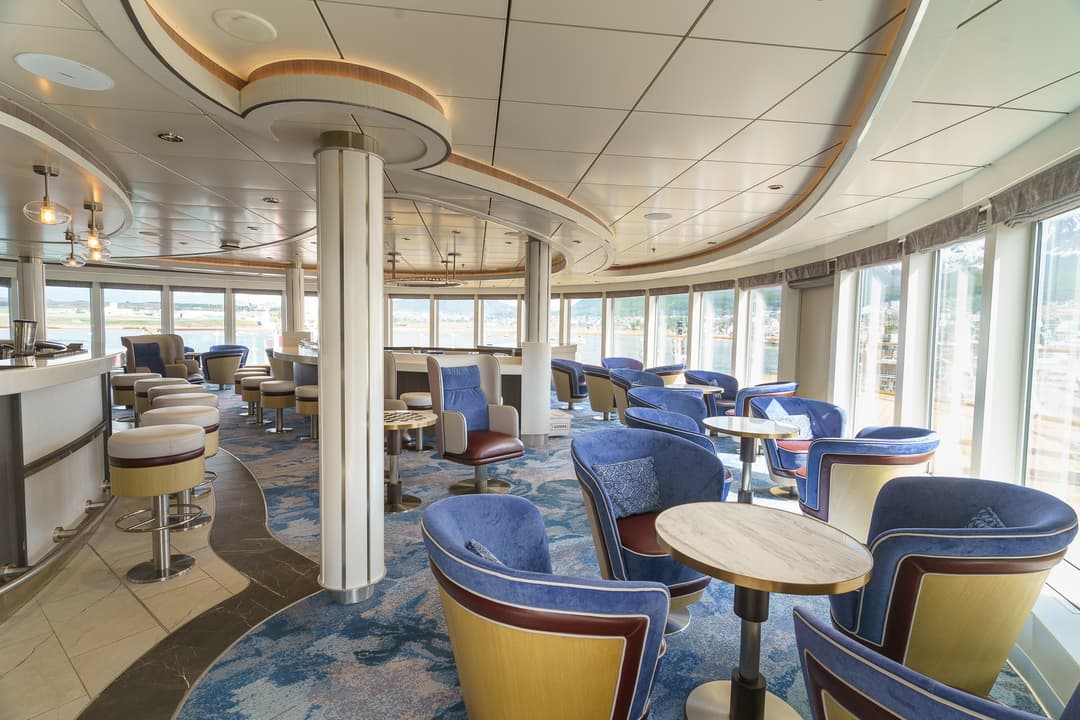
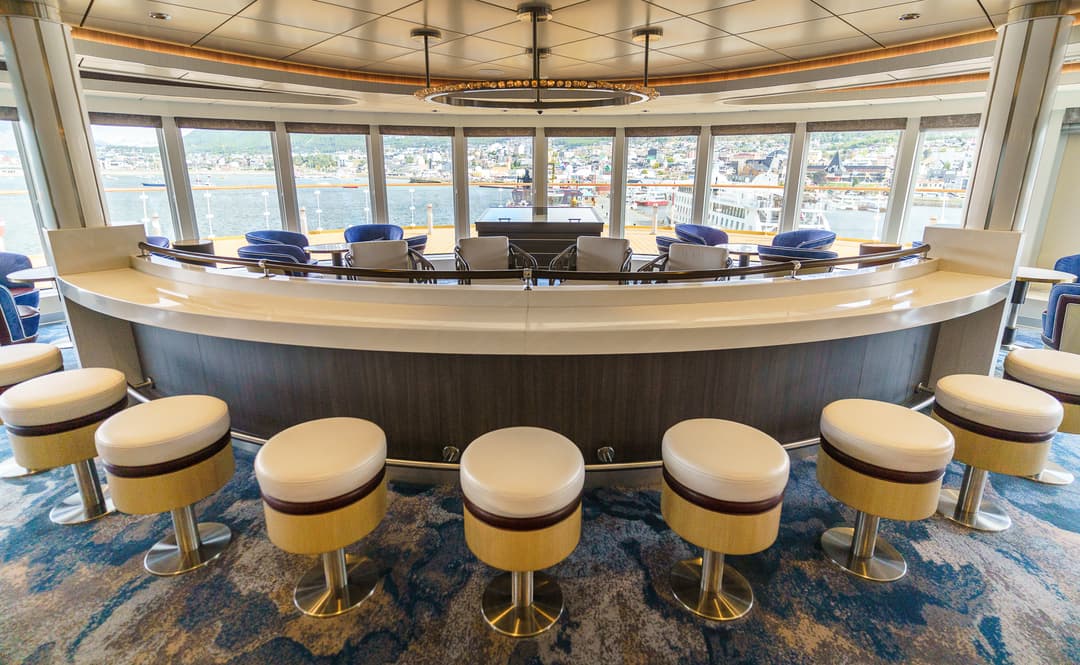


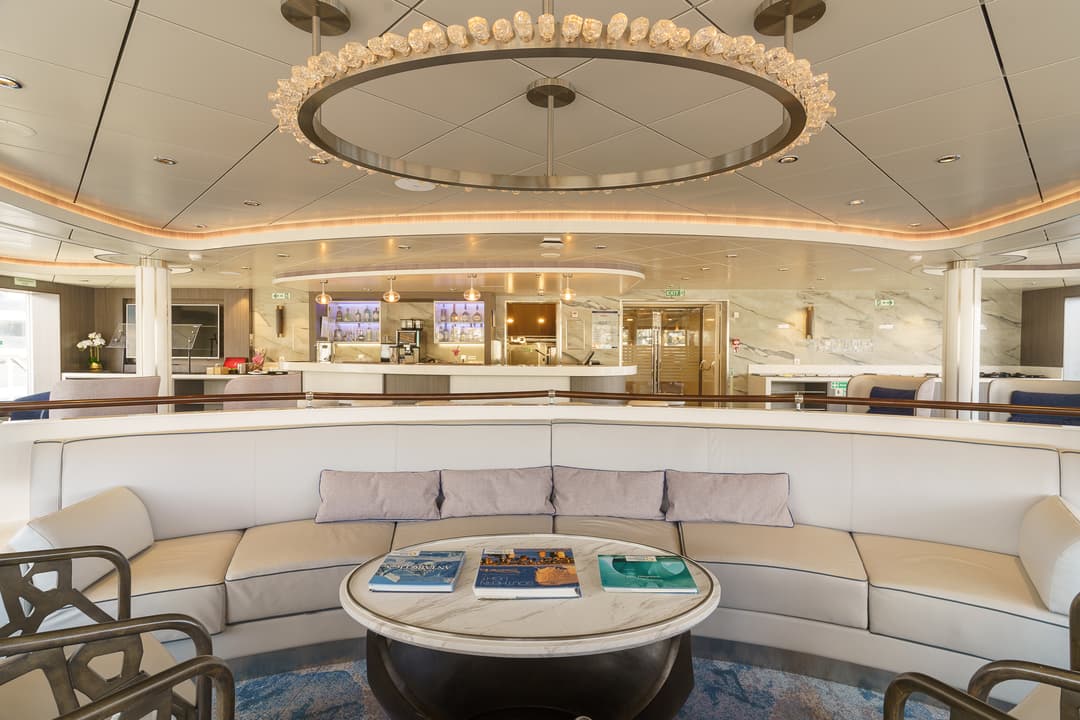
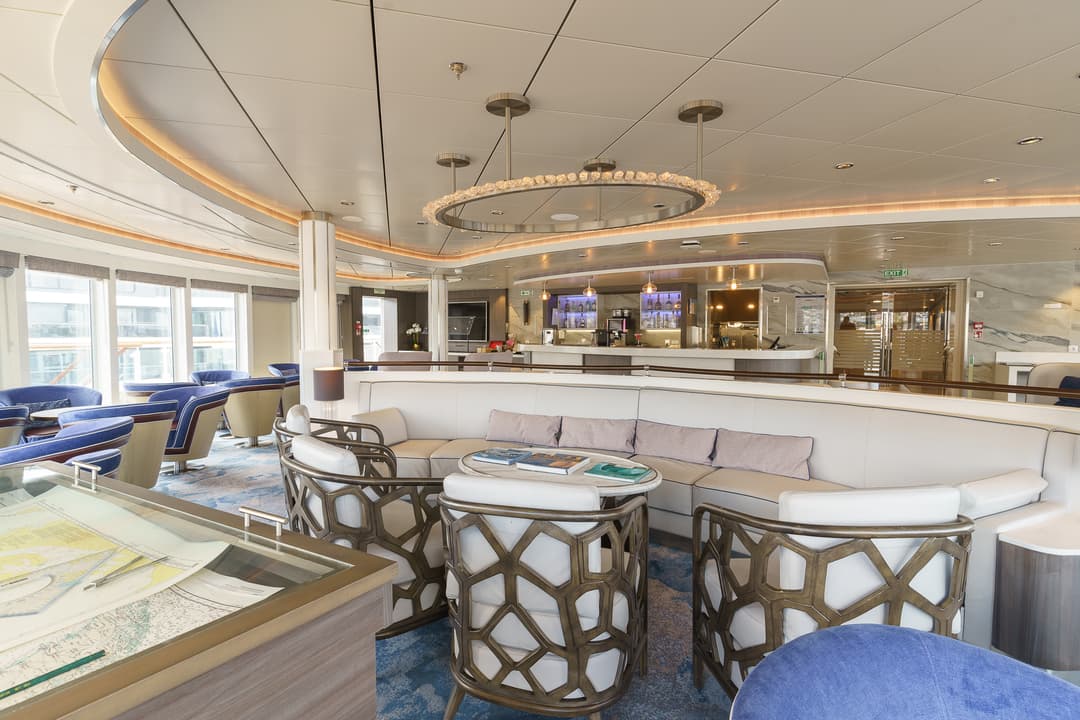







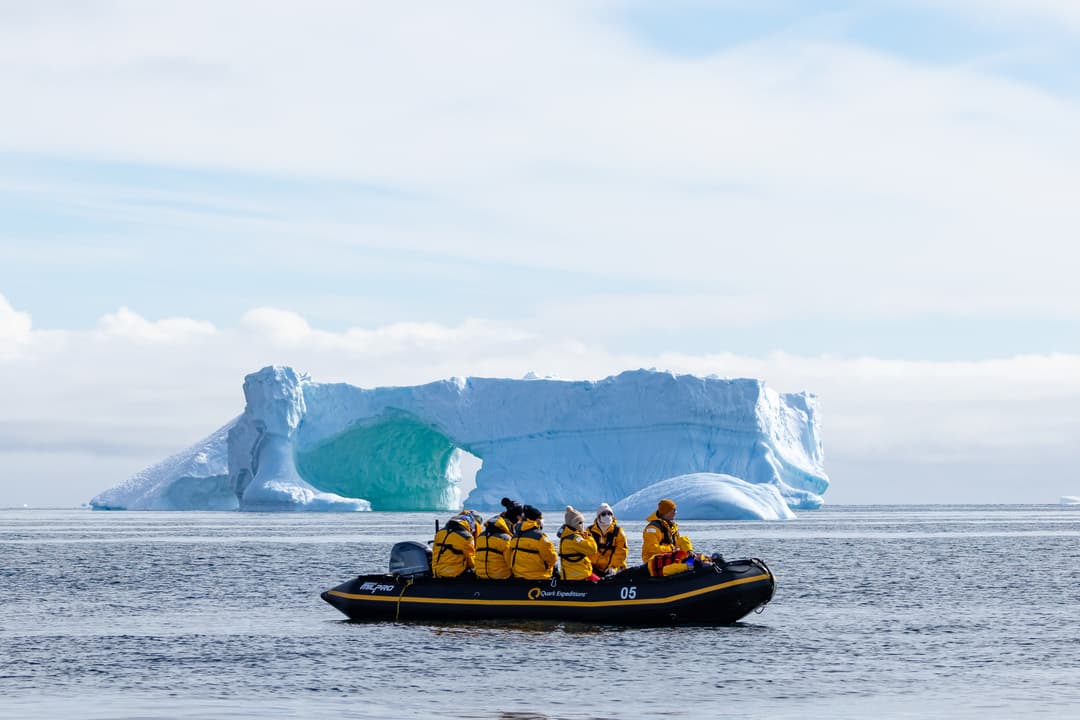
Every vessel in our fleet becomes an expedition base camp. Unpack once. Visit an exciting range of places, because the ship moves from place to place. The ships are equipped with inflatable landing crafts known as Zodiacs. They are used for shore landings and ocean-level cruising.
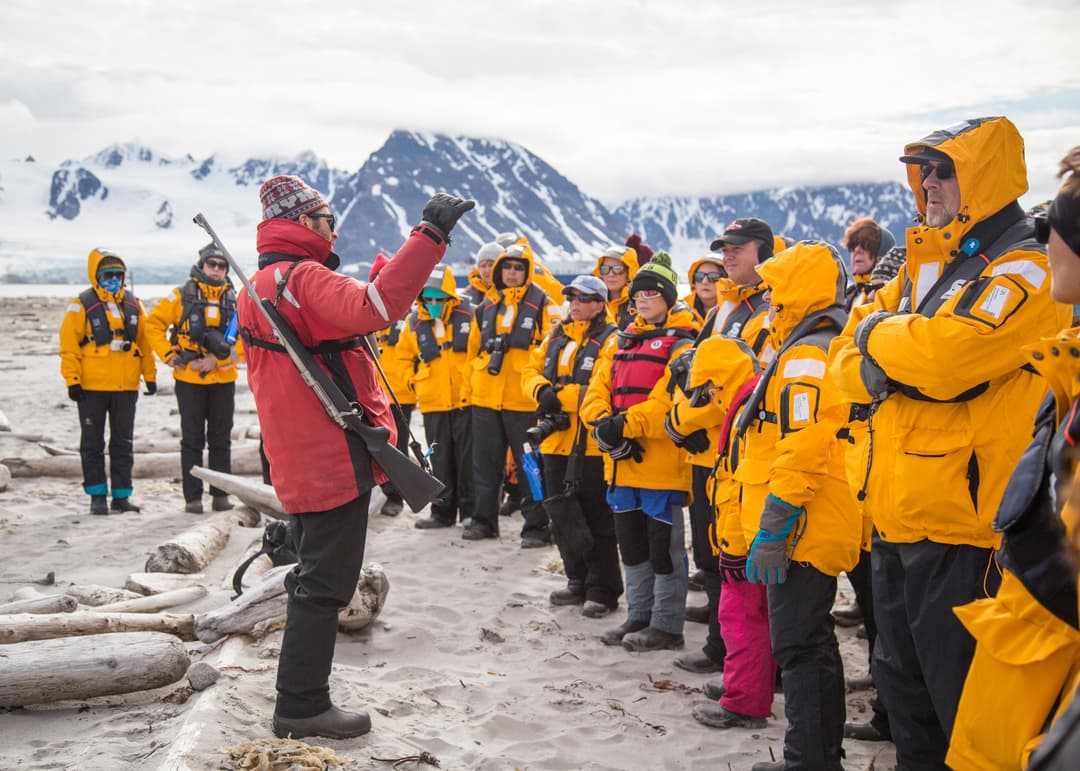
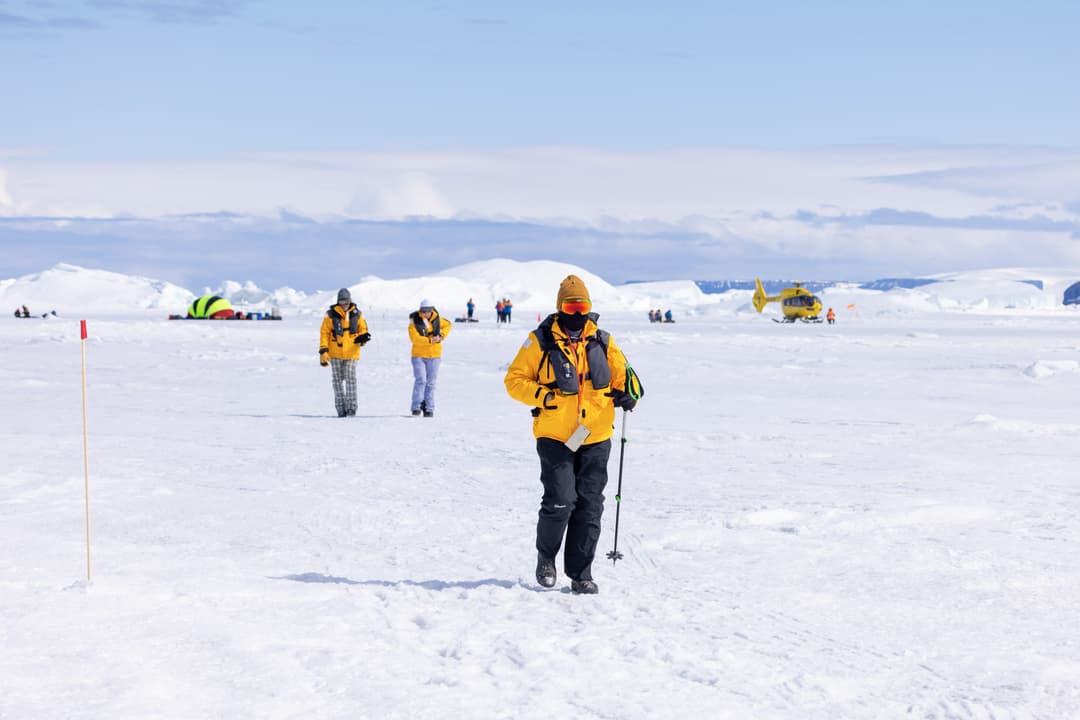
Activities off the ship are called shore landings or Zodiac cruising. These are daily activities. In the Arctic, you may visit Inuit in their home communities. In the Antarctic, you may visit research stations manned by scientists who brave the extreme environment to add to our knowledge of wildlife, climate and ice. You will hike carpeted tundra valleys or glistening ice fields. Optional activities include kayaking, cross-country, camping, skiing and mountaineering.
The capacity of the vessel determines where you go ashore and how often in Antarctica.
In Antarctica, we operate under International Association of Antarctica Tour Operators (IAATO) guidelines that limit the number of travelers and Expedition Staff ashore during a landing. No more than 100 people can be ashore at any one time, and in some locations that number is 50. Quark operates small expedition vessels, and none of our Antarctic vessels carry more than 199 travelers.
Loading...
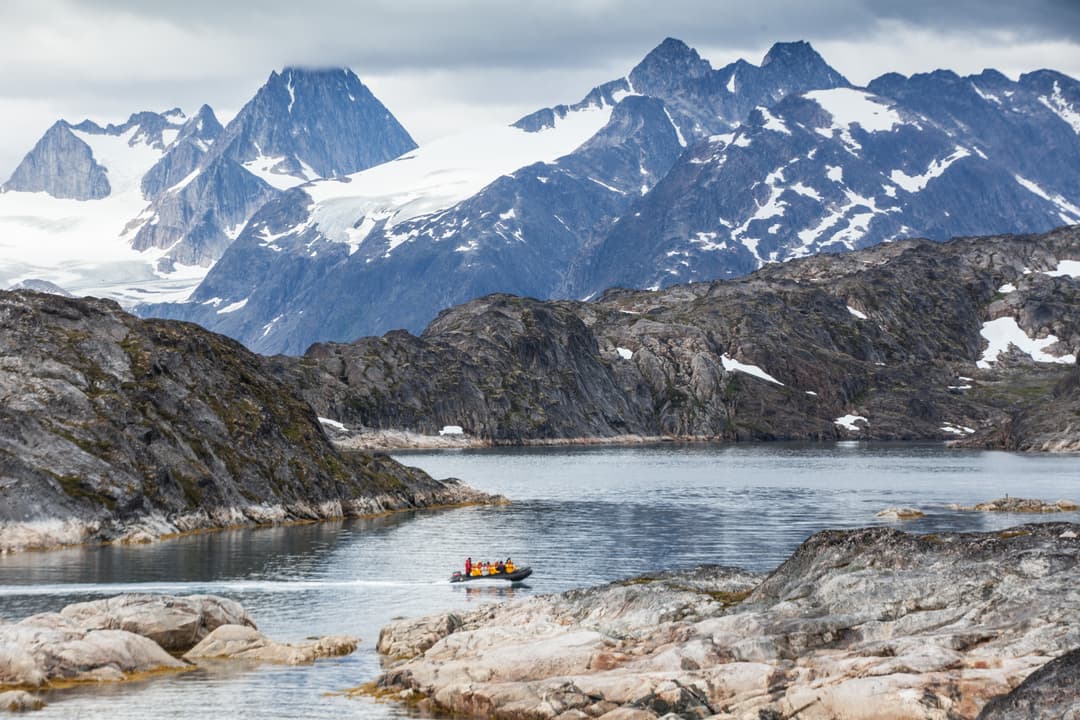
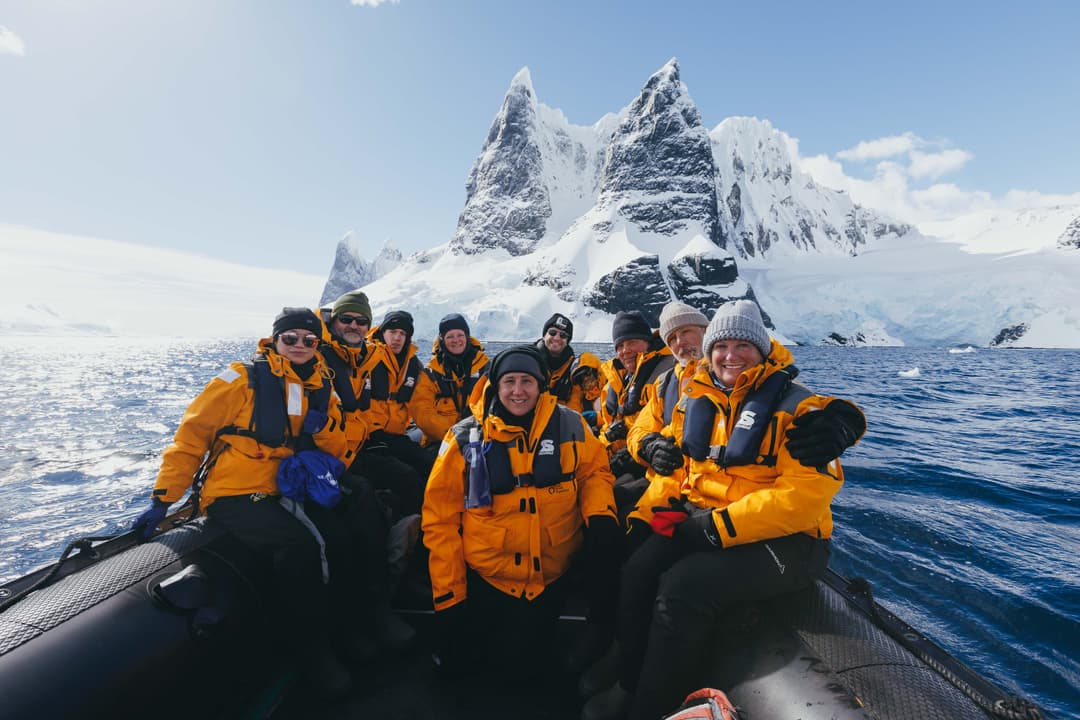
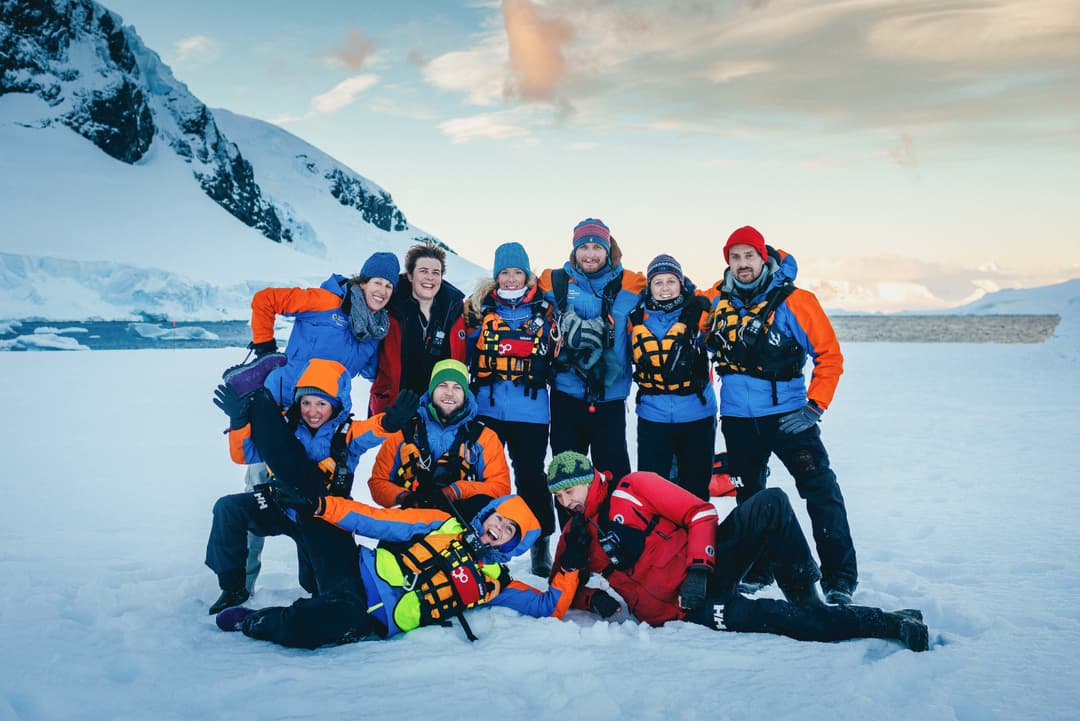
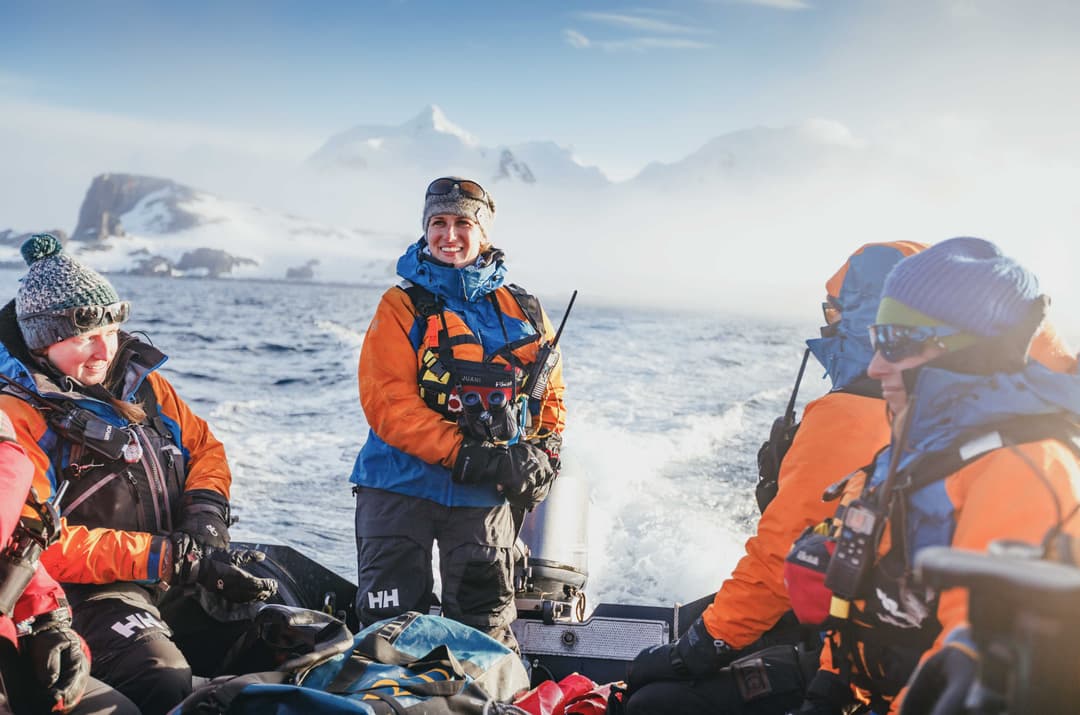

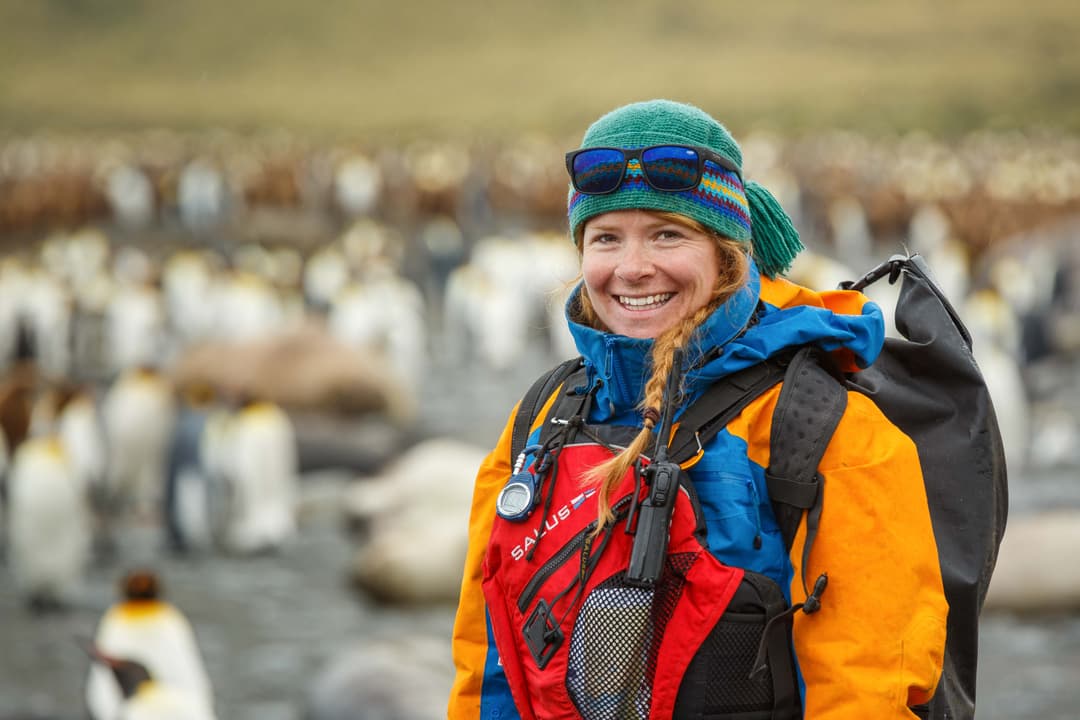
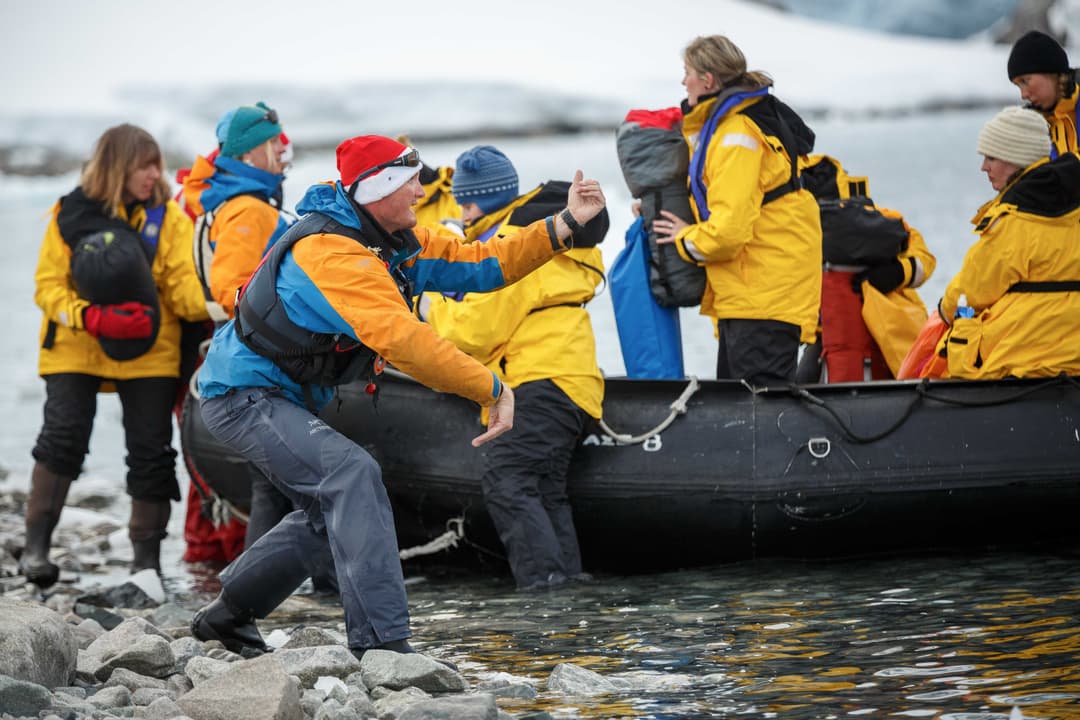
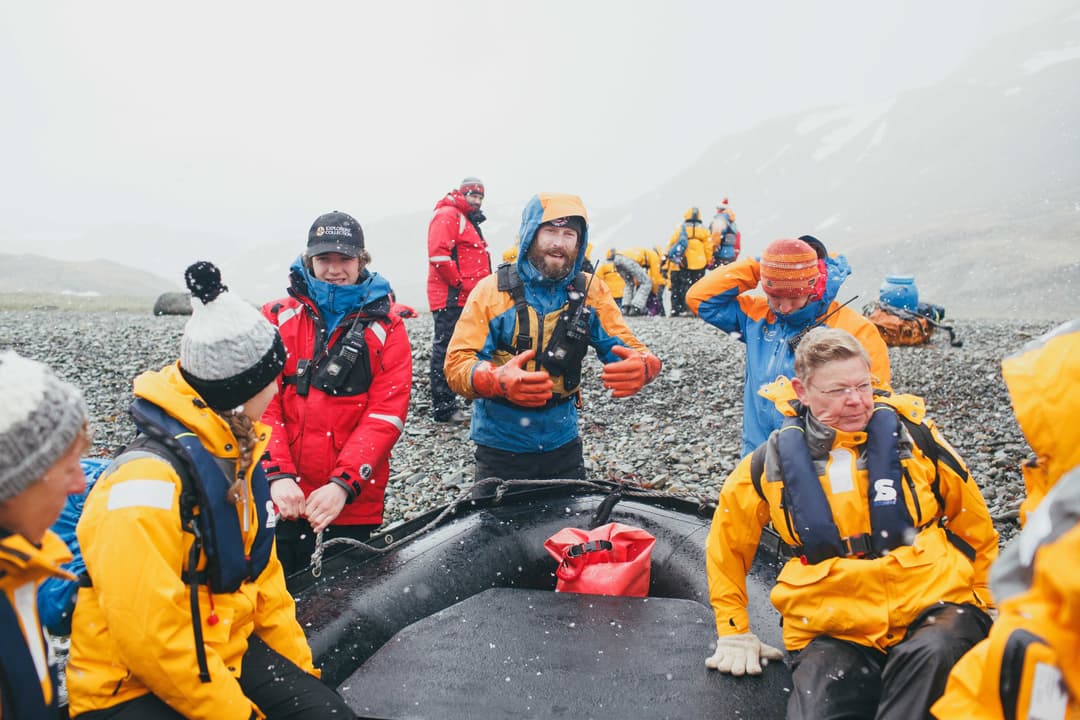
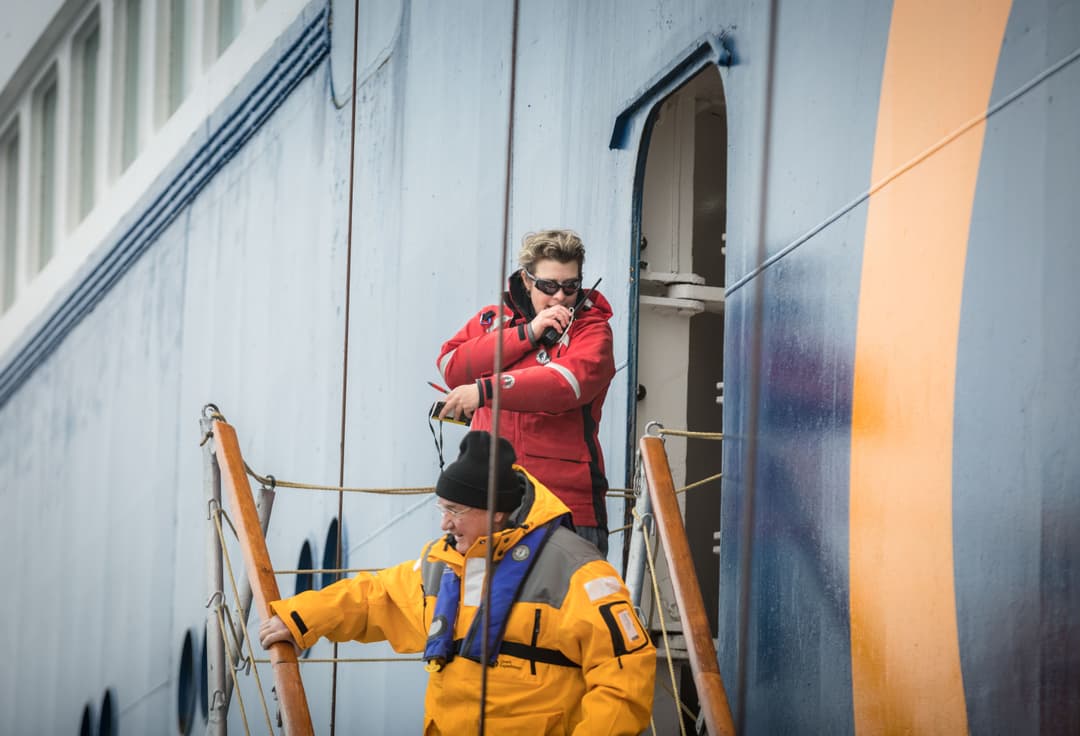
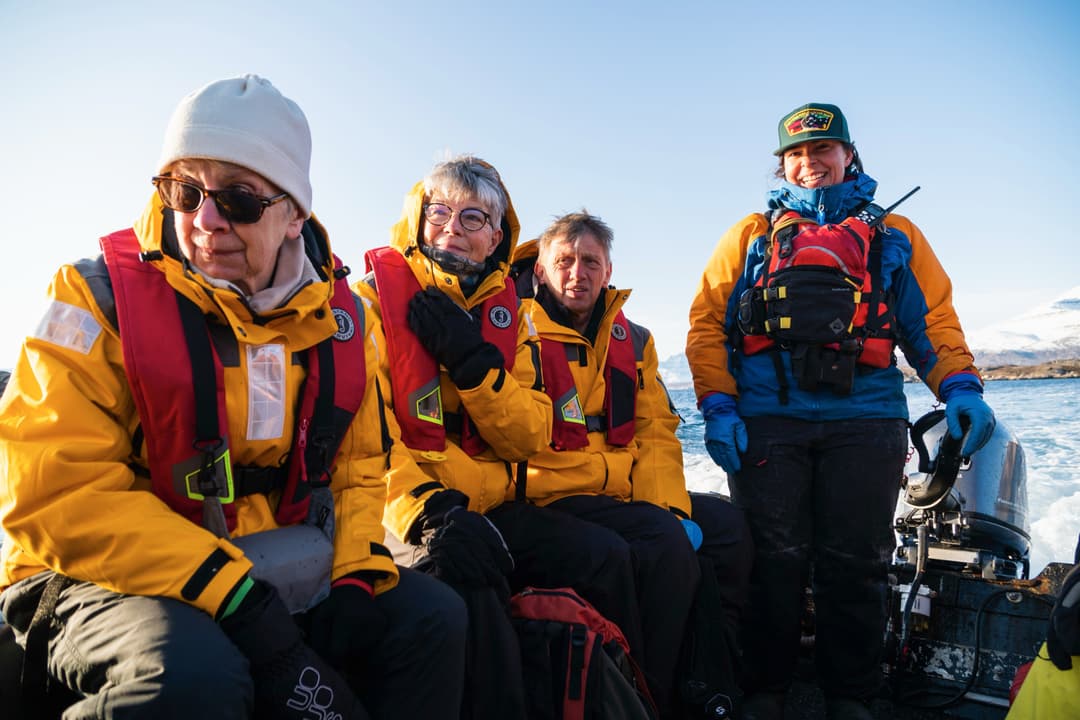

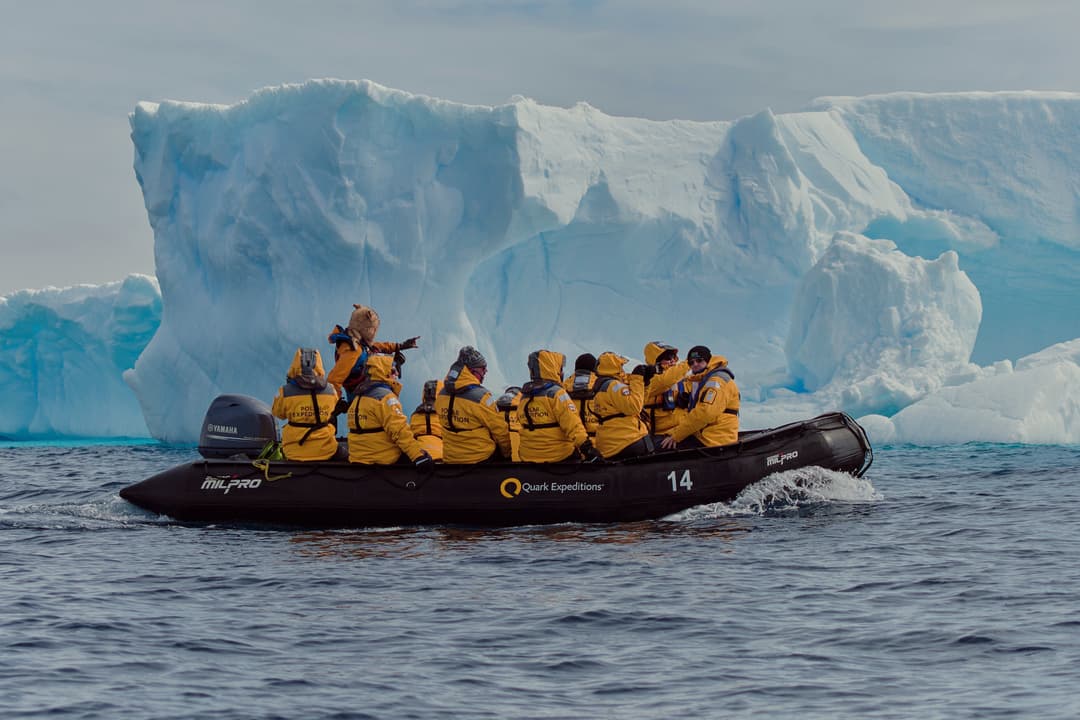
Zodiacs are used for transferring you ashore, transporting your luggage when necessary and for taking you ocean-level cruising among icebergs, whales and seabirds. During the expedition, you will visit remote and isolated sites that are accessible only by Zodiac.
These large, heavy-duty inflatable vessels are extremely safe and were specially designed for expedition work. Zodiacs are the workhorses of Polar expeditions. Separate air comp....

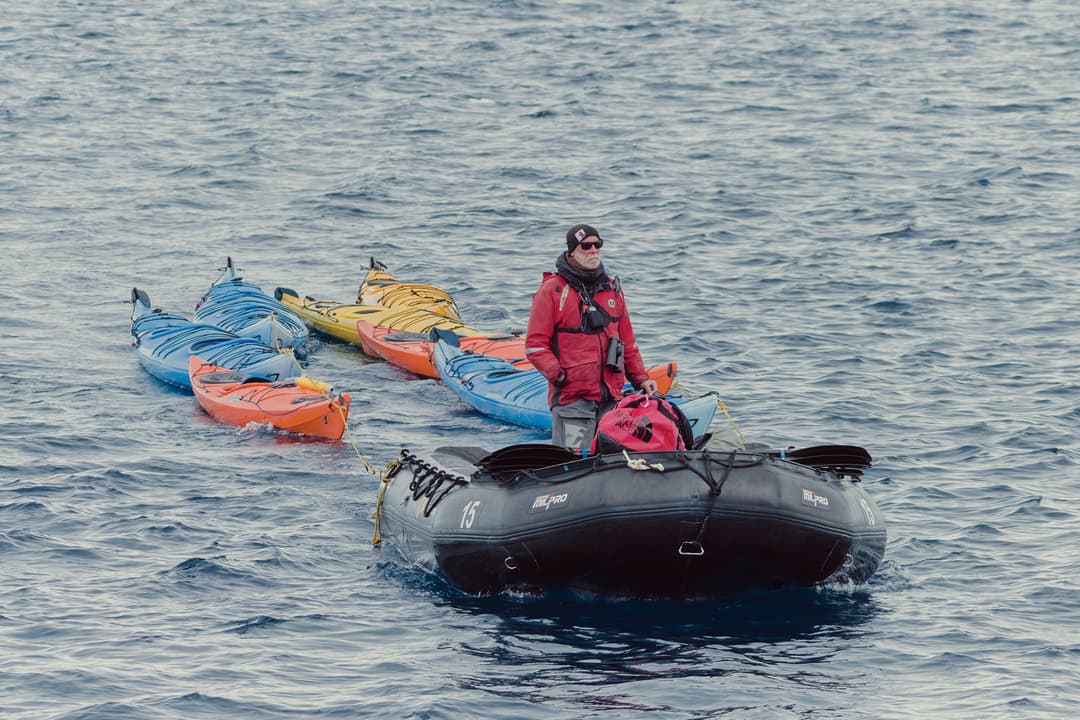


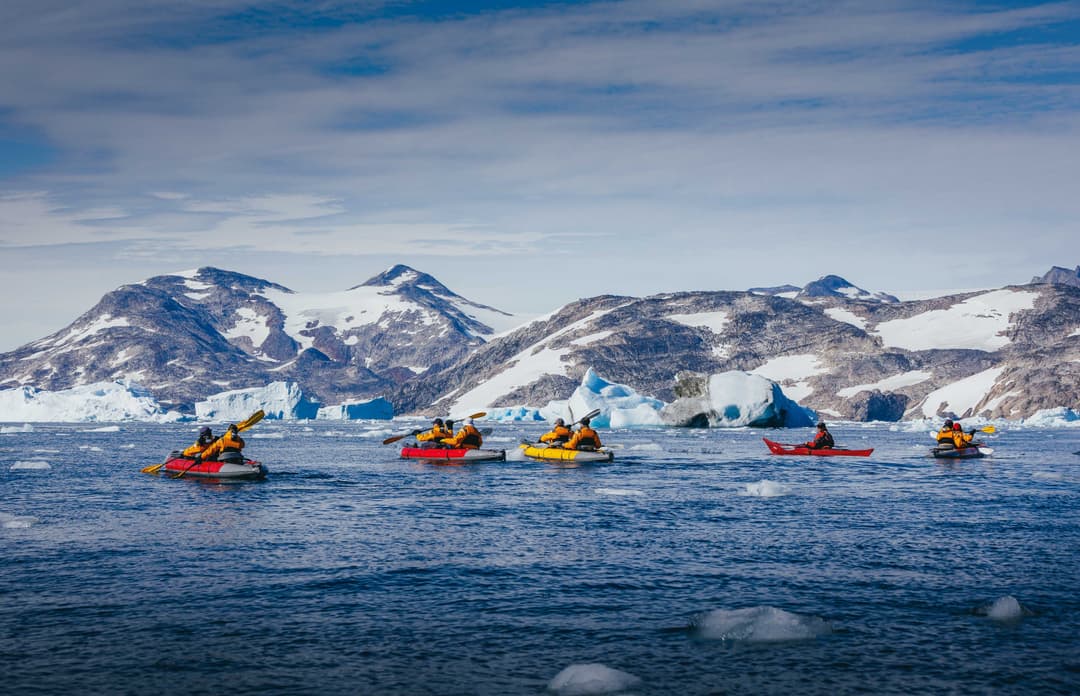
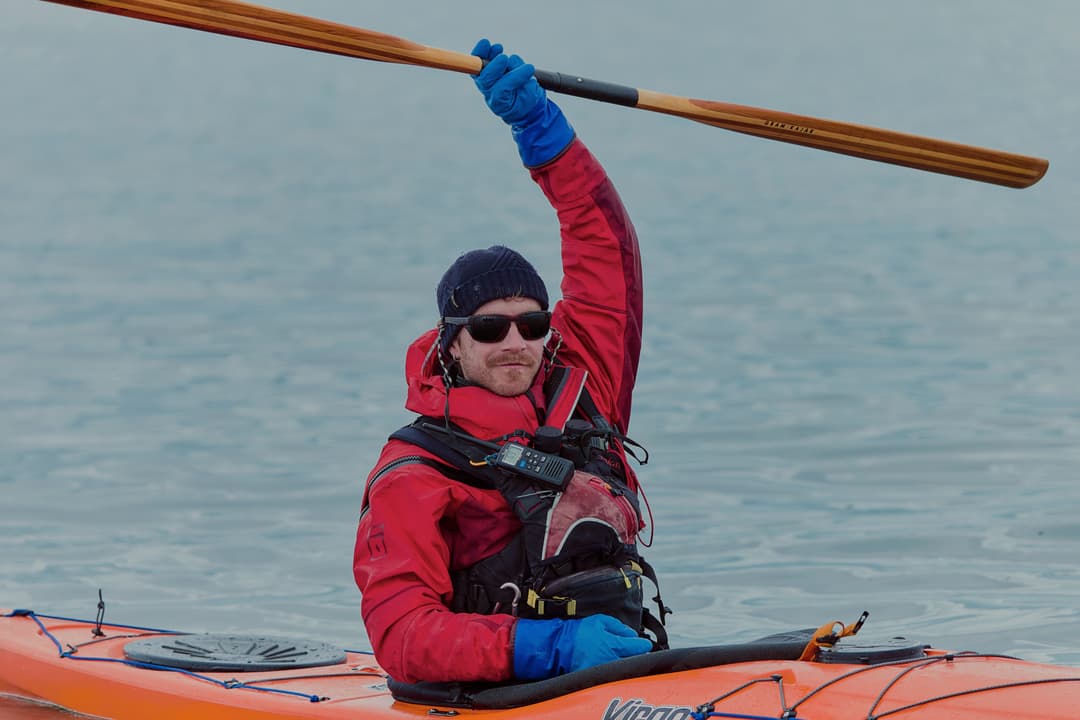
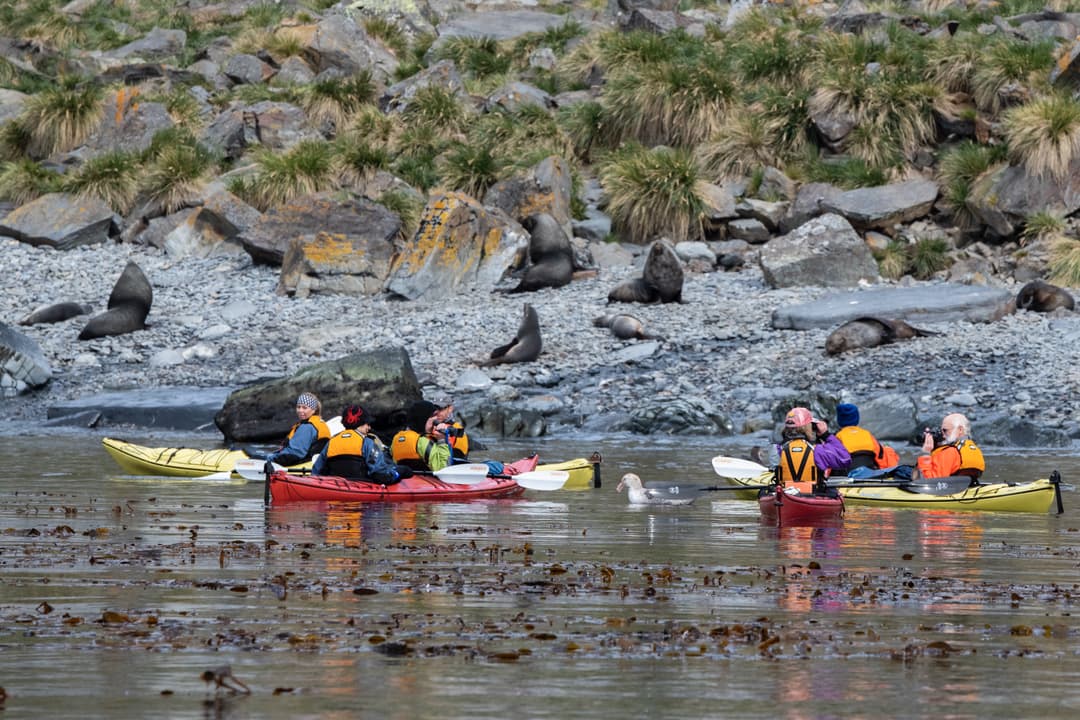
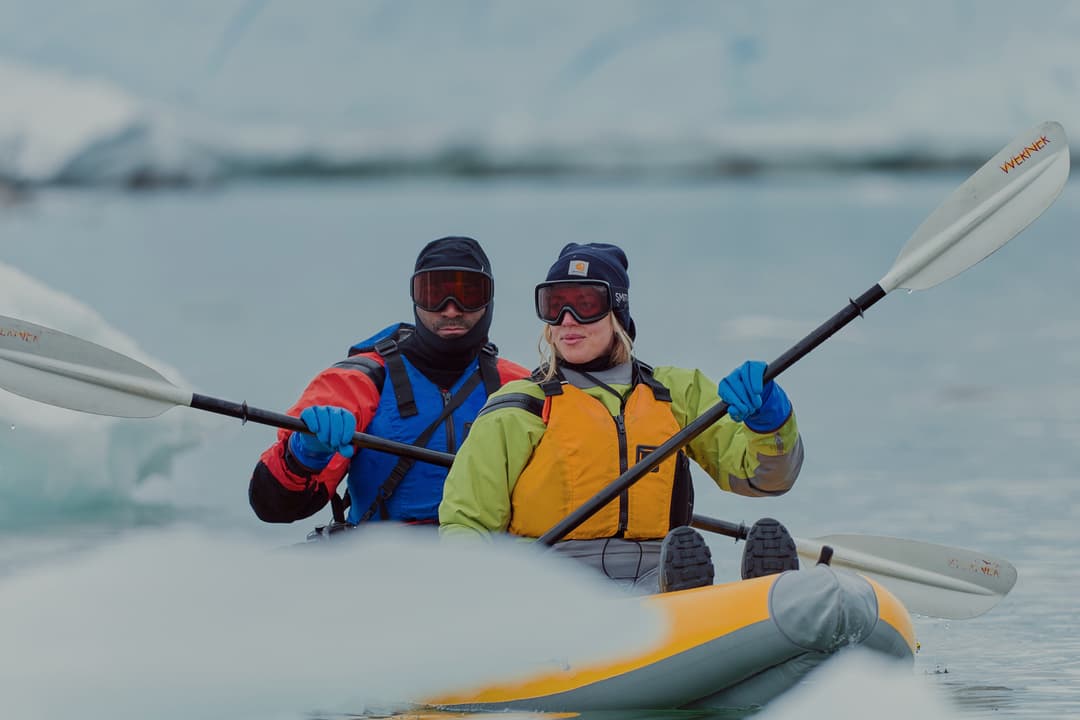
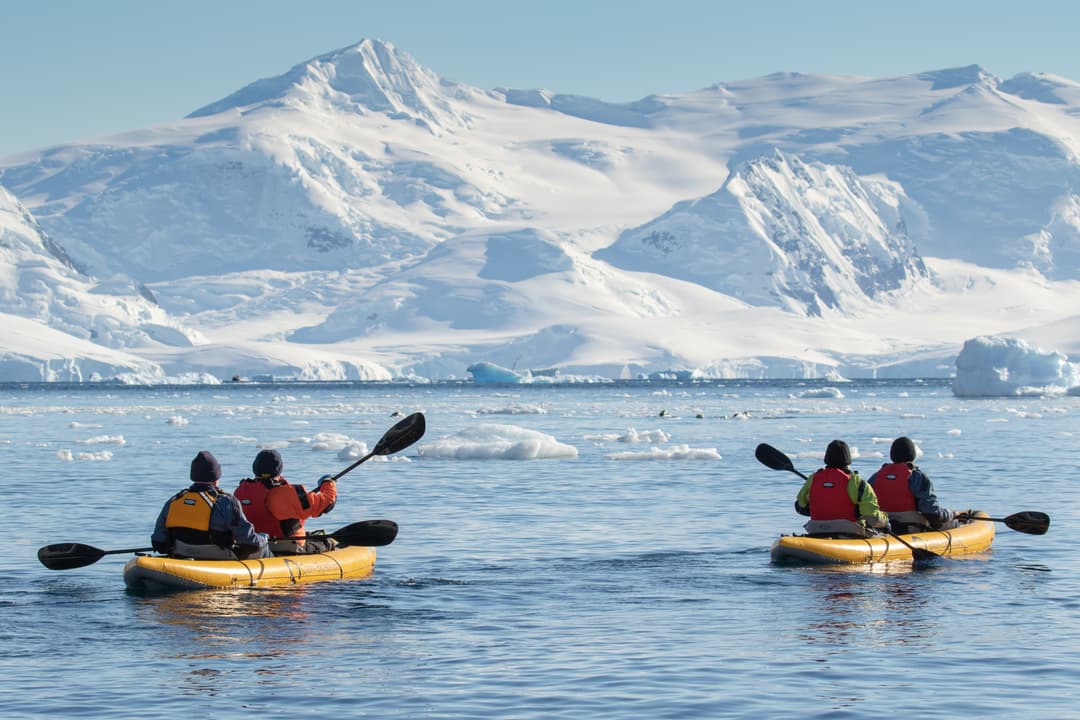
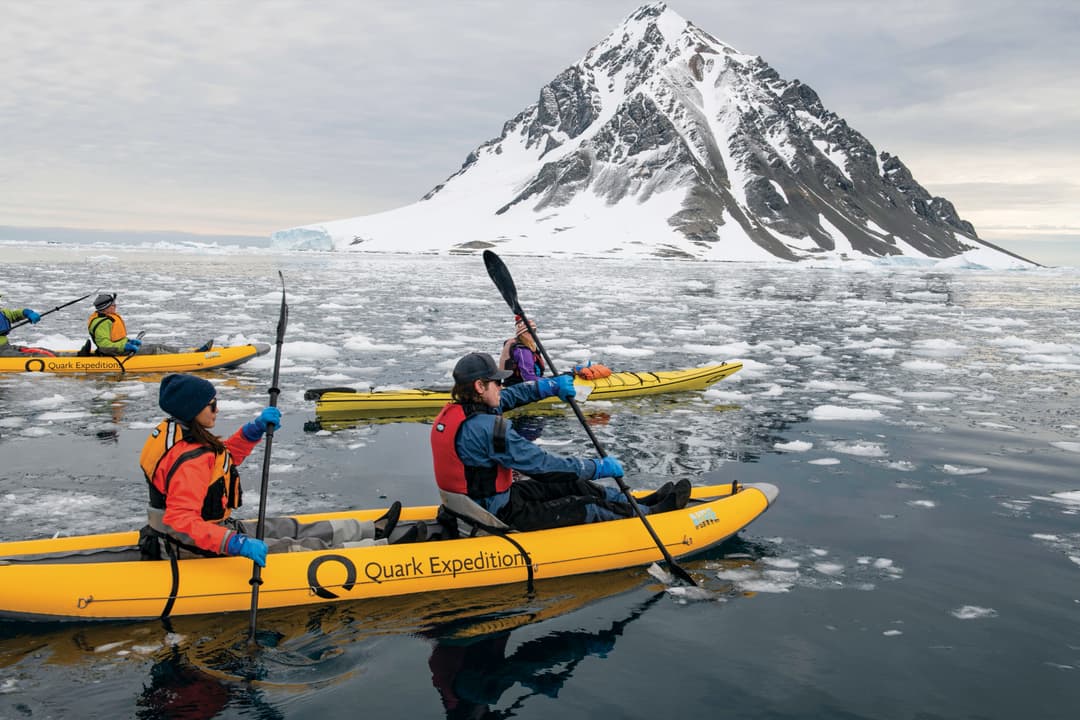
The kayak adventure option is open to all levels of experience. However, it is highly recommended that you have some sea kayaking related experience prior to kayaking in the polar regions with Quark Expeditions. Our sea kayaks are the ideal means by which to slow down and connect with the pristine natural environments and surroundings.
Positioning yourself in the seat of a kayak is one of the most intimate ways travelers can conn....




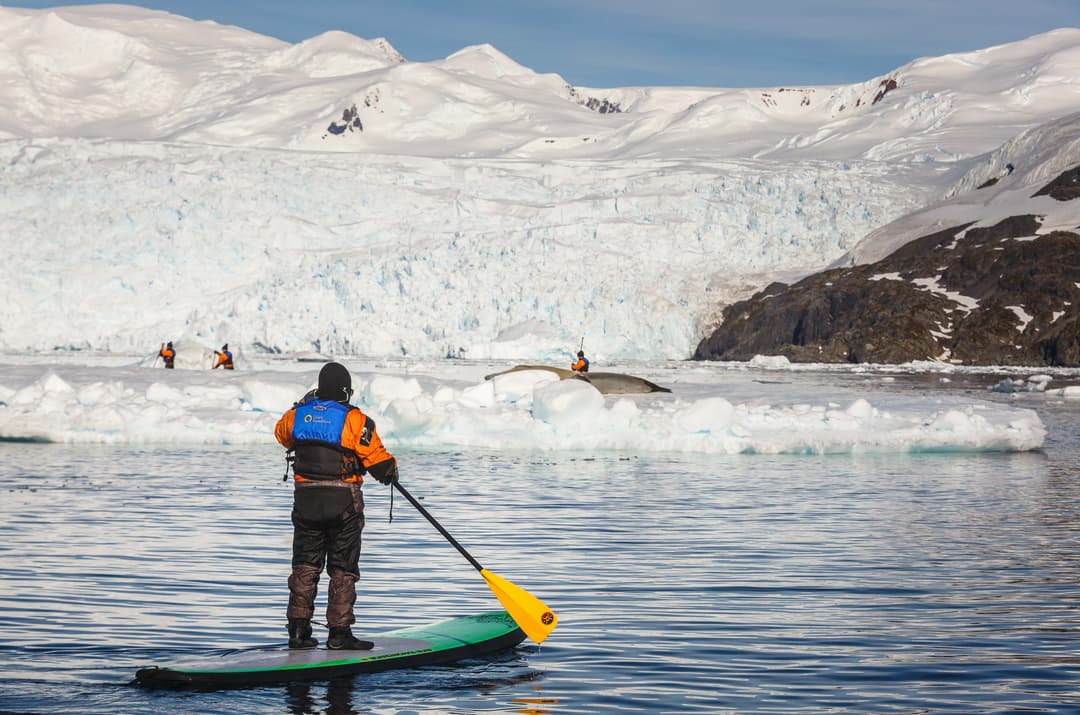
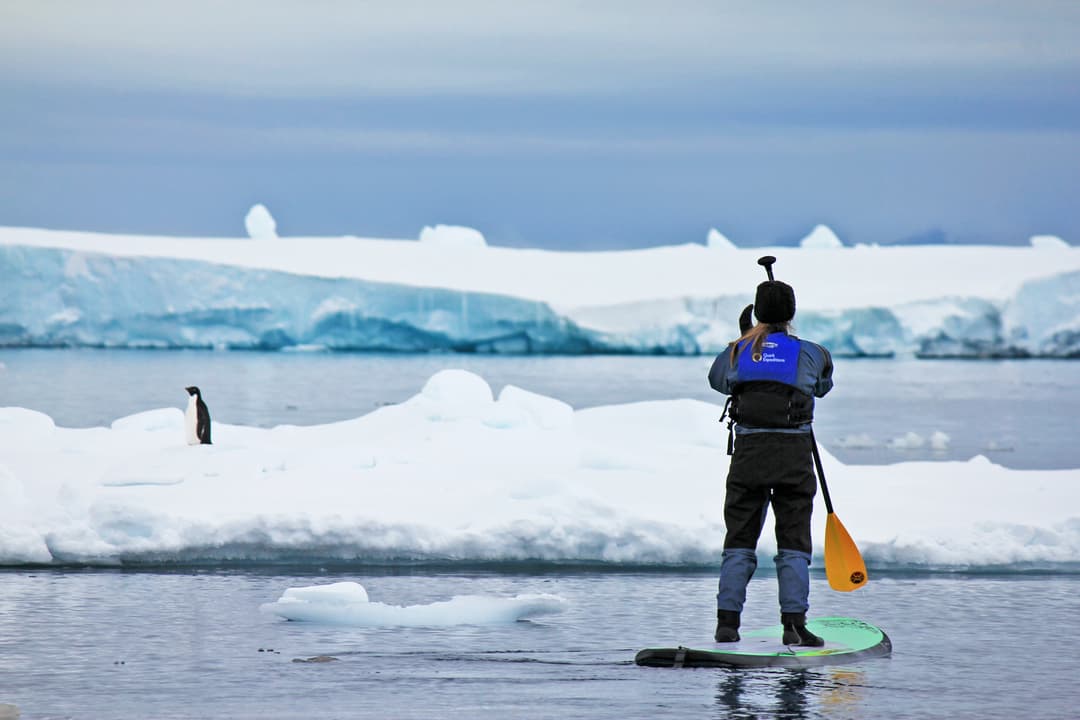
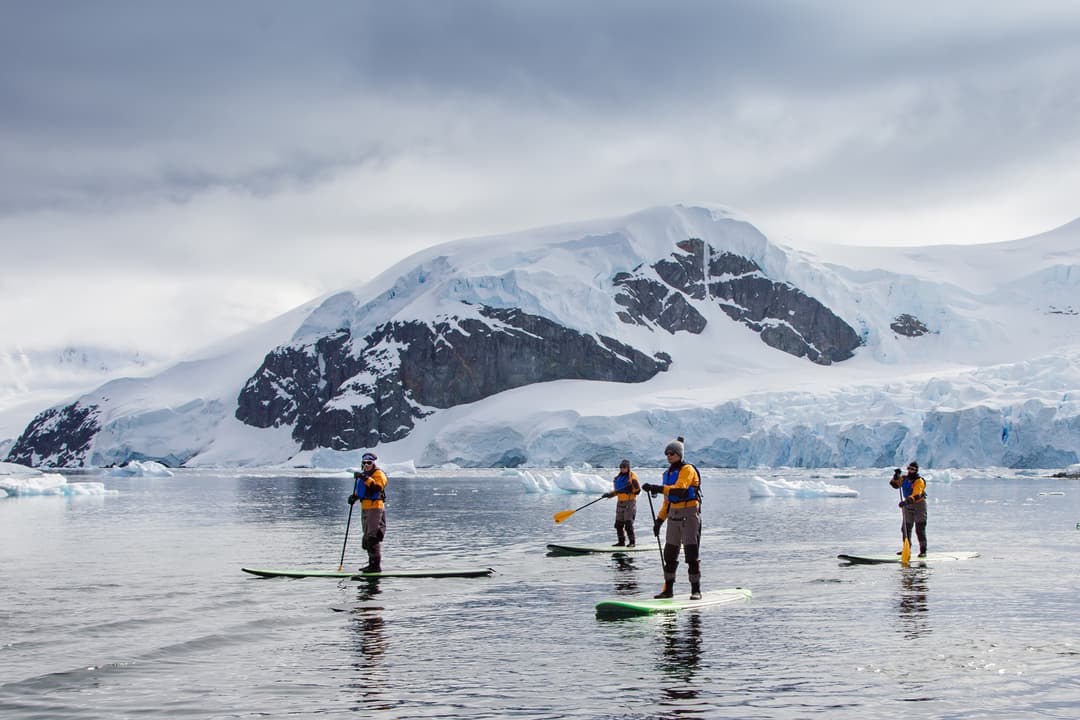
Stand-up Paddleboarding, popularly known as SUPing, originated in Hawaii. Quark Expeditions is the first company to bring this watersport all the way to Antarctica.
SUPing combines the immersive experience of kayaking but in a standing position. Participants, if they prefer, can kneel, sit or even lie down and stare up at the azure Antarctic sky. Because of their wide base and tail fins, SUP boards are quite stable, enabling participan....
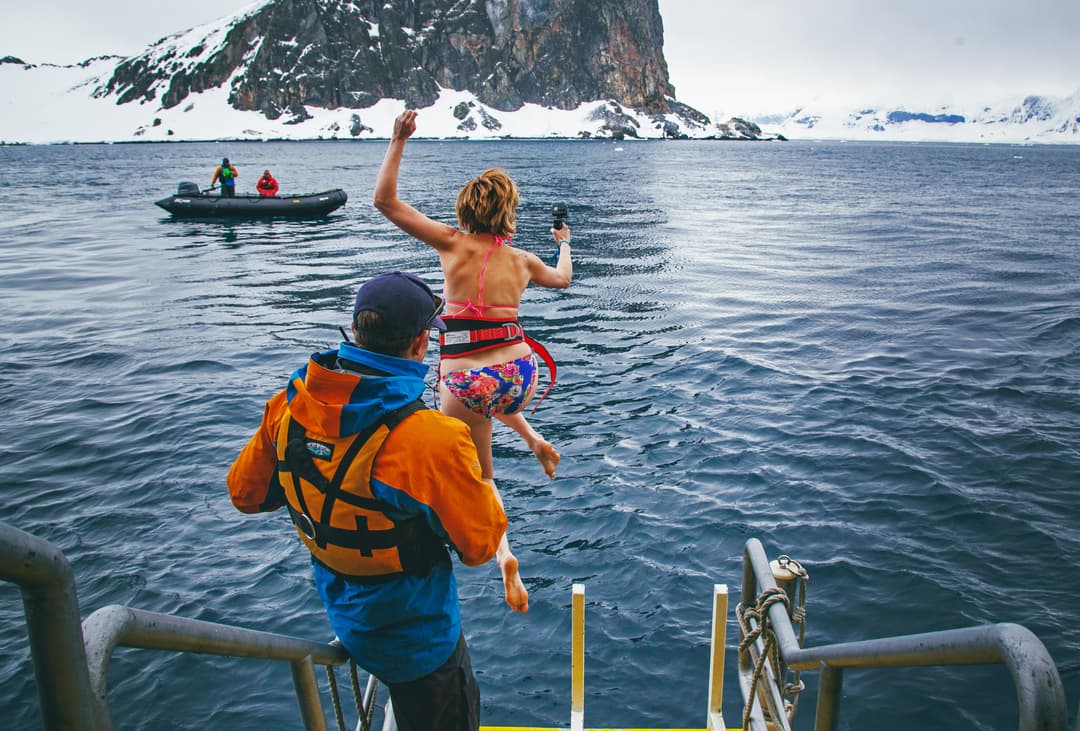
The Polar Plunge is scheduled once during each voyage. Throughout the journey, the Expedition Leader and Captain constantly monitor conditions in order to choose the optimal time and location. The Polar Plunge sometimes takes place onshore or, in many cases, from the gangway or Zodiac. All participants wear a tethered harness and plunge into the polar waters from the side of Zodiac or safety of the gangplank cheered on, of course, by fellow pa....
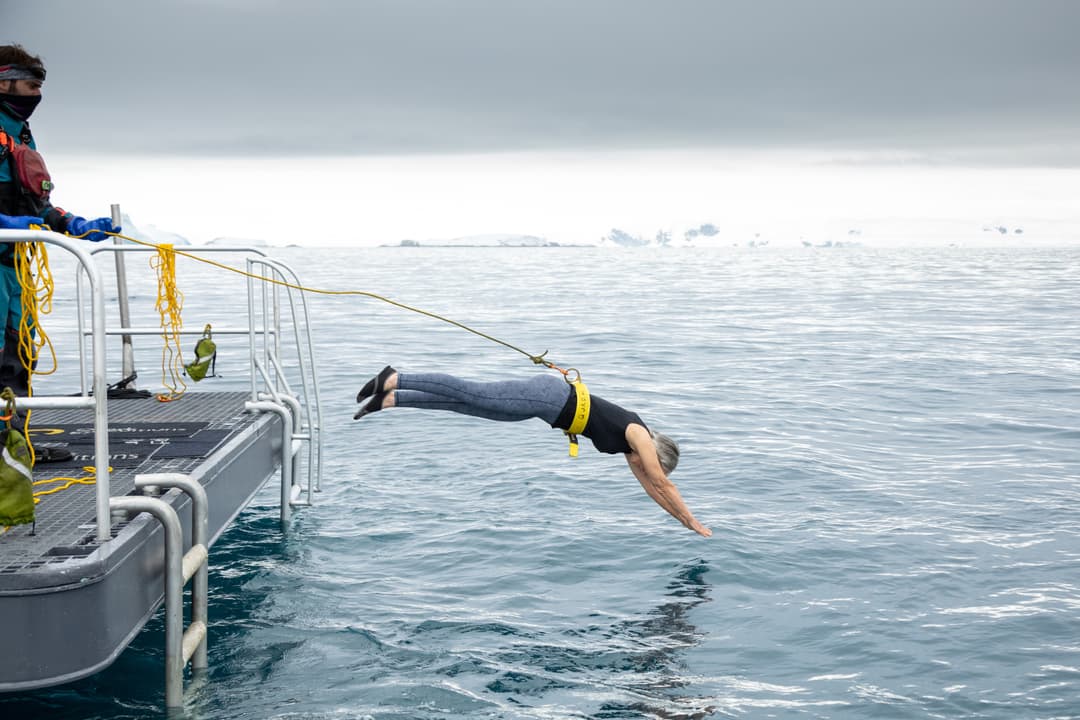
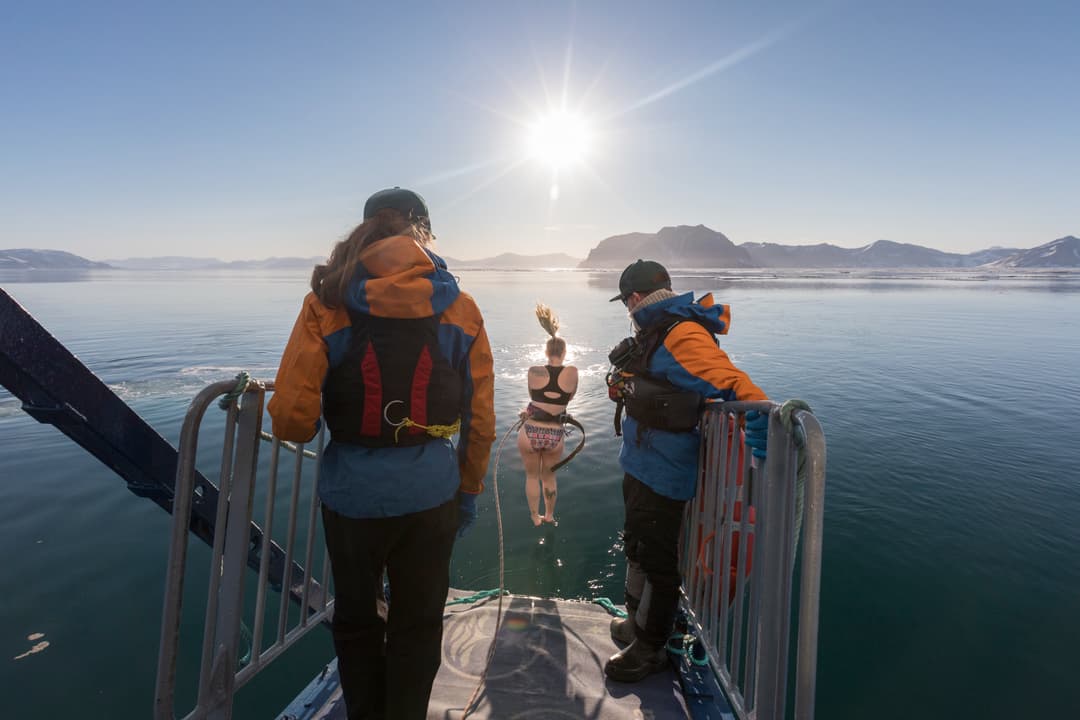

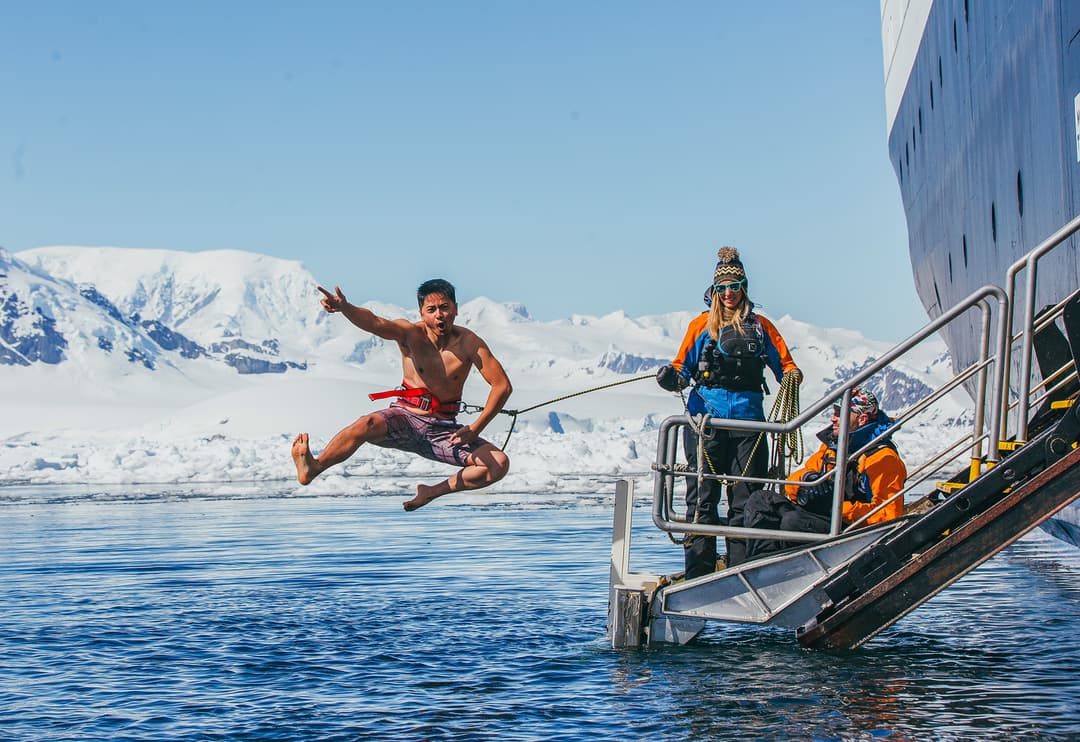
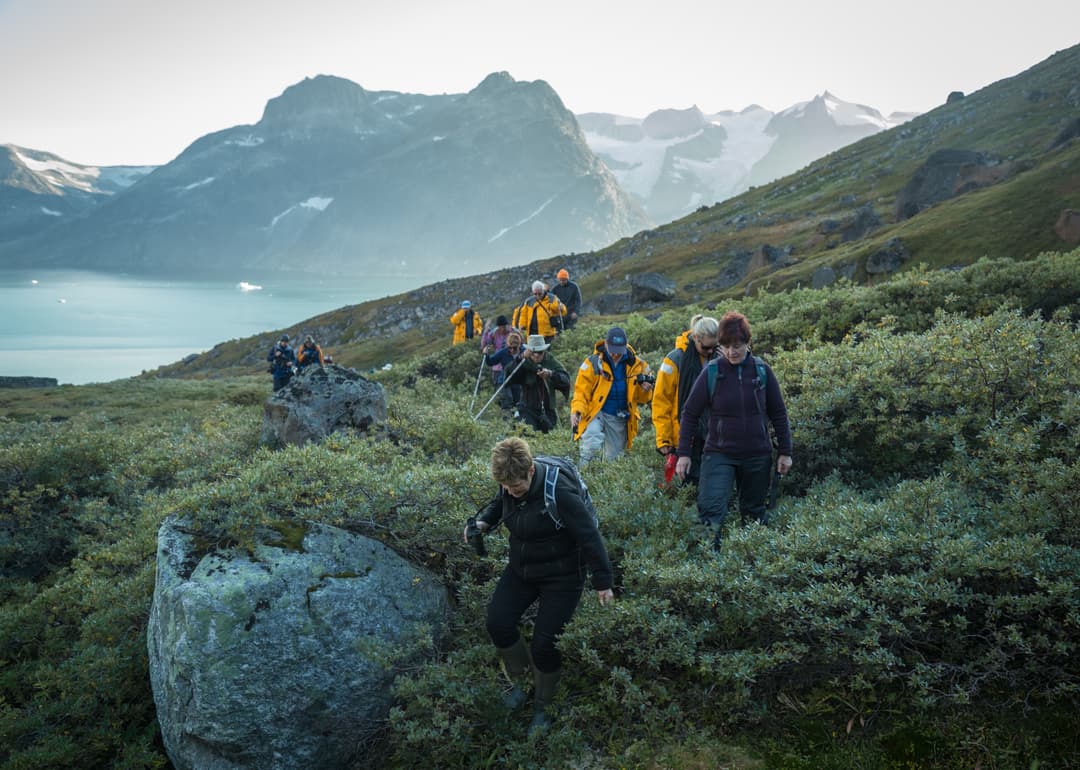
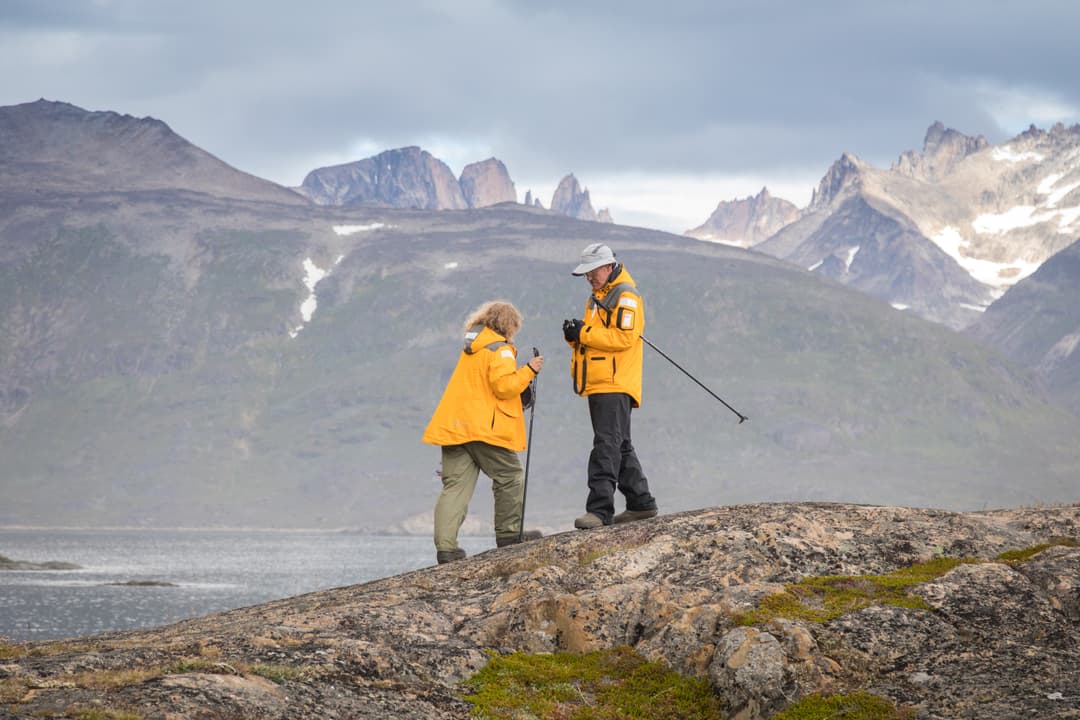
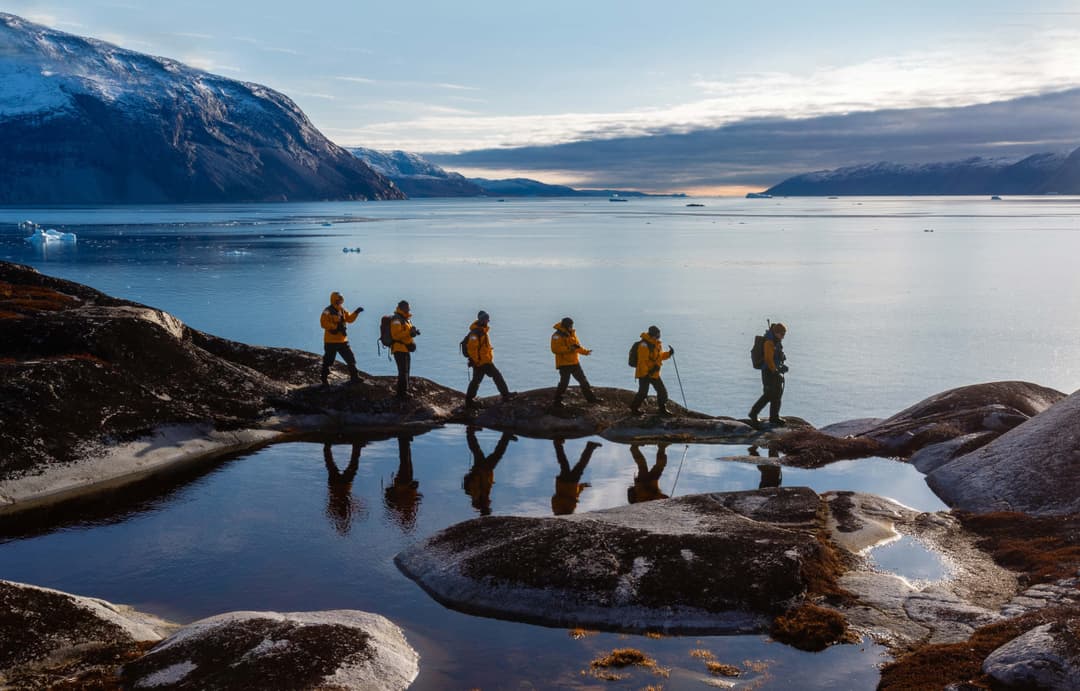
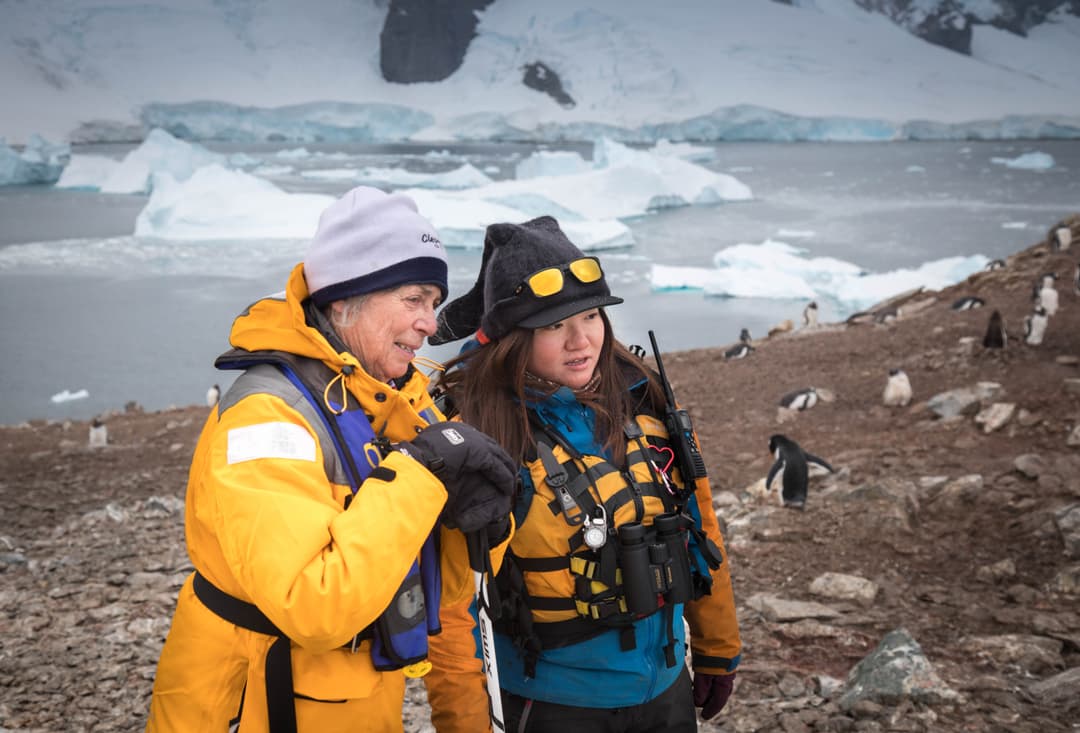
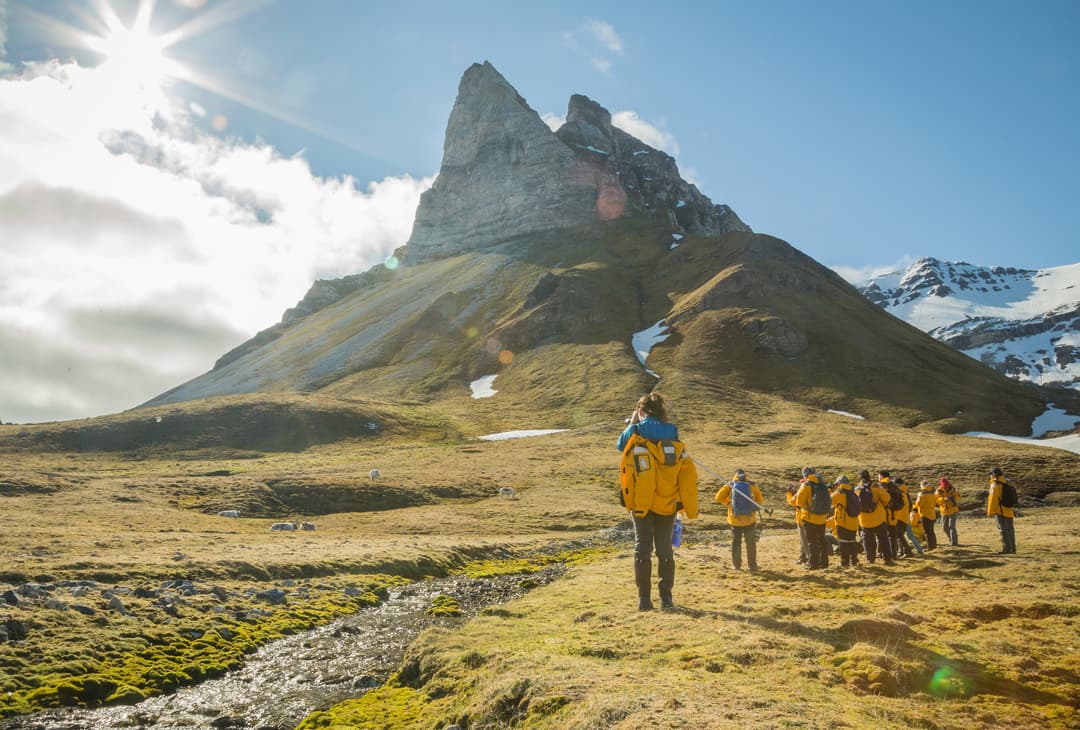
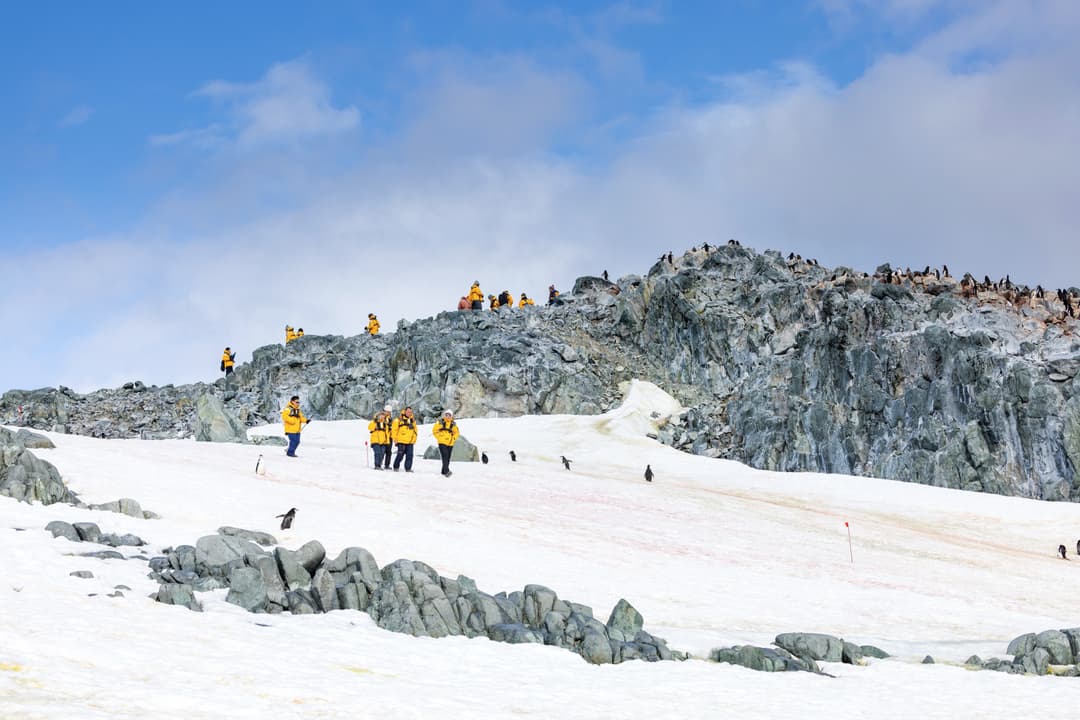
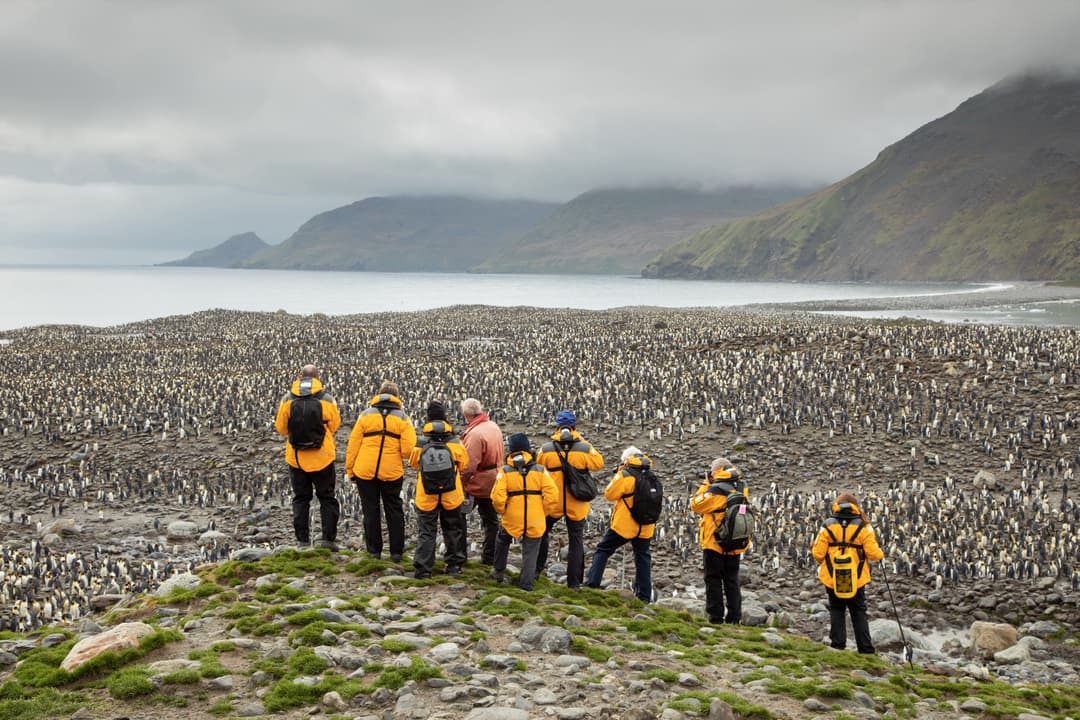
Hiking in the polar regions differs from your typical trail experience. Here, in a tree-less terrain, you are the tallest figure on the landscape as you walk over spongy tundra, crusty snow or sandy beaches in remotes parts of the Arctic and Antarctica. Stepping ashore anywhere in the polar regions means you’re not a distant observer.
Our organized hikes range from short jaunts to the top of lookouts or visits to see wildlife or longer w....




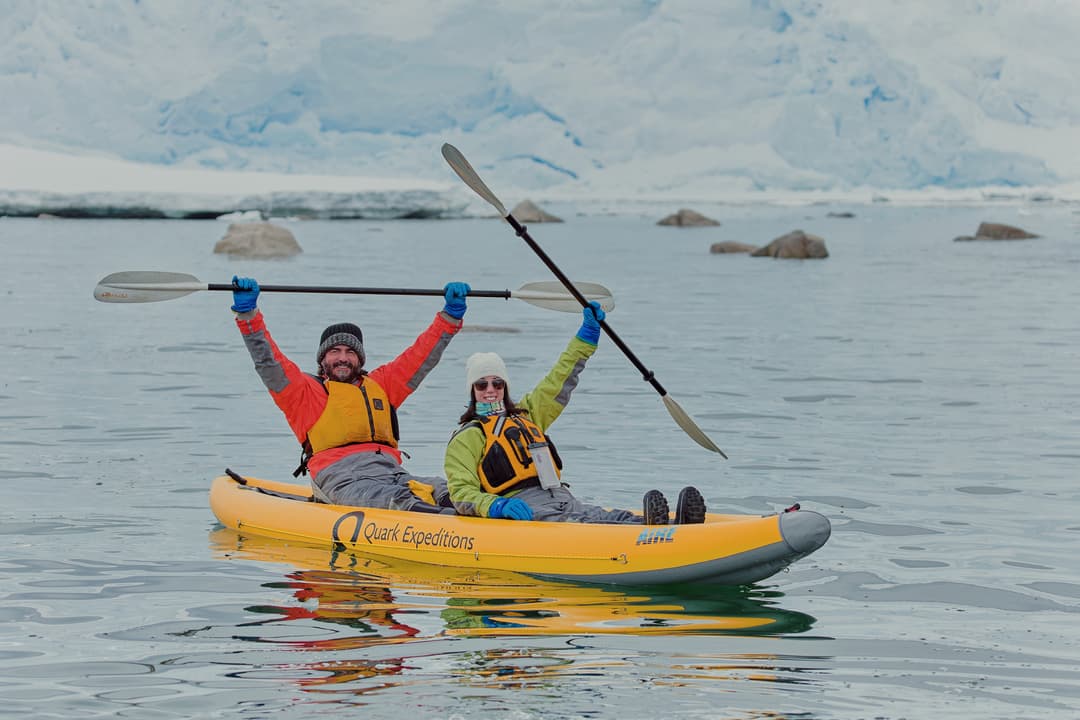
Explore the ocean from a more intimate vantage point on a sit-on-top kayak. No experience is required to manoeuvre these very stable kayaks, allowing you to enjoy an unforgettable experience on the water, taking in breathtaking landscapes and wildlife. Whether it’s your first time in a kayak or you want greater flexibility to try other Adventure options, this shorter excursion is for you.
Paddling in the Polar Regions is highly weather-d....
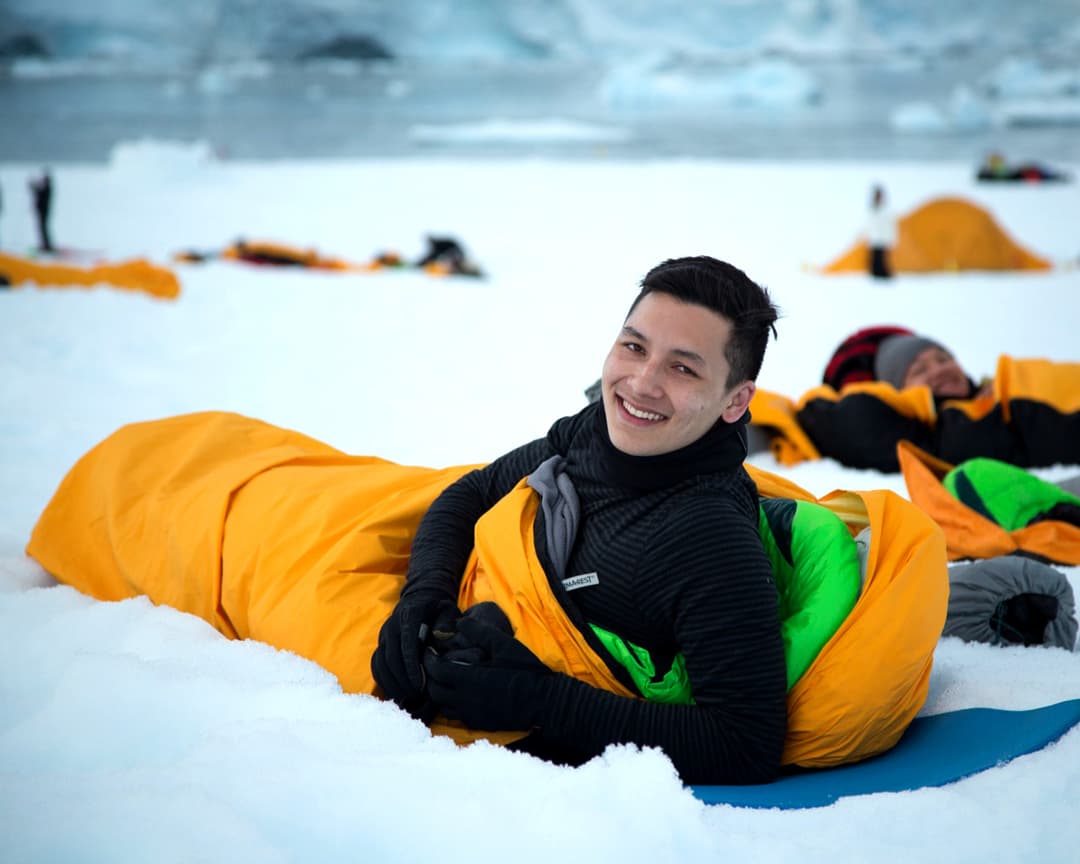
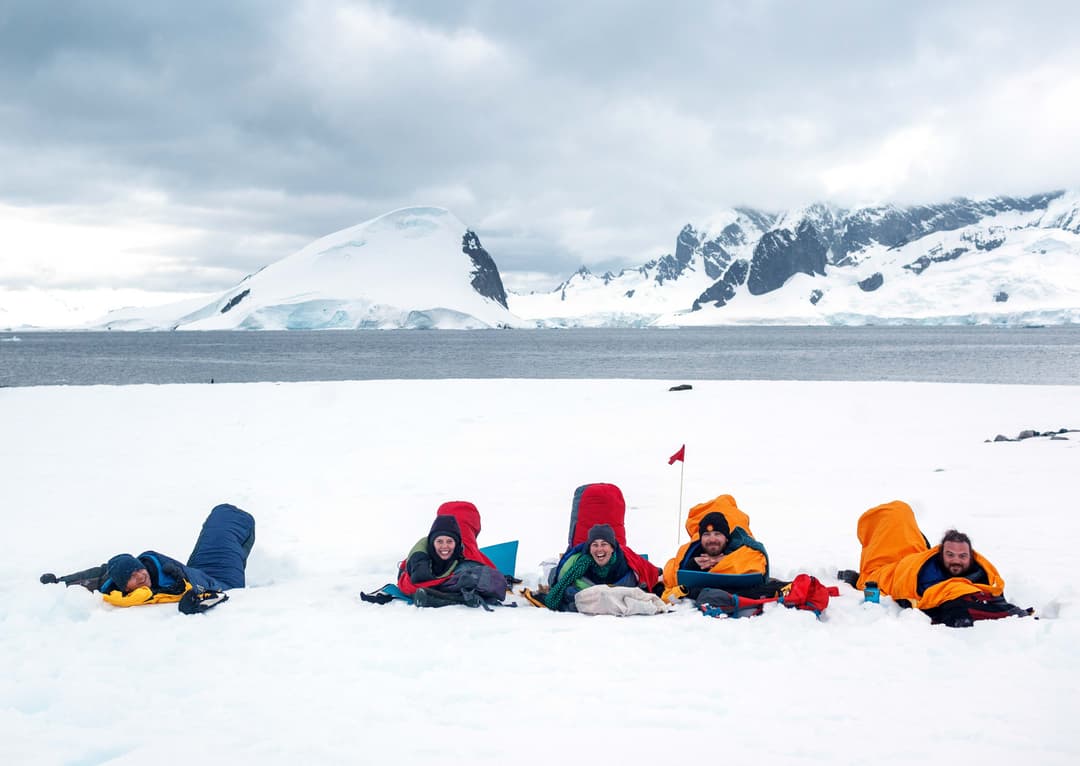
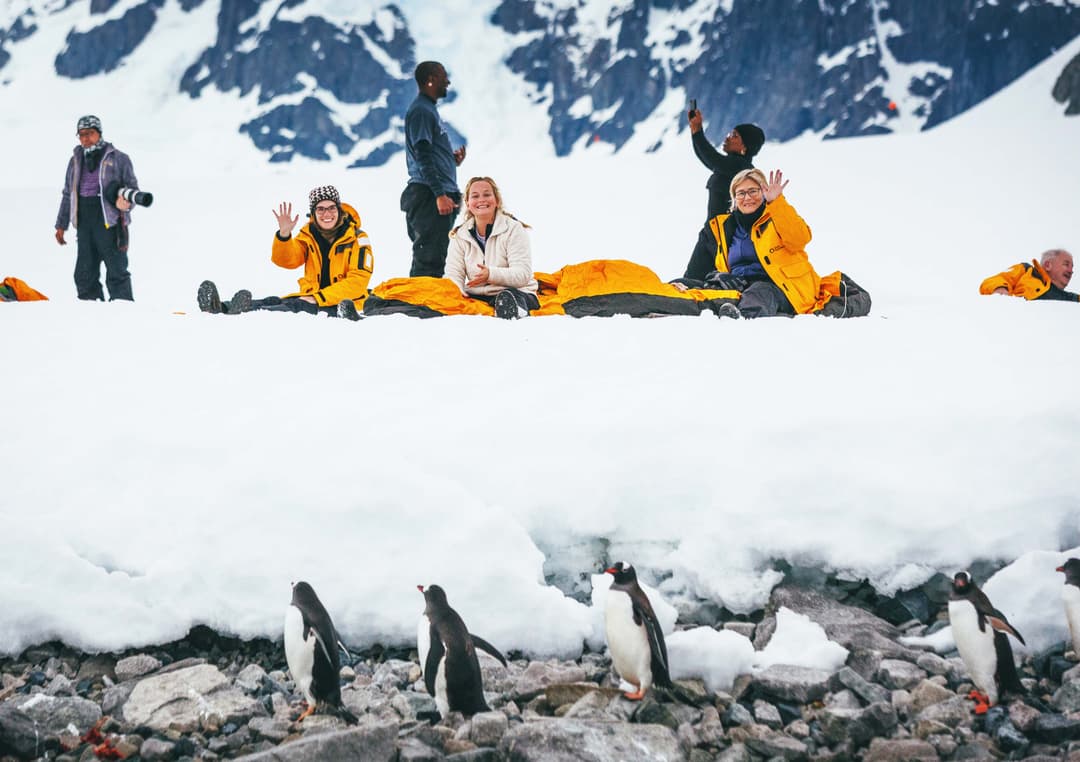
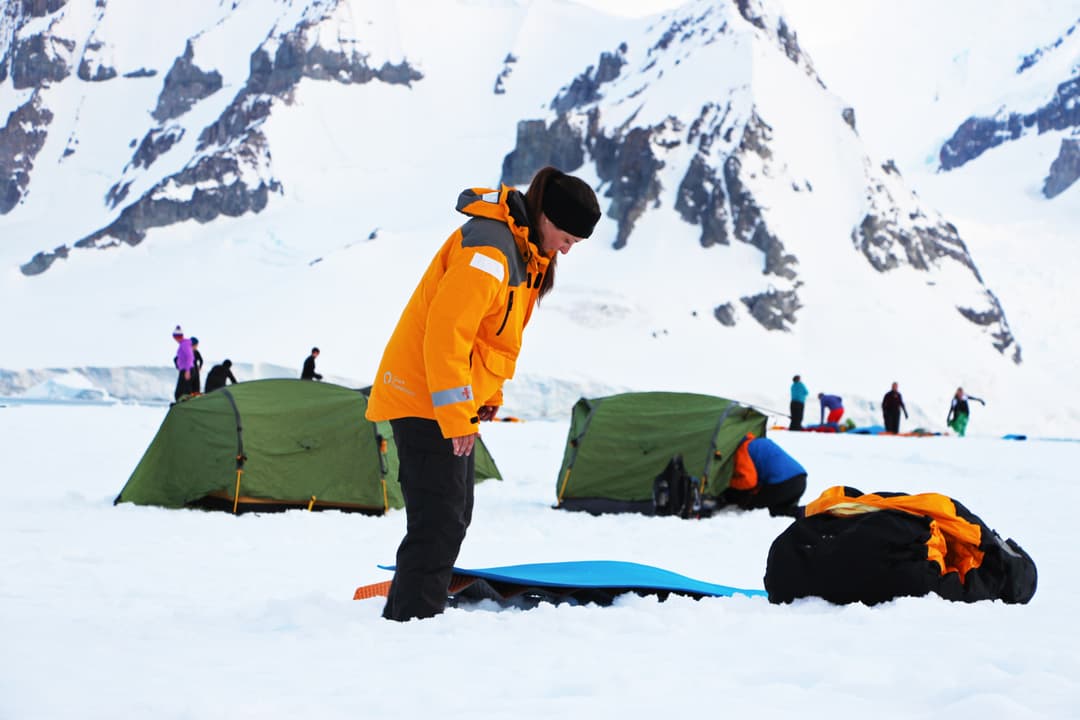
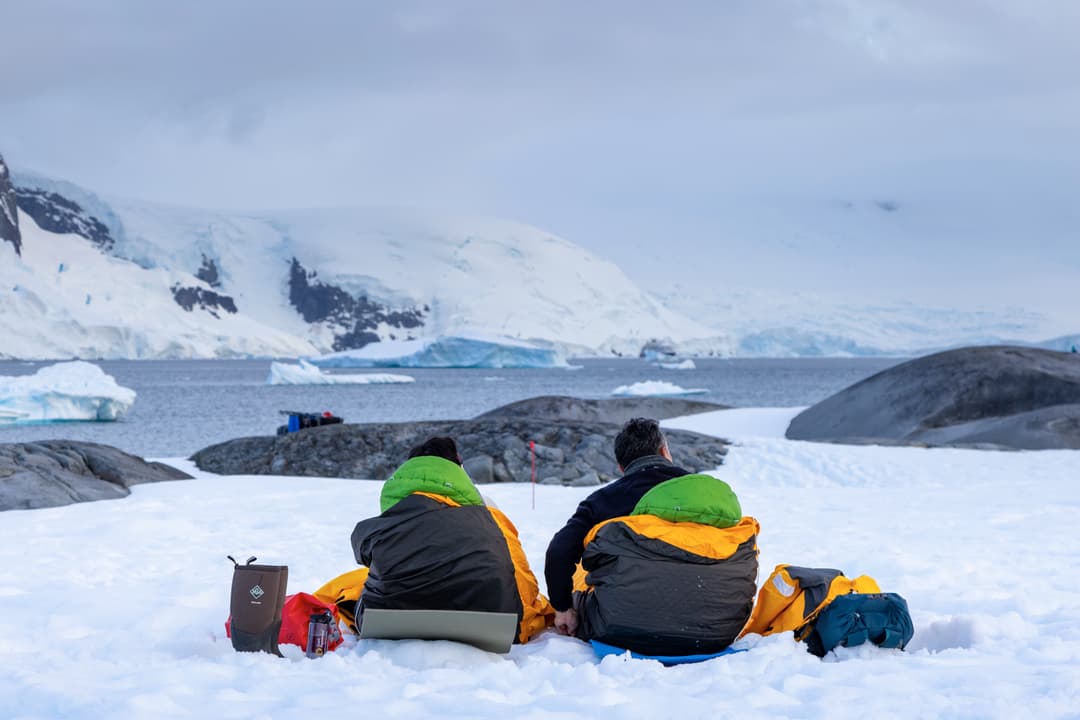
Imagine for a moment, staring at the stars in the indigo glow of an Antarctic night as you bed down for the night outside in the elements. The buzz of your daily life becomes a distant memory as you listen to the bray of penguin, the ethereal calls of the Weddell sea – even the exhalation of a humpback whale. And then you fall asleep.
Antarctic Camping with Quark Expeditions is an unforgettable experience. After dinner onboard, you'll be....

Loading...
Quark Expeditions provides an English-speaking doctor on board who manages a medical clinic stocked with a supply of common prescription medicines and basic first aid equipment.
If you are under regular treatment for any ailment, you must bring a sufficient supply of medicine. We recommend that you pack an extra two weeks’ supply of medication in case of emergency. We cannot accept responsibility for not having a specific brand or type o....
To Wear on Board
- Comfortable casual clothing like lighter shirts, pants or jeans, etc. (in case the ship gets warm)
- Comfortable non-slip closed-toed, heelless shoes (flip flops, sandals or slip-on shoes should not be worn on board due to safety concerns)
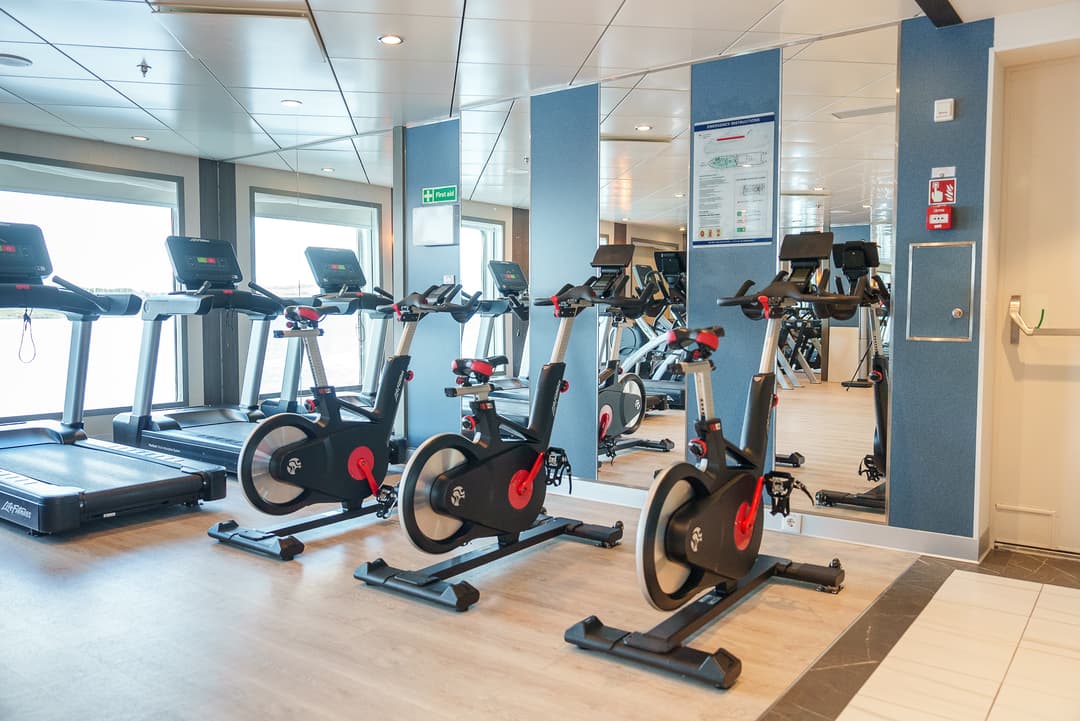
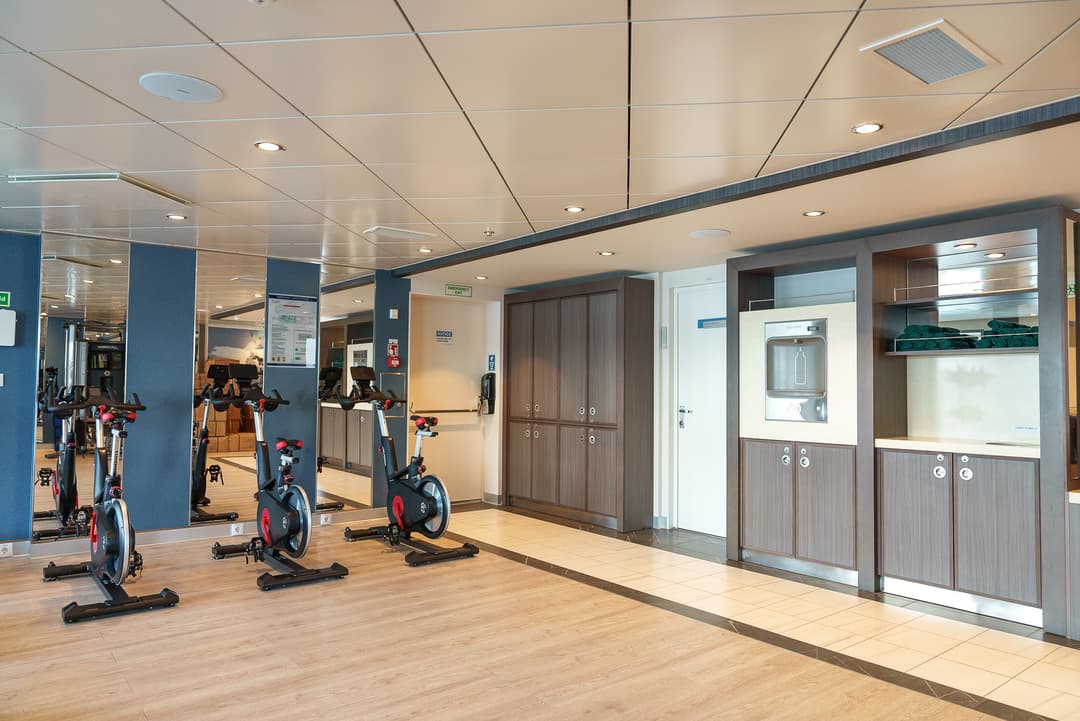
- Workout attire (for the fitness center and other indoor activities)
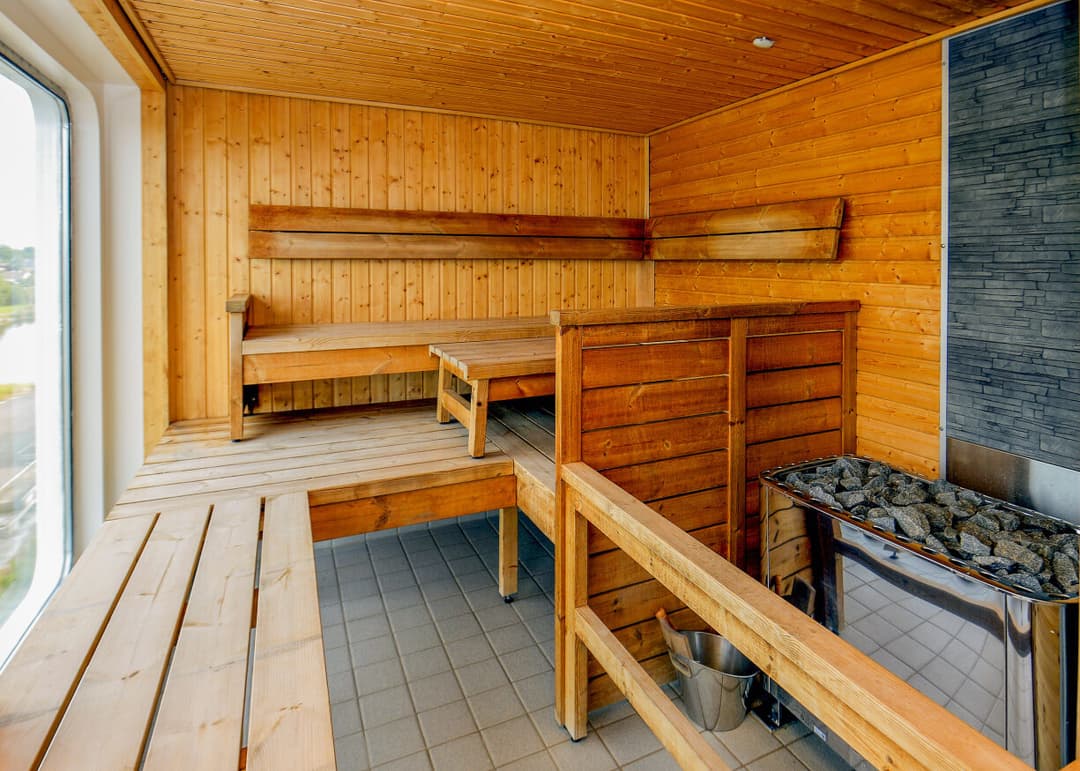
- Swimsuit (for the Polar Plunge! Some vessels may also have a pool, hot tub, sauna ....
All guests—including vegetarians, meat-eaters, as well as those who follow a gluten-free diet—will be equally impressed with the dining options on our ships. Quark Expeditions® is able to cater to most special dietary requests, as long as you clearly indicate your needs on the required expedition forms when you book your voyage. Menus will be clearly labeled for vegetarian and gluten free options, but please do notify your server of the dietar....
When you are not busy exploring the natural beauty of the Polar Regions, you may wish to connect with family and friends back home to share some of your voyage highlights. Guests on Quark Expeditions can now enjoy free Wi-Fi as part of our “Raise a Glass and Stay Connected Free” program. This complementary Wi-Fi service permits basic Internet browsing and voice applications.
Please note that we travel to some of the most remote parts of ....