

A United Kingdom: The Crown and the Clans
14-night polar expedition · 1 departure · from $8,748 per guest
- 14 nightsDuration
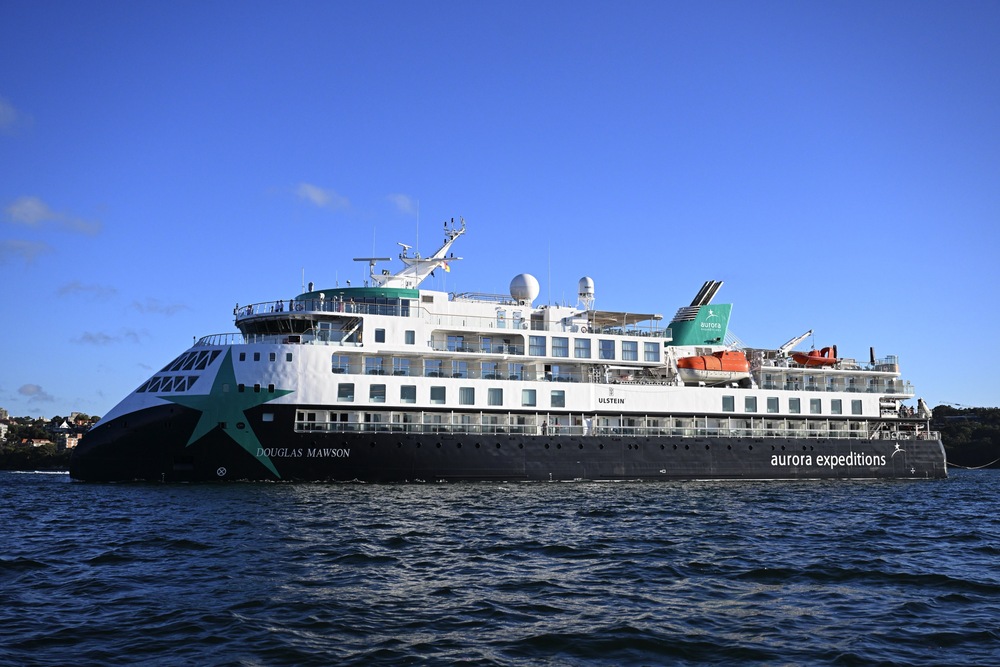
- Douglas MawsonShip
- London (Greenwich) to EdinburghRoute
- Jun 6, 2027Next sailing
Upcoming departures
| Sails | Ship | Nights | From (per guest) | |
|---|---|---|---|---|
| Jun 6, 2027 | Douglas Mawson | 14 | $8,748 | Cabins & fares |
Day by day
As planned for the Jun 6, 2027 departure; other departures may differ.
Day 1London (Greenwich)
Welcome to London. Upon your arrival, make your way to the Arrivals Hall to meet a representative from Vantage Explorations, followed by a transfer to our group hotel. At the hotel, visit our hospitality desk in the lobby to meet our team, who will provide you with useful information regarding pre-embarkation procedures and about your time in the UK. You will also receive Aurora Expeditions cabin tags for your luggage. Please clearly label the tags with your name and your cabin number on the ship. This evening offers time to relax in preparation for our ‘day out in London’ tomorrow. Our group hotel has a popular restaurant and is close to plenty of corner pubs and cosy restaurants should you wish to try some local cuisine. Accommodation: London Hotel (or similar)Day 2London Tower Bridge
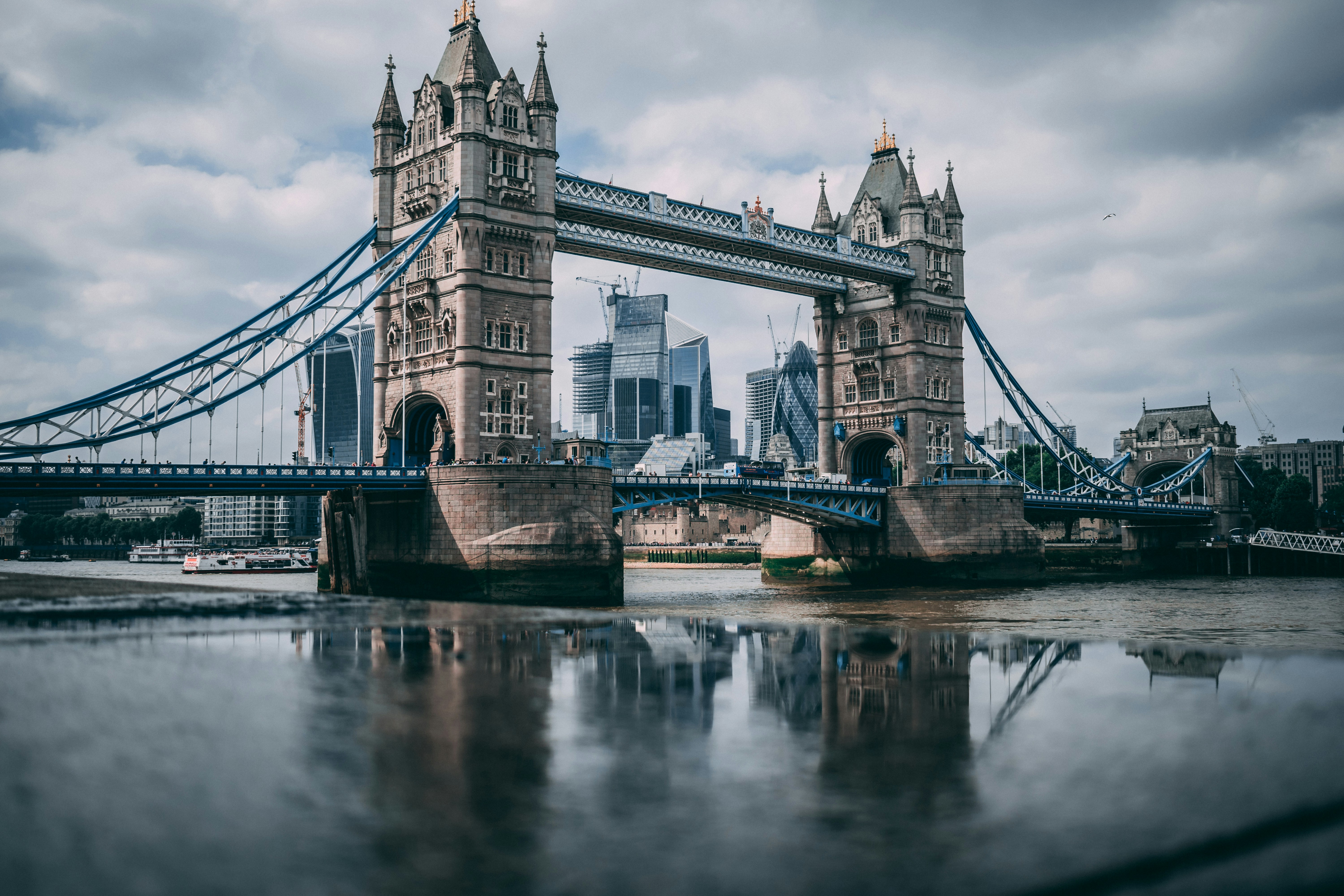
With its six royal palaces, numerous shops endorsed by royal charters, and a wealth of museums, galleries, and vaults housing treasures from the Crown Jewels to King Charles III himself, London indisputably embodies the essence of ‘the crown’. From the iconic coronation chair at Westminster Abbey to the stately Royal Mews, and the expansive parklands of St James’s Park, to countless pubs bearing royal names, every corner of London resonates with regal history, ensuring any ‘crown aficionado’ a right royal day out. With an abundance of royal sites to explore, the choice is yours today, when you activate your hop-on-hop-off bus pass to uncover the city’s regal history. Whether you prefer the open-top or traditional inside seating, this popular mode of transport offers a fully guided tour with stops at all the significant sites. From Buckingham Palace to the Tower of London, Westminster Abbey, and St Paul’s Cathedral, you will have the opportunity to visit numerous iconic locations that showcase the city’s rich royal heritage. This evening, join your fellow travellers and host at a right royal Welcome reception. Accommodation: London Hotel (or similar) Meals: Breakfast, Welcome reception (drinks and canapés)Day 3Portsmouth
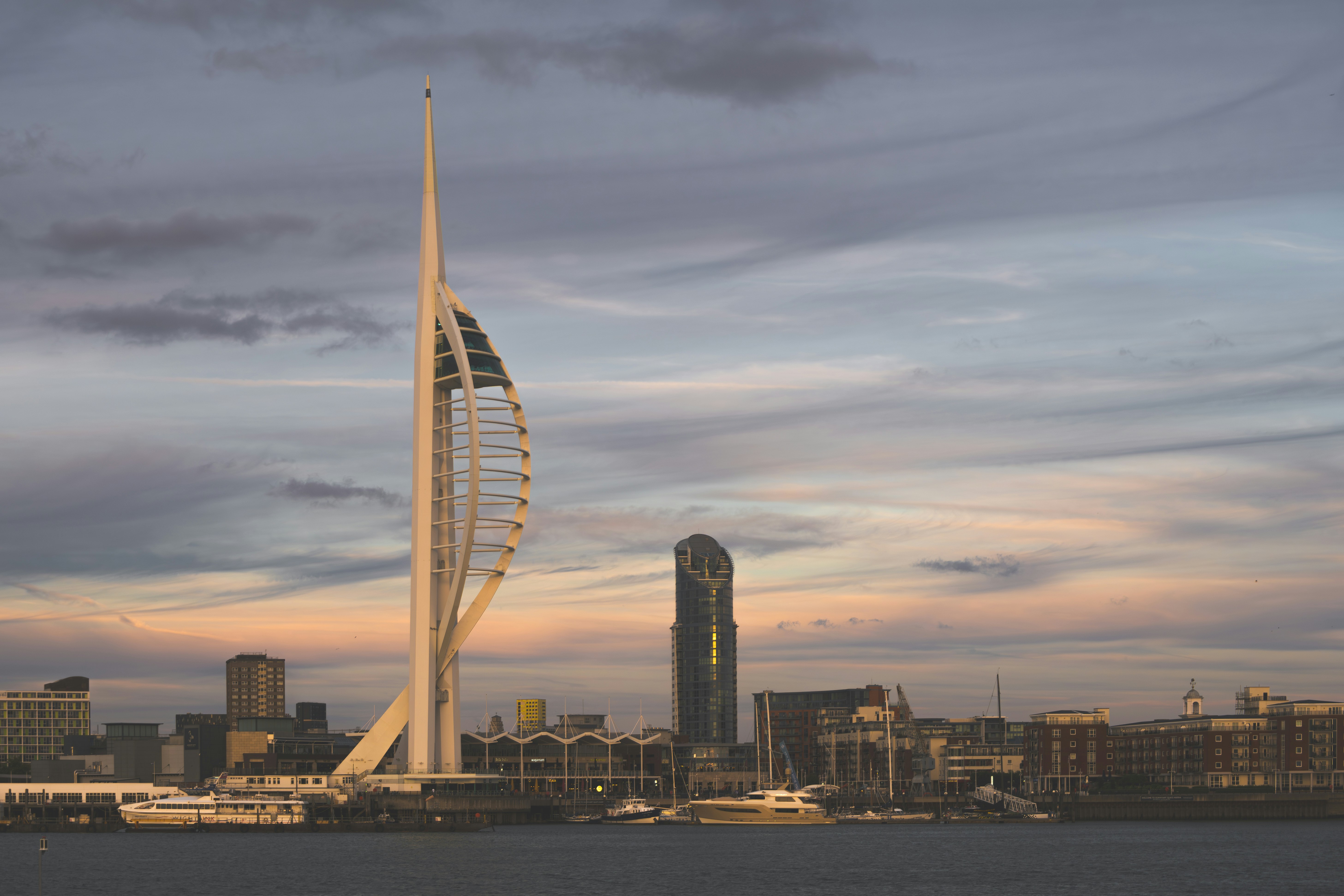
Enjoy a leisurely breakfast before we begin our transfer to the naval city of Portsmouth. Our journey takes us on a regal route with a visit to the town of Royal Windsor, where we visit King Charles III’s weekend retreat; Windsor Castle. Windsor Castle stands as an iconic symbol of British royalty, recognised as the oldest and largest inhabited castle in the world. Initially constructed by William the Conqueror in the 11th century, it has been a royal residence for nearly a millennium. Its majestic architecture, profound historical significance, and role as a functioning royal palace make it a dream for royal aficionados. Throughout history, it has witnessed pivotal events, including rebellions and reprisals, births and burials, weddings and divorces, while during World War II, Windsor Castle provided crucial refuge for the royal family, safeguarding them from the London bombings. In 1992, a devastating fire almost destroying several galleries complete with artwork, prompting Queen Elizabeth II to famously describe the year as her “annus horribilis”. Today, Windsor Castle remains an active royal residence. It continues to host state visits, ceremonial occasions and commemorations, perpetuating its legacy as an integral part of British heritage. A self-guided tour explores the State Apartments, St George’s Chapel, and the extensive grounds, all of which showcase the castle’s rich history and grandeur. For those looking to limit walking distances, Windsor itself offers plenty to enjoy at an easy, unhurried pace. This historic town is rich in heritage, with riverside restaurants, charming lanes, and a car-free high street lined with some of Britain’s most iconic shops. We continue our journey to Portsmouth, where your vessel Douglas Mawson awaits. In the late afternoon, embark your vessel and settle into your cabins before mandatory safety briefings. This evening, meet your crew at an onboard Welcome reception to celebrate the start of journey to remember.Day 4Guernsey
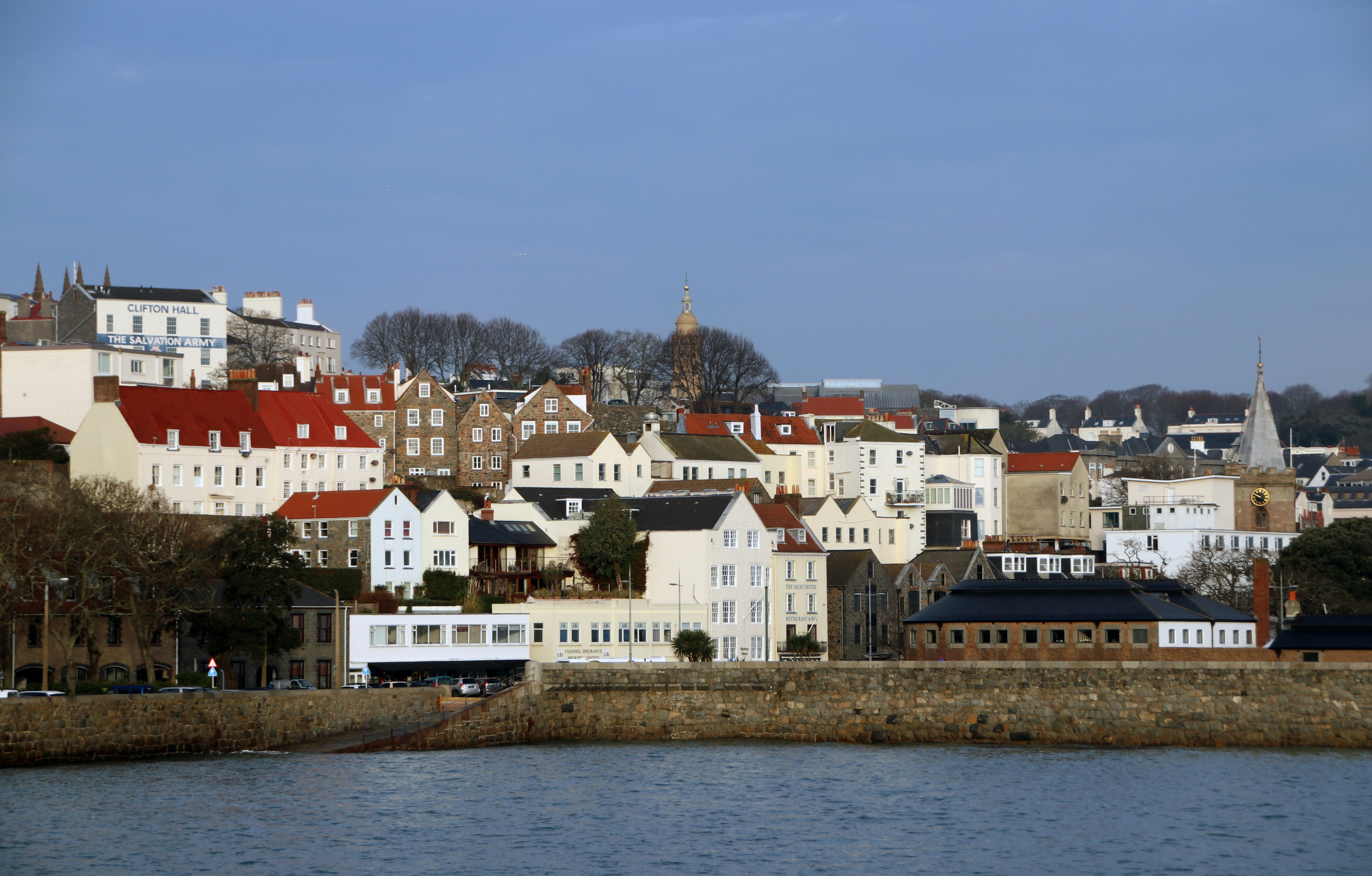
A mere 30 miles off the Normandy coast, the self-governing British Crown Dependency the Bailiwick of Guernsey, is one of the eight permanently inhabited strongholds of the Channel Islands. Despite being closer to France, Guernsey holds to its distinctive British character. When William the Conqueror, Duke of Normandy, became King of England in 1066, the Channel Islands, including Guernsey, became possessions of the English Crown. They have remained British Crown Dependencies ever since. Our morning ‘Your Choice’ experiences return to the ship for lunch, affording you an afternoon to wander the streets of St. Peters Port, with the ship berthed at the town’s centrally located port. Perhaps browse the shops, cake shops and quaint pubs, tour Castle Cornet or visit Victori Hugo’s 19th century home, before we set sail in the early evening.Day 5Plymouth
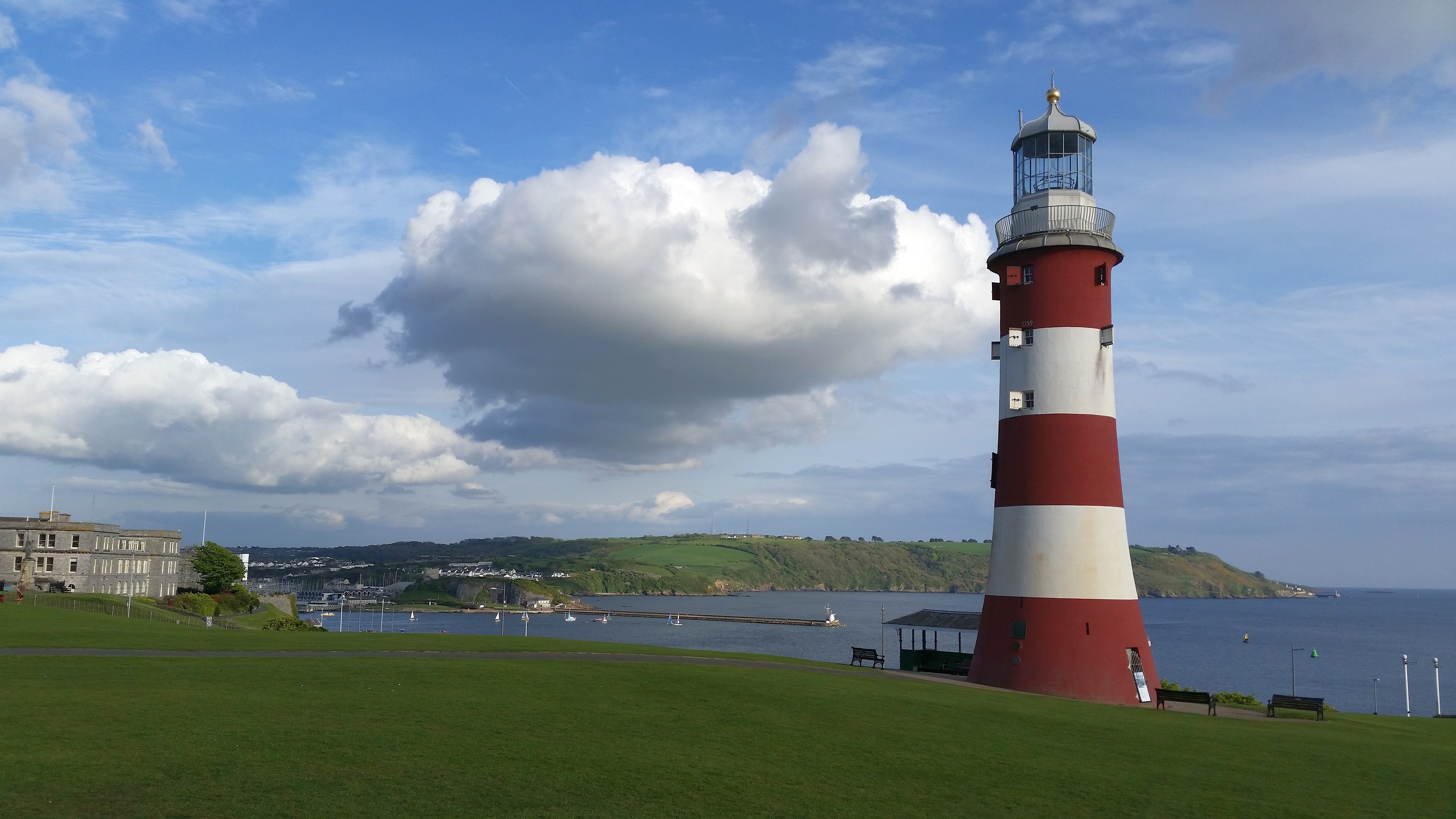
Today, we step ashore in a port steeped in maritime history and royal connections: Plymouth. This city’s rich legacy begins with the Mayflower, which set sail from Plymouth in 1620, carrying the first Pilgrims to America. Landing at Plymouth Bay, Massachusetts, this voyage marked a pivotal moment in Europe’s expansion to the ‘New World’, with over 30 million people today tracing their ancestry to its 102 passengers and crew from England and Leiden, Holland. Plymouth’s maritime heritage extends to Sir Francis Drake, a celebrated naval commander and explorer. Famous for circumnavigating the globe and defeating the Spanish Armada in 1588, Drake was knighted by Queen Elizabeth I aboard his ship, the Golden Hind, in Plymouth harbour. Over the centuries, Plymouth’s naval significance has deepened royal ties, with the late Duke of Edinburgh serving as Commodore-in-Chief for Plymouth. This enduring connection underscores Plymouth’s pivotal role in British naval history and its global influence. Choose to join a local guide on an exploration of their hometown of Plymouth or take a drive to the legendary Dartmoor National Park, before Douglas Mawson sails the Devonshire and Cornish coasts in the early afternoon.Day 6Falmouth
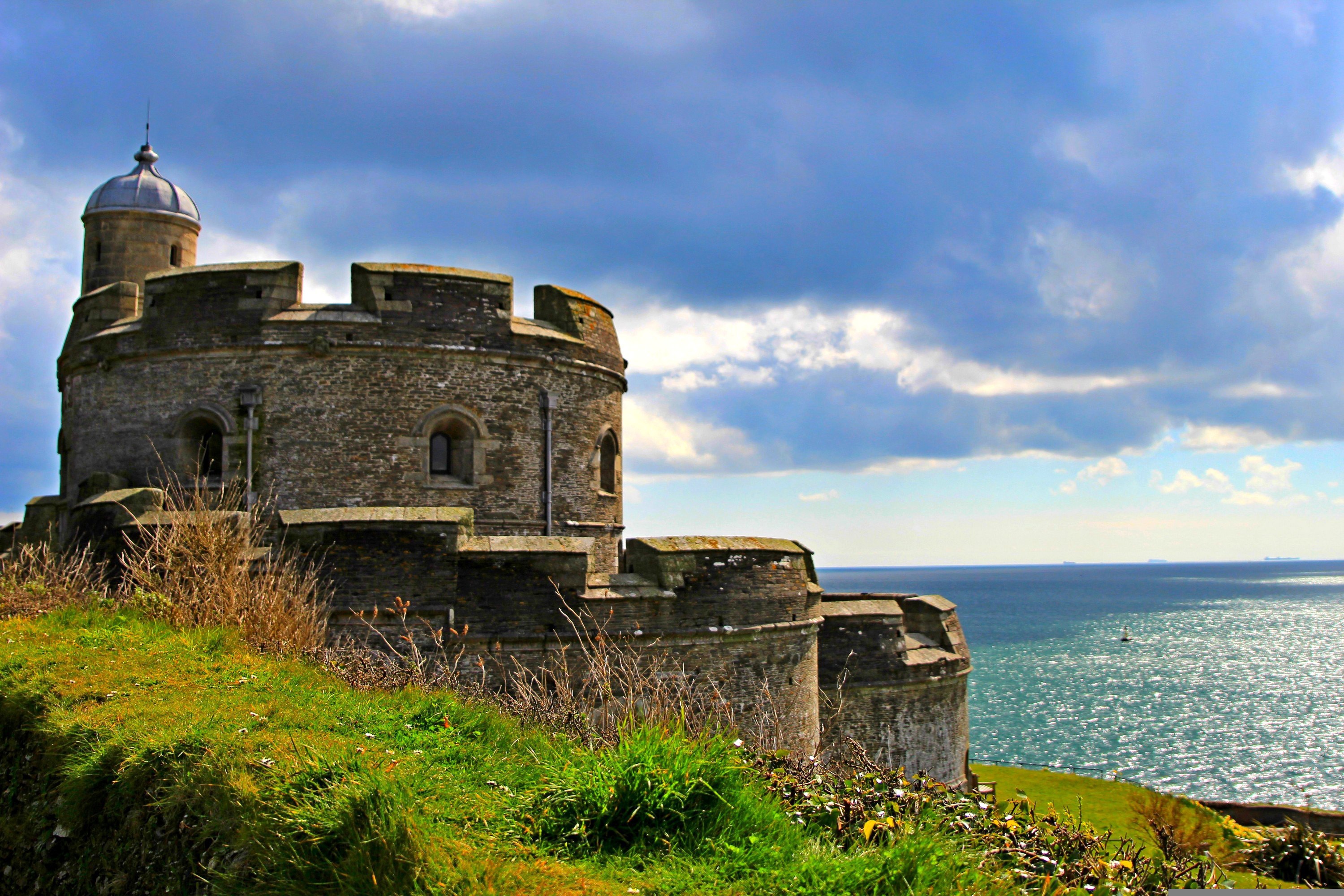
Sailing west, we arrive early morning at the quintessential British county of Cornwall. The seafaring folk of Cornwall have traditionally lived around the crags and coves of the county’s coastline in small villages that hug bays and cling to clifftops. Falmouth, with its rich maritime heritage, was established in the 17th century and played a crucial role in naval history, serving as a base for packet ships that carried mail across the British Empire. The town’s natural harbour facilitated its development as a significant maritime centre. Modern-day Falmouth is a vibrant community known for its maritime activities, including shipbuilding and fishing. Enjoy one of our ‘Your Choice’ experiences before exploring Falmouth at your own pace this afternoon with our small ship berthed right in town. Perhaps visit Henry VIIIs Pendennis Castle, shop for some souvenirs or try a Cornish scrumpy – that's cider to you and me, in one of the towns cosy pubs, with Douglas Mawson sailing north to Wales in the early evening.Day 7Day at Sea
Day 8Holyhead
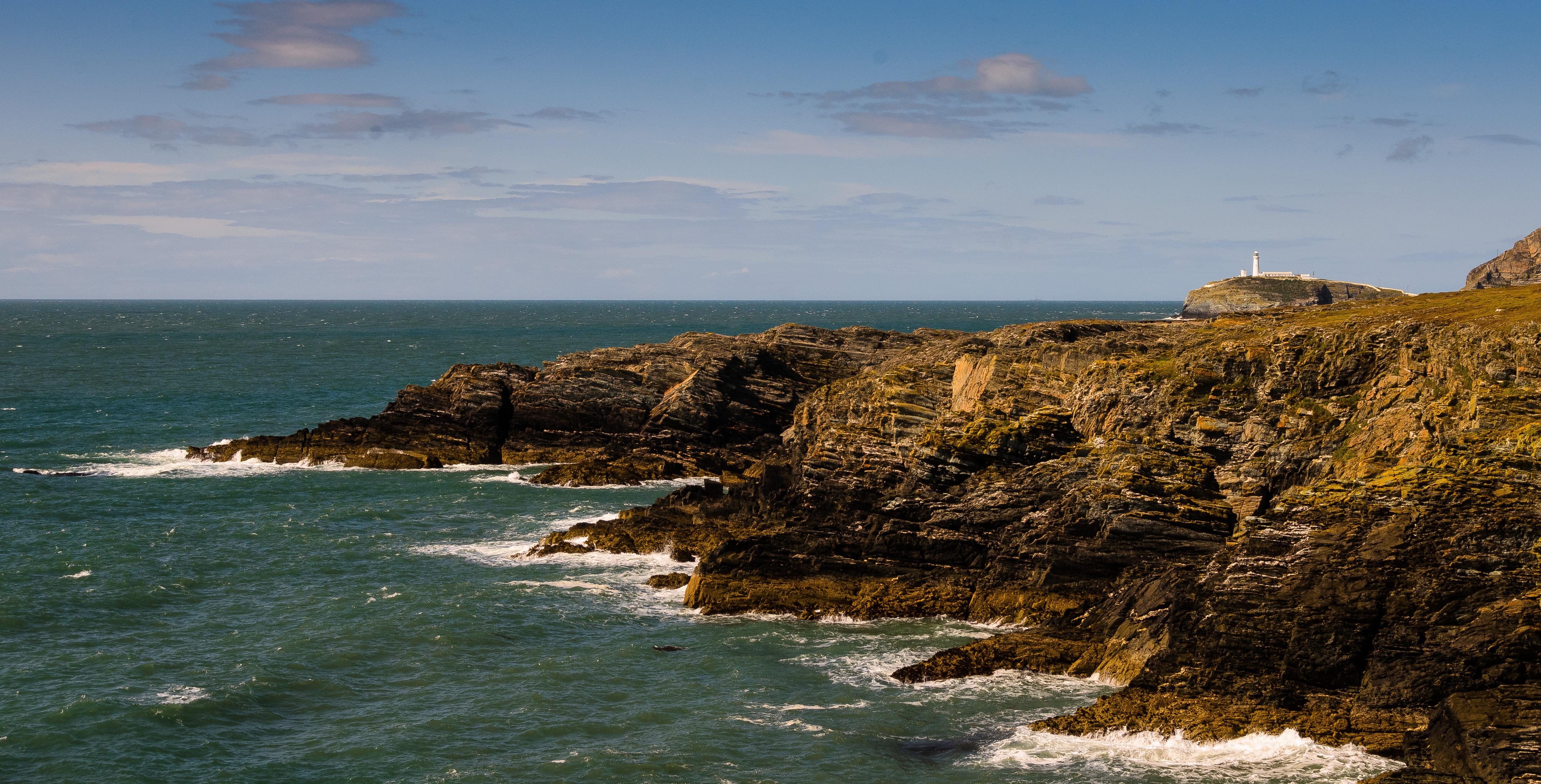
Located on the Isle of Anglesey in Wales, Holyhead is a port town steeped in maritime heritage. Today, it serves as a gateway to the stunning hinterland of Snowdonia, renowned for its rustic castles and quaint Welsh villages scattered along the rugged coastline and amid the interior’s rugged national parks. Our visit to this popular region of Wales affords us the opportunity to experience one of the United Kingdom's top 10 UNESCO World Heritage listed ‘royal sites’, or a panoramic drive through Snowdonia National Park. Both considered to be national treasures. This afternoon we are in for a real treat: an onboard performance from a Welsh choir. Welsh male mining choirs are a powerful symbol of Wales’ cultural heritage. Originating in the coal-mining communities, these choirs embody the resilience and camaraderie of the miners. Their harmonies, rich and resonant, reflect the soul of the Welsh landscape and its history. Singing traditional hymns and contemporary pieces, these choirs preserve a unique musical tradition. Attending a performance is a moving experience, showcasing the strength and spirit of Welsh communities through song.Day 9Heysham
The village of Heysham, located on the northwest coast of England, serves as our gateway to the historical town of Lancaster and the ever-popular Lake District today. Situated near Morecambe Bay in Lancashire, Heysham has been a vital port for fishing and maritime trade since the Viking era. Its working harbour and historical lighthouses reflect its rich seafaring heritage. Heysham’s proximity to the Lake District National Park adds to its allure, offering visitors easy access to the stunning landscapes and outdoor adventures of one of England’s most beloved natural reserves. We follow in the footsteps of many a royal holidaymaker today, by spending time in that ‘quintessentially British icon’, the Lake District. Dotted with 16 lakes, meres and waterways, the region of Derwentwater, collectively known as the Lake District, is beloved for its green rolling hills, slate valleys and quaint towns, with Windermere standing as its crown jewel. Stretching over 10 miles in length, Windermere has attracted tourists for centuries and inspired generations of poets and authors, including William Wordsworth, Samuel Taylor Coleridge, and Beatrix Potter. This region holds a special place in the Victorian history of England. Queen Victoria’s visits to the Lake District, particularly to Windermere, were significant in popularising the area as a holiday destination. Her first visit in 1835 marked the beginning of the Lake District’s reputation as a scenic retreat for the British aristocracy and later, for tourists from around the world. The Cockermouth–Keswick–Penrith Railway, which opened for passenger traffic in 1865, brought even more visitors to the Lake District. A flurry of hotels and B&Bs were built, and steamers began to sail the waterways, showcasing a Victorian ambience that remains today. Queen Victoria returned to the Lake District several times throughout her reign, staying at various estates. Subsequent visits by monarchs such as King George V and Queen Elizabeth II have maintained its allure. Today, we follow in their wake with a boat cruise on the waters of Windermere, a drive through its rolling hills and valleys, and time to explore a village on its shores at your own pace, before returning to Heysham.Day 10Belfast
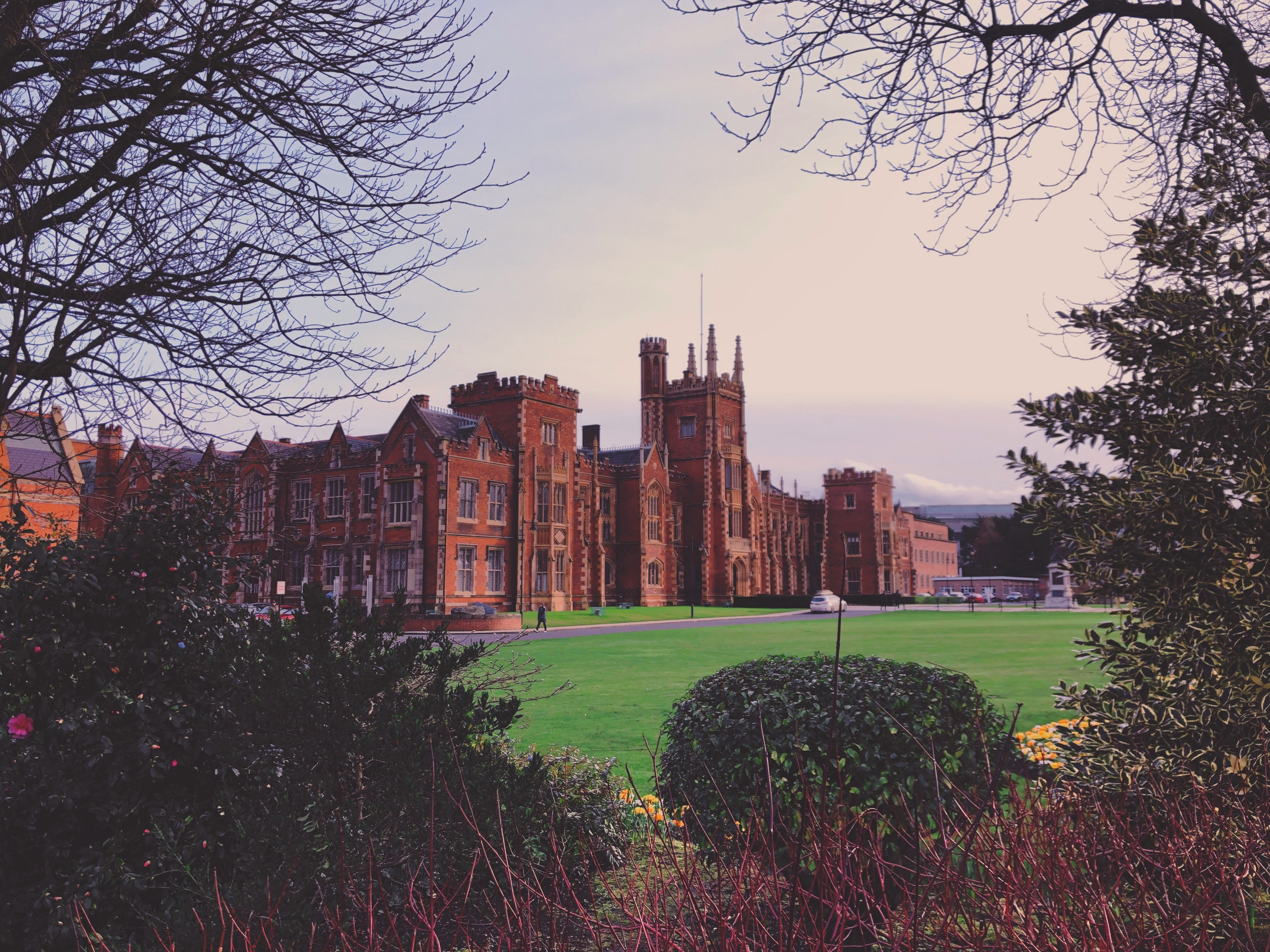
It is fair to say Belfast has endured its share of turbulent times. Famines, disease, invasions and recessions have painted a picture of a resilient city, but it was the more recent period known as ‘The Troubles’ that defined its image of division. Barbed wire, armed soldiers, and constant bomb searches kept tourists away. Today, however, Belfast has transformed, thanks to open political dialogue and foreign investment. The city feels lighter, as if a heavy burden has been lifted from its shoulders. Spend your morning on a guided tour of the iconic Dockyard of Belfast to experience the story of the city’s most famous production: HMS Titanic or enjoy an introductory driving tour of Belfast’s famous ‘quarters. Our small ship status affords us a berth ‘in town’ with time to explore Belfast independently this afternoon using our complimentary shuttle.Day 11Londonderry
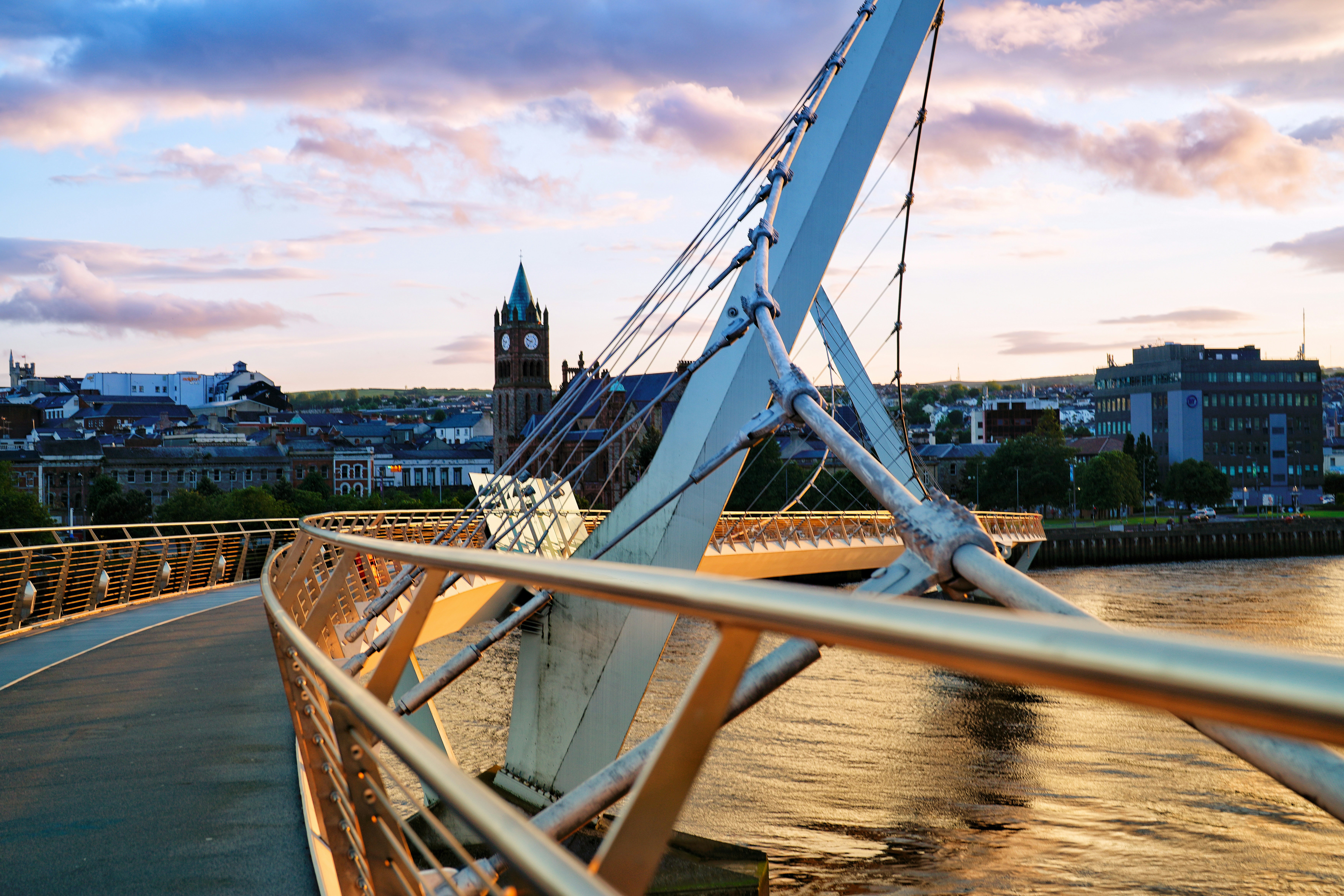
Our overnight sailing allows us to delve deeper into the story of Northern Ireland, at the fascinating city of Londonderry. Simply known as Derry to the Nationalist (Catholic) population but still referred to as Londonderry by the Unionist (Protestant) population, this ‘border’ town has seen it all. The sectarian ‘Troubles’ of this predominantly Nationalist city may have blemished its reputation, but in recent years these tensions have eased, and although some suburbs retain their sense of division, strolling the streets is safe and the general population are happy to share stories of their stormy past and ambitious future. We come alongside on the river Foyle, the now open, natural border between the United Kingdom and the Republic of Ireland. Our location affords us the chance to visit the Giants Causeway or take a locally guided tour of Londonderry~Derry, with a shuttle ship to town, this afternoon for those who would enjoy exploring the city at their own pace.Day 12Troon
Arrive in the coastal town of Troon, where you bid farewell to your crew, disembark the vessel, and board your coach for the scenic drive north to Inverness. Pack your camera, as you may spot an elusive creature. Not men in kilts, but something nearly as Scottish. Loch Ness is Scotland’s most famous freshwater lake, stretching 37 kilometres (23 miles) and plunging to depths of 229 metres (750 feet). Part of the Caledonian Canal, it connects the country’s east and west coasts and is shrouded in mystery thanks to its most famous inhabitant. The legend of the Loch Ness Monster, or ‘Nessie’, dates to the 6th century, when Irish monk St Columba reportedly encountered a large beast in the River Ness. But it wasn’t until the 19th century that the tale took hold globally, with a series of reported sightings capturing imaginations and inspiring countless expeditions. Despite photos, sonar scans, and endless speculation, Nessie has remained stubbornly out of reach, her story growing larger with every passing decade. Even without a monster sighting, the loch’s brooding beauty and sweeping Highland backdrop make it an unforgettable stop. We’ll drive along the loch’s edge, pausing for a brief lakeside stop, our own chance to scan the dark waters for a ripple, a shape, or perhaps a glimpse of Scotland’s most famous mystery, before finding ourselves at Inverness. Our overnight stop is in Inverness, the Highland capital and a place deeply tied to Scotland’s clan heritage. Home to clans like the MacDonalds, MacLeods, and Frasers, Inverness played a key role in shaping the region’s identity. These clans lived by a feudal code, fiercely loyal to their ‘laird’ and often involved in historic battles and alliances. Once a vital clan stronghold, Inverness hosted gatherings that helped define Highland life. Traditions like clan reunions and the Highland Games, with their unique mix of sport and music, still celebrate this proud legacy. This evening, we gather for dinner, ready to head to Scotland’s capital tomorrow. Accommodation: Inverness Hotel Meals: Breakfast, dinnerDay 13Inverness
Lingering in the Highlands this morning, we gain an insight into the clash between the clans and their British rulers, brought vividly to life by our local guides on the battlefield of Culloden. Scottish clans played a major role in the country’s history and politics, their relationship with the British crown marked by both alliances and fierce conflict. Many clans supported rival factions during the Jacobite uprisings of the 17th and 18th centuries, backing the Stuart claim to the throne. The decisive defeat of the Jacobites at Culloden in 1746 marked the end of clan power. Afterward, British policies dismantled the clan system, banning tartan, Gaelic, bagpipes, and communal living. These measures aimed to integrate Scotland fully into Britain and diminish clan influence. Today, the clans’ legacy thrives in Scottish culture, celebrated worldwide through gatherings and tartans. Our guided visit to Culloden Battlefield offers a poignant reminder of this bitter feud. Here, Jacobite forces under Bonnie Prince Charlie suffered a crushing defeat, with heavy casualties and harsh reprisals. Standing on this ground reveals the brutal reality of 18th-century warfare and its lasting impact. We continue south to arrive in the capital city of Edinburgh late afternoon and check in to our hotel. Enjoy your evening at leisure. Accommodation: Edinburgh Hotel (or similar)Day 14Edinburgh
Edinburgh, Scotland’s capital, is more than just a city of castles and royal connections; it is a place where the stories of saints and heroes who saved Scotland echo through its ancient streets. Perched dramatically on volcanic hills and dominated by the iconic Edinburgh Castle, the city has been a strategic stronghold for centuries. Renowned for its connections to Scottish heroes like Robert the Bruce, Mary Queen of Scots, who took up residence at Holyrood Palace as a widow at 18 years of age; and St Giles, the patron saint of Edinburgh; the city holds secrets including hidden underground tunnels beneath the Royal Mile, and tales of ghostly apparitions that haunt the ancient closes and wynds. Beyond its imposing fortifications, Edinburgh was a centre of political intrigue, and a gathering place where clan leaders negotiated, celebrated, and sometimes clashed, leading to dangerous liaisons and hidden nooks and crannies scattered throughout the city. Today, visitors are encouraged to explore Edinburgh’s royal residences, museums and galleries to uncover these stories and witness firsthand the secrets that have shaped its unique identity. Edinburgh stands as a living testament to Scotland’s resilience and spirit, where the legacies of saints and national heroes merge with the city’s enduring royal heritage in a puzzle of history and legend. Our experiences this morning showcase a myriad of classic sites, allowing you an afternoon to enjoy the city independently, before we gather this evening for a farewell reception.Day 15Edinburgh
After breakfast, we take our leave. An airport transfer shared with your fellow explorers is included for your onward flight.
Gallery
Questions about this trip?
Our polar specialists can compare these departures, cabins and current offers with you.
Email explore@polaradventure.com or call toll-free 1-888-611-7688.
Contact us